
Sunday, June 07, 2024
Yesterday, a PBS “Frontline” series captured my attention for hours. The excellent miniseries reminded me of and taught me much more about the many events surrounding the 1979 Iran hostage crisis. Back then, and with the whole world, I watched for 444 days as the United States received barrages of humiliation, vitriol, and hatred from Iran. Previously, that nation had been among America’s closest allies.
Those events happened prior to widely accessible cable and 24-hour news. I followed the available politics and remember the pressures on Jimmy Carter’s administration to turn matters around, resolve them, and bring every hostage home. I never fully grasped the whys and whats behind the Iranian population revolts and that horrifying hostage crisis.
This “Frontline” series filled in the gaps. It explained Iran’s change from a religiously led nation into a democracy having strong leadership by its Shaw. He was educated, had a progressive outlook, and managed Iran’s oil wealth in ways that enabled much of Iran’s population to access education and affluence. He allowed a loosening up among the citizenry that gave women rights to freedom, allowing women to stop wearing burkas, pursue formal education, and seek meaningful work. Iran’s population included a large portion of opposing conservative religious forces; they despised changes toward modernity and especially were against women’s freedom.
The details of Iran’s history of rapid change shed light on that massive portion of its population that remained mired in religiosity and relied on the wisdom of Mullas. A nation-wide change from repression to wealth won’t ensure the best benefits for all its citizens. That portion of Iranian citizens not gaining wealth believed the Shaw’s vision and leadership didn’t represent them. They instead continued to rely on religious leadership and eventually circled around Khomeini.
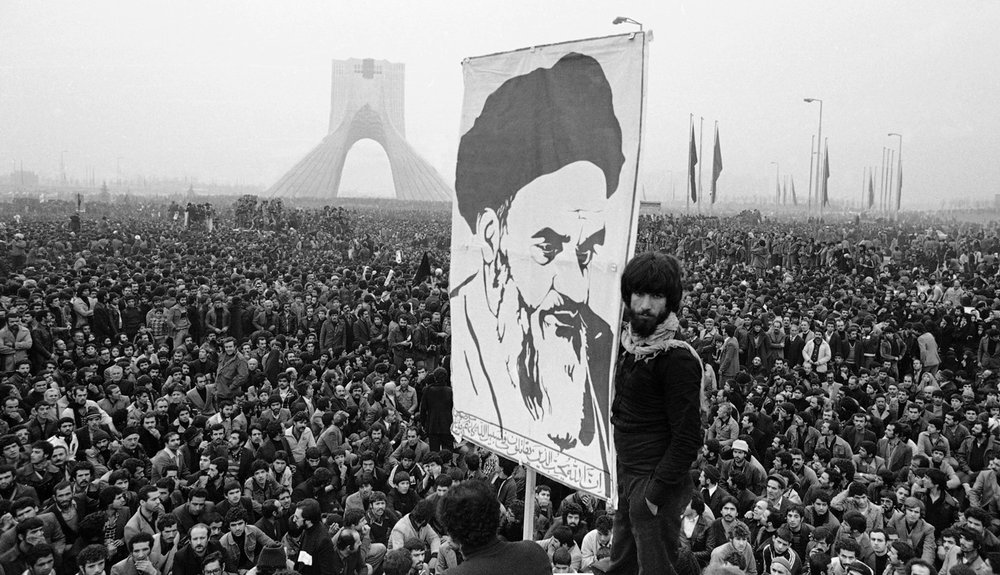
“Frontline” details the rise of Khomeini, and what made him influential enough to cause Iran’s Shaw ultimately to fail. It effectively explains why Iranian students took American hostages. “Frontline” also takes us into the White House and details the Carter Administration’s challenges, efforts, and failures to achieve the hostages’ release.
This gripping series sheds light on Iran’s crises and explains much about its current political and social status. Watching forces us to think about America, too. Our citizens have differing perceptions and opposing views about how to correct this nation’s key ills. Many Americans worry about the implications for ongoing progressiveness.
Dear Friends: Social transitions happening rapidly are scarily unpredictable. Diana
 Diana's Morning Blog