

Thursday, December 05, 2024
Yesterday, Central Oregon was covered in hoarfrost. The beautiful and delicate ice crystals were on all surfaces, from grass, leaves, and trees to fence posts and wire fabric. This whole area looked magical. I took pictures without effectively capturing the delicate white gleaming on feathers, weeds, and knobs. Today is dawning and cold enough again for new ice-imaging opportunities.
I borrowed this image of a Canadian brush with hoarfrost from the internet.

Hoarfrost is delicate enough to coat spiderwebs, enhancing their intricacies. Here’s an example from the Science Photo Library.

Another, of hoarfrost covering trees, from the Science Photo Library.
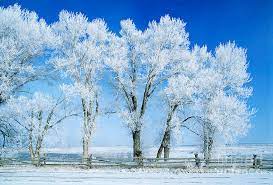
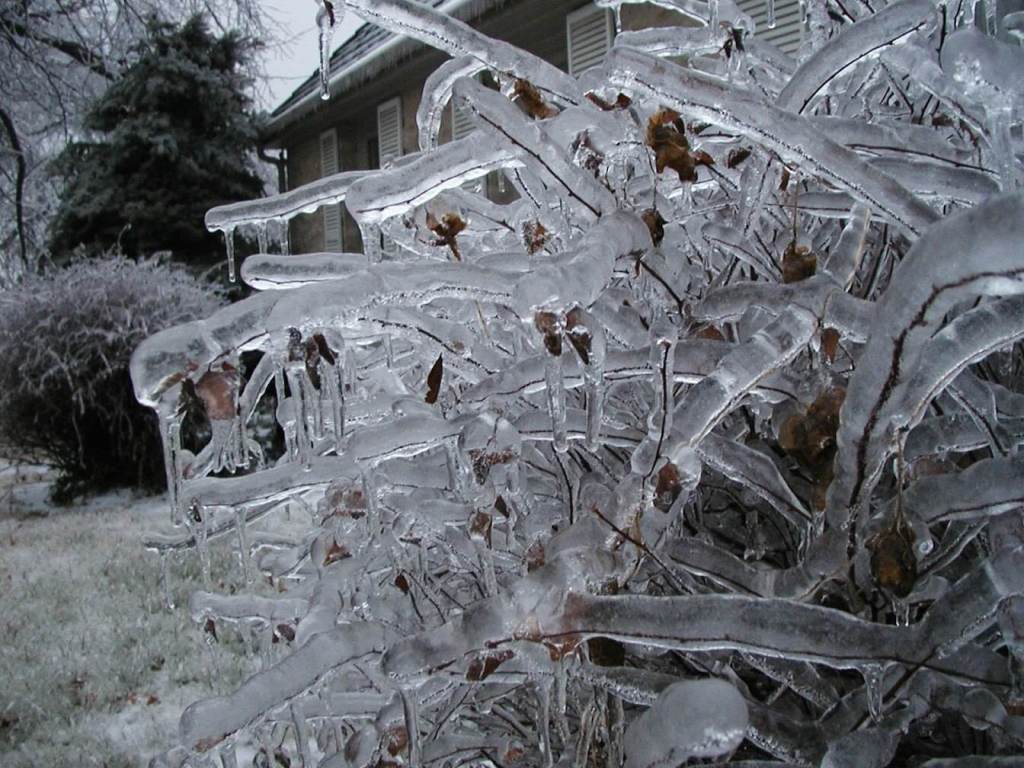
My attachment to hoarfrost is deep because I lived for many years in Kansas City. That area hosted annual thick coatings of ice–on everything, everywhere. The freezing and lasting winter weather created gleaming structures, thickly coated roads, and shining trees.
Beauty was everywhere but treacherous underfoot or beneath a vehicle’s wheels. Oh, how I remember those days. This image, soon after an ice storm in Kansas City, was my “old winter world.”
Today, I am happier, seeing and enjoying hoarfrost! I understand that “hoar” comes from Old English, meaning “showing signs of old age,” referring to the frost’s white, hair-like appearance.
Dear Friends: Today, I will try again to capture images with bright sparkling. Diana
 Diana's Morning Blog