Clock Changes

Tuesday, February 25, 2025

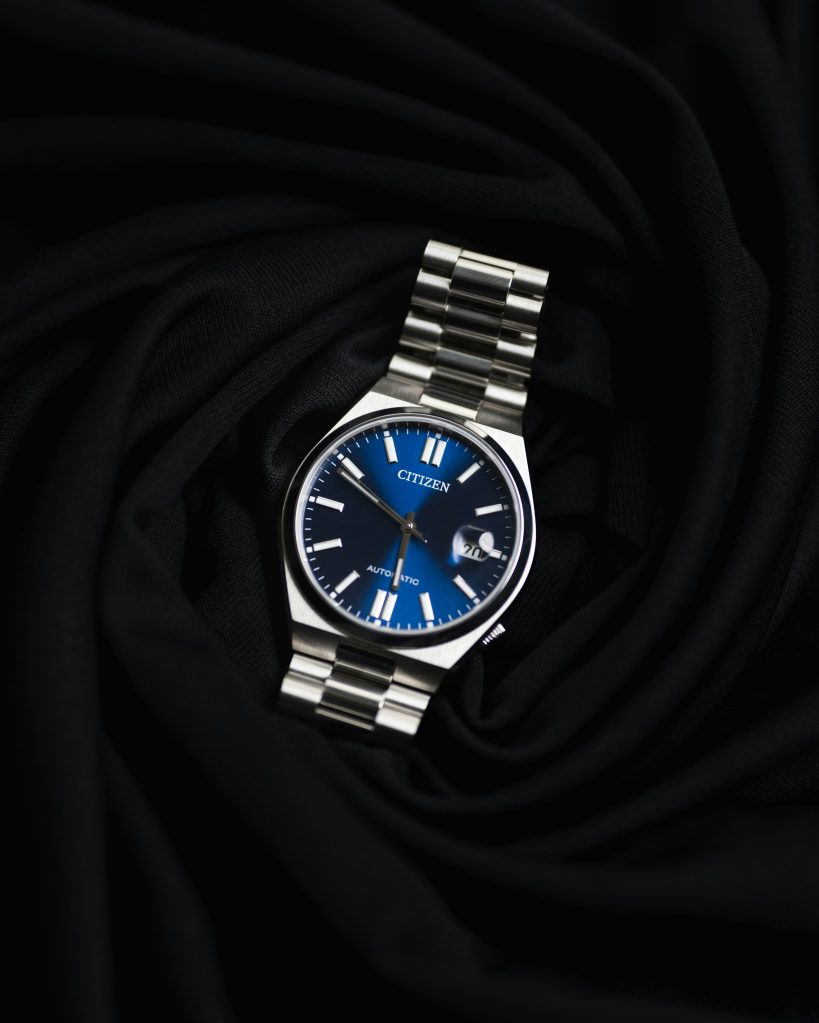
I notice that Daylight Savings Time will start on March 9. I welcome the change.

Though any shift in time disrupts our internal rhythms, which are fundamentally tied to light and darkness, DST invites a sense of renewal. Longer days inspire our optimism by signaling the approach of warmer weather. The summer solstice becomes DST’s pinnacle as living moves outdoors and more activities flourish.

Opponents of clock-changing argue reasonably that the changes disrupt our sleep patterns. However, during DST months, the benefits of extra daylight in the evening overcome needing to adjust upon clock-changing. I agree with the folks wanting to make DST permanent instead of continuing to slip back and forth. DST is the best long-term solution.

Changing our clocks for DST and Standard Time is an outdated compromise between wanting morning and evening light. Changing to DST was introduced during WWI (1918) to reduce energy consumption. The idea was that less artificial lighting and heating in the evening would save fuel and electricity, and extending the morning light would help agri-workers.

Policymakers splitting the difference forced our biannual switching. Sure, standard time benefits farmers and early risers with maximized morning light. But DST benefits workers, businesses, and outdoor enthusiasts by keeping the evenings brighter for longer.

Many want our policymakers to choose one permanent system. I am on board with those who prefer DST.

Dear Friends: My semi-annual time-changing rant; there’ll be another on “the day.” Diana

Political Tension

Monday, February 24, 2025

I’m reading Walter Isaacson’s biography of Elon Musk to gain some insights into America’s current leadership. Musk apparently grew up in a savage environment—socially and within his immediate family. Isaacson doesn’t add that Musk might be on the autism spectrum, but it seems hinted at.

Some research informs me that Musk has publicly acknowledged having Asperger’s syndrome, which falls on the autism spectrum. People with Asperger’s may exhibit deeply-focused interests, social awkwardness (difficulty with emotional nuances), and literal (rigid) thinking–with a tendency toward blunt, direct communications.

That supports the common descriptions of Musk as being an obsessed individual, lacking emotional warmth or tact, pushing for extreme efficiency, and having a demanding, even harsh, leadership style. It also explains the blunt behaviors we are witnessing in his “armchair Presidential” role.

Trump seems forced to keep grappling, and highly noisily, as he attempts to prevent America’s center stage from being completely Musk-dominated.

Good luck, Donald.

In fact, good luck to us all. Our Governmental processes do need lots of cleaning up, but not by the savage actions and threats we are witnessing.

Dear Friends: Reminding me of a 1961 movie title, The Sky Above, The Mud Below. Diana

Keyed-Up

Sunday, February 23, 2025

Yesterday was supposed to be a day off, but I got called to work during the store’s opening shift. Before leaving home, I opened the drawer where my car keys are typically stored. Those I wanted were missing—misplaced. I hurried around looking and trying to recall when I last had the keys. I couldn’t find them, and luckily, other keys in the drawer let me drive to work.

Throughout the years, I have misplaced car keys often enough that doing so again isn’t surprising. I repeated routines by double-checking jacket pockets, the car’s inside, and other spots and areas, but now they’ve been lost for days.

Losing something as routine as car keys—especially when they’re usually carefully stored—suggests possibilities depending on the context. The cause could be an abstraction, a break in routine, a memory lapse, an outside interference (the “Cockatoo took ’em”), or something symbolic.

I lean toward symbolic meanings, which turns me toward uncertainties caused by this nation’s current political leadership. Losing my keys is a signal of my high discontent.

Keys are symbols likely related to access, control, and movement ideas. Misplacing my keys could reflect my increasing concerns about impending fallouts from “external instabilities.” I feel alarmed by the thought that I/we will face fewer reasonably predictable and reliable possibilities related to our preferences and choices ahead.

The inconvenience of lost keys is one thing, but anticipating insecurity in a broader sense is something else entirely. The signs of growing hostility, division, and extremism make it feel like we’re edging toward something ominous. I fear some sort of Kristallnacht event suddenly occurring–a terrifying point.

Maybe such concerns are making me do some things differently, such as adjusting routines, paying closer attention to new sources, or considering practical precautions. Sometimes, when uncertainty looms, small actions, like losing keys, can reveal a loss of personal control.

Staying informed, connecting with like-minded people, and having contingencies in place for unexpected shifts are helpful solutions. The disappearance of those keys is likely related to my stressful feelings about increasing uncertainty.

Dear Friends: Because “talking” always helps, those keys might turn up today. Diana

Trailblazer

Saturday, February 22, 2025

I will write about Nina Simone, who just had a birthday.

I still love hearing her voice; there’s never been anyone like her, a force in music and activism. Simone was a trained classical pianist who blended jazz, blues, classical, and soul. Her singing voice communicated raw emotions and solid convictions.

You’d never a’thought she’d evolve into a fantastic artist. She was born into an impoverished household in 1933–her mom was a preacher, her dad a laborer, and both loved music. Simone’s mother took the baby regularly to church. As the story goes, Simone was about three years old when she managed to climb onto the organ seat and toy with the keys. Soon, she actually taught herself to play a church song. Soon, parishioners recognized her prodigious talent; and later, affluent individuals in the community recognized and paid for her outside music lessons.

Simone became classically trained and an outstanding student. Although she wanted a career in classical music, the racial barriers of her time pushed her toward jazz and blues. She worked in that arena to support herself while making an indelible musical mark.

Her piano style wasn’t just melody and rhythm; it was her powerful expression of personal and political views. Her song compositions, like Mississippi Goddam, To Be Young, Gifted and Black, and Four Women, were unapologetic about racism and injustice in the Civil Rights era. She captured its pain and resilience.

I used to listen to Simone’s singing voice channeling her deep emotions—distinctively communicating, delicately or thunderously. Her adoring fans made her a revered figure—”High Priestess of Soul.” Her music isn’t easily categorized because it isn’t simply about love, loss, and revolution.

She had a complex personal life–mental health challenges, financial difficulties, and brutal husbands. Her volatile temper alienated some and endeared her to others. Eventually, Simone became a world citizen who lived in various countries: Liberia, Switzerland, and France. She always was an enigmatic figure.

Simone died in 2003. Her musical influence continually grows as young generations discover (and cheer) her fearless artistry, outstanding musicianship, and commitment to justice. Her legacy is a “voice of truth.”

Dear Friends: Simone, a musical genius, is still “an original.” Diana

Dining Event

Friday, February 21, 2025

Yesterday was my friend Susie’s birthday. She, her husband Dale, and I joined their son Ian and his new bride Christie at Bend Brewery. We celebrated both the birthday and the wedding over beers and burgers.

Ian and Christie are physically fit, very passionate rock climbers. Ian explained that he turned to rock climbing after realizing he felt somewhat distant from the team sports he had participated in. After enrolling in a rock climbing course, he found that activity better suited him.

Rock climbing led Ian to a social event in Mexico, where he met Christie. She began rock climbing at 9 years old, soon transferring her gymnastics skills to rock climbing. She developed high skills and climbed competitively. At the Mexican social event Ian attended, he and Christie “found” one another. Neither ever looked back.

They’re now active in HeliLadder–Dale and Susie’s thriving central Oregon business. When the two aren’t working at Heliladder, they rock climb at the local (huge!) Smith Rock. Over our burgers, they explained that Smith Rock is a world-class, famous climbing destination.

Speaking of HeliLadder, as we were en route to the Brewery, Dale and Susie described issues facing their business after the Trump Administration suddenly laid off government personnel. Current personnel shortages, without backup planning, are making it difficult for HeliLadder personnel to locate individuals who can answer business questions and follow up within business processes.

Susie’s birthday was a unique event. Earlier, I had presented her with a bright coral sweater. It matches one of mine, which I love. We quickly decided to go out for dinner one evening wearing our colorful sweaters and finest bling. Loving that idea, Dale said he’d buy the dinner!

In the interim, “their kids” got married. Our burger-sweater dinner idea quickly evolved into a multi-celebratory event–lovely and fun.

Dear Friends, An event with discussions, creativity, and camaraderie is the best. Diana

Thaw!

Thursday, February 20, 2025

This day is a gift. I’m off my part-time job without a rigid schedule or pressing commitments. I can move at my own pace. With a coffee cup warming my fingers, I see sunshine through the windows instead of gloom. Some snow remains, however, and this morning’s light stretches across it. It’s easy to sense a weather change because the slow melt is lasting.

There’s also the reality that a day off never truly means a rest. I have chores pending, some long overdue. The horse area needs care against thawing, which has caused sheer mud. The chicken shelter needs unexpected reinforcement against bitter cold winds. My dogs are restless after a stretch of huddling in the fierce cold.

While working outside, I’ll watch for icy patches. My property is like a battlefield of seasons because it only partly receives adequate sunshine. I’ll carefully navigate pockets of slush and unforgiving patches of ice from water that trickles from overfull gutters.

I’ll probably find my turkey Lacy watching me, tilting her interesting head and assessing what I’m doing. She will also feel this different weather; it’s subtle yet unmistakable.

I’m familiar with chores today because they’re annual. This typical weather shift will have me, Lacy, and the other critters breathing sharp and clean air. It’s milder, but winter isn’t finished, not by a long shot. Its hold is weakening, even though only temporarily, making us all feel renewed.

On the horizon, March often introduces weather much worse than February’s. I’ll avoid that by focusing on being in the here and now. I will appreciate today–being in melting snow, sensing the shifting earth, and hearing the soft sounds of animals stirring.

Dear Friends: It’s really happening: a slow, steady arrival of friendlier weather. Diana

Lucy

Lucy, 2021

Wednesday, February 19, 2025

Two heritage turkeys have been a cherished part of my life for several years. They weren’t meant to be; their original owner had intended them for a Thanksgiving dinner. But these birds had a way of charming their way into people’s hearts. They were gentle, affectionate, and unmistakably imprinted on humans, likely having been brooder-raised from the start. Instead of making them a holiday meal, their owner let me adopt them.

I named the two Lacy and Lucy. They became part of my daily routine, following me around, softly whistling in the manner of turkeys at ease. Physical differences made them easy to tell apart. Lacy, with her soft white-speckled feathers, often was the quieter of the two. Lucy, pure black and brimming with personality, was the dominant one—the leader. If there was ever a decision to be made, Lucy made it. She had a presence about her and a confidence that guided my turkey flock of two.

Then, yesterday, Lucy passed away. It happened suddenly—a stroke, I believe. One moment, she was there, and the next, she was gone. Afterward, Lacy, ever her companion, stood watch over Lucy, unwilling to leave her side. When I approached, Lacy reacted in a way she never had before—she pecked at me, protective and distressed. I could see she was processing something unfamiliar, something deep. Animals grieve in their own ways, and in that moment, Lacy was holding onto the most important thing she knew: her friend.

Losing Lucy creates a gap in my small world. She was a fixture in my days, a softly whistling and steadfast presence that I could count on. I will feel her absence, as will Lacy, who must find a new rhythm without her friend.

Inside my head, Lucy whistles with boldness and knowing eyes. I am grateful for having a few years with her. These two remarkable birds have given me unexpected companionship. After a lifetime of hearing the word “turkey” used in negative connotations, my experience found the opposite is true: turkeys are smart and alert. I’ve cherished every moment in the company of my two.

Dear Friends: I will re-strengthen my relationship with Lovely Lacy. Diana

Ah, Mary!

Tuesday, February 18, 2025

I recently ordered the complete series Mary Hartman, Mary Hartman—partly for nostalgia and fun. The show aired years ago, and it had faded from my memory for a long time. But things about today’s social or political climate triggered a recollection, and suddenly, I found myself remembering how much I had once looked forward to each episode. That spark of recognition led me to seek it out again. Ordering the series is just the first step—I want to revisit what made it so compelling back then and see if it still holds up today.

“Mary Hartman, Mary Hartman” was a groundbreaking television series. It redefined the boundaries of satire and soap opera storytelling. It aired from 1976 to 1977. Created by Norman Lear, the show was a darkly comedic, deeply unsettling reflection of American life. It tackled topics that traditional sitcoms and soap operas avoided, like mental illness, consumerism, violence, media sensationalism, and the quiet desperation of suburban existence.

The series resides in a fictional town, Fernwood, OH, where suburban housewife Mary Hartman seeks the kind of domestic perfection promised by Reader’s Digest and TV commercials. Instead, Mary finds herself suffering the slings and arrows of outrageous fortune. There are mass murders, low-flying airplanes, and waxy yellow buildup on her kitchen floor.

That show was too controversial for any network at the time. Before long, however, it sparked Lear’s next series, the winning All in the Family. Archie’s and Edith’s dilemmas (similar to Mary’s) led viewers to recognize and appreciate many disconnects between people’s long-held beliefs and the demanding modern “adult” world.

These shows exposed cracks in the American Dream. Mary Hartman had that perfect blend of humor, strangeness, and originality that set it apart. While All in the Family tackled social issues head-on with a more traditional sitcom format, Mary Hartman took a subtler, almost surrealist approach, revealing the absurdity of American life through its deadpan satire.

I hope to find the same layered meanings in it now and if it may feel fresh and bold enough to hold up today.

Dear Friends: Lear was a genius; I expect to find “Mary…” holding up still. Diana

Holiday Plans

Patriotic, evolving

Monday, February 17, 2025

On this Presidents’ Day, I choose not to dwell on the holiday’s intended meaning, as its significance is bound to shift dramatically in the future. What has changed is our growing helplessness as citizens while our new leaders openly disregard long-held principles of upholding the Constitution and respecting the Rule of Law. These seismic shifts in leadership, both in America and across the globe, carry profoundly unsettling implications for the world.

Instead, I’ll focus locally on the here-and-now happenings. Later this week, I’ll gather with friends for a classic American dinner—hamburgers, fries, and cold beers. We will share our experiences and perspectives, trusting each other in a way that feels increasingly rare.

I work part-time in retail, and customers checking out often share brief and telling remarks about the changes unfolding around us. Many express concern over the relentless rise in prices for food and essentials, the shifting climate, growing threats to natural resources, and the unsettling possibilities of more widespread conflict on the horizon.

Unfortunately, because of today’s pressing realities, I can’t entirely ignore Presidents’ Day. At work, I will ask customers how they’ve previously viewed this holiday and how they may be seeing it now.

Dear Friends: Many will respond verbally, some with just subtle, tense reactions. Diana

Chasing Hopes

Sunday, February 16, 2025

Here are two facts: Next month, my puppy Chase will officially turn three years old, the age when a canine is generally considered mature; another (unexpected) reality is that Chase still lives with me even though our history together has often suggested he’d be lost or dead by now.

I adopted the cute 8-week-old puppy on a whim without considering his genetic potential. Within months, he matured into a (mostly) Rottweiler/Shepherd mix and showed aggressive tendencies toward human strangers and unknown dogs. Those appear more settled, but I remain focused on his energy and behavior toward others when we’re out and about.

He inherited a compact, strong, and fit body type, and with energy to match, he proved himself to be an efficient climber, leaper, and digger, capably escaping almost any kind of enclosure that might contain him. During his first two years, I worried he’d become road kill or lost and considered turning him into a no-kill shelter in hopes of a better guardian showing up for him. Still, I doubted this complicated being would find anyone highly willing to put up with “who he is.” So, Chase has stayed here.

With generous help from our dog-loving neighbors, Chase has been returned home many times and re-contained until he escapes. He’s intelligent, knows where he lives, and wants to be with me. If he’s loose (and still undamaged) when I arrive home from work, he bounds happily down the driveway and hops into my car. He’s alert and smart, understanding and responding to my commands after being aware of them only a couple of times.

My hopes for our easier future together are set on his turning three years old and stabilizing. That could be happening, for he’s been loose in the “big yard” with his buddies for a few months without escaping. However, deep winter might keep the ground too frozen for digging and escaping.

I’m optimistic about Chase’s settling, but it’s a waiting game.

Dear Friends, I’m amazed: Chase still lives here, is safe, and may be maturing. Diana