
Friday, January 23, 2026
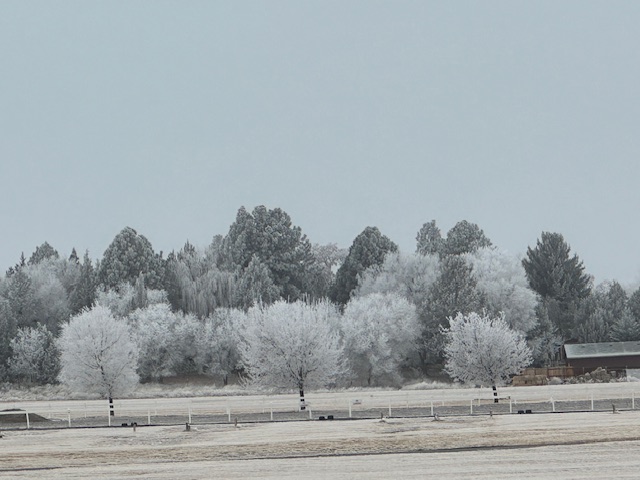
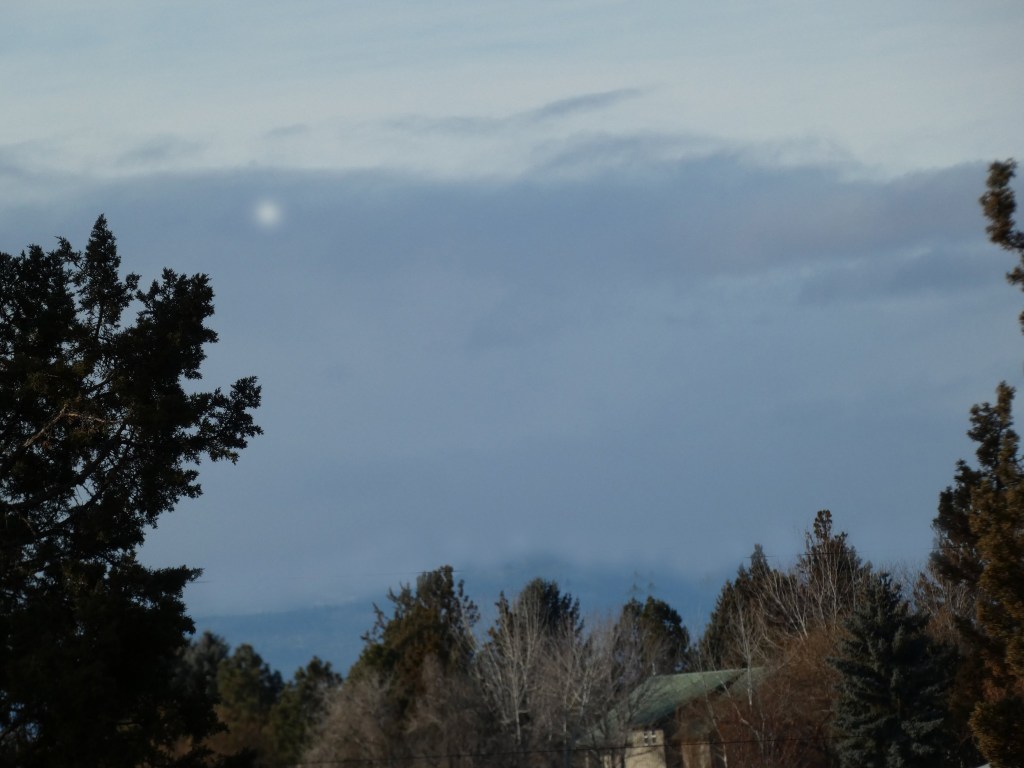
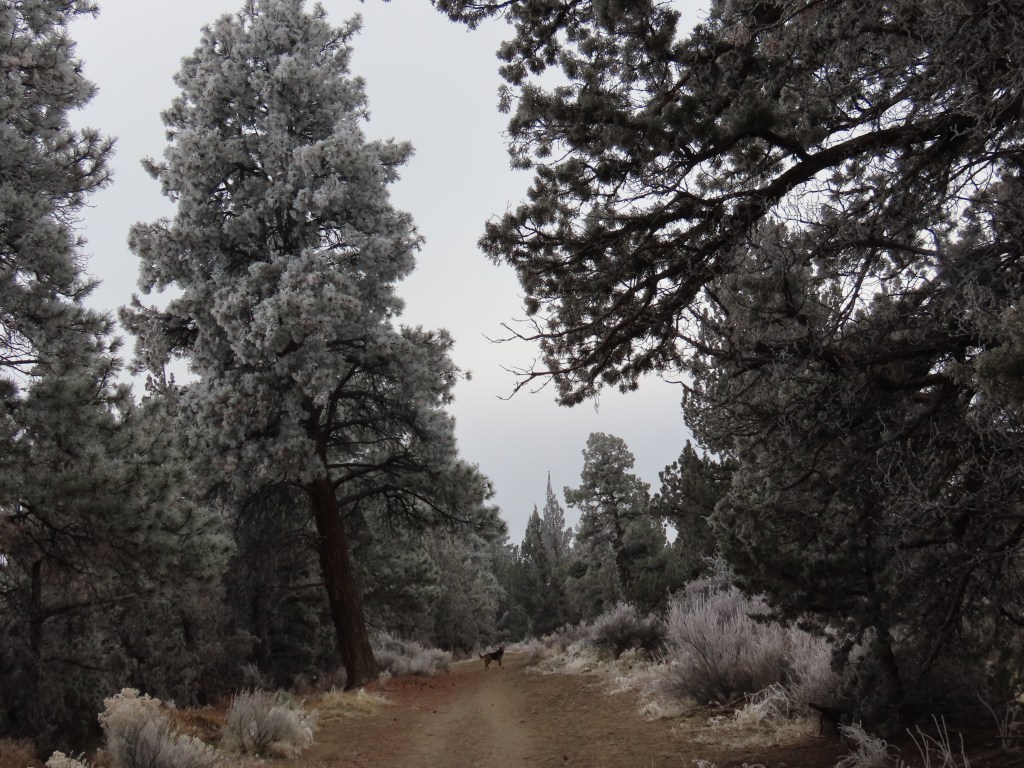
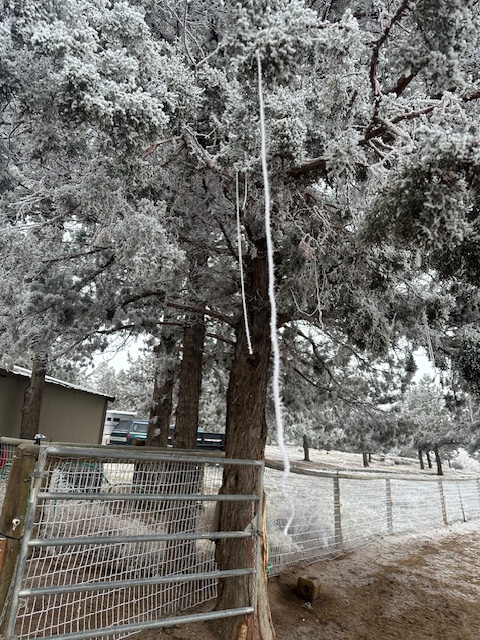
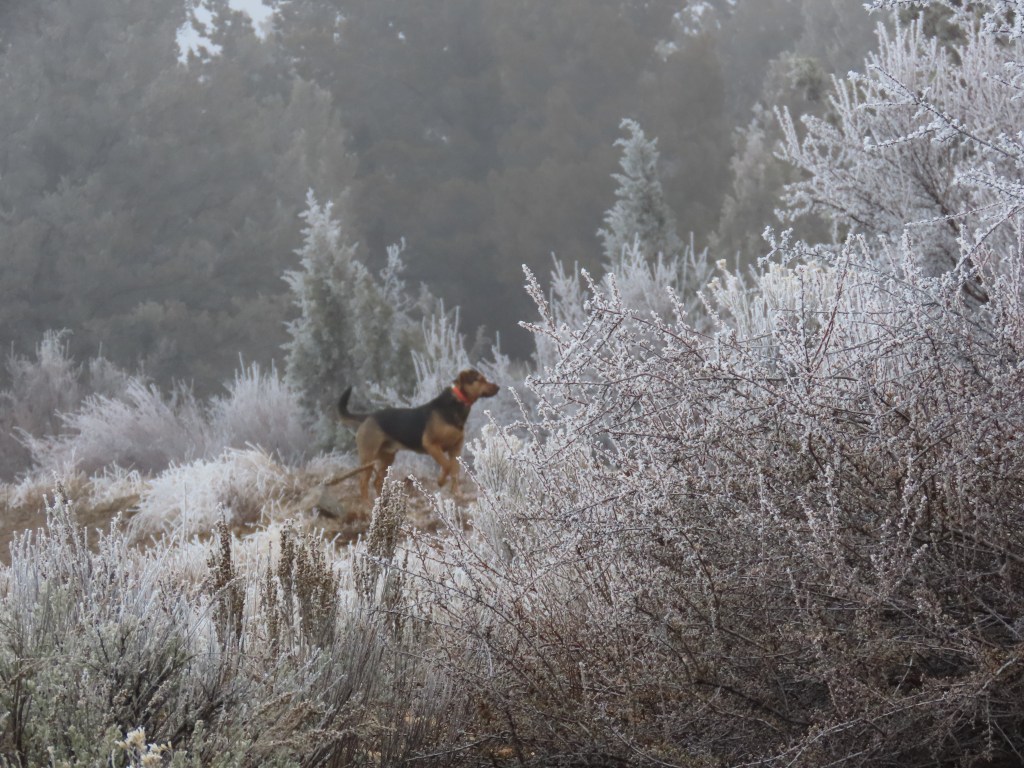
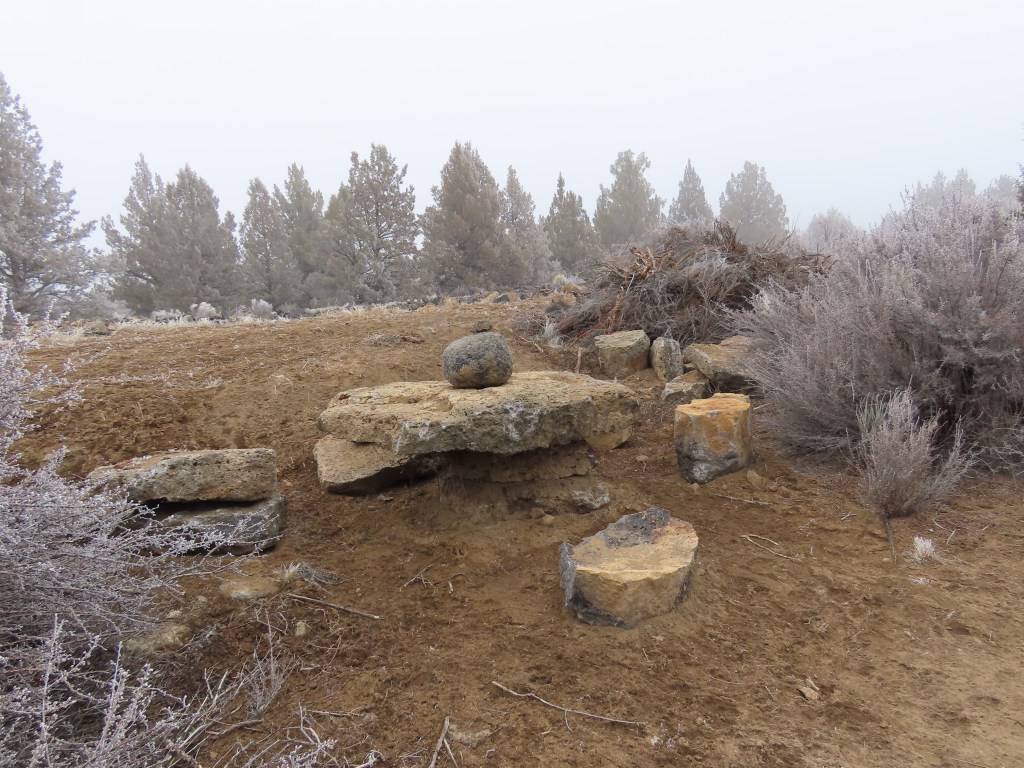
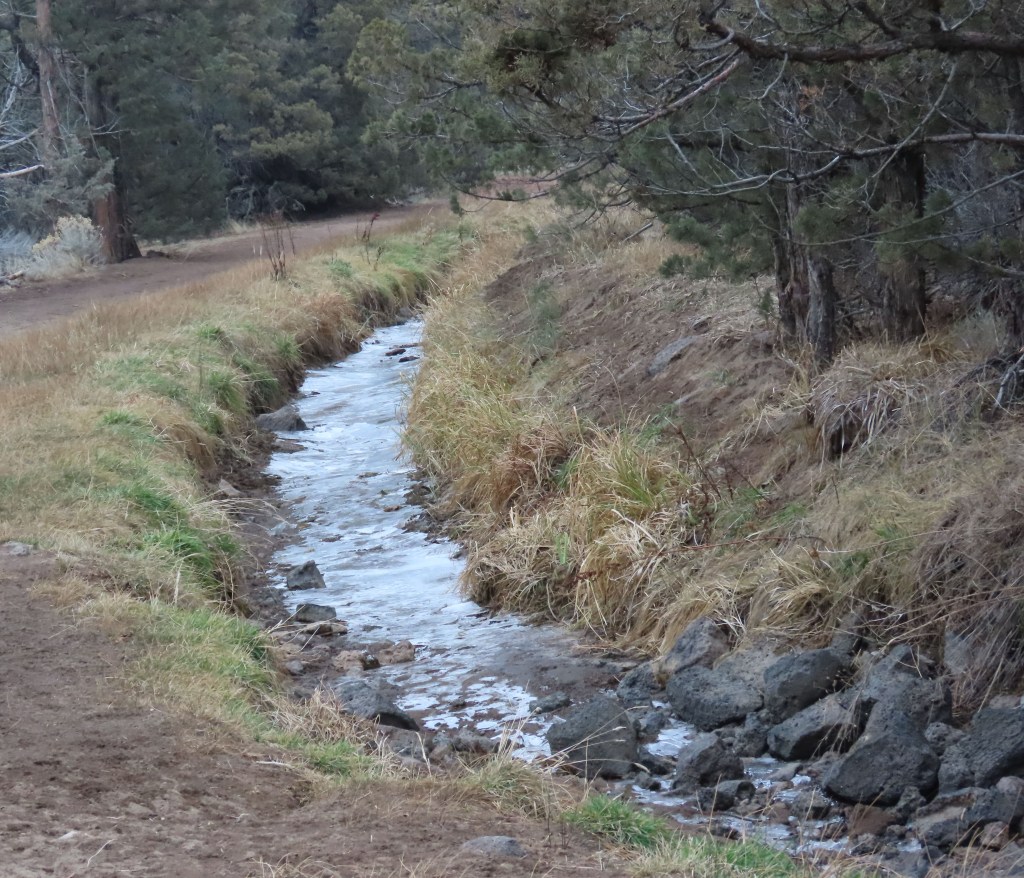
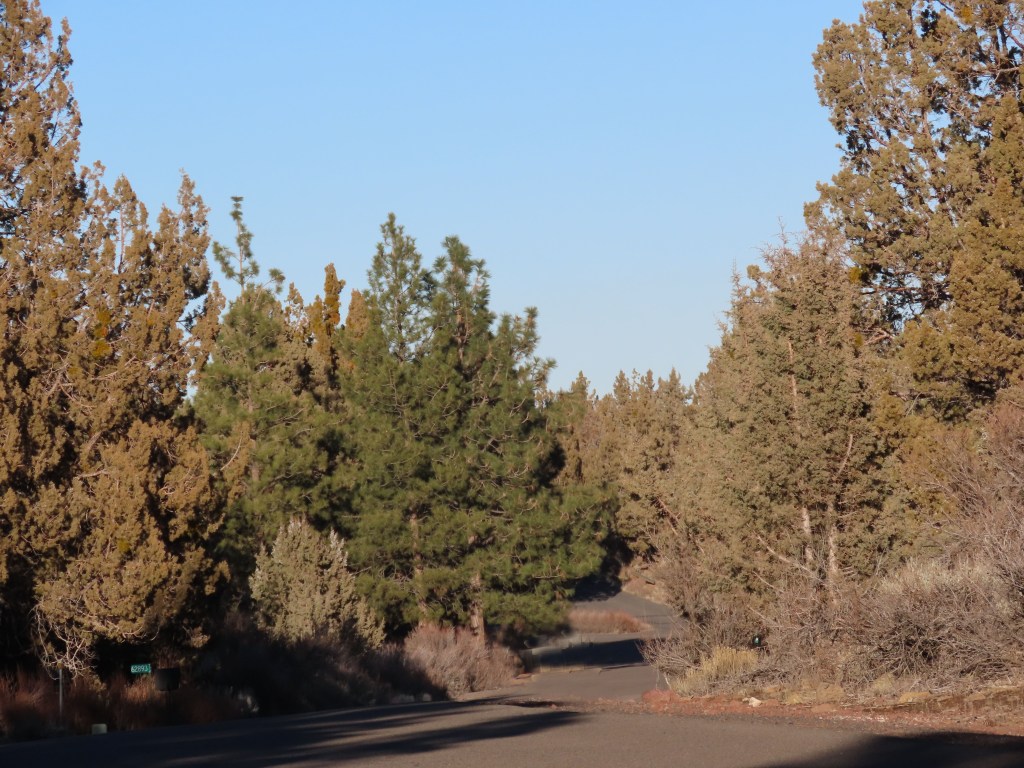
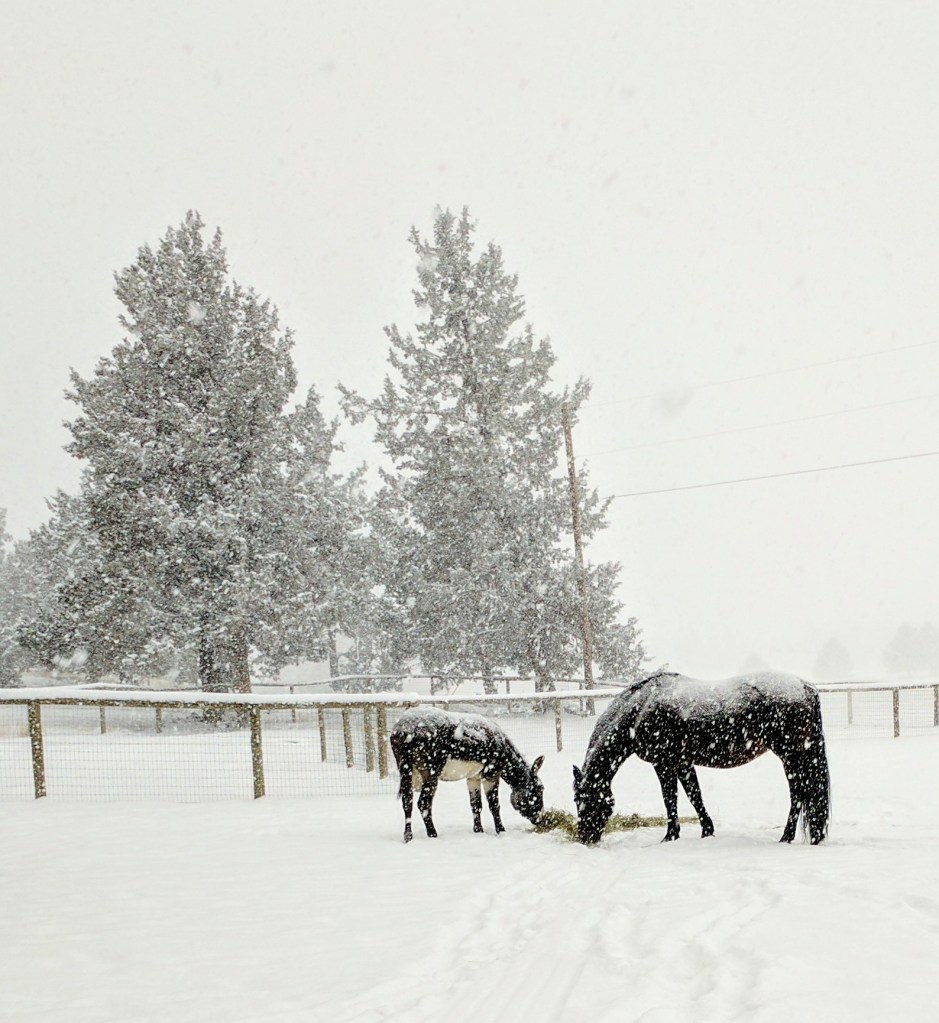
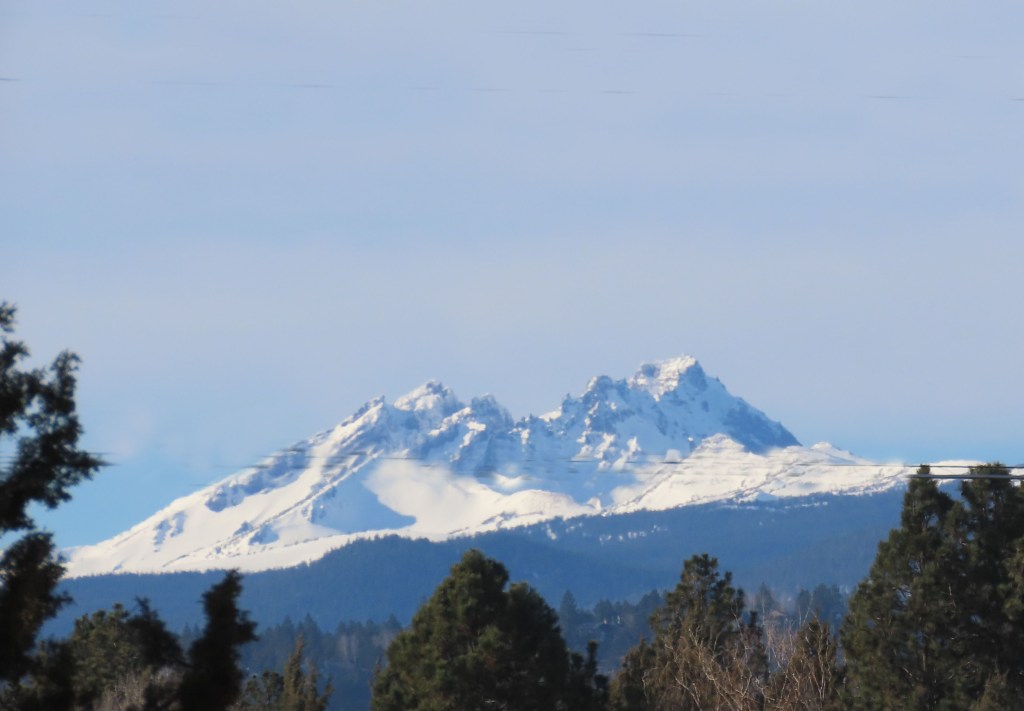
Central Oregon has been captive to a depressing layer of weather inversion for at least a week. A constant fog, intermittent light snows, and freezing temperatures have coated everything—trees, fences, properties—with thin, icy-white films. A few days ago, while driving to work, I unexpectedly passed through an independent microclimate—an actual snowfall was covering a small, contained area. This snowy stretch began and ended abruptly, blanketing only about a half-mile of roads and homes. As if the weather had briefly lost its sense of scale.
Each morning this past week, and today, I’ve stood at a large living-room window, sipping my first cup of coffee and surveying the scene. I want to know the present and the approaching weather alike. That’s easy enough, because its signals are almost entirely visual—and because what I see reliably fills me with dread about the inevitable need to go outside to care for my few farm-type animals.
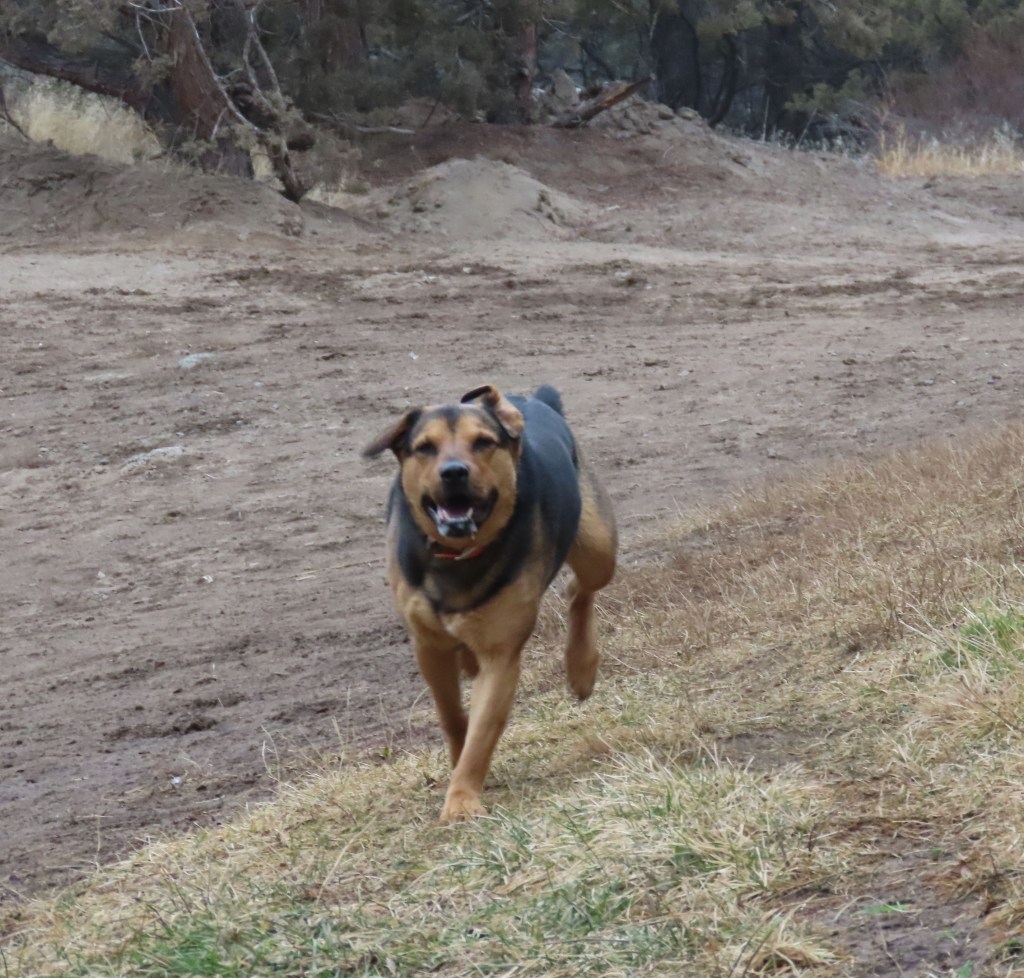
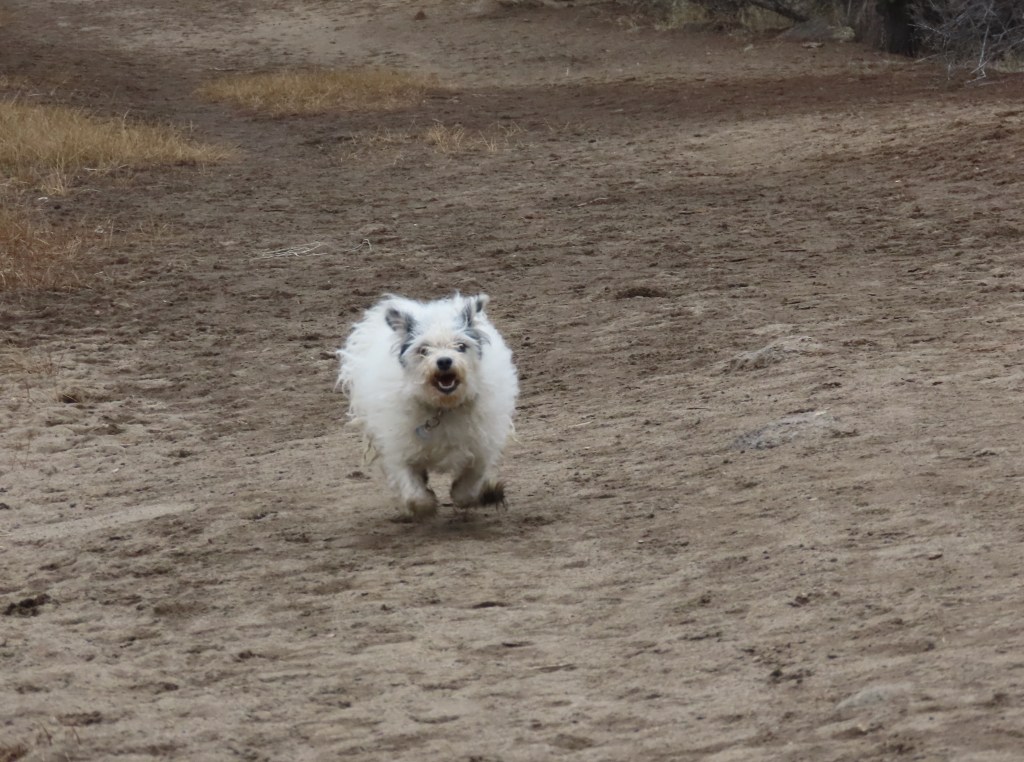
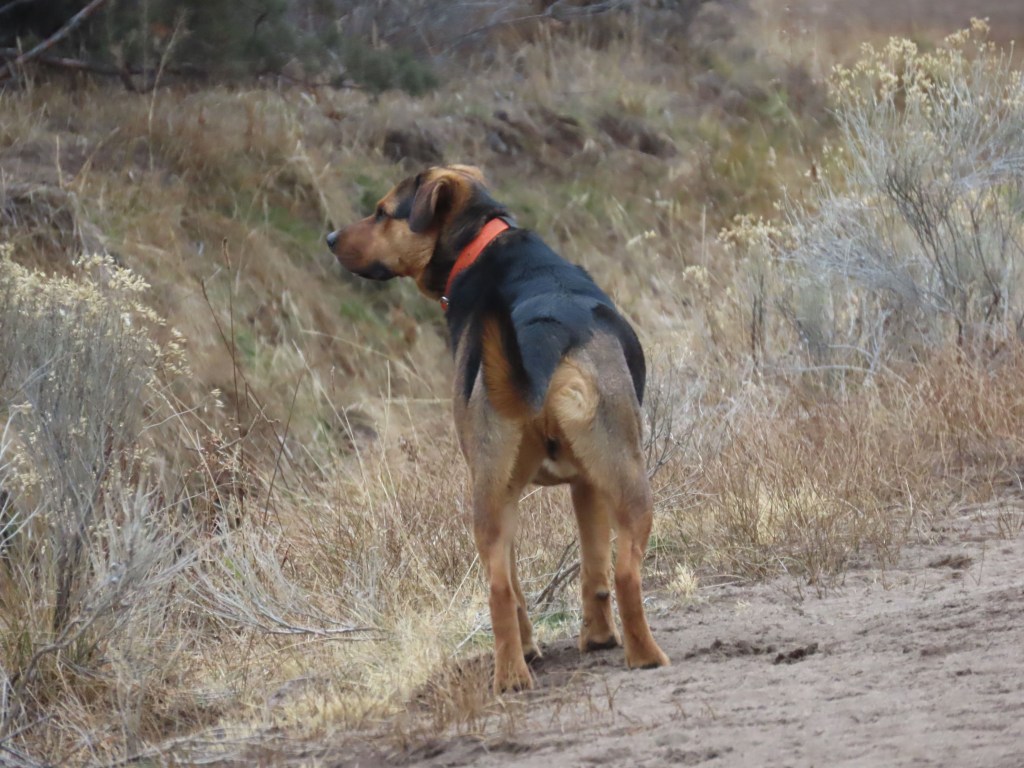
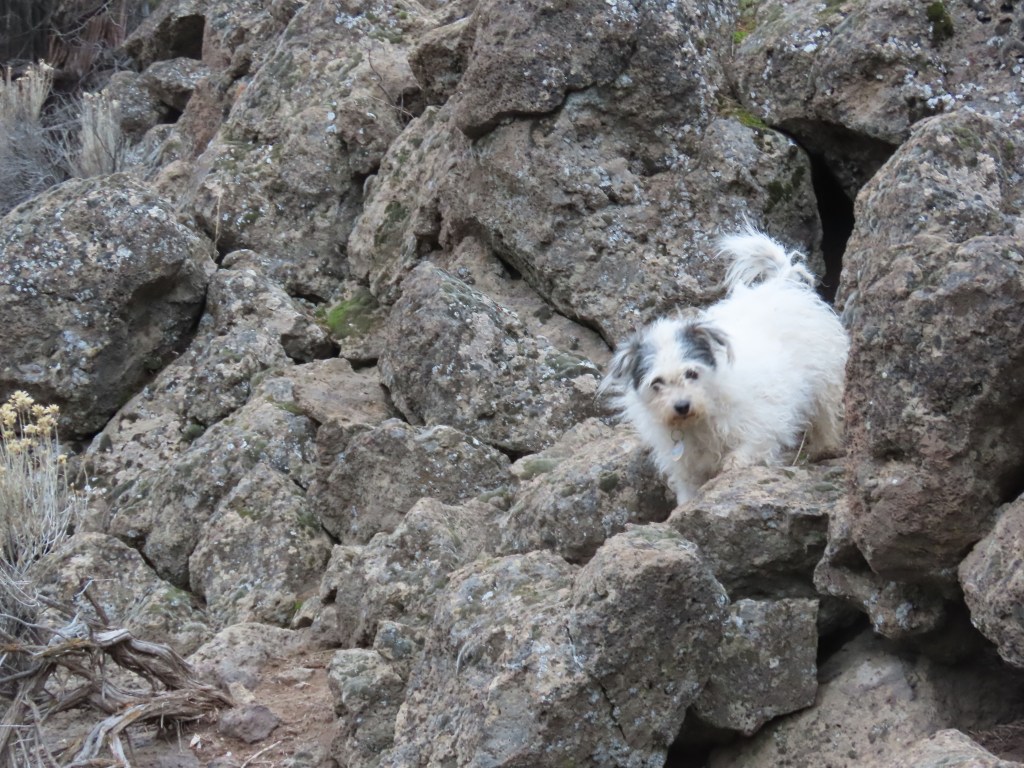
The animals feel it, too. The chickens huddle tightly together on their roost, nearly merged into a single feathery mass. The horses trot toward me, snorting, impatient to begin eating. Before leaving the house, I force the dogs to go outside for a few minutes, and they’re eager to rush back in as soon as possible. I’m entirely with the dogs on this—after being outside, I can’t wait to return indoors and warm up again.
I work part-time as a cashier in a busy, price-cutting retail goods store. Lately, my most common topic of conversation with customers is our local weather. They’re putting their money where their mouths are—buying sweaters, heavy outerwear, and warm pajamas. They’re also buying household organizing and cleaning supplies, preparing, like so many others, to stay mostly inside until the weather breaks.
For days now, I’ve felt urges to slow down more, to look again at possibilities, before settling on decisions. Now, I’m considering ways to use this gloomy stretch for something more than simple griping. This morning, standing at the window, I’m evaluating the possibilities of making a small shift once the animals are cared for. And, instead of spending more time fixating on the uncomfortable inversion layer, I’ll point myself toward a more utilitarian direction, firmly.
To start this shift, I’ll create a list of tasks needed, doable inside, away from windows—like ordering animal feeds, contacting a professional for advice about my questionable roof, finishing a terrific book (Raising Hare by Chloe Dalton), and staying busy with the kinds of organizing and cleaning that customers have demonstrated belong to weather like this.
The inversion will lift when it lifts. Until then, there’s work that fits these indoors.
For readers who prefer receiving these morning pieces by email, I’m also publishing them on Substack.
—Diana

 Diana's Morning Blog