Wednesday, March 06, 2019
I removed myself from big city living nearly fifteen years ago by moving to a small community in Oregon’s heart. Coming from a metropolitan area, with hundreds of square miles and millions of people, to a small town in the middle of nowhere, seemed like transitioning to a tiny berg. I planned to make time to participate in community oriented activities, like book clubs, crafting ventures, meetings with new friends for coffees and lunches, and even launching my dream of writing a novel.
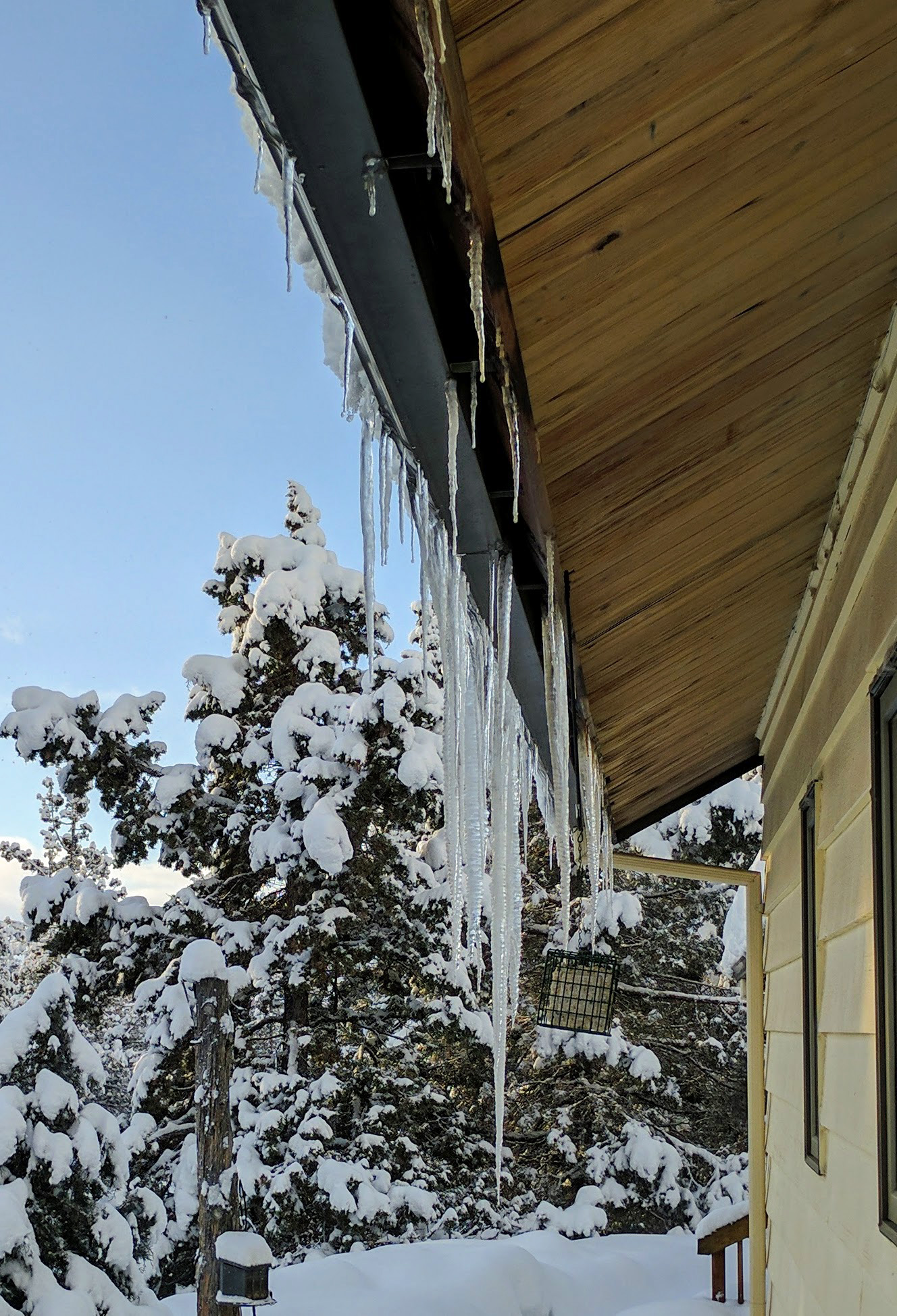
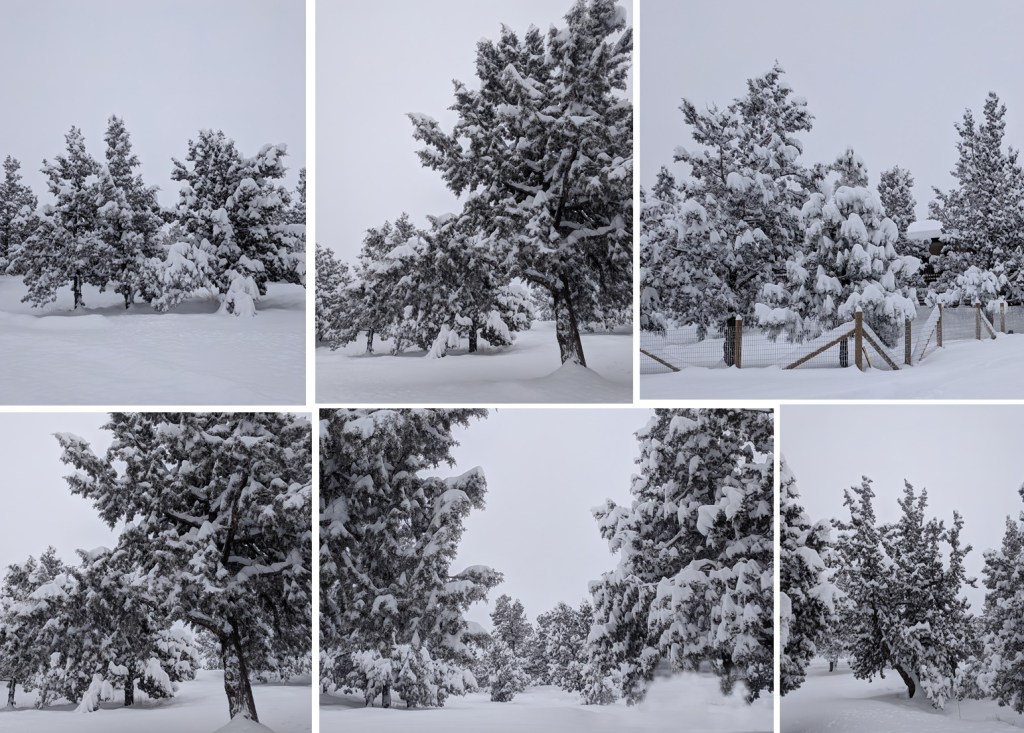
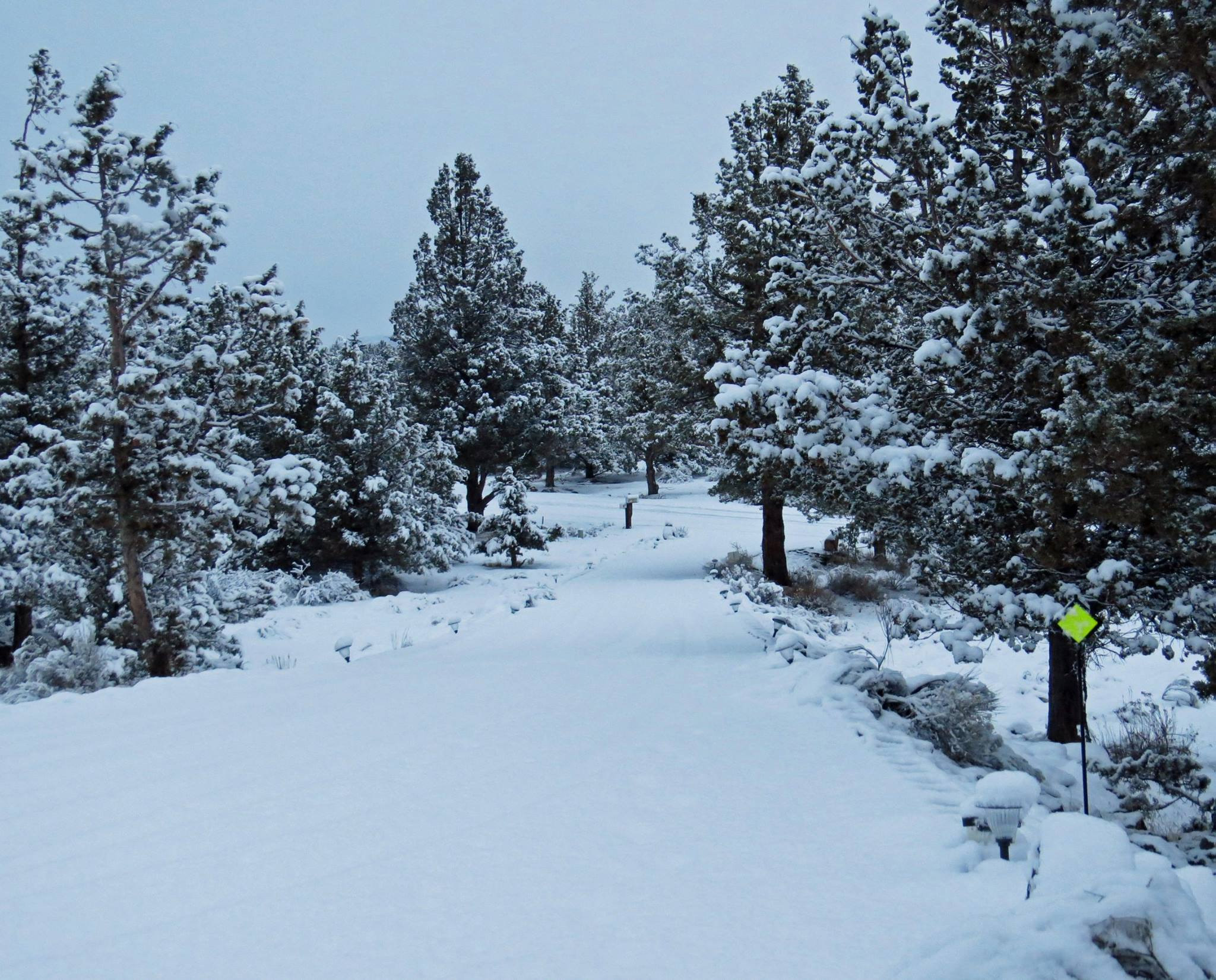
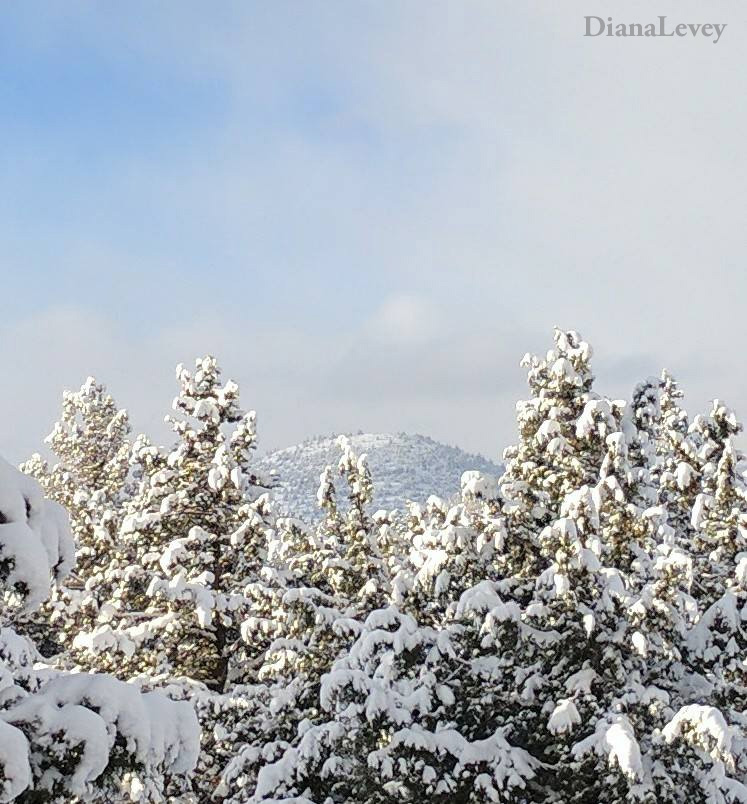
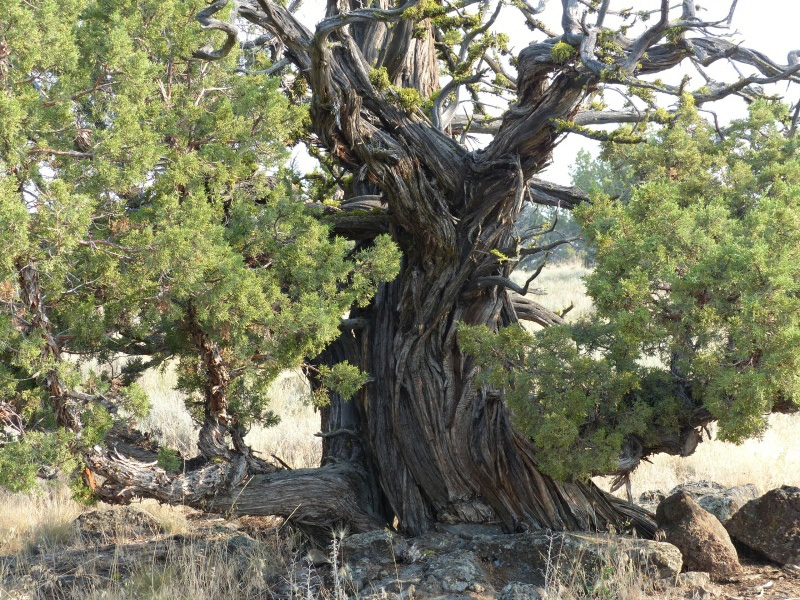
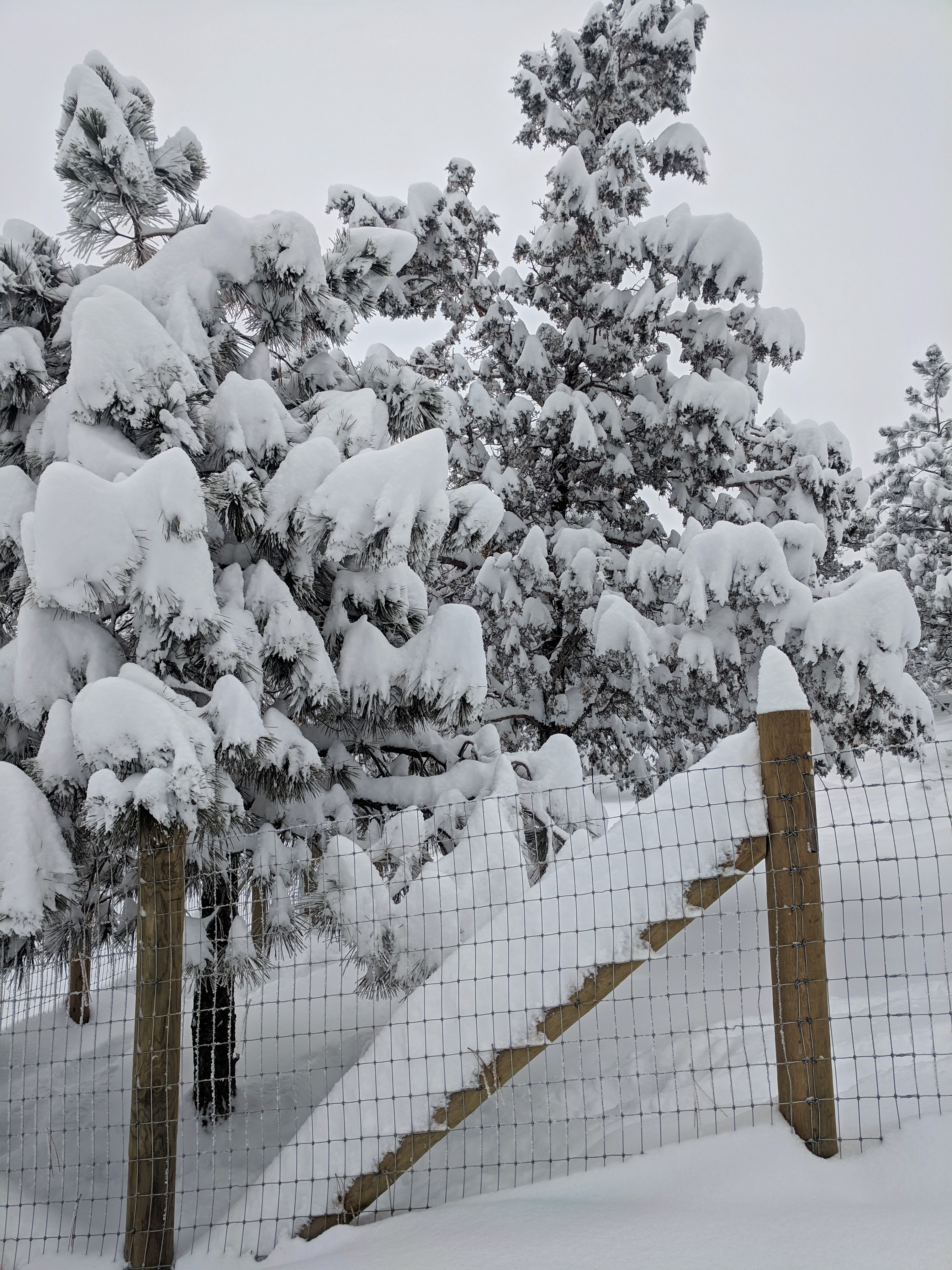
Life happens, doesn’t it. After finding a place on the east side of town, I learned that this small city has two distinctive sides. Its west, nearer the Cascade Mountains, has a major river running through, it has mature Ponderosa and Spruce trees. The west-side’s centerpiece is a former major lumber mill, now turned into a shopping and entertainment mecca. Its east side, away from the river, is desert-like with stringy Juniper trees that have managed to take root and survive in soil of sand and lava rock. To be fair about Junipers, many are hundreds of years old and with twisting bark, they’re beautiful and inspire imagination.
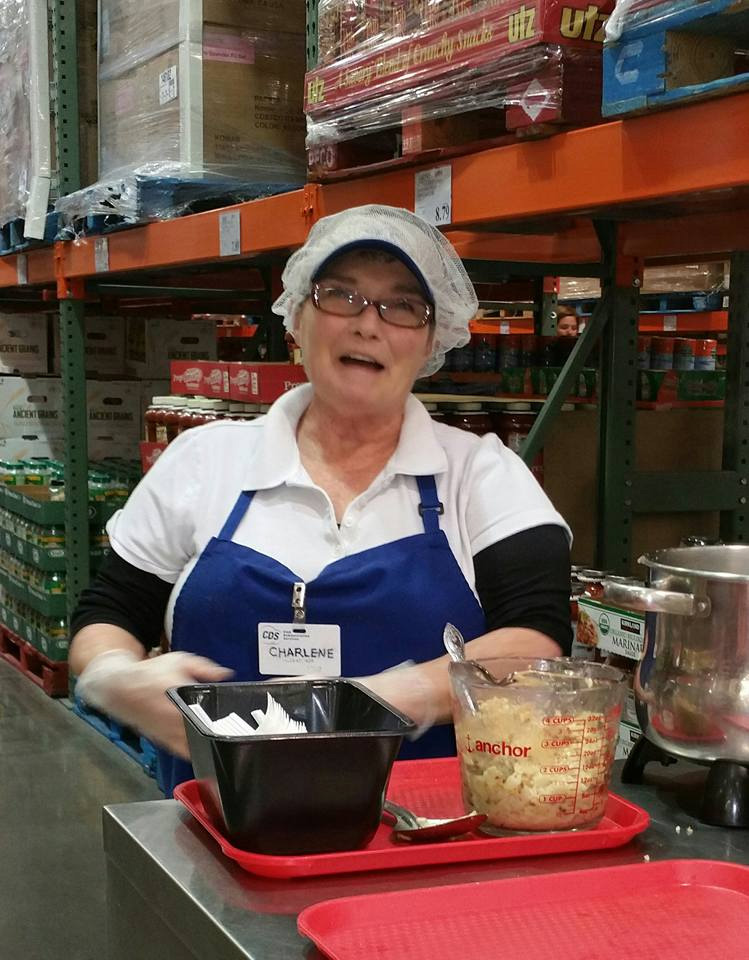
I came to prefer living beyond the city limits and rarely crossed to the town’s opposite side. I stayed aware of local diversity and growth through my part-time job serving samples in Central Oregon’s only Costco where everybody living in or visiting Central Oregon shops. I identified west-siders by their clothing, speech, and food sample choices for their kids. The east-siders, distinctive in country-like clothing and beaten-up cowboy boots, clearly preferred meat and potatoes. Over time, such distinctions have faded, as more folks new to the city are settling on its east side, as shoppers increasingly read labels and are more selective about foods and household items.
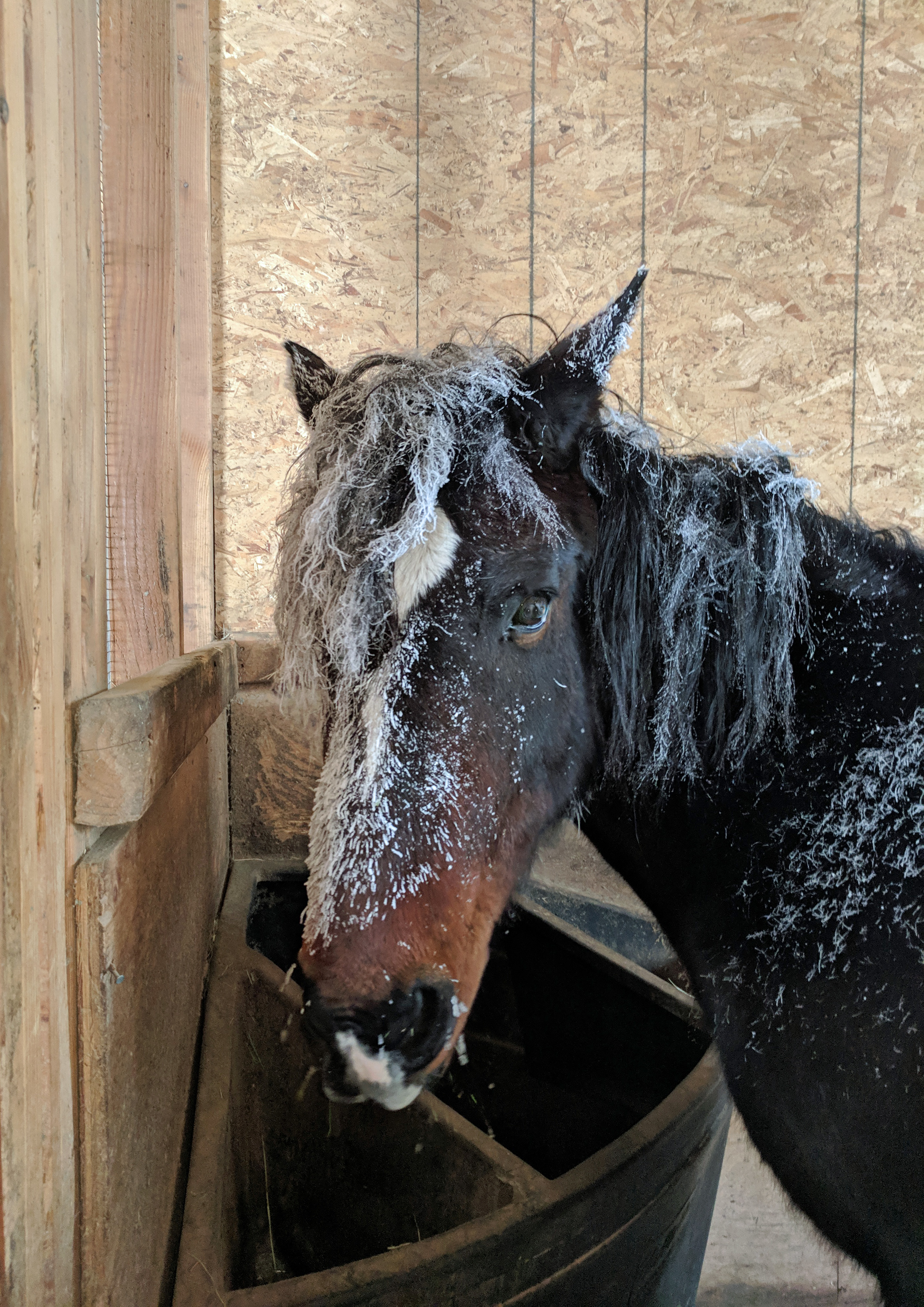
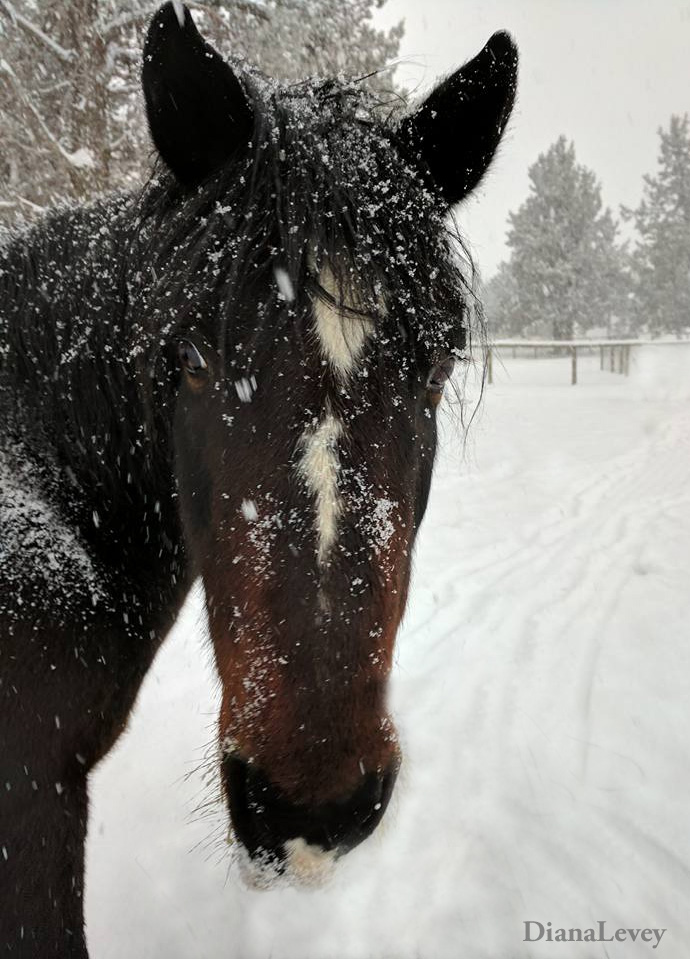
It’s often felt somewhat like my old life, in California, when the San Fernando Valley seemed light years away from West L.A., with folks entrenched in their areas. In Bend, I’ve become a country person, having maintained a few rocky acres, caring for horses, bringing from Costco some earnings and supplies, and visiting feed stores for other needs. What’s not horse-related, like book clubs, teas, and social groups, has escaped the picture.
Yet, my sense of this city has been changing. Maybe because of Costco’s customer mix, and increasingly, that people seem less identifiable to areas. Maybe because of shake-ups in local leadership, with a few new members on the City Council and a newly-elected City Mayor. What’s helping is that managers of the local newspaper have decided to re-publish fewer articles from national publications, and instead, focus on locally-reported and -written stories, creating a more interesting newspaper that helps the area seem less like separate pieces.
Small communities struggle because old timers don’t want many changes and newbies want lots of them. This conflict of perceptions has caused stumbles in Bend’s baby steps. Now, as a “new old-timer”, I feel protective of “my east side” and hope it keeps consisting of small acreages, allowing farm animals, appreciating personal independence, and fostering neighborly cooperation.
Dear Readers, It’s worthwhile to pause and reflect on a sense of community. Diana