Revisiting A Darkened Room

Sunday, January 11, 2026

I always used to rely on movies—not just for entertainment, but for guidance, inspiration, and small lessons in “being human.” Throughout my growing-up years, films were a kind of companion.

The early ones—Hollywood standards of the 40s and 50s—taught me about glamour, timing, and emotion, and that stories can move with an almost musical rhythm. Later, I gravitated toward the New Age filmmakers of Italy, England, and the independent Americans who emerged in the ’60s and beyond. The emerging works felt looser, freer, more searching. They offered complexity instead of polish. They lingered in ambiguity. They asked viewers to stay longer, look again, and participate.

Eventually, as with so many things, the growing internet altered my habits. I stopped going to theaters. I became a streamer—at first enthusiastically. Art houses were becoming harder to find, and searching for them was tiresome. Over time, I watched fewer movies and watched less attentively. Eventually, part of myself drifted. One that used to feel essential, that welcomed art as nourishment.

Right now, considering the year ahead, I’ve started noticing that absence. Not dramatically—but more like realizing a room has gone quiet. I miss great movies. I miss the feeling of settling into a seat, lights dimming, a subtle sense that something meaningful might happen. I miss my own alertness, my old curiosity, my willingness to follow a director’s point of view.

I’ve done a little exploring and learned something surprising. There is an art movie house in this Central Oregon city. And “just like that,” something old and familiar stirred in me.

Today’s header photo represents today’s matinee, and I’ll be attending.

Not from nostalgia or needing to reclaim some earlier version of myself. I’m going because sitting inside a darkened room—surrounded by strangers, facing a screen larger than life—once held great purpose for me. And purpose, even if lost for a while, can return in surprising ways. Sometimes renewal begins by doing something small, but true. Something once beloved.

I’ll be watching a very modern American art film. I’ve no idea if it’ll be extraordinary or forgettable. (As a note, this film also might be streaming now, and I’m avoiding that.) Because today I will join a live audience. I will return to a first theatrical experience after many years.

This might renew more than a habit. It might refresh my relationships with attention and imagination. There is a possibility that art can still shift me, nudging me and inviting me into a “different room” than the one I walked into.

Entering this new year has made me think about purpose. Somehow, today’s adventure seems a small re-beginning. I will re-explore a once-significant source of learning. And most importantly, this could be a new beginning.

Later, I’ll know more. About the film itself, and about how it feels to sit, again, in a darkened room with emotional potential. For now, it’s feeling great simply for having decided to go.

Diana


Goals In 2026

Saturday, December 27, 2025

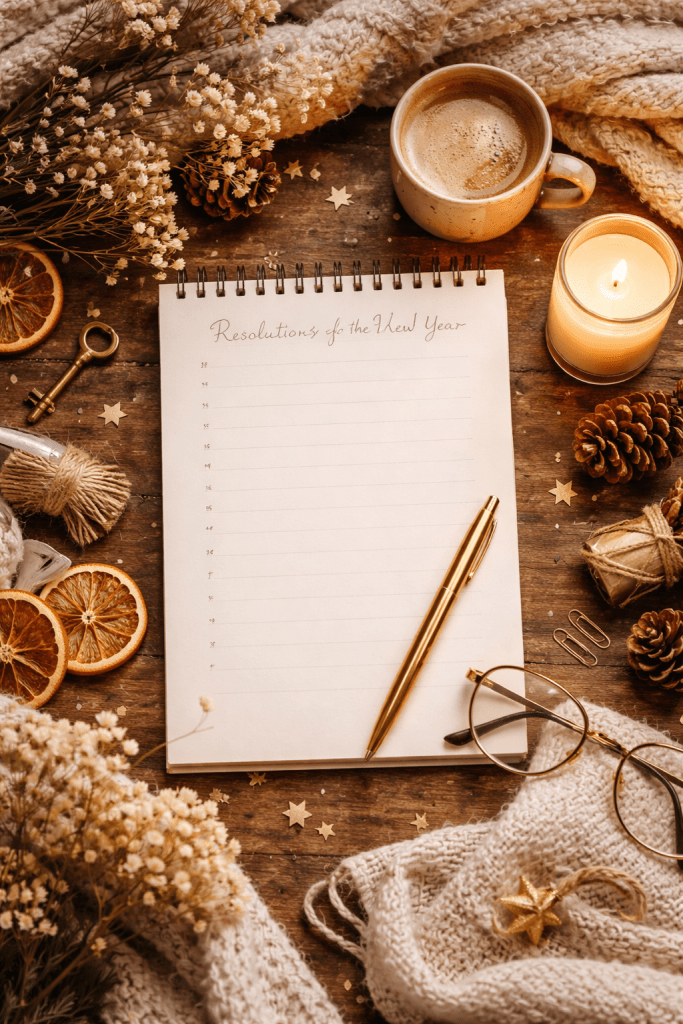
I usually fail at traditional goal-setting. Not because I lack interests—quite the opposite—it’s because I can’t seem to choose just one direction.

Goal setting has always felt artificial to me. I try, but my beginnings drift toward their endings quickly. Time has taught me that my mind works best when I am noticing, listening, and following threads. My lists of desired outcomes tend to harden too quickly into expectations—and expectations often drain my energy rather than organize it.

So in setting goals for 2026, I’m applying personal insights gained over many years. Instead of declaring ambitions, I’m taking another approach: naming practices—ways of living that support curiosity without turning it into a series of obligations.

These are my plans for the new year.

I will take steps to learn basic Spanish, gently—mostly by listening. There will be no fluency deadline and no pressure to perform. I’ll choose programs that allow me to hear the language without strain and give me enough time to absorb vocabulary naturally.

I will keep writing my blog, but with clearer boundaries. I want to practice blogging from multiple perspectives rather than maintaining a single voice that tries to cover everything. A friend has suggested that I experiment with Substack, and I may—using a time-limited trial. Clarity matters more to me than reach.

I will work more with my camera and focus on small, coherent projects—one subject at a time. I won’t try to build a portfolio. What I want is to learn how to see more carefully.

I will do physical core exercises daily for 10 or 15 minutes. My focus will be continuity, not intensity.

Retail work will remain part of my life—not as identity, but as social engagement. I’ve learned that being among people matters, even when the work itself is ordinary.

Property care will continue, emphasizing seasonal, more realistic goals. One improvement per season is enough. I will aim for stewardship, not perfection.

I will finish a back-shelf creative project—Little Miss Merry—which has stayed with me. Finish it this year. Not expand it. Finish it.

I will invest in the stock market by employing a simple strategy: I’ll remain calm. And continue learning how to evaluate possibilities more clearly, stay steady, and avoid reactive moves.

I intend to strengthen my “mental core” by making regular room for intellectual experimentation—reading, listening, thinking—and release any feelings that I must carry everything forward. I will be an interested visitor, not a collector.

Finally, I’m adopting a simple rule to keep my 2026 plans viable:
If a goal or intention begins to demand urgency—something that must be proven, measured, or justified—it’s likely unaligned with how I want to live now.

None of that’s a retreat.
It’s refinement.

Diana

Creative Longing

Saturday, November 29, 2025

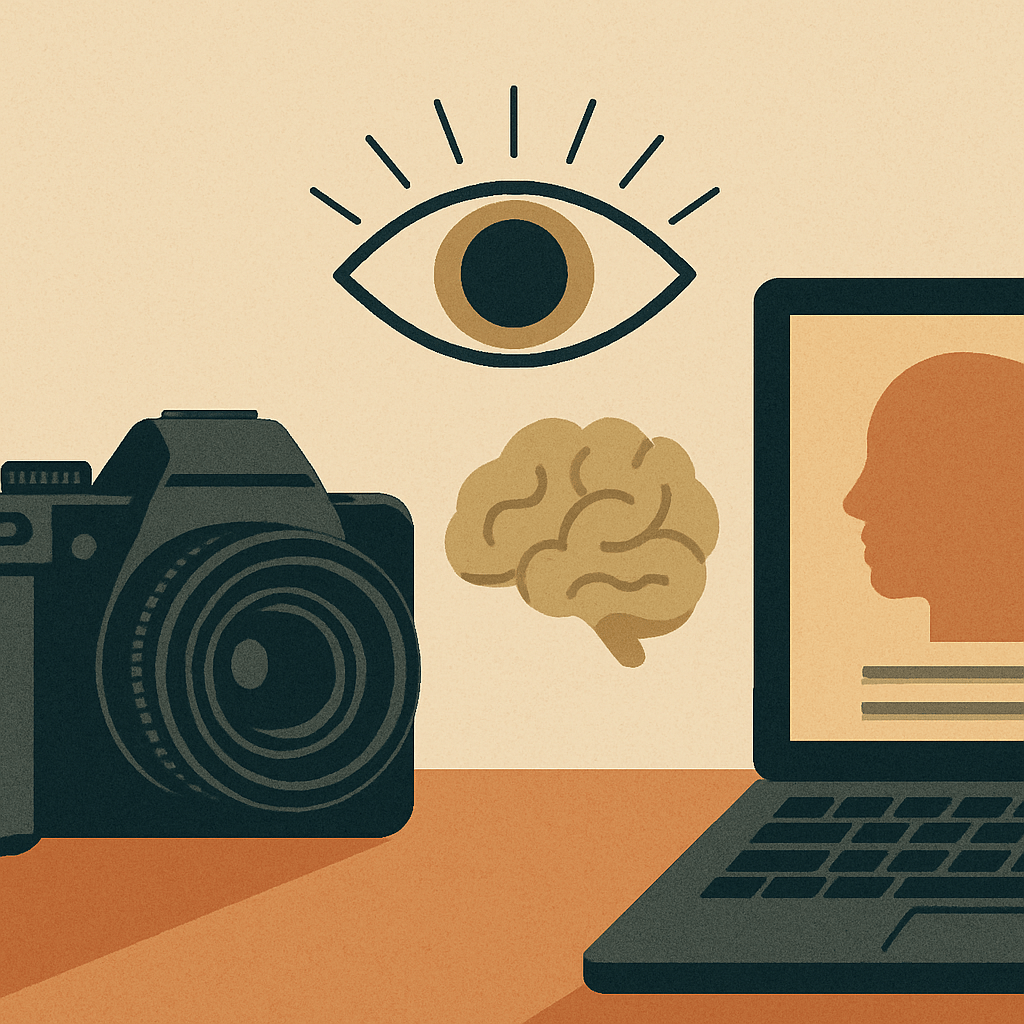
I keep wondering why certain objects can hold such power over me. They’re not things that glitter or impress. But cameras. And computers. Tools that can capture images or help me shape words. Tools that let me look more closely and think more deeply.

Yesterday, on Black Friday, I impulsively purchased a lightweight laptop—an extravagance I can’t quite justify, and one I’ve argued with myself about since clicking “Buy.” At the same time, I felt a strong tug toward using my camera more often. Something is dawning on me: I’m not really longing for the gadgets themselves. I’m longing for what they represent—seeing and understanding.

For as long as I can remember, I’ve been drawn to anything that helped me make sense of the world. I was a confused, unhappy youngster who studied people’s faces, their gestures, the tiny habits that revealed who they were. I was always searching for clarity.

My adulthood carried the same pattern—observing and learning through books, conversations, history, and the complicated turns of human nature. And for many years now, I’ve written almost daily, using words as a way to understand the world around me.

Underneath all of this—beneath the reading, the writing, the curiosity, the endless blog posts—is a quiet truth: I look because I want to see. I write because I want to understand.

So when that high-end laptop appeared in the Black Friday ads, something in me stirred. Something hopeful, almost childlike. I brushed aside my doubts and ordered it—not because I needed a new computer, but because I wanted the possibility it represents: mobility, clarity, freedom to explore ideas wherever I happen to be.

In realizing this, my doubts have softened. The laptop has even renewed my interest in photography. Not in “taking pictures,” but in pausing long enough to truly notice something—
a slant of morning light,
frost edging a fence board,
the expression on a horse’s face.

A camera grants permission to look a little longer, to silently declare that this moment matters.

The new laptop is on its way, and the battery for my camera is charging. Yes, the laptop is a luxury—I already have a perfectly good one—but it isn’t lightweight enough to carry with me. And at this stage in life, I’m finally admitting something simple: some people crave adventure or entertainment; I crave clarity.

It’s no surprise, really. Part of it comes from where I began, still seeking the clarity I never had as a child. That clarity now comes from noticing, reflecting, and catching the fleeting things that daily responsibilities make easy to miss. It grows as I put words to feelings and capture images that echo something within me.

These yearnings aren’t weaknesses or indulgences. They’re my learned way of staying awake to the world—choosing what my mature eyes and mind want to truly see.

Yes, I’m “wasting” money in a sense. Tools come and go. Cameras break. Laptops age. But the more profound desire—to see, to understand, to express—has never faded. These threads have run through my life for decades, woven into my work, shaping my aging years, and helping me rebuild after losses. They’ve colored every blog post I’ve written.

I keep reaching for creative tools not because I want more possessions, but because I need ways to follow the parts of myself that still want to grow.

So my impulsive purchase isn’t wasteful after all.
It’s a way of keeping my inner world alive and bright—
one image, one insight, one small moment at a time.

Diana

The “Third Thirty”

Wednesday, November 26, 2025

My advanced age has me thinking a lot about our aging years—and not as times of decline, but as times of progression. They’re another movement—and a series of choices we can make about who we’re becoming.

Recently, I listened as an “old friend,” Jane Fonda, spoke about believing that our lives unfold in three acts—and emphasized that each act lasts 30 years. Her ideas struck me immediately, both for their simplicity and for their accuracy.

In Fonda’s model, our first thirty years are a period of discovery, in which we figure out how to live, work, love, and become thoughtful about ways to survive our mistakes. Our second thirty years are a period of responsibility, in which we build careers, raise families, create homes, deepen commitments, and steady ourselves. And then—if we’re fortunate—we enter our third thirty years. Then, after sixty, we can finally look backward with clarity and also look forward with intention.

I am adopting Fonda’s view. She’s refusing to “get old” in any traditional sense. She doesn’t deny the body’s changes or the brevity of time ahead, but instead, suggests that by sixty, we’ve gathered enough wisdom to see our remaining years as something like a design project. That’s a new span of years for us to use, to edit, refresh, and refine—much like a cherished home or garden—which we finally have time to tend properly.

I agree with her, and I get her point—that each of us arrives at our third thirty carrying the sum of our experiences. She says that point represents our lessons learned: the habits that kept us going, the relationships that shaped us, and the courage we’ve gained the hard way.

What’s remarkable about our third stage is the sense that we’re not simply living out our remaining years—but actively shaping them. We’re deciding who we want to be in our third act. We might want to be identifiable—and thus, stylish or invisible, curious or complacent, engaged or withdrawn.

The old ideas about “not getting old” harken back to times when people tried to pretend they were younger than they were. Instead, new ideas about getting old have everything to do with staying current, interested, and actively in one’s own life.

Like Fonda, I want my style to say I’m still here. I want my choices to reflect a mind that’s awake. I want to use what I’ve learned from my first sixty—or eighty—years in ways that open and make my third stretch feel richer and more spacious—and maybe even more joyful.

It’s a relief to find myself thinking this way! To be imagining my third-thirty as not needing to be a “fading-out,” but instead be a revision—a reinvention—and a “creative third act.”

How extraordinary that the cycles of aging can lead to and allow us this—a moment when we have finally shed enough expectations to become more fully ourselves.

I sense others around my age feel similar rumblings. A sense of not being finished—not even close. Jane’s view captures what our third-thirties are meant to be—a time to show up dressed, interested, and ready to be the next version of ourselves.

— Diana

In The Story

Saturday, October 04, 2025

I grew up in the 1950s and ’60s, when life expectancies were shorter than they are today. Back then, reaching eighty-five seemed almost mythical — something that happened to “very old people,” but not to all of them.

Yet here I am, at eighty-five, still alive, active, and managing the daily demands of home life while also working a full-time job outside my home. Over the past few years, as I’ve learned how to work in retail environments, I’ve encountered ageism — sometimes subtle, sometimes not. People have told me outright: “You shouldn’t be working, you should be enjoying your twilight years!” or “You’ve earned your rest — why are you here working?”

My life lessons and learning are that staying engaged, helpful, and connected is my way of enjoying and making the most of them.

After experiencing uninvited confrontations related to aging, I have elected not to answer when people ask about my age. Let them look. Let them guess. I’ll let my energy and presence speak for me. Age is only a number; contribution is a choice.

I’m now rethinking somewhat, for Jane Fonda has begun resurfacing in the public eye again. And, I find myself noticing her with renewed interest. She has always been bold — both in her career and in her willingness to age openly, in plain view of the world. Now, while approaching eighty-eight, she is again speaking out, supporting free speech and democracy — still active, still fearless, still herself.

Her appearance has changed, naturally, but not in ways that erase her. She’s slender, stylish, and poised. If she’s had work done, it’s subtle. She lets her neck, however, tell the truth of her years — and to me, that’s oddly comforting. I see her as not hiding from the passage of time.

To me, Jane Fonda has become more than just an actress or an activist. She is a symbol of endurance. Her journey, which we have witnessed growing up alongside her, is a testament to her resilience and strength. She symbolizes the permission to remain visible, to express opinions, to care deeply, and to stay part of the ongoing conversation. She shows that relevance is not confined to youth.

At eighty-five, my private reality is a testament to the meaningfulness that comes with caring for animals and responsibilities. I never expected to live this long, feel this alive, or be this responsible. The unexpectedness of my current situation keeps life interesting. Yet, I still work full-time, on my feet, solving problems and engaging with people. And when the day is done, I return home to care for my animals and keep my world running. It’s not easy, but it brings a profound sense of purpose.

To people who suggest I should slow down, relax, and “enjoy life,” it’s my work and routines that bring me joy — they give shape and purpose to my days. I’ve never had cosmetic surgery and don’t want it. Instead, I take pride in how I present myself: in my clothing, my interests, my energy. My mind is clear, my curiosity intact.

Without family nearby, my workplace provides me a sense of belonging — through friendly interactions, shared goals, and the simple recognition that I am still making a contribution. Those exchanges keep me grounded.

And now, to my surprise, Jane Fonda is becoming a role model, not for her fame or glamour, but for her persistence and grace. She reminds me that aging isn’t about looking young — it’s about staying in the story.

Maybe that’s what aging is teaching us: not how to fade away, but how to keep showing up. Jane Fonda illustrates that we can grow into our later selves with intention, not apology. She is still visible, still learning, still engaged — and so am I, in my own way.

Inside, I don’t feel old. I think seasoned — aware, shaped, and, in many ways, more certain than ever. My work keeps me connected; my mind keeps me company. And if I find a mirror in Jane Fonda, it isn’t in her polish or fame — it’s in her refusal to disappear.

At eighty-five, I’m not winding down. I’m still becoming — quieter, perhaps, but clearer. Still part of the conversation. Still in the story.

Diana

Discovering Wristwatches Anew

Friday, September 19, 2025

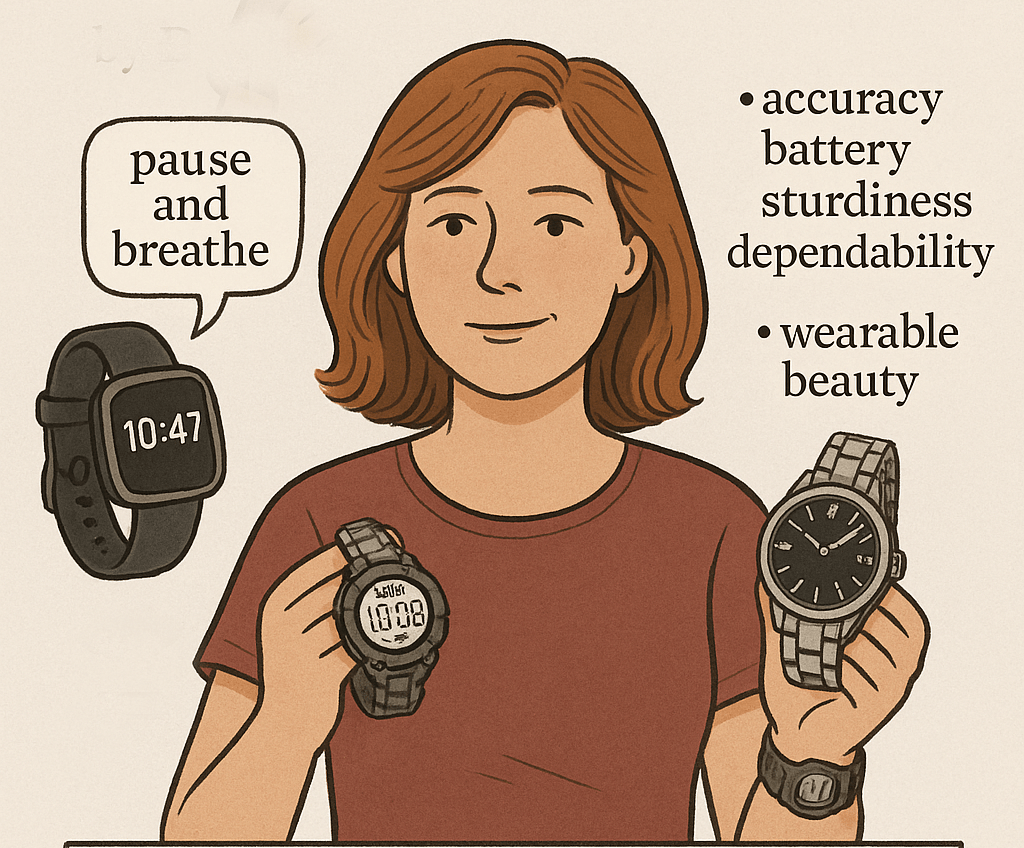
In my outside job, I work in a department where I frequently sell high-end watches. At first, I was fascinated to discover how many customers still enjoy studying and wearing traditional wristwatches. I wondered why they bothered with conventional styles when smart watches can do so much more—letting us know when a phone call or text arrives, reminding us to pause, breathe, and reflect, and so on. I’d been almost satisfied with my smart watch.

Almost—because I’ll admit, those sudden prompts to “pause and breathe” or “note your feelings” often left me annoyed. Meanwhile, through the process of presenting and selling traditionally styled watches, I became intrigued by their strong points: accuracy, battery technology, sturdiness, dependability, and, not least, their wearable beauty.

On impulse, I ordered two wristwatches online. One is a refurbished brand I’ve been selling—a high-end, good-looking piece that is fashionable, accurate, and reliable. The other is a $9 rugged-style timepiece that has unexpectedly become my favorite. Sporty and lightweight, it offers day, date, time, alarm, seconds, and stopwatch functions. My only concern is whether its “crystal” (likely hardened plastic) will scratch easily. But at $9, if it does—who cares?

So, I’ve retired my smart watch. No more charging, no more unwanted nudges. I’ll miss alerts to incoming calls, but my phone is usually in my pocket with a ringtone I can hear. I might miss step counting, but I know my daily steps already run into the thousands.

Reflecting on this change, I’m reminded again how learning shifts perspective. For years, I never once considered wanting a traditional wristwatch. Now, understanding their dependability, durability, and sheer beauty has made them alluring—and even a “heapy-cheepy” rugged model proves that simple technology can be capable and cool.

Perhaps best of all, my own experiment gives me more insight—and more articulate ways to share the appeal of high-end wristwatches with customers.

— Diana

Sampling The World

Tuesday, December 03, 2024

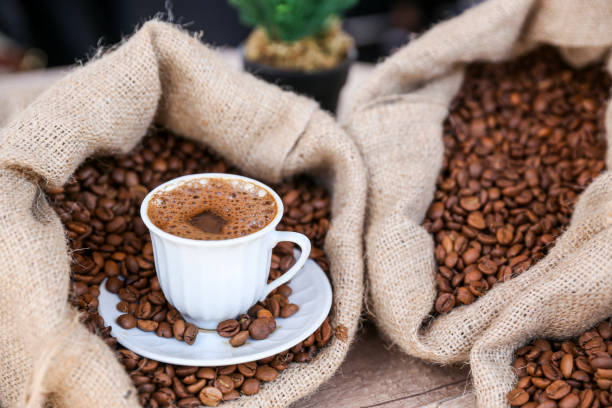
I began this day by grinding coffee beans for a French Press. The Yeimini Coffee I ordered arrived as whole beans. I didn’t expect that, but I did grind to accommodate a French Press, which wants rough grinds. To me, the rougher grounds seemed easier to press.

The output was a surprise, weaker than I expected. I’m accustomed to strong-tasting coffee and like that, but regardless, this regional coffee is smooth and drinkable. To its credit, and as its bag suggests, I found that a cup without cream offers distinctive flavors and hints of flowers. I will learn to adjust bean strengths to my preference.

I discovered this coffee by searching online for a consensus of “best coffee” and found an answer—that from Yeimini (coffee’s historical birthplace). Today, while sipping and assessing this coffee, I couldn’t help but reflect on the internet and the potential of AI.

I’d never even dreamed of having a pound of coffee beans from the Middle East. Ordering one suggested my widening perspective. It’s because of continual access to online information in general and pointed learning from AI. Those available flows are similarly affecting many individuals. More widely, they are revolutionizing communications, connecting people across geographical boundaries, and fostering global communities.

Dear Friends: This thread began while sipping coffee and fiddling with the internet. Diana

Beaning Up

Sunday, November 24, 2024

Every morning, I drink coffee, preferring to make a speedy cup. I love good coffee’s smells, flavors, and warmth and use Arabica beans. I’m disappointed that modern Keurigs don’t produce coffee hot enough, and I dislike tepid coffee.

Years ago, I owned an original Keurig, an excellent machine, my long-time go-to for hot, tasty coffee. Unfortunately, it died, and subsequent Keurigs have been disappointing. None reproduce the original’s hot, high-quality output.

I’ve been researching coffee-making methods for gaining heat and taste quality. I’m leaning toward pour-overs and French pressing, both fast methods that push boiling water directly through coarsely ground beans.

I’m learning that controlled extracting is high among brewing methods. Steeping hot water directly through beans extracts oils and produces bolder cups with “heavier mouthfeels.” I want to enjoy coffee’s nuanced aromas and flavors. I will be experimenting with pouring-over and French pressing. Maybe one or the other, or both, will satisfy my coffee needs.

Dear Friends: Fast, inexpensive, effective brewing, enhancing finer beans. Diana

Happenings

Friday, September 20, 2024

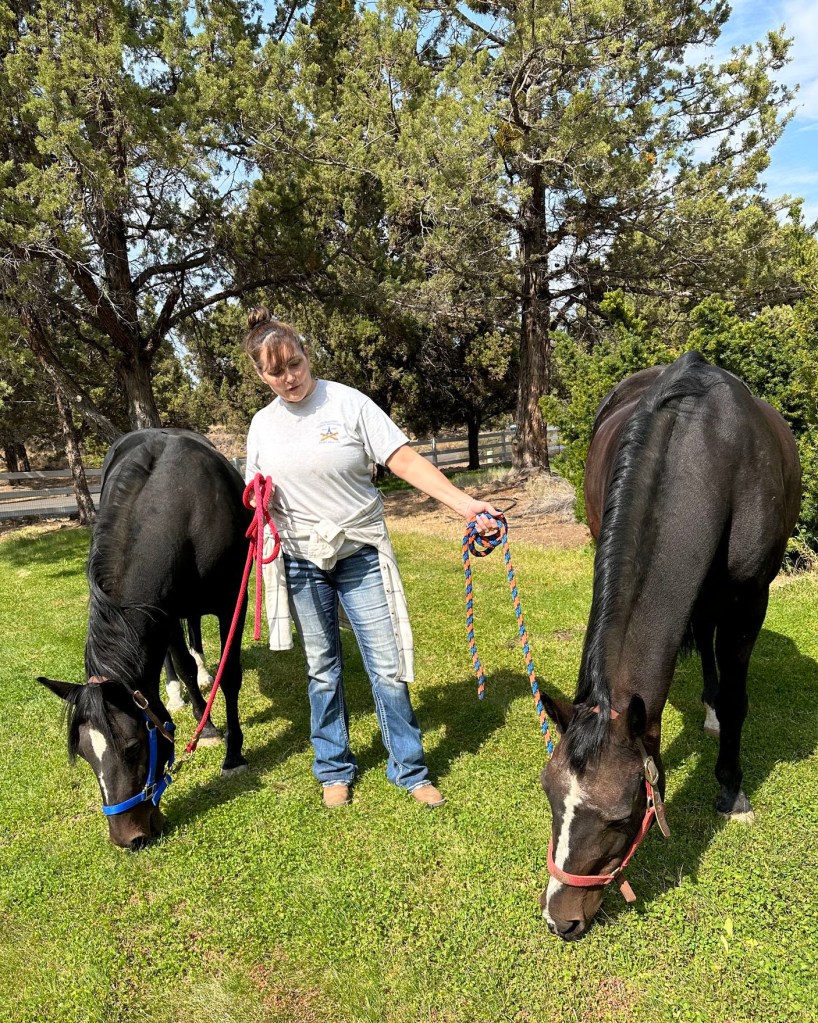
The header shows my co-worker and friend, Angie, holding my horses, Sunni and Rosie. After we took photos on my property, we drifted toward my neighbor’s pretty “golf course” lawn. The horses immediately went grass-crazy, and Angie held the lead ropes tightly.

She was at my place for a photoshoot. Angie is an experienced photographer. She has opinions and imagines what she wants to capture. She asked me to wear “sparkly boots” and an attention-grabbing shirt (that big Rosie kept sneezing on). She wanted in the pictures both my horses and donkey. On finishing our shoot, she anticipated a big editing job.

I appreciated Angie’s quick eye and camera savvy. To my surprise, she’s an experienced horseperson; she grew up riding busy Arabians. Yesterday, she fell in love with my calm, easy-to-handle horses. We will go horseback riding together.

I will travel to Sunriver today for lunch with several long-time friends. For years, long ago, we all met weekly to discuss our health, medicines, doctors, and “general doings.” We were in a long-running cancer survivor group that weekly drew 10 to 20 participants; it connected us family-like. Several years ago, I drifted away and stayed loosely in touch.

Earlier this week, a member of that cancer group was out shopping, and she spotted me in Jewelry. We immediately renewed a mutual closeness, and she invited me to join her and others from the group who planned to meet for lunch. Today is when that lunch will happen, and I’ll be there. It’s an exciting opportunity to reconnect with old friends.

Dear Friends: There could be a “more social me” peeking from deep inside. Diana

Imprisoned

Wednesday, June 12, 2024

That’s my puppy, Chase, in prison. He’s in a standalone kennel with high fencing and concrete flooring; escaping is nearly impossible. This fellow’s determined jumping and digging skills instantly become triggered whenever my car leaves home. I’ve learned, and nowadays, he waits safely imprisoned for my return home.

A new riding mower, assembled and ready to roll, sits outside. Yesterday, I studied its instruction book, tried repeatedly to start the machine, and never got it fired. Yes, oil and gas are in it, so a lack of those isn’t the problem. Maybe its transmission is set in a neutral position for pushing and rolling, which is how the delivery guys moved it. That might require attention wherever such a switch may be found. Today, I’ll reread the instruction book and try to start that motor more.

It is so different from my trusty old 2006 Poulan Riding Mower, which has chopped dependably for years and, in the beginning, was a simple get-in-and-go machine. A week or so ago, Poulan’s underside hit a rock that made its engine instantly fail. After it wouldn’t start again, I debated having it repaired versus ordering a new machine and decided to do both. Repairing would take too long to mow aggressive weeds and grasses adequately. Besides, having a backup mower to carry on in future rock-caused stoppages can’t hurt.

Occasionally, I wish for another brain, particularly when reading and comprehending a modern instruction manual. Whether the manual covers a tool or some heavy equipment, its stuff is complicated and I find its schematics squeezed, undecipherable, and maddening.

Dear Friends: In learning, unique brain-wiring leads to our successes and failures. Diana