Clock Changes

Tuesday, February 25, 2025

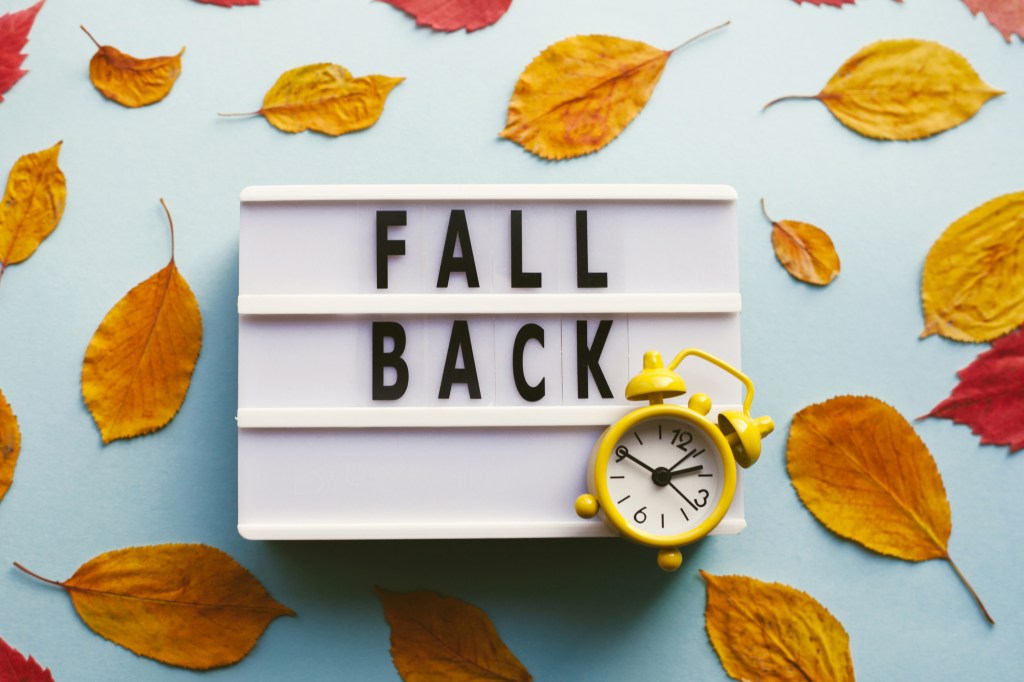
I notice that Daylight Savings Time will start on March 9. I welcome the change.

Though any shift in time disrupts our internal rhythms, which are fundamentally tied to light and darkness, DST invites a sense of renewal. Longer days inspire our optimism by signaling the approach of warmer weather. The summer solstice becomes DST’s pinnacle as living moves outdoors and more activities flourish.

Opponents of clock-changing argue reasonably that the changes disrupt our sleep patterns. However, during DST months, the benefits of extra daylight in the evening overcome needing to adjust upon clock-changing. I agree with the folks wanting to make DST permanent instead of continuing to slip back and forth. DST is the best long-term solution.

Changing our clocks for DST and Standard Time is an outdated compromise between wanting morning and evening light. Changing to DST was introduced during WWI (1918) to reduce energy consumption. The idea was that less artificial lighting and heating in the evening would save fuel and electricity, and extending the morning light would help agri-workers.

Policymakers splitting the difference forced our biannual switching. Sure, standard time benefits farmers and early risers with maximized morning light. But DST benefits workers, businesses, and outdoor enthusiasts by keeping the evenings brighter for longer.

Many want our policymakers to choose one permanent system. I am on board with those who prefer DST.

Dear Friends: My semi-annual time-changing rant; there’ll be another on “the day.” Diana

As To Light

Sunday, November 17, 2024

The recent one-hour fall-back time change still confuses me. It’s about the light, stupid! There’s little daylight as I’m leaving my part-time job in the afternoons around four o’clock, and it’s dead-dark as I’m feeding my horses around five-thirty. Making matters worse, I sense it’s bedtime around seven o’clock.

None of that’s new; sudden light changes have happened again and again, year after year. I anticipate being equally confused about changing light months from now when we spring ahead. It’s a syndrome of “light angst” caused by manufactured conditions.

When did time-changing start?

It’s about daylight savings time (DST), turning back the clocks, first occurring in the U.S. in 1918, during World War I. The objective of extending daylight was to aid combat efforts. DST was repealed soon after that War, but revived during World War II and continued since.

Why do time changes continue?

Extending daylight into the evening theoretically reduces the need for artificial lighting and saves energy. Maximizing daylight hours was considered beneficial for productivity and military operations during wartime. Some arguments for extending daylight are how it assists with energy conservation, wartime efforts, economic benefits, and public safety.

Those favoring DST claim that extended daylight hours boost retail sales and outdoor recreational industries. Others claim that longer outdoor visibility reduces traffic accidents and crime rates.

In the continuing debate, what’s happening now?

DST is controversial, with ongoing debates about its benefits and drawbacks. Some (including me) argue that it disrupts sleep patterns and causes confusion. Some say those factors negatively impact health. Several American States have abolished DST, but most others continue to use it.

Aside from ongoing mega-talking, nothing indicates a reasonably soon ending to our semi-annual clock turnings.

Dear Friends: Anyway, earlier daylight lets me be outside now, feeding my horses. Diana

Changing Times

Saturday, November 02, 2024

Turning back our clocks tonight will make us more vigorously anticipate the upcoming “dark days of winter.” Time changes are mechanical acts that complicate our lives for days ahead. They challenge us, and we mis-assess our routines for a while, confused by changing daylight periods, odd to-bed and getting-up times, and our standard getting-things-done patterns. Remembering how much the time change will affect my daily life is discomforting.

I live on a small acreage and have a few outside animals, equines, chickens, turkeys, and a goat. Their feeding times trigger my understanding of daylight length. In summer, feeding the outside animals can stretch over long hours; in fall, feeding times become condensed; and in dark winter, most feedings occur in a nighttime atmosphere.

Turning back the clocks tonight has me anticipating the different relationship between clock time and natural daylight tomorrow. A key concern is scheduling feedings for my outside animals. Feedings in natural light are the easiest and most safely handled. Starting tomorrow, I must feed them earlier and manage to repeat that, at least once in natural light, and prepare to provide their latest feedings during the dark and cold nighttimes.

Other discomforting thoughts are about a personal transition. From experience, I anticipate that nightly bedtimes will become compelling by 7 p.m. because of the earlier darkness outside. On the opposite side of bedtime, I will worry about having overslept by seeing more light through the bedroom windows.

I’ll be adjusted to this time change by next week. Next spring, I will write about the agonies brought on by anticipating yet another artificial time change.

Dear Friends: I want “To change or not change clock times” on the ballot. Diana