A Taste of Memory

Friday, October 31, 2025

I was grocery shopping the other day when a small glass jar caught my eye — gefilte fish. Just seeing it pulled me straight back into another time.

Years ago, when I lived in Kansas City, my eldest sister and her extended family hosted the big Jewish holiday meals. I joined them for Passover and Rosh Hashanah, learning about each celebration through its foods — matzos, sweet wine, and always, gefilte fish.

Those old gatherings were full of rhythm and ritual — the kinds that linger long after dessert. Although I hadn’t consciously thought about them in years, standing in that grocery aisle, staring at that jar, I felt old warmth suddenly stirring.

When I got home, I couldn’t wait. I opened the jar, spooned out a piece, bit into gelfilte fish — and in an instant, its taste carried me back to those Kansas City meals: tables set for family gatherings, the scents of brisket and simmering broth, the sounds of ritual stories retold.

This tasting struck me as extra-funny because I started wondering if I could make gefilte fish fit into my current diet, which doesn’t exactly follow that model. These days, I lean heavily toward Asian-inspired foods — ramen noodles, stir-fried vegetables, kimchee, tofu, and special sauces like miso and chili oils.

This isn’t the first time I’ve realized how deeply food memories root themselves. Experience has taught me that particular tastes may simply rest — until much later, when a single flavor recalls them and invites their return. Now again, one bite brings the past forward, rekindling memories of gatherings and essential connections that helped shape my life.

A little taste of something so humble — a small piece of fish — reunites my present self with the young person I was, and rekindles fondness for those who helped me grow into who I’ve become.

Diana

The Ham Sandwich Heist

Monday, September 01, 2025

Happy Labor Day!

The other afternoon, I took a small break from the big challenge of improving the fencing in my dry lot. I perched myself on a small ladder, and with a protein bar in my hand, watched my Morgan pony, Sunny, working her way with gusto through an allotment of hay. She always eats energetically, and I smile at being reminded of how joyfully a horse approachs even the simplest meal. Also, seeing her, that moment brought back one of my favorite memories of riding the trails with her.

It happened years ago. Sunny had been taking me over a moderately challenging mountain trail and we’d gone a long way. It was time to pause our trip for a lunch break. I slid off Sunny, tied her to a tree branch, and gave her a carrot. She was standing near the log I was sitting on while pulling my lunch from a paper bag: a plain ham sandwich — nothing glamorous, just fuel for our miles ahead. Before I could take a bite, or even realize what was happening, I sensed a whiskered nuzzle near my shoulder, and in one swift move, my entire sandwich was gone — clamped between my horse’s delighted teeth.

She chewed, and I swear, with the satisfaction of a thief who knows she’s won. I watched her eager chewing, and in amazement, for horses are herbivores by design. Ha! Try explaining that to one smack in the middle of discovering the joys of bread and lunch meat. Sunny was enthusiastic, licking her lips as if to say, “Why haven’t you been sharing this all along?”

Of course, that sandwich had to be a one-time treat. Horse folks are well aware that moderation and common sense always comes first in feeding. But that moment sticks with me to this day. It’s one of those horse-unique surprises that makes me laugh anytime I remember it. That sandwich may be long gone, but recalling how it disappeared feeds a fun moment to this day.

Besides, that little incident taught me more about horses. About their endlessly curious nature. From that moment on, while out on the trails, I knew the importance of staying very aware of my eats versus theirs.

Dear Friends, Sunny also loves whole oranges — peel and all — and consumes them with the same sheer delight she once gave to that ham sandwich.

— Diana

“Stayin’ Alive”

Tuesday, July 01, 2025

Lately, I’ve been watching videos and reading books about how eating “natural foods” supports a healthy body from the inside out. It’s made me pay much closer attention to what I buy, and especially to how foods are grown and processed. Learning how natural and minimally processed foods interact with the human gut has been an eye-opener.

Even someone just starting to explore this topic will quickly grasp the critical role of gut health—and likely begin to rethink their own. Knowledge is power, and already, in my case, it’s shaping my choices. I’ve changed what I shop for and how I eat. It’s still early days, but I can feel some encouraging shifts, and I like them.

This journey is teaching me why a living gut is so much more than just a stopover where food gets digested. The gut actually is a bustling, living community, teeming with a diverse array of microbes. Now, I understand this and know how, in countless ways, these tiny residents are “talking” to the rest of my body, influencing everything from how efficiently I absorb nutrients to how balanced—or frazzled—my moods can be.

All this has changed the way I shop and what I bring home to eat. My trusty Yuka app helps by scanning and rating products, steering me toward simpler, more natural foods and away from the ultra-processed. It’s become second nature to check Yuka scores before anything goes into my cart.

And honestly, the more I learn and the more I swap in these “different foods,” the better I feel. A big part of it is weaning myself off the highly processed products surrounding us—quick, tempting, cleverly marketed, but often stripped of what truly nourishes us. The sad truth is that many processed foods replace critical gut nutrients with fillers, additives, and hidden sugars. That’s great for sales, but not for our health.

Our bodies were never meant to handle so many artificial, sneaky ingredients. In reality, we need to feed the bacteria that live inside us. That means avoiding foods so stripped down by processing that they’re useless to our digestive system. These products are popular precisely because they’re engineered to light up our brains and keep us coming back for more—they’re everywhere.

I won’t claim to have transformed overnight. But I can say I’m noticing—and welcoming—some subtle but meaningful changes. My digestion feels calmer, my energy a bit steadier, and my mood a little brighter.

Most of all, there’s an unexpected, gentle undercurrent. Maybe it’s simply more happiness, rising from this new sense of actively caring for myself, of being less passive about my own well-being. It’s an inner nourishment, rooted in making choices that are more aware, thoughtful, and real.

Dear Friends: This is my current take on succeeding, “one day at a time.”—Diana

Mind & Body Agree

Monday, June 09, 2025

Lately, I sense a changing relationship between my mind and body. They seem less like opposing forces and more like partners in change. This is because several weeks ago, I began using the Yuka app constantly to guide my grocery shopping, and now it’s dictating most of my food choices.

I use Yuca to scan labels on all products that interest me. The app scores product quality; it dislikes those with unhealthy and/or unnecessary additives, and too much salt, sugar, or fat. Yuca has encouraged me to study labels more and to seek minimal food processing. Nowadays, only products with “excellent” or “good” scores land in my shopping cart.

The process has been surprising. I didn’t start with any firm resolutions or iron-willed plans to eliminate certain foods, but this new way of selecting foods has softened my long-standing cravings for meat and sweets. Those always were high-need foods, my comfort zones—taste and habit needs. But now? Not so much. I’m not intentionally cutting out sweets and meats—they simply no longer have such high appeal.

I am fascinated by this change: how it’s occurred—not with declarations and resolutions, but with small, steady nudges, by shifting my awareness and offering a new framework. In this process, I’m enjoying foods not before bothered with–for fear of high calories and/or taste boredom. These days, I enjoy grains, root vegetables, and canned and frozen foods with quality equal to their fresh versions. The only non-vegan foods still in my routine are whipping cream for my coffee, Greek Yogurt for my smoothies, and fresh eggs from my chickens.

In exploring the possible reasons behind my perceived changes, I’ve learned that modern science recognizes how preferred foods make taste buds adjust and cause the gut to rebalance. Occurring, too, is a more subtle process. New foods will cause the brain to relearn, expect, and efficiently process them as rewards.

I’m no scientist, but I sense my body and mind having new conversations and responding to each other. This reminds me that changing doesn’t necessarily require forcing. Sometimes it just takes responding to noticing what works and allowing the rest to disappear.

Today’s header image reflects a quieter life. A wooden kitchen table, open notebook, small bowl of berries, and half-peeled orange feel fresh and peaceful in the soft morning light–reflecting an already-begun shift.

Dear Friends: In partnership, our bodies lead our minds, or is it the other way around? –Diana

Going Yuka vs. Going Yukky

Saturday, May 31, 2025

Recent newspaper articles introduced me to the mobile app Yuka, which lets users scan barcodes on food and cosmetic products to assess their health impacts. Yuka rates each item on a scale from 0 to 100 and classifies it as excellent, good, fair, or poor.

Like many, I want to choose the healthiest foods, but modern product labels can be confusing, often listing complex ingredients and hidden additives. With Yuka in hand while I shop, I’m more confident in reading labels and understanding nutritional elements. It has already changed the way I buy and eat.

Grocery shopping used to be simpler. Today, pre-packaged and pre-prepared foods are more common and often tempting. Still, they frequently contain stabilizers–preservatives to extend shelf life, or salt and sugar to encourage repeat consumption. Many of these additives are unsuitable for us, and without help, it’s hard to make informed decisions.

That’s where Yuka comes in. By scanning a product’s barcode, I can quickly see a summary of its health impact based on nutritional value, presence of additives, and whether it’s organic. This clarity helps me unpuzzle those long, unreadable ingredient lists.

When I started using the app, I scanned many products I’ve been buying for years. Surprisingly, several favorites scored poorly due to high sugar content or unhealthy additives. Sometimes, Yuka suggests healthier alternatives that are easy to find. Little by little, my choices have shifted.

After about a month of using Yuka, I’m now more mindful at the grocery store and at home. I avoid ultra-processed foods and have even discovered new items Yuka rates as “excellent.” It turns out I enjoy them!

Yuka also works on personal care items like cosmetics and toiletries, scanning for harmful ingredients. I don’t use many skincare or makeup products, but it’s worth noting that Yuka’s 20 million users in the U.S. are influencing both the food and beauty industries. Manufacturers are being forced to pay closer attention to what informed consumers want.

The app has helped me focus more on what my body needs than what tastes good now. That shift is reflected in my shopping cart, pantry, and my workday lunches and snacks.

Of course, no app is perfect, and dietary needs vary by person. But for me, Yuka is a valuable and empowering tool. I’m not chasing perfection—just better choices. Having clear, accessible information helps me stay in control of my health and well-being.

Dear Friends: It’s about being mindful and choosing what’s best for your body. —Diana

Givers

Sunni’s inquisitive nose

Sunday, February 02, 2025

Some folks consider me a little nuts for keeping many animals, and I get it. I have three equines, nearly twenty chickens, a couple of turkeys, four dogs, a few “inside birds,” and Max the cat. Feeding and cleaning up after that bunch keeps me busy.

The animals also give back. My equines are sweet and rideable, the dogs let me know anything unusual happening on or near this small acreage, my racing pigeon’s sounds are soothing, and my Cockatoo’s ear-grating (this otherwise delightful buddy sings and rides on my shoulder), Max is Max. My chickens and turkeys are the best.

Chickens and turkeys give their all to some willing to slaughter. Less than “that all” to me who won’t slaughter. Otherwise, I love gathering and eating fresh eggs from chickens and turkeys. Typically, my little flock provides enough eggs for my needs with extras to give away.

This season’s commercial eggs aren’t as available. Bird flu has destroyed millions of chickens and other kinds of animals living with or near domestic birds. Fortunately, my flock is healthy.

The other day, while loading chicken feed into my vehicle, a fellow mentioned seeing a dozen eggs priced at $12/dozen in a local market. That’s a purse-shocking price.

Eggs are essential food ingredients. A person with eggs, flour, and some small staples can cook eggs alone, bake bread, and create casseroles–among other things not yet in my mind. (I’ll learn what more is possible while shopping very carefully ahead.)

Soon, events beyond animal health will also increase product costs. For example, the new importing tariffs will force importing suppliers to pay them, which those suppliers will pass on to consumers. We will be facing ever-rising prices for ordinary groceries and household supplies.

Dear Friends, Fortunately, my chickens and turkeys will provide those essential eggs. Diana

“New-Olds”

Thursday, January 30, 2025

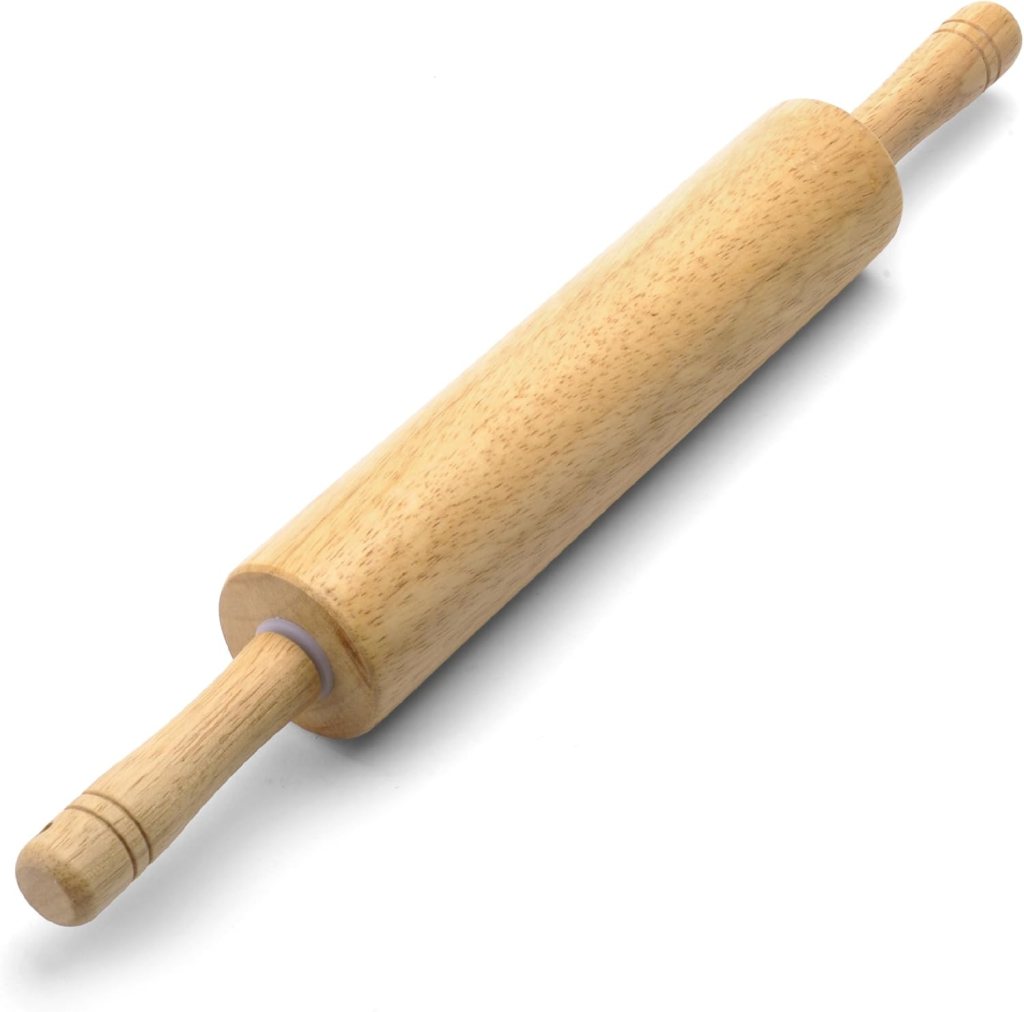
While purchasing the item in today’s header photo yesterday, I wondered how many people under fifty might know it. I hadn’t missed having one for many years, but now, working with bread dough has changed things.

Early today, my first loaf of sourdough, nearly done baking in my bread machine, releases a wonderful aroma. After this loaf has rested, cooled, and been sliced, I will know if it was made correctly. I will learn if leaving the kneading and baking to a machine can yield a good loaf.

The critical element of a strong starter appears fine. Yesterday, my newly kneaded dough ball expanded reasonably, and soon after I fed the leftover starter, it doubled in size and is holding.

I’ll leave my final challenge–a taste test–alone for a little while. I will take time out to indulge in a fantasy of having created a successful, easy-to-make loaf. I will think through the enjoyable, productive learning and creation steps and adjust them later, if needed, relative to this loaf’s quality.

Dear Friends: I will set up my brand-new, more modern bread machine today. Diana

Planning

Tuesday, January 07, 2025

I’m looking at a planner and reviewing the information I entered yesterday. I have elected to “find” my inner-organized and goal-achieving self, and I now have a book for planning. In it, I have scribbled some “things to remember” and my due-in times at work. It’s a start, can’t hurt, and best, will prove a helpful tool.

Without question, planners are wonderfully helpful. What’s questionable about planning are users. As for me, something inside resists organizing, and sometimes, I fly by the seat of my pants. I wonder why and have written about my struggles. Finally, again, I’m in the mood to challenge myself to get on board. I am using a simple-looking planner.

I see a scribble reminding me to buy bread flour. For some weeks, I’ve been baking bread. The loaves are turning out deliciously without bread flour. My instructions call for it, so bread flour might punch up the outcomes. This is nonessential but an entry; I’m trying!

Other notes are more weighty; reminders about sending money to the IRS, paying near-due bills, and replying to friends who’ve written to me. All that’s okay and helpful, but the planner’s most important job is to get me to work on time.

This planner is for keeping my head straight about work starting times. The other day, I should have been at work at 8:30 but showed up at 10:30 after focusing on another day’s starting time. That’s happened before. I’ve missed starting times by confusing myself by staring at the wrong day’s schedule.

Good planning to “get me to the church on time” would be a boon! I will try to be more diligent about making this effort effective. The win won’t be lessened from reminders of little things, like getting bread flour.

Dear Friends: Today has an early start time: I’m fully aware and moving Diana

Ah, World!

Tuesday, December 24, 2024

Twenty-four, twenty-four…Happy Christmas Eve.

The winter chill awakens a familiar yearning in me–the desire to bake bread. Today, with a free day and a well-stocked pantry (after a recent grocery trip), I can grant myself the long-awaited gift.

I envision a loaf of whole wheat, texture-fine, crumb-soft, and a delightfully crusty exterior. My vision is inspired by the loaves that, years ago, I crafted and shared with others. Today, I’ll rediscover the rhythm of baking: the measuring, mixing, kneading, and shaping of dough. Soon, the heavenly aroma of fresh bread will fill my home.

And I’m anticipating that first warm slice, all slathered with butter! The simple act of baking bread has a multifaceted appeal. It engages my senses, sparks creativity, and even connects me to something primal in the repetitive motions of kneading and pounding.

Bread-making is a ritual that evokes memories of social traditions and family gatherings. I recall baking beautiful, braided challah loaves, fragrantly reminders of shared meals and cherished moments.

Besides anticipating delicious outcomes, there are therapeutic benefits–the stress relief, the sense of accomplishment, and the quiet satisfaction of creating something lovely and nourishing with my own hands.

Today, I will re-embrace the timeless craft, be reconnected to the joy of baking, and experience the great pleasure of an outcome worthy of my labor.

Dear Friends: Have a wonderful day. Diana

Beany

Monday, December 02, 2024

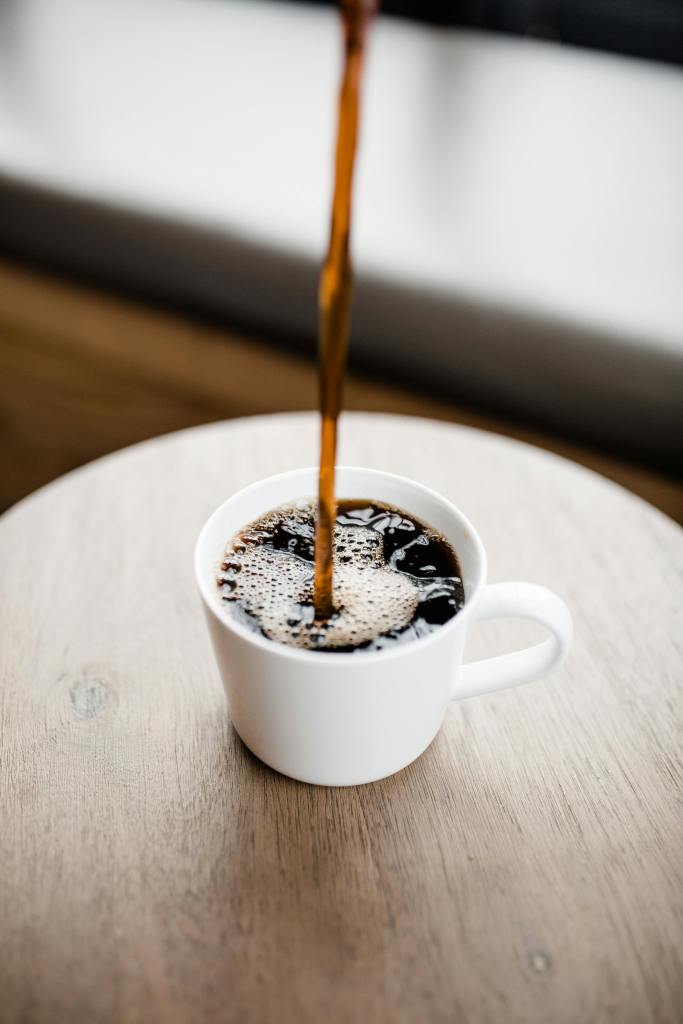
I’ve searched for equipment to make coffee each morning, hoping for faster, hotter, and possibly tastier javas. That’s guided me to acquire an electrical, quick pour-over coffeemaker that works well and several nonelectrical pour-over varieties. I’ve used them all, and each produces an adequately satisfying cup of coffee. The pour-overs commonly instruct users to make coffee from rough-ground grains.

I’m busy, so I avoid grinding by using preground coffee. I prefer beans that have been single-sourced from mountainous South America. I’ve learned that coffee beans have many varieties of complex flavors, from factors like growing terrains and processing methods. To me, South American beans are high quality and consistently satisfying.

Learning can be a game-changer; I began exploring the world of coffee beans for a commonly acknowledged “best” bean. The consensus is that the best beans are grown in Africa, and at the top are Ethiopian beans. I have gathered that Ethiopia is considered “the birthplace of coffee” and that its beans offer many flavors, described as bright and floral or rich and complex with “fruity acidity and delicate sweetness.”

I’m in, and finally, a pound of Ethiopian coffee has arrived. Its packaging recommends using a French Press, which works for me. Tomorrow morning, I will discover if African beans produce a comparable or better cup of coffee than South American beans.

Dear Friends: I love how a “little learning” opens avenues to more learning. Diana