
Sunday, July 14, 2024
I am off from work today and tomorrow. This scorching weather will keep me battling newly popping hoards of houseflies. Yesterday, I killed many, for the flies were sluggish. My foot landed mightily on those standing motionless on the floor.
I wondered why this area’s searing heat activates unusually high numbers of these insects. A little research teaches that flies are cold-blooded, meaning they rely on external temperatures to regulate their body temperature. The hot weather increases their metabolic rate, making them more active and stimulated to find food and reproduce.
I’ll be racing around to stay ahead of the flies. That means cleaning carefully and ditching any food waste quickly. I must also make a few trips to the Dump, which I’ve avoided for weeks. That’s likely a clue as to why numerous flies are inside my house.
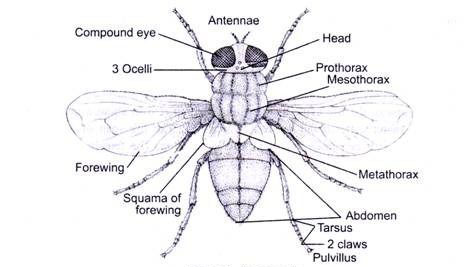
So, what’s a housefly? Their exact genesis (Musca domestic) isn’t definitively known. A common view is that they originated in the early Cenozoic Era, roughly 66 million years ago, and likely evolved in the Middle East.
Houseflies and humans have developed a close commensal relationship, meaning they benefit from our presence without generally harming us. Flies probably co-migrated with humans, and that spread them across the globe. Flys have adapted to diverse environments, becoming some of Earth’s most widespread insects.
Dear Friends: They’re ubiquitous in our lives, for better or worse. Diana
 Diana's Morning Blog