
Thursday, April 02, 2026
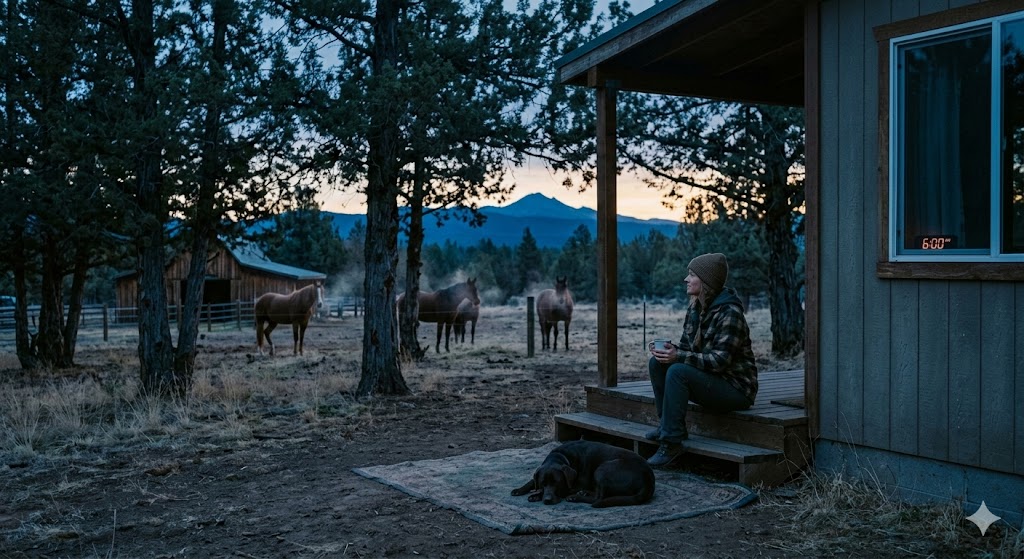
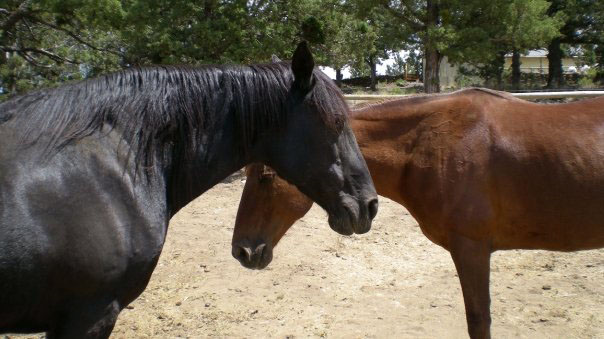
This morning arrives as my mornings mostly do—quietly, though never silently. A thin light works its way over the junipers, and my animals begin their routines. Horses waiting, dogs shifting, birds announcing themselves from places just beyond my windows.
Nothing unusual. Nothing unsettled. And yet, as usual, I find myself thinking about life in a nation that feels unsettled.
I keep asking, as many of us do, why Americans choose the leaders they vote for—especially when those choices seem, from other points of view, difficult to understand.
It’s tempting to explain those choices in terms of temperament or values, or to assume that something has gone wrong in people. But I doubt that’s quite it. I’m considering something quieter, but more persistent—something tied to the places we carry.
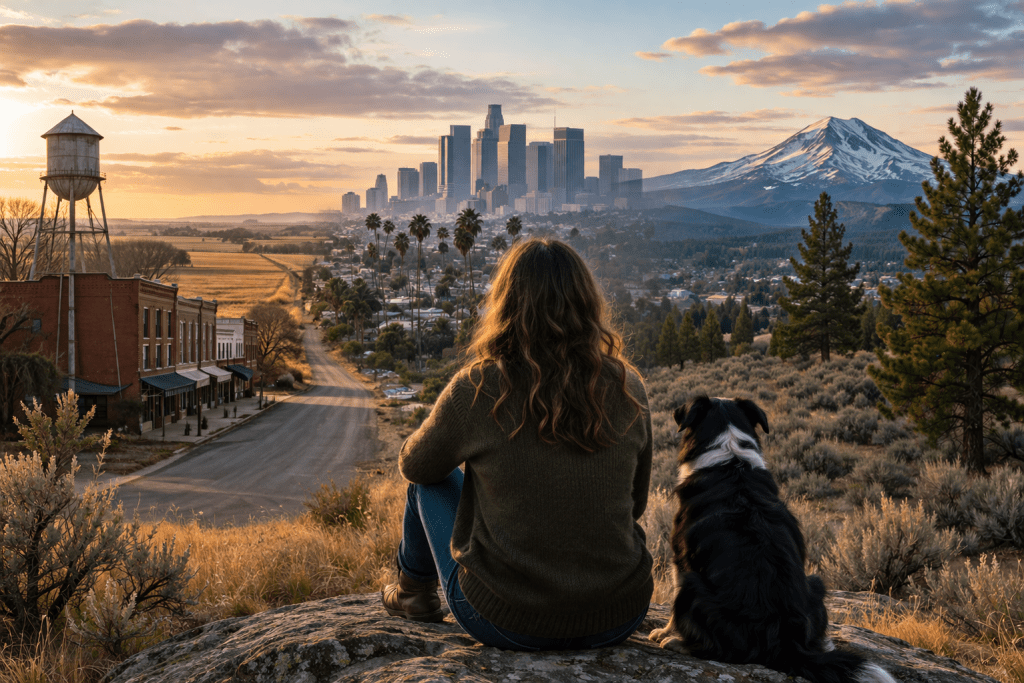
I was first shaped in a small town in Oklahoma, where my young life had visible edges. People knew one another. Expectations were understood without being spoken. There was a rhythm to things—one that didn’t demand questioning. Things simply were.
Years later, I lived and worked in Los Angeles, a world that moved very differently. It was expansive, layered, and constantly in motion. You could become someone new there. You could step away from what had once defined you. The geography itself—ocean, mountains, forests—seemed to encourage that sense of possibility. The pace alone invited change.
Now, I live on a small acreage in Central Oregon. Mornings like today feel grounded again—with animals, weather, and light. There is a steadiness here that encourages attention over haste.
Still, I remain aware of the larger world. Current global conflicts have led me to study geography more closely, and I’m beginning to see the quiet power it holds over nations and leaders. Lately, I’ve started to wonder if that same influence applies to us as individuals.
Using myself as an example, I can see that who I am has been shaped by three very different places. Each has left its imprint.
Those changes didn’t come quickly. For a long time, I felt closely tied to my early attitudes—relying on them as fixed, reliable, even permanent. But living in different environments has a way of loosening certainty. Experience stretches perspective. Time and place invite reconsideration of what once felt settled.
Change, welcome or not, keeps arriving. The question isn’t whether change happens—it’s whether we can live with it. Whether we can move with it. Whether we can leave certain attitudes behind when they no longer fit the world we’re living in.
Not everyone experiences that in the same way. Some people live in environments where change is constant—where difference is expected, where adaptation is part of daily life. In those places, adjusting feels natural, even necessary. Others live where continuity matters more—where stability is not just comforting, but essential. In those places, too much change can feel like something important is slipping away.
Neither response is unreasonable. But they do lead to very different instincts—and often, to political divides.
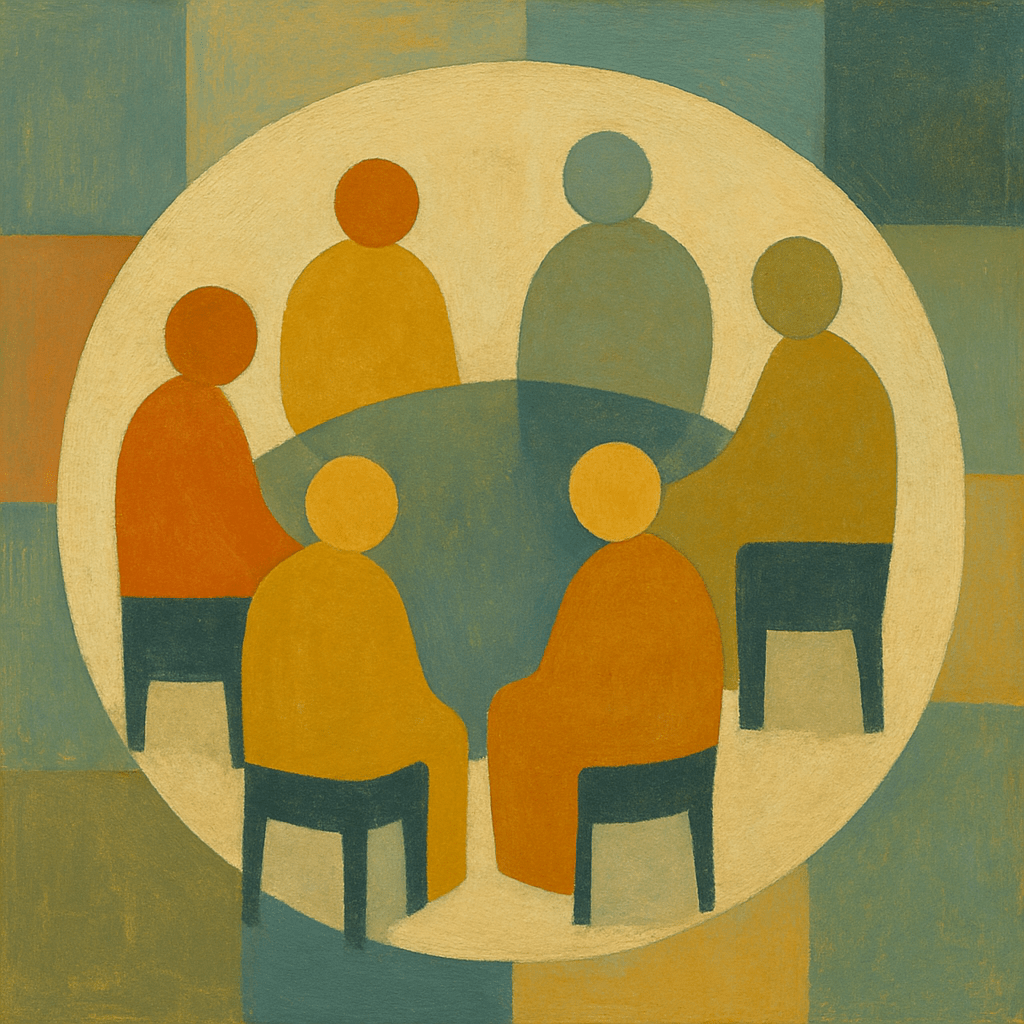
I find myself returning to this idea: not that people are so different in character, but that they are standing in different places—shaped by different surroundings, carrying different versions of what “normal” looks like.
Geography doesn’t just shape nations. It shapes us—what we expect from life, what we notice, what we overlook. It shapes what feels secure, and what feels at risk. And perhaps most of all, it shapes what we believe ought to stay the same.
I can still feel traces of Oklahoma in me. I still recognize the pull of Los Angeles—its openness, its movement. And here in Oregon, I feel something else entirely: a steadiness that allows me to consider both.
These reflections don’t resolve the differences. But they do give me a wider place to stand.
And from there, the question shifts—from Why would someone choose this? To what feels like a better question: What has shaped the place from which they are choosing?
The ground beneath us may differ—but we are all standing somewhere.
— Diana




 Diana's Morning Blog