Presence

Wednesday, June 26, 2024

I’m in an excellent mood and unsure why my brain feels happier than usual. Maybe it’s to offset inner anxiety because I anticipate finding myself in trouble when I arrive at work this afternoon. Yesterday evening, while closing my department, I didn’t take care of two routines. The evening had been quiet, so my slips weren’t critical, but I am charged to do them always.

I must be authentic in considering all this, as brains don’t technically “feel” emotions like humans do. Some physical and social activities can release certain chemicals that induce the brain states we associate with happiness. Some factors that contribute to a “happier” brain are exercise, social connections, sleep, and purpose. Some or all might be fueling my brain with “happiness” chemicals (e.g., dopamine) in these moments.

Physical components are also involved. Exercise, sunlight, and gratitude are some of the things that might be helping to fuel today’s “high.” My exercise routines still aren’t enough, but are happening. The days are abundantly sunlit. I have worked on focusing, being aware, and expressing gratitude for some time.

Why do I feel happy today despite anticipating worrisome workplace problems? Well, complex brain chemistry forced me to do some research. Now I understand, that even in the face of impending problems, a brain can release neurotransmitters (like dopamine or endorphins) that lend temporary feelings of happiness. Maybe those are why I’m feeling happier today, with an upped willingness to go to work and face the music.

Everyone experiences emotions differently. Although feeling happy in the face of problems might be a healthy coping mechanism for me, that’s unlikely to be the same for everybody. I am accustomed to working at recognizing and comprehending my emotions, but often, that means wading in deep and complicated waters.

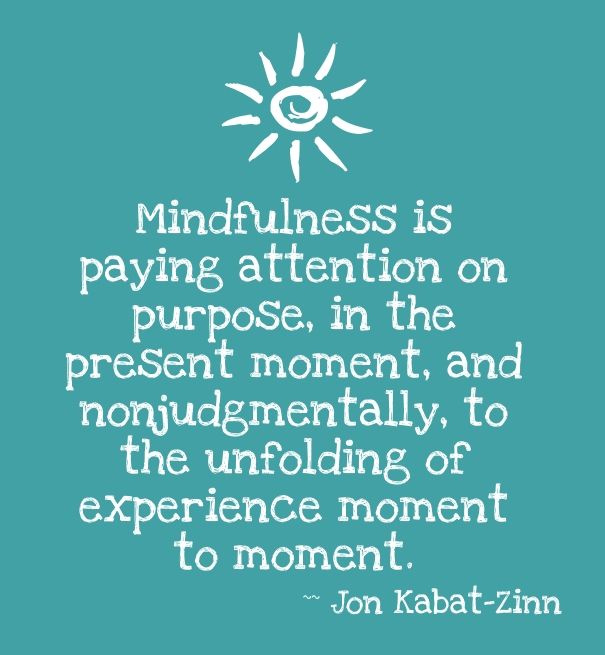
Dear Friends: Focusing on the present moment can increase happiness. Diana

Mind Full

Thursday, May 09, 2024

A PBS documentary focusing on human memory suggests that truth and reality, seen through the filter of our memories, are not objective facts but are subjective, interpreted realities. Memory research shows that our brains interpret the past. We tend to correct ourselves, add bits and pieces, and delete uncomplimentary or disturbing recollections. Essentially, our brains sweep, dust, and tidy things up.

The documentary included interviews with Lisa Genova, a trained neurophysiologist and best-selling author. She supported the documentary’s points that memory isn’t accurate but interprets the past. She also shifted a bit by asking, “Do many of us spend time practicing gratitude?”

Genova’s writings often make me pause to consider and research the topics she presents. The question about practicing gratitude made me wonder: Do I actually practice gratitude, and if so how? My cloudy memory on this topic had me ask basic questions: What is “practicing gratitude,” and how does one do that?

I gather there are gratitude exercises for training a brain to focus on the positive aspects of life, whether they’re big or small. Gratitude exercises can be a learned skill–like strengthening a particular muscle. Over time, consistently practicing gratitude develops an appreciation mindset that gradually becomes a natural behavior.

Wishing to “appreciate gratitude” means learning how to notice “good things” more readily and preserve them.

Research teaches ways of learning how to focus on gratitude. That might start with a daily gratitude list of 2-3 things and continue by learning to explore what resonates. Maybe by creating a daily gratitude journal, taking walks, or learning how to meditate. A caution is to avoid being grateful for obvious things, like health. Instead, to reflect on specific things, really appreciated–like a good night’s sleep or being able to exercise.

In time, a learner will understand that feeling gratitude goes hand-in-glove with being mindful. Mindfulness is a learned skill about being attentive in present moments and recognizing positive experiences. Appreciation is another learned skill about knowing how to save and savor moments of positive experiences.

Dear Friends: I enjoy thoughts about practicing mindfulness and appreciation. Diana

Mind Journey

Sunday, April 28, 2024

I wonder if others like me periodically discover themselves feeling an occasional sudden restlessness. The best I can explain is that when that occurs, it confuses my feelings, causing confusion and discomfort with daily routines, forcing thoughts about my short-term (and by association, long-term) goals. Suddenly, I want to start changing things, but I feel like a fish fighting in choppy waters without a defined direction.

I’m in a mode of “needing to change things,” but now I am pausing and wondering how to quell those feelings without my usual response of changing routines. Changes do distract my brain by making it process lots of new information. However, I hope to refocus this time and comfortably maintain the status quo.

Mindfulness skills make sense; they’re a way of paying attention to the present moment without making judgments. It’s brain training to heighten awareness of thoughts, feelings, and bodily sensations. Careful mindfulness, or pausing and thoughtfully evaluating the present, may calm and reduce misunderstandings that might feel overwhelming.

Focusing on what’s happening now without worrying about the past or future should avoid feeling judgmental. Instead of labeling thoughts and feelings as good or bad, it’s best to observe them simply, with curiosity and acceptance. Comprehending my inner experience might heighten my self-understanding and guide me to more logical responses during stressful moments.

Dear Friends: I can get started online with guided meditations and exercises. Diana

…To Our Ears

Wednesday, April 09, 2024

Recently, I began learning more about our brains, including the phenomenon of “brain noise.” For example, a surgical procedure called “focused ultrasound” converges sound waves into a tiny area deep within the brain (e.g., the thalamus) and creates heat. This heat disrupts abnormal brain activities causing recurring tumors. Similarly, in another human problem, focused ultrasound can pinpoint and address the area in a human brain that consistently demands drugs.

Now, I’ve begun learning more about music and the human mind. Renowned soprano Renee Flemming is behind a book entitled Music and the Mind, designed for a general audience. Its chapters explore music’s power relative to human health and the brain and discuss such topics as childhood development, cognitive neuroscience, evolution, and music therapy.

It stresses music’s impact on healthcare, musical education, music and social cohesion, and the future of music in medicine.

Reading this book was easy and also jolting. I could feel my brain spontaneously and often recalling musical phrases and life episodes, long forgotten or seemingly so. I’ve been surprised to rediscover long-ago music and associated learning, still lasting and inspiring, in my brain’s regions.

Dear Friends: All amazing, the incredible capabilities of our magnificent brains. Diana