Scattering Seeds, Rebalancing

Thursday, September 25, 2025

This fall, I can’t seem to get flowers, bees, and butterflies out of my mind. These days are shortening, and there’s more chill creeping in, yet my mind keeps circling around things like nectar-rich blooms and winged visitors returning to them one day.

It’s probably due to the pressures in my outside retail job. The store is busier this time of year — new displays, seasonal merchandise, constantly shifting schedules, and the steady press of customer interactions. Additionally, leadership weighs on me. I cringe at being micromanaged and pushed toward difficult-to-achieve sales goals. These leave me off-balance, make me want to establish my own pace and direction. At home, my mind keeps wandering toward slower, more sustaining rhythms.

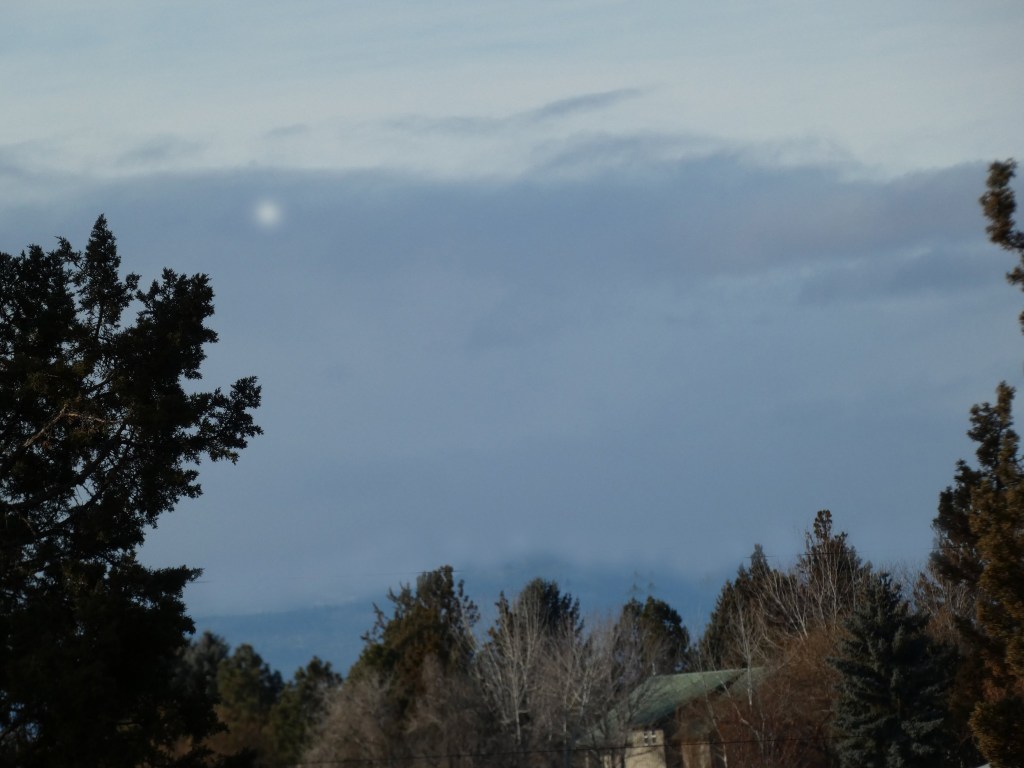
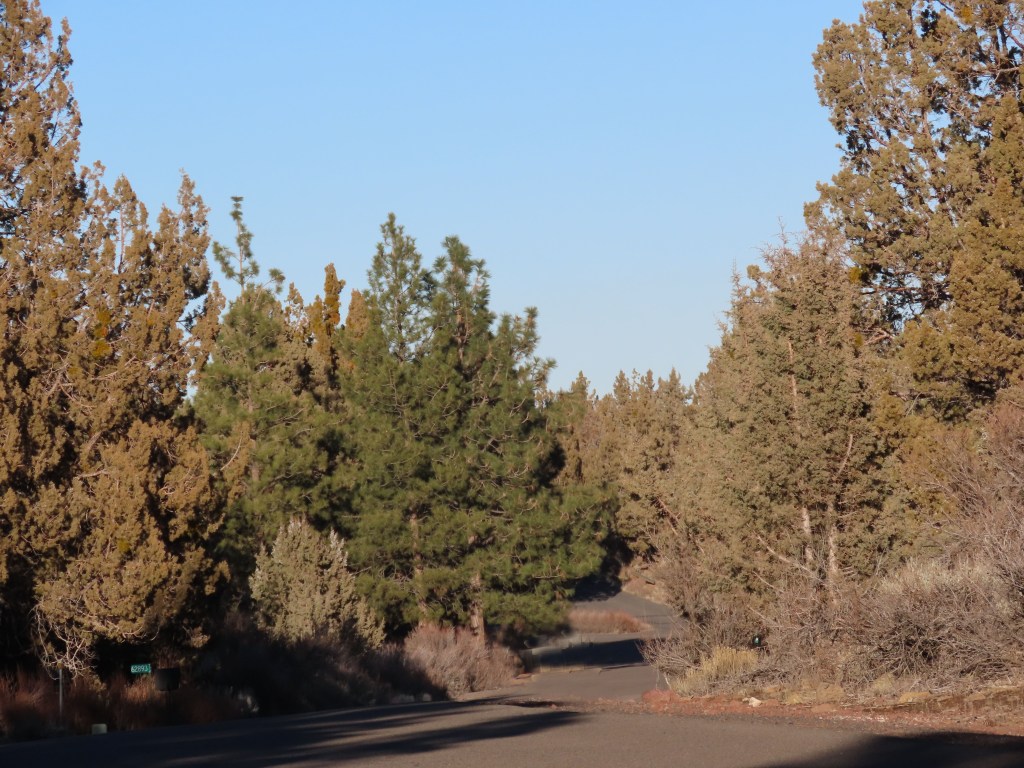
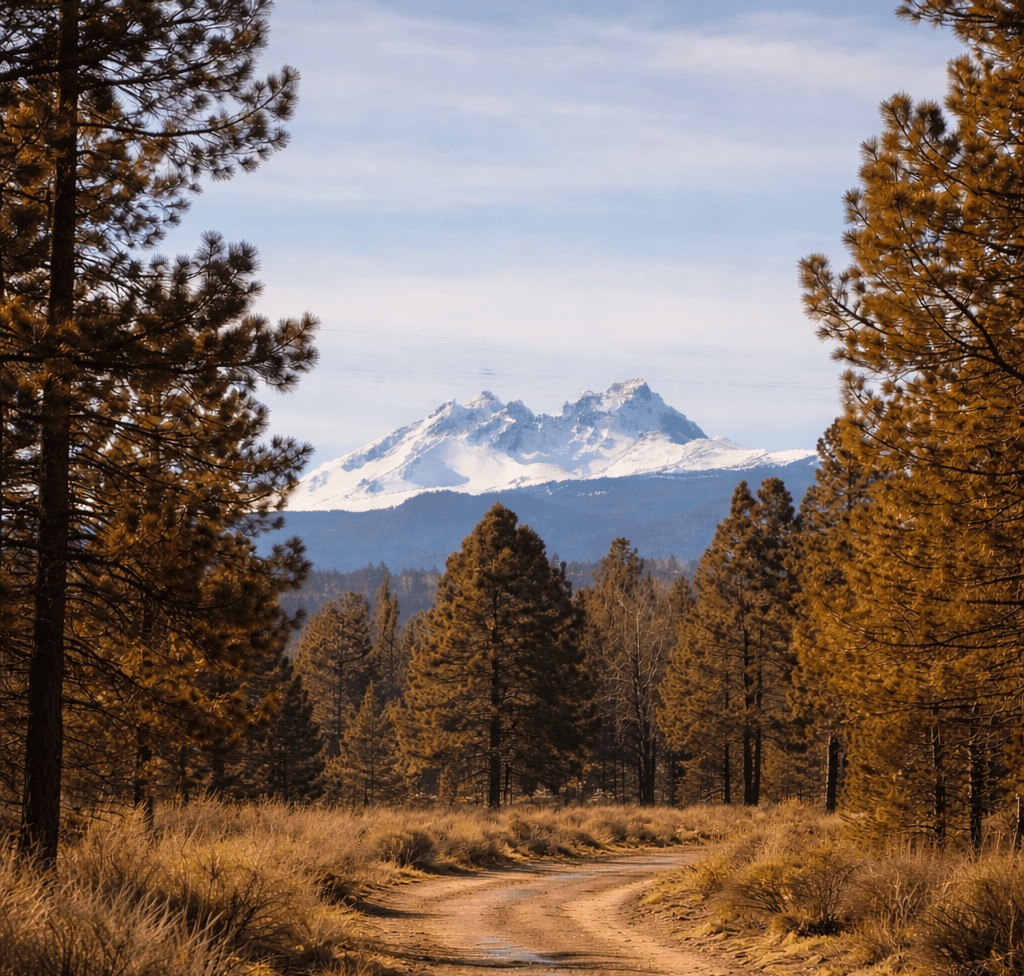
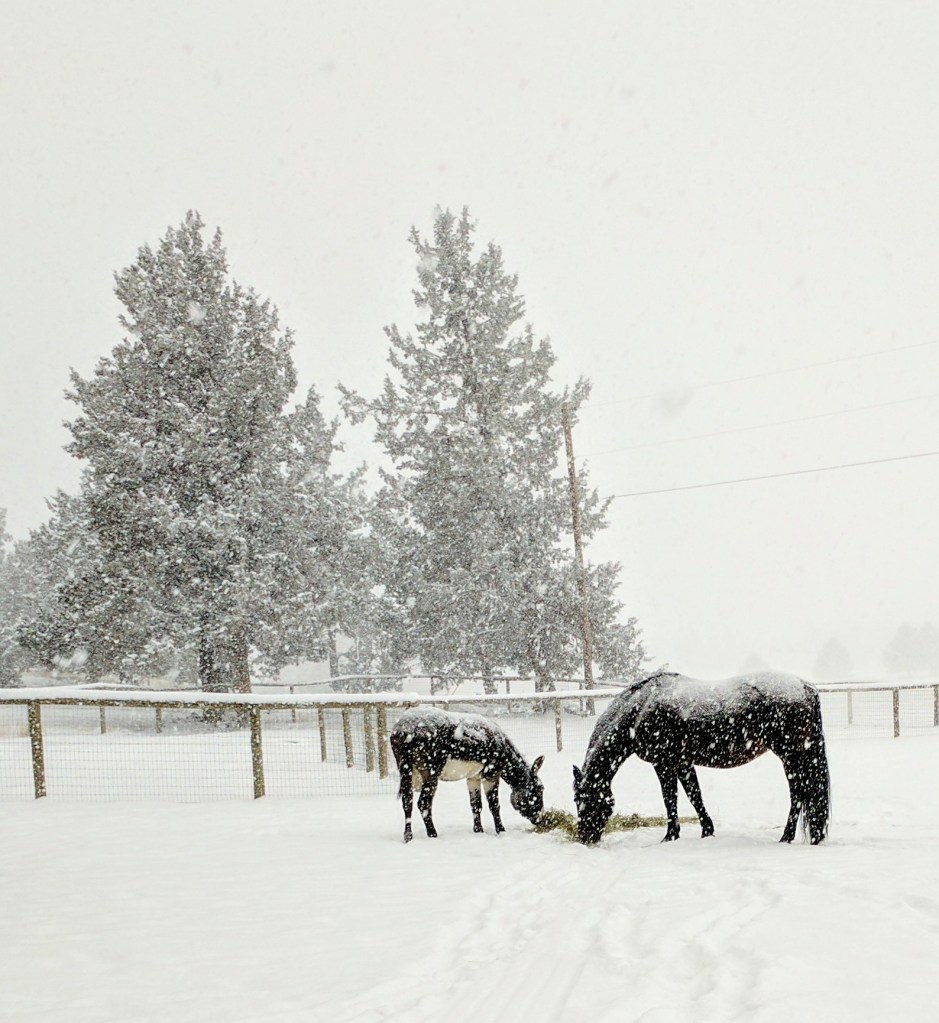
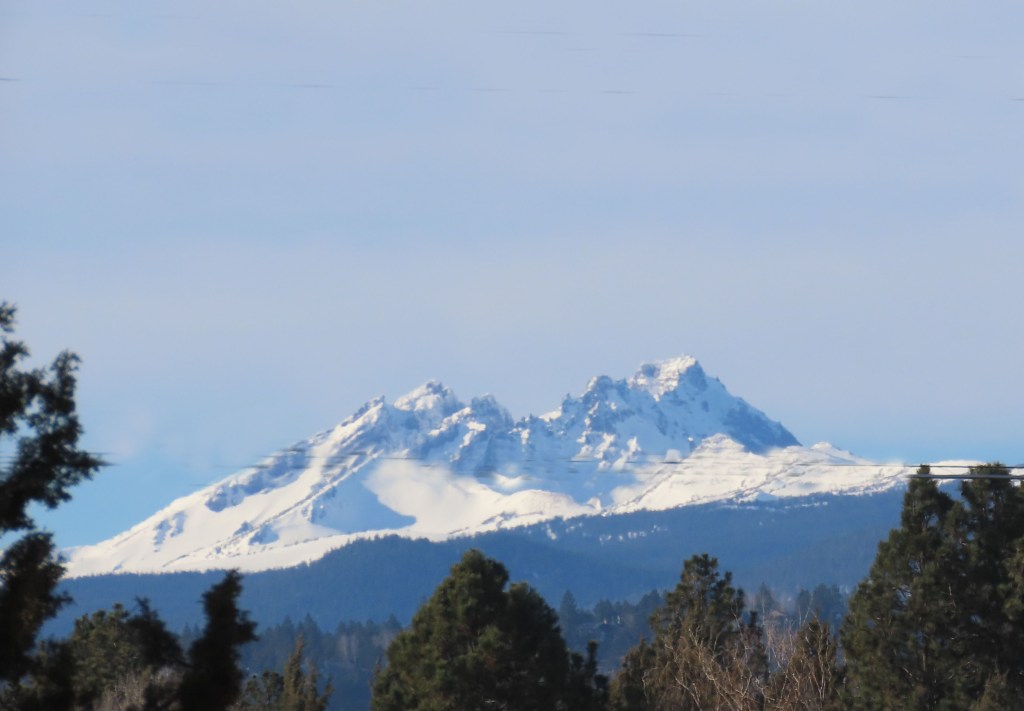
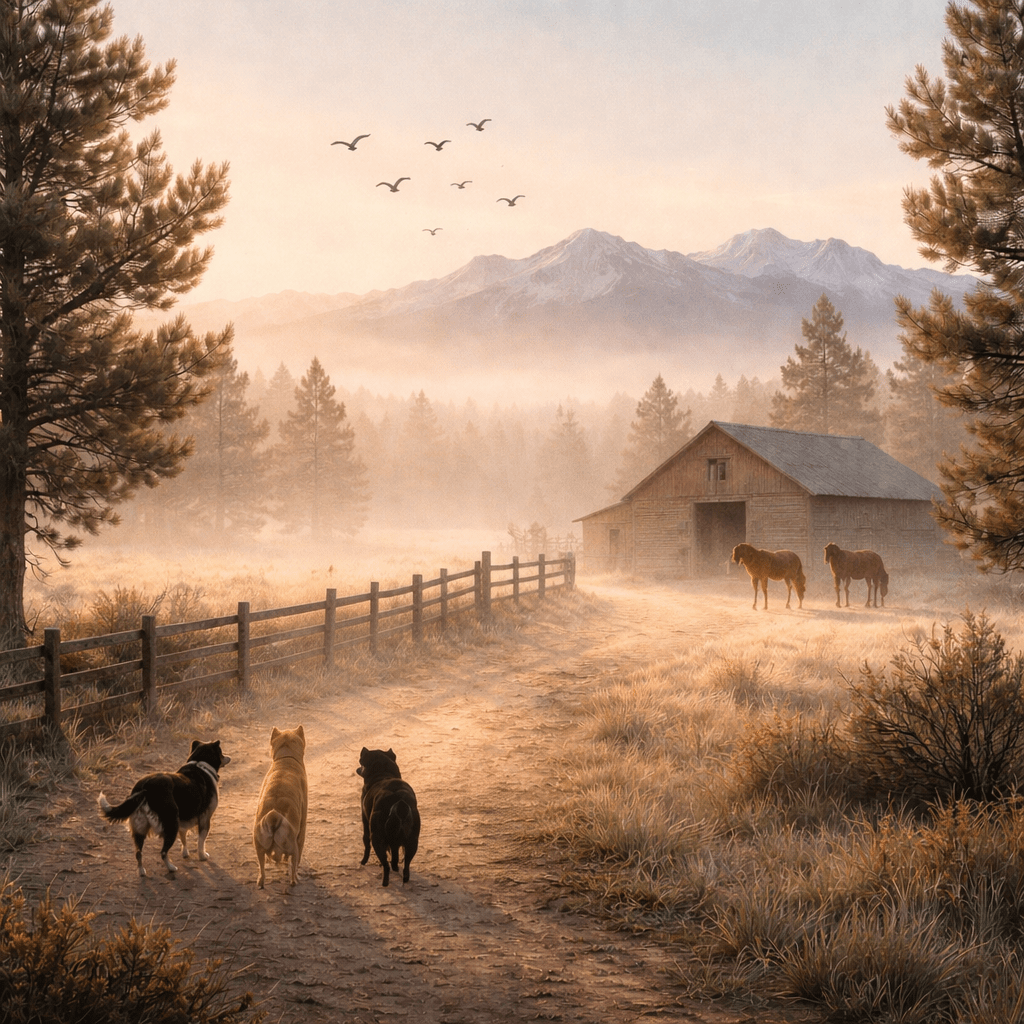
Now, here in Central Oregon, fall is sharpening the air. Mornings begin with thin frost, afternoons flash with sudden sun, and evenings drift early toward darkness. The horses’ and my donkey’s coats are thickening; my dogs race across grasses that crunch under their paws; and a more expansive sky above the Cascades creates dramatic clarity.

In these everyday seasonal scenes, I find myself searching for emotional balance. My thoughts aren’t just passing, but they’re pulls–to scatter wildflower seeds, to trust the earth to hold and protect them through winter, and then, see blooms rising with bees and butterflies dancing among them again in spring.

It’s a way of offsetting the grind — those hours measured in transactions, sales goals, and schedules. I yearn, instead, for another continuity — the hum of bees, the shimmer of butterfly wings, the quiet return of flowers after their winter’s sleep.

And besides, there’s a larger picture. Planting seeds for pollinators is also planting seeds for myself — a reminder of beauty’s return after seasons of dormancy. Renewal doesn’t require much — just clearing a patch of ground, scattering seeds, and trusting in nature’s quiet magic.

Maybe my fall thoughts aren’t only about flowers and creatures. They might also be pointing me toward deeper needs, like toward balancing the seasons of my own life. What I’m sure of right now is that scattering seeds feels like an excellent step forward.

These small actions will matter — for bees, for butterflies, and, in many quiet ways, for me too.

— Diana

Edging Into Fall

Tuesday, September 02, 2025

Central Oregon is tipping toward fall. I feel it in my bones—and deeper still, in the barn. Mornings exhale a first breath of chill. My dogs pause at the door, alert to change. The horses lift their noses as though frost itself is sliding down from the Cascades. And yet, my mind lingers in summer, reluctant to let go of those long, elastic evenings when the light stretches far enough for one more fence mended, one more wander taken.

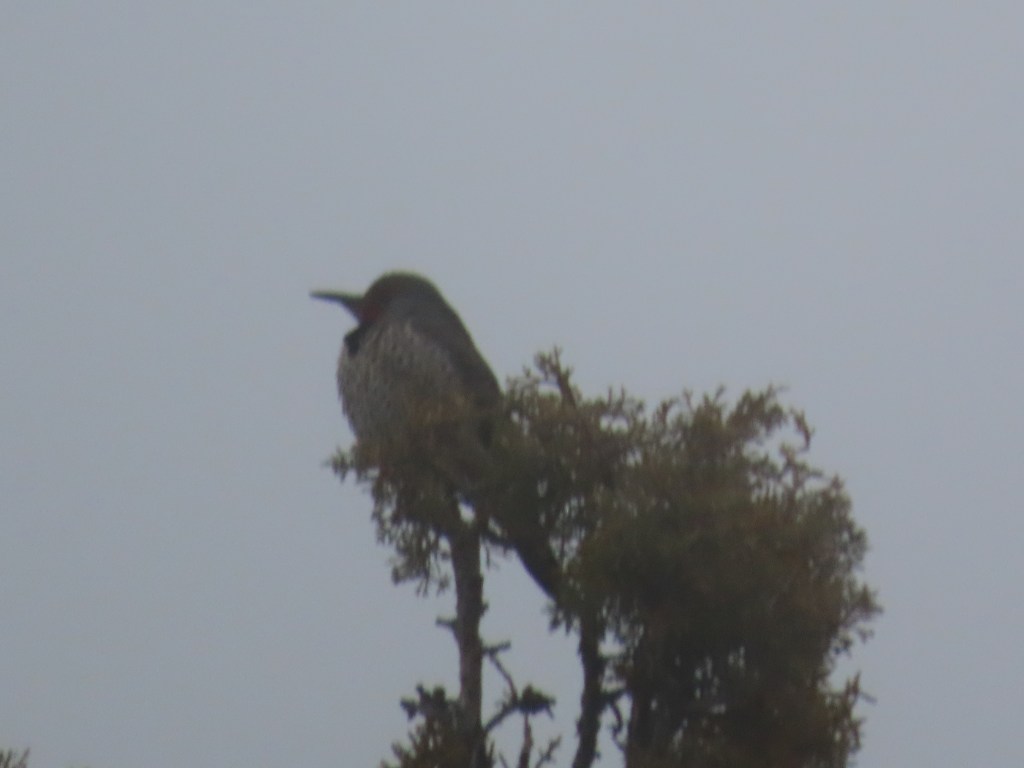
The beauty is undeniable—aspens flashing their golden coins, birds perched on high wires against a paler sky. But beauty whispers its reminders: winter is coming. Fence lines, troughs, de-icers, hay stacked high, hoses drained—chores press forward. While I think about what must be done, the horses toss their manes and prance, delighted with the crisp air. Pimmy, my donkey, on a weight-loss diet, asks only that her supper comes on time.

It is I alone arguing with the clock. September’s sunsets are deceiving, convincing me there is always time for just one more thing—until the light folds suddenly into a quick blue that belongs only to fall. Soon an official time change will bring its own confusion. My animals, untroubled by calendars or clocks, know only the tugs of hunger and the promises of dawn and dusk.

And still…fall offers pleasant solaces. A heavier quilt pulled to the chin. Warm mugs replacing thin glasses of ice. A jacket tossed into the car, because you never know. These days contract, yes, but in their shortening remind me to choose with intention; perhaps this is autumn’s hidden gift.

Dear Friends, stepping into the season—grieving summer’s length, seeking peace in earlier darkness, and grateful for small comforts that soften the tilt.

— Diana

Are You “My” Robin?

Tuesday, May 27, 2025

A pair of robins recently began nesting on a beam in my barn’s hay storage area. Their nest sits about twice my height above the ground. I pass near it several times daily to gather hay and fill feeding nets for my equines. I’m always aware now of a robin watching me intently from above. I try to avoid disturbing them too much—I want them to stay. In my heart, I secretly hope that one of these birds is my robin. It’s wishful thinking, I know—but it speaks to a very human need to reconnect with something we’ve loved.

My robin was real. A fledgling that had fallen from a tree in my dogs’ area. Its parents were nearby, agitated and noisy—enough to draw my attention. Fearing for its safety, I scooped up the little bird and moved it to a safer, dog-free part of the property. Its parents would continue to feed it for a while, but that baby was still vulnerable to hawks and other predators. I relocated it again to protect it more, but this time, the parents gave up. And so, I became its guardian.

That was during the waning days of the COVID pandemic, when supply chain issues made it nearly impossible to find live mealworms—essential for a young robin’s diet. Determined, I finally tracked down living night crawlers from a fishing supplier. I’d snip the crawlers into pieces, dunk them in water for hydration, and feed them to my little one, who lived in the garage and began to thrive.

As the fledgling grew, I started setting it between feedings on the lower branches of a mature pine tree. Upon my return, it would flutter onto my shoulder, ready for another meal. Before long, it began flying to me from higher and farther branches. The bird was maturing—and I knew it might leave me.

Still, I hoped. I dreamed that it would return someday with a mate and nest nearby.

Then one day, it was gone. I called and searched, heart heavy. The loss was immense. I still hold on to the hope that it survived—that it found its place in the world.

Every summer since, I’ve watched the robins around me more closely, wondering if any of them might be the one. None have been. But now, this new nesting pair shows no fear of me. One watches quietly as I pass, not alarmed enough to flee. Could it be my bird? I’ll never know—but I can hope.

Dear friends: The emotional connections we form—especially with those we’ve nurtured—run deep. And they last. Diana

Thaw!

Thursday, February 20, 2025

This day is a gift. I’m off my part-time job without a rigid schedule or pressing commitments. I can move at my own pace. With a coffee cup warming my fingers, I see sunshine through the windows instead of gloom. Some snow remains, however, and this morning’s light stretches across it. It’s easy to sense a weather change because the slow melt is lasting.

There’s also the reality that a day off never truly means a rest. I have chores pending, some long overdue. The horse area needs care against thawing, which has caused sheer mud. The chicken shelter needs unexpected reinforcement against bitter cold winds. My dogs are restless after a stretch of huddling in the fierce cold.

While working outside, I’ll watch for icy patches. My property is like a battlefield of seasons because it only partly receives adequate sunshine. I’ll carefully navigate pockets of slush and unforgiving patches of ice from water that trickles from overfull gutters.

I’ll probably find my turkey Lacy watching me, tilting her interesting head and assessing what I’m doing. She will also feel this different weather; it’s subtle yet unmistakable.

I’m familiar with chores today because they’re annual. This typical weather shift will have me, Lacy, and the other critters breathing sharp and clean air. It’s milder, but winter isn’t finished, not by a long shot. Its hold is weakening, even though only temporarily, making us all feel renewed.

On the horizon, March often introduces weather much worse than February’s. I’ll avoid that by focusing on being in the here and now. I will appreciate today–being in melting snow, sensing the shifting earth, and hearing the soft sounds of animals stirring.

Dear Friends: It’s really happening: a slow, steady arrival of friendlier weather. Diana

Mindfully, Melting

Wednesday, February 12, 2025

I routinely trudge through slow-melting snow, our first this winter, to feed my outside animals. The melting seems beyond a mere seasonal shift. It’s a transformation, stirring my senses and emotions. I see a thick, icy white blanket receding without yet revealing patches of earth and dormant grass. I’m always anticipating.

This wintery period feels like an “in-between mood.” Melting has winter loosening around here, but spring is far ahead. Our air is damp, water drips from roof gulleys, and underfoot it’s slushy, but winter still inhibits renewal.

My mood is complicated; it’s part relief, part impatience, and sometimes thoughtful. My imagination sees stark beauty in a frozen, dissolving landscape. It’s less defined as a gradual thaw releasing us from snowy brightness.

The earth is softening, and I’m eager for the earliest glimpses of green that promise more warmth. These days are stretching a little longer and increasing my energy, inspiring new planning. Yet, spring feels just out of reach; its slow arrival is frustrating. These gray skies, the oncoming mud, and this slow transition is a world not yet fully alive. Waiting makes me restless.

Watching snow disappear evokes a subtle mourning. Our first fresh blanket of snow softened the edges and quieted our world. I love seeing a snowy landscape reflecting the moonlight uniquely. At home, melting makes the landscape less crisp and pristine; it’s more messy, uneven, and unpredictable.

Melting is an in-between time for rebalancing our expectations and moods. This isn’t winter’s full-stillness; we’re not sensing new spring energy. I sense the melting snow tugging at my emotions as a “letting go” that forces another slow, inevitable shifting of anticipations and plans.

Dear Friends: Even in these deepest winter months, thinking, “Ah, Spring!” Diana

Cold Winter

Wednesday, February 05, 2025

This high desert is finally snow-covered. Deep winter grips us. I’ve anticipated this cold, which will stretch through February and March—weatherwise, the most demanding months.

We have cycled through the winter holiday festivities and now face the stark realities of freezing winds, deep snowdrifts, and short days. I tell myself to endure patiently these slow-moving weeks before signs of spring occur.

I also remind myself that practicing patience through deep winter isn’t passive but an active practice.

These days of biting cold, iced-over roads, and gray skies make us seek comfort in small routines. I might enjoy a warm drink, appreciate and care for my animals, and sit in a comfortable chair to read a book. Those are anchors, slowing anxieties and getting through what can’t be rushed.

I have learned not to fight winter but to embrace it as a time for reflecting, resting, and waiting for different weather energy. That’s active practicing; another is active appreciating–recognizing winter’s beauty, the silence of snowy mornings, and the moon’s brightness on freezing nights.

Winter brings gifts, if we take moments to see them. I often find myself kicking pathways into fresh snow on my property and looking up at the deep contrast of black branches highlighted with snow against a barely bluish sky.

Writing this morning makes me thoughtful about patience—less about enduring and more about appreciating. And so, we wait on days that are already a bit longer but still seem too short.

I am eager for hints of warmth to return. Meanwhile, I will heed my observations and take the rest of winter one day at a time, seeking the positives it offers until the freezing cold eventually loosens.

Dear Friends, Patience isn’t “just waiting” but trusting that change is coming. Diana

Enlightenment

Monday, January 20, 2025

This is Martin Luther King Day. Yesterday’s weather prevued this chilly but beautiful new day. I was outside several times to feed my animals. My gloved hands tended to become freezy, a signal to stay inside as much as possible. So, I did: cleaned the house, fed a sourdough starter, baked bread (machine), organized spaces, studied algebra online (Kahn Academy), and read more of Amy Tan’s bird book.

The more I learn about genetics, the more I appreciate that various beings, existing commonly alongside humans, may also “have intelligence.” Studies have revealed vast underground networks of tree and plant roots–intertwined, communicating, and exchanging nutrients. Researchers have learned more about how plants communicate with each other, respond to touch, store memories, and deceive animals for their own benefit.

A recently published book adds to such learning. It’s The Light Eaters: How the Unseen World of Plant Intelligence Offers a New Understanding of Life on Earth. Its author, Zoë Schlanger, covers climate change and here explores the contemporary world of botany.

In the past twenty years, ideas of plants communicating are more broadly accepted. Research shows examples. Lima beans protect themselves by synthesizing and releasing chemicals to summon predators of the insects that eat them. Lab-grown pea shoots navigate and respond to the sounds of running water. In Chile, a chameleonic jungle vine mimics the shape and color of nearby plants.

Those behavioral mechanisms aren’t fully understood, and scientists have different opinions about whether plants can sense the world and communicate. I’m eager to start reading this book and thinking about possibilities.

Dear Friends: Are humans possibly less supreme among organisms? Diana

Breeze, et al

With Breeze (white) and Poppy (caramel)

Sunday, January 12, 2025

I acquired an adorable trio of African Dwarf Goats in 2010: the mama (Sego Lily) and her twins (Breeze and Poppy). Sego Lily had originally been adopted from a herd environment, and by 2010, her real age was only an estimate; her babies were months old.

The trio was sweetly bonded and inseparable. They participated in official parades and often strolled with me on neighborhood streets, leashed, alertly cautious, and keenly aware.

Mama passed away about five years ago when I was guessing her age at fifteen. Little Poppy passed away a year ago at age fourteen. And yesterday, I lost Breeze; she was fifteen.

That morning, while outside and feeding my animals before leaving for work, I discovered Breeze lying down and apparently unable to rise onto her feet. I tried lifting her but hadn’t enough strength. Breeze’s legs were stiff and unmanageable, and she might have suffered a stroke sometime in the night or earlier that morning.

Breeze passed away before the emergency veterinarian could arrive at my place. My workplace is painfully short of workers; I felt needed and went to work, where I arranged to meet an emergency veterinarian later at my place. Meanwhile, my kind neighbors watched over Breeze and hours later let me know she had passed. Later, a concerned co-worker followed me home and helped with her remains.

RIP, my Breezey.

Breeze and hitchhiker

Remembering those three sweeties this morning, I’m sad with an empty feeling.

Dear Friends: Cute, fun, and stubbornly determined when wanting something. Diana

Birding Artist

Friday, January 10, 2024

Some time ago, I casually listened as an interviewer questioned the popular and successful writer Amy Tan. I’d not read anything by Tan; I became more attentive as she explained some experiences and interests that turned into creative inspirations. She said bird-watching was a high note in her daily life, and the activity gradually had changed–from being very casual to becoming highly attentive. Best of all, focusing on birds made another of her artistic sides evolve.

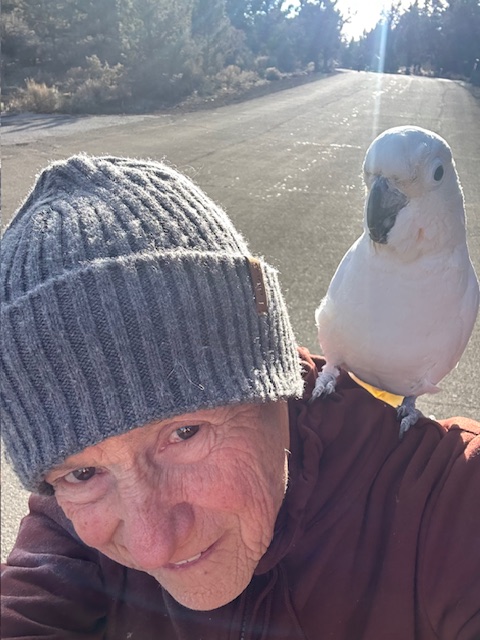
I am a great appreciator, a casual watcher, and sometimes a photographer of wild birds. I have two domestic birds in my home, each very different–a retired racing pigeon and a busy Cockatoo. Each is interesting and intelligent (most overtly, the Cocktoo) in its own way.

I long remembered elements of that interview with Tan and wished to learn more about her affection for birds. I finally ordered her book and haven’t been disappointed. In fact, it’s more delightful than I anticipated because her “other artistic side” is pen-on-paper artwork–and her own!

Tan’s bird art is a fine art. Today’s header photo is of the book cover, with birds by Tan, hinting at more art on its inside pages.

She’s an excellent writer, too. Her words share Tan’s observations and delight, bringing readers near the writer’s first-hand experiences.

Dear Friends: It’s an original, a beaut that evolved from wishing to learn. Diana

Winter’s Puzzle

Saturday, January 04, 2025

Yesterday was the first anniversary of a major ice storm here in Central Oregon. That storm kicked off months of freezing weather. I remember cold, cold, continuously, until almost the Summer Solstice.

It’s hard to believe this area can skip spring, but it does, and often enough that old timers have jokes (e.g., “Central Oregon has two seasons, Winter and the Fourth of July.”).

This winter’s Central Oregon weather seems almost like last year’s. Our weather remained relatively mild through the fall and winter’s dark months. Since I remember last year’s surprising freeze vividly, I worry about that in this early January.

Every morning, I anticipate being greeted by a hammering freeze, with that kind of weather continuing nearly unendingly. Today, the sun has begun rising beautifully in the east, and I’m reassured, at least somewhat, of relatively mild weather today.

I’ve lived in Central Oregon for twenty years and cared for horses. I’ve had real-time wintery experiences outside that are memorable–and proof of the old-timers’ observations being right-on.

Winter and the Fourth of July. So far this season, not enough winter. The coin has another equally worrisome side. Not enough winter means insufficient snow and inadequate water in the spring. Central Oregon needs big winters, especially now, with a growing population and increasing amenities.

Dear Friends: We need snow and ice and thus willingly cope through deep winters. Diana