Yes!

Sunday, January 05, 2025

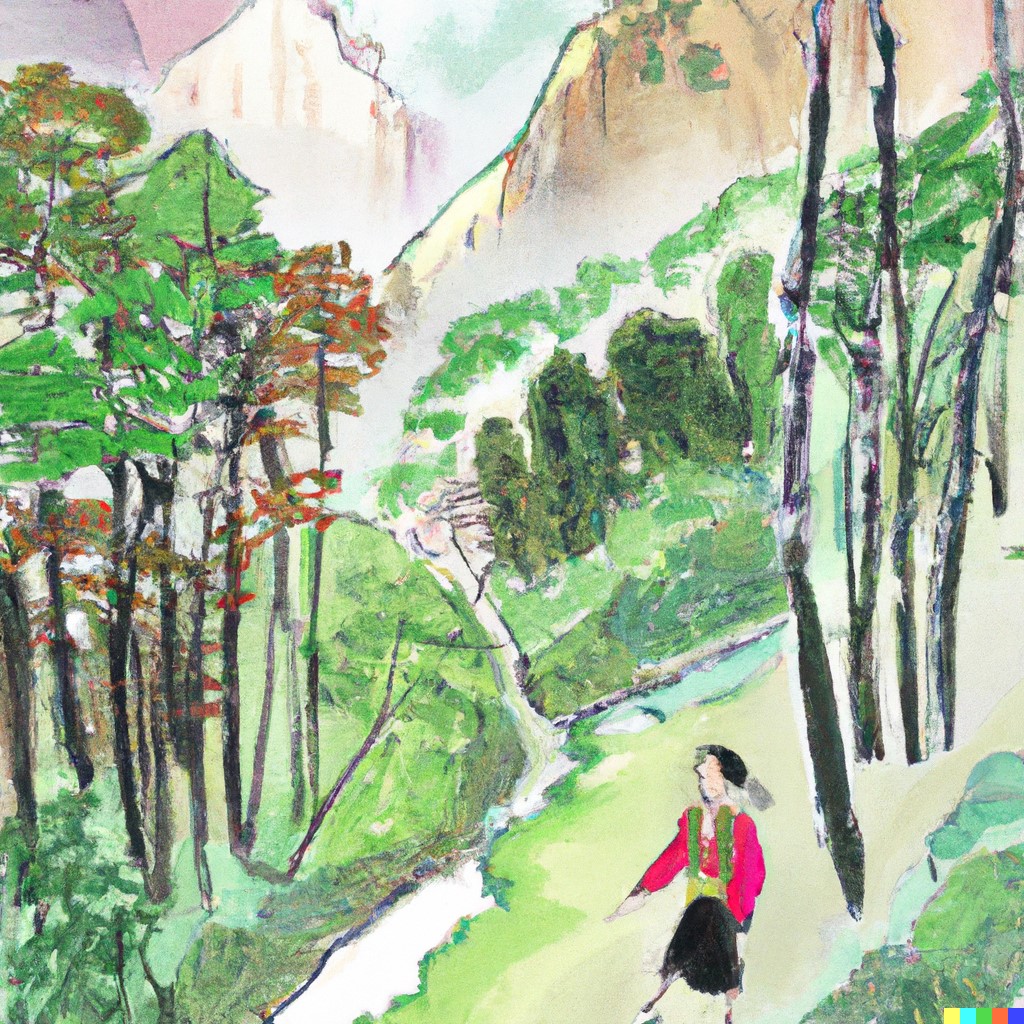
Today’s header image–“a find” in my Facebook feed–perfectly speaks for itself. A snapshot of joy and beauty that reminds me of many fun outings, most specifically, “chasing rising full moons” with my friend Susie. This image “says it all” without needing a caption.

The Calvin and Hobbes strips brilliantly point to adult sophistication using the antics of a six-year-old hyperactive boy and his “toy” stuffed tiger. I enjoy these strips that reconnect me to my early learning and to “my now.”

Last night, in a phone conversation with my longest-time friend, Linda, we reflected on the passage of time and on the evolution of human awareness. We discussed some complexities of living and marveled over the gradual unfolding of awareness between youth and maturity. Our periodic catches-up on each other’s lives helps us measure how much we’ve learned and continue to grow over the years.

We mutually recognize that a life journey involves self-discovery and expanding perspectives. Last night’s conversation, like most of ours, deepened our connection.

Later, I continued pondering the intricate tapestry of human experience and am still reflecting on it this morning. I selected today’s header image because it reflects many of the positive human attributes Linda and I were discussing.

Dear Friends: The “human experience” is rich with laughter, love, loss, and growth. Diana
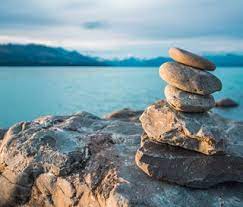
Mind Full

Thursday, May 09, 2024

A PBS documentary focusing on human memory suggests that truth and reality, seen through the filter of our memories, are not objective facts but are subjective, interpreted realities. Memory research shows that our brains interpret the past. We tend to correct ourselves, add bits and pieces, and delete uncomplimentary or disturbing recollections. Essentially, our brains sweep, dust, and tidy things up.

The documentary included interviews with Lisa Genova, a trained neurophysiologist and best-selling author. She supported the documentary’s points that memory isn’t accurate but interprets the past. She also shifted a bit by asking, “Do many of us spend time practicing gratitude?”

Genova’s writings often make me pause to consider and research the topics she presents. The question about practicing gratitude made me wonder: Do I actually practice gratitude, and if so how? My cloudy memory on this topic had me ask basic questions: What is “practicing gratitude,” and how does one do that?

I gather there are gratitude exercises for training a brain to focus on the positive aspects of life, whether they’re big or small. Gratitude exercises can be a learned skill–like strengthening a particular muscle. Over time, consistently practicing gratitude develops an appreciation mindset that gradually becomes a natural behavior.

Wishing to “appreciate gratitude” means learning how to notice “good things” more readily and preserve them.

Research teaches ways of learning how to focus on gratitude. That might start with a daily gratitude list of 2-3 things and continue by learning to explore what resonates. Maybe by creating a daily gratitude journal, taking walks, or learning how to meditate. A caution is to avoid being grateful for obvious things, like health. Instead, to reflect on specific things, really appreciated–like a good night’s sleep or being able to exercise.

In time, a learner will understand that feeling gratitude goes hand-in-glove with being mindful. Mindfulness is a learned skill about being attentive in present moments and recognizing positive experiences. Appreciation is another learned skill about knowing how to save and savor moments of positive experiences.

Dear Friends: I enjoy thoughts about practicing mindfulness and appreciation. Diana

Mind Journey

Sunday, April 28, 2024

I wonder if others like me periodically discover themselves feeling an occasional sudden restlessness. The best I can explain is that when that occurs, it confuses my feelings, causing confusion and discomfort with daily routines, forcing thoughts about my short-term (and by association, long-term) goals. Suddenly, I want to start changing things, but I feel like a fish fighting in choppy waters without a defined direction.

I’m in a mode of “needing to change things,” but now I am pausing and wondering how to quell those feelings without my usual response of changing routines. Changes do distract my brain by making it process lots of new information. However, I hope to refocus this time and comfortably maintain the status quo.

Mindfulness skills make sense; they’re a way of paying attention to the present moment without making judgments. It’s brain training to heighten awareness of thoughts, feelings, and bodily sensations. Careful mindfulness, or pausing and thoughtfully evaluating the present, may calm and reduce misunderstandings that might feel overwhelming.

Focusing on what’s happening now without worrying about the past or future should avoid feeling judgmental. Instead of labeling thoughts and feelings as good or bad, it’s best to observe them simply, with curiosity and acceptance. Comprehending my inner experience might heighten my self-understanding and guide me to more logical responses during stressful moments.

Dear Friends: I can get started online with guided meditations and exercises. Diana