Thaw!

Thursday, February 20, 2025

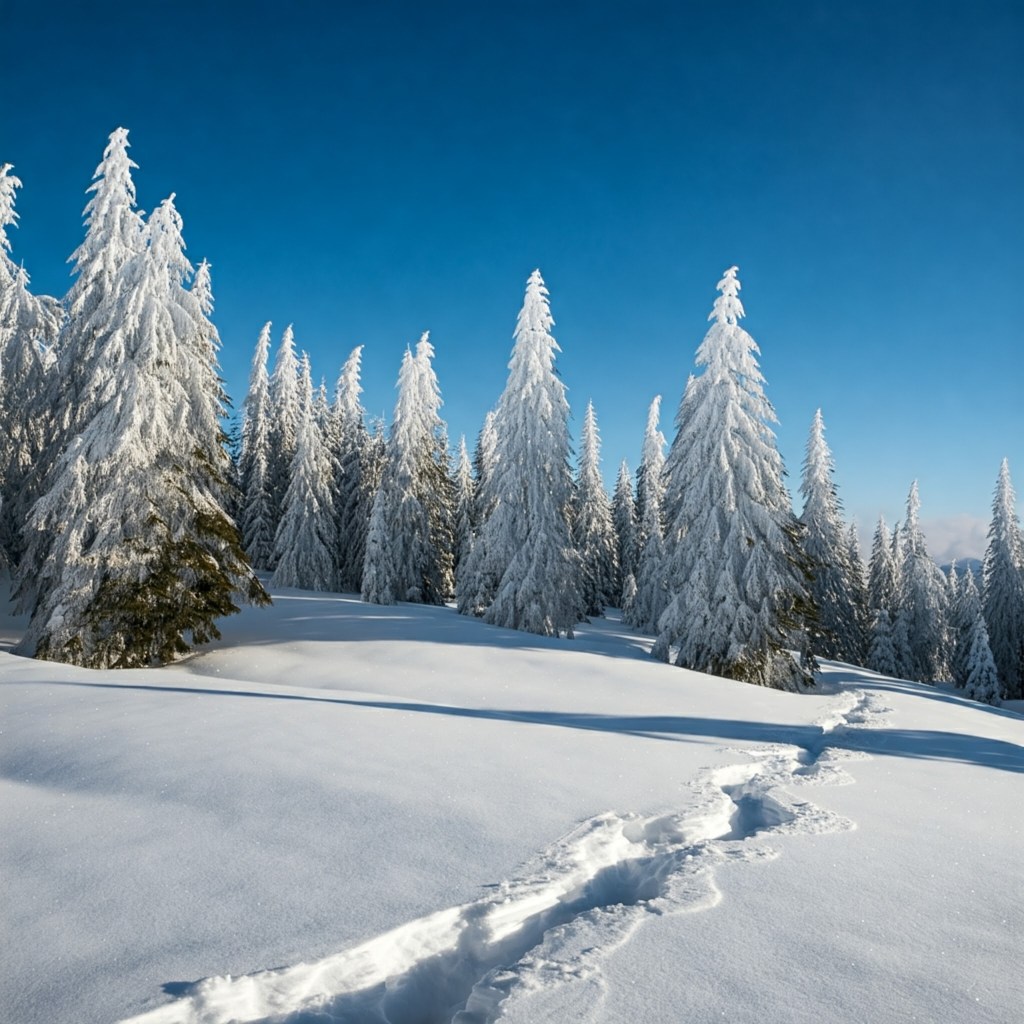
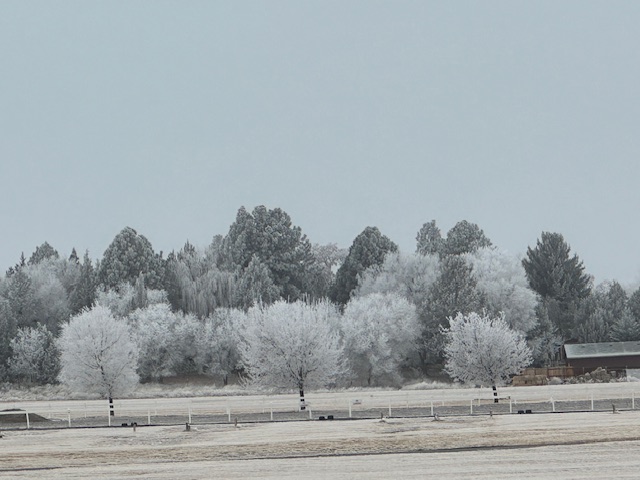
This day is a gift. I’m off my part-time job without a rigid schedule or pressing commitments. I can move at my own pace. With a coffee cup warming my fingers, I see sunshine through the windows instead of gloom. Some snow remains, however, and this morning’s light stretches across it. It’s easy to sense a weather change because the slow melt is lasting.

There’s also the reality that a day off never truly means a rest. I have chores pending, some long overdue. The horse area needs care against thawing, which has caused sheer mud. The chicken shelter needs unexpected reinforcement against bitter cold winds. My dogs are restless after a stretch of huddling in the fierce cold.

While working outside, I’ll watch for icy patches. My property is like a battlefield of seasons because it only partly receives adequate sunshine. I’ll carefully navigate pockets of slush and unforgiving patches of ice from water that trickles from overfull gutters.

I’ll probably find my turkey Lacy watching me, tilting her interesting head and assessing what I’m doing. She will also feel this different weather; it’s subtle yet unmistakable.

I’m familiar with chores today because they’re annual. This typical weather shift will have me, Lacy, and the other critters breathing sharp and clean air. It’s milder, but winter isn’t finished, not by a long shot. Its hold is weakening, even though only temporarily, making us all feel renewed.

On the horizon, March often introduces weather much worse than February’s. I’ll avoid that by focusing on being in the here and now. I will appreciate today–being in melting snow, sensing the shifting earth, and hearing the soft sounds of animals stirring.

Dear Friends: It’s really happening: a slow, steady arrival of friendlier weather. Diana

Mindfully, Melting

Wednesday, February 12, 2025

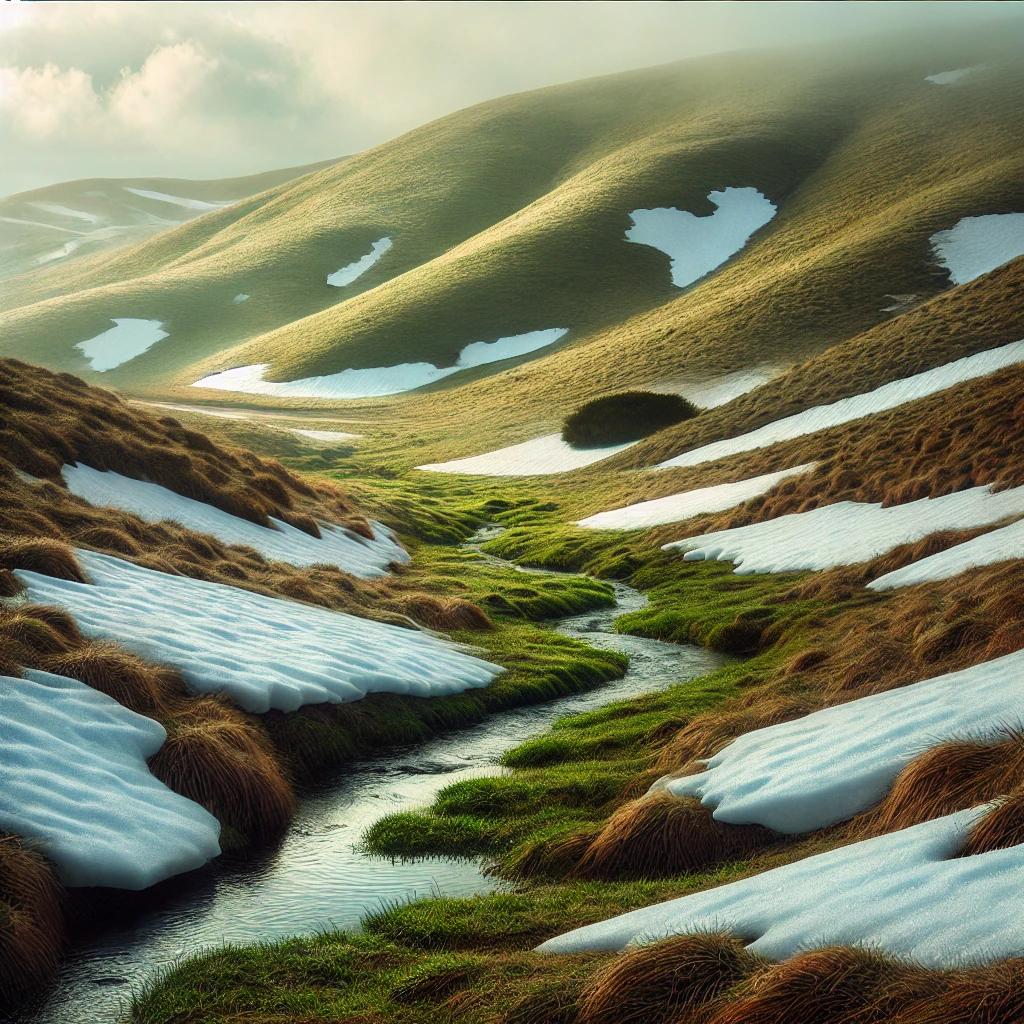
I routinely trudge through slow-melting snow, our first this winter, to feed my outside animals. The melting seems beyond a mere seasonal shift. It’s a transformation, stirring my senses and emotions. I see a thick, icy white blanket receding without yet revealing patches of earth and dormant grass. I’m always anticipating.

This wintery period feels like an “in-between mood.” Melting has winter loosening around here, but spring is far ahead. Our air is damp, water drips from roof gulleys, and underfoot it’s slushy, but winter still inhibits renewal.

My mood is complicated; it’s part relief, part impatience, and sometimes thoughtful. My imagination sees stark beauty in a frozen, dissolving landscape. It’s less defined as a gradual thaw releasing us from snowy brightness.

The earth is softening, and I’m eager for the earliest glimpses of green that promise more warmth. These days are stretching a little longer and increasing my energy, inspiring new planning. Yet, spring feels just out of reach; its slow arrival is frustrating. These gray skies, the oncoming mud, and this slow transition is a world not yet fully alive. Waiting makes me restless.

Watching snow disappear evokes a subtle mourning. Our first fresh blanket of snow softened the edges and quieted our world. I love seeing a snowy landscape reflecting the moonlight uniquely. At home, melting makes the landscape less crisp and pristine; it’s more messy, uneven, and unpredictable.

Melting is an in-between time for rebalancing our expectations and moods. This isn’t winter’s full-stillness; we’re not sensing new spring energy. I sense the melting snow tugging at my emotions as a “letting go” that forces another slow, inevitable shifting of anticipations and plans.

Dear Friends: Even in these deepest winter months, thinking, “Ah, Spring!” Diana

Cold Winter

Wednesday, February 05, 2025

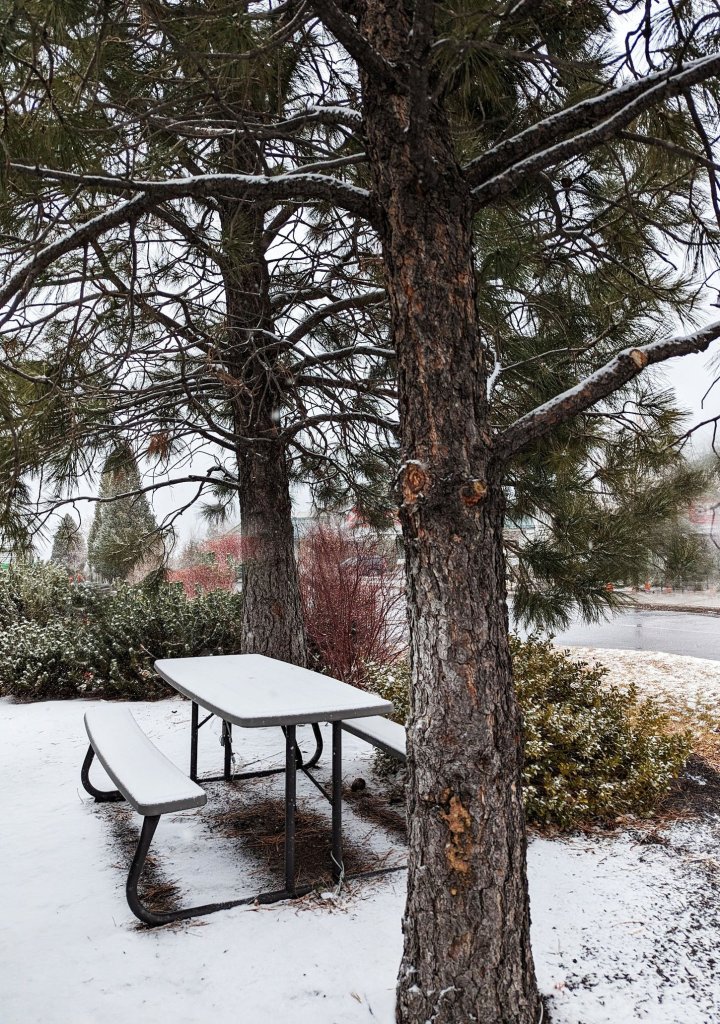
This high desert is finally snow-covered. Deep winter grips us. I’ve anticipated this cold, which will stretch through February and March—weatherwise, the most demanding months.

We have cycled through the winter holiday festivities and now face the stark realities of freezing winds, deep snowdrifts, and short days. I tell myself to endure patiently these slow-moving weeks before signs of spring occur.

I also remind myself that practicing patience through deep winter isn’t passive but an active practice.

These days of biting cold, iced-over roads, and gray skies make us seek comfort in small routines. I might enjoy a warm drink, appreciate and care for my animals, and sit in a comfortable chair to read a book. Those are anchors, slowing anxieties and getting through what can’t be rushed.

I have learned not to fight winter but to embrace it as a time for reflecting, resting, and waiting for different weather energy. That’s active practicing; another is active appreciating–recognizing winter’s beauty, the silence of snowy mornings, and the moon’s brightness on freezing nights.

Winter brings gifts, if we take moments to see them. I often find myself kicking pathways into fresh snow on my property and looking up at the deep contrast of black branches highlighted with snow against a barely bluish sky.

Writing this morning makes me thoughtful about patience—less about enduring and more about appreciating. And so, we wait on days that are already a bit longer but still seem too short.

I am eager for hints of warmth to return. Meanwhile, I will heed my observations and take the rest of winter one day at a time, seeking the positives it offers until the freezing cold eventually loosens.

Dear Friends, Patience isn’t “just waiting” but trusting that change is coming. Diana

Winter’s Puzzle

Saturday, January 04, 2025

Yesterday was the first anniversary of a major ice storm here in Central Oregon. That storm kicked off months of freezing weather. I remember cold, cold, continuously, until almost the Summer Solstice.

It’s hard to believe this area can skip spring, but it does, and often enough that old timers have jokes (e.g., “Central Oregon has two seasons, Winter and the Fourth of July.”).

This winter’s Central Oregon weather seems almost like last year’s. Our weather remained relatively mild through the fall and winter’s dark months. Since I remember last year’s surprising freeze vividly, I worry about that in this early January.

Every morning, I anticipate being greeted by a hammering freeze, with that kind of weather continuing nearly unendingly. Today, the sun has begun rising beautifully in the east, and I’m reassured, at least somewhat, of relatively mild weather today.

I’ve lived in Central Oregon for twenty years and cared for horses. I’ve had real-time wintery experiences outside that are memorable–and proof of the old-timers’ observations being right-on.

Winter and the Fourth of July. So far this season, not enough winter. The coin has another equally worrisome side. Not enough winter means insufficient snow and inadequate water in the spring. Central Oregon needs big winters, especially now, with a growing population and increasing amenities.

Dear Friends: We need snow and ice and thus willingly cope through deep winters. Diana

Word Images

Monday, December 23, 2024

This morning, I will answer a question I left open in yesterday’s blog. I wondered if the first day after the winter solstice is ‘the pluperfect shortest day’ of the year.

Saturday was this year’s winter solstice, a year’s shortest day. However, Sunday was the first day after the solstice, an equally unique and equal turning point. Although technically still dark, Sunday significantly marked the return to longer days.

Sunday, as a “pluperfect shortest day,” acknowledges its key position on the threshold between shorter and longer daylights. It marks, as clearly as Saturday (winter solstice), the shortest day of the year.

The pluperfect tense refers to something that “has happened;” or an action that has occurred before another action occurs, equal to, or nearly equal to, the first. In this example, the first day after the solstice is the first day after the shortest day has passed.

In a traditional sense, this might not be grammatically precise. The idea rose playfully as I recognized that a “pluperfect shortest day” equals its preceding day by significantly marking daylights from decreasing to increasing. Shifts in the cycle of light and darkness remind us that gradual changes will bring subtle but noticeable transformations.

Sunday following the winter solstice was technically as dark as the preceding day, lengthening daylight by two minutes, making Sunday pluperfect–an equal and next marker of longer days about to return.

Although Sunday’s daylight was virtually indistinguishable from Saturday’s, Sunday boasted a different energy. The day seemed more hopeful, our reminder of light slowly returning and boosting us from winter’s depths.

Dear Friends: Increasing light minutes will become visible in a few weeks. Diana

Old English “Hoar”

My Border Collie-X, Osix, in a recent outing

Thursday, December 05, 2024

Yesterday, Central Oregon was covered in hoarfrost. The beautiful and delicate ice crystals were on all surfaces, from grass, leaves, and trees to fence posts and wire fabric. This whole area looked magical. I took pictures without effectively capturing the delicate white gleaming on feathers, weeds, and knobs. Today is dawning and cold enough again for new ice-imaging opportunities.

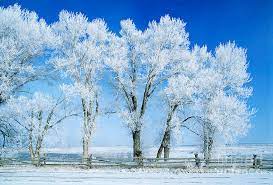
I borrowed this image of a Canadian brush with hoarfrost from the internet.

Hoarfrost is delicate enough to coat spiderwebs, enhancing their intricacies. Here’s an example from the Science Photo Library.

Another, of hoarfrost covering trees, from the Science Photo Library.

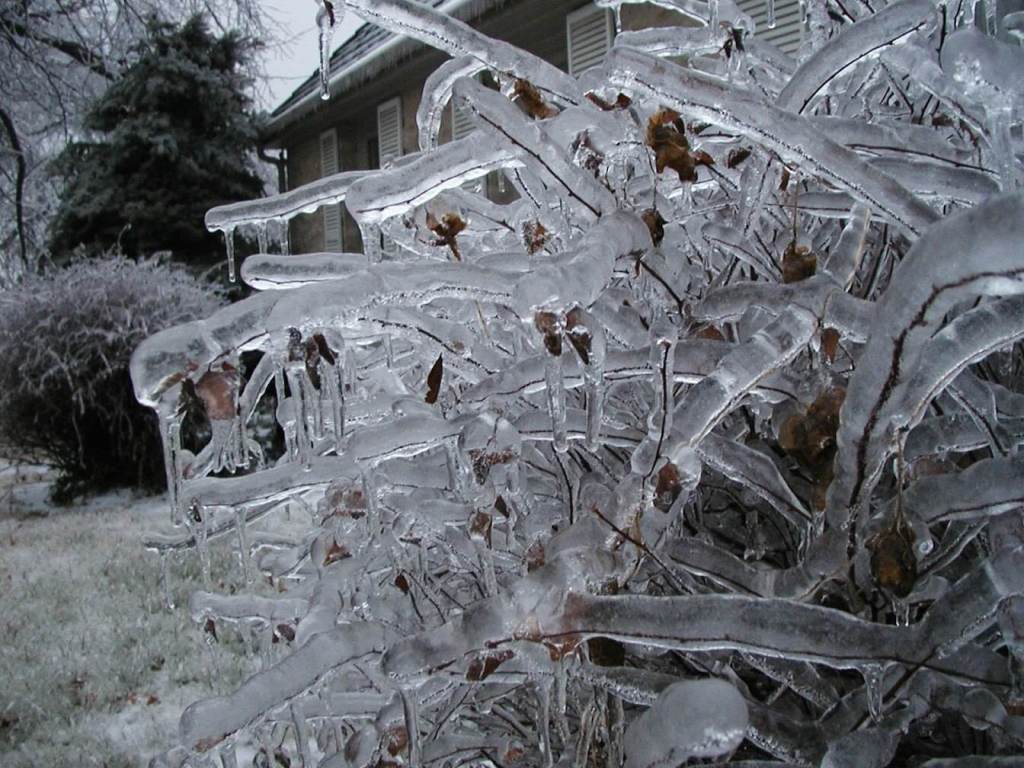
My attachment to hoarfrost is deep because I lived for many years in Kansas City. That area hosted annual thick coatings of ice–on everything, everywhere. The freezing and lasting winter weather created gleaming structures, thickly coated roads, and shining trees.

Beauty was everywhere but treacherous underfoot or beneath a vehicle’s wheels. Oh, how I remember those days. This image, soon after an ice storm in Kansas City, was my “old winter world.”

Today, I am happier, seeing and enjoying hoarfrost! I understand that “hoar” comes from Old English, meaning “showing signs of old age,” referring to the frost’s white, hair-like appearance.

Dear Friends: Today, I will try again to capture images with bright sparkling. Diana

Wintery

Wednesday, November 20, 2024

Our day with snow is history, and now the strong winds are visiting. And rainy days, too.

These are also shopping days. The department store where I work part-time has many customers inside, enjoying the beginning of Black Friday season. BF season will extend in our store to the day after Thanksgiving—the real Black Friday day. Theoretically, by then, merchandise would be well picked over, but since Christmas follows on BF’s heels, shelves will remain well-stocked.

I’m having fun at work among the season’s early shoppers, most of whom are in a good mood. They feel “ahead of the game” and are discovering preferable merchandise at discounted prices. Cold, wet, and windy weather helps businesses boom. People opting to be inside enhance the welfare of retailers by shopping.

In Central Oregon’s sharper weather, a comparatively large population opts instead to be outside. Many are skiers passionate about tackling the snow-packed Cascades. Others love treading deeply in the freezing landscapes to construct igloos and camp inside them.

Years ago, I opted to be outside more than inside during winter months. Almost daily (if temperatures weren’t under 30 degrees [so my fingers wouldn’t wholly freeze]), I rode on horseback. (Unshod horses find excellent footing in fresh snow and aren’t fazed by unexpected rain.) My dogs usually ran alongside and could stay with the action.

In inclement weather, horses and dogs are tolerant and hearty; they’re fabulous companions.

I have digressed again, this time from retail and Black Friday topics. Thinking about winter weather and enjoying pleasant memories made me do it.

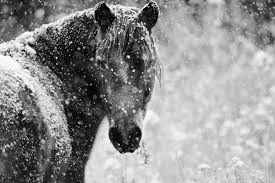
Here’s one of my favorite images from past winters. My calm Sunni is in a snowstorm.

Dear Friends: Have a beautiful day. Diana

Shifting Weather

Monday, November 18,, 2024

Yesterday, Central Oregon received a ground-covering snowfall in the late evening. That began while I was outside and just starting the routine of feeding my horses. Finally, when I could return to the house, the snowing was heavy. It made for dim sighting and covered my outerwear.

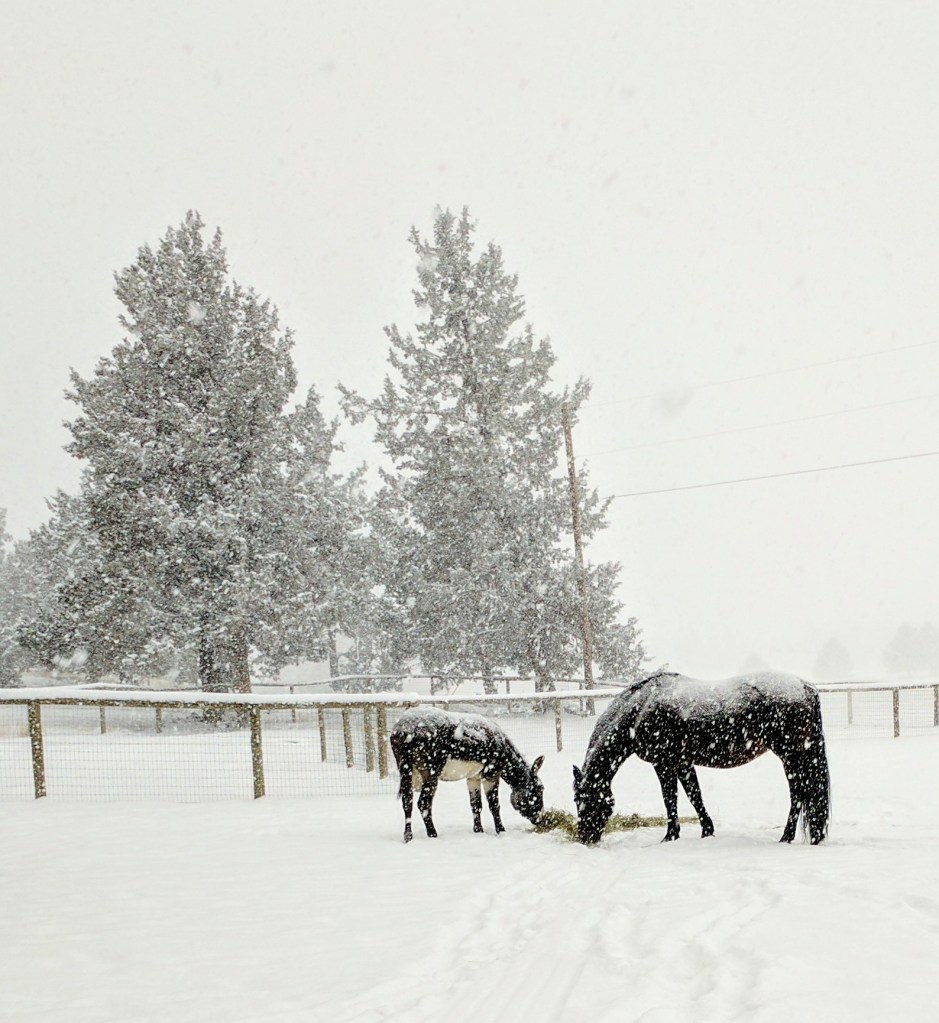
The horses were covered in snow, too. They eat in the open from hay nets hung from tree limbs. They’re not being blanketed because of their thick, fluffy winter coats. Their good coats usually carry them through the season. However, both horses are old, and I closely watch their weights. If my exploring hands start finding a protruding rib or body joint, I will blanket whichever horse it might be, or depending on overall conditions, blanket both.

Pimmy still has the barn to herself. Her hay is in an inside-hanging net; her coat is wintery-thick, and her weight is good.

I’m still leaving my dogs outside while I’m away at my part-time job. The weather will change that, however, when conditions demand keeping them inside. I plan to come home at lunchtime and let the dogs outside while I feed the horses. The dogs will stay inside again when I return to my job.

I really didn’t expect snow on the ground before Thanksgiving. That’s no longer usual as it used to be. Last year, our weather stayed mild until New Year’s Day. Then, conditions suddenly turned cold, and actually “colder than a well-digger’s arse,” staying as such until nearly mid-June.

Dear Friends: Making plans for coping well enough despite complicated conditions. Diana