
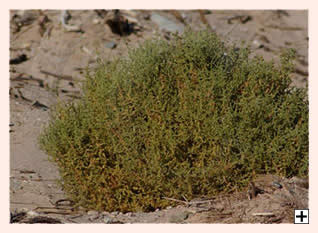
Growing 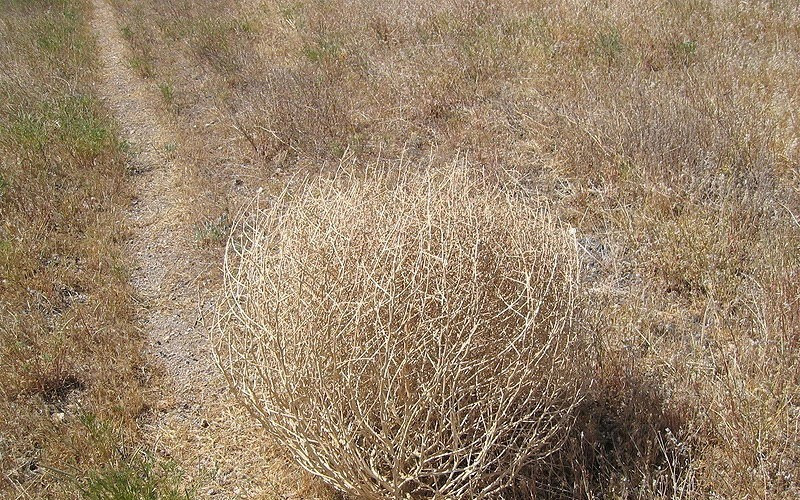
Blowing
Saturday, August 17, 2019
(Today is kind of a big one in my family, as it’s my younger sister’s birthday. She lives in AZ, a long way from my current home in Oregon. She usually has a good birthday and I hope this day is another that’s fun. My, how quickly the years pass!)
Yesterday, I wore myself out pulling Russian Thistle down by the roadside. It wasn’t until I took the trash can to curbside that I saw the vigorous growths there of RT. I got busy, hooked a little wagon to my Gater, rolled down to the scene, and started pulling–an action that means bending (and causing today’s sore back).
Not many weeds stress me so in their existence, but RT turns me into an active puller. It can grow up to four feet tall and nearly as wide. As the plants mature, their stems, leaves, and stickers, with rather shallow (but far-stretching) roots, come loose and turn into dried balls. By rolling in the winds, they can scatter as many as 250,000 seeds, and are difficult to collect because they’re loaded with stickers. In other words, Russian Thistle is that “tumbling tumbleweed” of Western lore.
Interestingly, when there’s nothing else (or sometimes even when there is), equines will eat Russian Thistle. The other day while walking my donkey, Pimmy, she paused for bites of the stickery stuff.
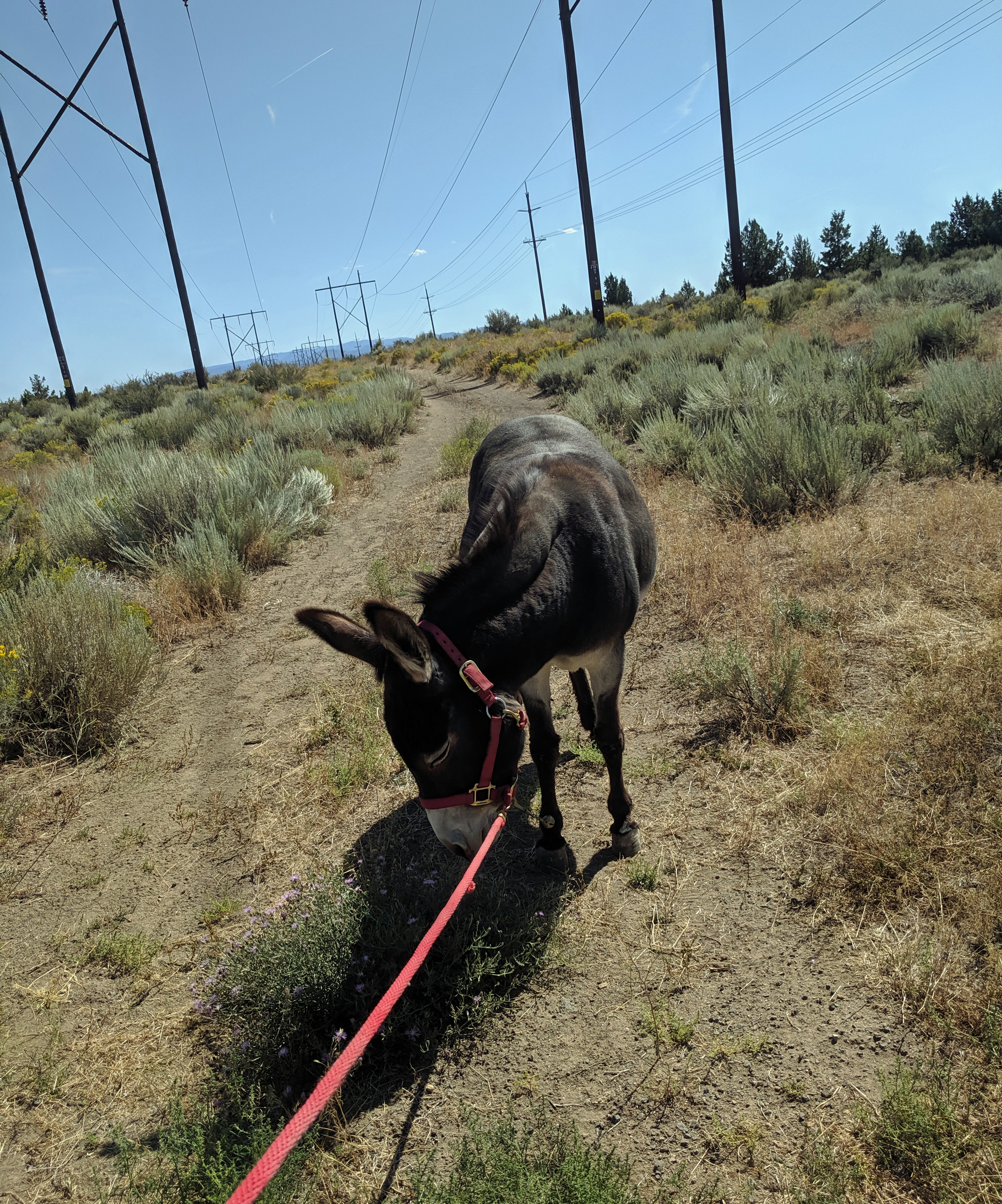
Apparently, these plants while young can be forage. Originally, Russian Thistle was imported as cattle feed during the 1930s Dust Bowl era.
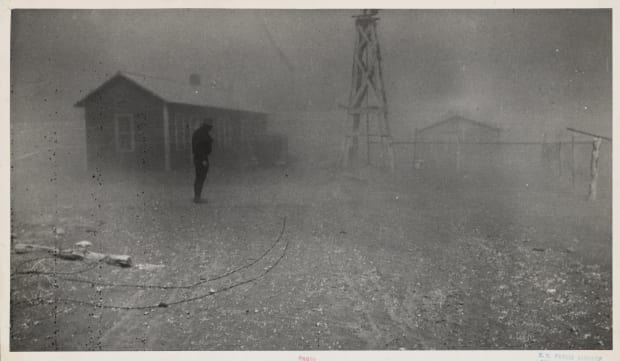
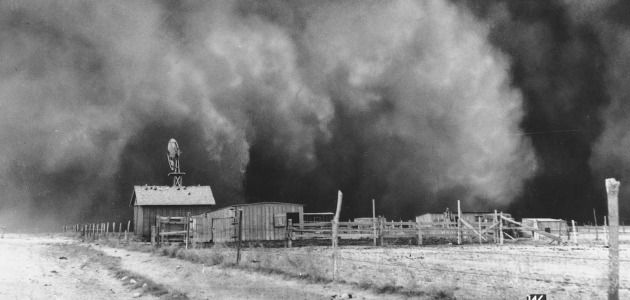
At that time, animals were starving from feed shortages caused by massive dust storms. These ongoing storms damaged the ecology and agriculture of the American and Canadian prairies. Russian Thistle plants provided the feed that gave cattle a lifeline.
It’s a vigorous and stubborn plant that’s taken root and survived way beyond its Russian origins. It seeds and grows anywhere there’s space–in barren areas alongside roadways and among native plants on properties. Years ago, when I left city life and moved onto a small property, Russian Thistle battles were annual events. Many thistles that rolled onto my acreage were nearly as large as myself, and all difficult to collect and get rid of, until finally, I learned that eliminating baby versions helps to keep adult plants under control.
I’ll take ibuprofen today and hope for enough flexibility to tackle the remaining Russian Thistle plants. I dislike weed-spraying, and this season having done none, pulling has become my penance.
Dear Friends: Hate mixes with appreciation for such tough survivors. Diana
 Diana's Morning Blog
Leave it to you to make a blog about Russian Thistle interesting. Stop pulling weeds and put your skills into some kind of book/blog. Linda
LikeLiked by 1 person