
Saturday, February 07, 2026
I watch politics closely—elections, speeches, conflicts, public arguments. What nations and business leaders say, how they perform, what promises they make, and whether their promises suggest moralities. I hope for straightforward explanations, yet usually feel unsatisfied.
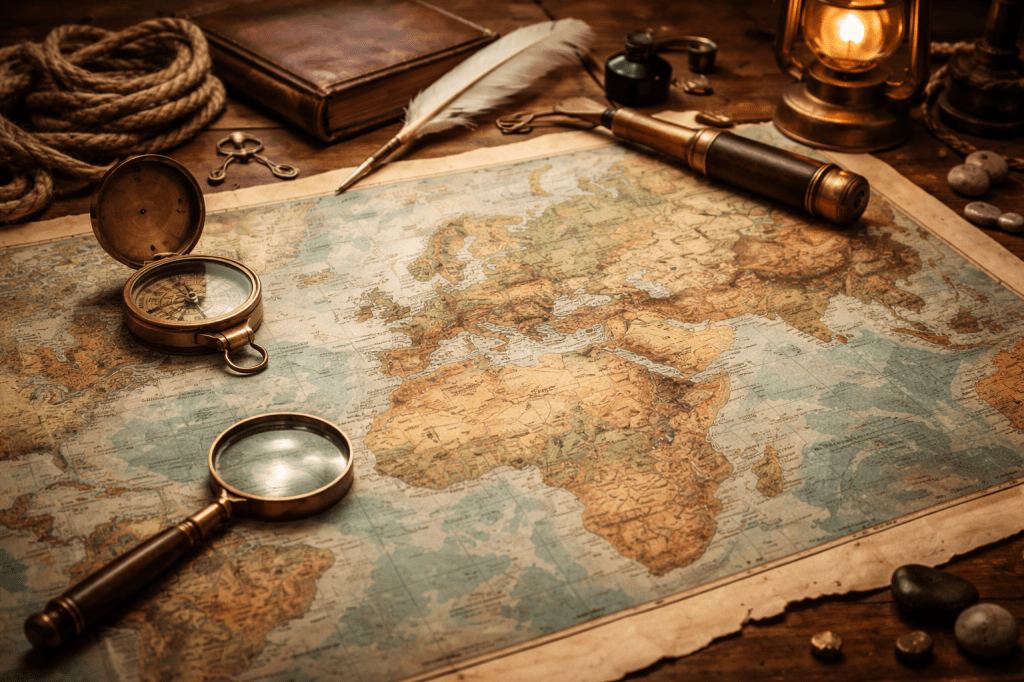
Lately, I’m adjusting how I watch, trying to make new headway. This shift began with something unexpectedly familiar from my grade-school years. I recently read several articles by a respected geography professor, reminding us that geography is a critical factor in nearly everything happening politically. That reminder started filling gaps, making sense of confusion, and changing how I interpret political reporting.
For years, I’ve focused on political performances—rhetoric, personalities, alliances. Now, I’m including geographic realities, and many maneuvers that once felt irrational have started making sense.
I hadn’t thought about geography since elementary school. Those old fifth- and sixth-grade maps had faded long ago. But now, re-educating myself, I’m discovering much that I once memorized without enough understanding, that geography is essential to understanding nearly everything in our near and larger worlds.
Contemporary political reporting rarely gives geography enough due. Yet, geography is all about hard-nosed realities—the earth’s shapes and limits. Mountains block. Rivers guide. Ports matter. Climate dictates what will grow, where people will settle, and how societies endure stress. These shapes and conditions are like energies—moving along known routes that are difficult—often impossible—to reroute. Many borders established long before modern politics simply are, and those substantially influence national choices and behaviors.
Geographic awareness clarifies much of what’s confusing about world politics. Map shapes underlie recurring patterns of wanting, choosing, and leading. Terrain, resources, and location create real constraints, making some desired changes unattainable, no matter how compelling the argument.
Politicians argue intentions. But there’s ground beneath those arguments that dictates—and limits—ambitions. Modern pressures intensifying physical constraints are growing populations, greater social awareness, and tighter margins. Political values and alliances ultimately hinge on coastlines, chokepoints, arable land, and distance.
Geography can seem humbling, perhaps overwhelmed by modern social needs. But contemporary demands still operate within physical boundaries established by ancient populations.
I’m relearning what I once memorized while too uninformed to understand enough. My refreshed geographic awareness doesn’t shout—it simply persists. And shaped by forces that ensure, it’s helping politics feel less like exhausting theater.
For readers who prefer receiving these morning pieces by email, I’m also publishing them on Substack.
— Diana
 Diana's Morning Blog