Spring Reprise


Tuesday, March 26, 2019

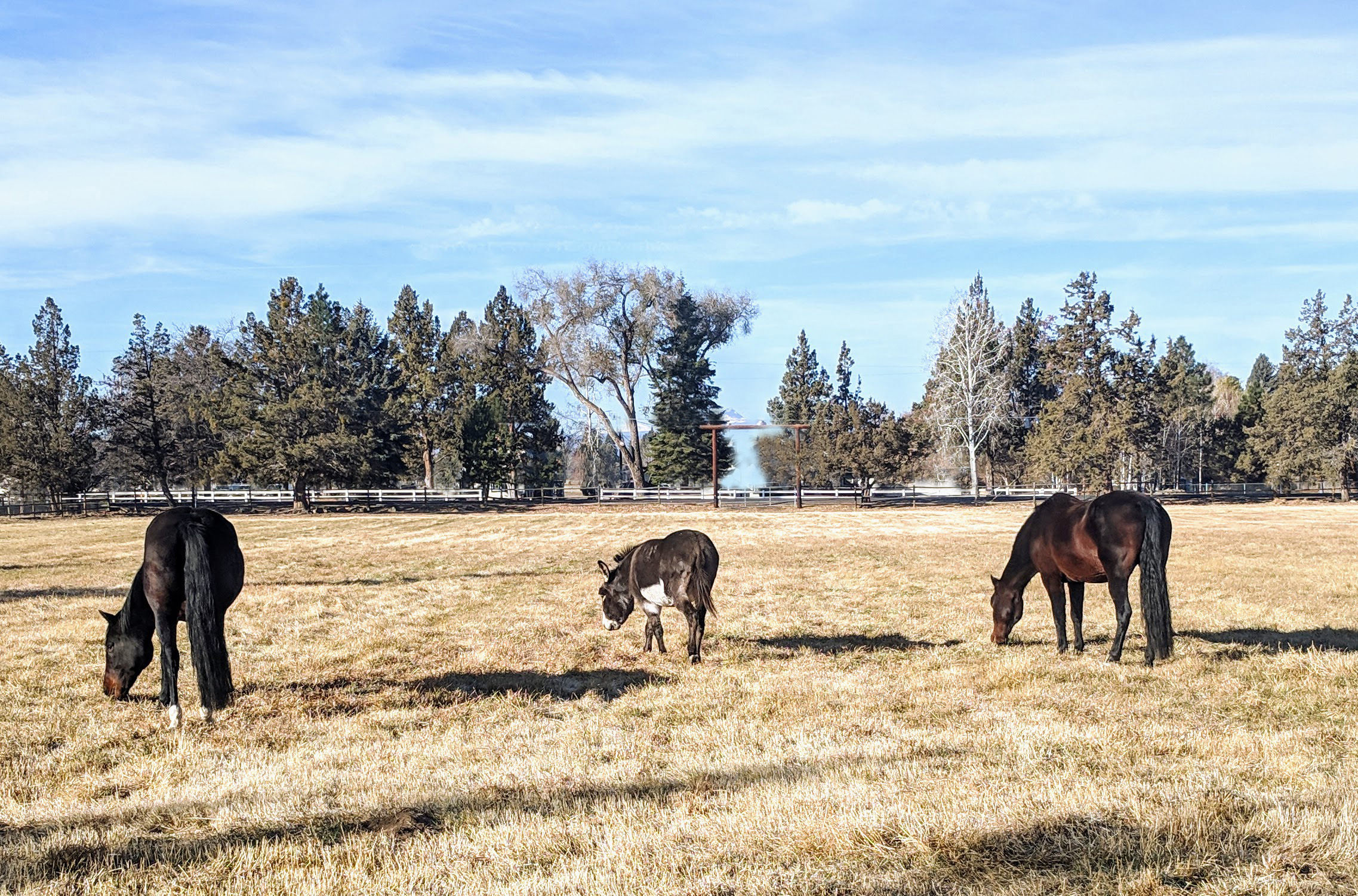
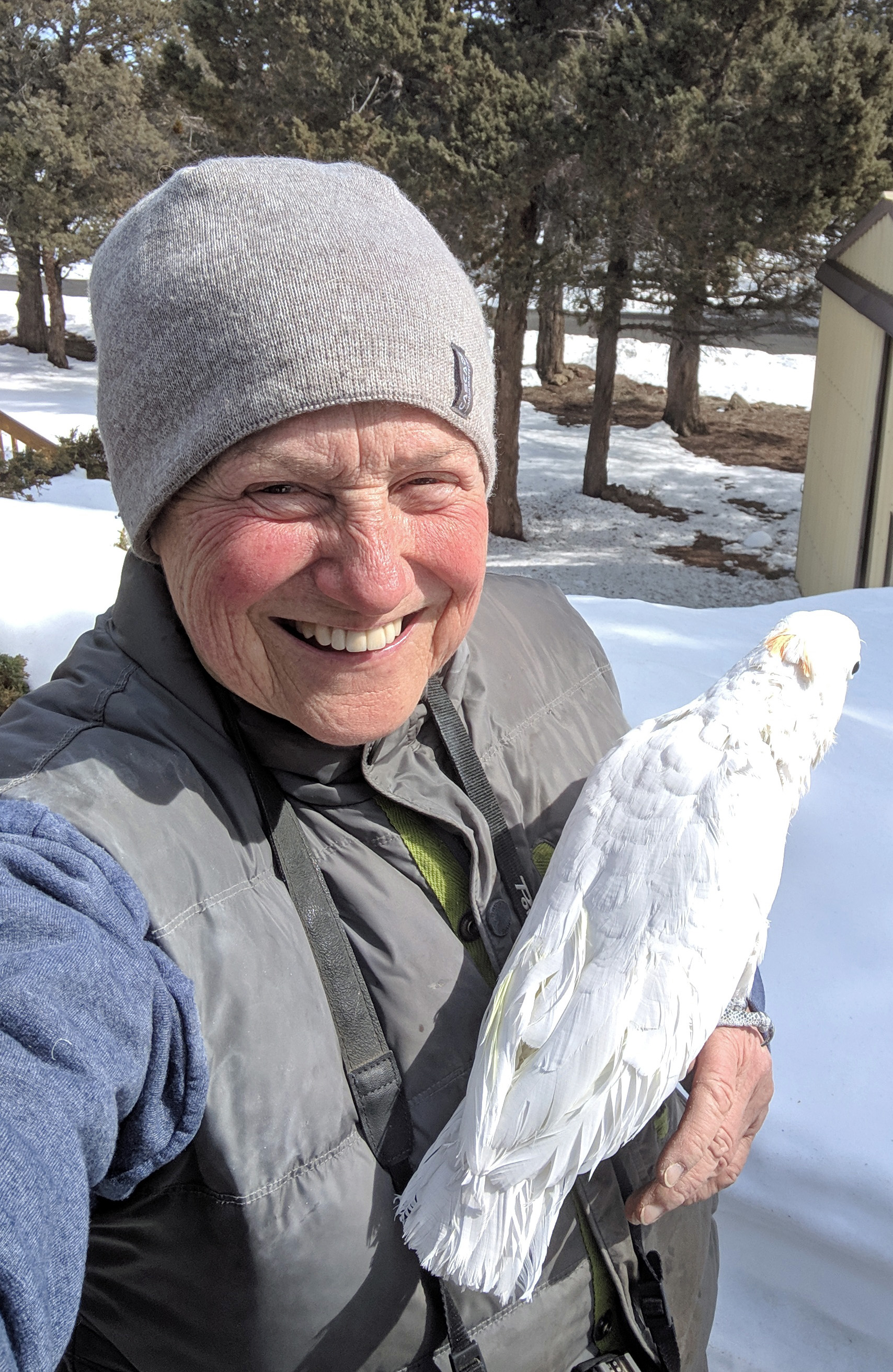
The horses were delighted to return to pasture after weeks of snow and ice. It still was icy on the footpath from home to our neighbor’s driveway, until reaching the pasture where we didn’t see snow. The horses raced freely and found new popping grasses. Ah, warming weather!

My own property is clearing of snow, but the job of leading horses through that still-snowy pathway to my neighbor’s required me wearing boots with serious cleats. I had to tread carefully while, yet again, arguing with Rosie over who’ll lead. To her credit, Rosie is a very smart and well-trained horse, wouldn’t hurt a flea or think about running amok, but if she thinks she can get away with something, she’s pushy. She doesn’t enjoy walking slightly behind, where I want her to be, and keeps me having to yank on the lead rope and mutter, “Get back!”. I’m simply a gnat to the Jolly Green Giant.

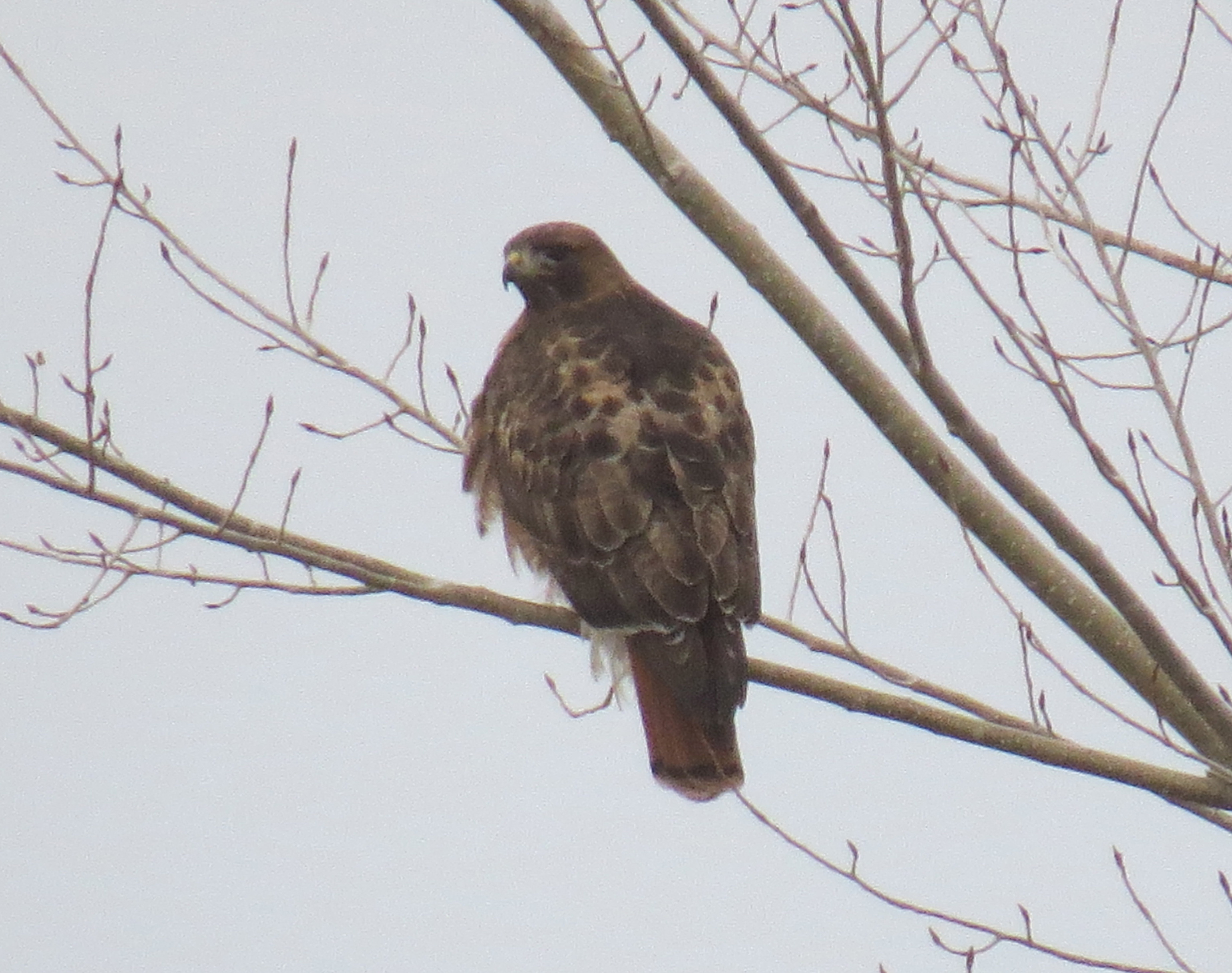
This never ends, and we always reach our destination and its rewards. I love seeing the horses looking healthy in a natural environment. As an extra perk, I saw an observing Red Tailed Hawk perched above that pasture, an irresistible photo op.

Maybe the hawk watched a nest near that pasture’s pond? My turning loose the horses disturbed a pair of geese, far enough away, but honking and screeching in my direction, and then flying off. Later, I saw them return and wondered if the pair has stashed eggs, or maybe hatchlings? I’ll try to avoid disturbing the geese while keeping a close eye on them to clarify and perhaps taking photos.

Dear Friends, Have a wonderful day. Diana

Seeking

Monday, March 25, 2019

My Mini-Aussie, Louie, who’ll turn ten years old next month, feels poorly. Several nights ago throat-clearing and gagging noises awakened me, and they were from Louie, trying to release something from his throat. Soon, we again fell asleep.

The next night, another throat-clearing session made me wonder if he’d picked up an infection, but from where? The dogs haven’t left the yard nor been around other animals for months in this winter of freeze and snow, and none of my three other dogs showed similar symptoms.

On the third day, while hanging out with me in the house, Louie tried more to clear his throat, and I noticed. By day four, it was even more so.

Yesterday, we visited a veterinarian who said that throat-clearing with no obstruction present might indicate heart disease, among other things. Since Louie isn’t a young dog, he got x-rayed. The slides didn’t evidence heart-related issues or an object stuck in his throat. One x-ray revealed an area of “too much white” that puzzled the veterinary staff, but they couldn’t attribute it to anything other than, “something worth watching”.

In these days of opioid overuse, medical professionals are more cautious about prescribing drugs. Louie’s veterinarian at first suggested giving him cough medication, but we doubted that could help. She debated whether to draw blood and check for an infection before considering antibiotics, and I was willing, aware of issues that might cause medical professionals to hesitate. Suddenly, she shrugged and said, “let’s do antibiotics”(relief to me relative to expense). We agreed that, if he doesn’t get better, he’ll be re-examined.

I’ve had enough pets to recognize an infection, but while driving home, I thought (yet again) about my former dentist and friend, Marika Stone. She’d been killed while bicycling in a bike path, by a woman driving a truck and high on opioids. The ensuing trials revealed that the woman had been such a heavy opioid user that her doctor had stopped prescribing medications, and so, she attained prescriptions from a veterinarian for her German Shepherd, and she herself took the dog’s drugs.

I was willing for Louie to have blood work, although surprised that this would be a step toward prescribing an antibiotic. In the past, medicating dogs has been easier and less expensive. I’m old enough to remember when an average cost of visiting a veterinarian was $15. My early beloved dog was a Doberman, and in those days the cost for analyzing a stool sample was $5; the cost of puppy ear trim surgery (which today I’d never consider having done!) averaged $150.

We must roll with the times. Regardless of our status of life, we’re connected with the larger problems of massive student loans, medicine costs, medical and dental care, and the physical and psychological trauma of widespread drug misuse.

This makes me wonder if someday it’ll be too much a luxury to have pets, even little ones. We with large animals already know that it’s “a biggie” to afford keeping them. Unless humans straighten out and manage better the complexities of social economics and human care, it’ll become ever-more challenging to maintain, much less improve, the status quo.

Dear Friends, Our shared quest for stability often approaches dream struggles. Diana


A Sweet Home Cemetery

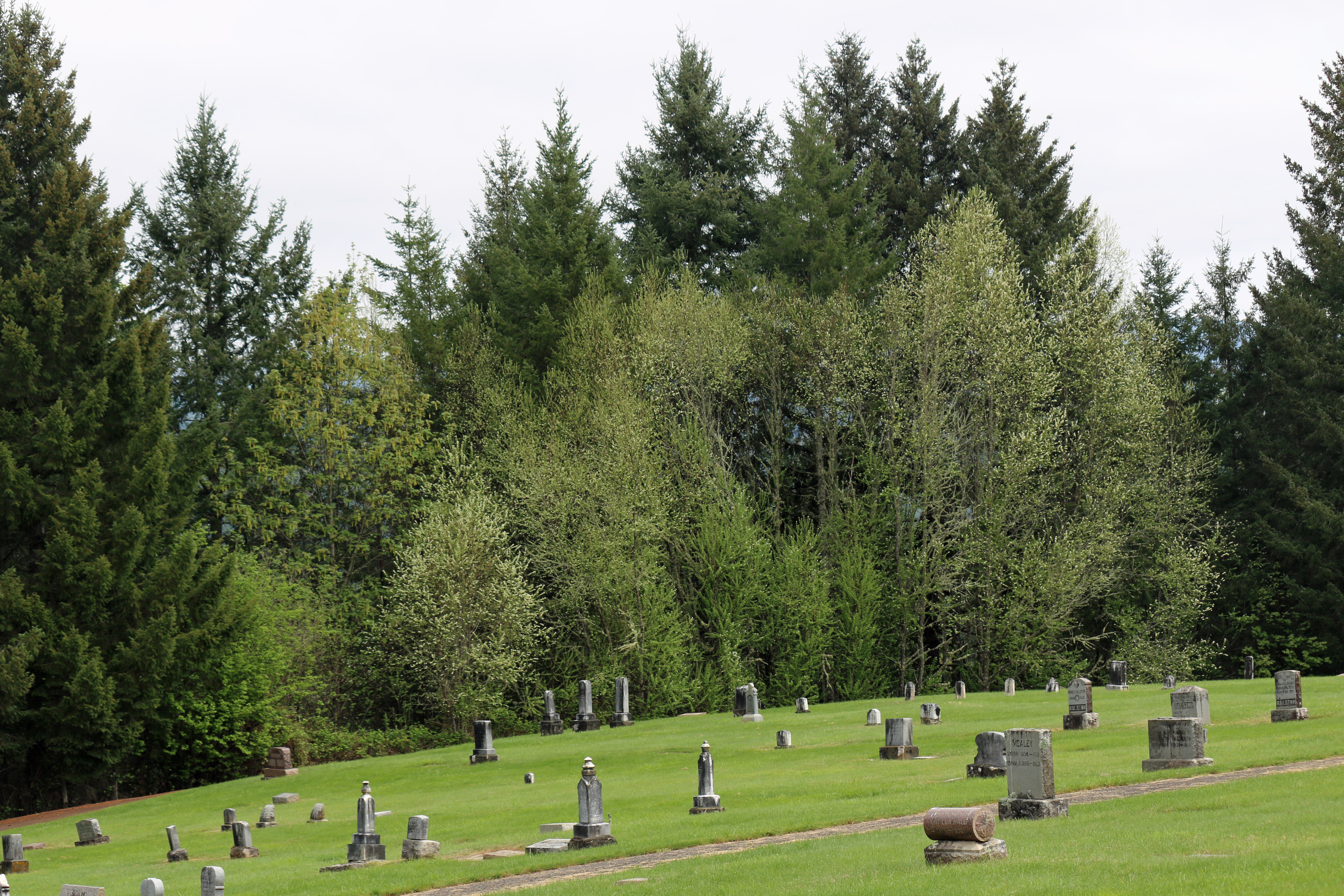
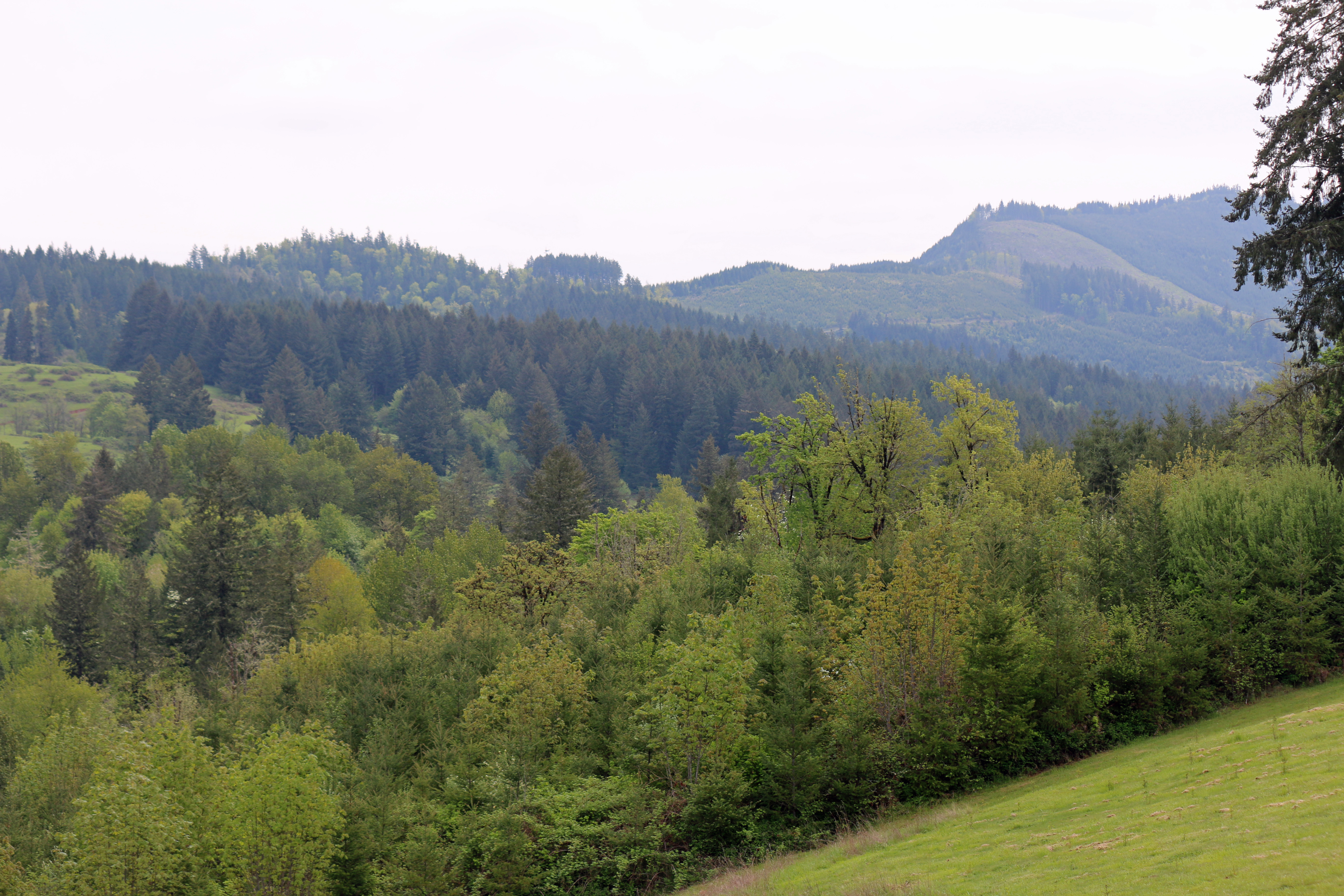
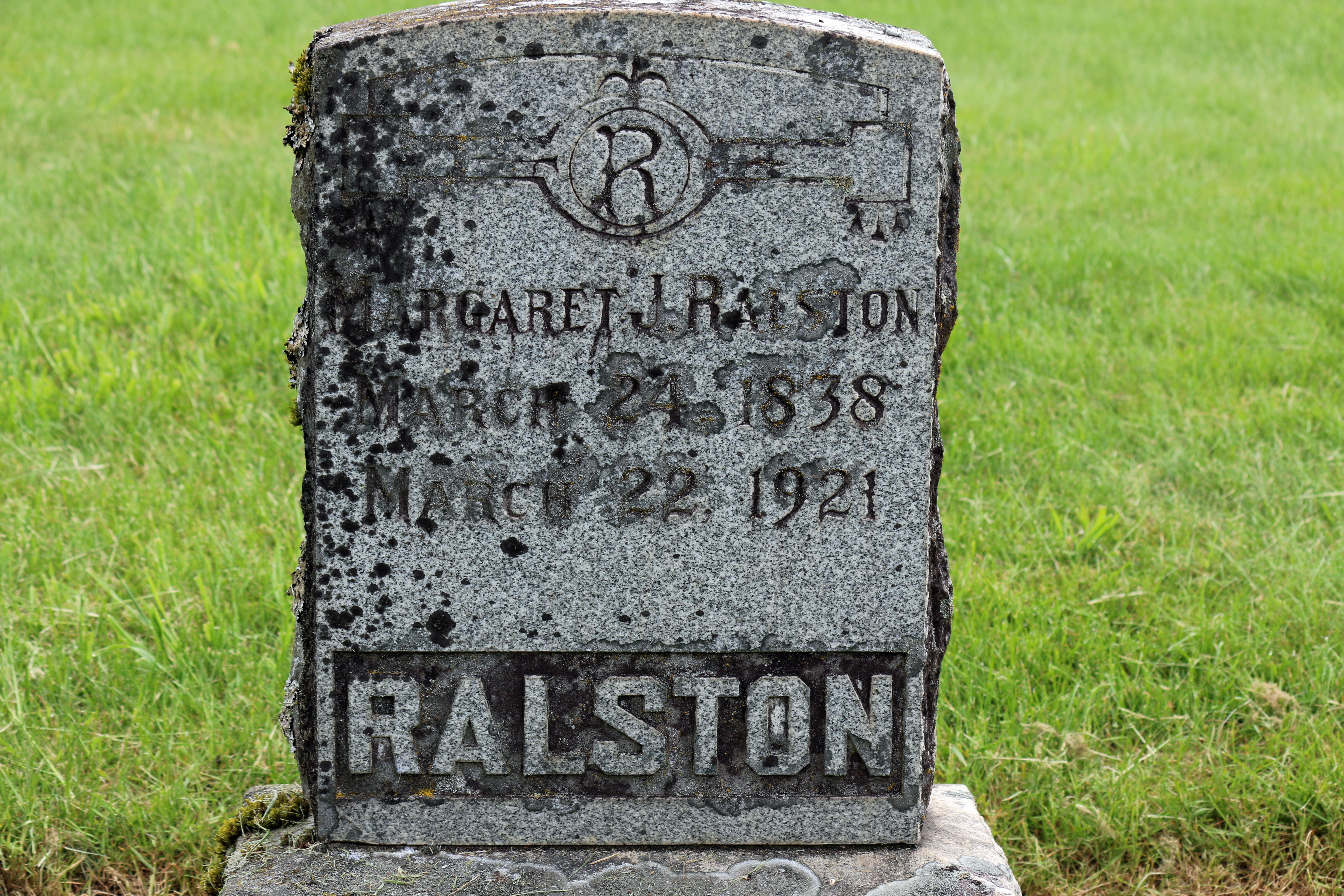
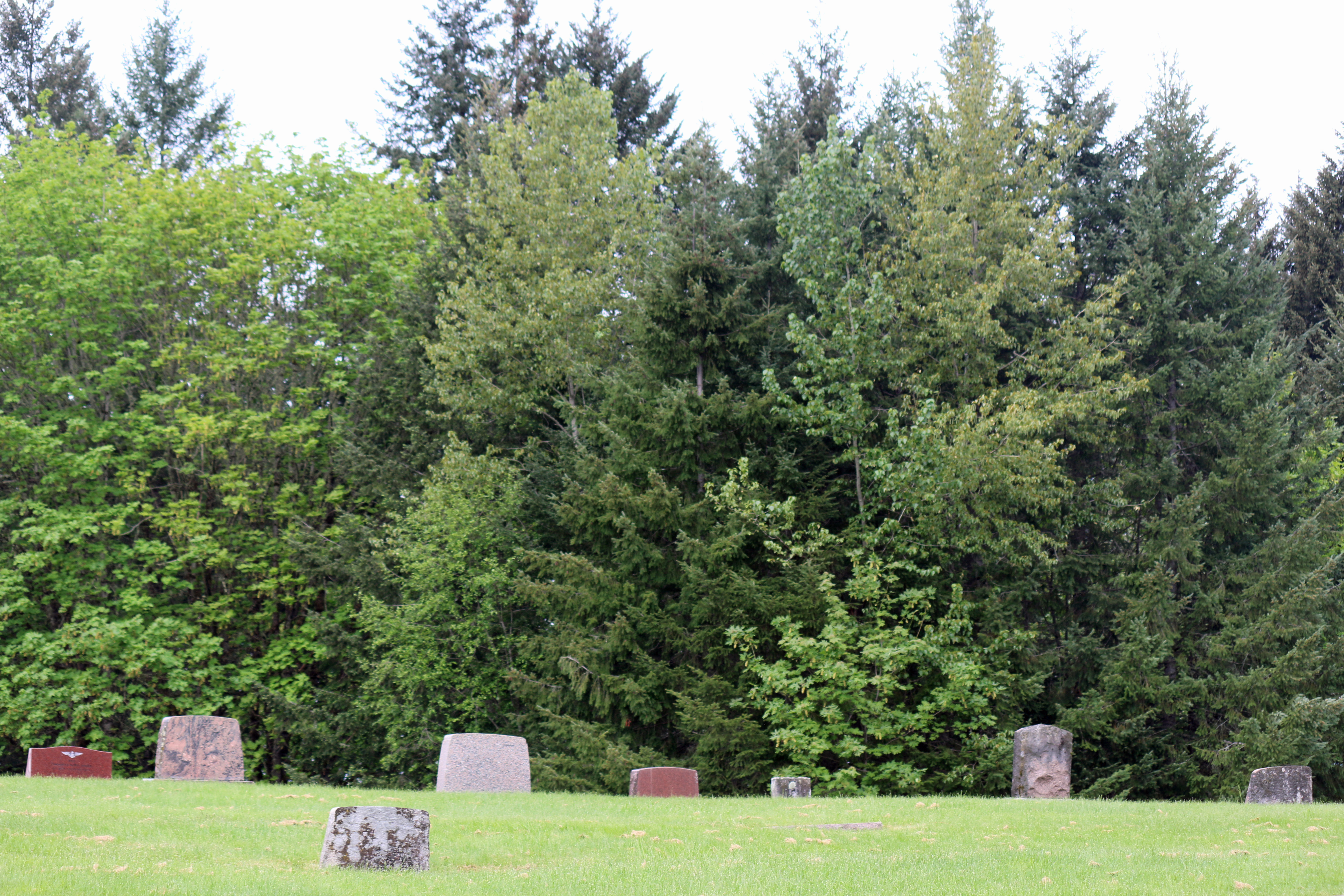
Once while passing through Sweet Home, I made a spontaneous side trip to one of its cemeteries hoping to find the grave of a pioneer who interested me. Located in the hills above Sweet Home, that graveyard environment is beautiful and peaceful. If one studies the gravestones, they form a not-so-peaceful picture of early pioneering struggles and conflicting social values.

The surrounding tranquility and peace counters the energy created by studying the gravestones.

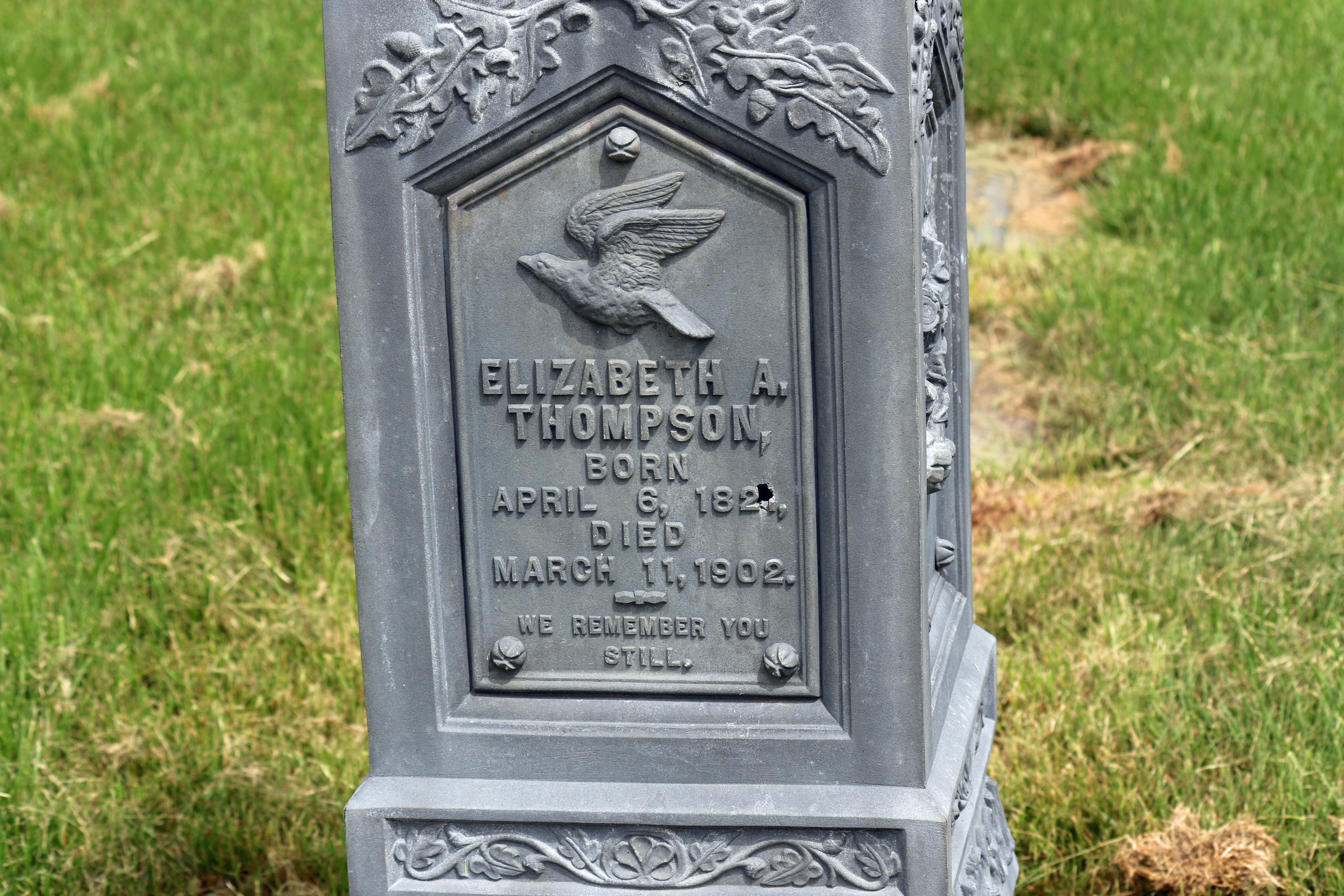
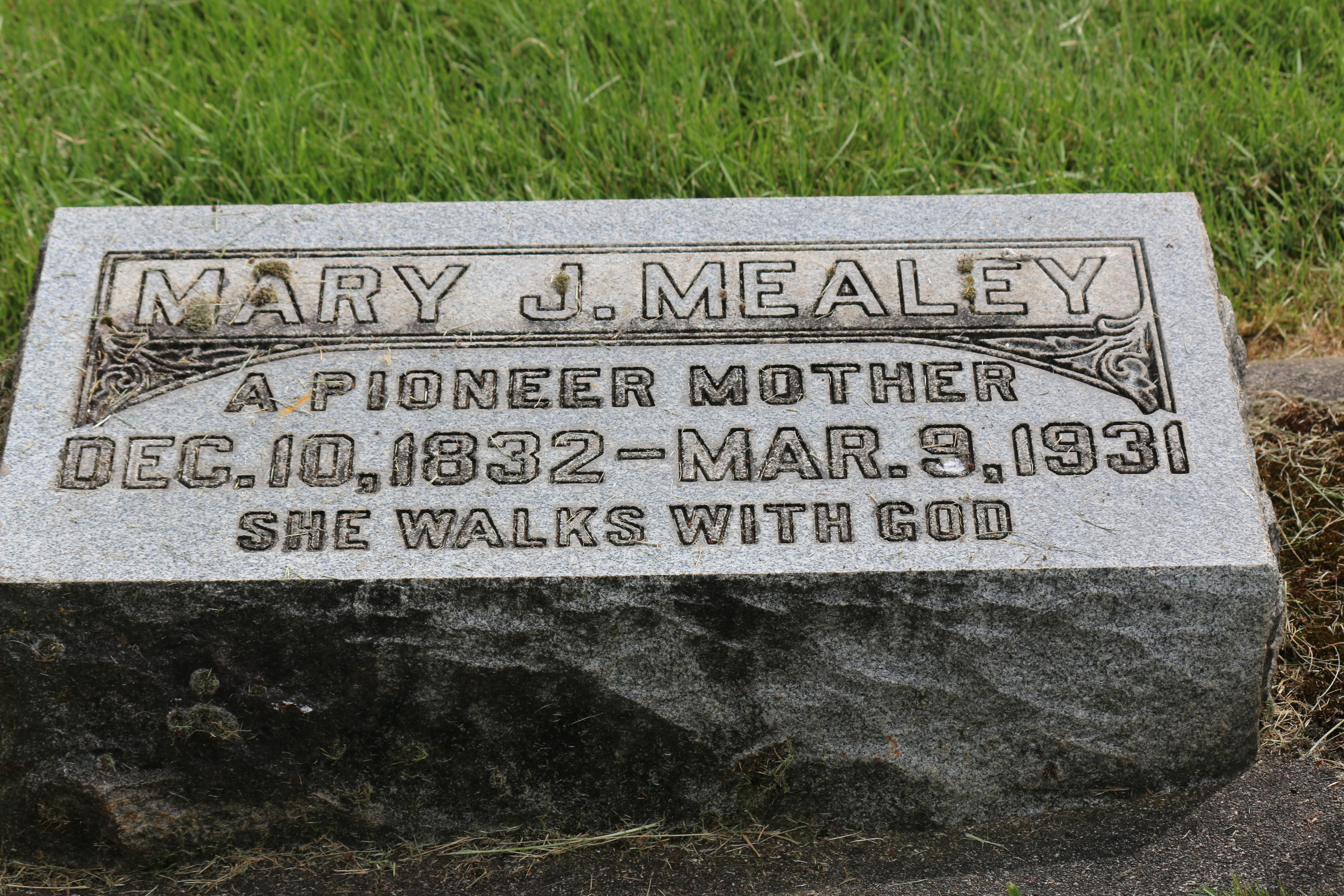
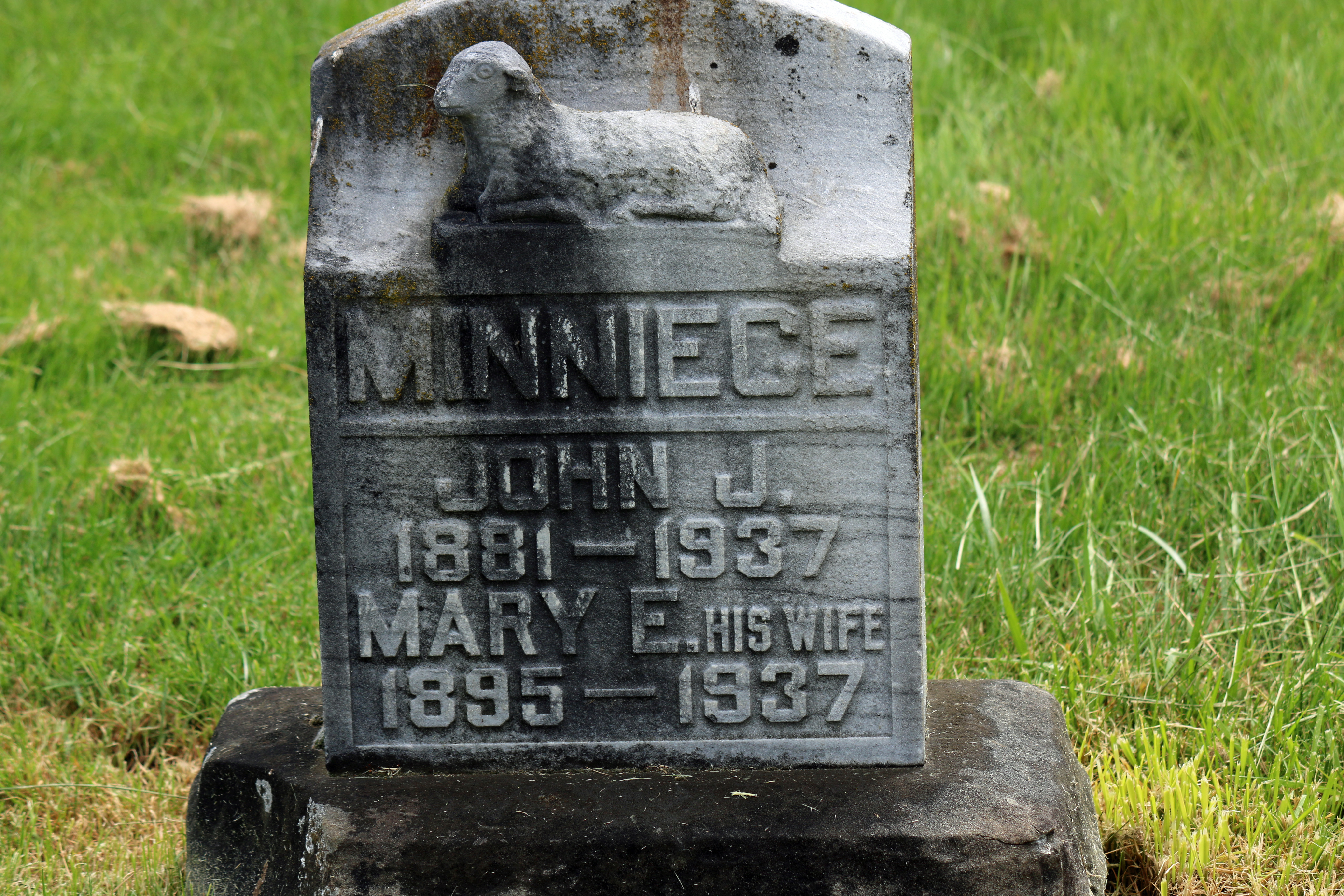
I couldn’t find the gravestone that had enticed me to that country cemetery, but the section I searched revealed a progression of 19th Century pioneers. They traveled across the country in wagon trains to reach the west, homesteaders who founded Sweet Home.

B 182?, D 1902

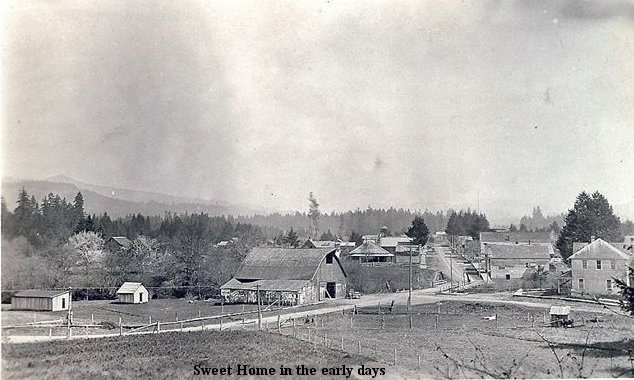
Sweet Home, began as and still is a logging town, located in a basin-shaped valley surrounded by mountains and timber. The town was established, in 1852, by the Lowell Ames family (mom, dad, and six sons). Those first permanent settlers were Mormans who fled Missouri and religious persecution. In Sweet Home, they built a water-powered saw mill and were the first to file for land claims. The town’s developing main street followed the irregular path of the Santiam River. By 1870, its population was 199, and by 1900, Sweet Home was known as the toughest little town in Oregon. On every block, there were hitching posts, spring wagons, saloons, and at least one church.

From the personal collection of Mona Hyer Waibel

In the 2010 census, Sweet Home’s population was 8,925. Walking through the cemetery stimulates a strong sense of the area’s history, speaks to the determination and grit of folks who were starting new lives, who had loaded belongings into wagons and headed across the country from the settled east to the unknown west. Today, a drive through Sweet Home’s main street and neighborhoods provides a picture of a small but strong community where many residents are relatives or co-worker acquaintances.

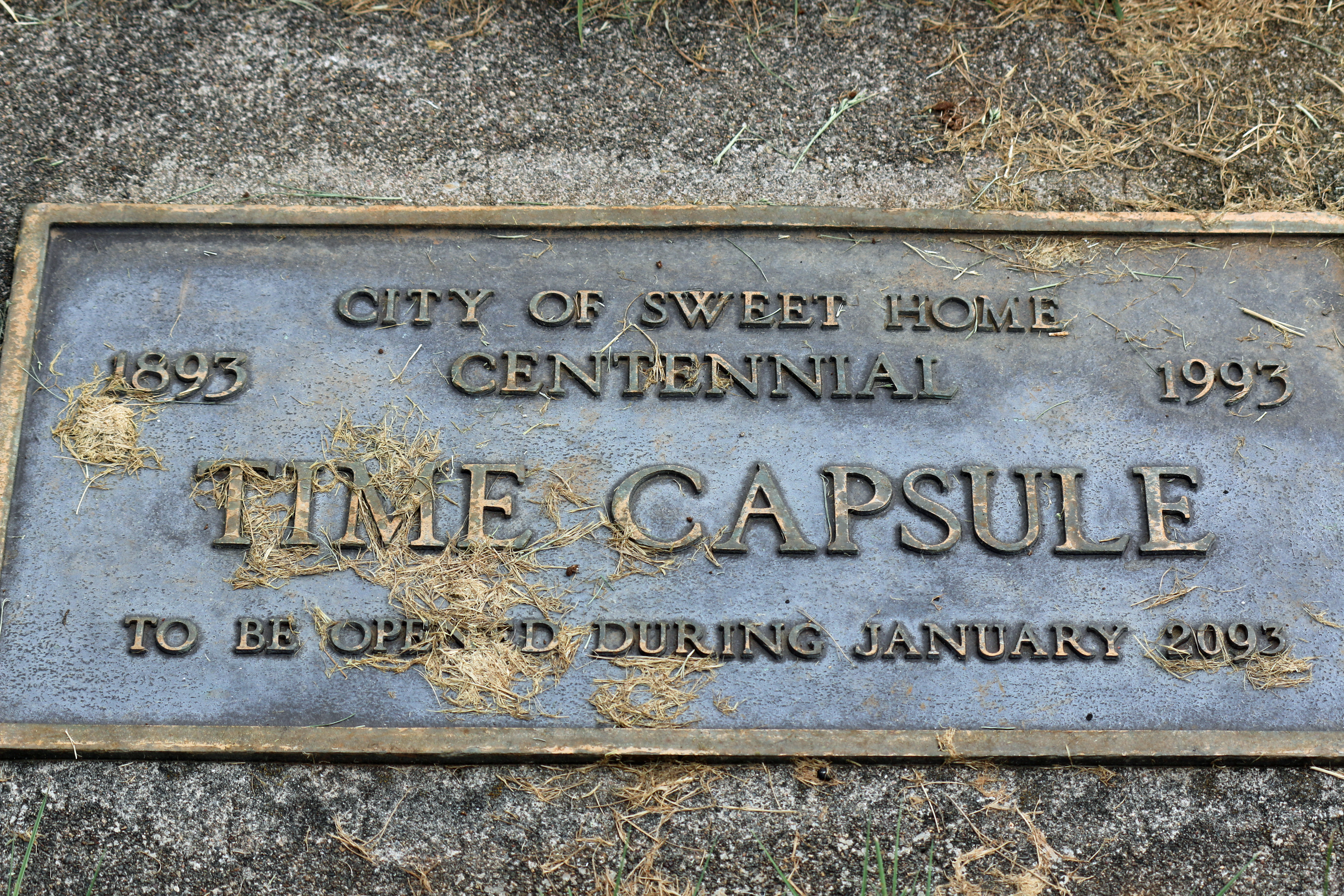
Proud descendants of Sweet Home’s pioneers have arranged to share the City’s history.

It’s important that a badly needed road between the Valley and Central Oregon opened between Sweet Home and Sisters–the original Santiam Wagon Trail–a rough, rocky, mountainous path that, at least partially, still exists and is accessible from the Sweet Home side. That original rugged trail through the mountains eventually was superseded by the paved McKinsey Highway.

My casual walk through Sweet Home’s graveyard suggested the grit and determination of early settlers, and also, led me to seek a knowledge of lesser-known Oregon.

Dear Readers: Gravestones stimulate a thirst to know history and progression. Diana
Spring Surprises

House Sparrows

Saturday, March 23, 2019

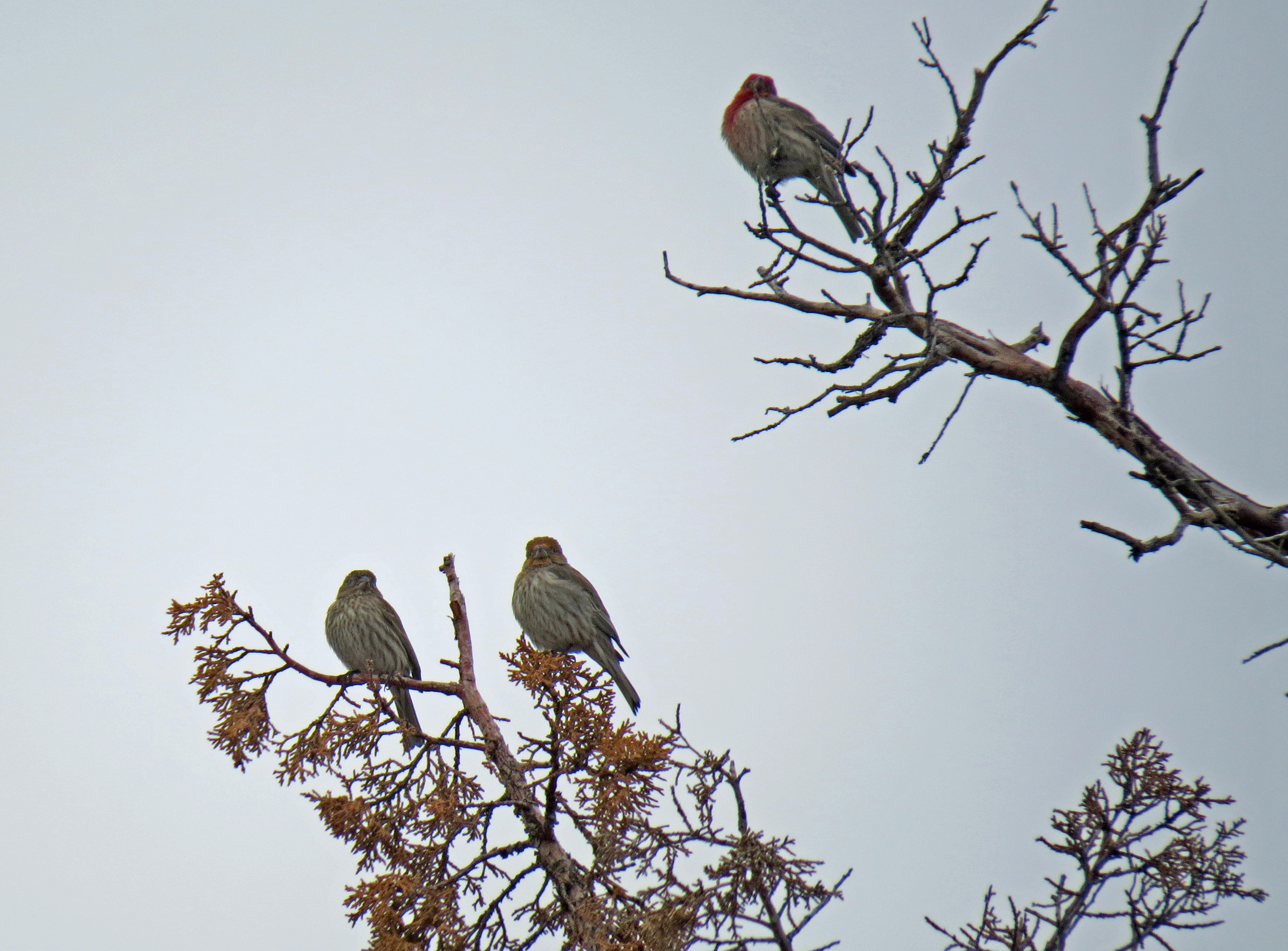
Many common small birds clustering at my feeders are House Sparrows, House Finches, and Dark-Eyed Juncos. Meanwhile, the warming earth and Junipers laden with berries invite larger common birds, Robins, Jays, Solitaires, and Starlings. Others that hang around are Mountain Bluebirds and Barn Swallows. I enjoy keeping an eye on the birds, often through a camera, and also, observing their behaviors.

I’ve no welcome feelings for a beautiful bird that taps-taps on my house. Until its noises begin, I conveniently forget that Flickers also return in spring, and right now, their unique sounds are invading my comfort. When their invasive noises alert, I hurry outside with a towel or similar “flappy item” to wave, hopefully diverting the bird and encouraging it’s departure. Like all birds, woodpeckers have memories and may return to selected spots. Oh dear!

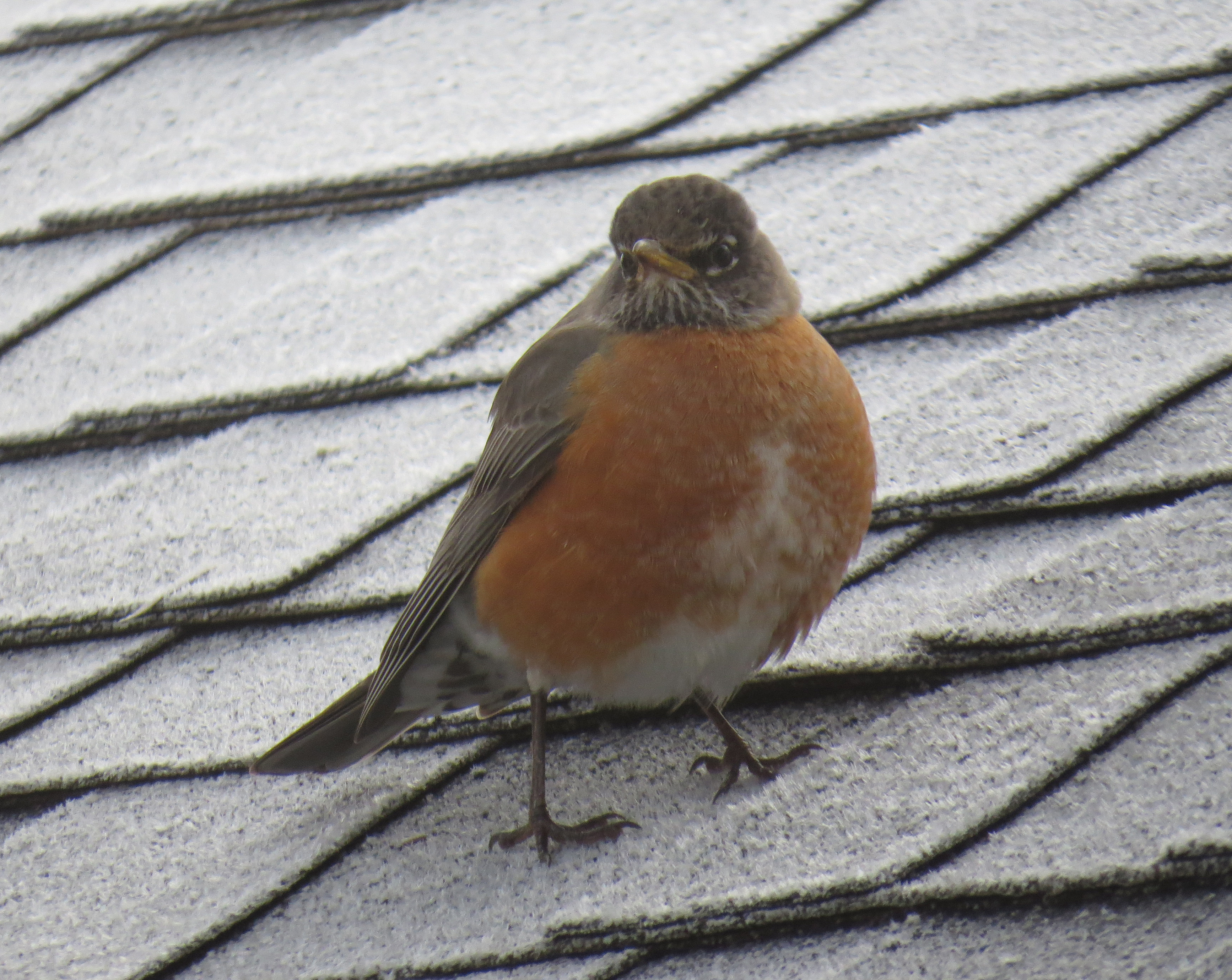
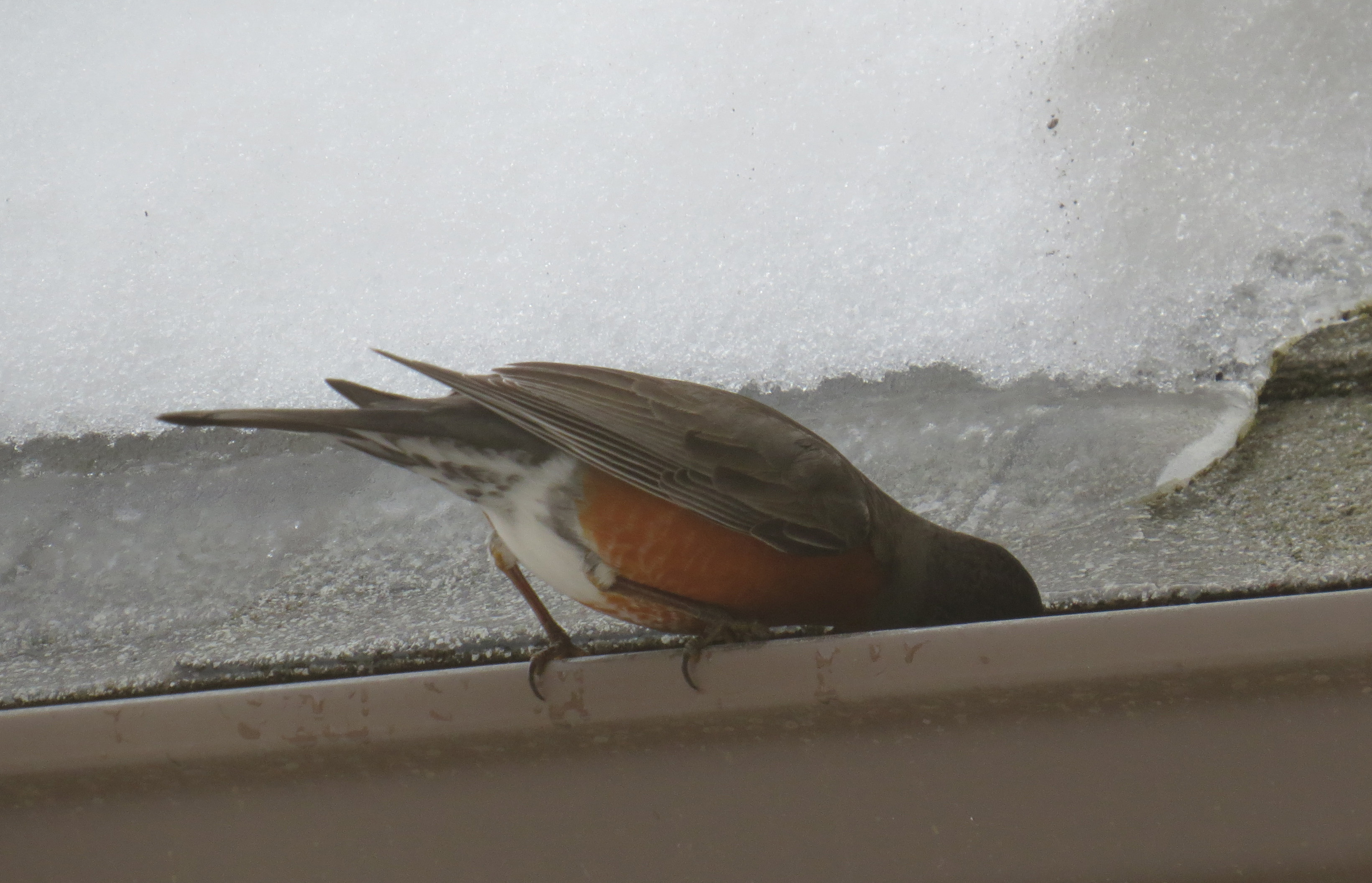
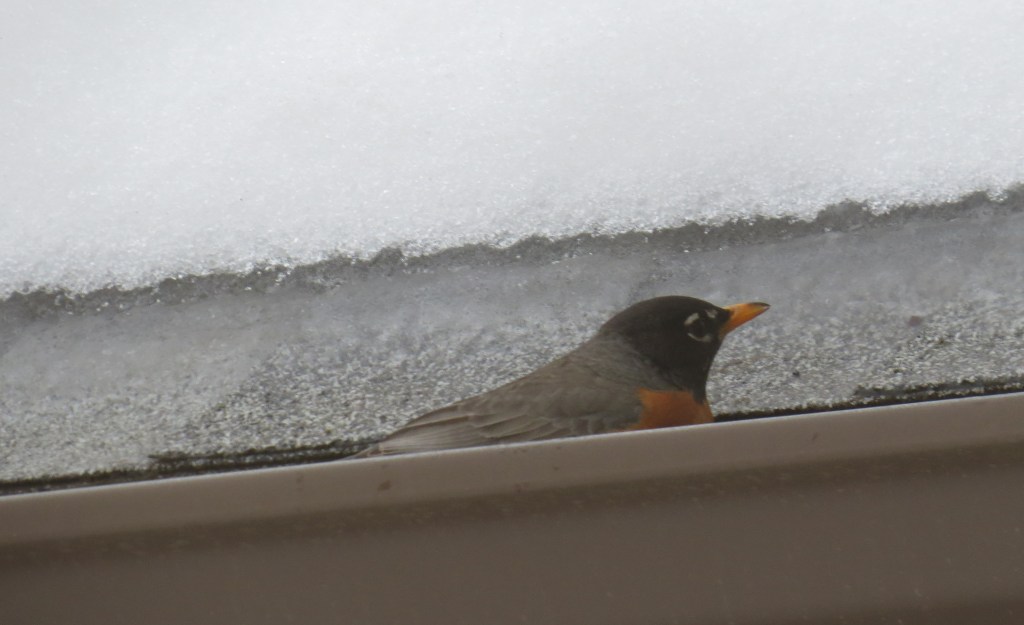
Setting that problem aside, the other day I found myself watching Robins fly to and from a house gutter where they were diving for trapped insects and berries. I saw all that, for I happened to be standing in an unusual spot, and thus, it was my first time observing the busy bird-and-gutter action. I went inside to fetch a camera and resumed my vantage point.

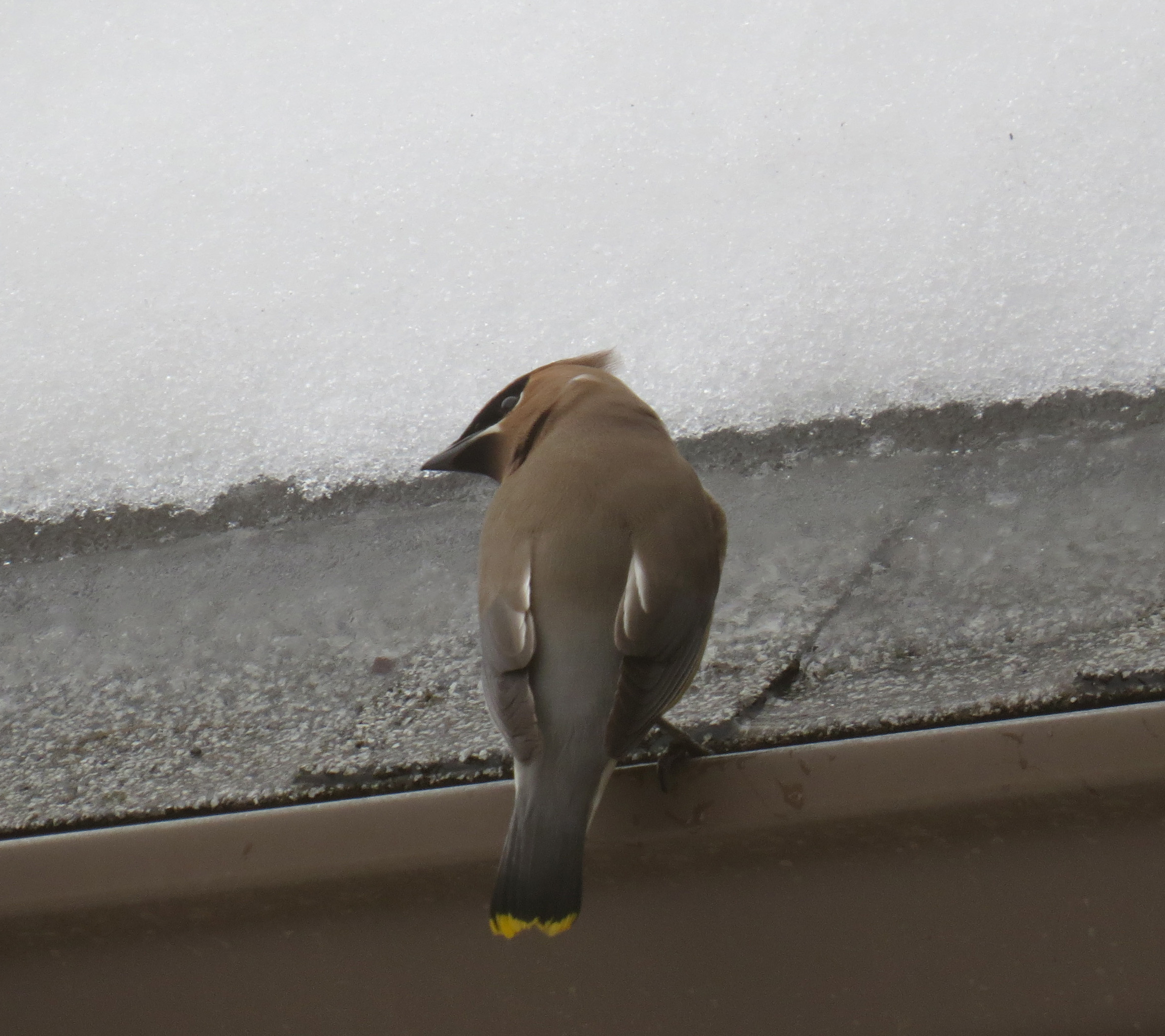
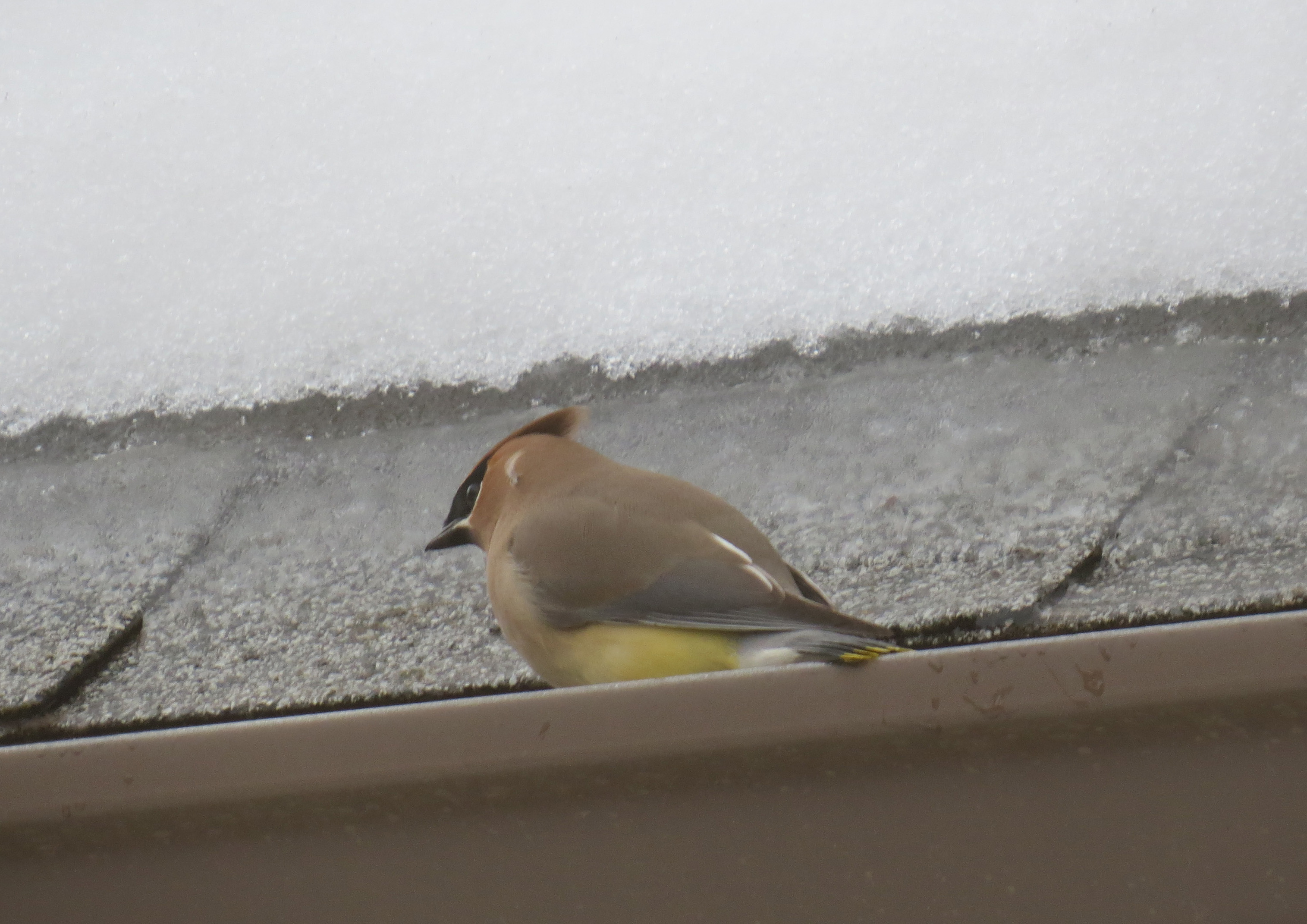
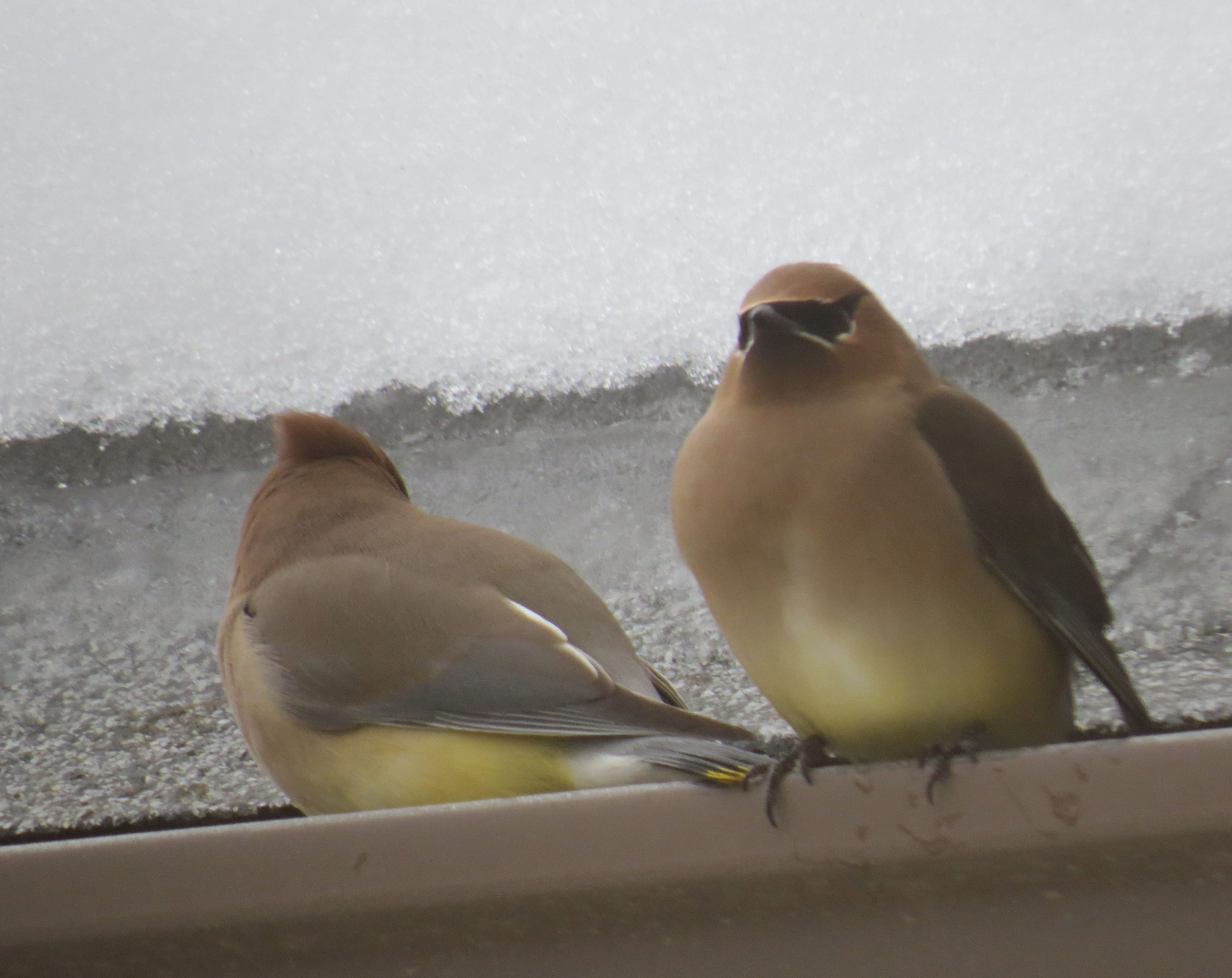
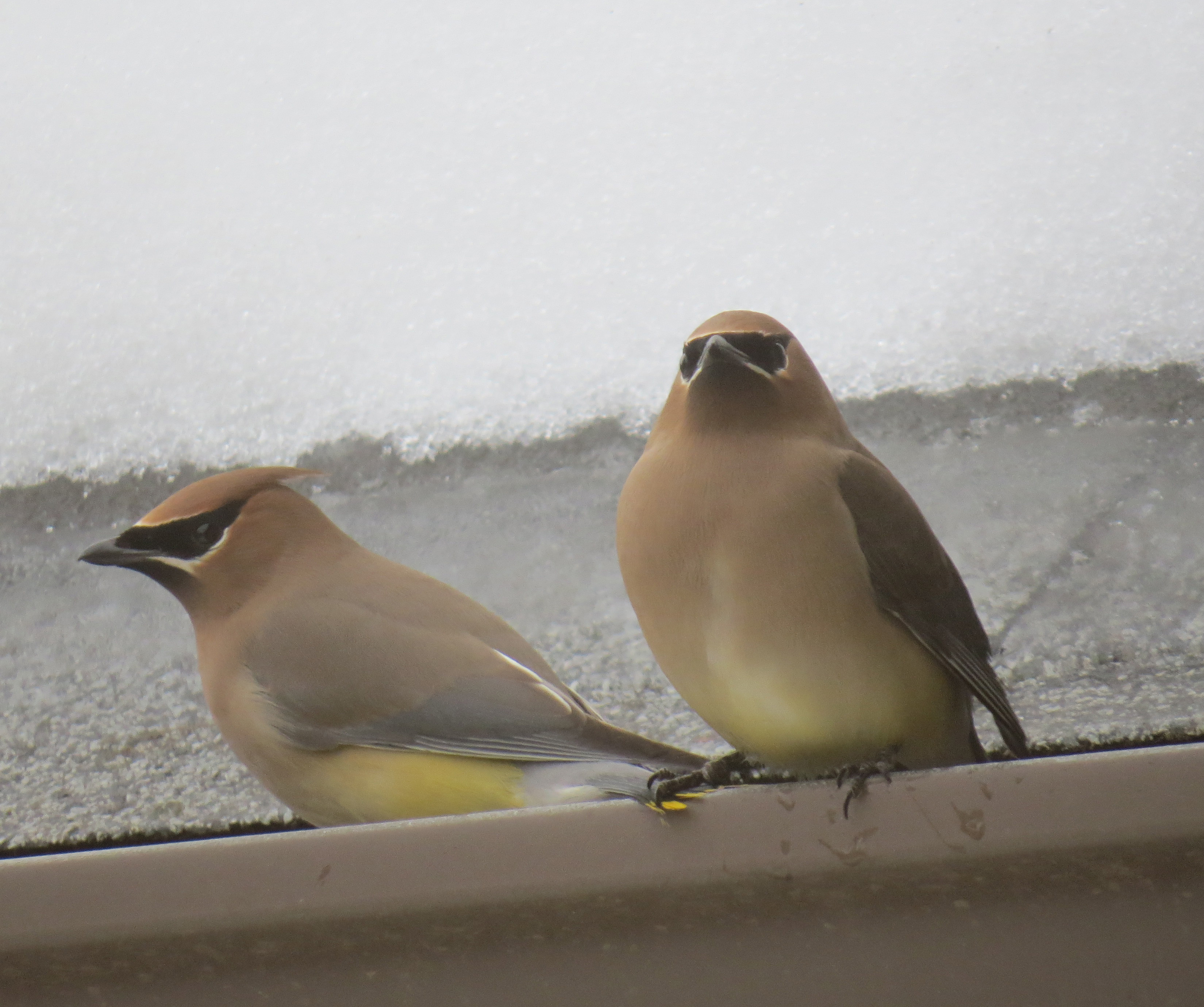
Suddenly, an eye-catching and new-to-me bird landed on the gutter. An area resident or a passerby? It neither disturbed nor was disturbed by the Robins. Like the other birds, it dove eagerly into the gutter, and soon, its mate joined and stood watch. I felt excited to capture those beautiful strangers.

Among pictures of Western Birds, this uniquely feathered pair is easy to spot. They’re Cedar Waxwings, and like the neighborhood Robins and Solitaires, are berry-eaters. If these two happen to be nesting nearby, maybe they’ll be visible this spring and beyond. Their visit to my roof gutter is a gift.

It’s always interesting, to perceive and try to capture, an “ah ha” or moment of learning. What strikes me is that this blogging format, where one works at marrying words to photos, has begun to sharpen my physical vision. And I like that.

Dear Friends, It’s an ever-evolving combination, body and mind. Diana

Aerial Ballet

Red Tailed Hawk

Friday, March 22, 2019

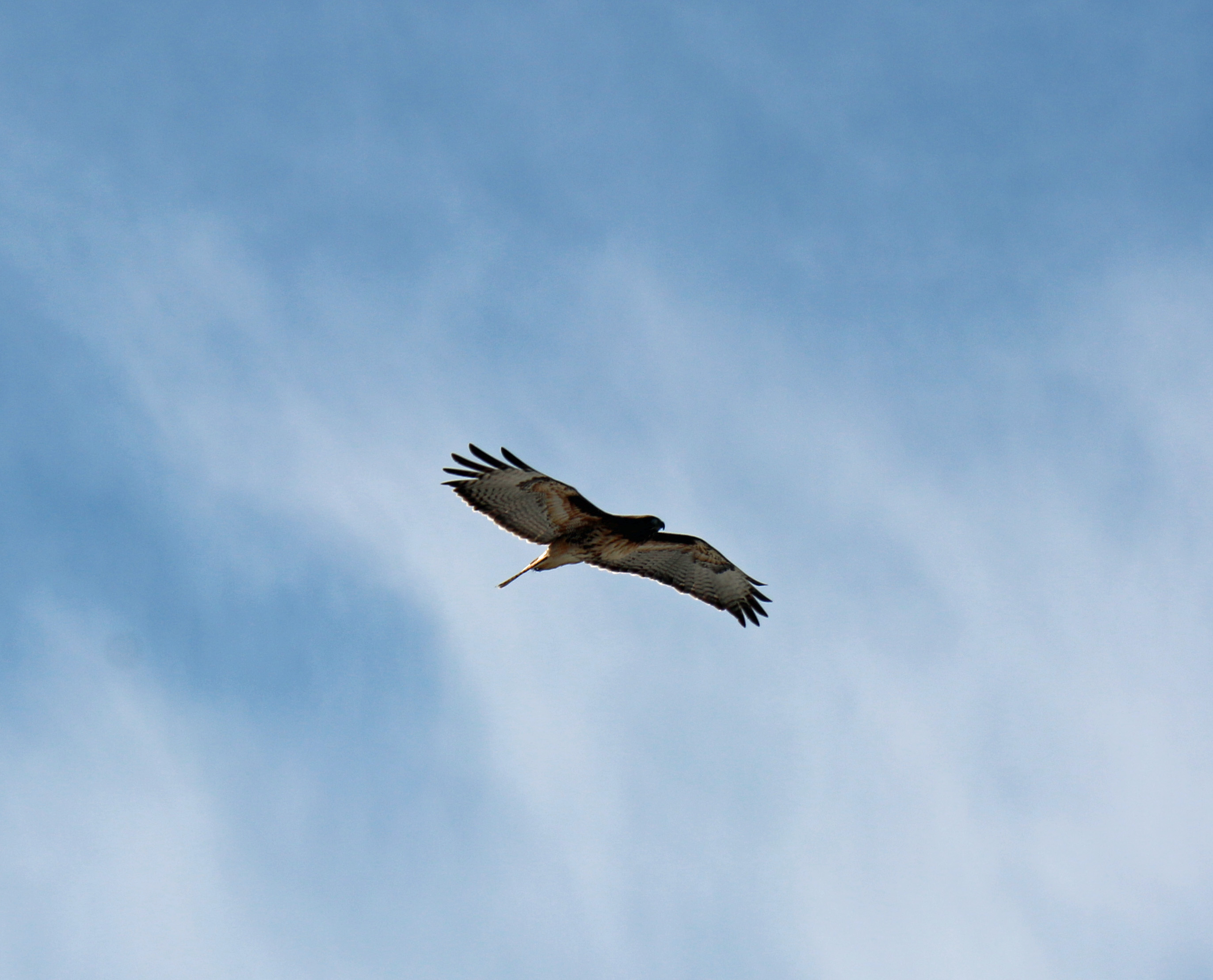
I was hiking in BLM carrying my Canon 70D camera, which stops action but isn’t the greatest for capturing flying birds. Usually, the birds are very high beyond lens range. Oh, for a big-time zoom lens! Anyway, imagine my surprise on seeing overhead a pair of Red Tails, low enough to capture, and maybe without great detail, but what the heck. Before long, I put two and two together and found myself a witnessing an eyecatching aerial performance.

I’d already been hearing Raven screeches, which I ignored, for they’re noisy birds. To most country folks, Ravens are nuisances, they steal eggs and perhaps baby chicks. Ravens are Corvids, tough, determined, exceptionally smart birds. Several Ravens nest near my property and train their offspring before my often-astonished eyes. I watch them teaching their kids to sail on currents–a fabulous overhead visual–the birds noisily staying in touch, circling together, at once higher and higher, and then, lower and lower. They repeat this series, eventually circling so high they disappear in clouds.

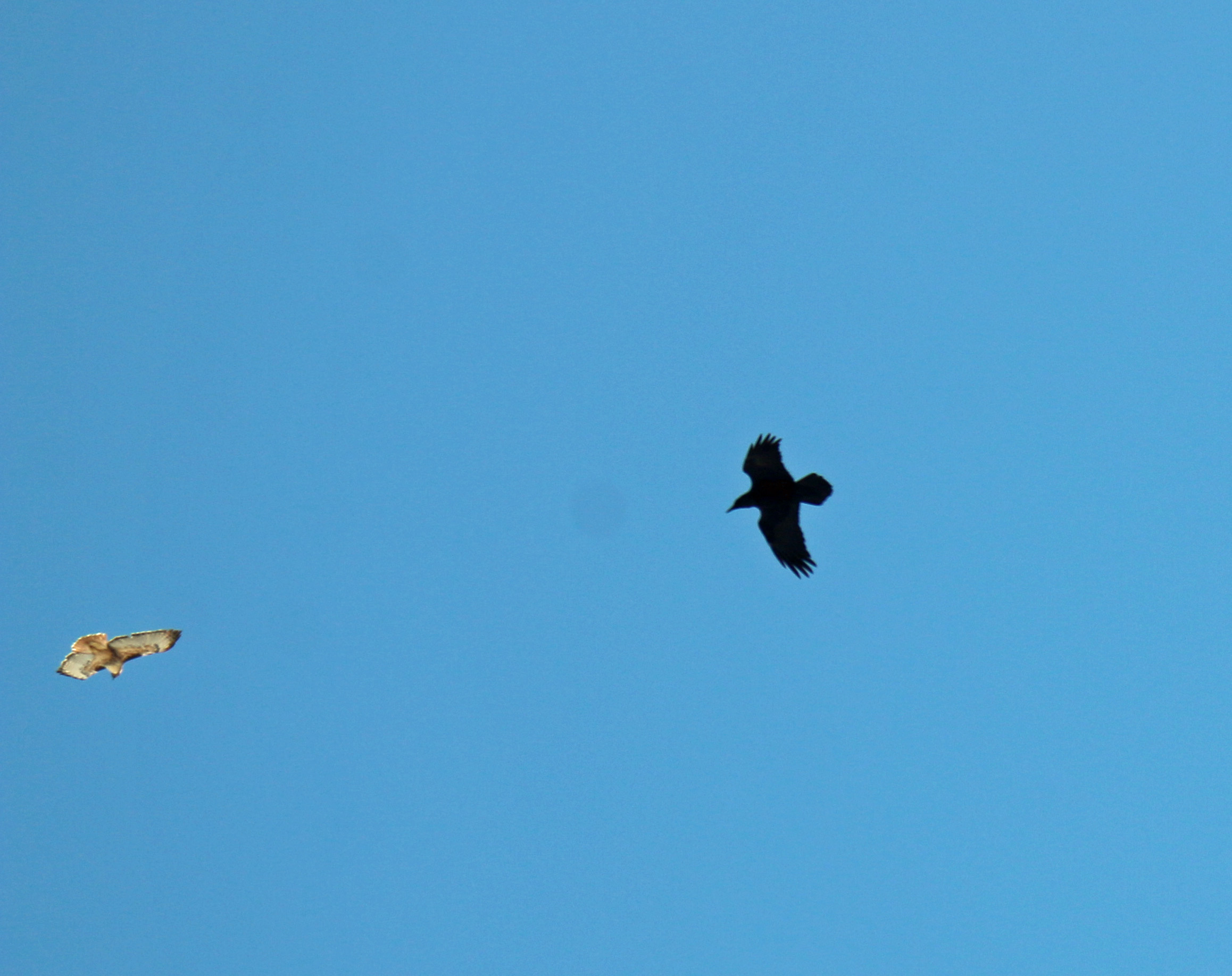
The moment that Red Tail’s mate entered my vision those high-pitched Raven’s screeches began making sense. Now, I saw that a single Raven was chasing two hawks that probably had approached its nest. I’ve seen similar aerial battles but never a single Raven chasing a pair of Red Tails. I’ve seen the opposite, single hawks chased by pairs of Ravens. I’ve learned that angry Ravens are relentless and will chase Red Tails to near exhaustion.

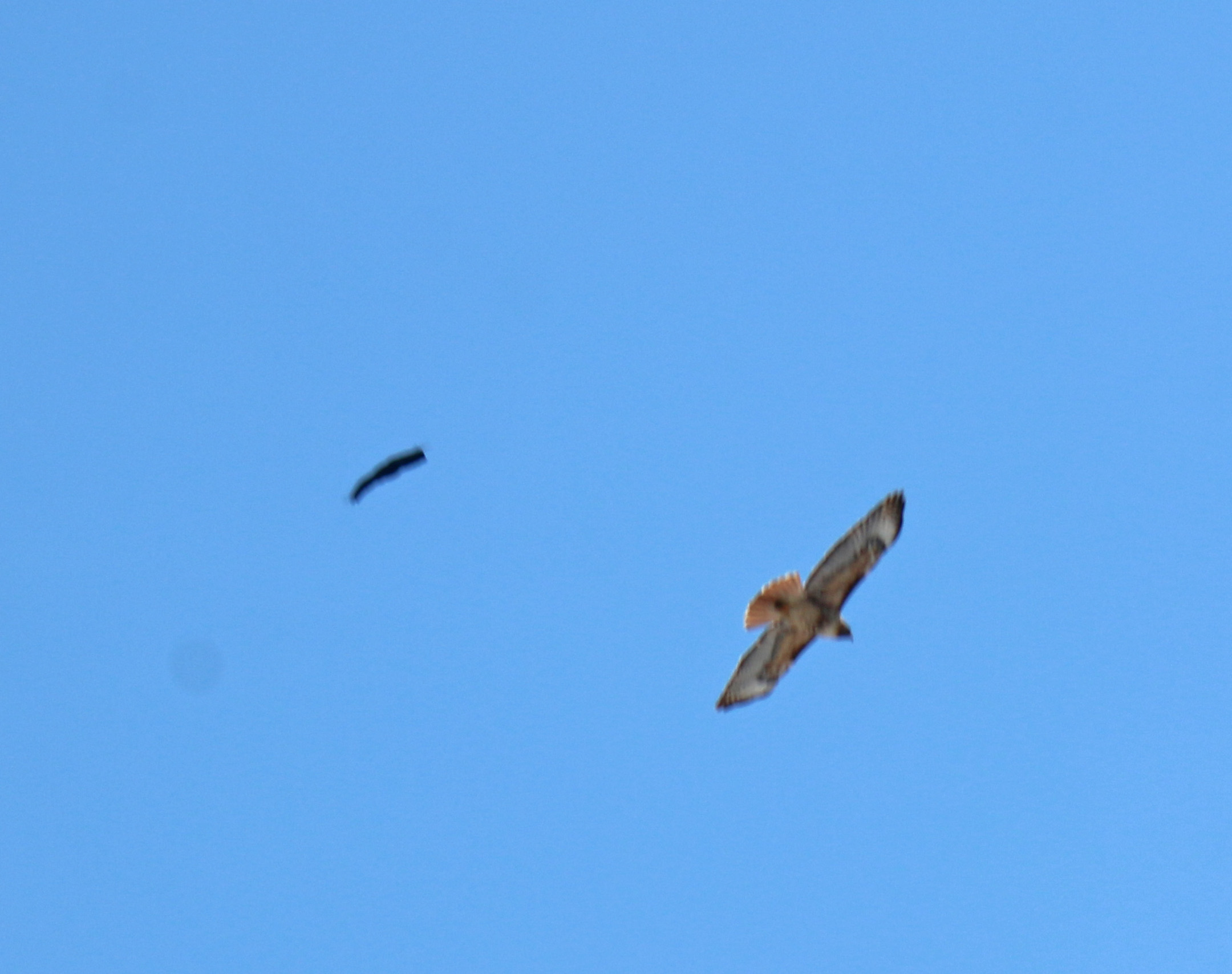
Here’s what happened (with apologies for fuzzy photos).

Hawk evading the Raven

For awhile the two hawks seemed to be playing with the Raven, separating and circling as the noisy Raven tracked. Suddenly, the trio flew wide, beyond tall tree branches and out of my sight, before reappearing, and now, the Raven was closer, very serious.

Raven closing in

The hawks suddenly veered away in a very large circle, the Raven hotly pursuing, and all flew out of my sight. For awhile, I heard screeching, and when it stopped, figured the Raven had won.

The episode provided me with yet another demonstration of how social dynamics in the wild animal world are no less complex than those in our human world.

Dear Friends, If only my lens had captured better that awesome performance. Diana
Snowy Outing

Free at last!

Thursday, March 21, 2019

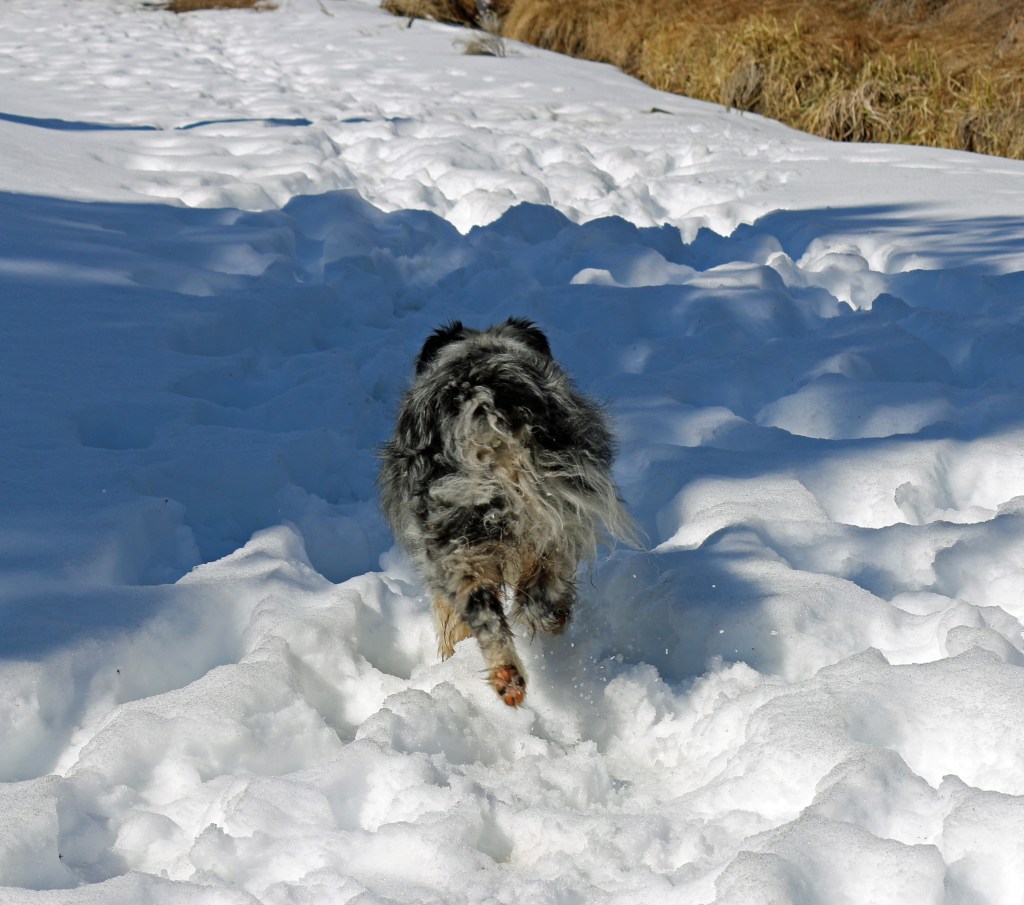
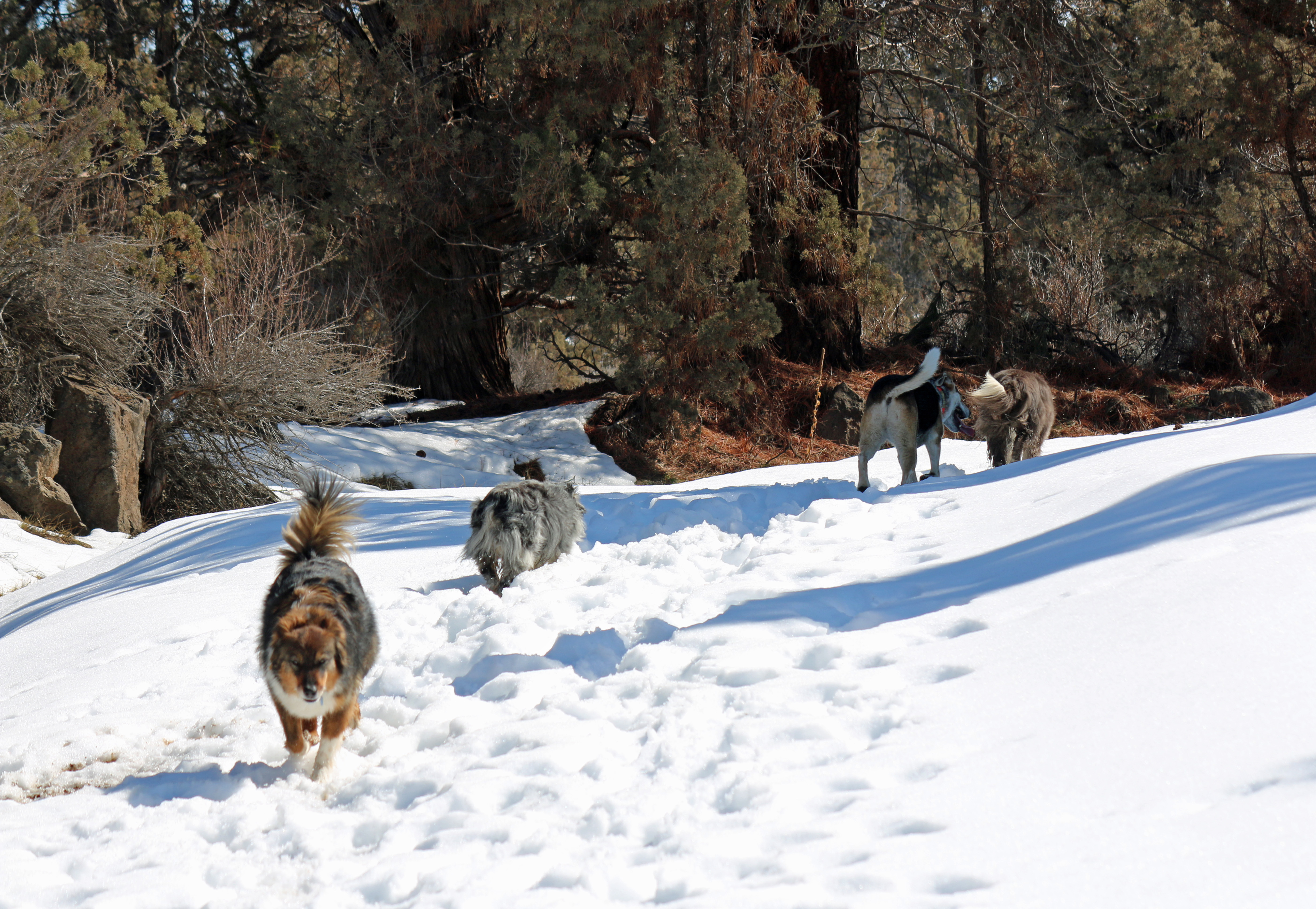
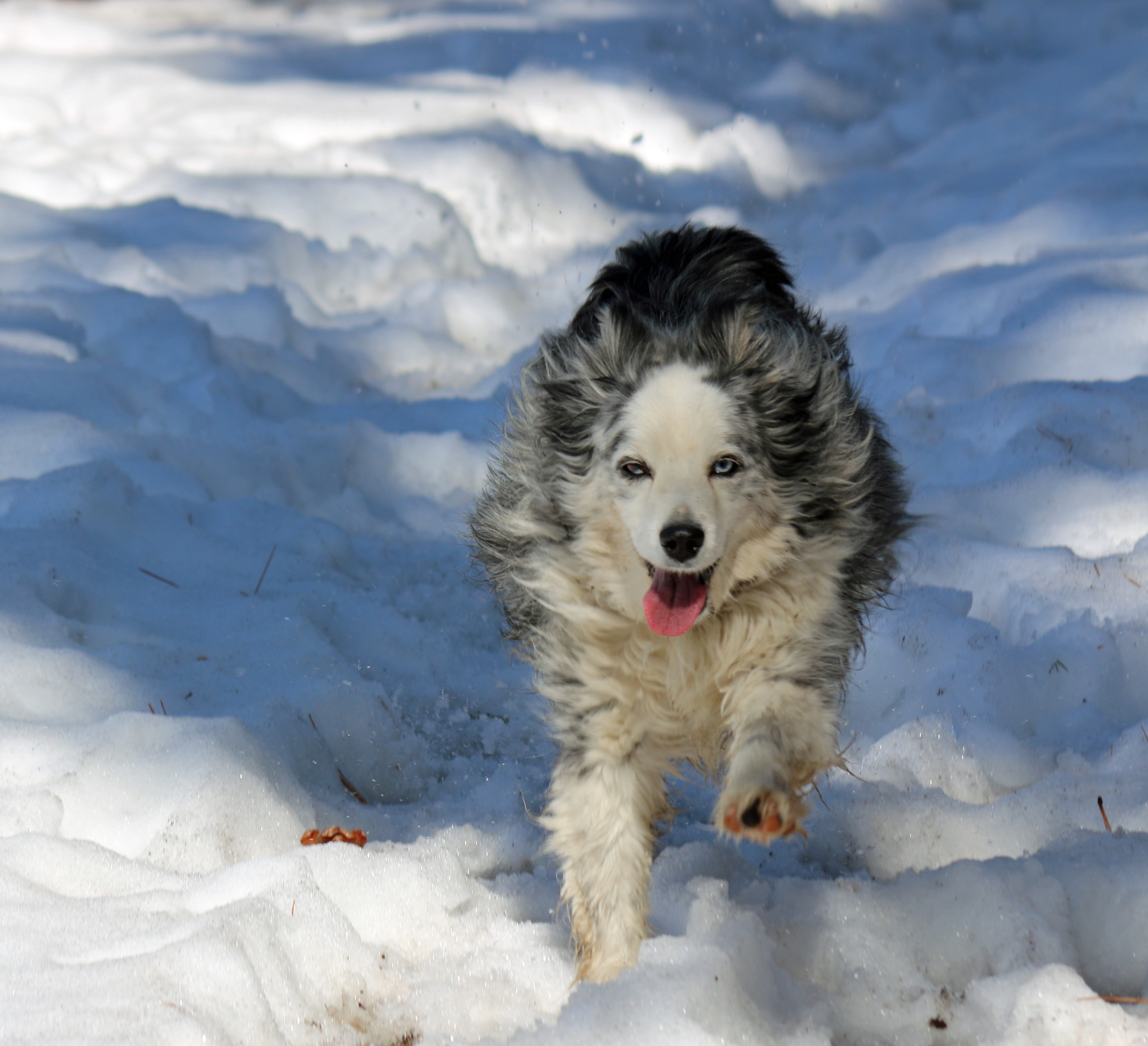
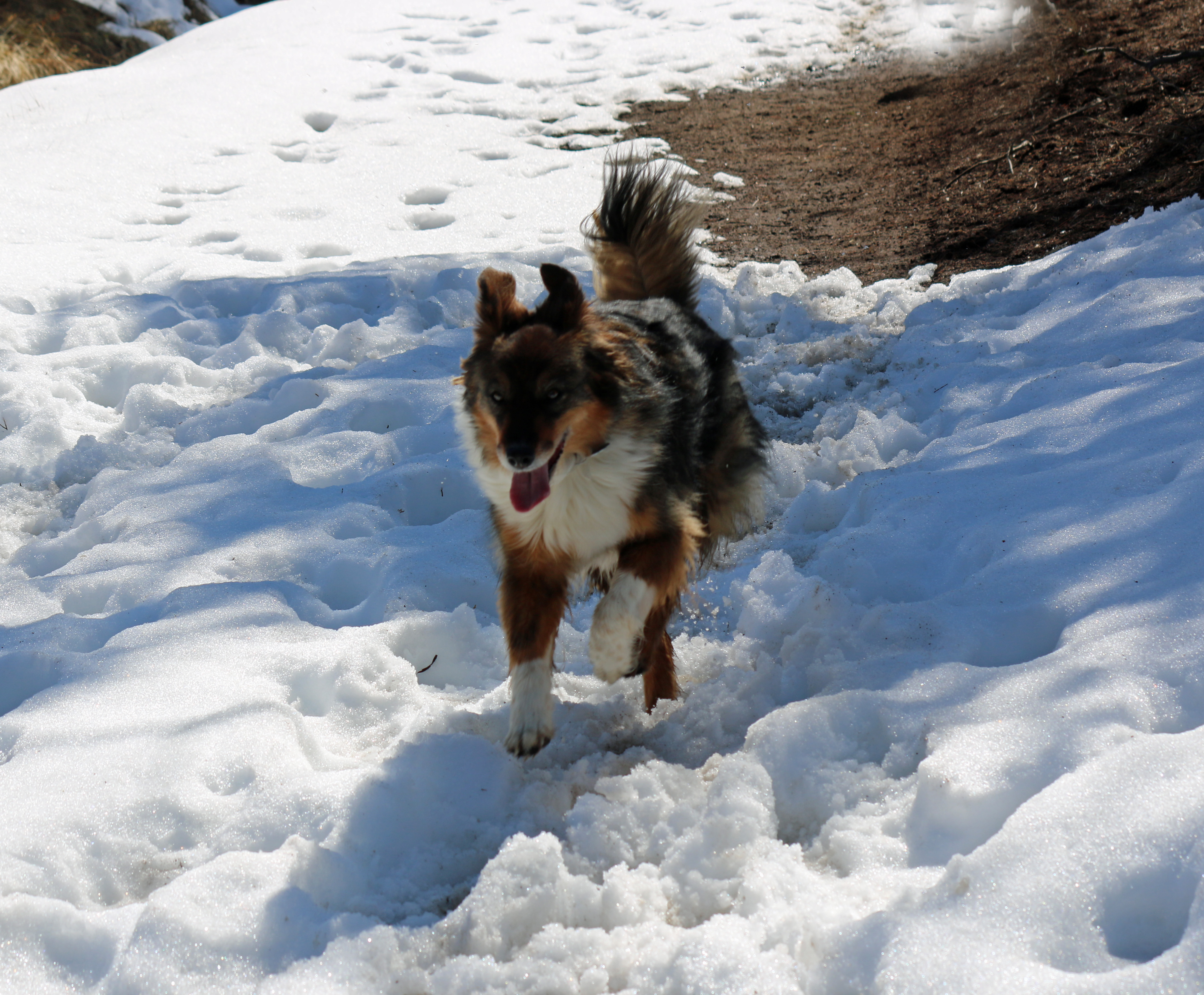
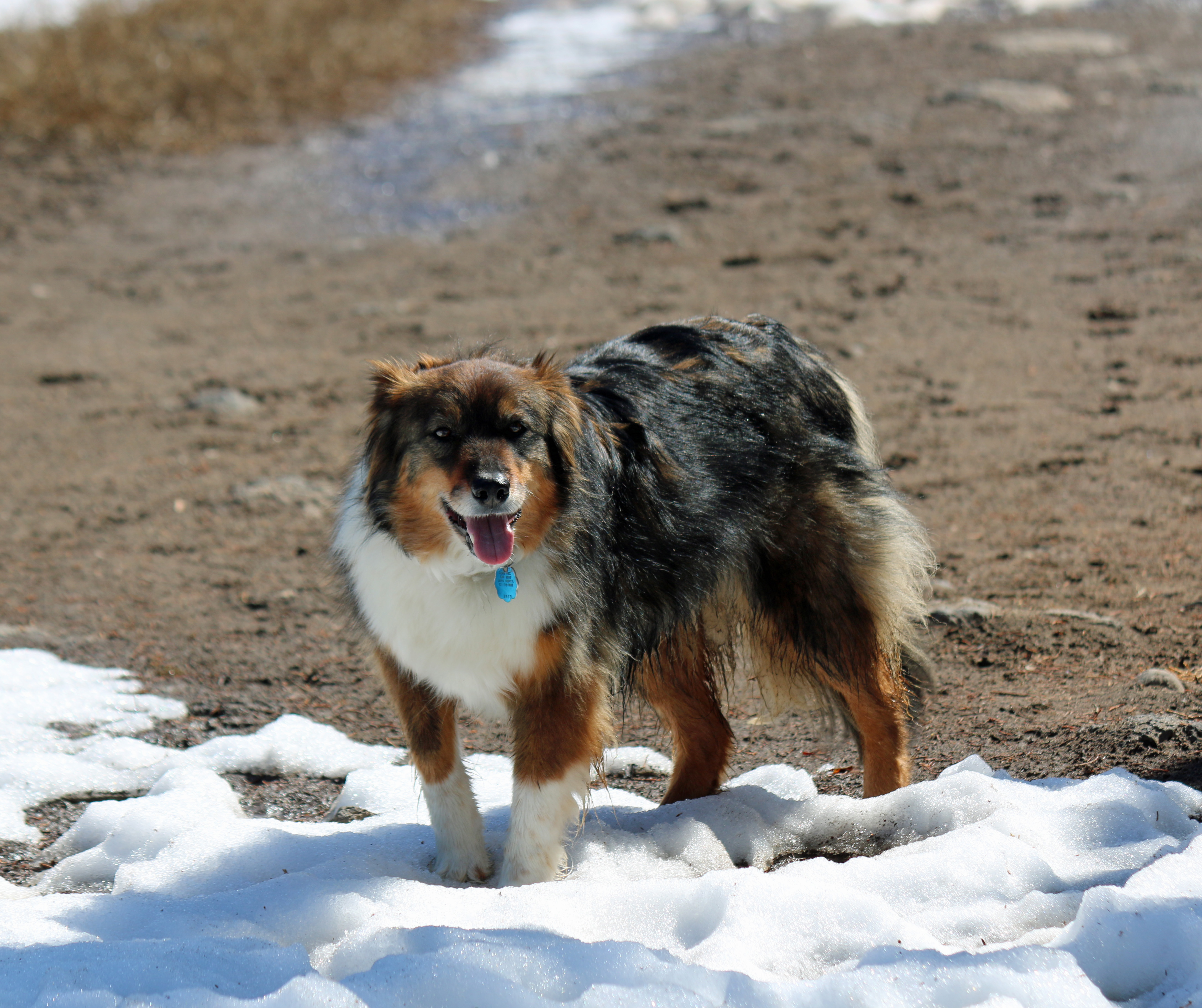
Recently, after what seemed ages of home confinement, the dogs needed to run freely in BLM. I prepared to cope with still-standing snow by finding and lacing on Sorel Boots that had been stored for years. I guessed the popular trail would already have been beaten down by earlier hikers exercising their dogs.

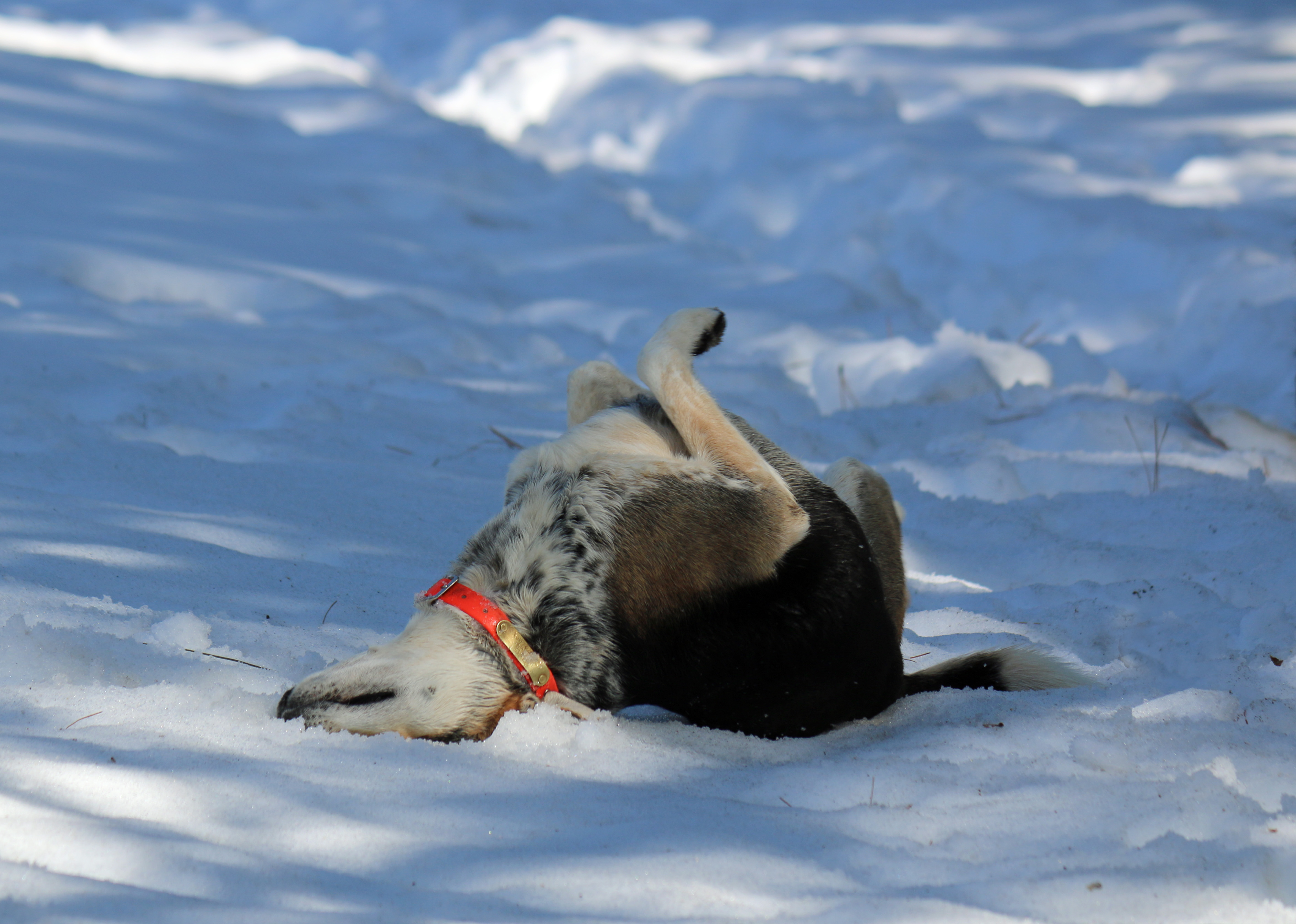
In previous winters, I’ve taken the dogs to that very trail, and in snow hiked a couple of miles. The first mile follows a canal where Miles, my nutty Border Collie, loves to lounge and snorkle in freezing snow melt. After that mile, we usually turn to the BLM’s desert side and make a wide circle back to the car. In snowy winters, it’s an easy, fun route.

Snow Melt

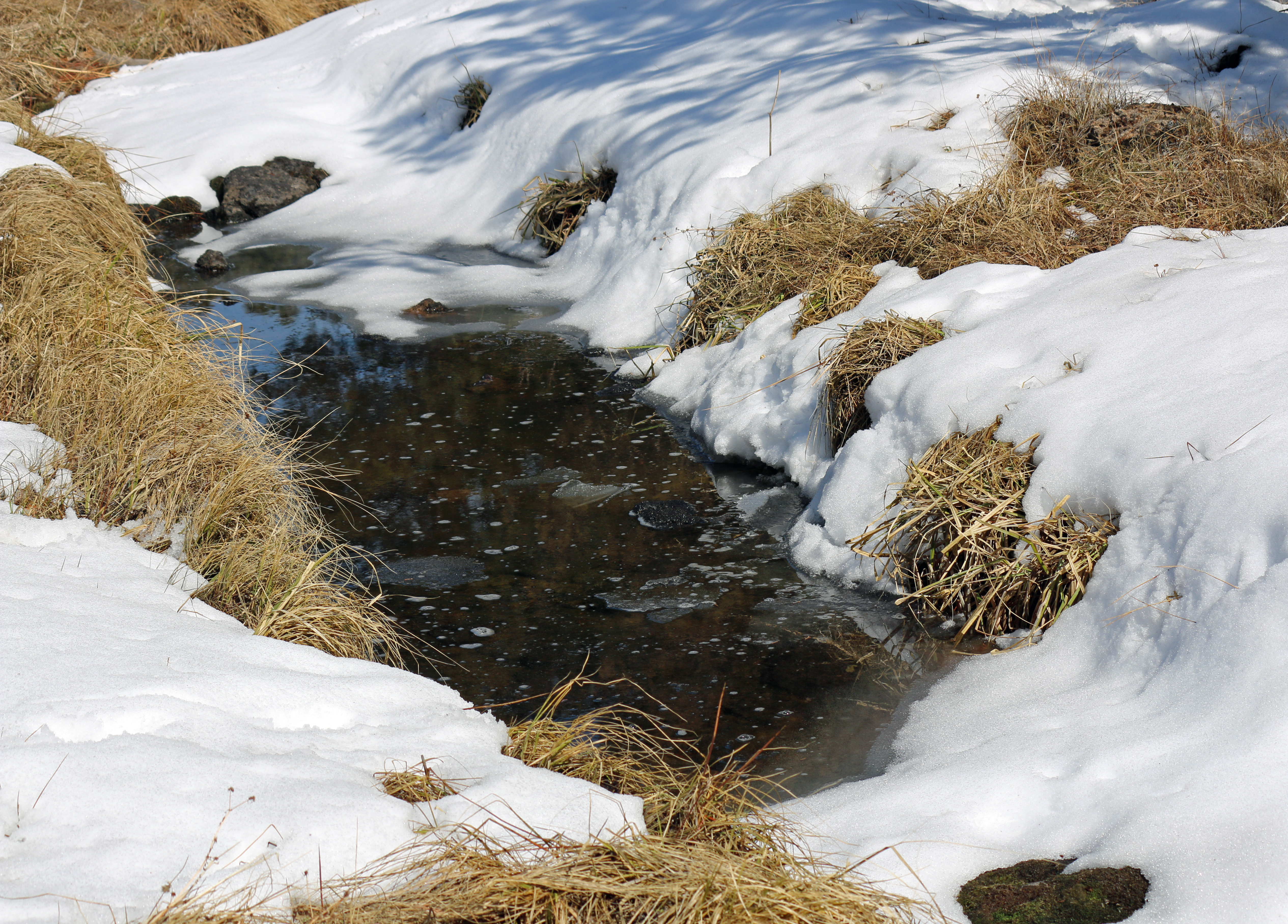
This winter’s snow is deeper. My first hint of this on entering the BLM, was driving through a water-filled ditch that challenged my four-wheel drive; my second was nearly getting stuck while testing parking spaces for stability; a third was seeing the canal trail not much beaten-down by previous walkers. There was no turning back, with the dogs eager to be outside and noisy Osix screaming in excitement.

Ranger

My Sorels were perfect for traipsing in snow, but this snow-deep trail turned walking into hard work. Looking around, I saw that deep snow hid rocks and ankle-twisting holes, so we’d best not venture to the desert side. Instead, we’d turn around after the first mile.

Off Trail
Miles
Louie
Osix

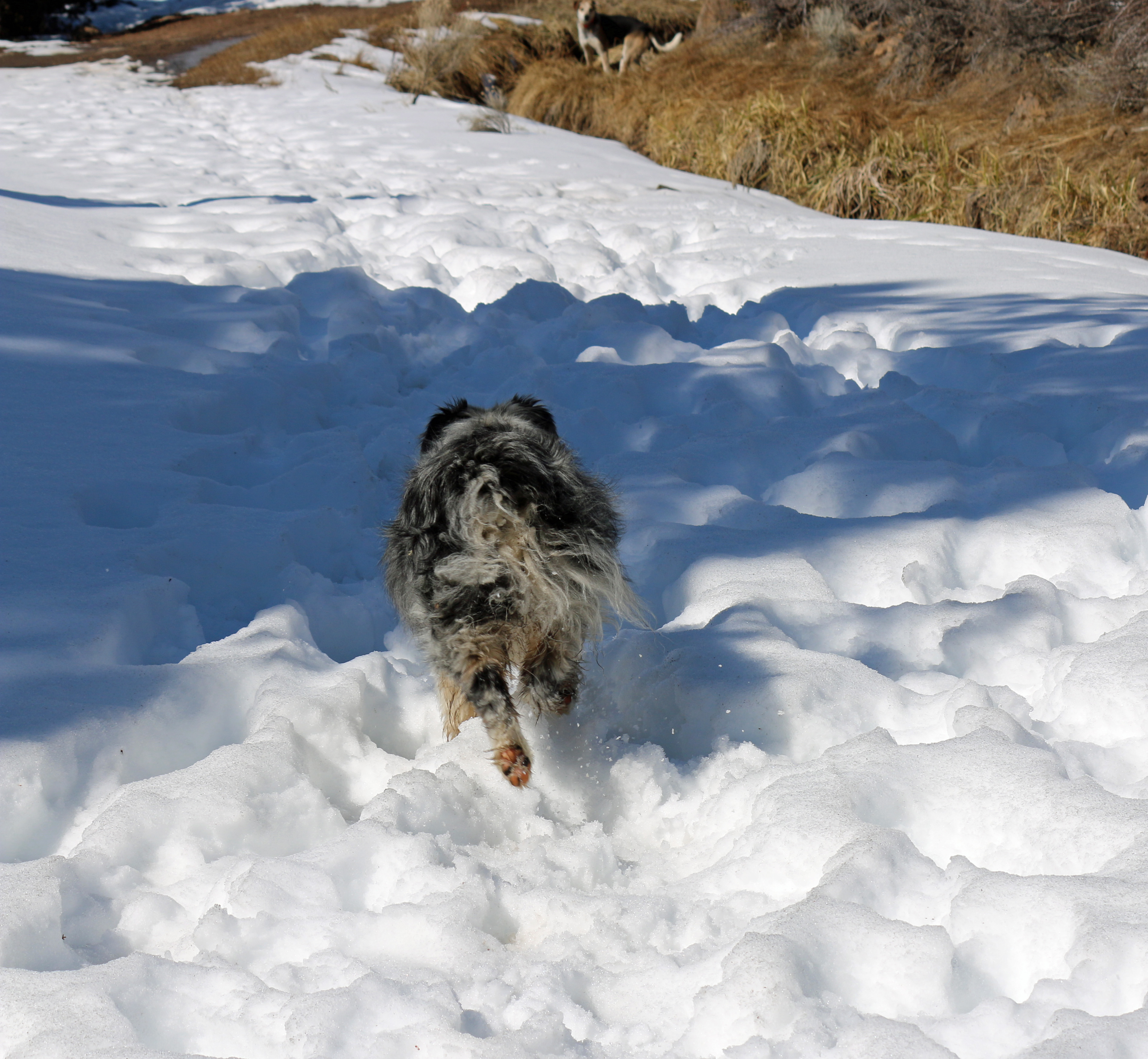
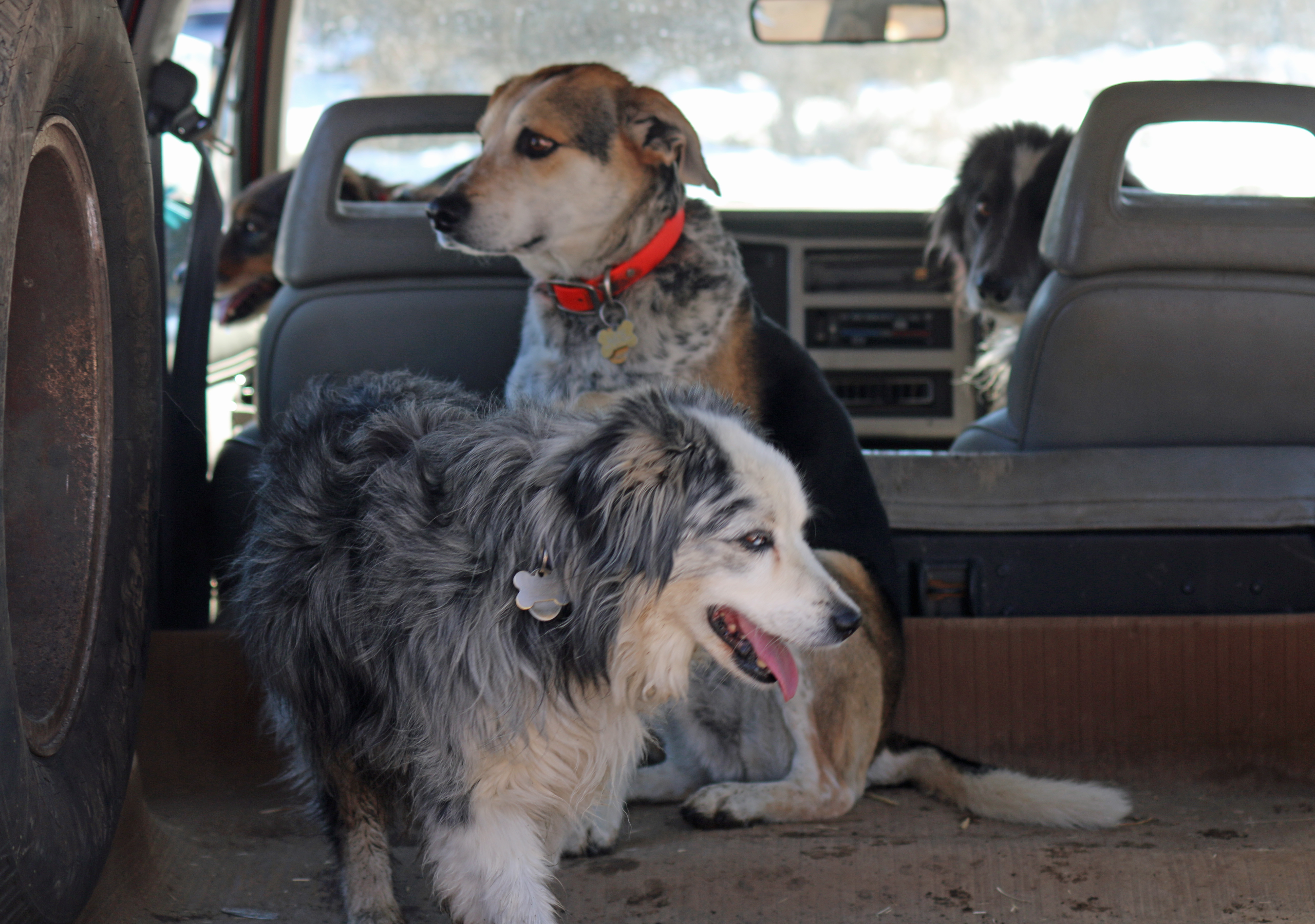
My out-of-condition dogs and I became tied before managing to cover a half mile. Even Miles slowed down, very unusual. It’s hard to read Ranger and Louie who make a point of staying with me. The most obvious signal that we needed to turn around was Osix’s behavior. She began hanging behind and moving forward only reluctantly. Her subdued body language said she’d soon slip off and return to the car.

Warning…

That convinced me to reverse direction. Osix disappeared and Miles soon followed her. My steadfast fellows, Ranger and Louie, stayed with their slogging dog-mom.

At the Jeep, after a quick head count, we headed home.

Dear Friends, Hope you saw last night’s biggest Supermoon: gorgeous! Diana
Clair de lune

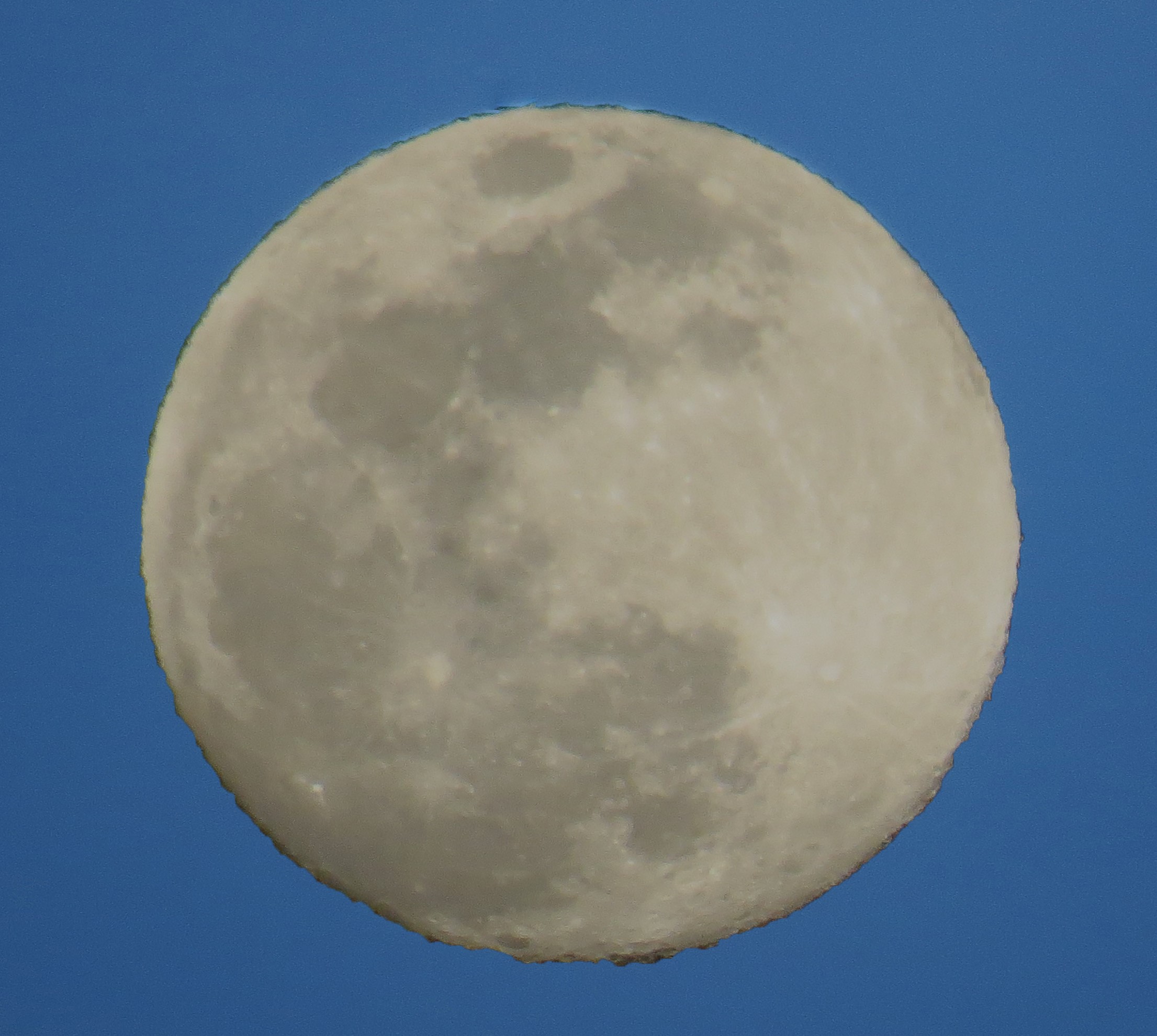
March Supermoon, 2019 (Canon SX50)

Wednesday, March 20, 2019

This month’s full moon, having reached its peak at the spring equinox, is March’s Supermoon–nearest to earth, and thus, the month’s largest moon. Early Native Americans named the annual Supermoons to indicate the changing weathers and tendencies of nature. Since spring equinox signifies the earth’s warming and an oncoming abundance of wild game and crops, its moon is called a “Full Worm Moon”, representing when Robins will start pulling earthworms from softening ground. It’s also named (among others) a Lenten Moon, Crow Moon, Crust Moon, Sugar Moon, and Sap Moon.

Yesterday, around 7 p.m., and not thinking of anything related to the first day of spring, I exited the house to make a final check on the horses. I stopped short at a sight of the rising moon, “Oh, my, it’s March’s Supermoon!” I hurried inside for a zoom camera in order to photograph the lovely moon.

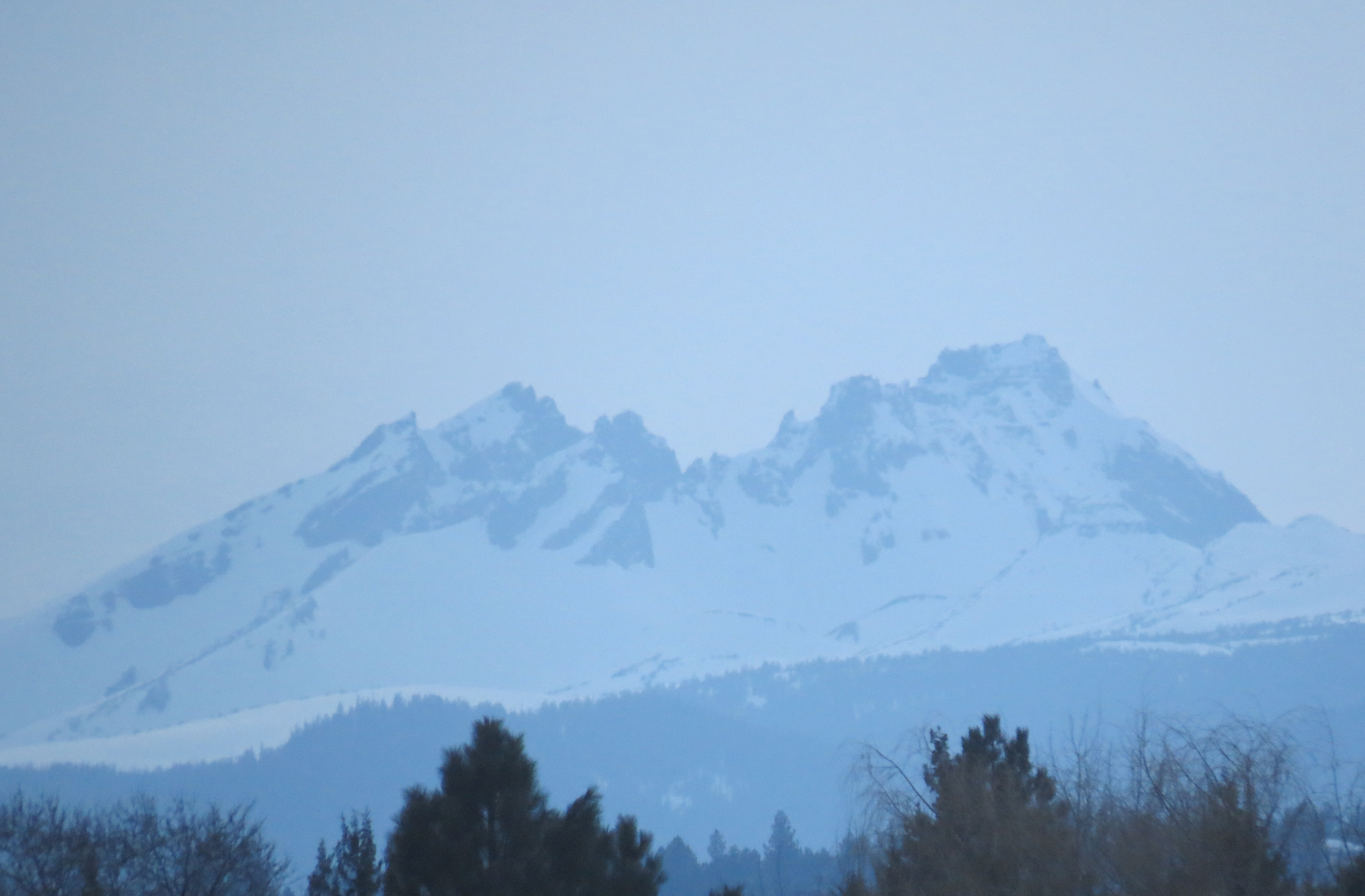
While heading down to the barn and noticing that this almost warm day had turned cooler, another sight captured my fancy. The Cascade Mountains, which earlier had been sunny and clear, now were shrouded in a curtain of dimming frost. The slightly visible string of dreamlike peaks felt mysterious–this top line, especially captivating.

Broken Top in Freezing Fog (Canon SX50)

I was planning to stay out and photograph more, but around here, unexpected realities demand attention. Just then, I saw that a gate (one Rosie often kicks at compulsively) finally had been seriously damaged, and to an extent that forced changes to my plans. And so, in that beautiful, misty moonlight, instead of a camera I held a bunch of zip ties, and while on hands and knees in deep snow and squishy mud, tried to create temporary repairs.

Ah, another first day of spring!

Dear Friends, For sure now, it’s spring, so sigh, and breathe deeply of new air. Diana

Relationships

Sunni

Tuesday, March 19, 2019

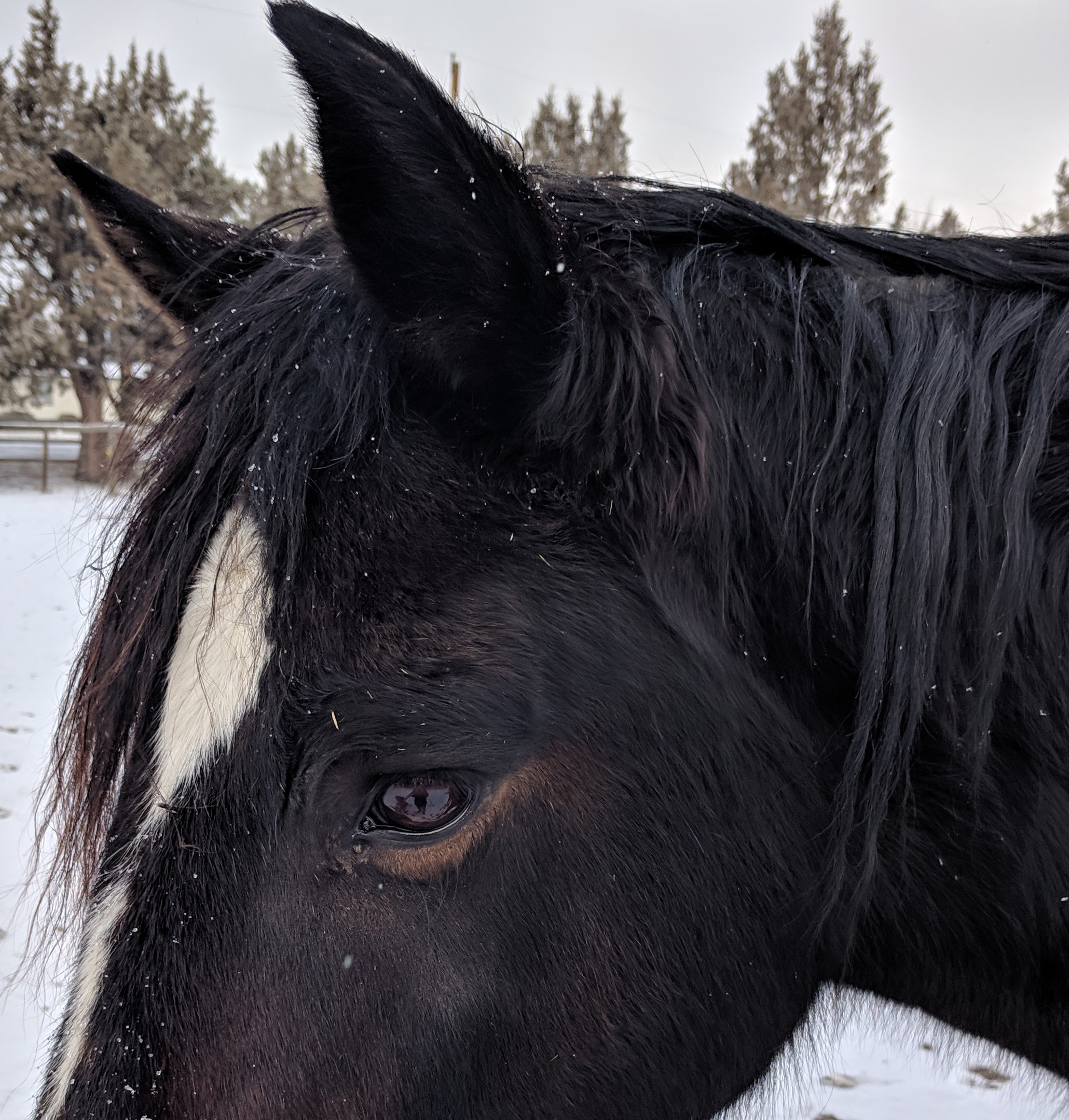
The eye of a horse is an in-the-moment reflection of its being. Read a soft gentle eye as expressing an easygoing, affable mood, while an active, nervous eye raises questions about how best to handle. The most gentle and willing horses will have nervous eye moments, and of course, body language also signals mood and intent. A person spending time with an equine constantly watches eyes and body to sense the inner horse.

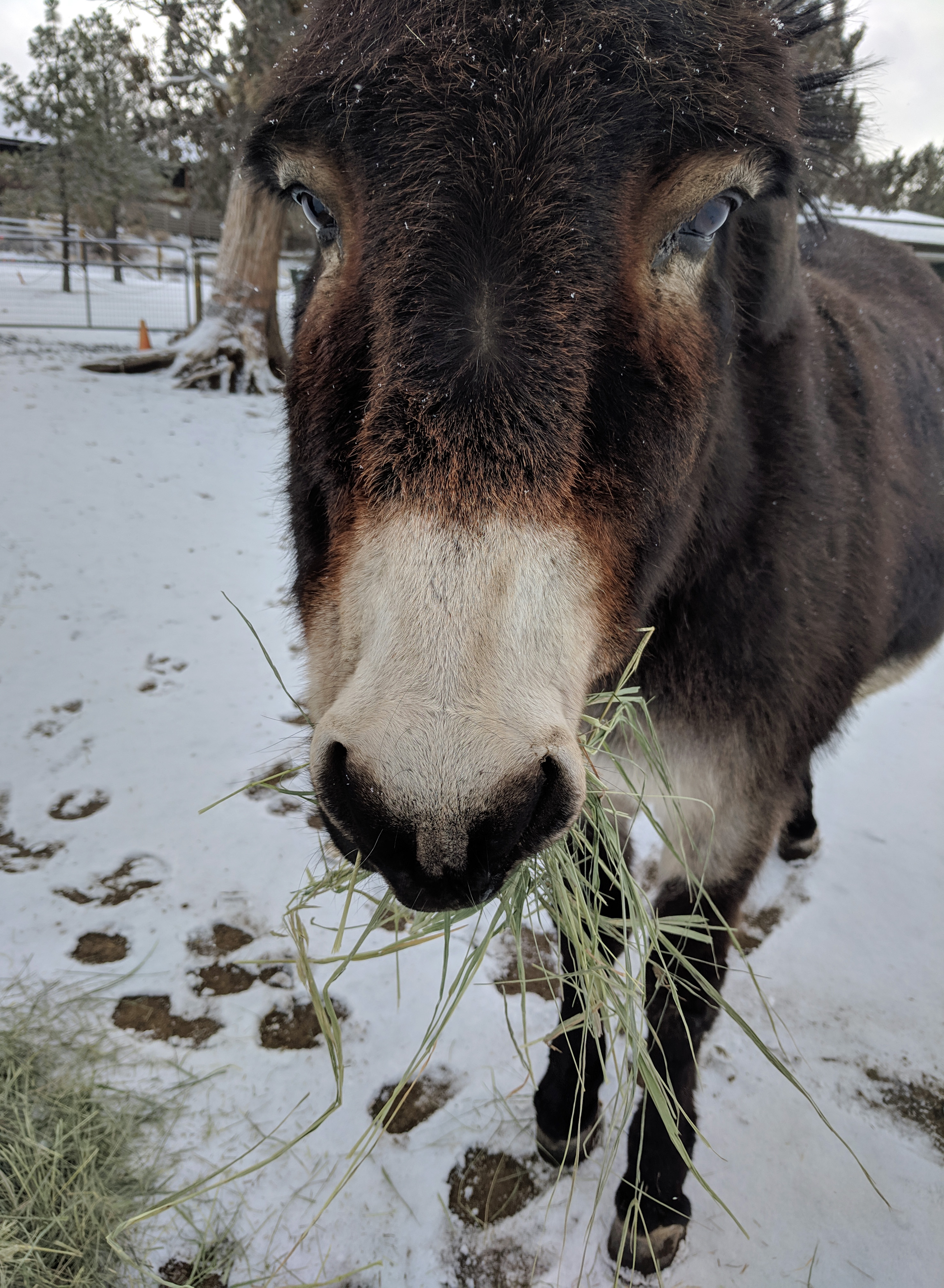
My donkey has moments, too, but are noticed differently. She’s by nature a very cautious creature, her worries often less evident than a horse’s. When I took her for a first walk around the neighborhood, what seemed her stubborn behavior was concern over painted lines on the pavement. Never having seen such lines, she stopped before each, needing encouragement to step over. The same as we approached mailboxes. I gave her time to see, process, and then walk on.

Pimmy

Pimmy’s style has become recognizable. Infrequent handling difficulties emerge as stubbornness, with the solution being time for her to adjust. Typically, she’s an expert on herd behavior, stays close to the horses, reads the “tea leaves”, takes care of herself.

Recently, when the equines entered the barn for their hay, I saw a missing patch of hair on Pimmy’s withers, exposing two inches of bare skin to the bitter cold. One of the horses must have bit her–most unusual, because Pimmy always has escaped damages from herd bossiness.

Had she been kicked and couldn’t get away quickly? I watched closely and saw another oddity. She ate less, left more hay than usual, but didn’t appear colicky–like wanting to roll around to escape stomach pain. I’m ready to call for veterinary help when an animal refuses to eat.

As the trio left the barn, was Pimmy moving more slowly, stepping differently than usual? Did her head hang more heavily? Did she want to be near to or distant from the horses?

Whatever was wrong didn’t seem an emergency. The exposed skin was in a spot impossible to keep warm. Maybe her slow movements were because of almost-icy terrain. I gave her an anti-inflammatory in case she’d been kicked. If she didn’t appear better soon, I’d call for help.

The next morning, Pimmy ate all her hay. That evening and again, she consumed all her hay, seemed in a better mood, and came looking for a chunk of apple (in which I’d buried another anti-inflammatory). Our daytime temperatures had risen dramatically and her exposed skin was shedding a damaged layer.

The movement of an eye, the twitch of a limb, a sense of low or high energy–none of these are species-dependent; it’s about relationships, in which all living beings share amazing depths of perception and abilities to communicate.

Dear Friends, Have a lovely day! Diana

Max’s Waiting Mode

Warm Day Bird-Watcher

Monday, March 18, 2019

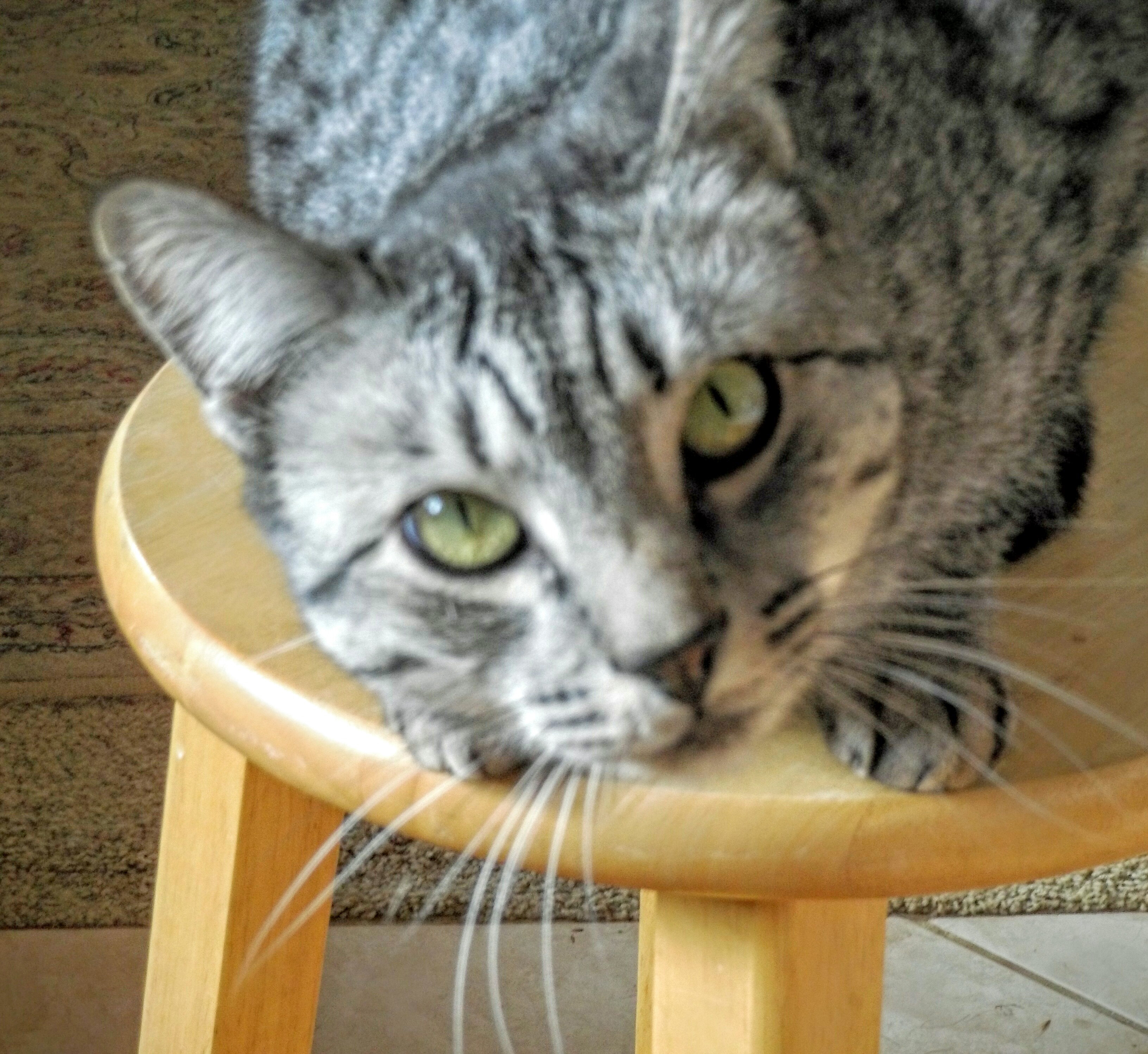
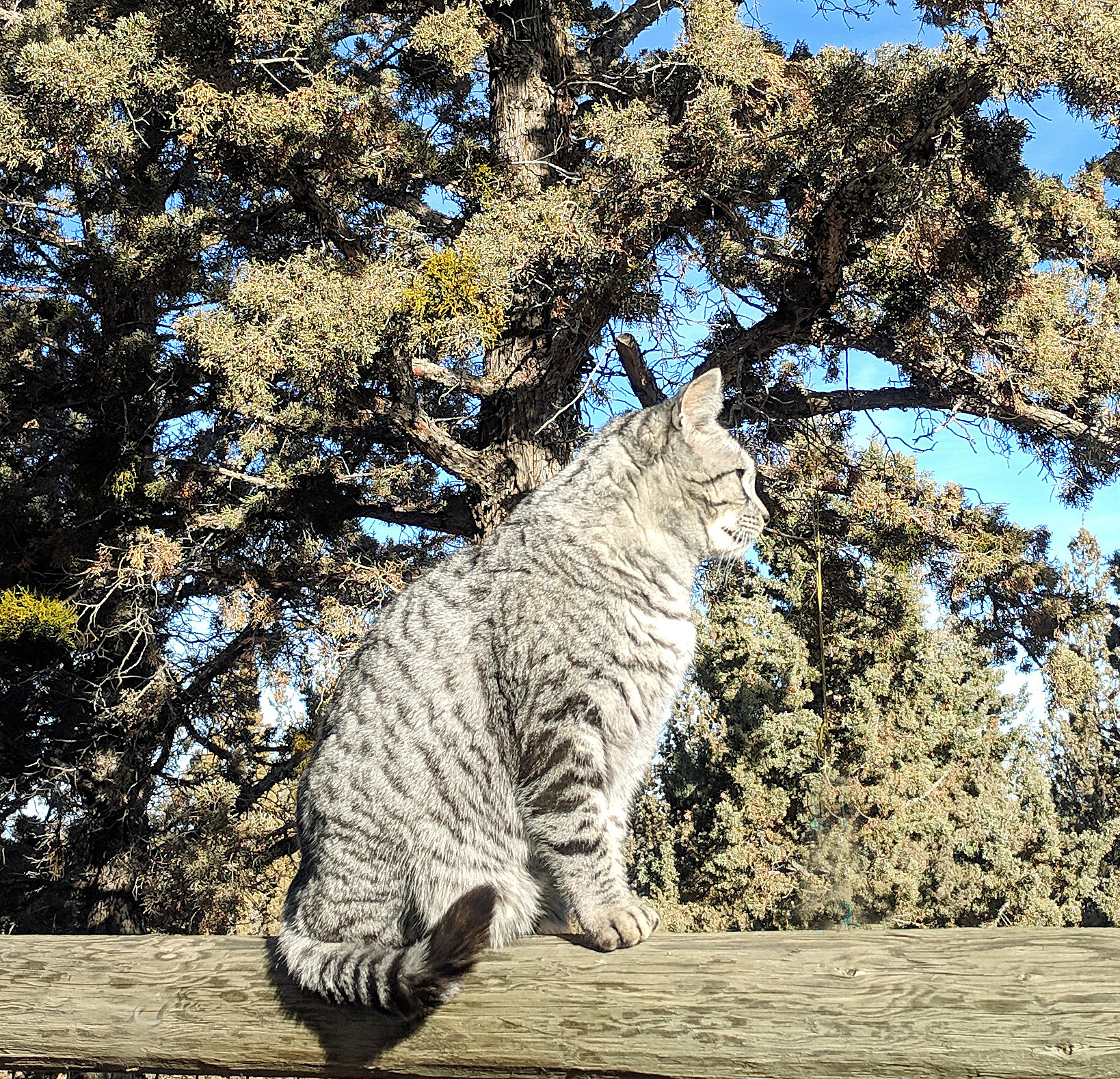
My poor cat, Maxwell, for weeks has been confined in the house. An inside-outside guy, he’s okay out in snowy weather and when necessary getting warm by burrowing into the haystack. For his first seven or so years, Max was outside-only, living comfortably in the barn. He knows how to take care of himself, is a capable hunter.
Some years ago he showed up with an injected jaw, the vet estimated from a cat fight, meaning he’d be tested for kitty aids, which couldn’t happen for another three months. During that time he couldn’t be outside, in case he actually had contracted an autoimmune disease, to infect another cat. During his ensuring weeks of life inside, Max came to like it. Since then, he goes outside, makes his rounds, takes a quick look for barn mice, and soon, returns to the house and peers in windows for an invitation to enter.

He’s slightly undomesticated and can be annoying–under my feet, grabbing at my socks, pulling on clothing, or worst scratching the woodwork. He loves to snuggle but is a heavy lump and difficult to shove away when I want to change position. For the past several weeks he’s been strictly inside, because I’m feeding birds during this area’s big snows. Max, an expert killer, must be isolated from vulnerable wildlife.

So, he focuses on inside possibilities.

Or hangs around bored.

Before he goes outside again after the snow has melted, I’ll remove the feeders and give the birds a few days to realize there’s nothing left in spots to which they currently flock. It would be nicer and fun to keep feeding them, but Max on the prowl would be a constant worry.

He’s a great cat, cool, and just enough undisciplined to be interesting. During his outside-only years, he stayed close to home, worked a couple of neighbors’ properties, and never was seen near a busy road. I complain about him as a nuisance inside, but if Max doesn’t show up wanting to come in near day’s end, I start looking for him.

Like most relationships, ours through the years has taken various shapes and survived.

Dear Friends, Have a wonderful day. Diana

Potpourri Of Spring

At Bird Feeder (Pixel 1)

Sunday, March 17, 2019

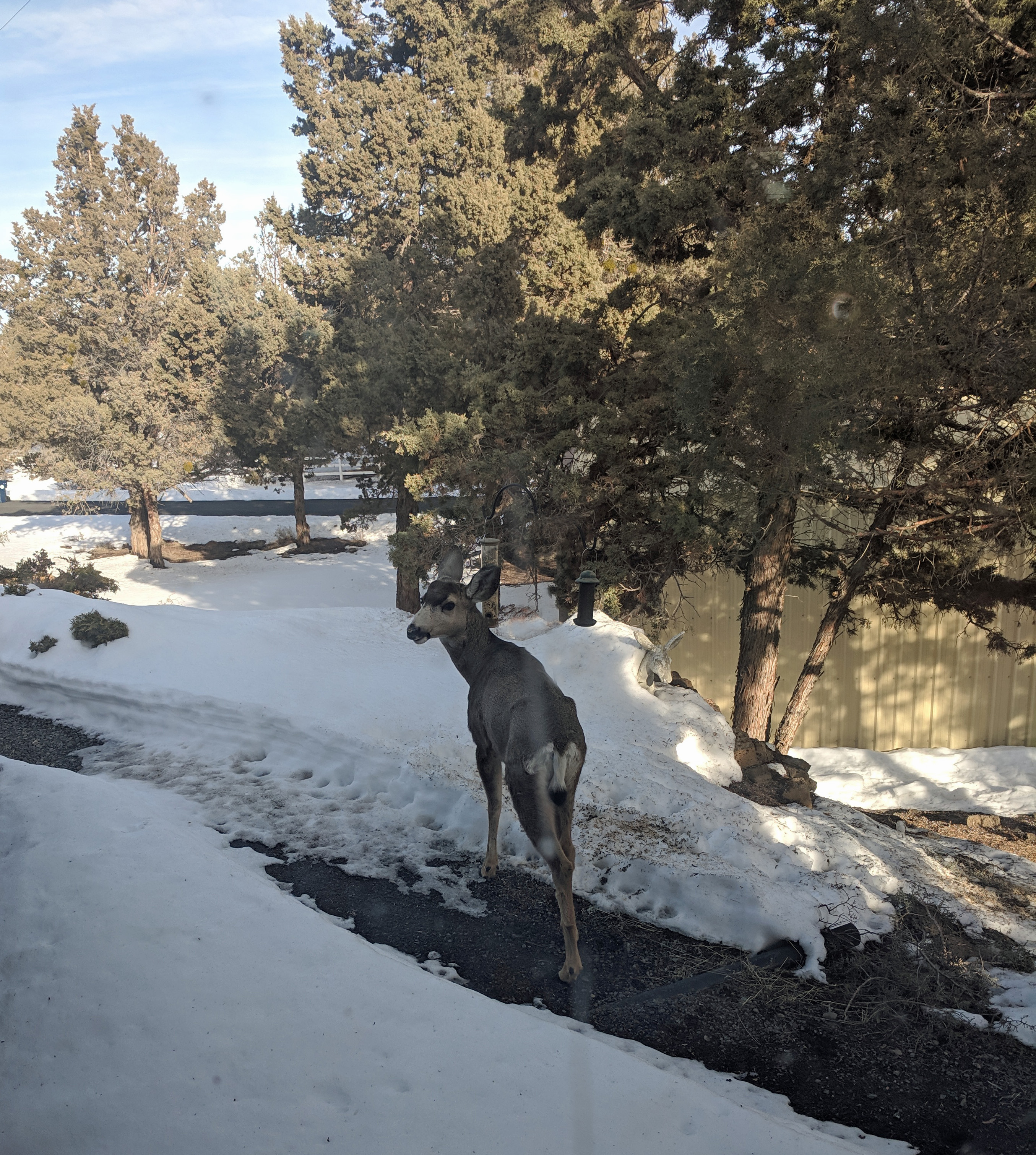
Early yesterday, the dogs began barking, Peaches started screaming, and so, clearly something outside wasn’t right. Aha! Just beyond my window a tall doe nibbled bird seed from a feeder. Coming out of the most severe weeks of winter and looking very thin, she was positioned for a photo op. Just as my finger pressed the capture button, something made her look around and look directly at me. She took off, one of her rear legs not working quite normally. I wished that she had finished that bird seed or anything else she might have found. In case she might return, I filled the feeders.

Just days ago, our temperatures averaged 25 to 35 degrees with snow falling often. Yesterday, the temperature climbed almost to 80 degrees! For sure, the time had come to go outside looking again for spring. I picked up a camera and invited Peaches along. He hopped onto my shoulder, we went searching.

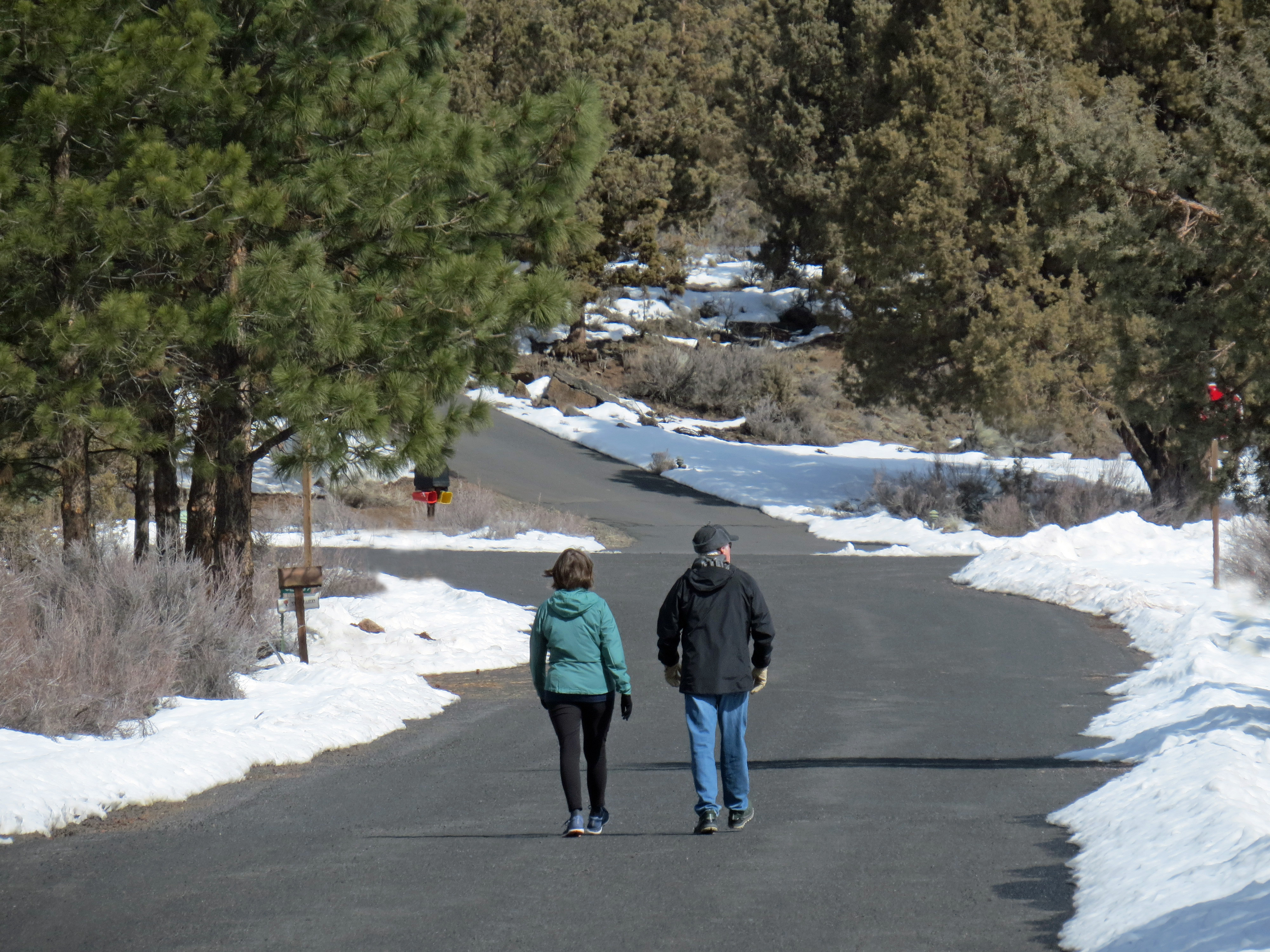
I knew we wouldn’t find anything new and green, so decided that anything I chose to photograph could represent spring. How about this couple, strolling along in the warm weather!

(Canon SX50)

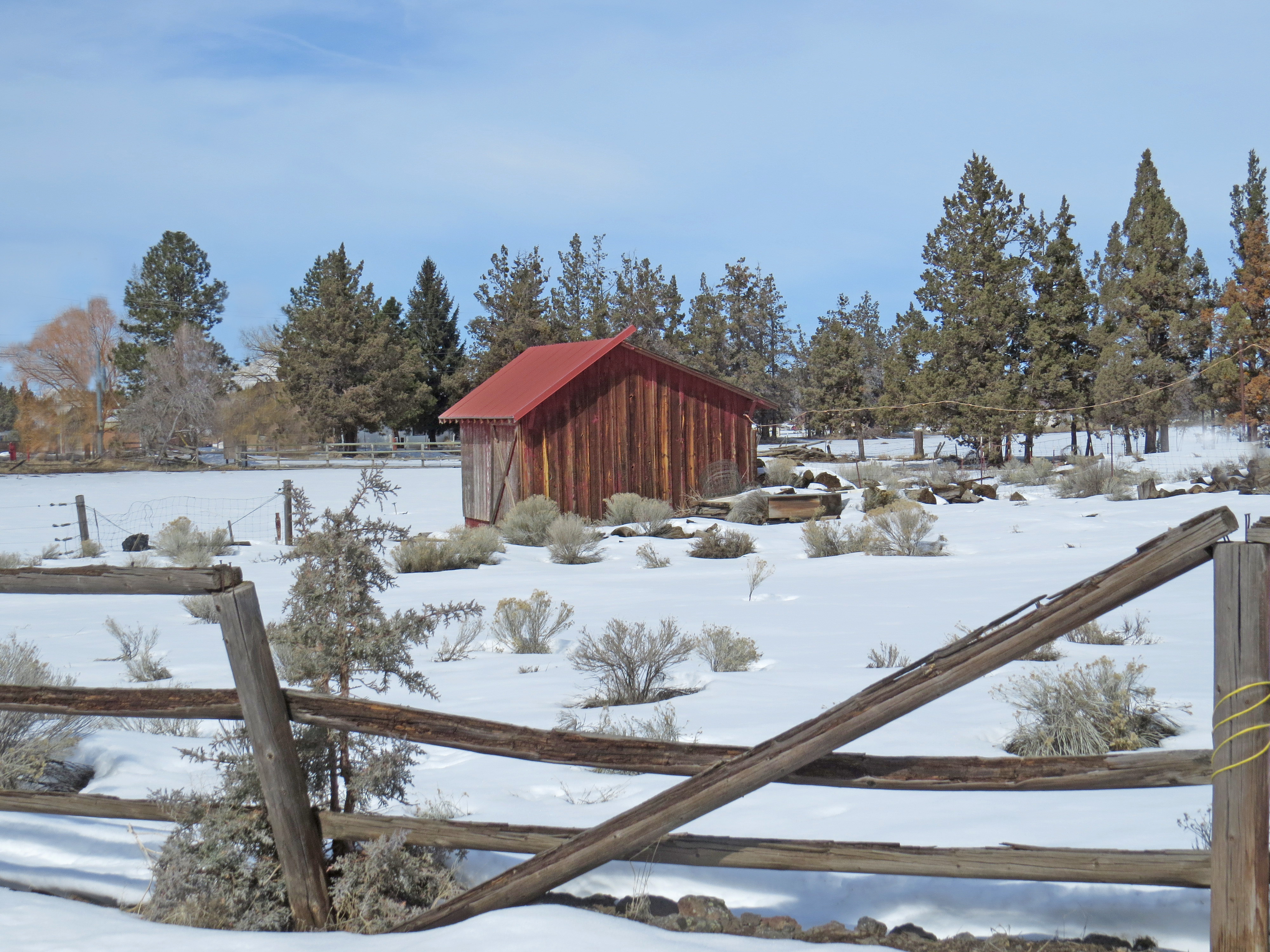
At the intersection, they turned right and Peaches and I went left. I had in mind a nearby old barn which had belonged to a neighbor who raised cattle. I’d driven by it recently on a day with light rain, and that moist light made the wood’s aged and damaged colors seem stunning. On this dry day, they looked a little more bland but still interesting. The building is a relic and I’m happy to have captured it at last.

Patterson’s Shed (Canon SX50)

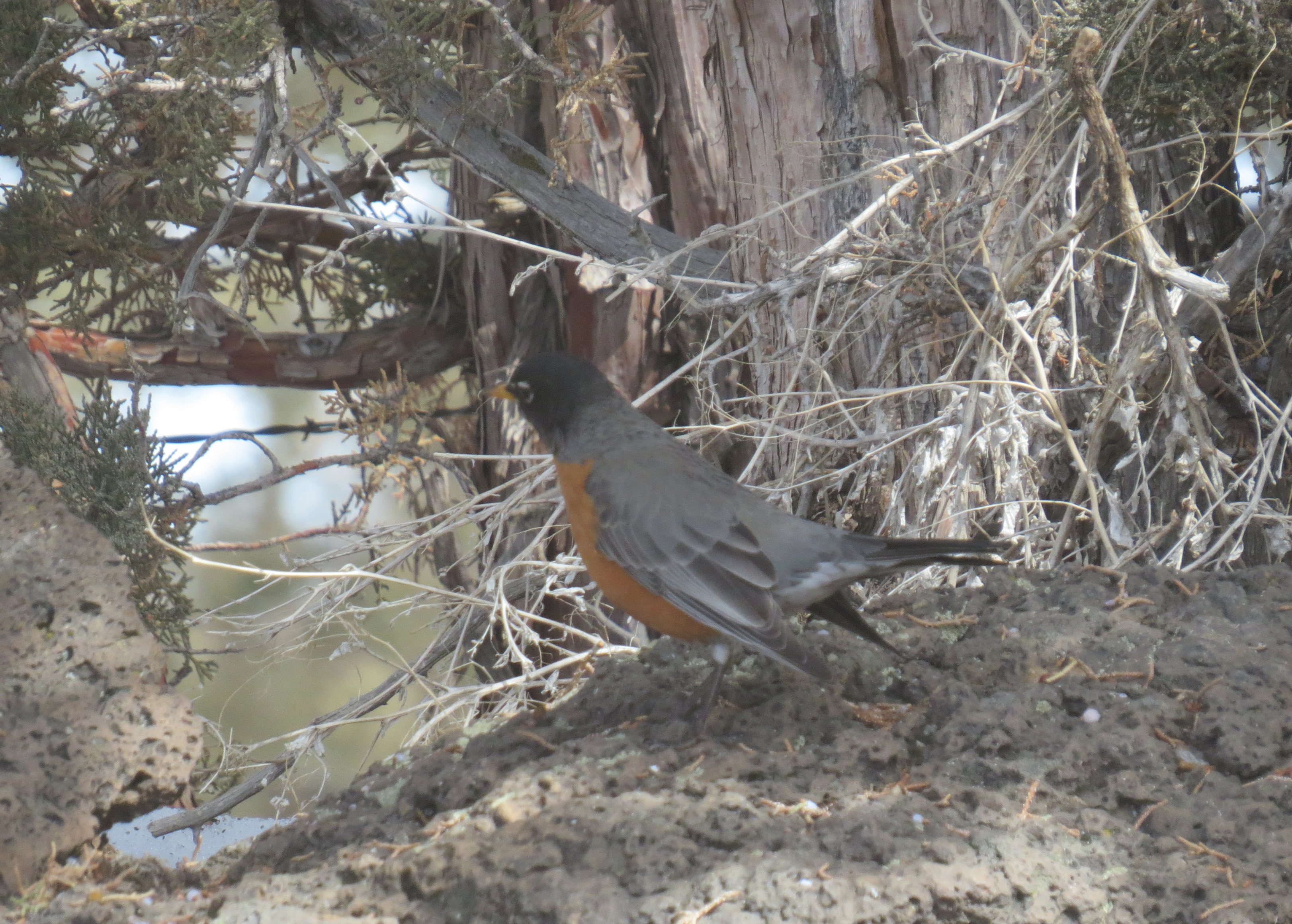
Nearby were signs of spring–a chipmunk and a woodchuck (Marmont), both scurrying away too quickly for me to capture. Peaches, on my shoulder, arm, or hanging off on an article of my clothing, slows the process. On seeing one of my all-time favorites, a Robin, wonderful hunter, doing its thing, I knew its occasional pauses would lend time to aim and adjust a lens.

(Canon SX50)

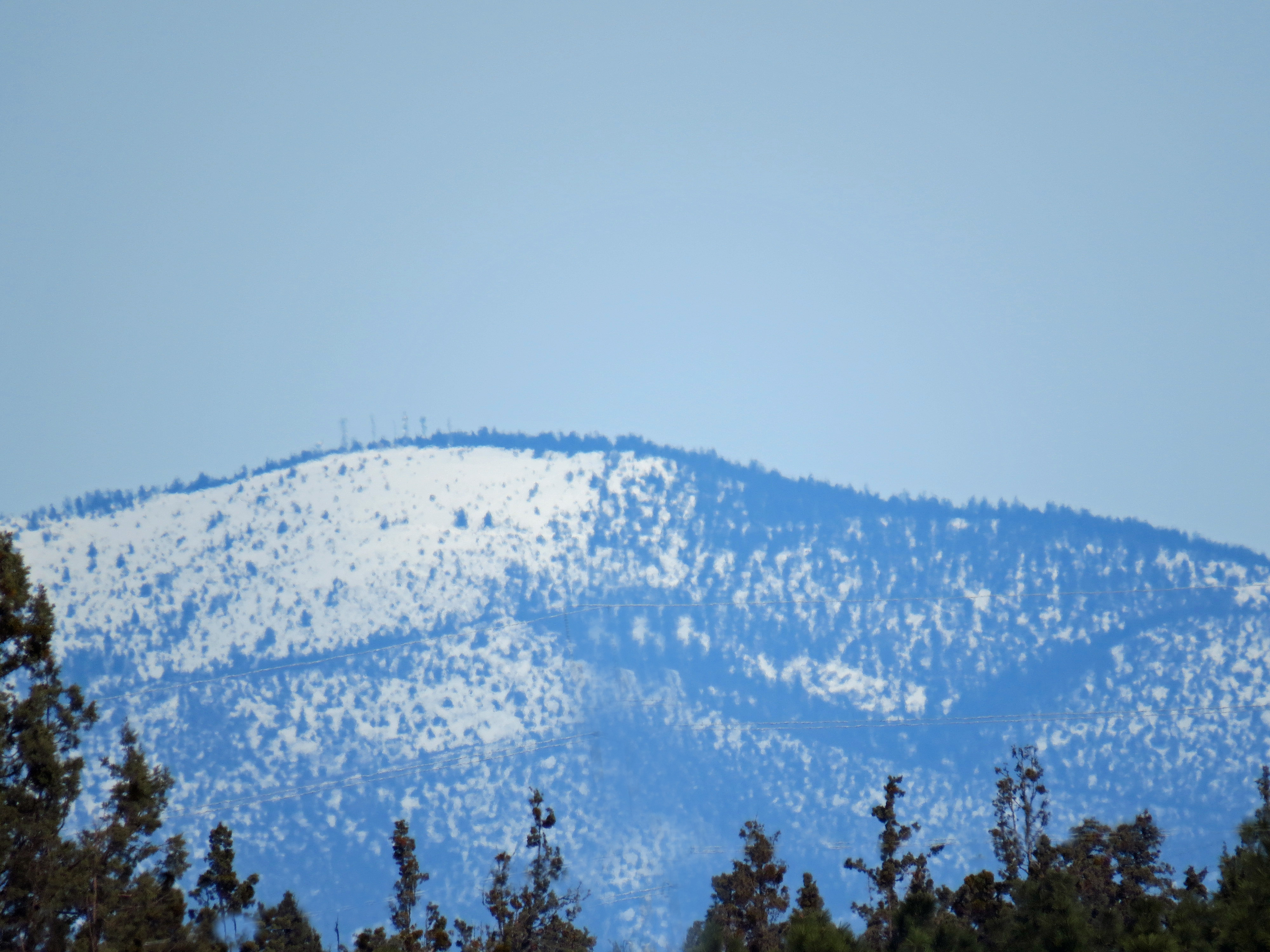
A bit farther along, my camera’s capable z00m lens brought from far north a sight of hulking cinder cone. It didn’t look familiar but I snapped it, would figure out later what the rise might be. Later, at home and looking very closely, I could see on its top line a very faint capture of radio signalling apparatus. Those identified my picture.

Grizzly Mountain (Canon SX50)

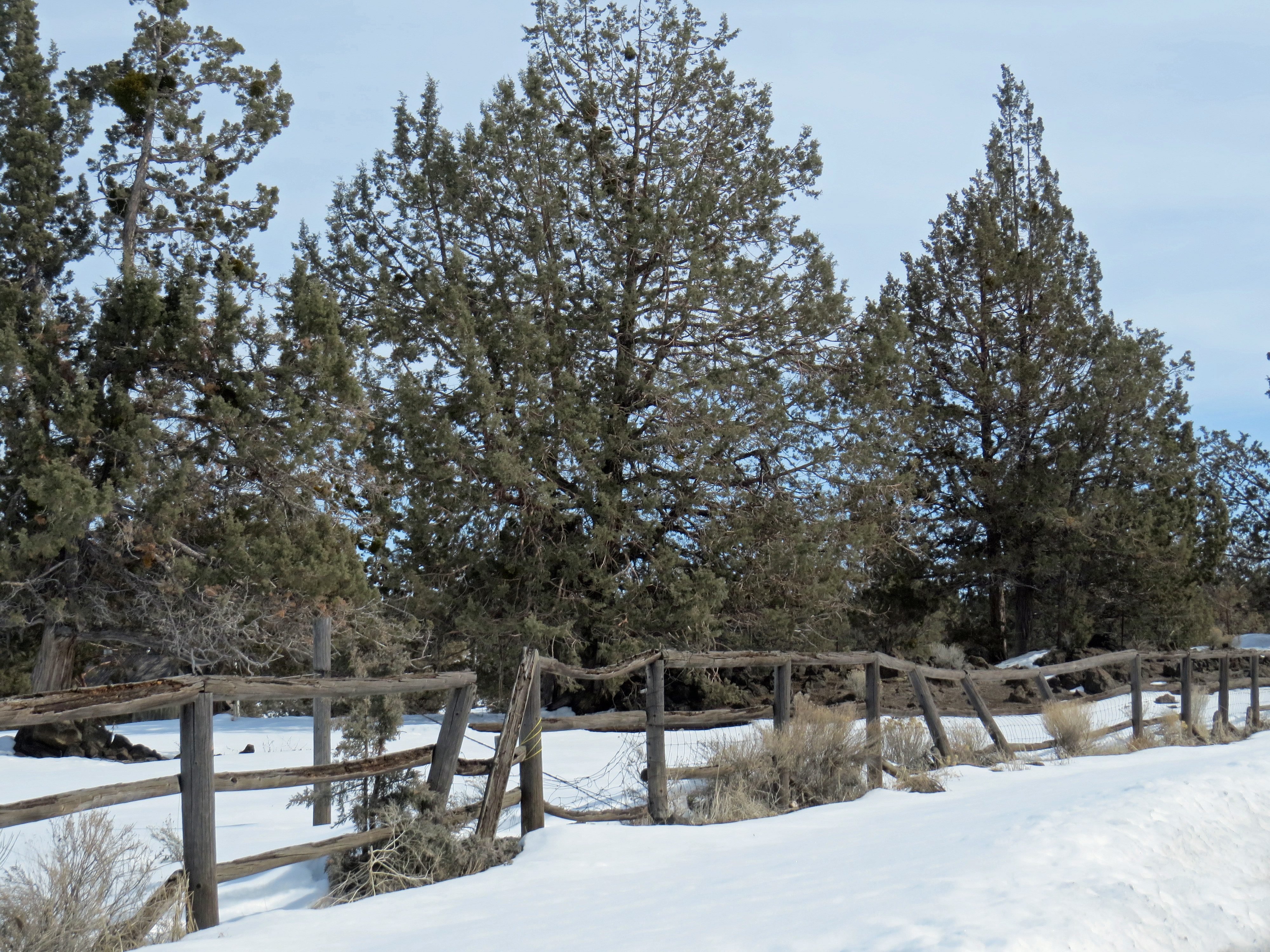
There’s much to see while out wandering around, and on a desperately-needed warm day, just about anything enhances a spring mood.

Patterson’s Fence (Canon SX50)

Seeing no green didn’t matter in the wonderful warmth outside. Peaches chatted with passers-by with his repetitive, “Hello, hello!” or “Goodby, goodby!”

Howdy, Spring! (Pixel 1)

Dear Friends, Wishing you a great outside enjoying the many visible wonders. Diana