Sunflowers & Meadowlarks

Monday, June 10, 2019

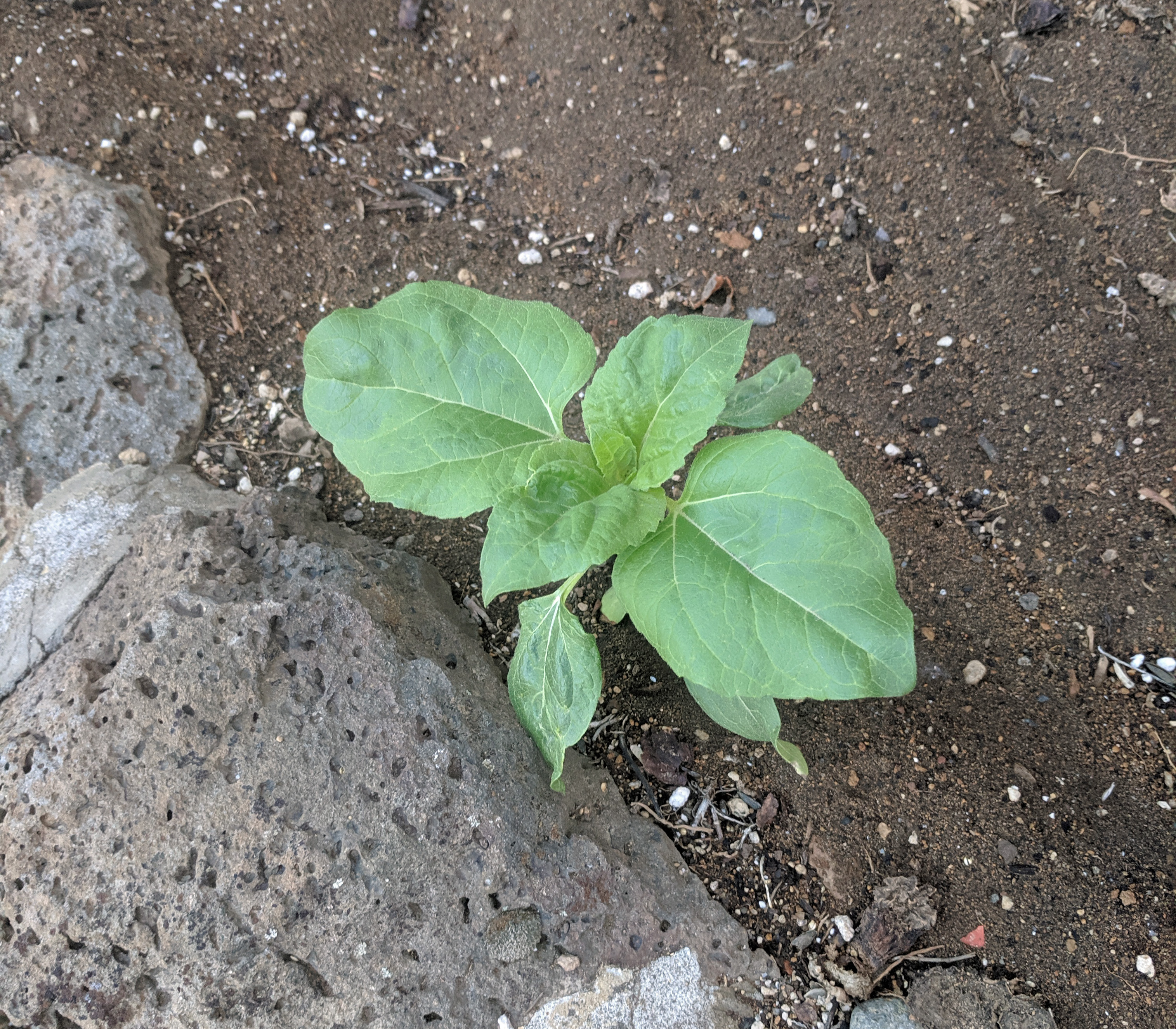
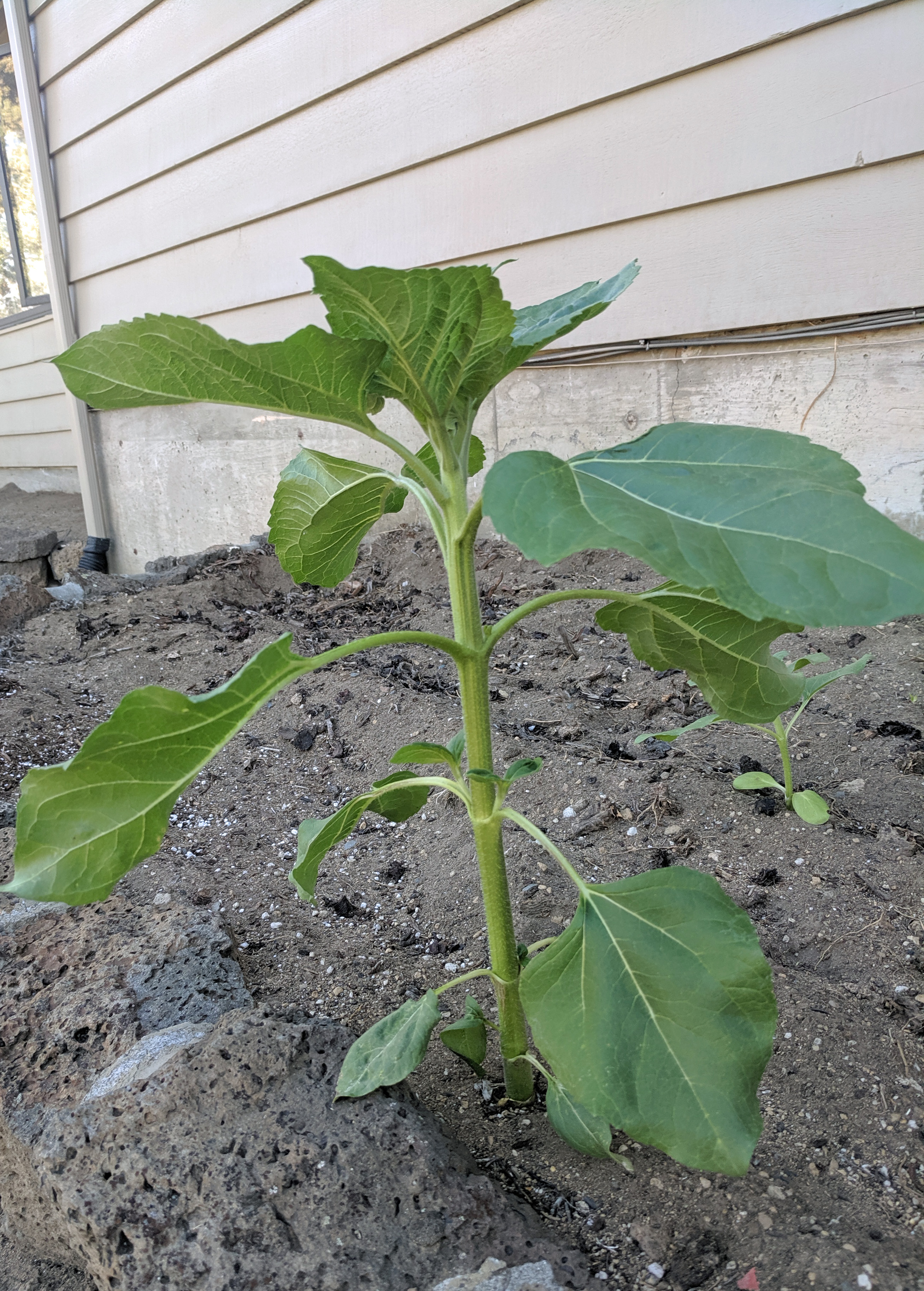
These photos of my current “sunflower project” show the plant from its earliest days a couple of weeks ago, to now after lots of rain. When my phone app identified the little weed, I decided to let it grow, for sunflowers are one of my favorites. Some things stay with us always, and for me, so do sunflowers from my early life in the mid-west, near Kansas, where they’re common. By the way, so are Meadowlarks. Oh!, how I miss hearing the lyrical songs that bubbled from those sunny warblers in the fields.

So memories are firing my sunflower project. When this plant’s identification appeared, I felt protective, knew it had to grow. Popping into my mind was a little essay that I wrote many years ago. It described my having followed a person who was carrying a giant sunflower, so big it leaned backwards and over her shoulder. I couldn’t take my eyes from those vivid pedals, kept asking where the flower came from, how could I get one for myself. The person said she’d grown it and had a yard full of giant sunflowers. Following on that sunny day, I stared hypnotized at the bright sunflower face. That plant winked, blinked, and nodded, seemed a sheer delight, made me want to hurry and fill my yard with tall sunflowers.

Some twenty or thirty, who knows how many years later, I’d forgotten that event. That is, until my long-time friend who was in the process of packing to move away, discovered my essay tucked among her papers. Last summer, during our farewell lunch and close to my birthday, she handed it over as a surprise. Reading, I was dumbfounded, recalling that marvelous plant’s smiling face winking over a shoulder, and my own excitement.

Through life, many things strike us as meaningful and encouraging, and yet, many manage to slip away. Despite that moment which inspired an essay, I never turned a shovel-full of soil for a single sunflower, much less for a yard full of them. What happened by writing that little essay was that I planted a sunflower in my heart.

Dreams spring eternal, and this summer one of mine may be realized in the blooming of a serendipitous sunflower. Thoughts of seeing it are pleasant reminders of a distant afternoon with a sighting, conversation, and sense of joy. These still define who I am.

Dear Friends, keep an eye on this page, where I’ll share my special sunflower. Diana
The Very Cool Ms Merlot

Sunday, June 09, 2019

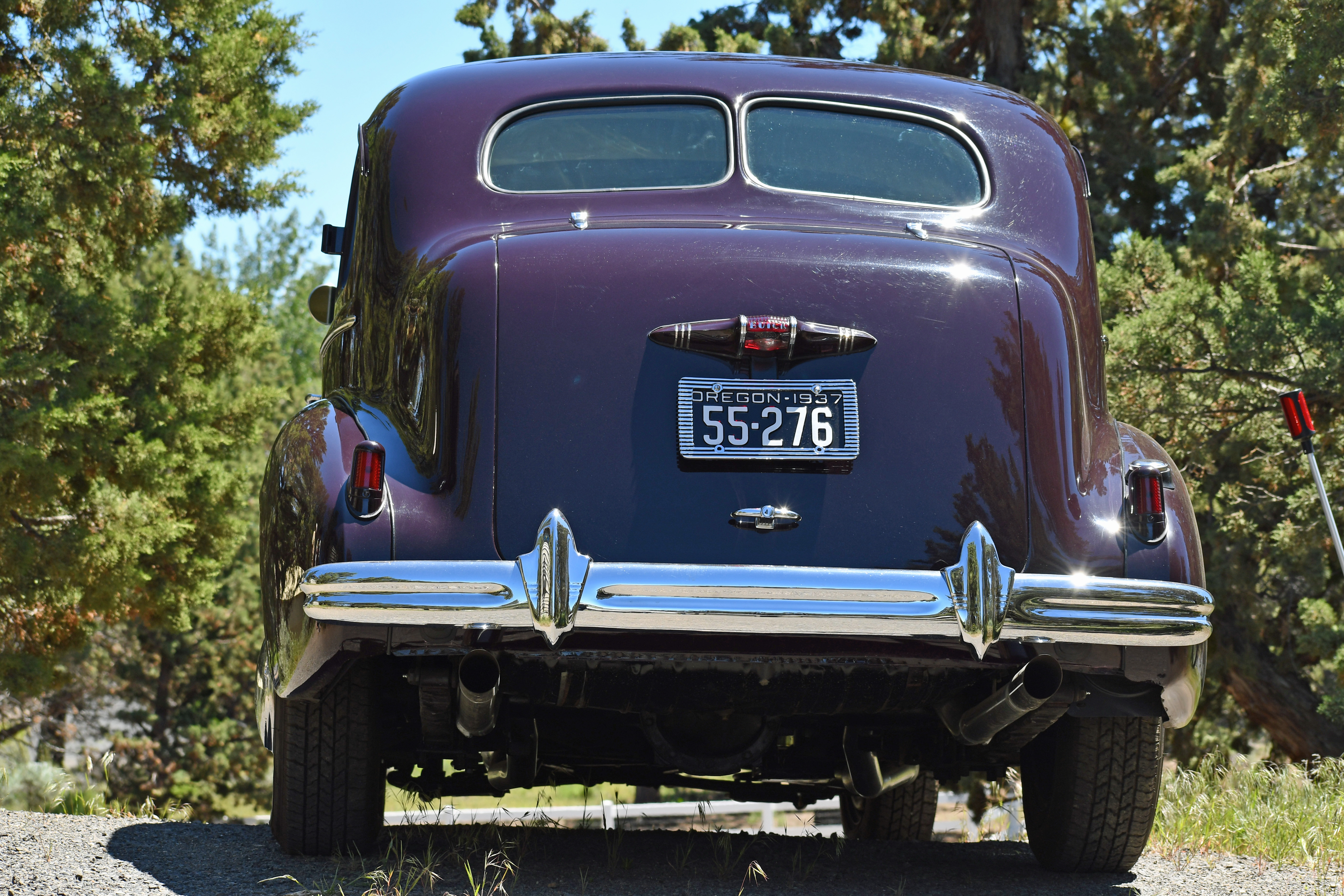
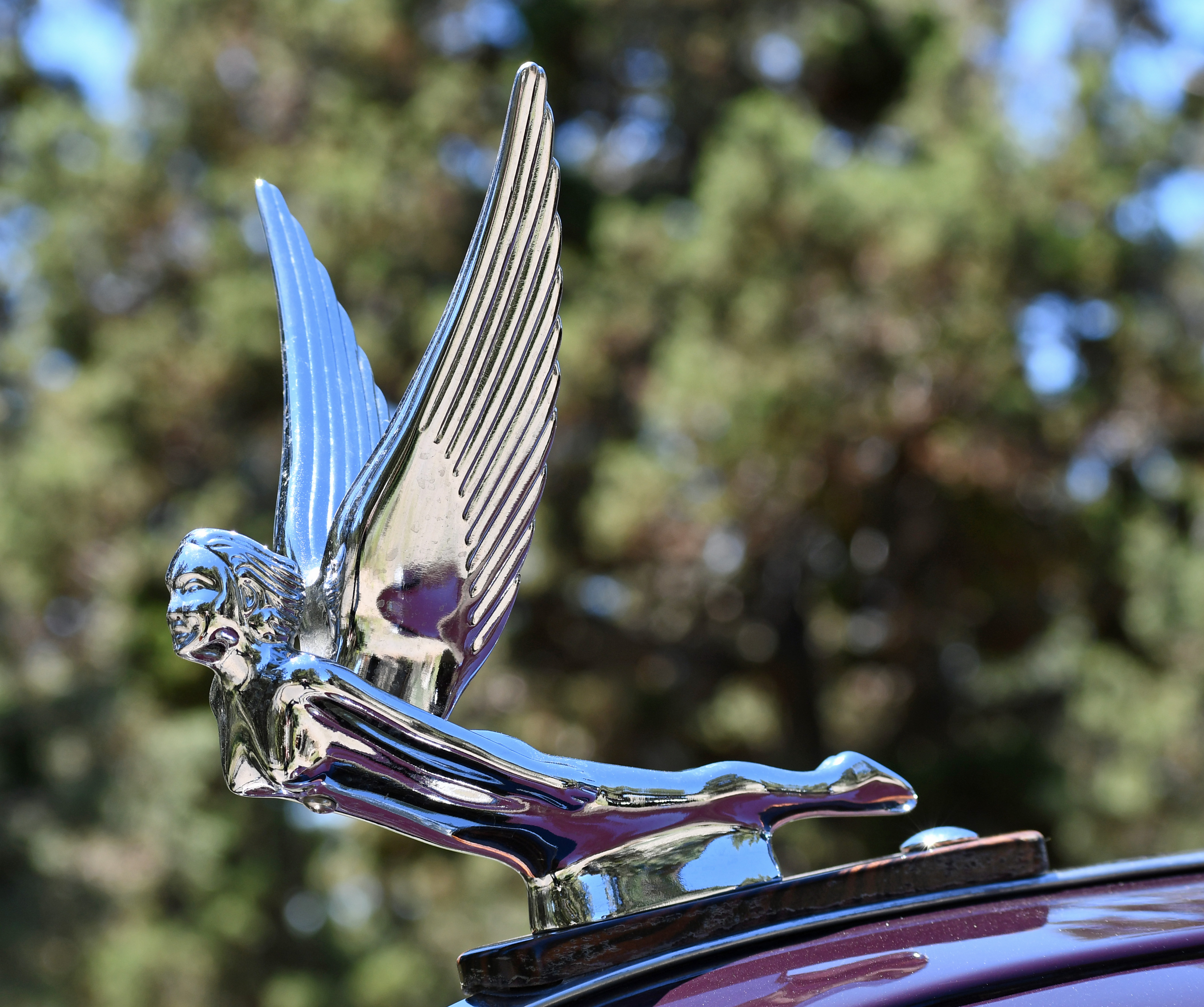
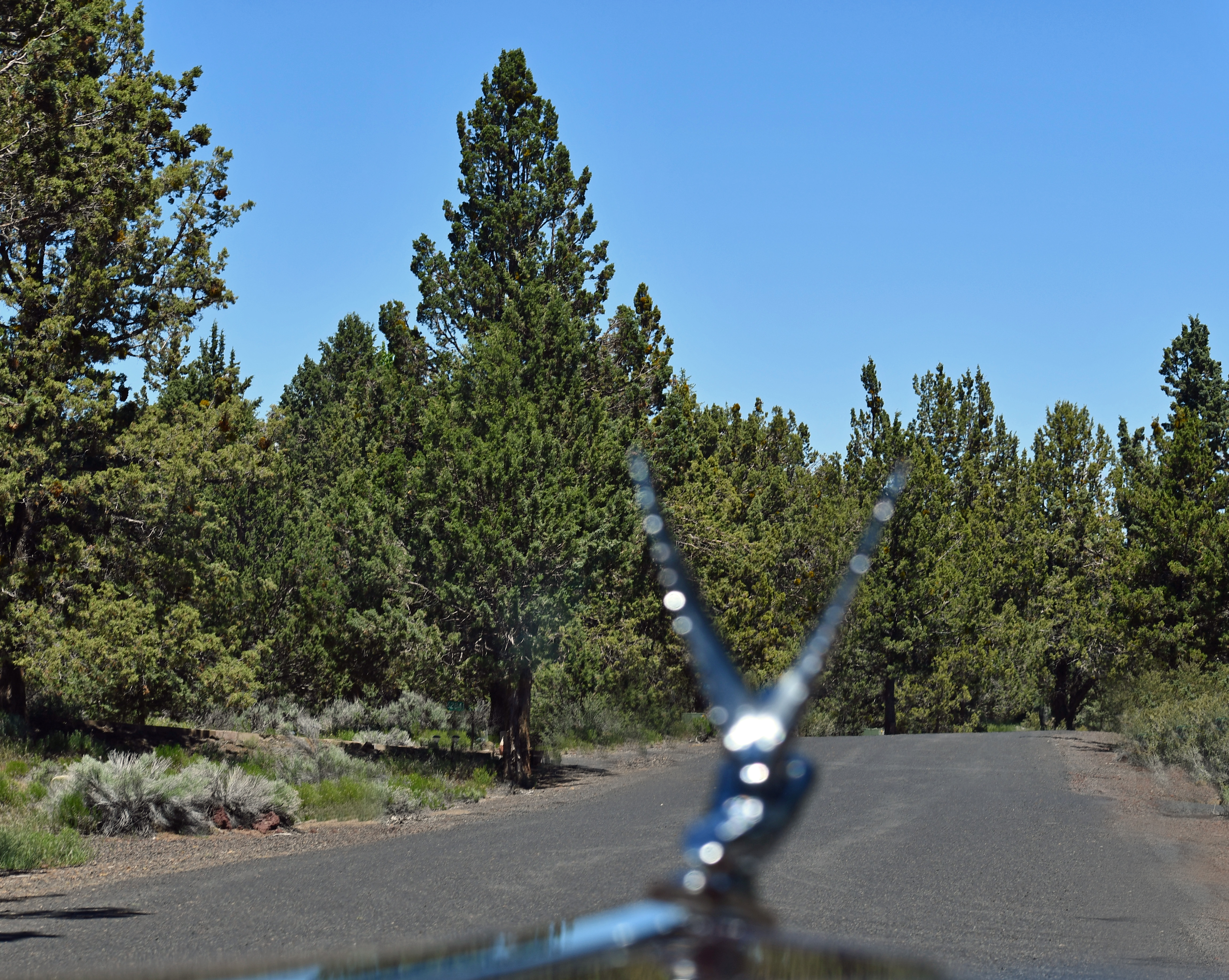
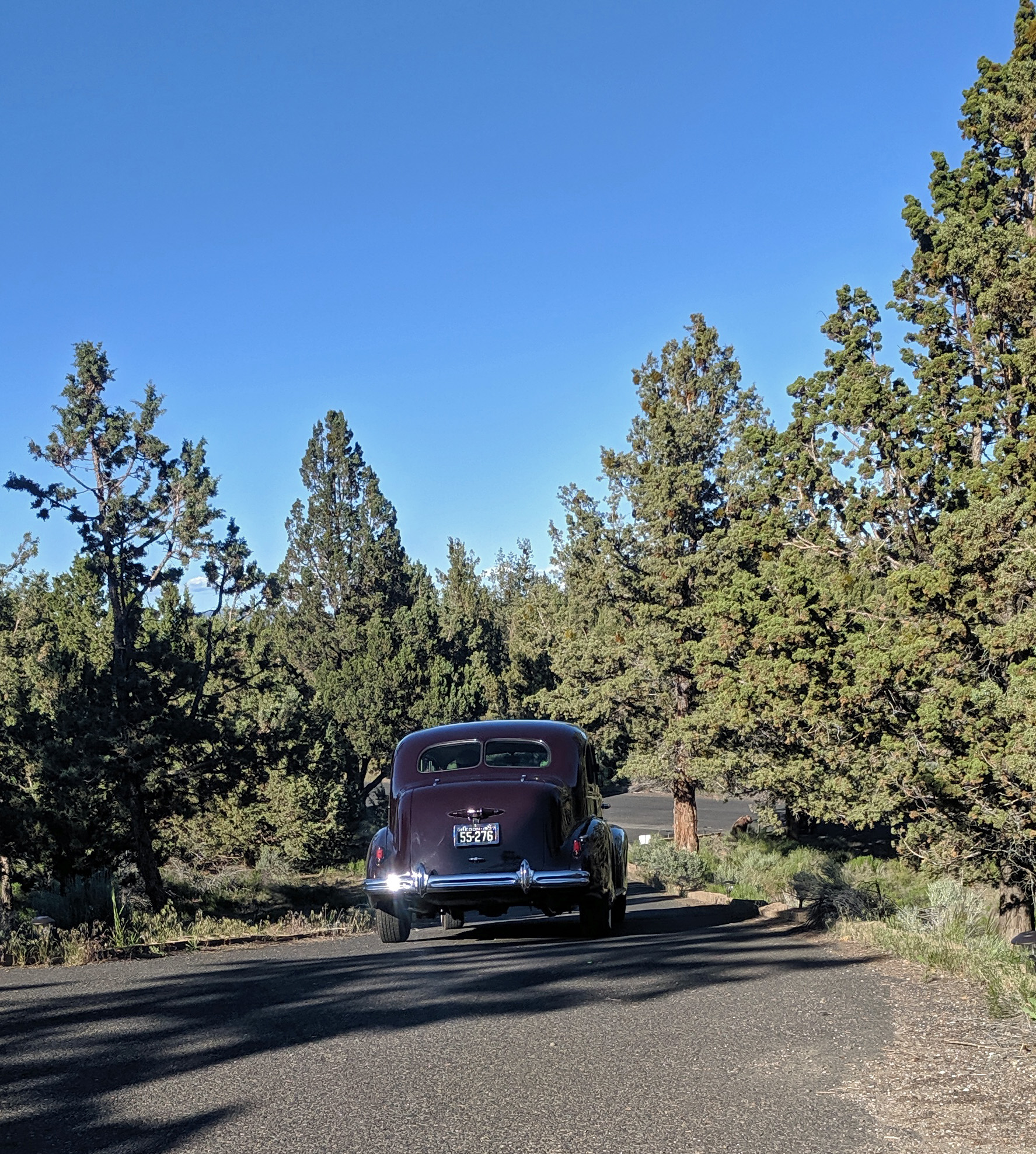
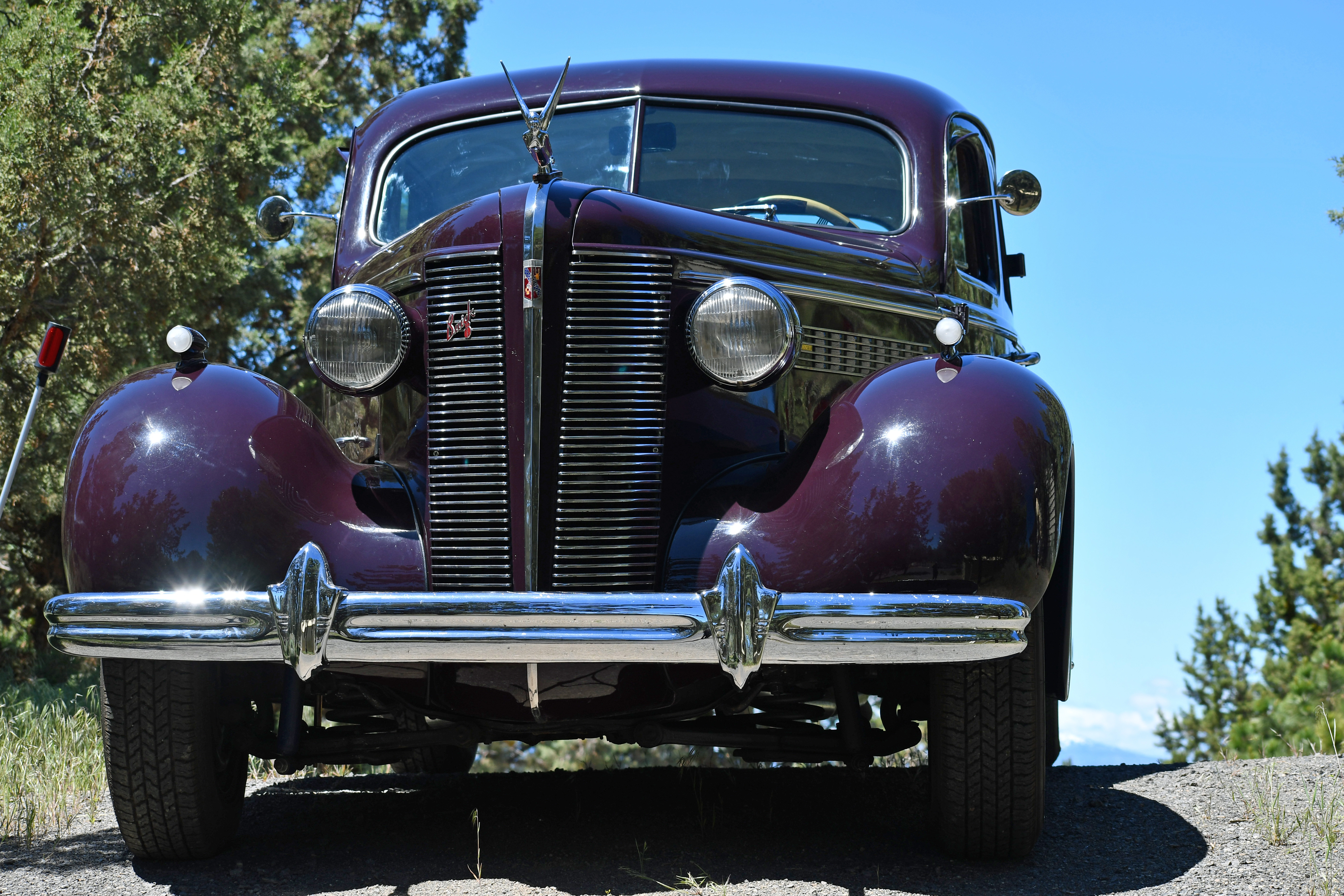
My friend Janet has a birthday around the same time as mine, and this year we decided to celebrate a day together, a tribute to ourselves–in which Janet’s hubby Rick chauffeured us in Ms Merlot. Rick gave this 1937 Buick Special to Janet as a birthday gift several years ago, after he and a friend spent five years rebuilding it from pieces and recreating a gorgeous hunk.

During those rebuilding years, Rick hid Ms Merlot from Janet. He worked in secret to ready it for presentation on one of her birthdays, and to accomplish this, often stayed out late nights or left super-early on mornings. Over time, Janet began wondering if he were having an affair–and confronted Rick–upon which he and his friend worked harder and faster to finish the vehicle. Rick and their children (who were in on the secret) managed to keep mum through years, until the day of presentation. This itself is a funny story, for it took Janet awhile to get her head around believing herself gifted with a fully-restored car.

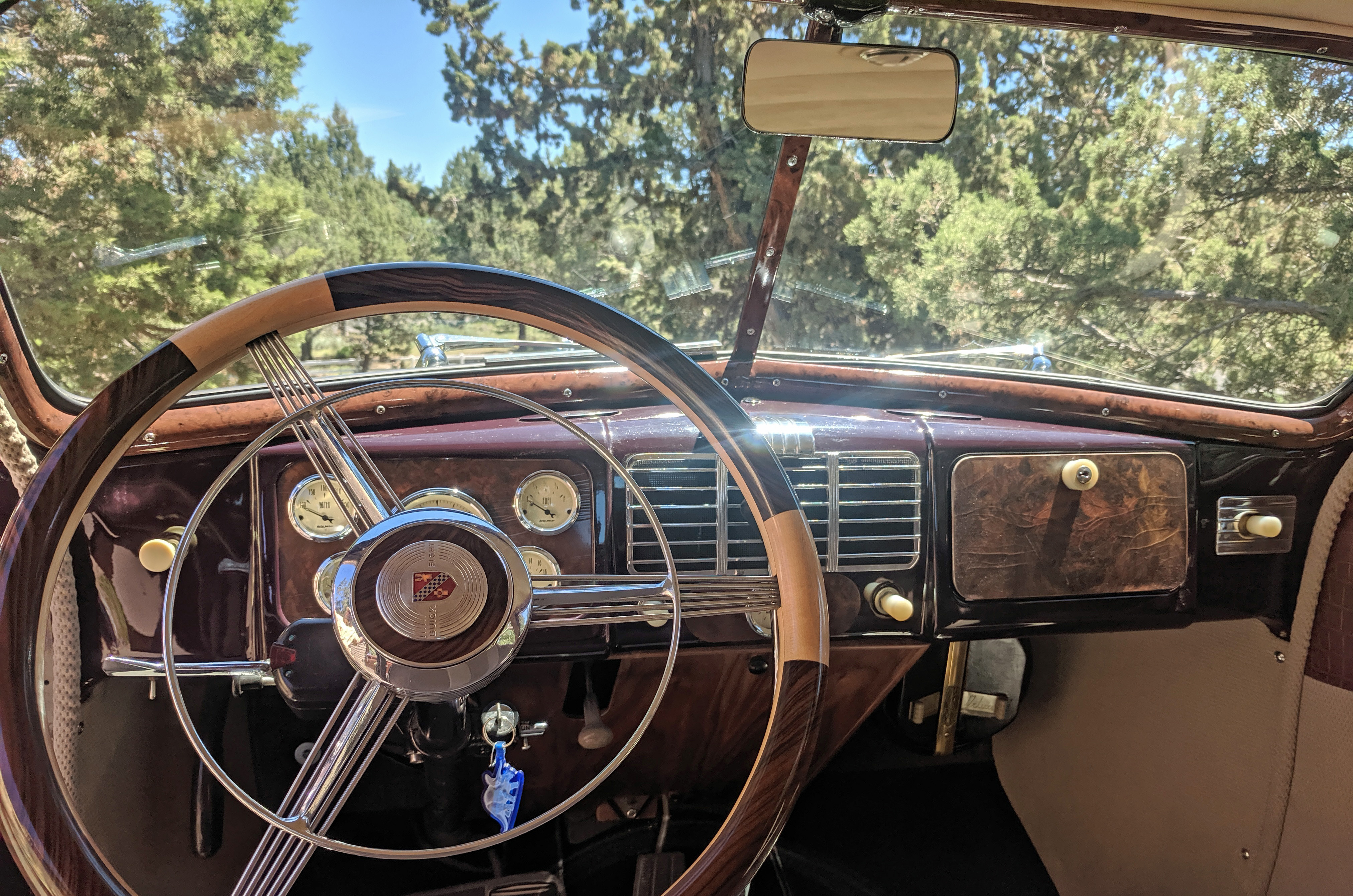
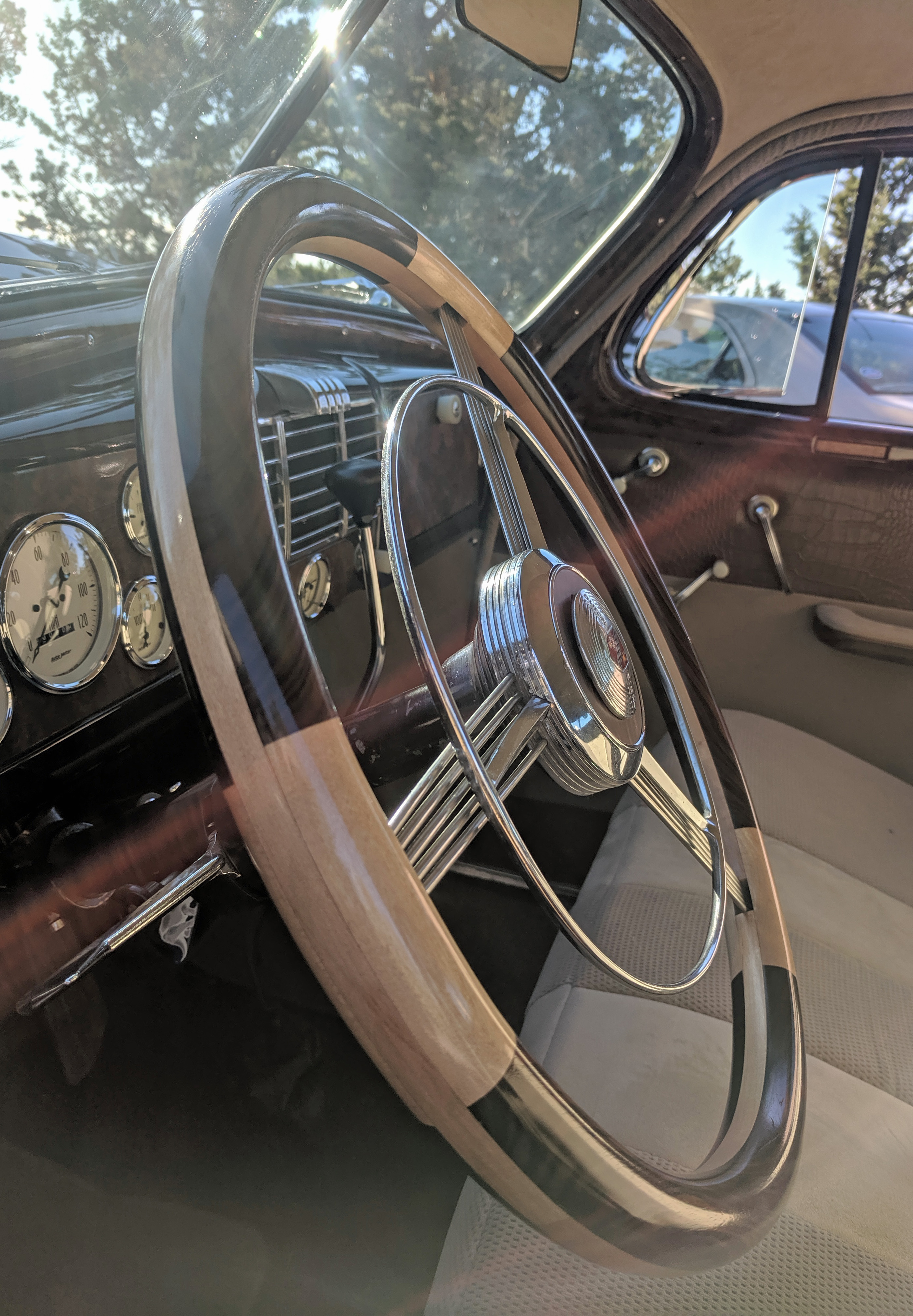
Rick is a master carpenter with a commercial shop in which he designed and fabricated the Buick’s dashboard and created an inlaid steering wheel. The restored dash has readable gauges, clearly identifying such as “oil”, “water”, and “temp”–to me lovely, for in driving modern vehicles, I’m confused by which gauge represents “water” or “oil”.

Although it’s Janet’s car, she rarely tries to drive it, for the brakes are original to 1937 and need activation by a very heavy foot. Rick is planning to modify the brakes and make driving the car easier for Janet.

As a passenger rather than driver, I loved being able to focus on sightings, and Rick was willing to stop for photographs. Riding in this vintage vehicle was a little emotional, reminding me of childhood rides in my mother’s big Chrysler–or perhaps her car that seemed real big to a very little girl. Ms Merlot, of a similar vintage, has less interior space than I expected, but she’s a comfortable ride–and has roll-open wind wings! How I still love and often miss having those little air-controllers on today’s vehicles.

I’m thankful to Janet and Rick for that unique, unforgettable, and special outing. Finally, it felt a bit sad watching my new friend, Ms Merlot, roll down the driveway toward her own home. In terms of discovery and excitement, she represents history. And she’s right up there with Alaska’s (and Bend’s) Klondike Kate!

Bye, bye, Ms Merlot!

Dear Friends, creativity done right is ageless and magnificent! Diana

Flowering Blues

Saturday, June 08, 2019

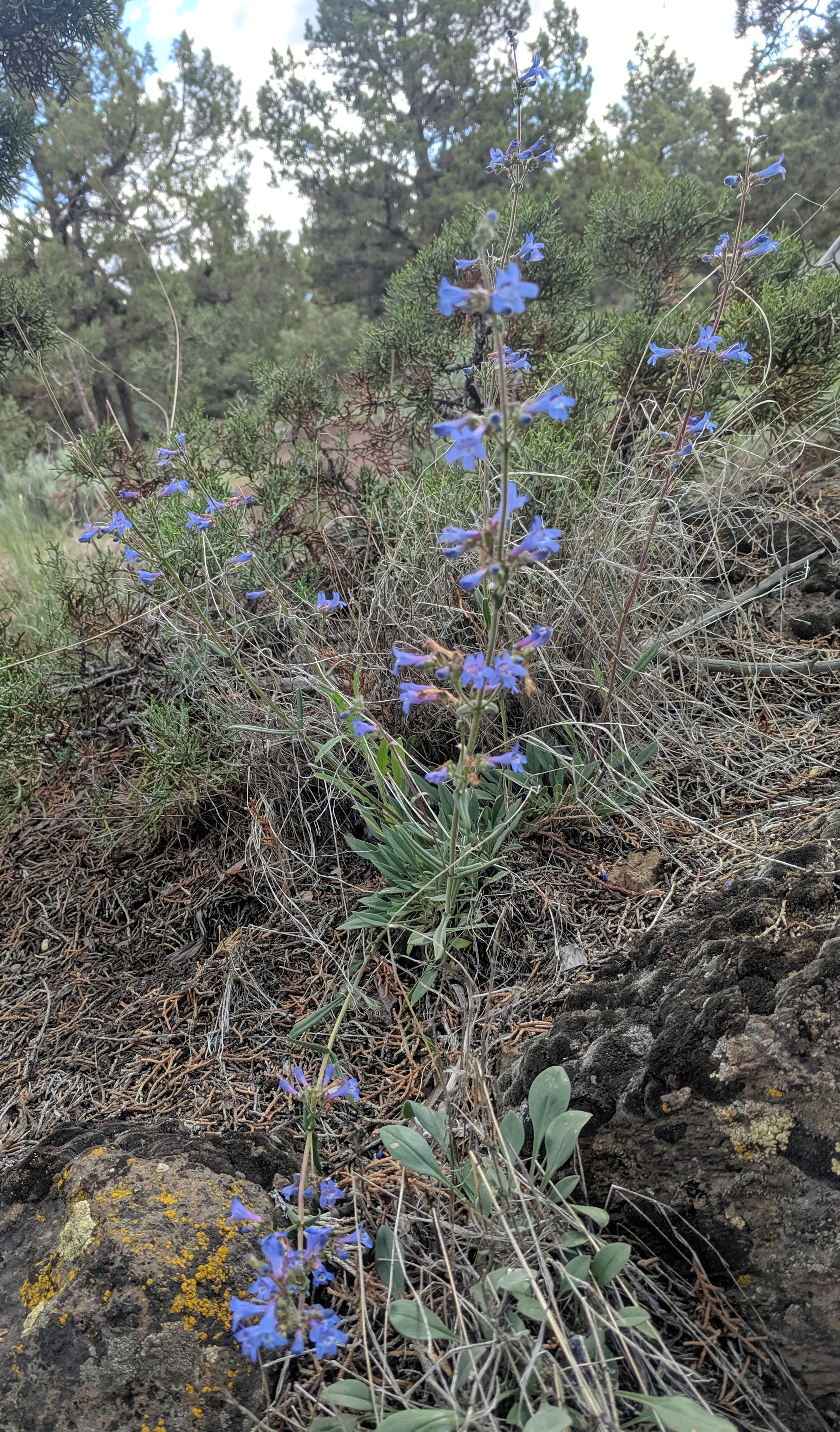
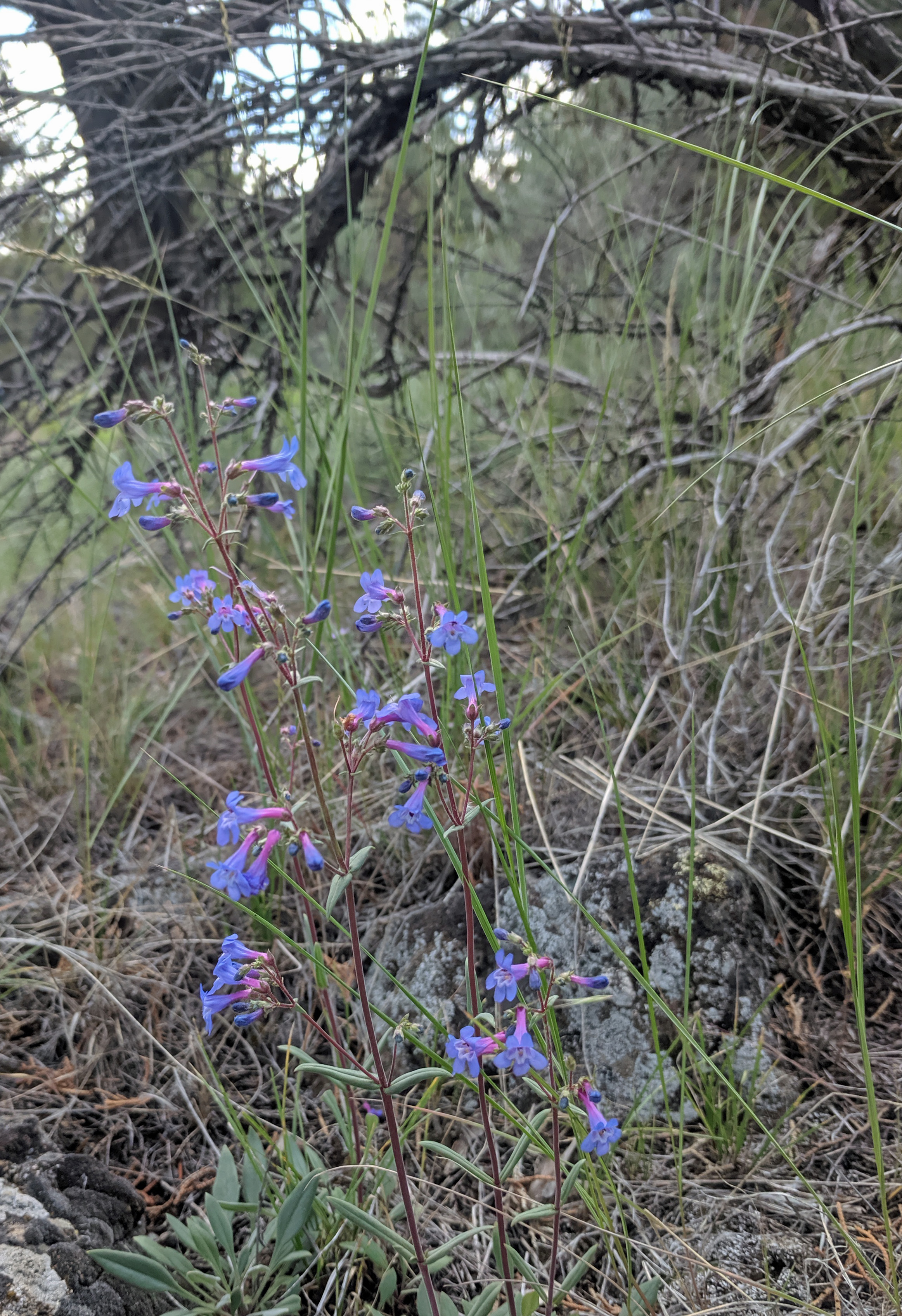
This spring of frequent rains on the high desert is offering residents unusual wildflowers, they’re popping up everywhere. While walking on the little path that runs between my property and that of my neighbor, Frank’s, these brilliant blue penstomen–a small clutch of them almost hidden behind a tree–caught my eye. Blue flowers are amazing, for primary blue is beautiful–and powerful. Blue joins other colors and influences innumerable shades and variations. It’s a gift to us, finding blue natural in nature.

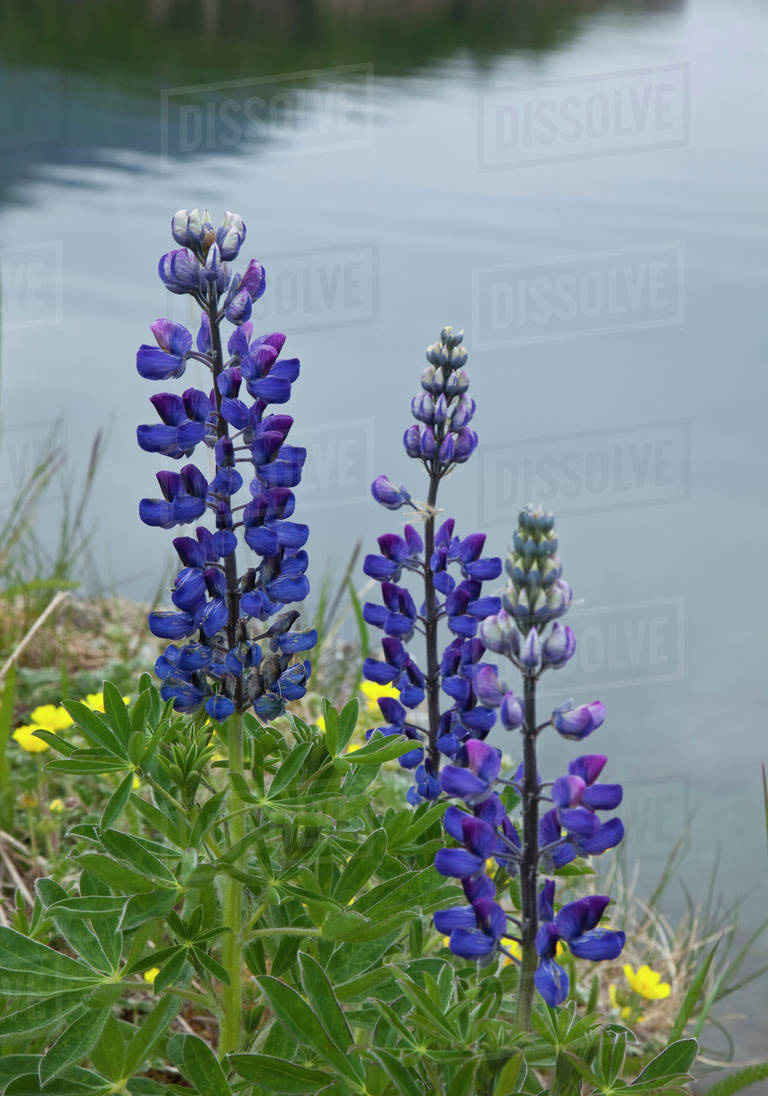
These sudden flowers, which my phone app identified, got me interested to learn more about penstomen. They’re in the “beardtongue family”–related to Foxglove and Lupine (and Snapdragon, a favorite of my dear friend Gloria)–all gorgeous plants.

It’s interesting how the color blue can invite feelings of great delight. For also, there’s a long tradition that refers to “blue” as a psychological mood, way on the opposite side of joyous. There’s a phenomenon of “color psychology” which suggests that colors on the “cool side” of the spectrum (or the “calm colors”: blues, purples, and greens) can bring to mind feelings of sadness or indifference. These ideas beg a philosophical question: Could one standing in a natural environment and seeing the color blue not experience sheer pleasure?

Dear Friends, Our emotions are complex, and all stories have multiple sides. Diana
Greater Love Hath No

Friday, June 07, 2019

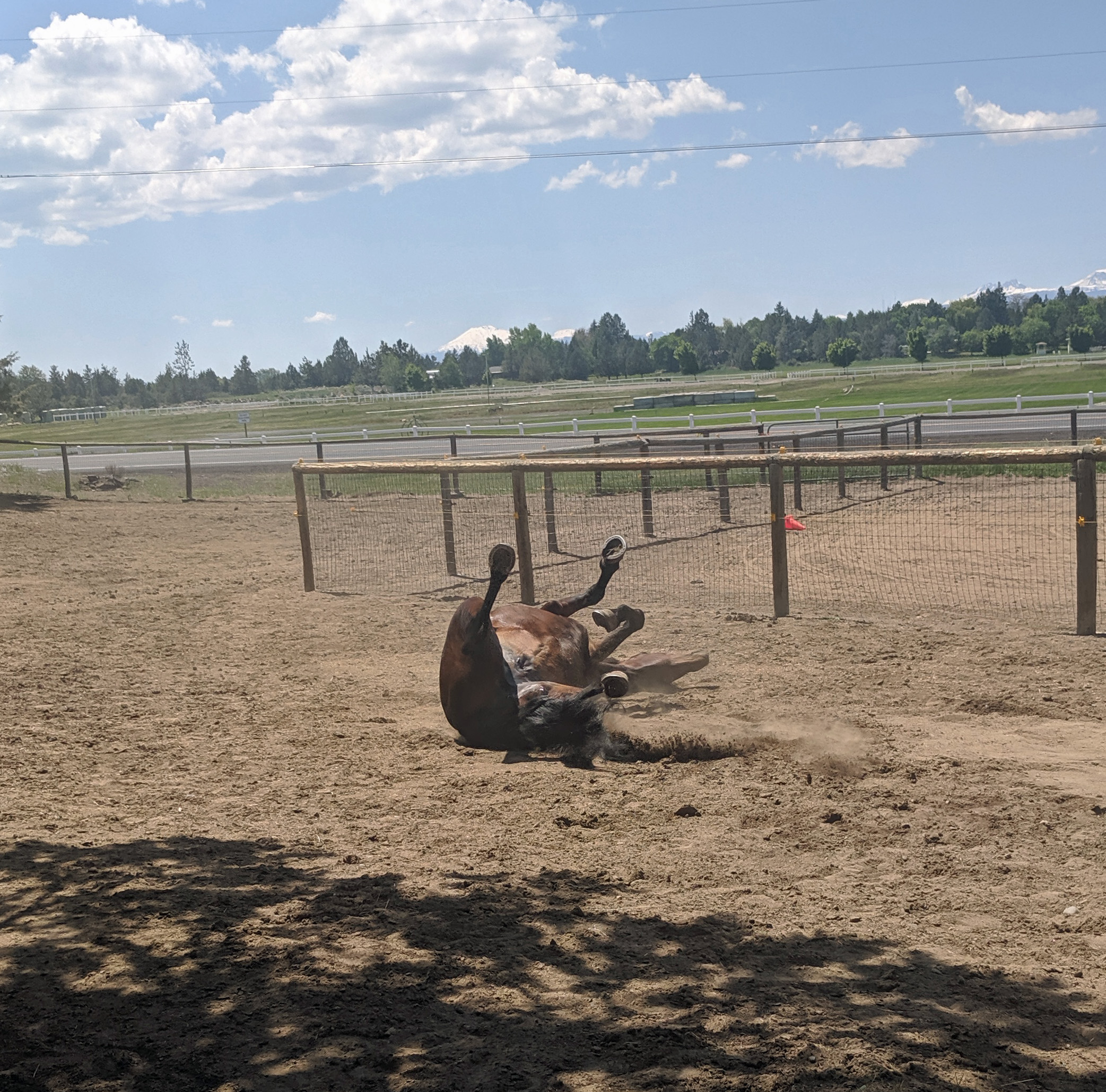
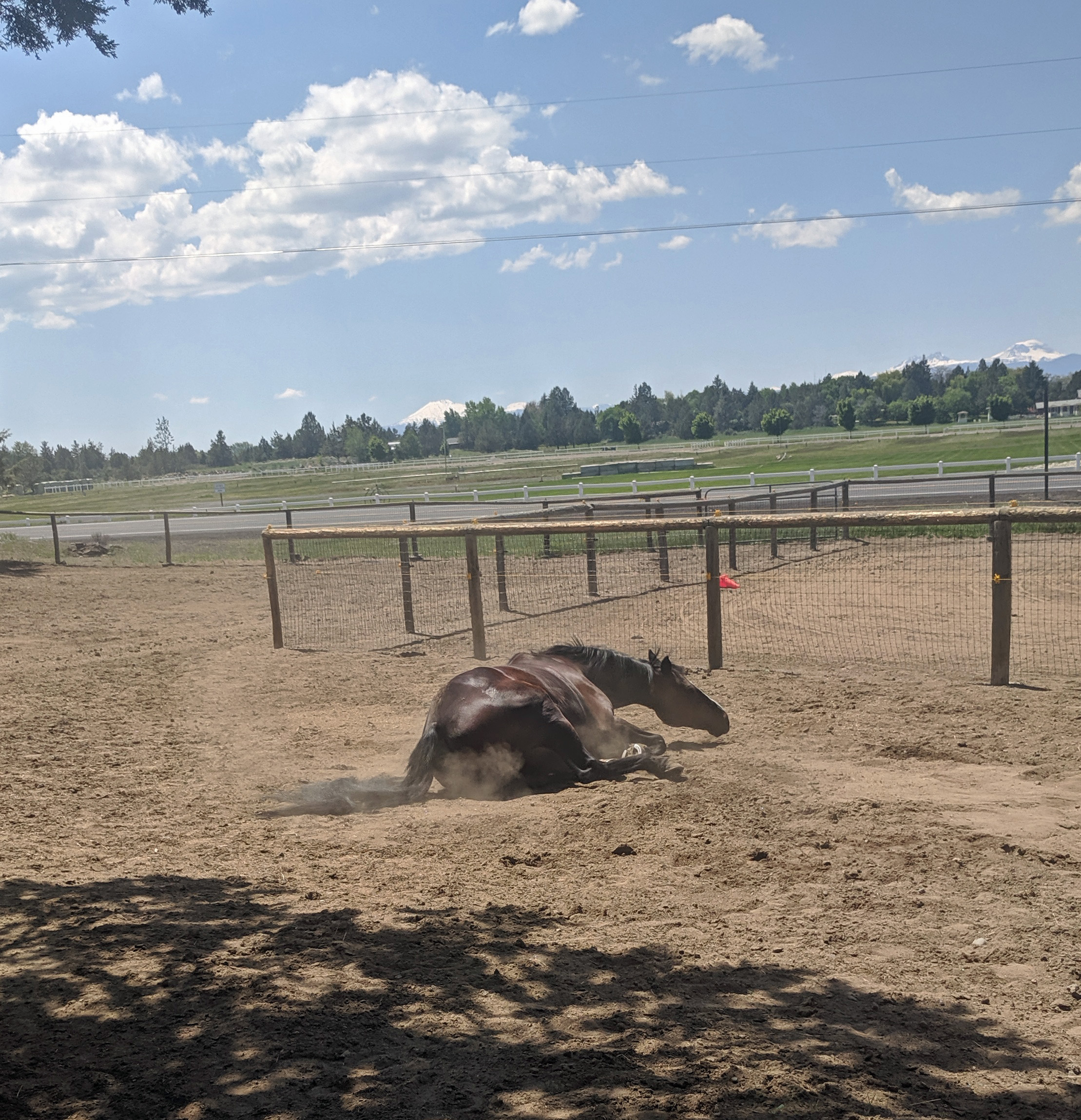
Much as we love ’em, sometimes we mutter, “Whatever got me imagining that having horses would be fun?” For sure, they’re often fun. It doesn’t get much better than being on horseback, asking for a canter, and feeling the sheer strength of sailing over a jump. Or, sitting in a buggy, several feet behind a horse, feeling its power and energy through the reins. Play-time with a large, thinking animal requires mutual trust.

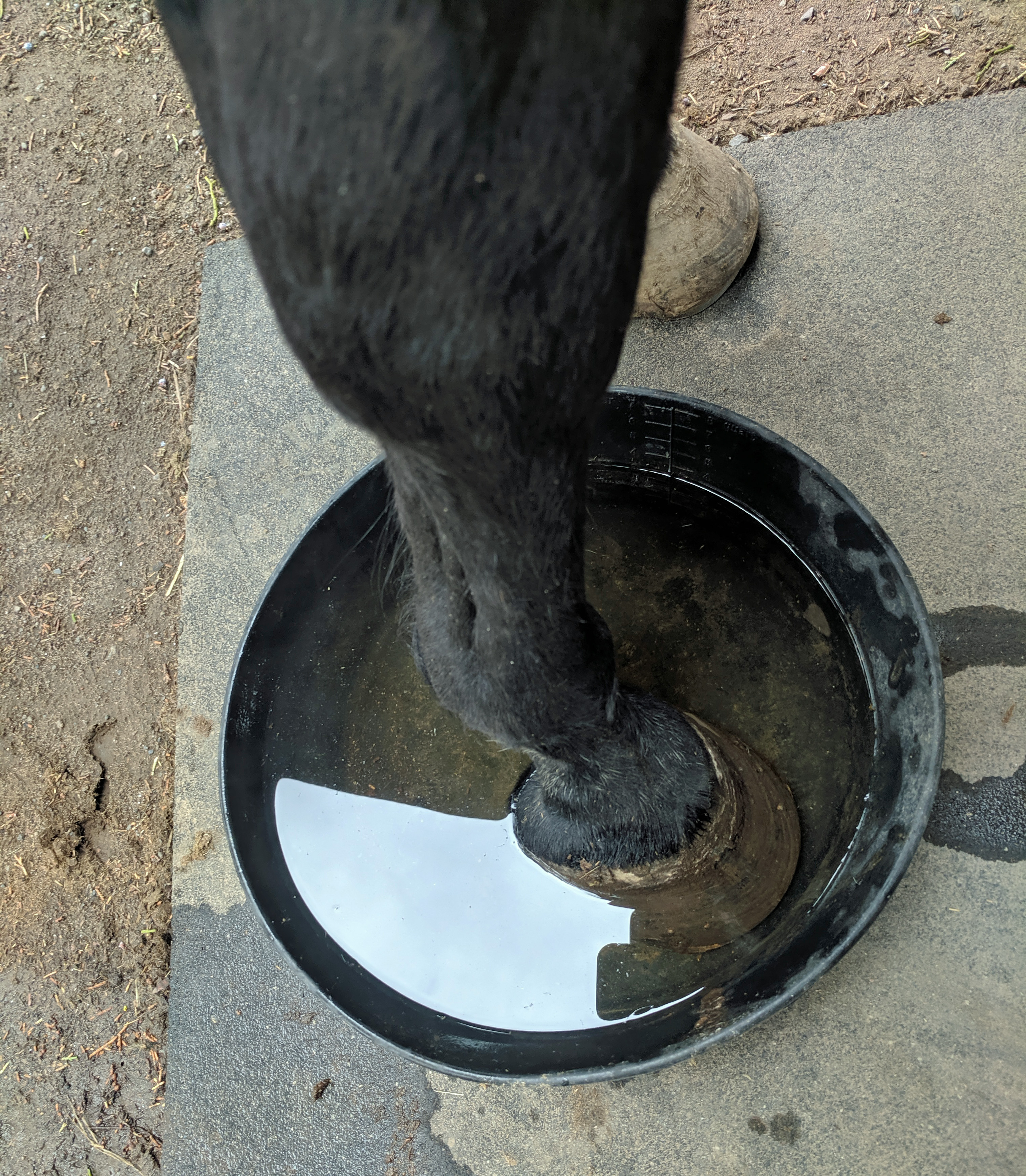
Right now, my sweet mare, Sunni, has a minor hoof problem calling for days of periodic foot soaks with epsom salt. Her problem created several for me–the worst being no hot water at the barn; and the next-worse, my disinterest in spending 15 minutes hanging out while her foot’s in water. I never thought that my nearly-always willing pony might not want her foot bathed.

The pot I use to make tea–with a built-in element that heats water to boiling and automatically clicks off–became a method for heating water at the barn. In the garage, I found a bag of epsom salt (used once, about 11 years ago, for my old Quarter Horse’s hooves). Found in the barn, a rubber feed bowl became a likely bathtub. Everything together–boiling water, added to cold, with epson salt–created a fine hoof bath.

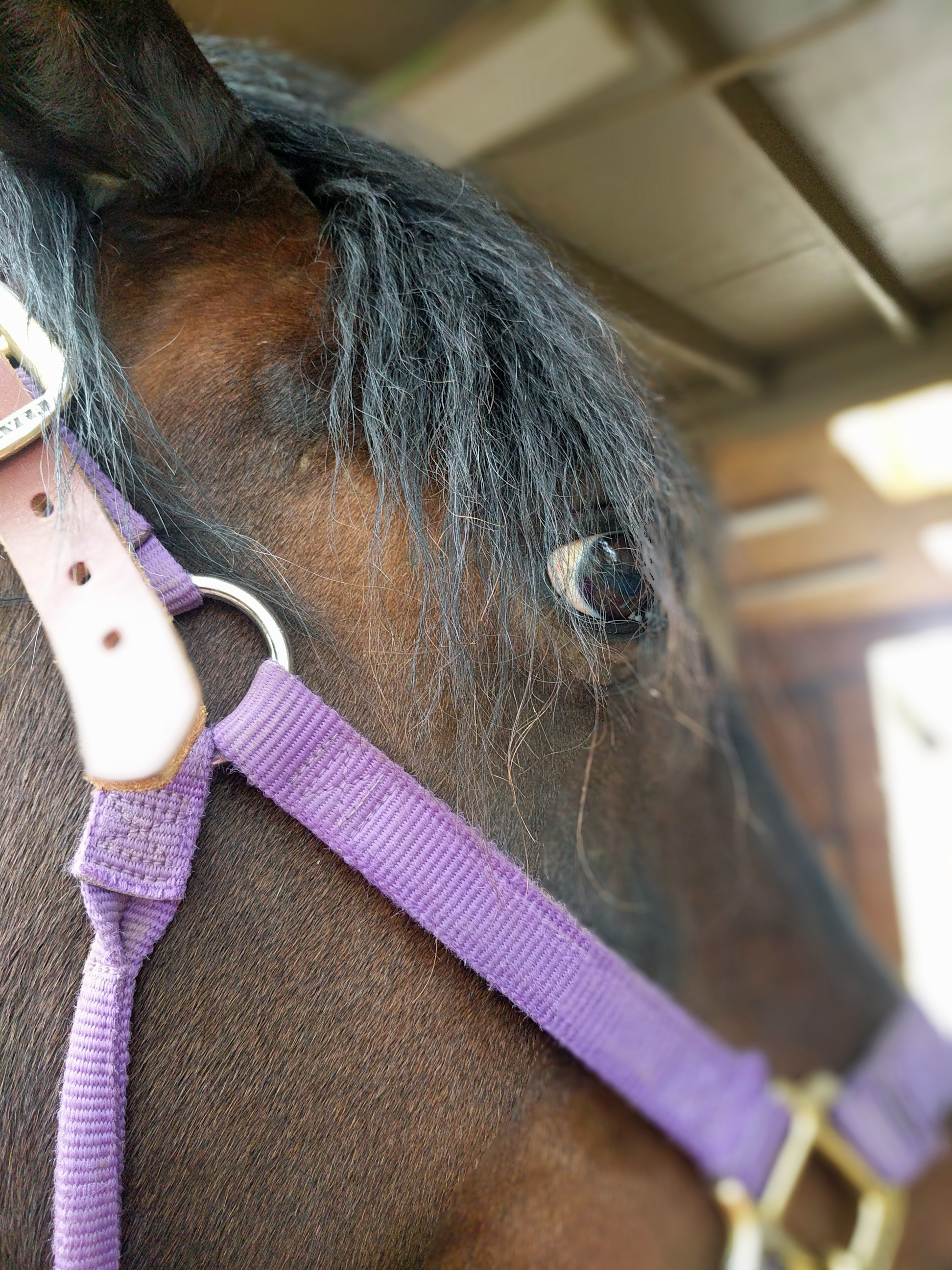
Now, Sunni didn’t want her hoof in water, so we argued. When finally, she allowed the foot to be submerged, I realized it would be unwise to leave her. So, for the next fifteen minutes, we together were trapped. I leaned against her, one of my hands on the leg that extended into water and my other softly stroking her neck. Sunni didn’t move a muscle, but her “wild eye” was prominent.

You might wonder in this situation, how long it takes for 15 minutes to pass? I focused on this every single second. I stretched time more by glancing at my frozen wristwatch. I talked aloud, explaining to Sunni in detail what we were doing and why, sang songs to her, and described my personal problems ad infinitum, until finally, our 15-minute sentence ended. And for her happily, on a good note with apple-flavored treats.

That evening, while we repeated that unearthly-long process, a cold steady wind from the west blew directly onto us, making the long episode feel harder. Thankfully, after today, she’ll need soaking, once daily, for two more days, and then finally, it’ll be back to the garage, epsom salt!

Dear Readers, In mid-June, these desert rains and cold winds? What’s it about! Diana
The Athletic Horse

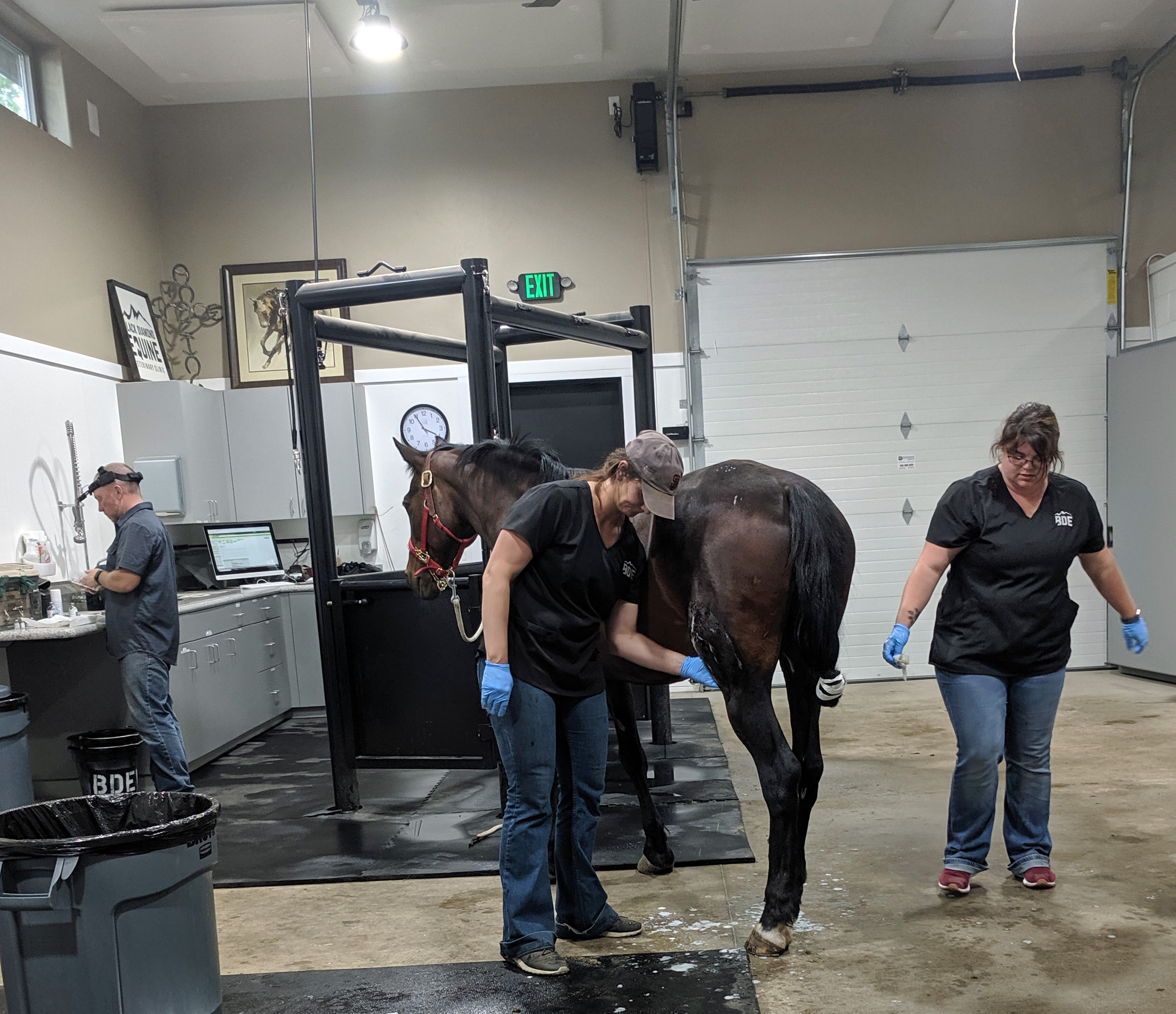
Vet techs prepping Rosie for injections

Thursday, June 06, 2019

Recently while driving my mare Sunni on streets at a trot, her right shoulder seemed slightly off-beat–a sense so short, it might not really have occurred. During subsequent drives, that right shoulder periodically caught my attention, but any sense she might be limping quickly disappeared. Uncertain, I asked our trainer for an opinion. We watched Sunni’s shoulder in a training arena and didn’t notice anything unusual. I shrugged off my concerns–until my next drive on the streets, when that shoulder slightly went off-beat. Here’s the problem: whatever was off lasted briefly, didn’t recur during the drive.

Yesterday, Rosie, my other mare, had an appointment with our veterinarian who specializes in horse anatomy and movement. Rosie’s recovering from an old injury and would have some joints injected to ease her discomfort while being driven. I’ve noticed in turning her that Rosie’s balance is off–her body compensates for that old injury. I took Sunni along so the doc could examine her right front leg.

He watched Sunni move and noticed immediately her leg off-slightly. He tested its ligaments, muscles, hoof, and then diagnosed a small abscess in that worrisome hoof. Confirming my observations, after her trotting leg warmed up, the brief limping quit. Our solution will mean for several days hoof-soaking with epsom salt and an antiseptic to draw out the abscess.

Soon afterwards, watching as Rosie was prepped, I asked a million questions. The accommodating veterinarian pointed to Rosie’s joints and explained what he would do. He showed me illustrations of the internal equine structures on which we were focused and explained his love of horse anatomy. I realized I’d paid little attention to anatomy unless my horse seemed off. Later, watching as the vet worked on Rosie, I was struck by how much driving a horse has taught me.

Back in the days when I rode horseback, I cared about my horses but rarely noticed problems for they did their job well, ambling along and occasionally trotting or cantering. But deciding to drive a horse called for more strenuous work. Driving safety requires for driver, rig, and the horse, an animal in top physical condition–for pulling requires being forward, sure-footed, upright, and responsive. Asking my horses to perform athletically has turned all their physical components into matters of concern. Take Sunni’s periodic slight limp. After many drives, with her “shoulders as part of my view”, I quickly noticed something off even slightly.

Now, and hopefully, Rosie’s discomforts will ebb and Sunni’s hoof will heal. I’ll increasingly ask more from these mares, while trying not to overdo for they’re not spring chickens. Although horseback riding always was bunches of fun, elevating our activities has become an amazing experience. It tests my handling, patience, and courage, and above all, demonstrates more of the incredible magnificence of those beings we call horses.

Dear Readers, small wonder that horses were the key to enlarging civilizations. Diana
Camera, Canal, and Dogs

Wednesday, June 05, 2019

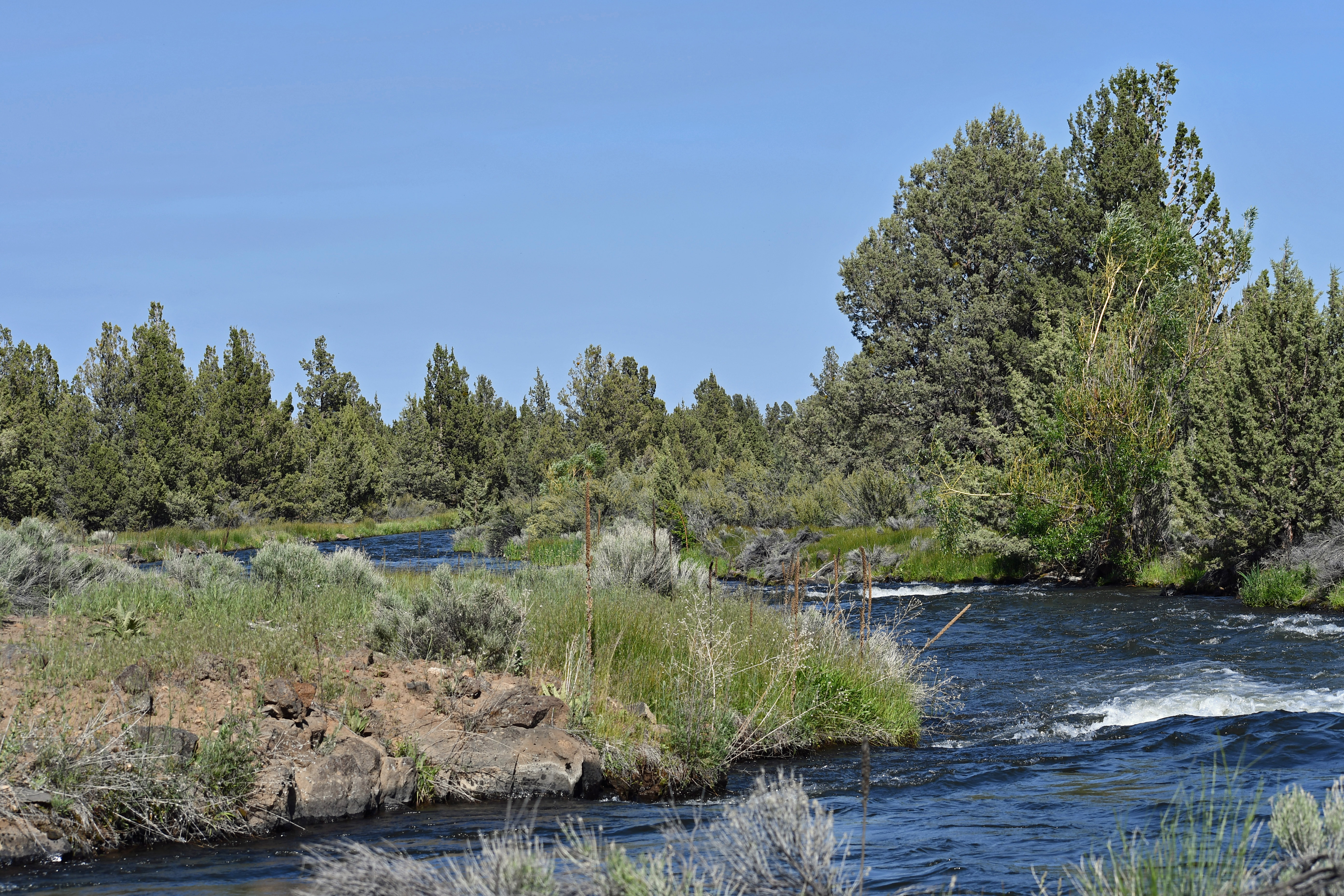
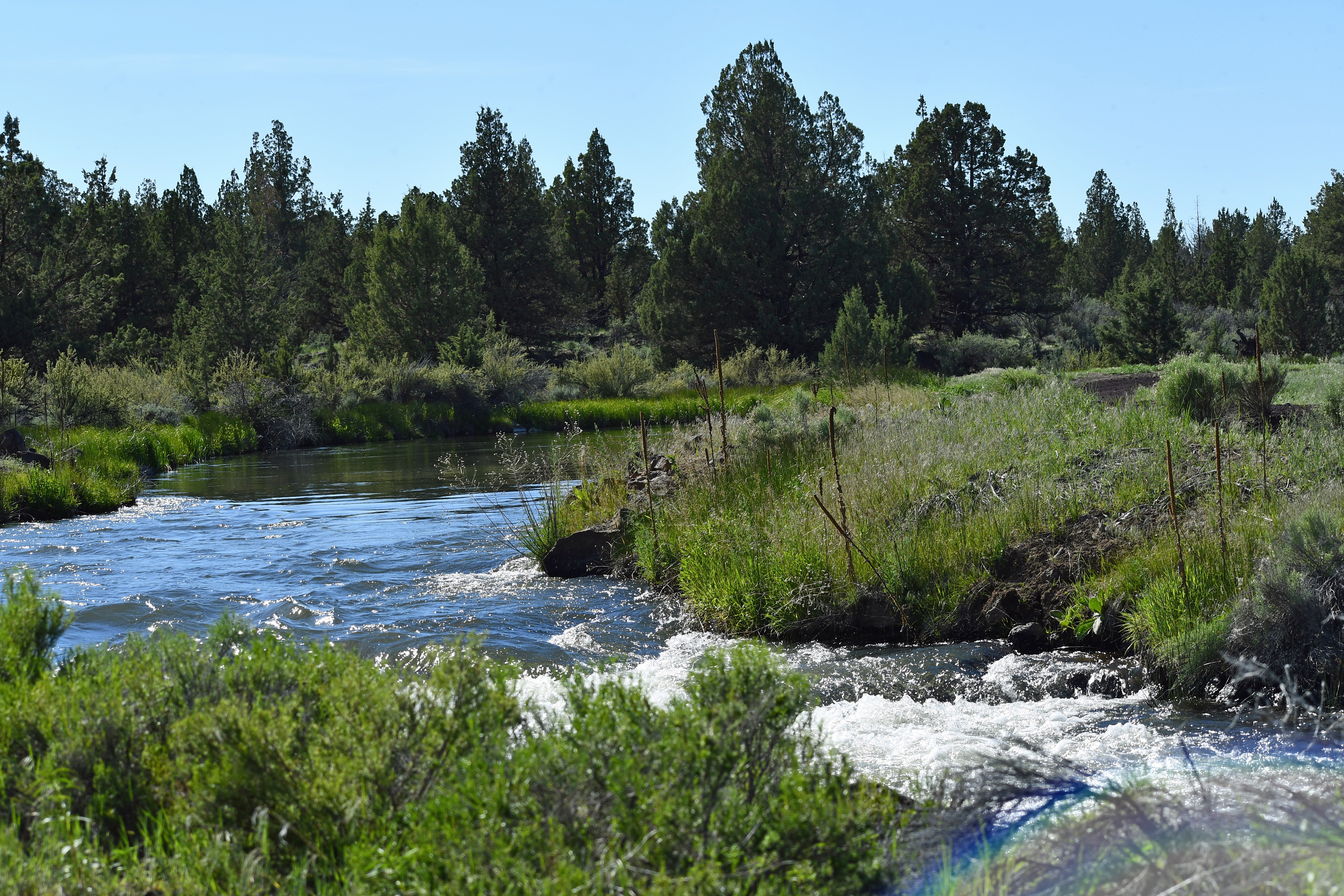
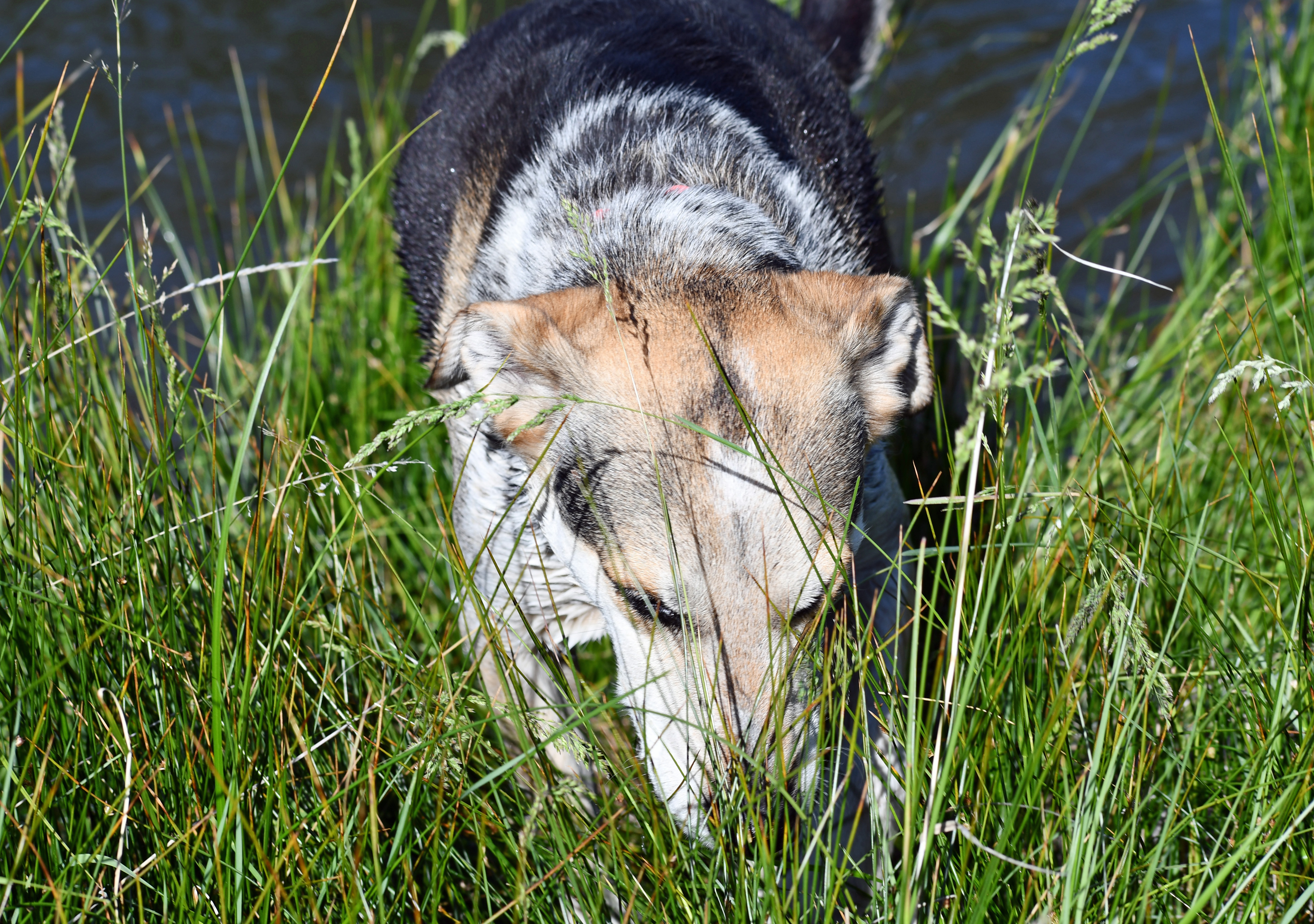
On a sunny and beautiful late afternoon, I wandered to a big canal with the dogs. It was to be their outing and my chance to play with a new lens. This lens with a bigger zoom is lighter to handle and captures scenes well. I’m lazy, and so usually shoot on auto-focus, which might be why this lens doesn’t capture significantly better than others I’ve used. Today’s cameras are wonderfully easy and also very complex, depending on how they’re handled. My experimental lens should be paired with more exposure variations, so in the future, I’ll fiddle with the camera’s capabilities to create quality differences.

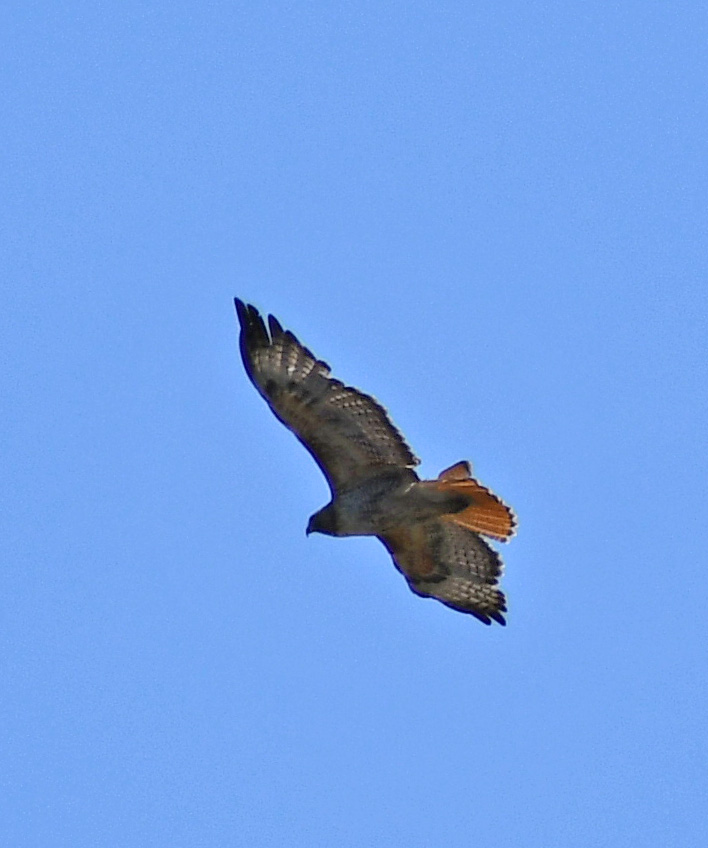
RedTailed Hawk, drifting ~300′ overhead

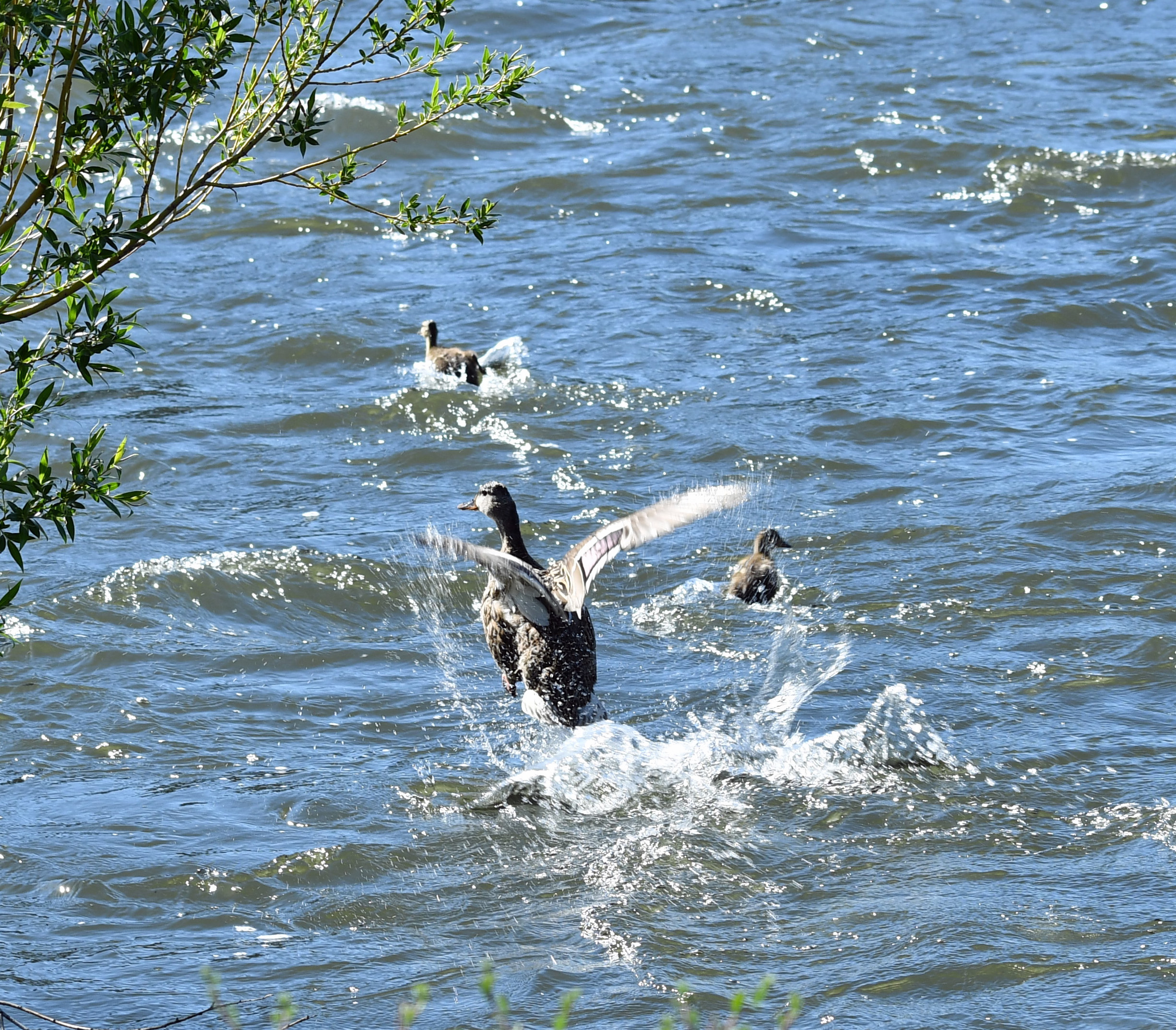
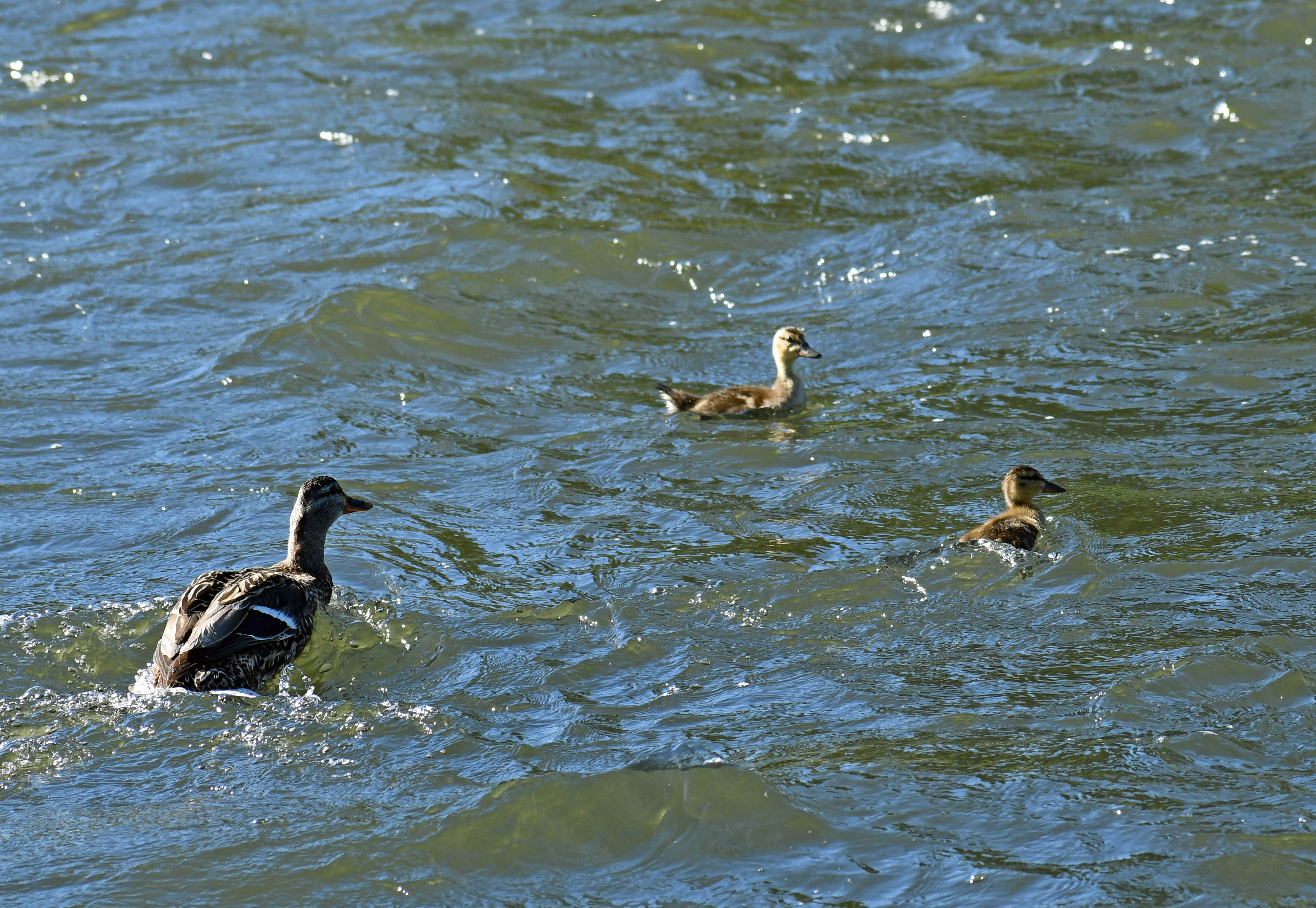
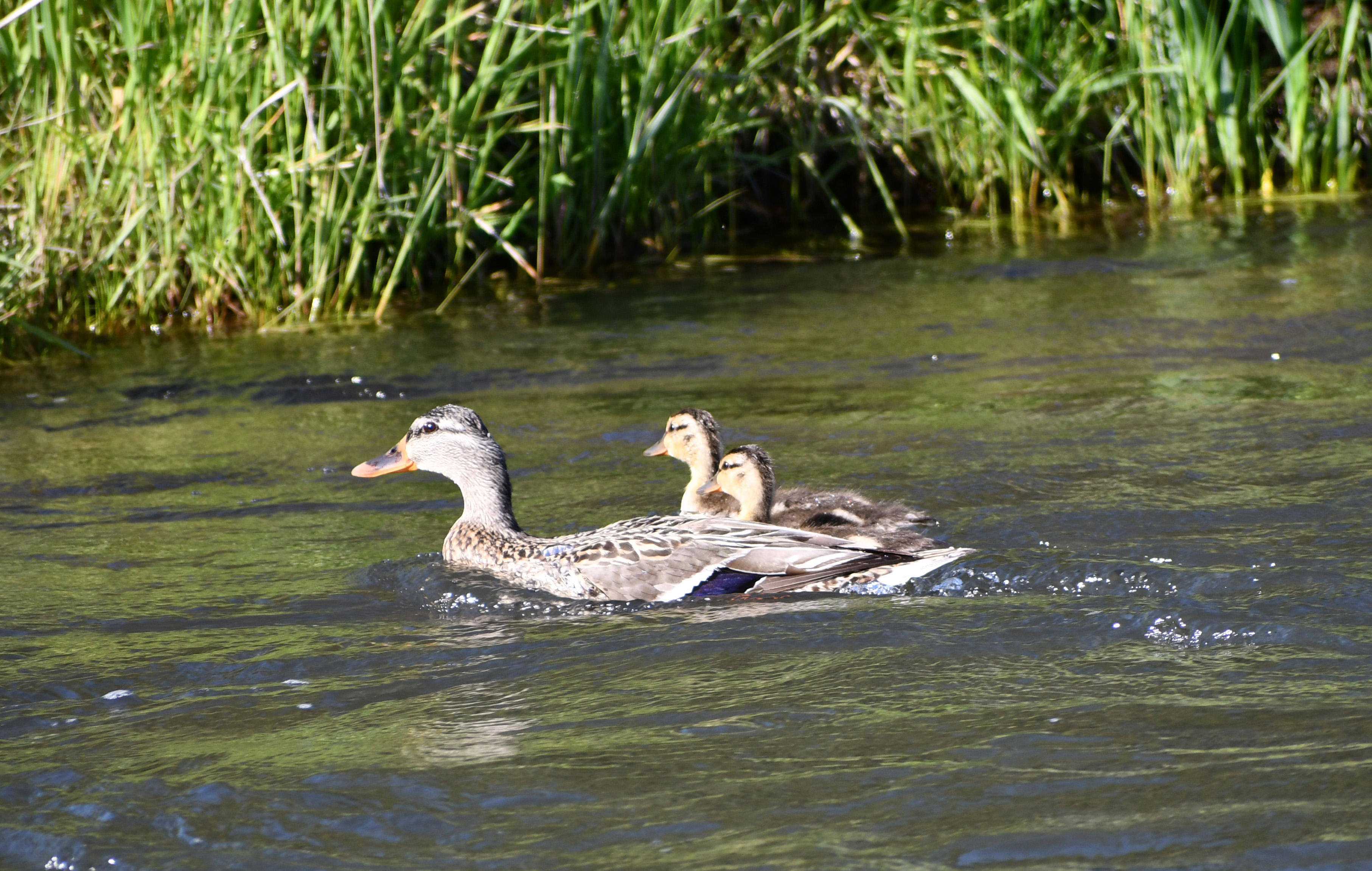
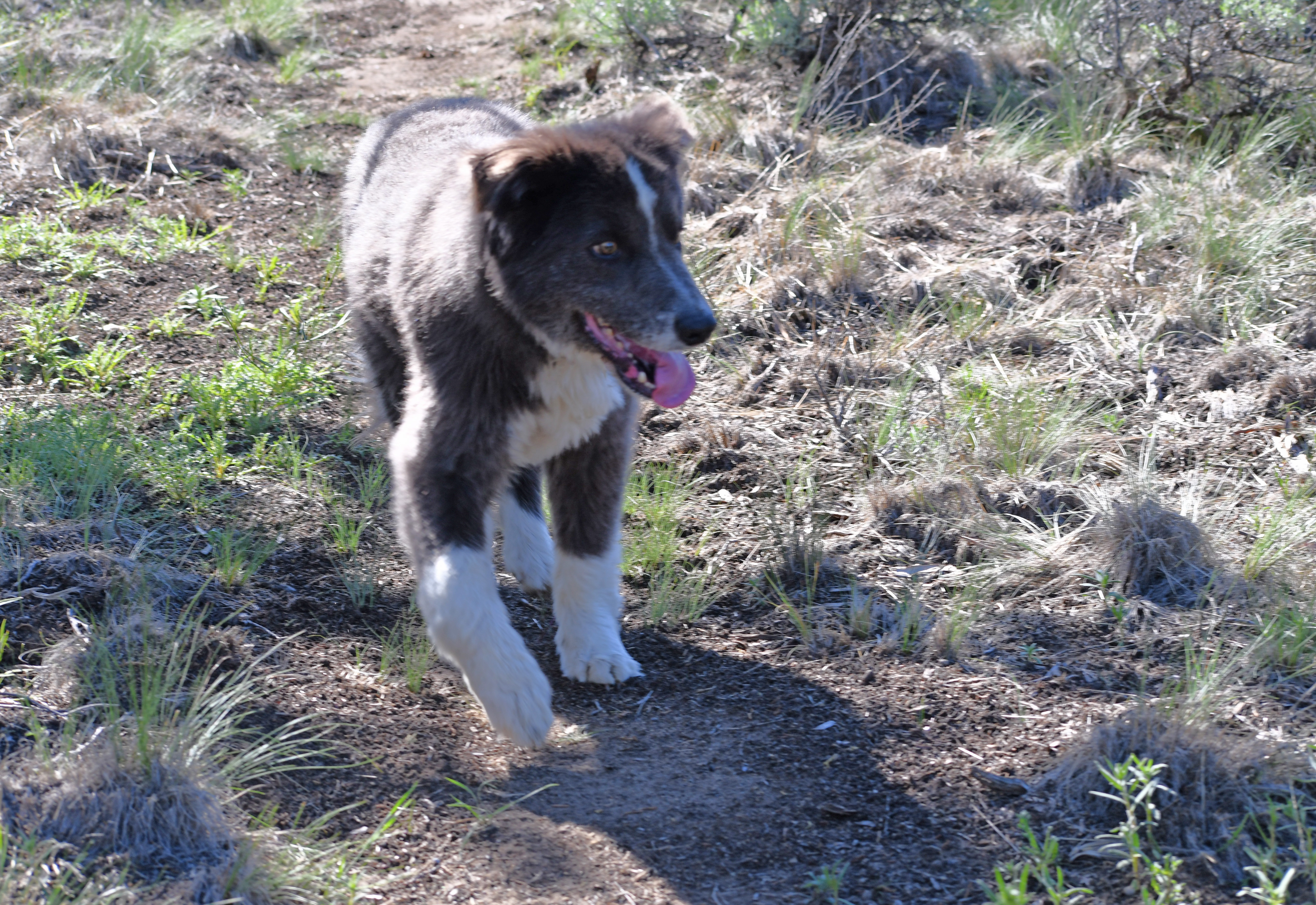
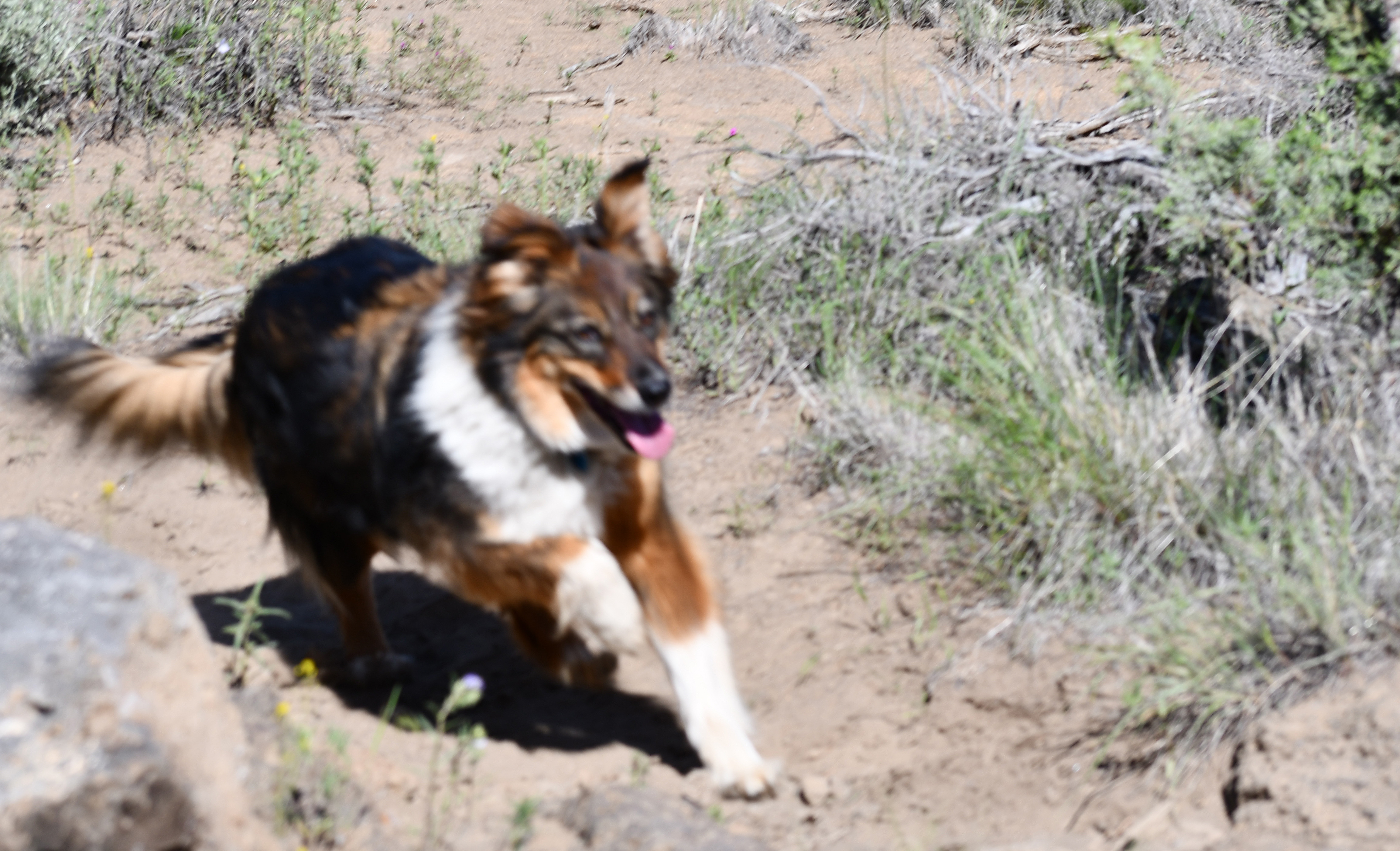
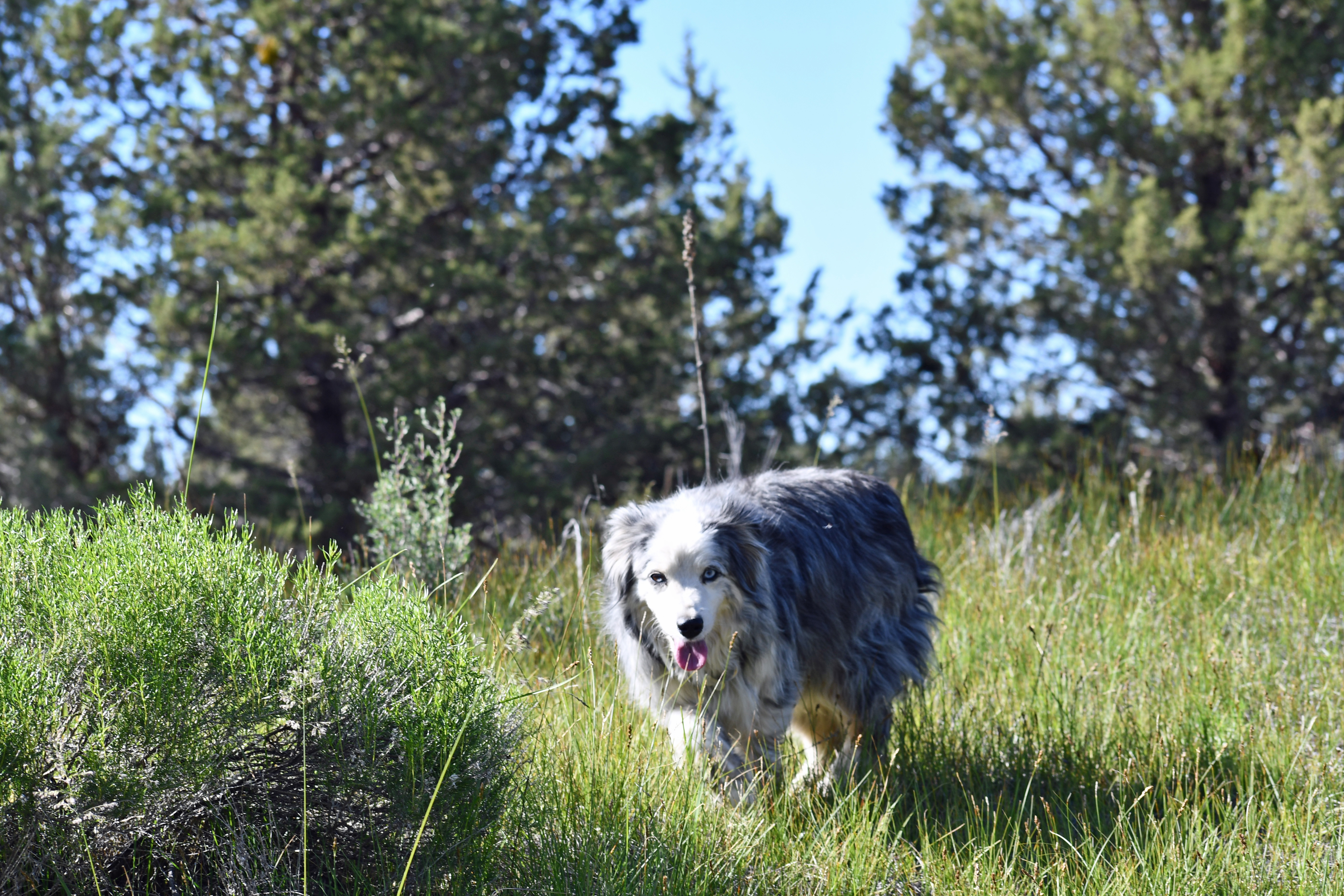
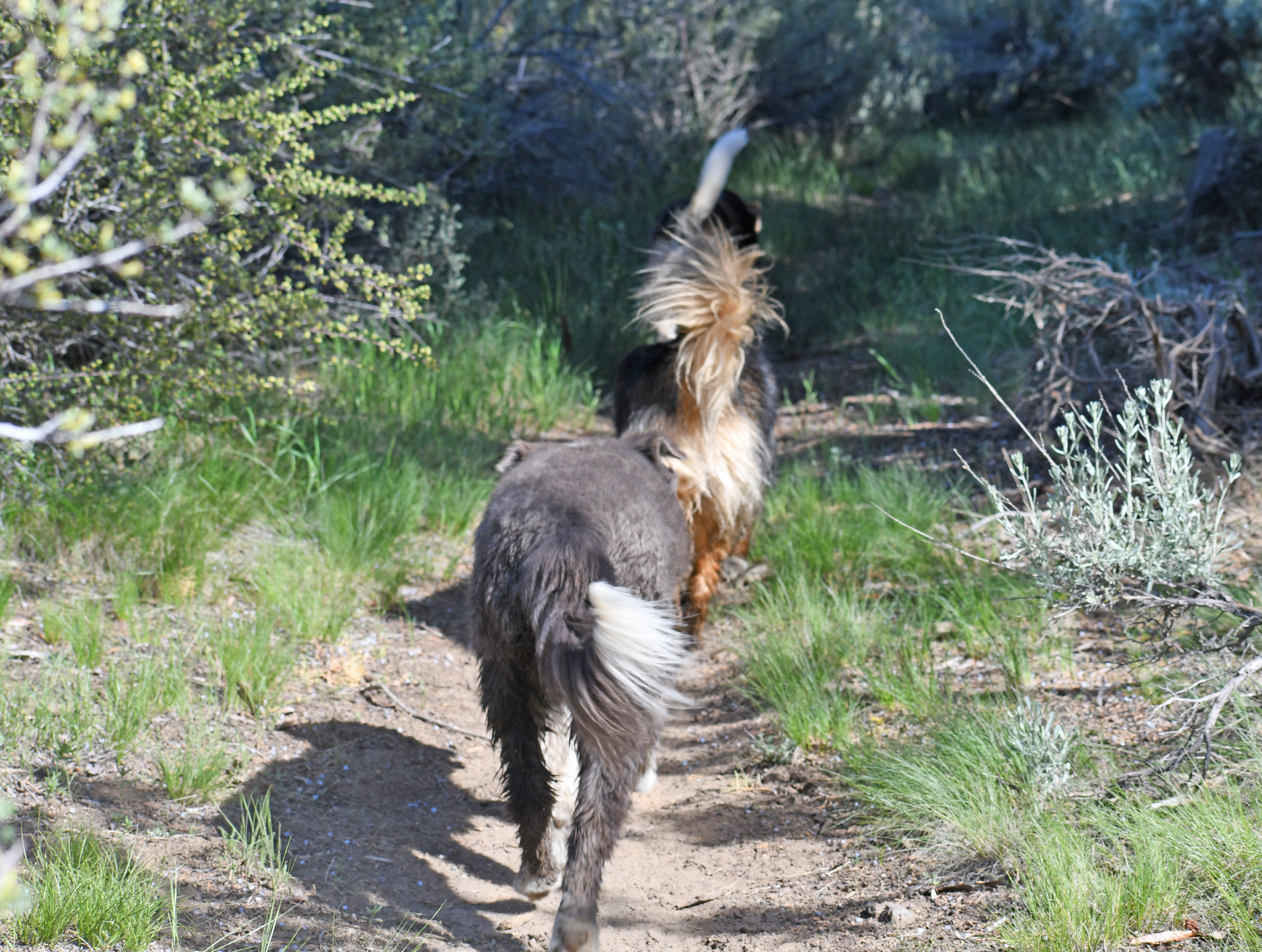
Overall we had a great time. Dogs led the way, and after plunking into water and shaking it off in rainbow highlights, they took off cross-country–running competitively with tongues blowing sideways, or individually to search for rabbits–periodically returning to the water to wade and drink. The only game they scared up was a mama duck with babies, and mama wasn’t about to tolerate intrusion.

Each dog has an unique personality. Miles is a wide-ranging fellow, often out of sight but aware of my location. Louie and Ranger, my long-time horse trail buddies, check back often to make sure I’m tracking. And Osix, who likes reassurance, stays close to me.

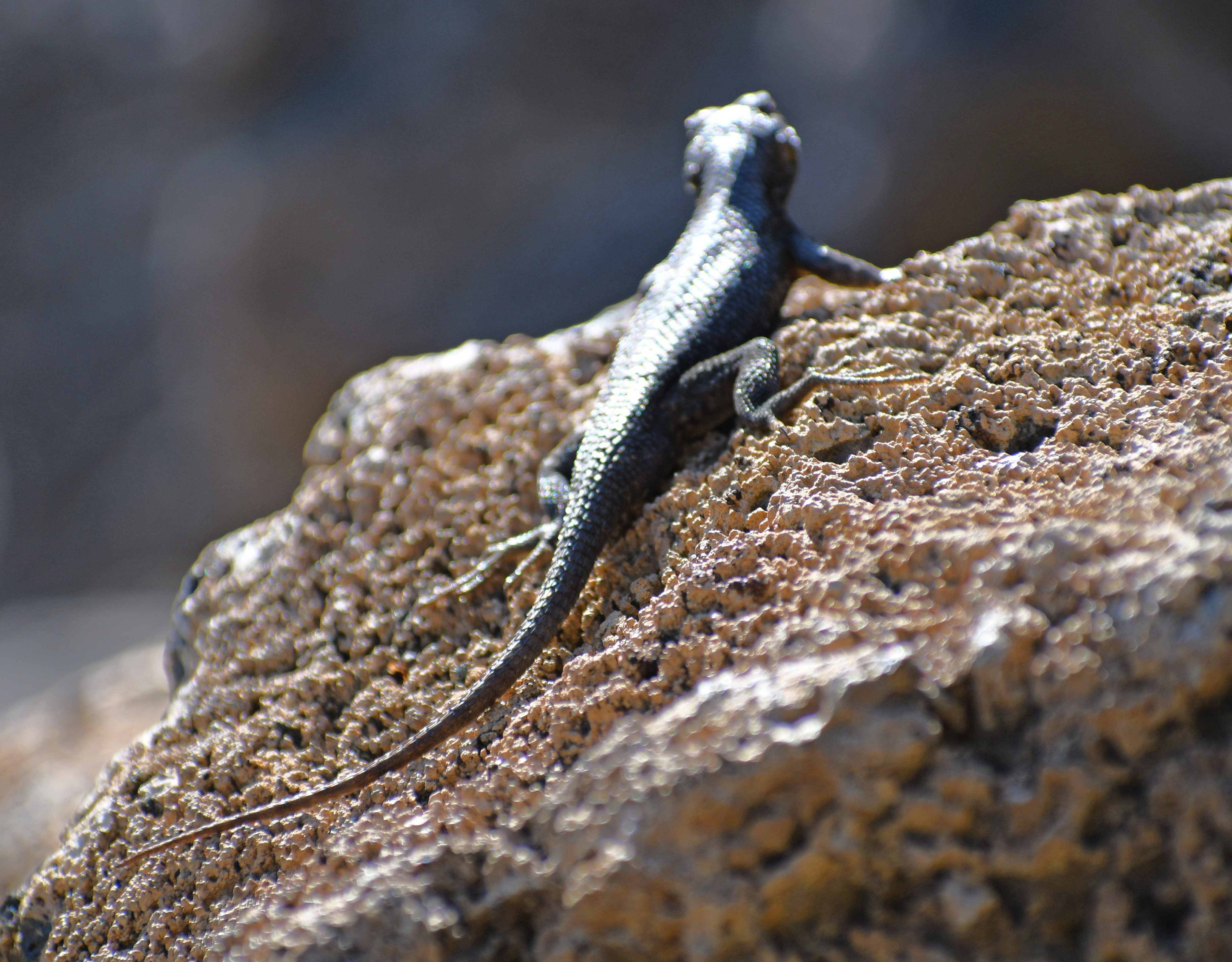
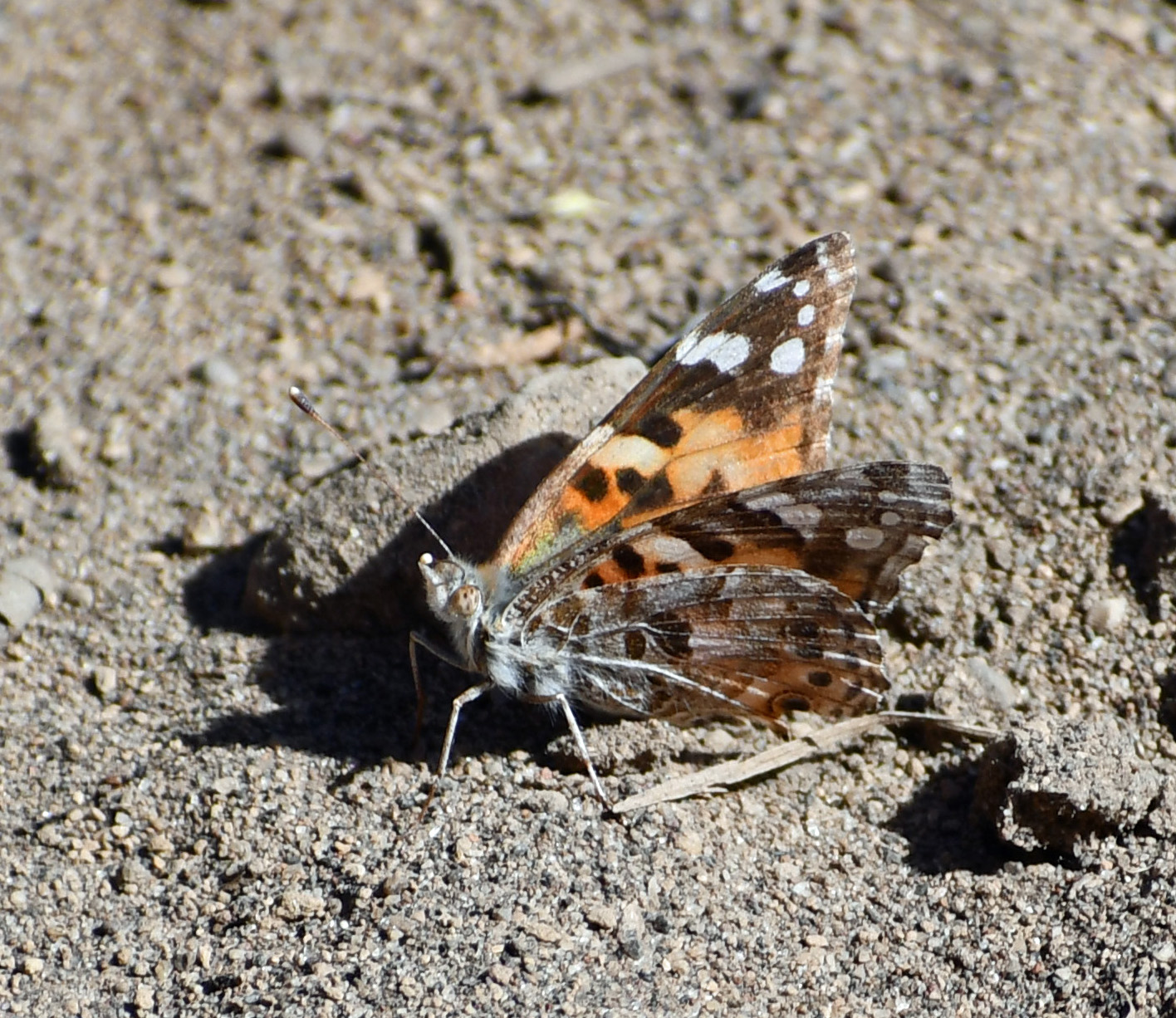
What makes these semi-wild trails more interesting is the variety of critters one might find and study closely for a moment.

Capturing great memories starts by following the dogs.

Dear Friends, thanks for joining us on another cool outing. Diana
Mountain Bluebird Rescue

Mountain Bluebird, Nestling

Tuesday, June 04, 2019

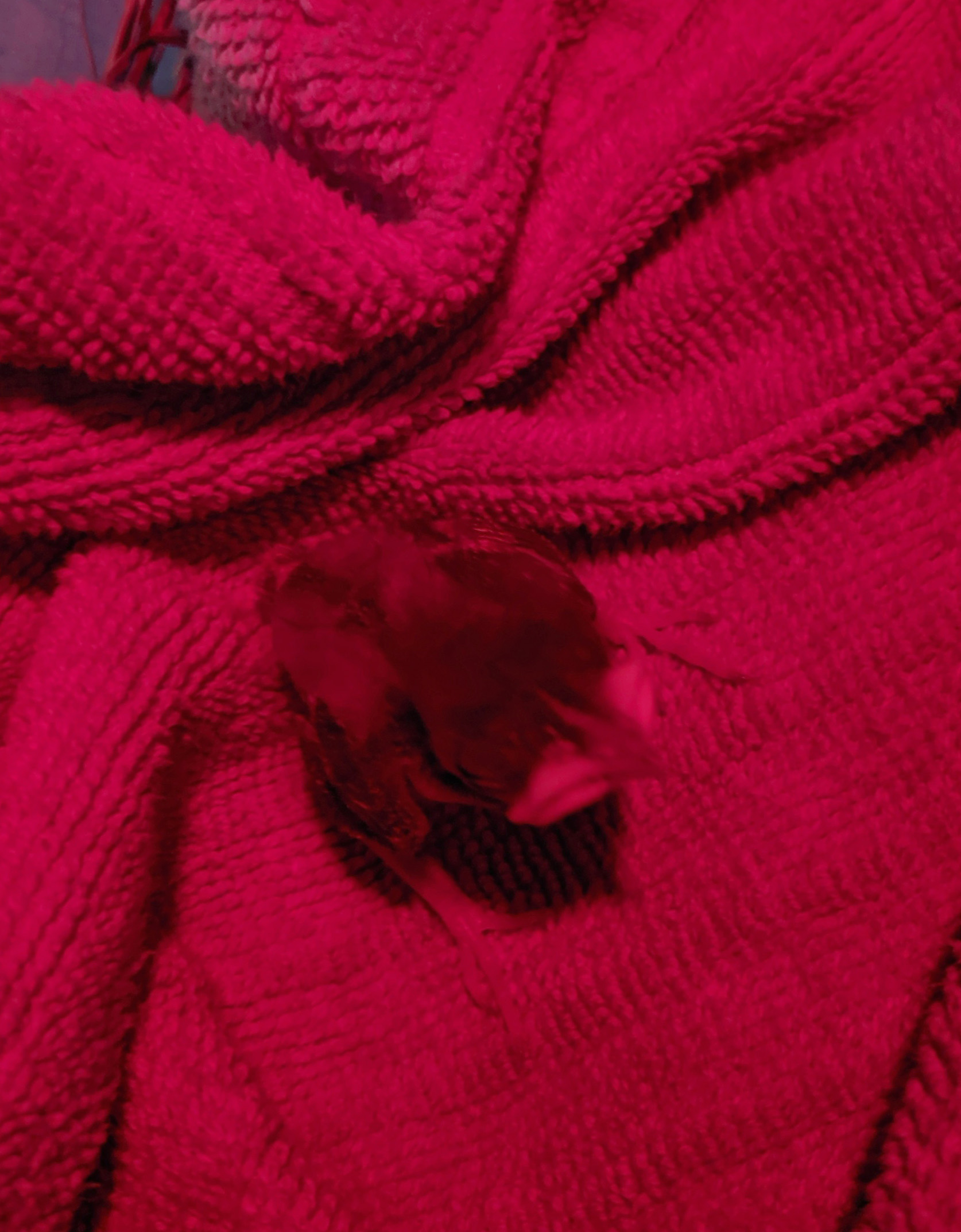
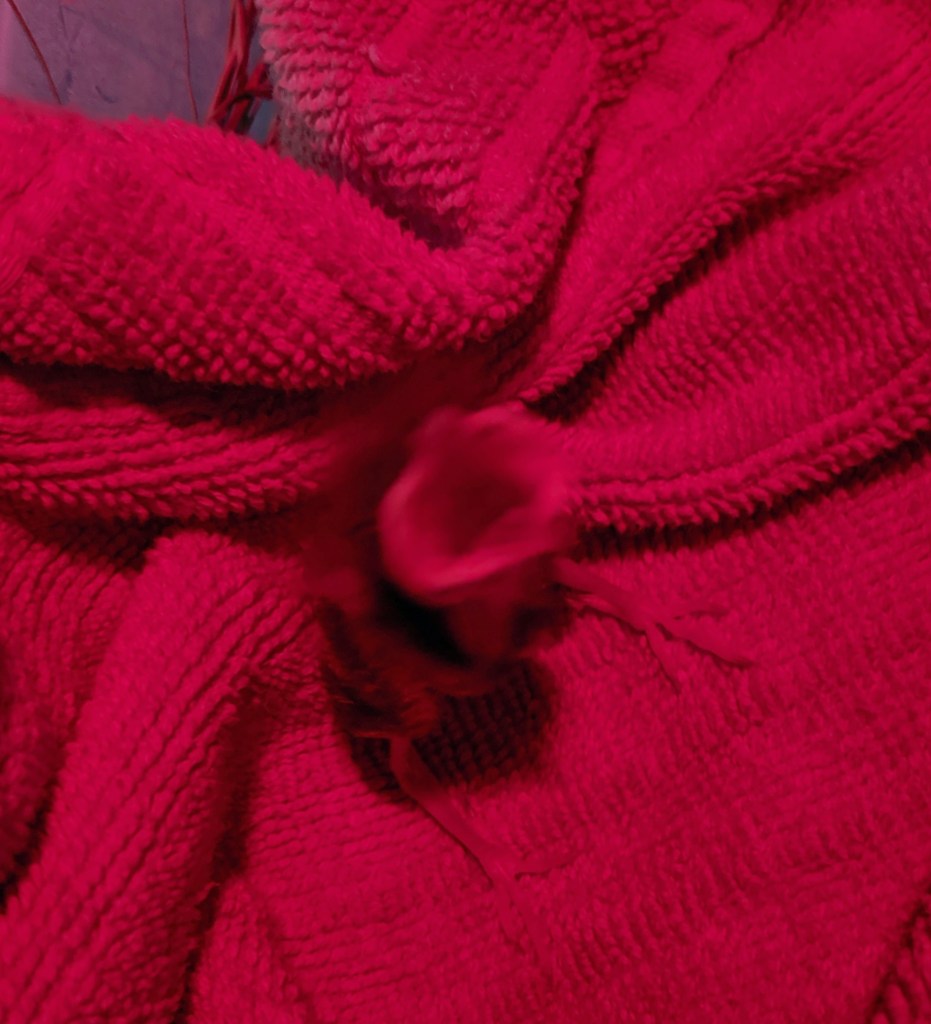
These supporting baby bird photos, which aren’t clear and crisp, were taken as my fragile subject warmed-up beneath a red heat lamp. With only a feather or two on its tiny wings, maybe six-seven days old? Those feather bits helped save the fallen baby, for at first it was hard identifying what exactly squirmed around on the barn floor and against a wall. The active creature, about the size of a Jerusalem Beetle, forced me to look closely, and ah, feathers–voila!, a tiny bird.

For weeks, I’ve watched a Bluebird pair, annual visitors, fly in and out of the barn to build a nest, and recently begin feeding babies. That nest, in a ridiculous place, at least keeps babies safe from Maxwell, my cat. It’s high, atop a beam, and nestled into the tiny crevice where beam meets ceiling. The parents and I are mutually accepting. They keep a small distance, holding catches and waiting for me to leave the barn, before swooping in and up to feed noisy babies. They leave quickly, often through a rear exit, and the babies quiet immediately. Soon they return carrying more capture to a renewed and insistent chorus.

I looked up, reaffirming that the nest was too high to reach. Even on a ladder, the tiny crevice couldn’t accommodate my hand with a baby. I bent and lifted the bird, unable to stand on its own and very small, nearly lost in my hand. I moved it to a more visible spot on the barn floor and stepped outside to a distance to watch the parents and note that they found the baby. In my mind loomed Maxwell, who’d have to become an insider full-time, until this baby matured. Soon a parent flew into the barn, straight up to its nest as the babies squawked, and then, mom or pop flew out the back way. When another parent showed up, same process. Several times, they repeated this without noticing their floored baby.

Was that because baby wasn’t aware of its parent flying overhead and not responding noisily? Had it simply fallen from that high nest or been pushed out? Since it didn’t seem particularly weak or unhealthy, who knew, and more importantly, how might one save a nestling?

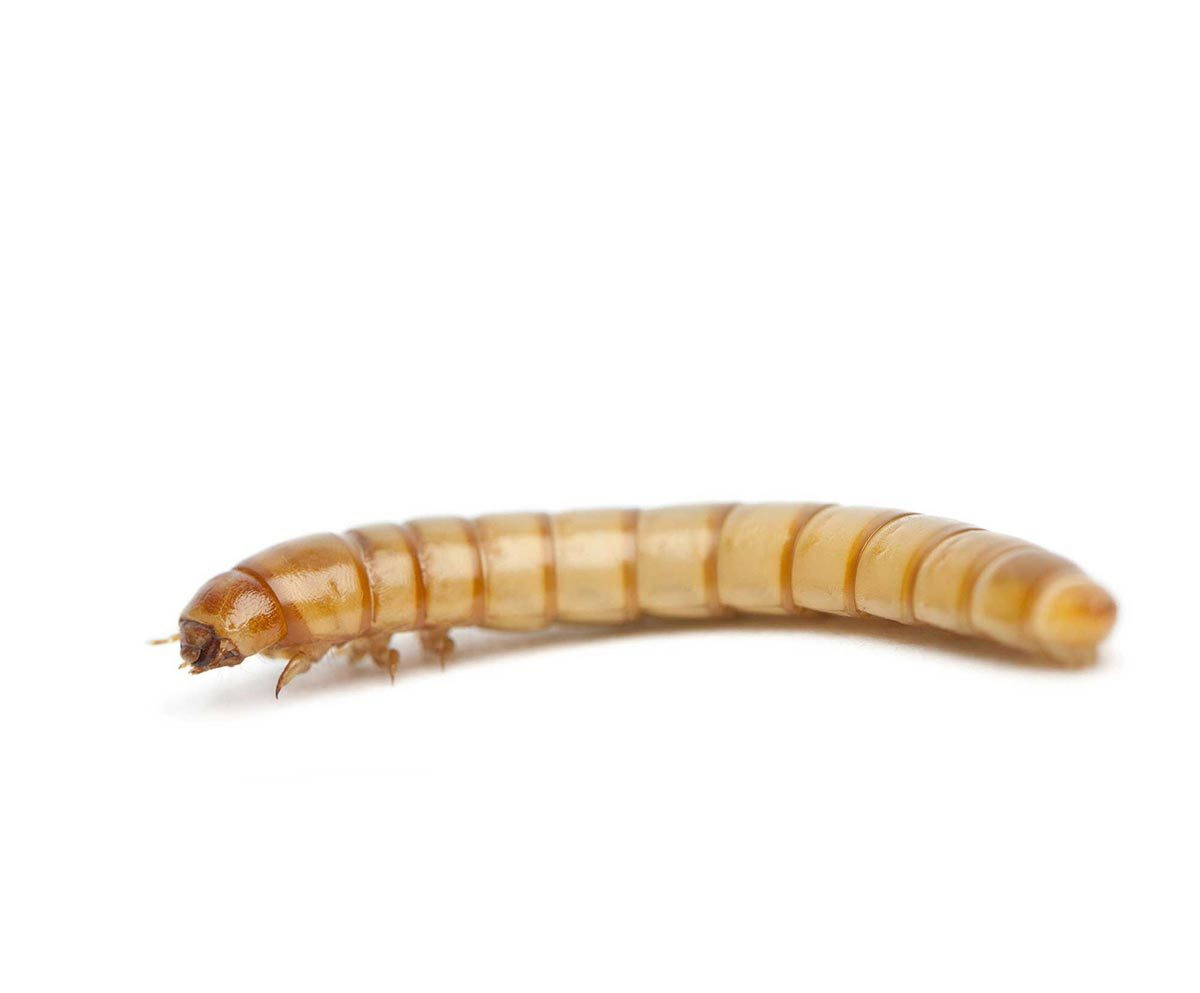
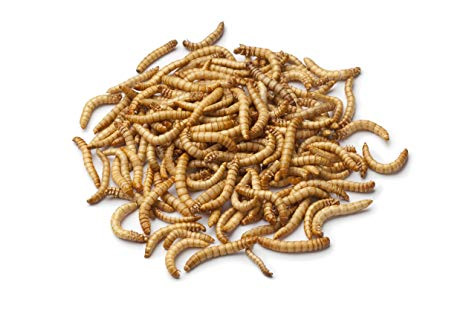
I picked up and tucked it into a small critter carrier, called and left messages on the “wild bird hotlines”, and went in search of something to feed an infant bird. I completed an entire “critter circle”, went to Wilco, Wild Bird, High Desert Feed, Petco, and SmartPet, returning home with a box of mealworms, refrigerated and dormant but alive.

Using a forceps, I picked up a beetle, offered it, and baby’s mouth yawned large. Its jaws, receiving a poke, closed in acceptance and immediately reopened for more. After a couple beetles, and figuring the baby’s crop needed to process, I left it to finish my chores.

During the following hours, we repeated this feeding procedure frequently and successfully. The bird on hearing me approach lifted its head, opened its mouth, and noisily hollered, “Feed me, feed me!”, and then swallowed. The instant we finished, baby dropped its head and slept soundly.

Around 8:00 that evening a bird rescuer returned my call and we arranged to transfer the baby. Well, that’s my single baby Bluebird rescue, and now, aware that these lovely parents might not be alert enough, I’m watching their nest, keeping an eye on my barn floor, and also on Maxwell.

Dear Friends, hoping those babies may safely fledge from their tiny crevice nest. Diana
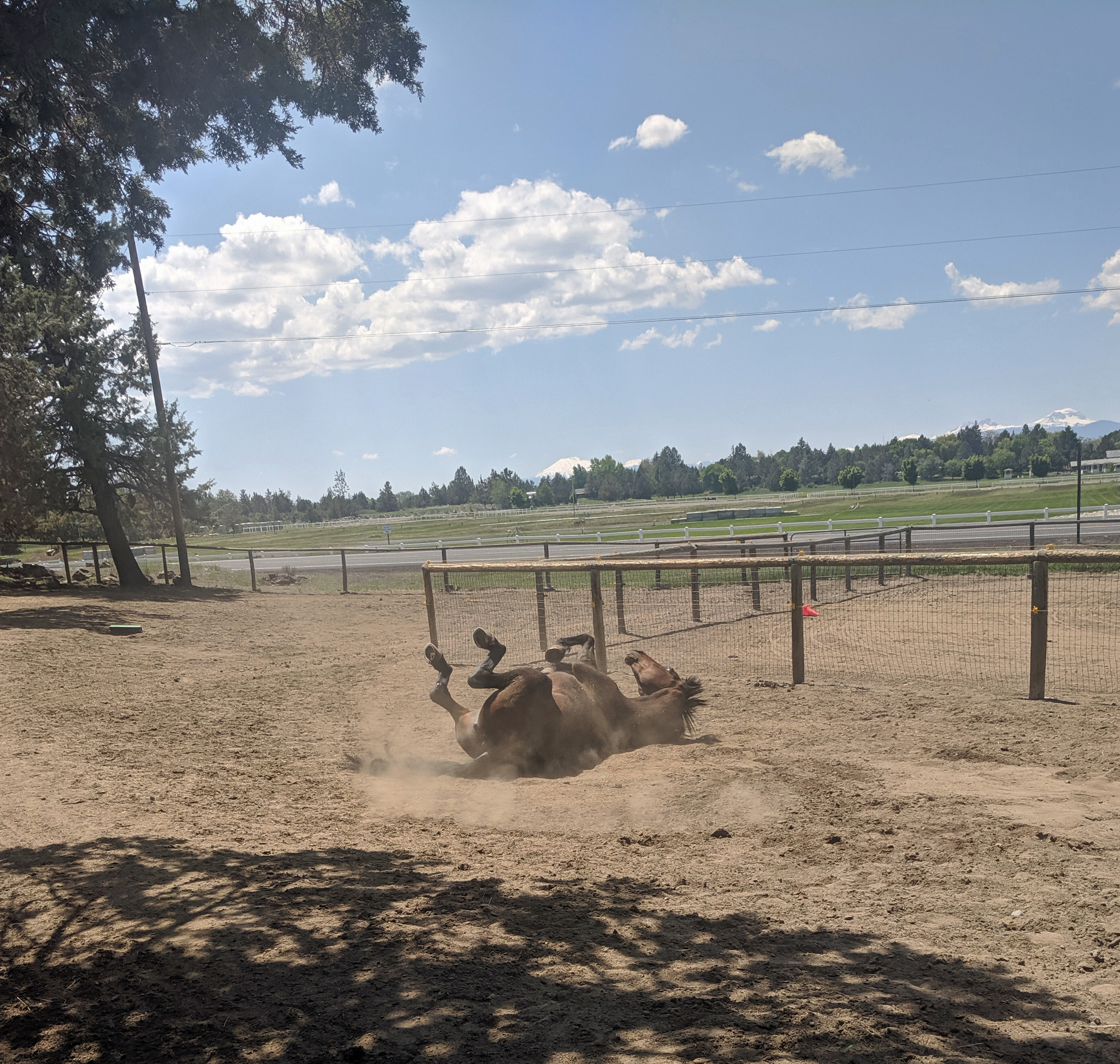
Ms Rosie On The Streets

Monday, June 03, 2019

After retiring, I acquired horses, while knowing little about them and simply wanting a horse. Skipping forward, after a few years of having older horses (they taught me to ride), I wanted a young horse. Having heard breed aficionados say Morgans are very dependable, I decided to find one–not modern high-stepping and fancy, but a foundation Morgan–the real deal–a horse with genes flowing from the likes of those that once carried Custer and his soldiers into battles.

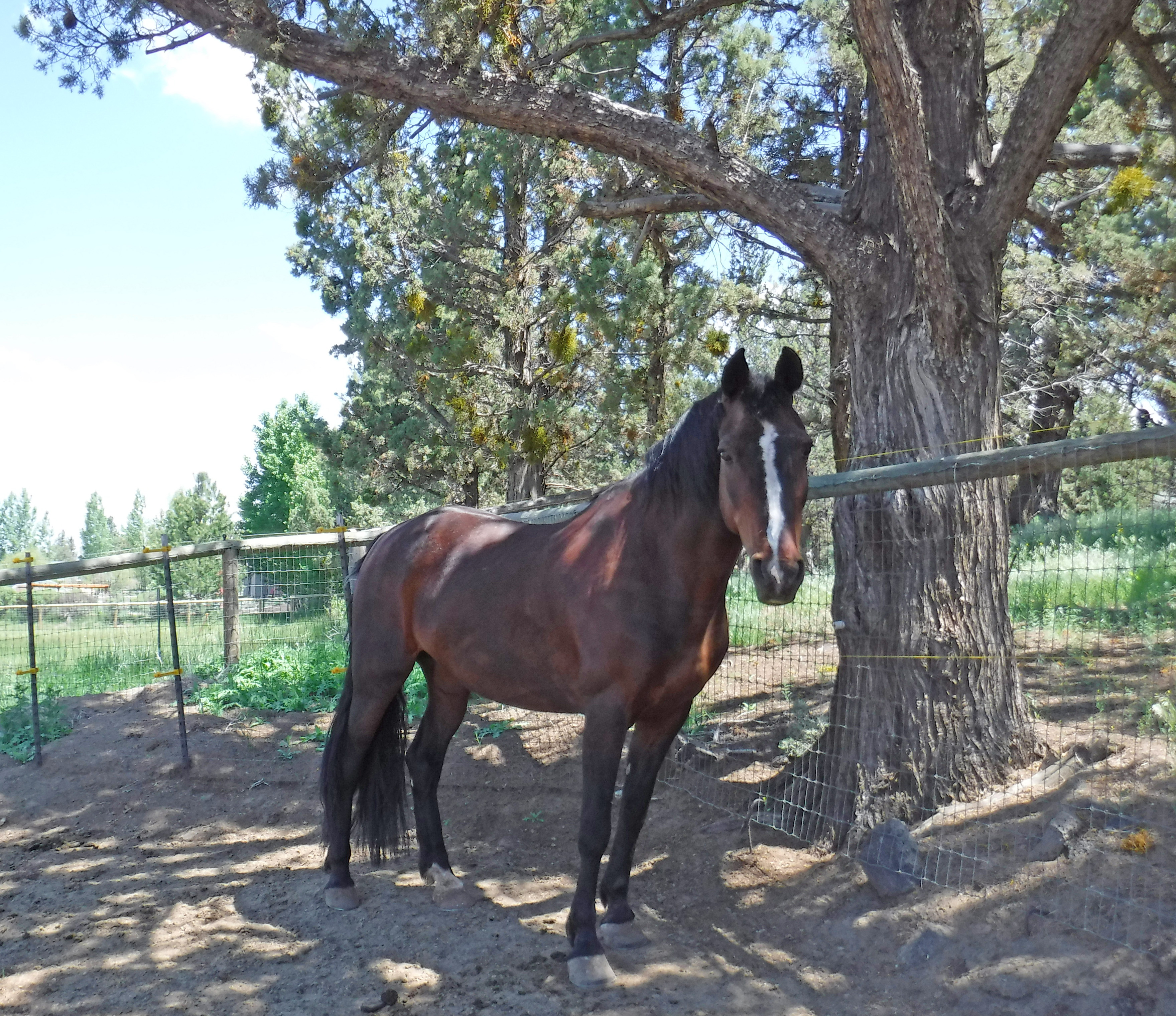
A good choice and one well-proven over the nine years since bringing Sunni home, and the six years since adding her older sister Rosie. They’re “old style” full sisters with similar ways of working. They’ll do the job: go everywhere, climb mountains, ford rivers, and take care of a rider. Yet, they have different personalities, with Sunni easygoing, affable, unflappable, and Rosie, a “lead-mare type”, bossy and anxious. My still-novice skills find Sunni easy to work with, and Rosie often challenging.

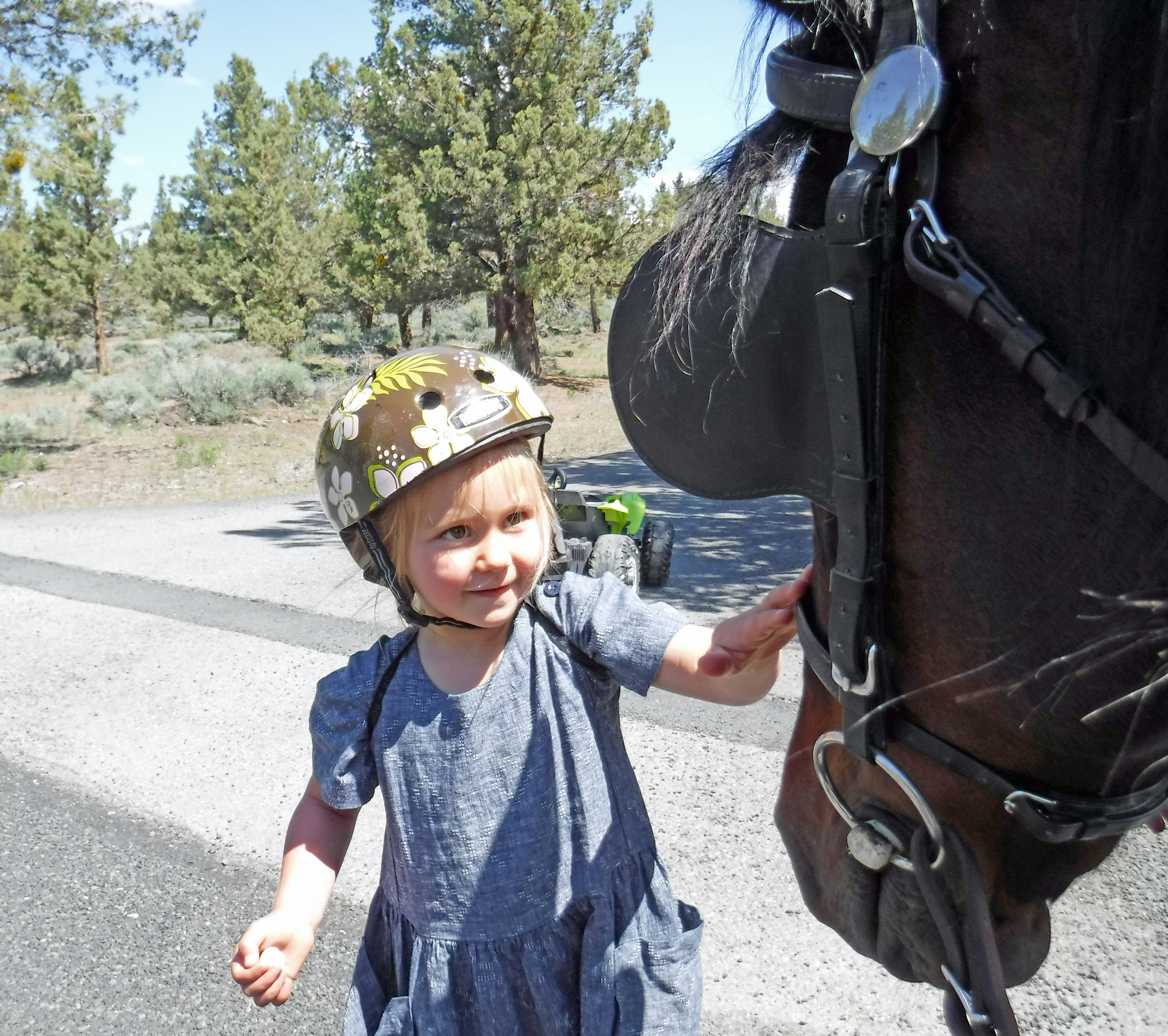
Many retirees choose to ride fast and smooth, gaited horses. Years ago, when my back lost strength and made it difficult to ride a trotting or cantering horse, I settled on “horseback walks”. When those became boring I learned to drive a horse while also having Sunni trained for driving. True to her steady nature, Sunni safely hauls cart and me through our neighborhood’s three-mile loop. Rosie also is trained to drive, but I mostly confine working with her to our property. Since she can be skittish, I’ve hesitated driving her on neighborhood streets.

Rosie and I do practice, however, and after she drives on my property until almost weary, she pulls me to the front of my home at the end of a cul de sac, from which a quiet paved street extends a quarter mile. Although tired, Rosie is alert, walks the street slowly, ears erect, head hyper, and slightly jumpy at new sights (e.g., plaster bears guarding my driveway). After she’s seen everything, I ask for trotting over the now-familiar street section, and she does well. Such outings to the street have expanded her comfort with our quarter-mile and increased our combined confidence.

Yesterday, nearing the corner where we usually turn around, I asked her to continue forward, which put us onto a busier neighborhood street. Her head went high on uber-alert as she trotted forward, wavering between a side of the road and its middle, until with urging, back to the side. To my surprise, her forward trotting continued without running us into mailboxes or becoming frightening. Rosie stayed responsive to the reins, handled an oncoming jogger, and also a car coming toward and passing us.

Heading down our street toward home was exciting. My worrisome horse had handled the expanded neighborhood driving! Although we’d not been surprised by deer, bicyclists, or dogs, we had achieved a new level–and it’s another step toward my secret hope of someday driving the mares as a team.

This isn’t a story wholly about Rosie, it’s also about her collaborator. I can feel intimidated whenever she “seems so much horse”. I’ve worked to overcome this with help from our driving trainer who can handle any horse. Future work in the neighborhood to expand our territory will reveal better Rosie’s capabilities, and also strengthen my driving skills.

Dear Friends, it’s tiny incremental steps that lead to learning, accomplishing. Diana
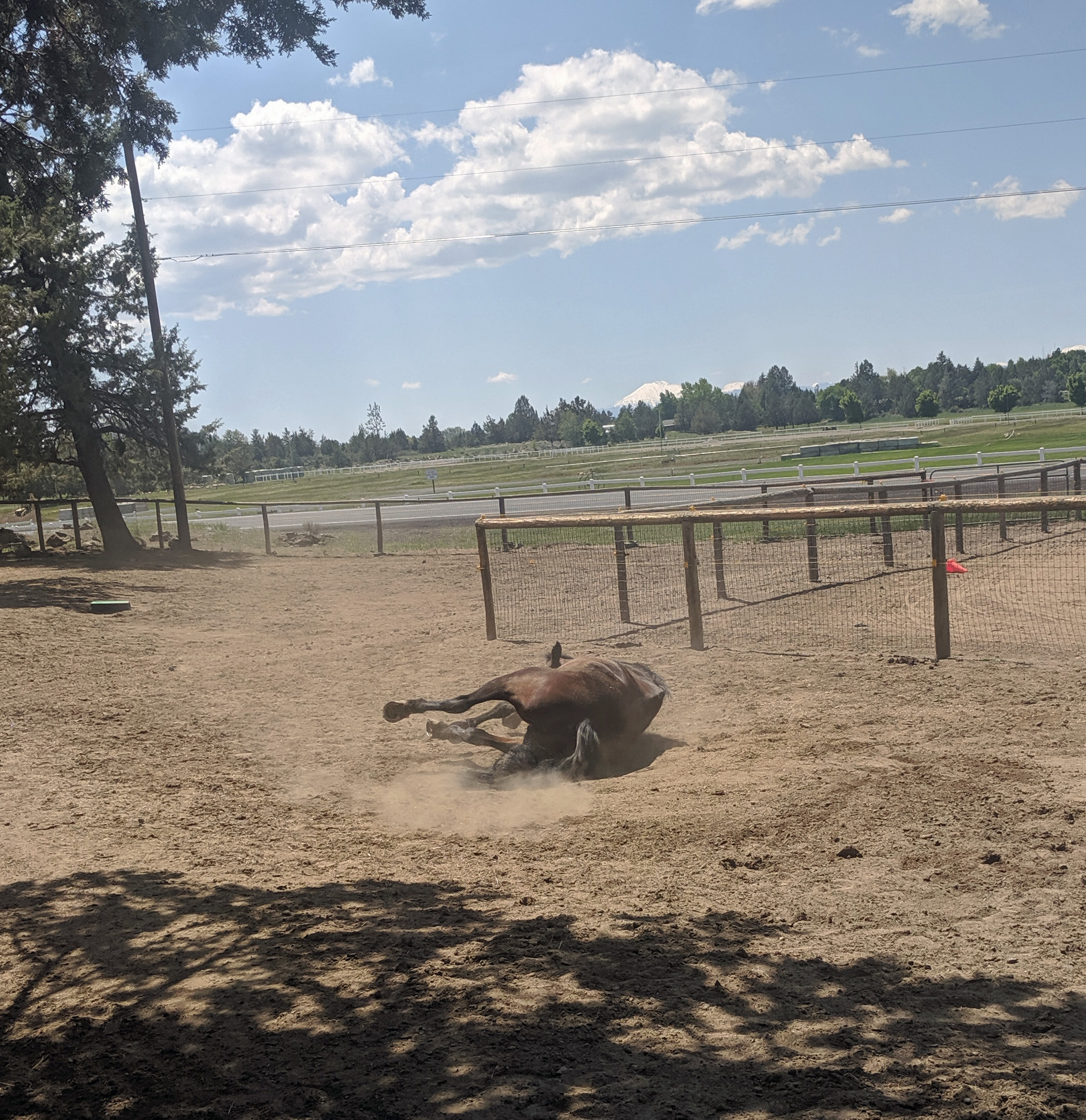
Like A Two-Sided Coin

Poppy and Sunni

Sunday, June 02, 2019

This year, the rains, winds, and chilly days have made it harder to comprehend that we’re nearly halfway through 2019. Can you believe, the summer solstice arrives on June 21. That brings our longest daylights, gets many of us feeling like it’s too short a spread before winter, clock turn-backs, and darker days.
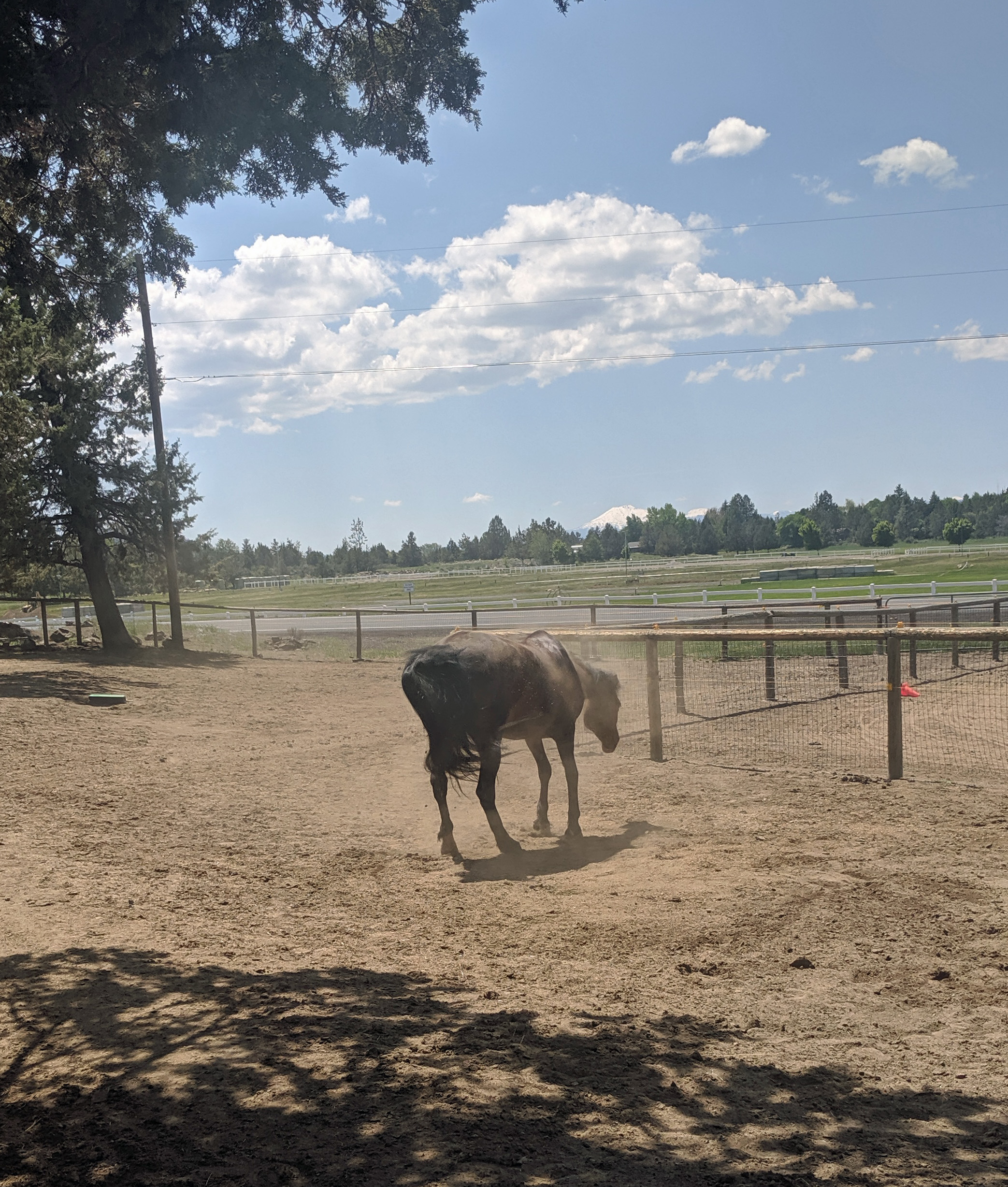
We’re accustomed to solar transitions that affect natural light, but this year’s early months haven’t been so bright. Now in June, we with large animals find ourselves with a relatively short window to find hay, and have it delivered and stacked. And we with horses start feeling like ahead are too few playing-with-them months, prior to cold weather and snow.

I’m jumping ahead, for finally it’s become warm enough to skip the long underwear, and in fact, be courageous and wear t-shirts. During my part-time work at Costco, lots of summery-looking folks in shorts and flip-flops push past with shopping carts. It’s easy to spot people who have horses. They’re often sporting shirts or jackets with horsey themes, usually wearing worn jeans, solid-looking boots, and sometimes a cowboy hat. They’re kindred spirits, for I know that aside from the business of groceries, their thoughts are on such as hay, farriers, fencing, and mucking.

Rosie watching me approach with her halter

The other side of these worries is sheer pleasure. We’re at last in summer and despite its suddenness, have time ahead to enjoy our large animals. As well as our smaller ones, like dogs, and for example my own dog, Miles. He waits yearning for an opportunity to be let free, to run where the horses are hanging out and busily herd one or all of them.

Don’t worry, Miles, for in this summer will be other ways to make sure you and your buddies have lots of fun.

Dear Friends, the best way to cast off worries is to go on a trip, just flat leave ’em. Diana

A Walk With Peaches

Awed in a light rain

Saturday, June 01, 2019

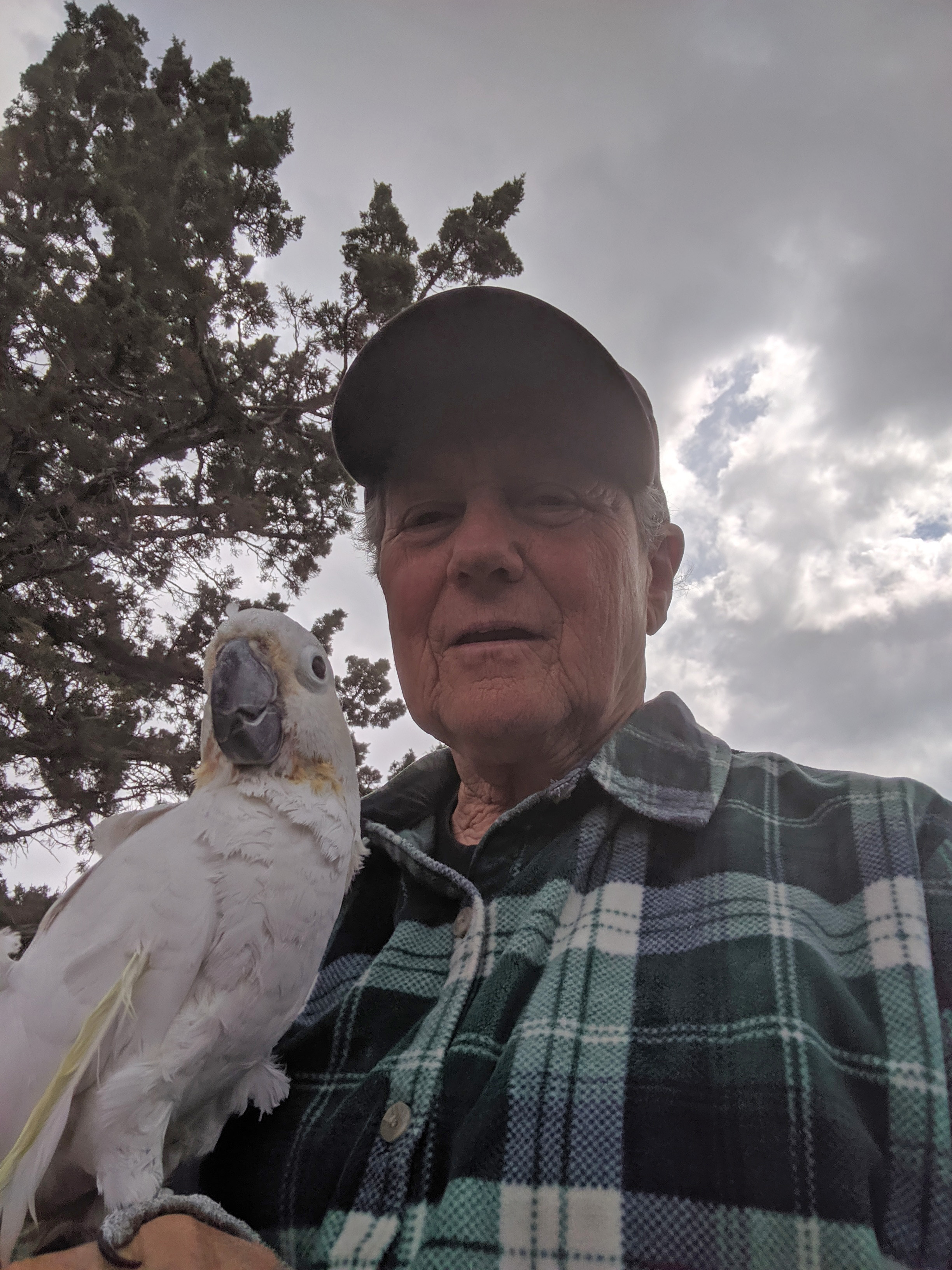
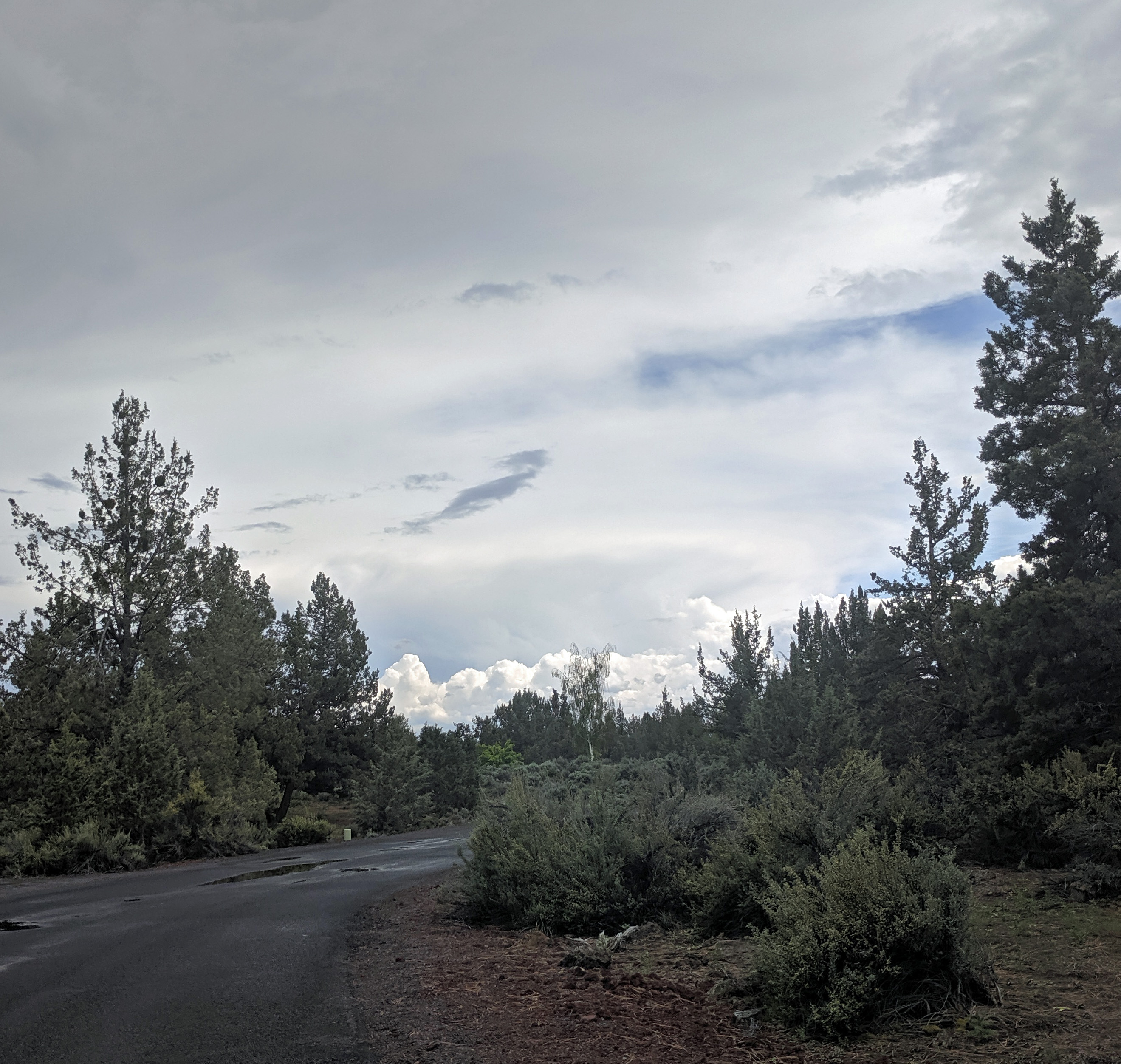
Yesterday began so pretty that the afternoon seemed a good time to take a walk with Peaches. Just as we stepped outdoors the rain began, but light enough to tempt me onward. The thing is, Peaches needs moisture to keep his feathers healthy. He gets daily spritzes, but nothing beats being in real dampness. As we walked down the street, the rain became heavier and finally forced us home. Soon as we were inside the rain, in typical Central Oregon fashion quit. So, with Peaches still on my shoulder, our outing resumed.

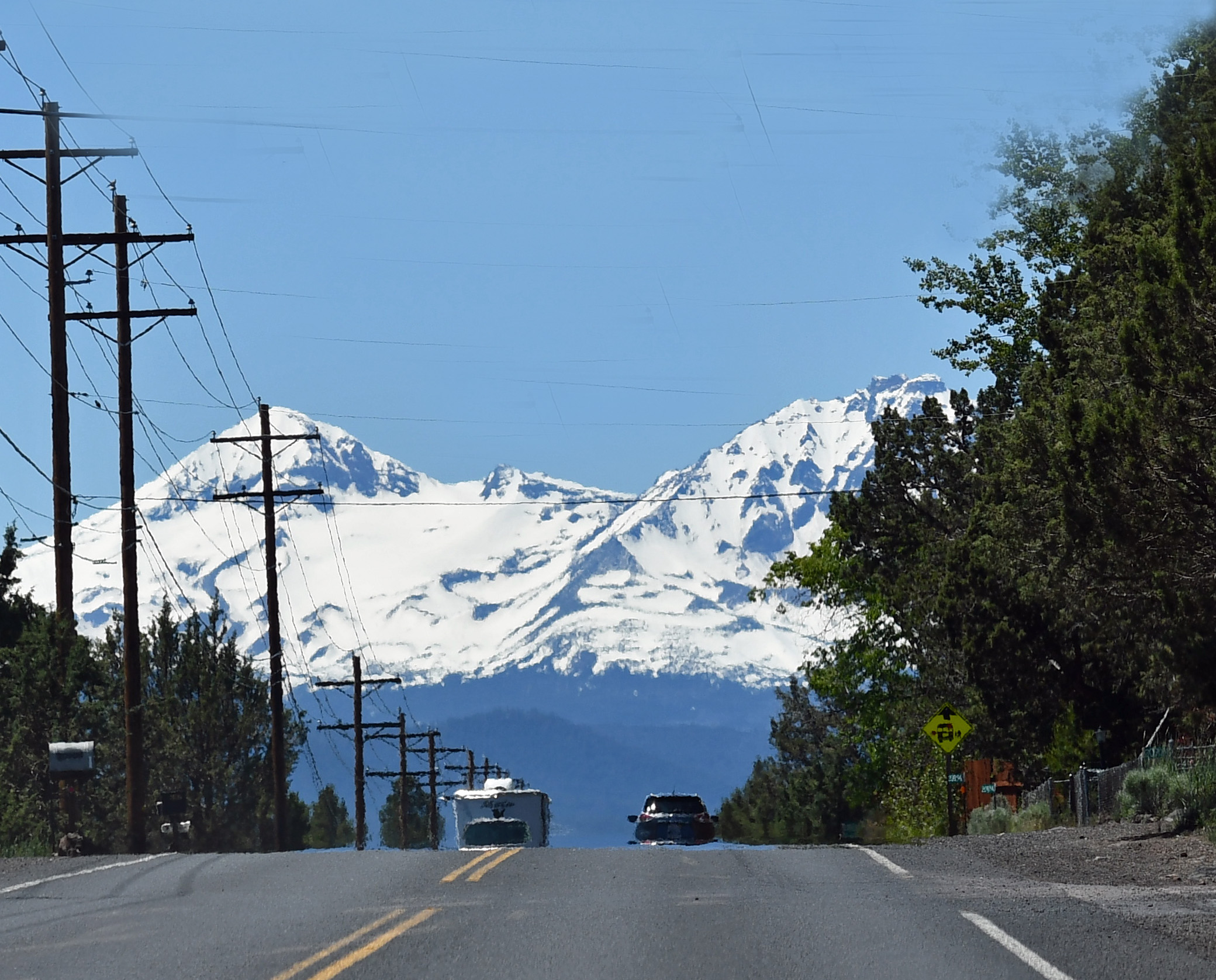
I intended to walk a mile and a half, following a route that almost daily my carriage horse takes me to maintain her strength and condition. During those cart rides, many small or almost hidden sights only momentarily catch my attention. Now today, I could look more closely, while walking with Peaches, and relish what our neighborhood offers.

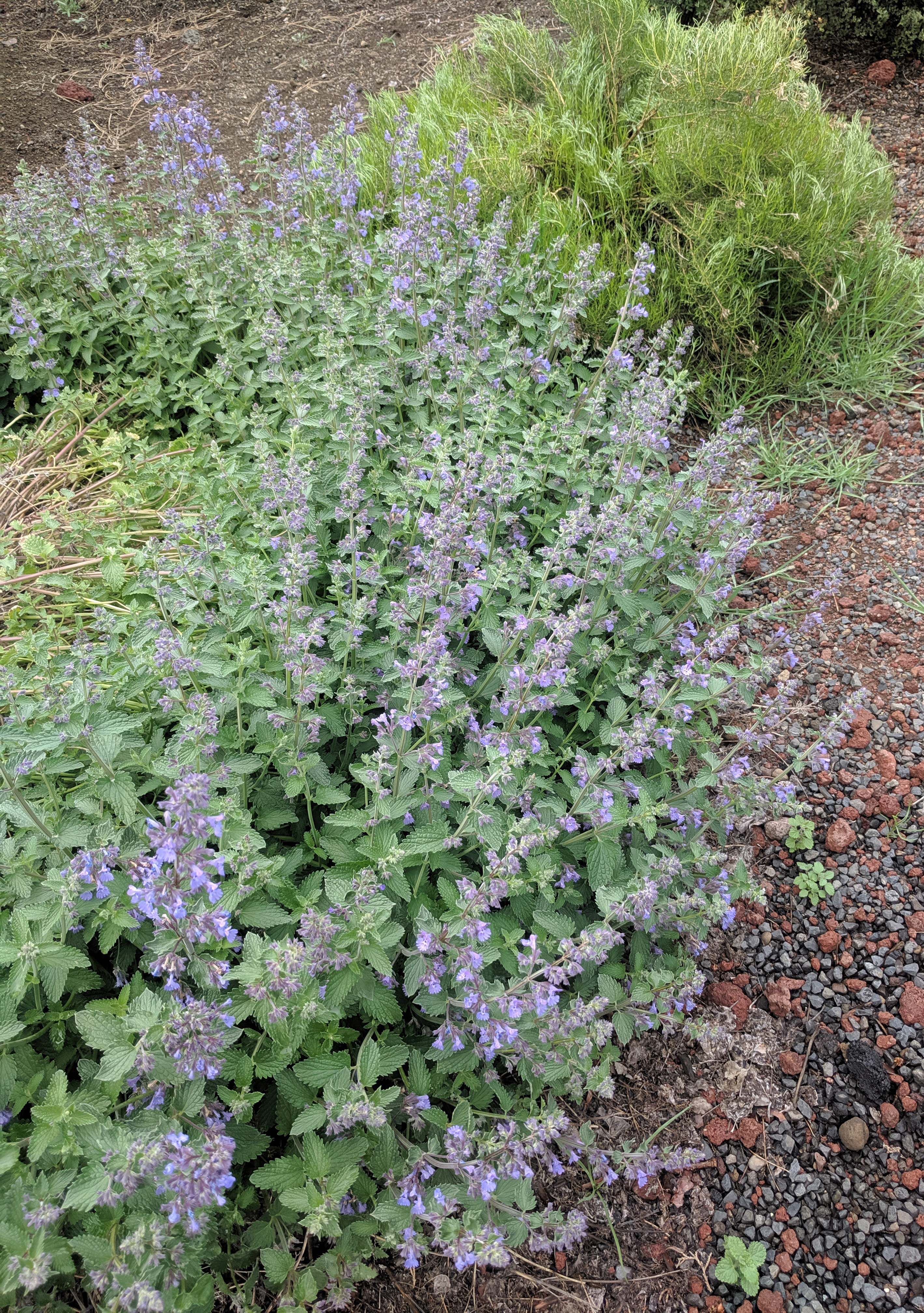
For starters, scattered in this semi-desert environment are lovely pockets of plants. Thoughtful homeowners in creating them occasionally set some hardy beauties out beside the street for passers-by to enjoy.

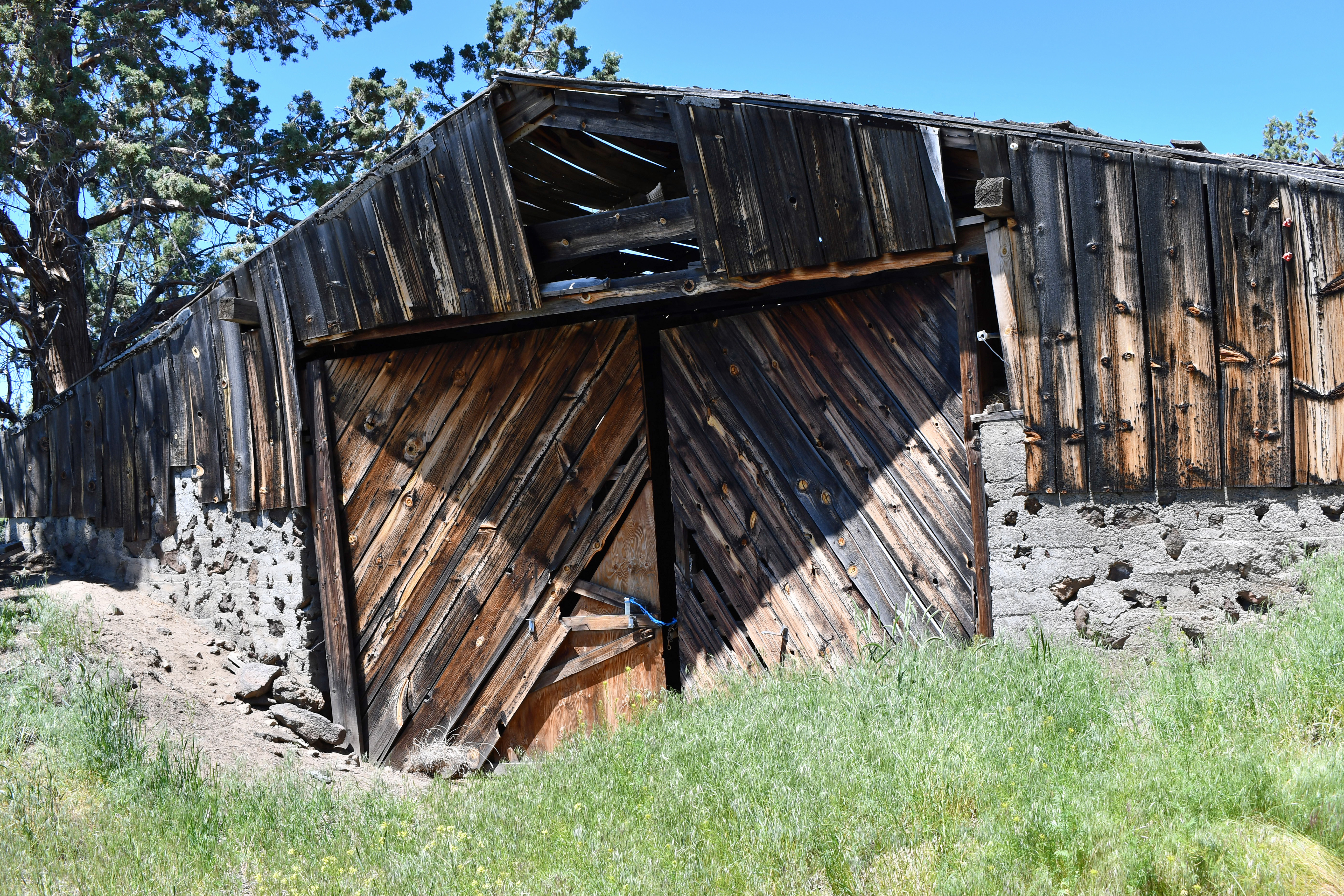
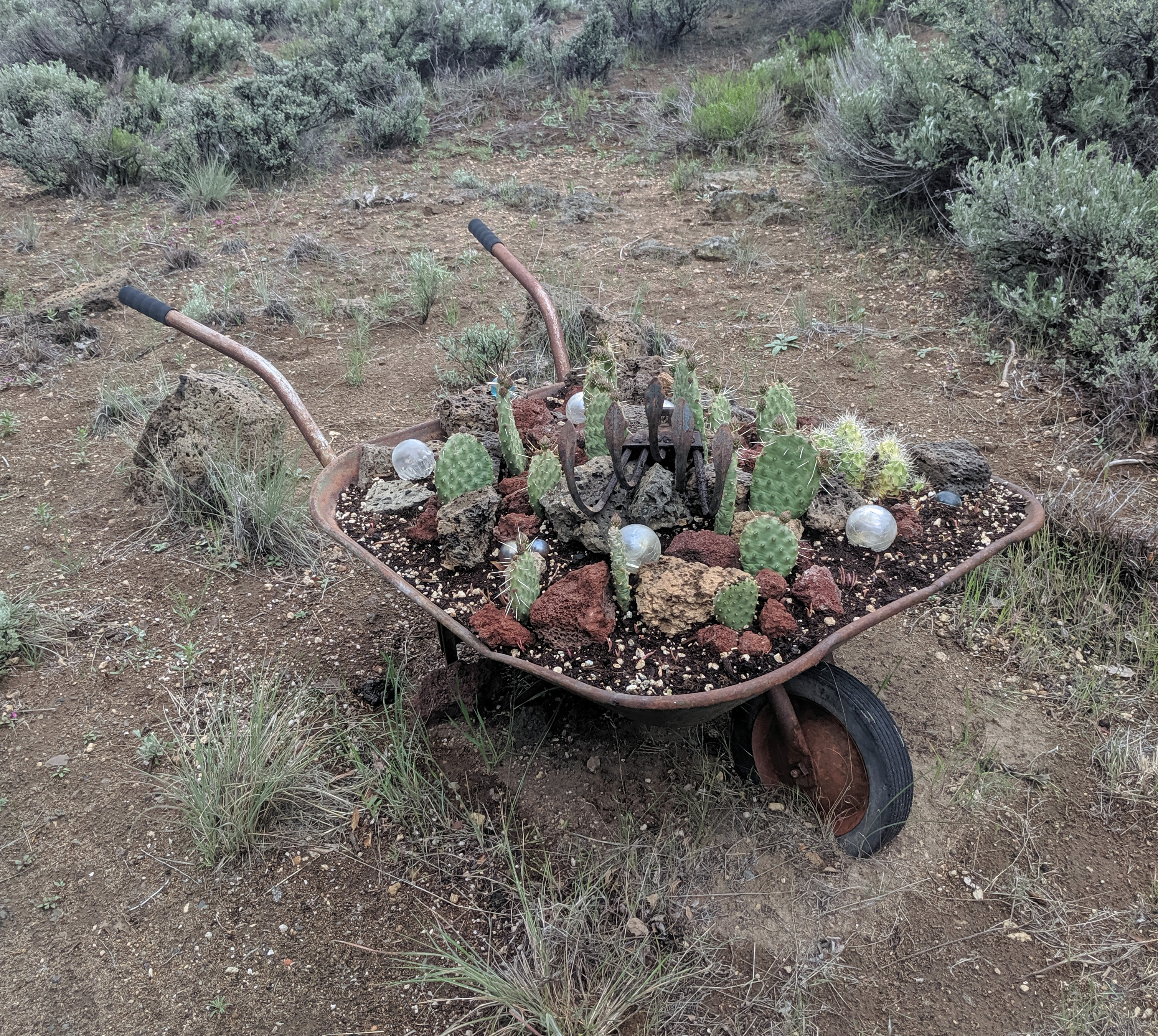
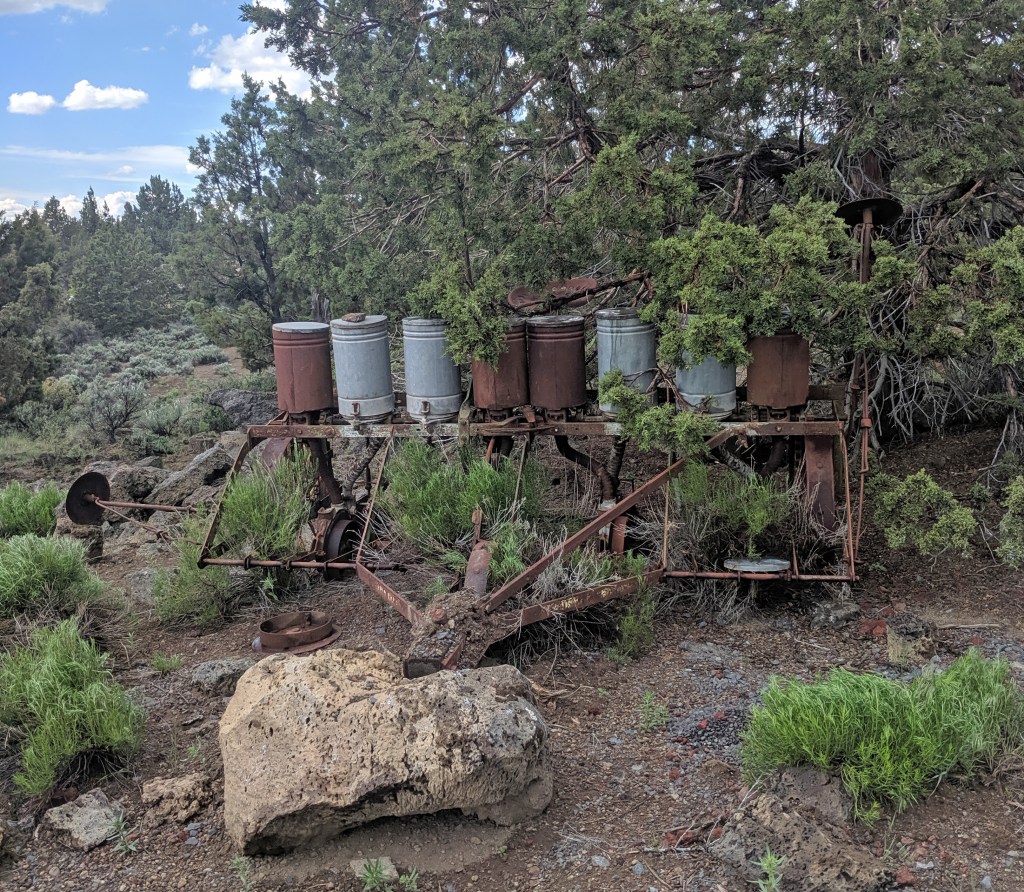
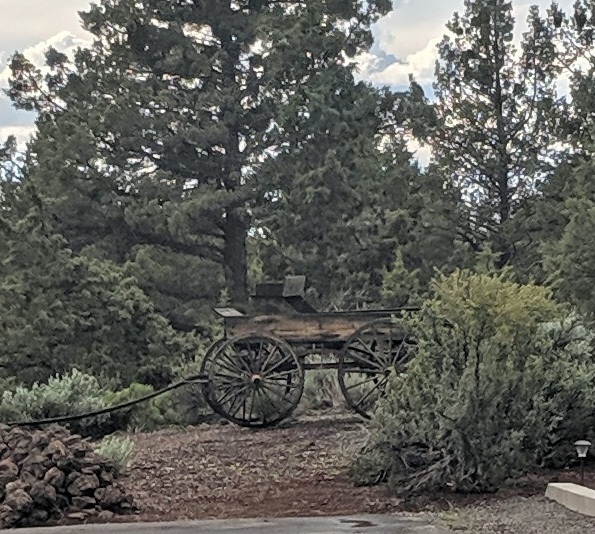
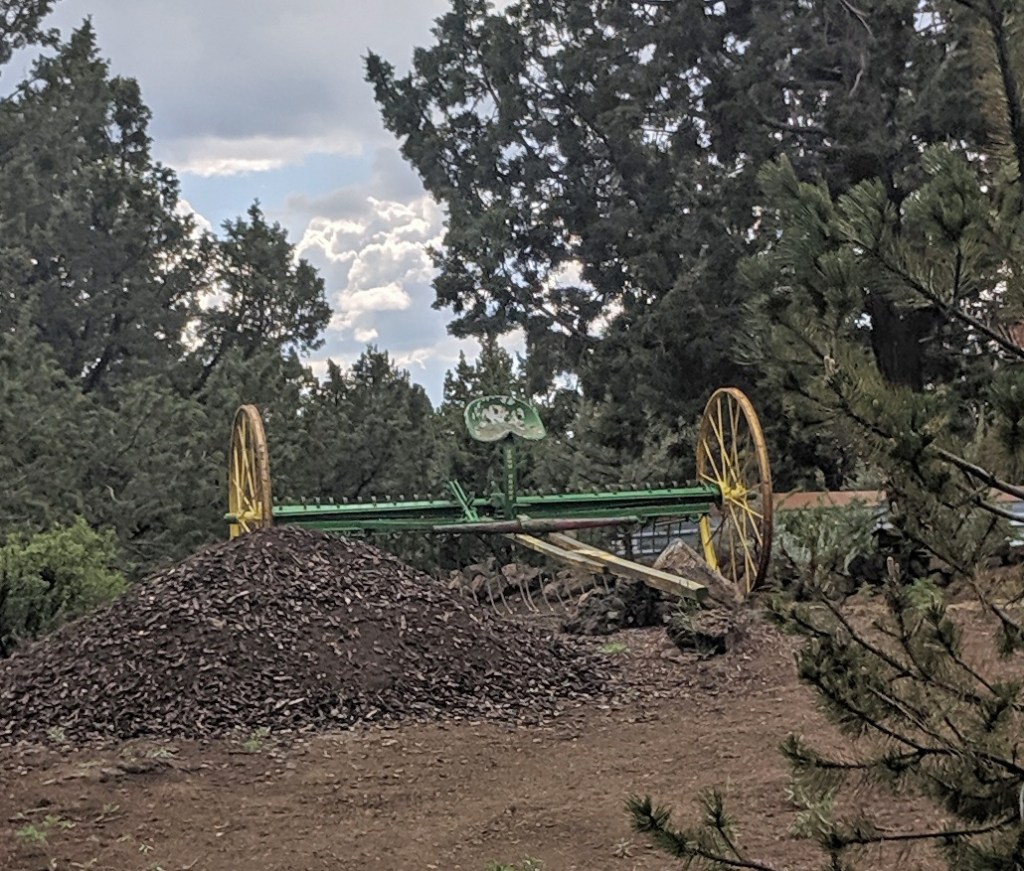
Some folks enjoy importing “yard art” or ancient farming equipment, often placing the historical implements close to their modern homes.

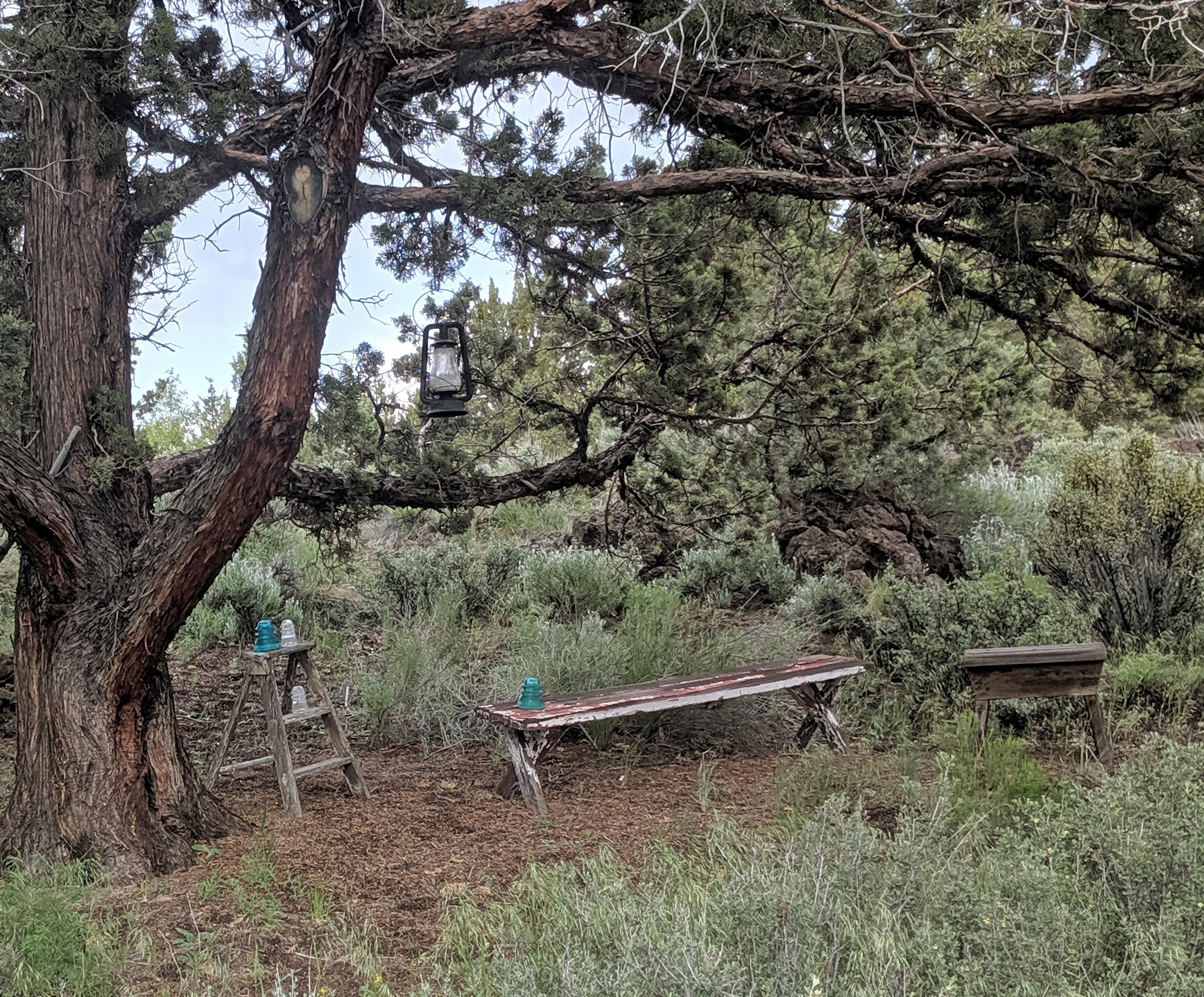
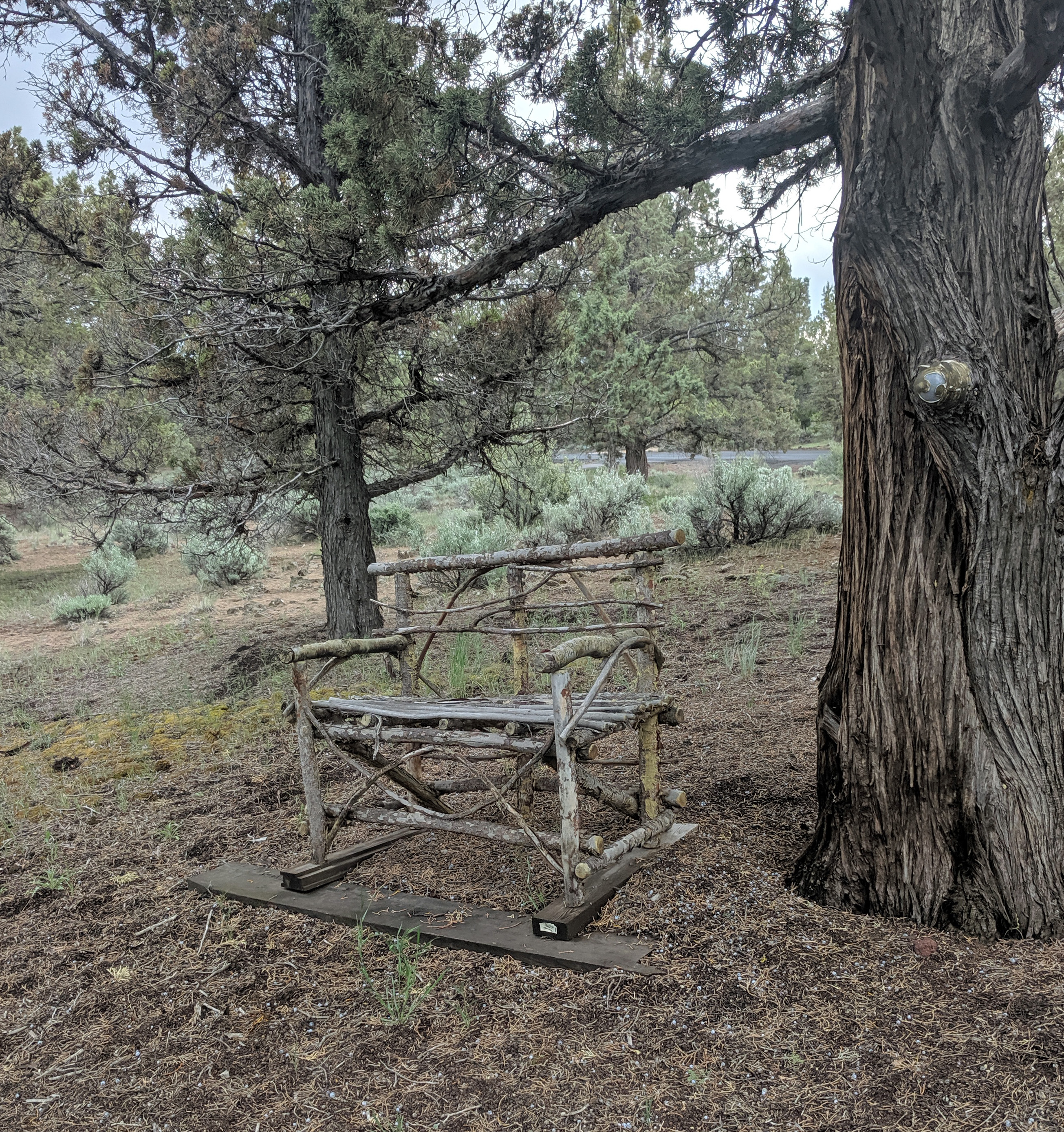
And maybe best from my perspective are thoughtfully placed, under spreading trees and in quiet spaces, creative places, to sit and rest awhile, and to observe. The surrounding old trees, histories themselves, are full of birds and sounds.

Walking Peaches in our lovely neighborhood nearly was as pleasant as driving Sunni through it. Now really special, with time to observe and immerse myself into the elements of old merged with new. Interestingly, maybe because of dampness and the unusual silence of weather keeping most people and pets inside, Peaches stood on my forearm quietly–didn’t even peep through our outing.

Soon after arriving back home, Peaches thanked me for his adventure by destroying a handheld calculator that I lazily had left laying around. C’est la vie.

Dear Friends: Have a wonderful day. Diana