Natural Wide-Angle Panorama


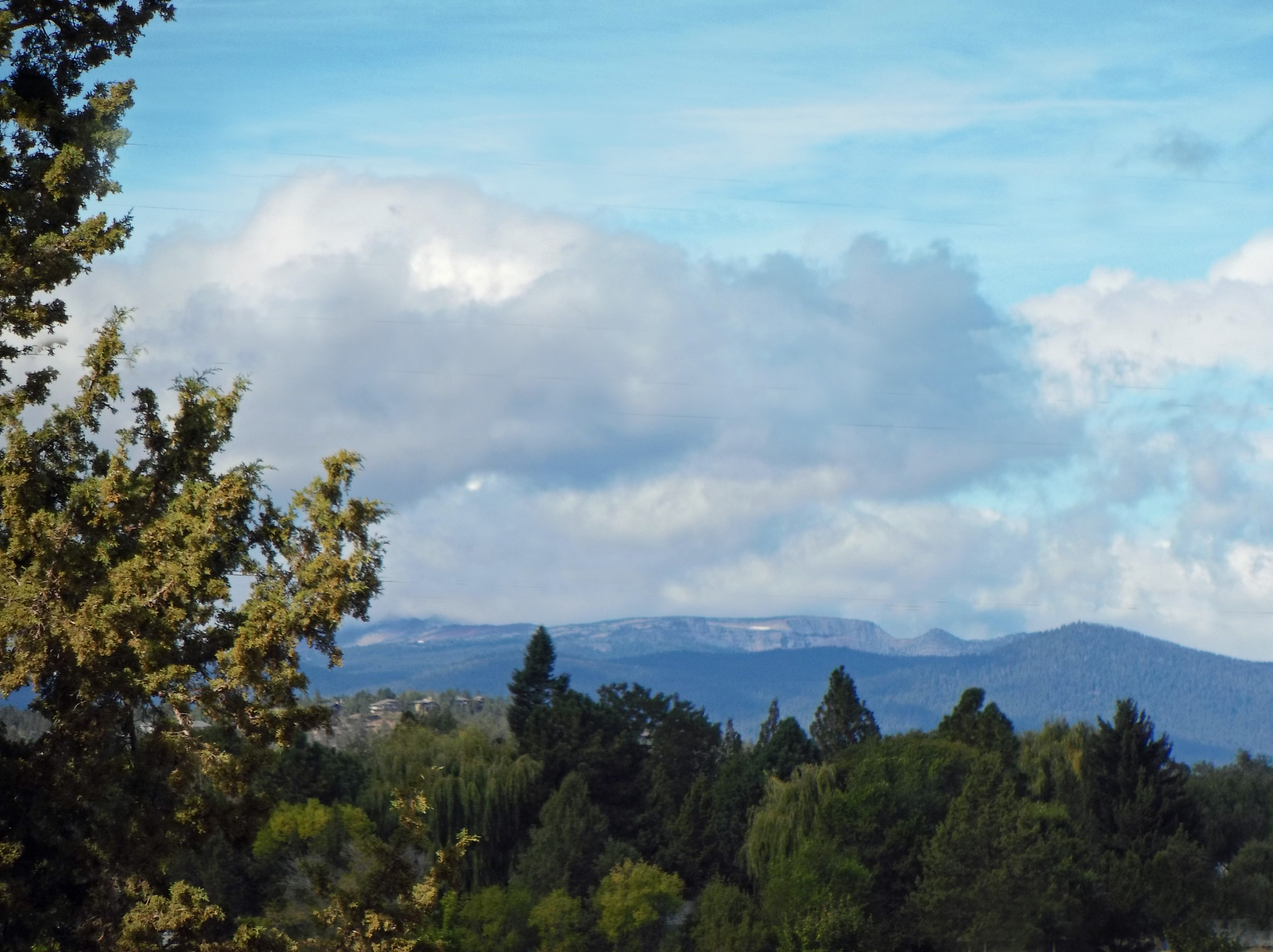
Spring Dusk & Sisters Mountains (Canon SX50)

Monday, April 01, 2019

I’m an fan of Charlotte Bronte, a wonderful writer. Her novel, Jane Eyre, was England’s earliest published work by a woman. Her imaginings arose in remote English moors where she lived, the eldest of four brilliant siblings. Her incredible ability to put mental images into words elevated her to international acclaim. Charlotte wasn’t her family’s lone artist. All the Bronte children could write. Her younger sister, Emily, a writer equally good to Charlotte, imagined relationships differently. Their skills got me into studying the Brontes, and they’re fascinating stories.

Another early English writer I enjoyed, Elizabeth Glaskell, was fascinated by Charlotte Bronte and made a point to get to know the young writer. Mrs. Gaskell developed a friendship with the shy Charlotte and wrote about her at length. In one description, she destailed Charlotte’s lifelong habit of standing in the moors, and at length, silently staring into the sky, studying clouds to evaluate weather patterns. In those days, there was no other way to forecast weather. I remember, from reading this years ago, and today incorporate Charlotte’s habit into my own life.

The high desert in Central Oregon is a place of forests, mountains, sky, and clouds. The mountains influence incoming weather by altering patterns sweeping in from the west. Their peaks capture winds, changing and funneling them toward this high desert; they capture rains on high, freezing and turning them into our snows. Central Oregon’s mountains, constantly interacting with weather, make overhead skies especially fascinating during seasonal changes.

Now silently, I stand watching the skies and often thinking of Charlotte.

Dear Readers, It’s April! And finally, spring. Diana
Charming Chickadees

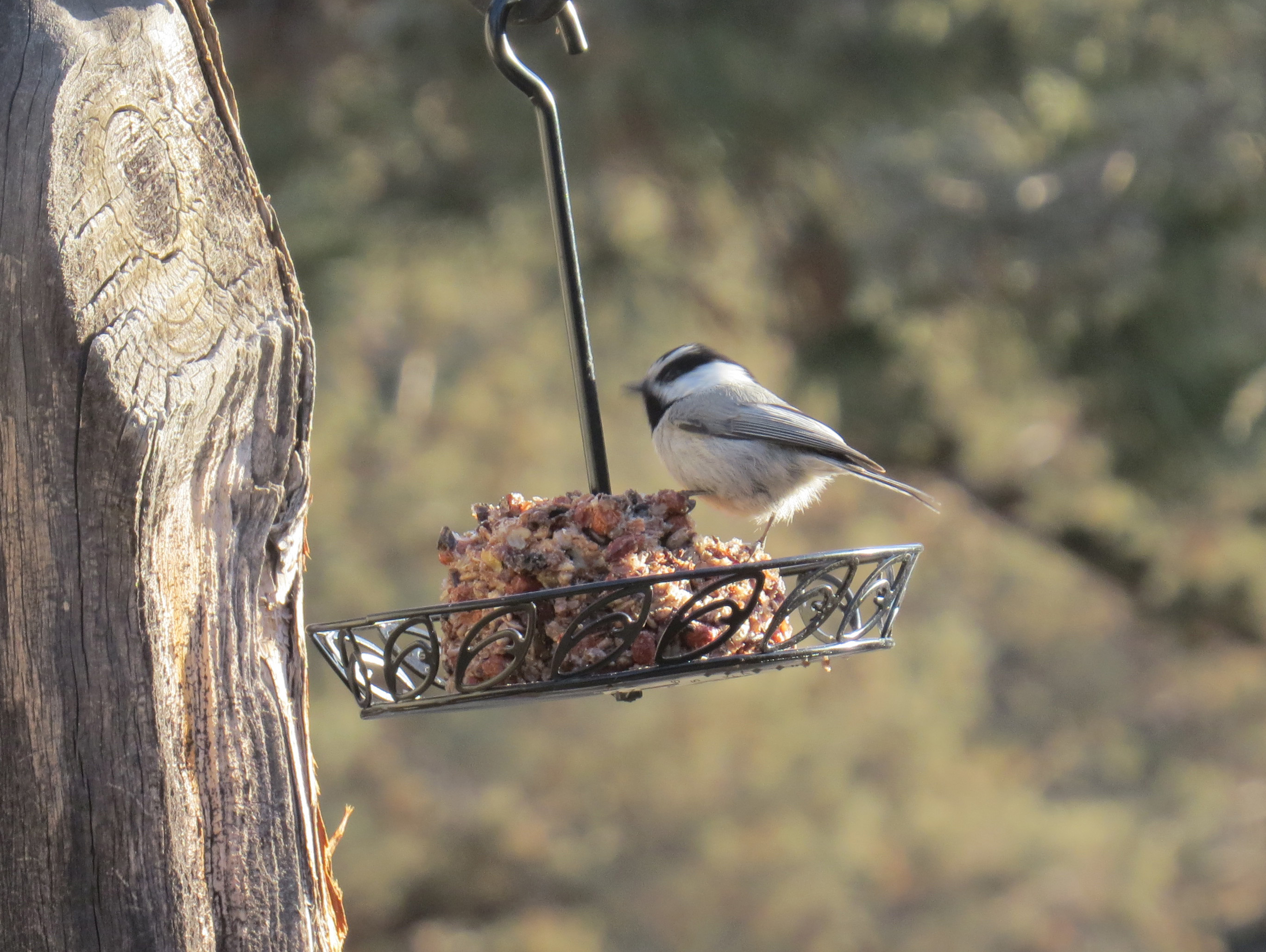
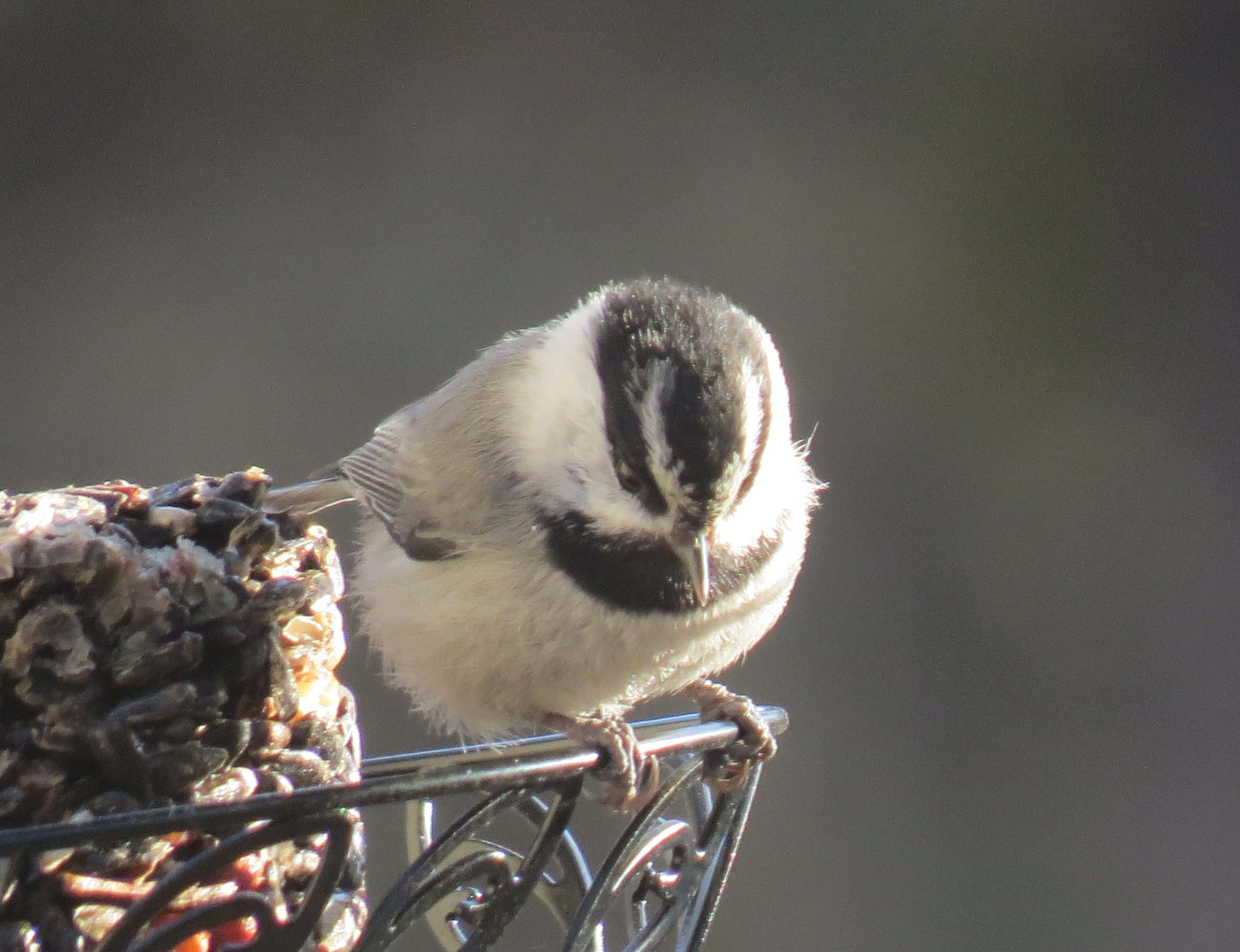
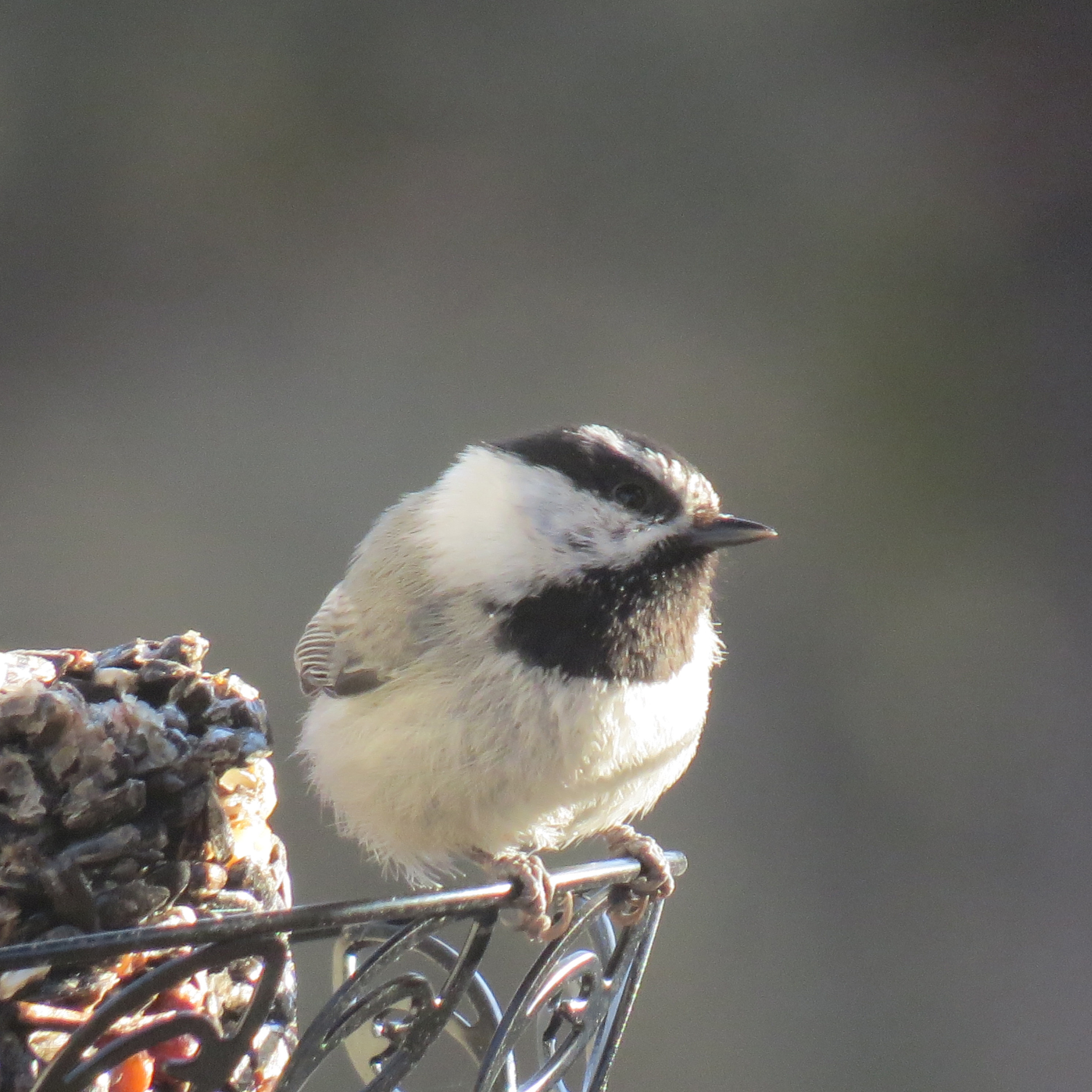
Mountain Chickadee (Canon SX50)

Sunday, March 31, 2019

For me, summer really arrives once the Mountain Chickadees arrive again in this area. I love the little songbirds, packages of great energy with distinctive feathering, and above all, with a distinctive, charming field call, “Hi-ya, ba-be.”

They create enticing background music to my horseback rides in BLM and forestlands, and as I hang around or do work on my property. I sing, too, and mimic back, “Hiya, baby!”

Regardless that our end-of-winter nutsy weather brings alternating days of freeze, snow, rain, or sunshine, it’s officially spring when the Chickadees start showing up on my feeders.


Aware of a camera

These forest birds, primarily insect eaters, love sunflower seeds and nuts. In my feeder, the birds and their buddies work very hard to release the large nuts that are bound together by hardened peanut butter. Their diligence and determination, worthy of admiration, are in contrast to their instant flights at slightest disturbances.

Deciding

Tomorrow begins a new month, and as these birds sing in the background, it’s time to transition beyond any first glimmerings of our new warmth, and now, start preparing for months ahead of dependable summertime and the activities that warm weather invites.

Dear Friends, Appreciate and hold in wonder the fabulous birds that tell us much. Diana

Shopping In Comfort

Saturday, March 30, 2019

After referring a person who’s new to Bend to our local Bi-Mart store, I started thinking about why I like to shop there. It’s an experience maybe akin to moving around at home in a robe and scuffing in slippers. For years, I’ve been a Bi-Mart fan. It’s an Oregon chain that encourages folks to roam in comfort. The Bend store, a little small and crowded with merchandise, seems like a very-mini Costco–an attraction for those who prefer one-stop shopping trips.

Most Bi-Mart shoppers are from middle- to old-age, pretty sure what they’re looking for, and Bi-Mart understands their needs. Folks who work there are friendly about answering questions and helping to find items. The store carries common household goods, like storage supplies, paper products, selected animal care items, some canned goods and candy. It has specific-need aisles, like automotive, electrical, hunting/camping, electronic, gardening, and cosmetics. Oh, yes, wine, beer, and children’s toys.

Sometimes (especially during winter), I need to escape my house and defuse in a low-pressure environment. That may mean browsing in Bi-Mart, slow-walking through its aisles, and not wanting products but observing the store’s merchandise and how it reveals the local social environment. Its specificity to customer needs tells lots about this small city, a community of recently-arriving retirees and entrenched old-timers–folks with long-time hobbies and habits who live live in-town or out on acreages.

Yesterday, I went shopping and left Bi-Mart with a 10# bag of russet potatoes (wasn’t looking for potatoes, but at $1.99….), cans of my favorite chicken noodle soup, bags of northwestern-specialty ground coffee, horse mineral supplement, and oyster shell grit for my racing pigeon, plus horse-worming tubes and Melita cone filters. A variety haul, from a single store! Plus, no concerns while shopping about being caught in public wearing ancient field-worn jeans and dry-lot clodhoppers.

That store fulfills a wide variety of needs.

Dear Friends, Enjoy this beautiful spring day. Diana

Escaping Mr. Charley Horse

Oh, no!

Friday, March 29, 2019

I’m occasionally plagued with nighttime Charley horses, or involuntary cramps that suddenly seize leg muscles and make either moving or not moving the leg painful. The intense pain that lasts long nearly is impossible to control. I’ve heard of instant solutions for leg seizures, like putting into one’s mouth a some mustard, salt, pickle juice, or black molasses. I’ve saved restaurant packets of mustard in a nightstand drawer, but upon a Charley horse hit, the pain prevents my shifting around to reach that mustard. No telling how folks keep handy such as salt and pickle juice.

My best solution has been to suffer while trying to move my legs enough to get out of bed. Once standing on the pained leg, my weight seems to relax muscles enough to walk, and moving helps most. Charley horses aren’t frequent enough for me to dwell on ways to prevent them; and between seizures I forget they occur. But also, I’ve begun experiencing occasional hand cramps, where one or two fingers seize, stiffen, and feel slightly painful. It helps to wave vigorously and massage frozen fingers with my working hand.

Recently, while at my part-time job in Costco, I overheard customers discussing the benefits of consuming small quantities of unfiltered vinegar and claiming it eliminates their joint pains. I wondered if routinely swallowing some of the vinegar might prevent my leg and hand cramps.

As one of the customers suggested, I poured two ounces into a shot glass and tried to down the vinegar quickly. It’s a vile-tasting liquid that burned in my throat and irritated beyond. For a couple of nights, I tolerated this procedure. Meanwhile, I cringed with every glance at that waiting bottle in my kitchen. I wasn’t cramping, so was it working? Is that evening drink worthwhile?

Yesterday, while contemplating another go with the vinegar, I wondered if mixing it with a different liquid could make the drinking easier. But what to disguise it? And then, I remembered weeks ago stashing in the garage a couple of bottles that I brought home. I believe in the product, which was on sale, it’s supposed to help inflammation, increase strength, and reduce muscle soreness. But it has a very bitter taste.

Tart Cherry Juice

Could combining two awfuls create a less-awful? That question was paramount as I poured a shotglass of vinegar into a cup of cherry juice. Closing my eyes, I quickly glugged, and yes!, the combo tasted less awful.

Whether I continue downing this combination will depend on non-recurrences of cramping, and particularly Charley horses. I’m not recommending to anybody this experiment with a possible home remedy; but if it prevents future cramps, I’ll share the news.

Dear Friends, Thanks for journeying with me to wherever. Diana

Turmoil in the Sky

In Central Oregon, looking west

Thursday, March 28, 2019

Up in the Cascades and under a moody sky, the mountains may be invisible in a huge space of sky with distant cinder cones. It’s a powerful view compelling attention and inspiring imagination. These elements, in a conflicted sky straight out of Wuthering Heights, seem brooding and anxiety-causing.

It’s a view that distinguishes Central Oregon’s high desert, an environment merely a stone’s throw from the west side of those mountains. Over there are lush forests, gushing rivers, and meandering streams. Typically, travelers heading toward either side of the Cascades wind up in very different worlds. West of the Cascades they’re in damp greenery, and here in the east in sandy, dry desert.

Then on days like yesterday, spring weather blots all our senses. Starting in early morning and for about five hours, we in the high desert were on the receiving end of heavy snow. Shortly after snow ended, the rain began and continued on and off for most of what remained of the day. But before everything was over, there were ten or fifteen minutes of hard hail. Most of that day, everything over in the west was invisible; nothing existed except one’s small island of home.

It’s only another transition to spring, we tell ourselves while holding a cup of coffee and waiting for the weather to settle. When it’s quiet enough to go outside, we’re once again into a quiet world, finding ourselves in slippery mud, but at least not icy snow.

The horses are wet and hungry. We stand at the far barn door, listening to their comforting munching and looking to the west, hoping for a sight of mountains.

Dear Readers, Have a lovely day. Diana

A “Pink Family” Plant Spring

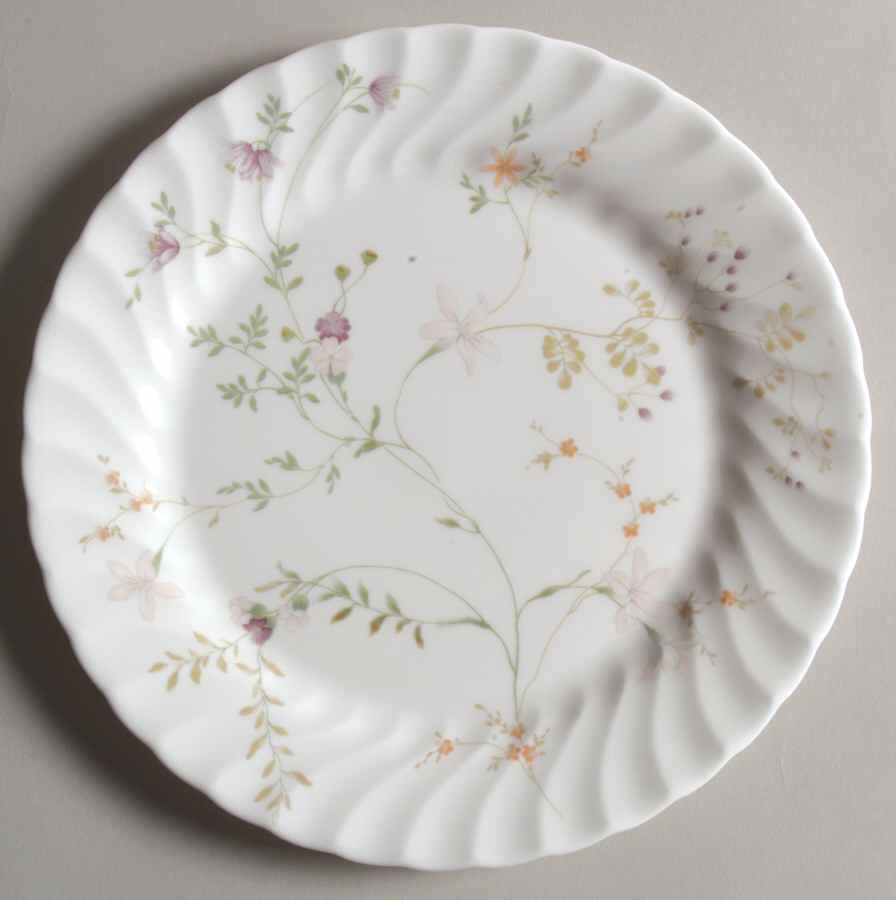
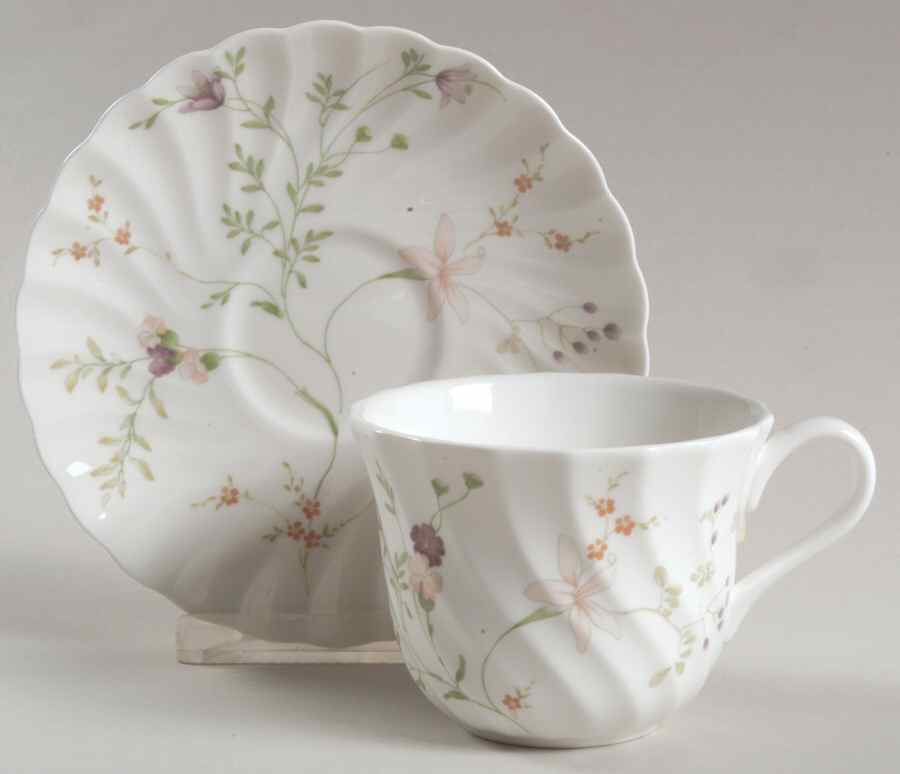
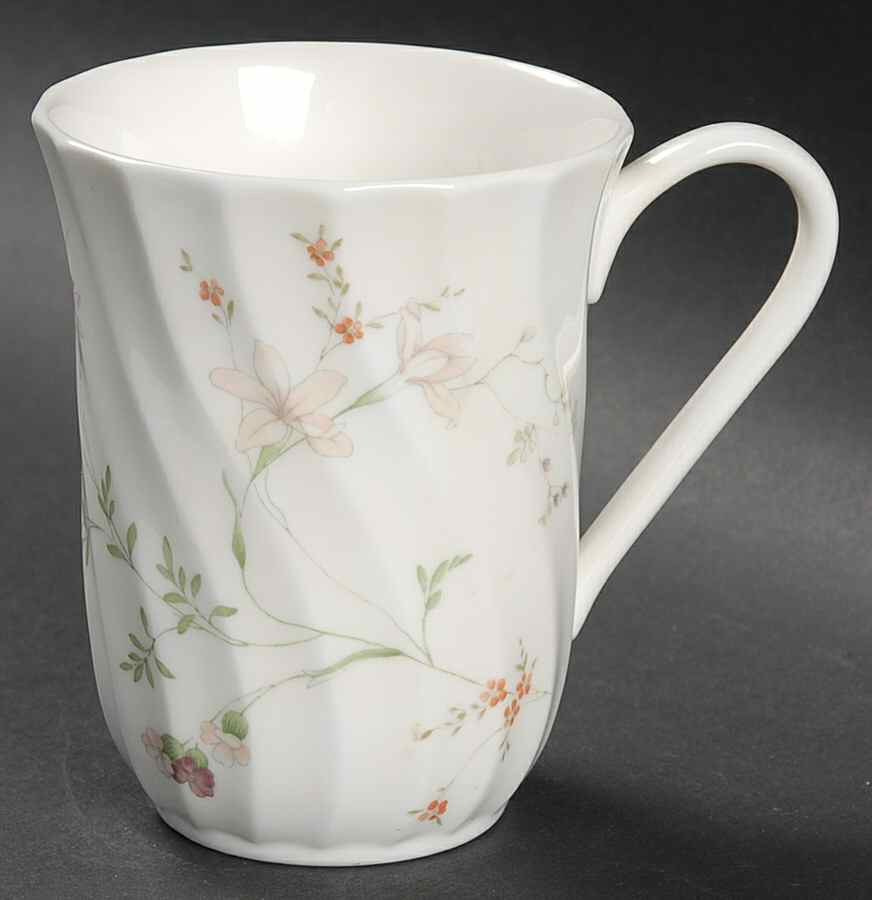
Wedgewood “Campion” Bone China

Wednesday, March 27, 2019

Recent writings by a couple of my favorite bloggers has me considering more signs of spring than searching for new greenery and emerging plants. Those springs behind us are memories, and those ahead are spring-like visions. Anyway, I started thinking about my stash of Wedgewood Bone China. Its pattern, “Campion” depicts flowers of the “pink family”, pink and white with notched pedals.

Many years ago, while in England on business for about a month, I decided to acquire some real English pottery and for weeks searched, examining carefully the patterns on every bit of porcelain I came across. All I knew about bone china was that it’s pretty to look at and not heavy to handle. I enjoyed the idea of drinking from cups that allow natural light to shine through. I returned often to the Campion pattern, which was problematic, for it wasn’t highly popular and not easily obtainable in the U.S. Anyway, I went for it, had a set shipped home to California.

Unfortunately, the package arrived (finally!) with many broken pieces, and by the way, a lesson-learned. Nevertheless, I had enough pieces to support embracing tea-drinking as I’d done overseas. Over time, teas became secondary to trends like Starbucks and emerging better coffees. Eventually, my purchase of a Keurig sent the Wedgewood into semi-storage–in a glass display case, where often I paused to look at it.

Sometimes I’d remove a piece of the china and look closely, wondering what had attracted me in the first place. I still loved the pattern, and oddly, it didn’t occur to me that its strength was related to the subject of spring. That’s the unfortunate way of a working city girl, who neither gardens nor nor much breathes deeply in natural surroundings.

It wasn’t accidental that upon retiring, I changed my intense, focused life for one that’s semi-rural, casual, and smack in the middle of Oregon. Only after retiring did I become involved with nature, which unexpectedly arose from my impulse to acquire a horse. My horse carried me on local trails and high in the mountains, where for the first time, I moved in oceans of wildflowers and smelled varying airs of the seasons.

This morning, I pulled out a Campion mug, examined more closely its pattern and could see spring itself. After all these years, I reached into myself and experienced more than a delicate arrangement of pretty florals. I could see and feel the season ahead.

And now, I raise a coffee-filled Campion mug in salute to those bloggers who’ve encourage me to reconsider old perceptions. I’ll appreciate more this oncoming Spring, thanks to an unknown and talented pottery artist, who’s sweet signs of what’s ahead are in my sights.

Dear Readers: Renewing old perceptions takes time, effort, and focus. Diana

Spring Reprise


Tuesday, March 26, 2019

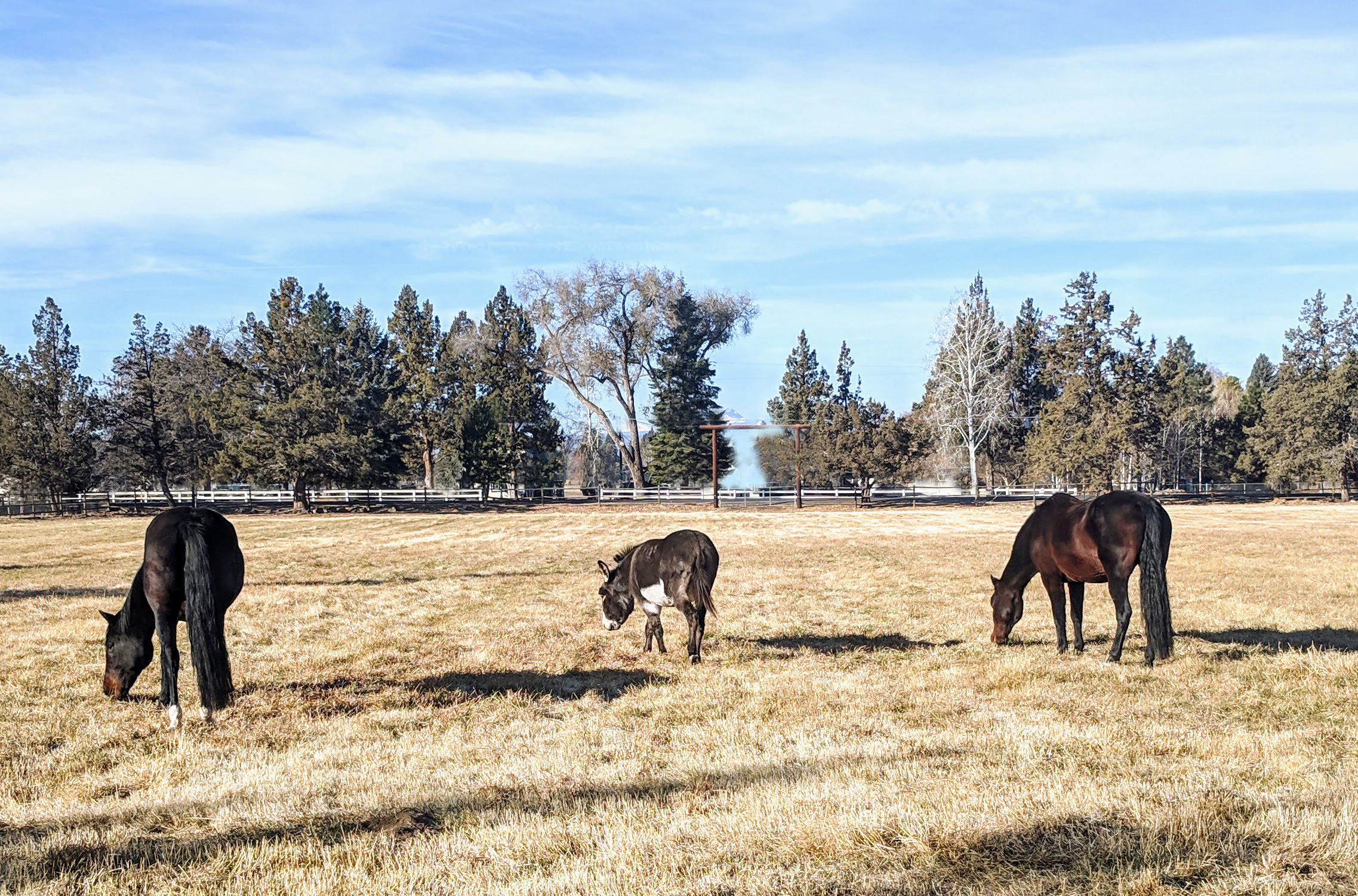
The horses were delighted to return to pasture after weeks of snow and ice. It still was icy on the footpath from home to our neighbor’s driveway, until reaching the pasture where we didn’t see snow. The horses raced freely and found new popping grasses. Ah, warming weather!

My own property is clearing of snow, but the job of leading horses through that still-snowy pathway to my neighbor’s required me wearing boots with serious cleats. I had to tread carefully while, yet again, arguing with Rosie over who’ll lead. To her credit, Rosie is a very smart and well-trained horse, wouldn’t hurt a flea or think about running amok, but if she thinks she can get away with something, she’s pushy. She doesn’t enjoy walking slightly behind, where I want her to be, and keeps me having to yank on the lead rope and mutter, “Get back!”. I’m simply a gnat to the Jolly Green Giant.

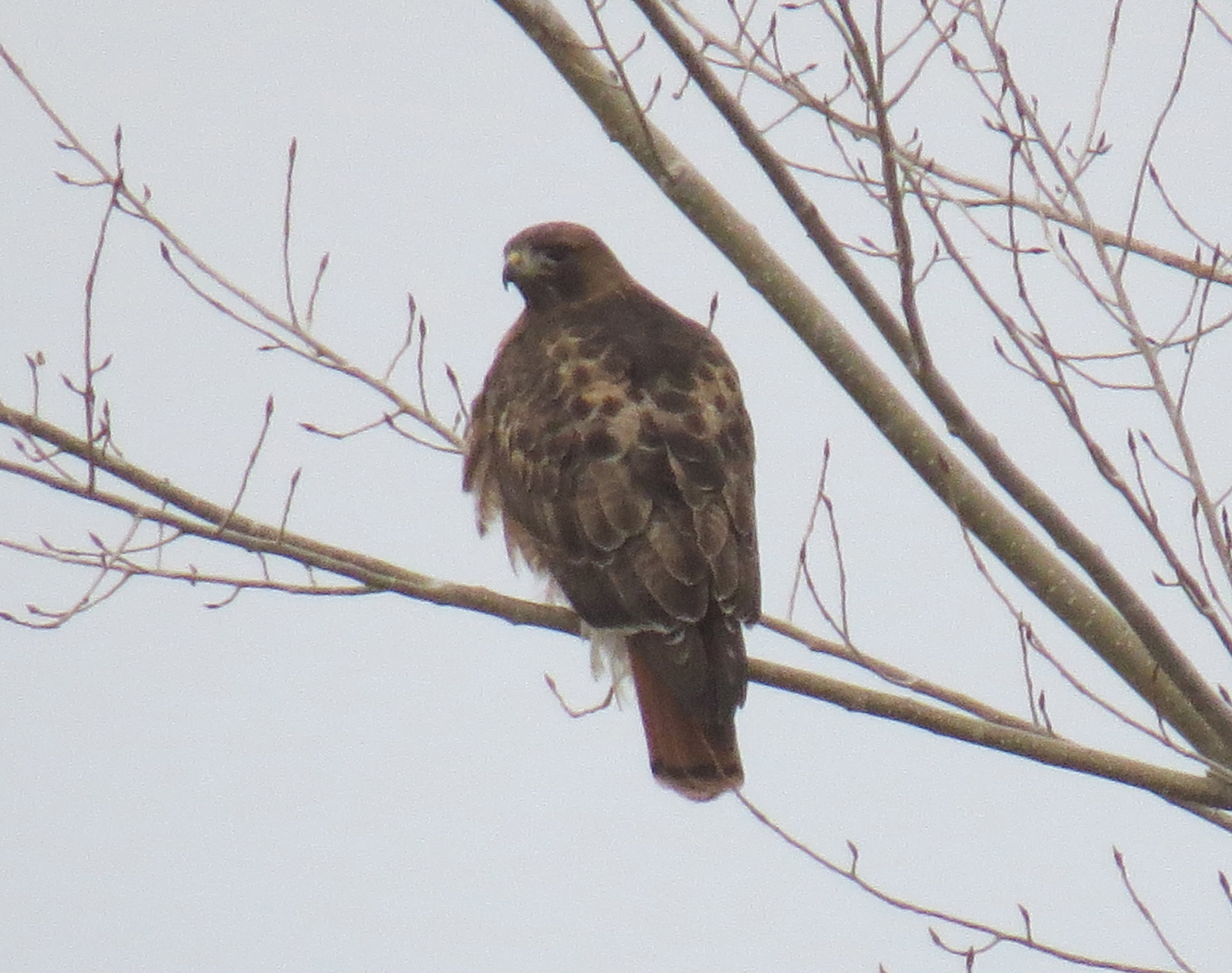
This never ends, and we always reach our destination and its rewards. I love seeing the horses looking healthy in a natural environment. As an extra perk, I saw an observing Red Tailed Hawk perched above that pasture, an irresistible photo op.

Maybe the hawk watched a nest near that pasture’s pond? My turning loose the horses disturbed a pair of geese, far enough away, but honking and screeching in my direction, and then flying off. Later, I saw them return and wondered if the pair has stashed eggs, or maybe hatchlings? I’ll try to avoid disturbing the geese while keeping a close eye on them to clarify and perhaps taking photos.

Dear Friends, Have a wonderful day. Diana

Seeking

Monday, March 25, 2019

My Mini-Aussie, Louie, who’ll turn ten years old next month, feels poorly. Several nights ago throat-clearing and gagging noises awakened me, and they were from Louie, trying to release something from his throat. Soon, we again fell asleep.

The next night, another throat-clearing session made me wonder if he’d picked up an infection, but from where? The dogs haven’t left the yard nor been around other animals for months in this winter of freeze and snow, and none of my three other dogs showed similar symptoms.

On the third day, while hanging out with me in the house, Louie tried more to clear his throat, and I noticed. By day four, it was even more so.

Yesterday, we visited a veterinarian who said that throat-clearing with no obstruction present might indicate heart disease, among other things. Since Louie isn’t a young dog, he got x-rayed. The slides didn’t evidence heart-related issues or an object stuck in his throat. One x-ray revealed an area of “too much white” that puzzled the veterinary staff, but they couldn’t attribute it to anything other than, “something worth watching”.

In these days of opioid overuse, medical professionals are more cautious about prescribing drugs. Louie’s veterinarian at first suggested giving him cough medication, but we doubted that could help. She debated whether to draw blood and check for an infection before considering antibiotics, and I was willing, aware of issues that might cause medical professionals to hesitate. Suddenly, she shrugged and said, “let’s do antibiotics”(relief to me relative to expense). We agreed that, if he doesn’t get better, he’ll be re-examined.

I’ve had enough pets to recognize an infection, but while driving home, I thought (yet again) about my former dentist and friend, Marika Stone. She’d been killed while bicycling in a bike path, by a woman driving a truck and high on opioids. The ensuing trials revealed that the woman had been such a heavy opioid user that her doctor had stopped prescribing medications, and so, she attained prescriptions from a veterinarian for her German Shepherd, and she herself took the dog’s drugs.

I was willing for Louie to have blood work, although surprised that this would be a step toward prescribing an antibiotic. In the past, medicating dogs has been easier and less expensive. I’m old enough to remember when an average cost of visiting a veterinarian was $15. My early beloved dog was a Doberman, and in those days the cost for analyzing a stool sample was $5; the cost of puppy ear trim surgery (which today I’d never consider having done!) averaged $150.

We must roll with the times. Regardless of our status of life, we’re connected with the larger problems of massive student loans, medicine costs, medical and dental care, and the physical and psychological trauma of widespread drug misuse.

This makes me wonder if someday it’ll be too much a luxury to have pets, even little ones. We with large animals already know that it’s “a biggie” to afford keeping them. Unless humans straighten out and manage better the complexities of social economics and human care, it’ll become ever-more challenging to maintain, much less improve, the status quo.

Dear Friends, Our shared quest for stability often approaches dream struggles. Diana


A Sweet Home Cemetery

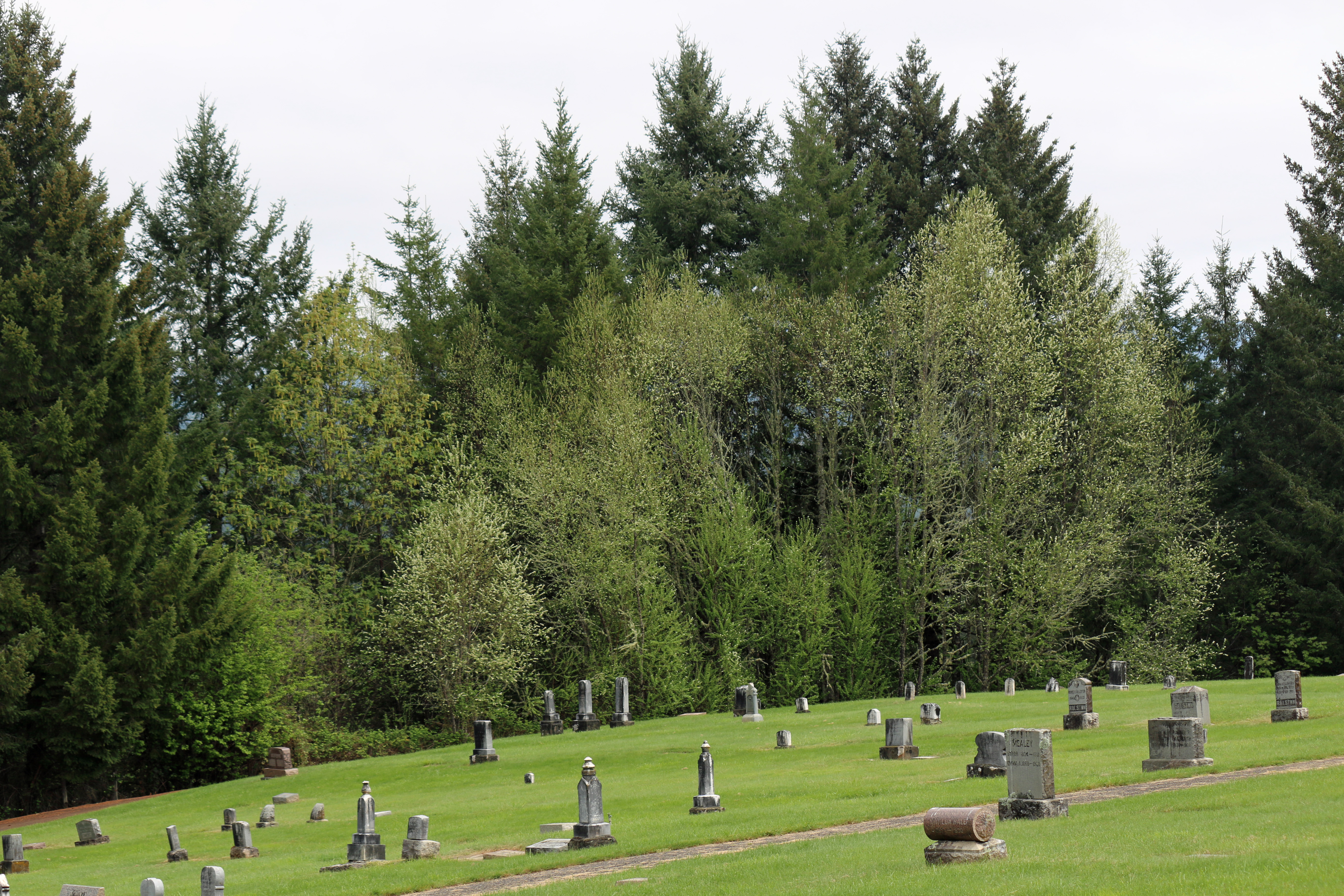
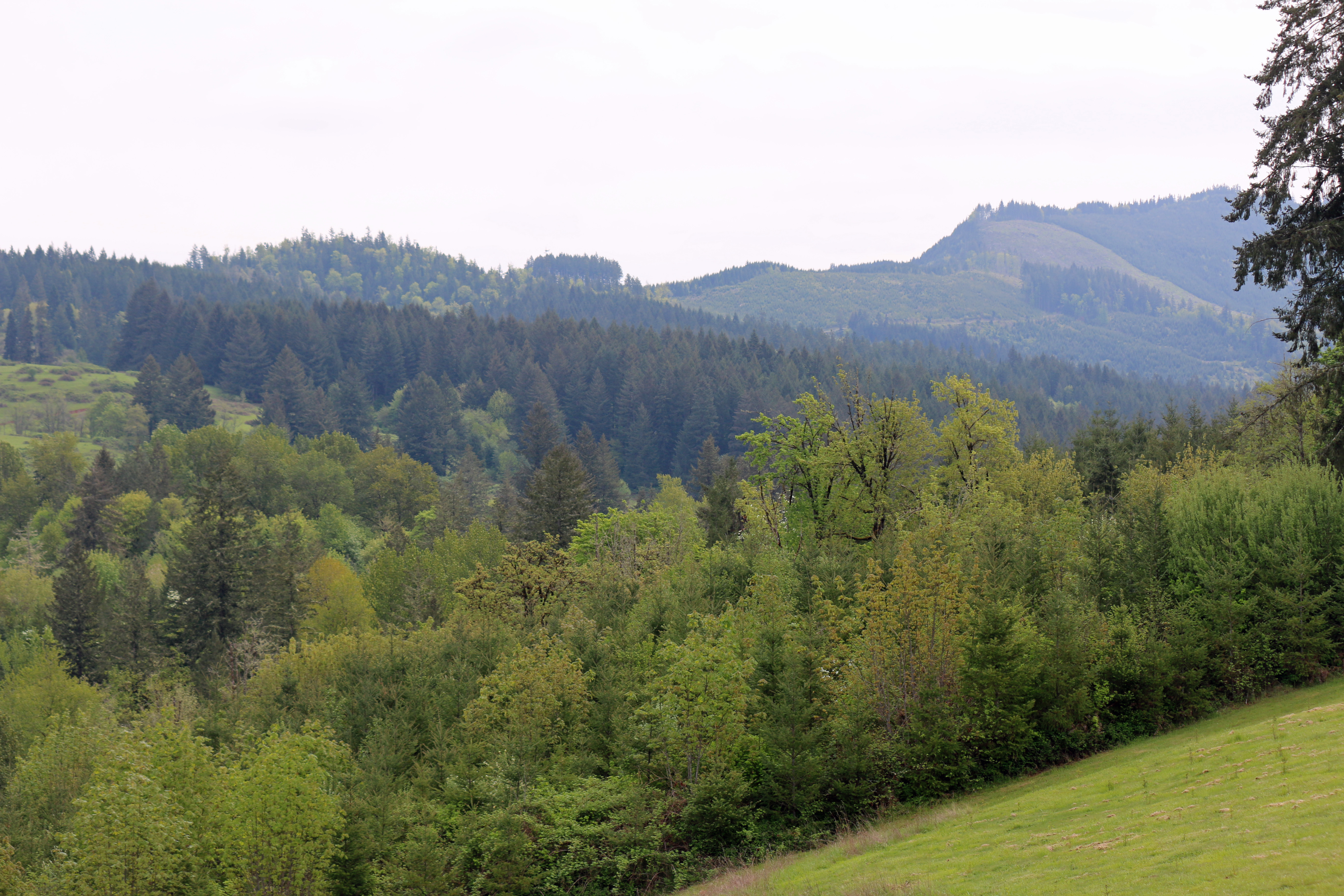
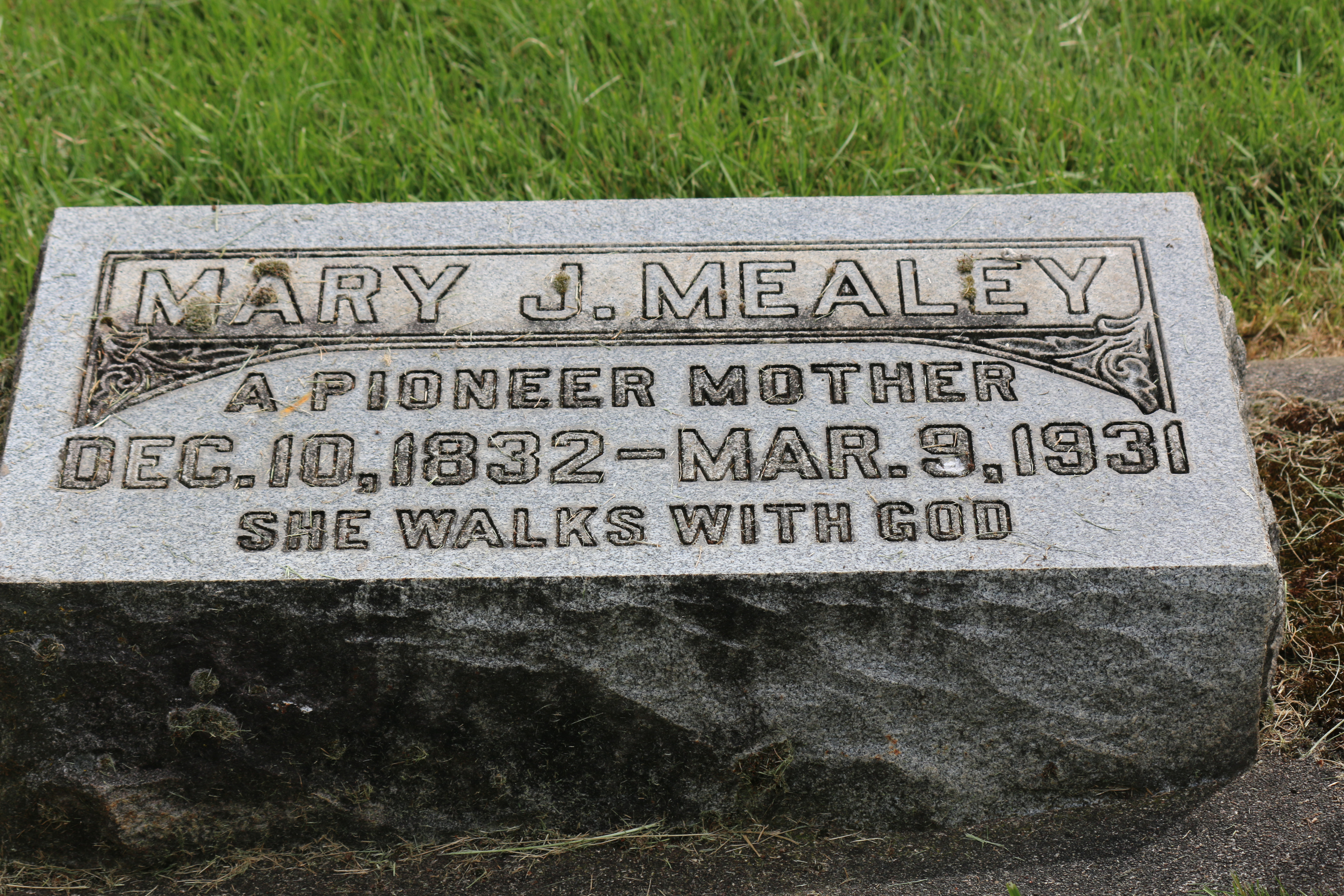
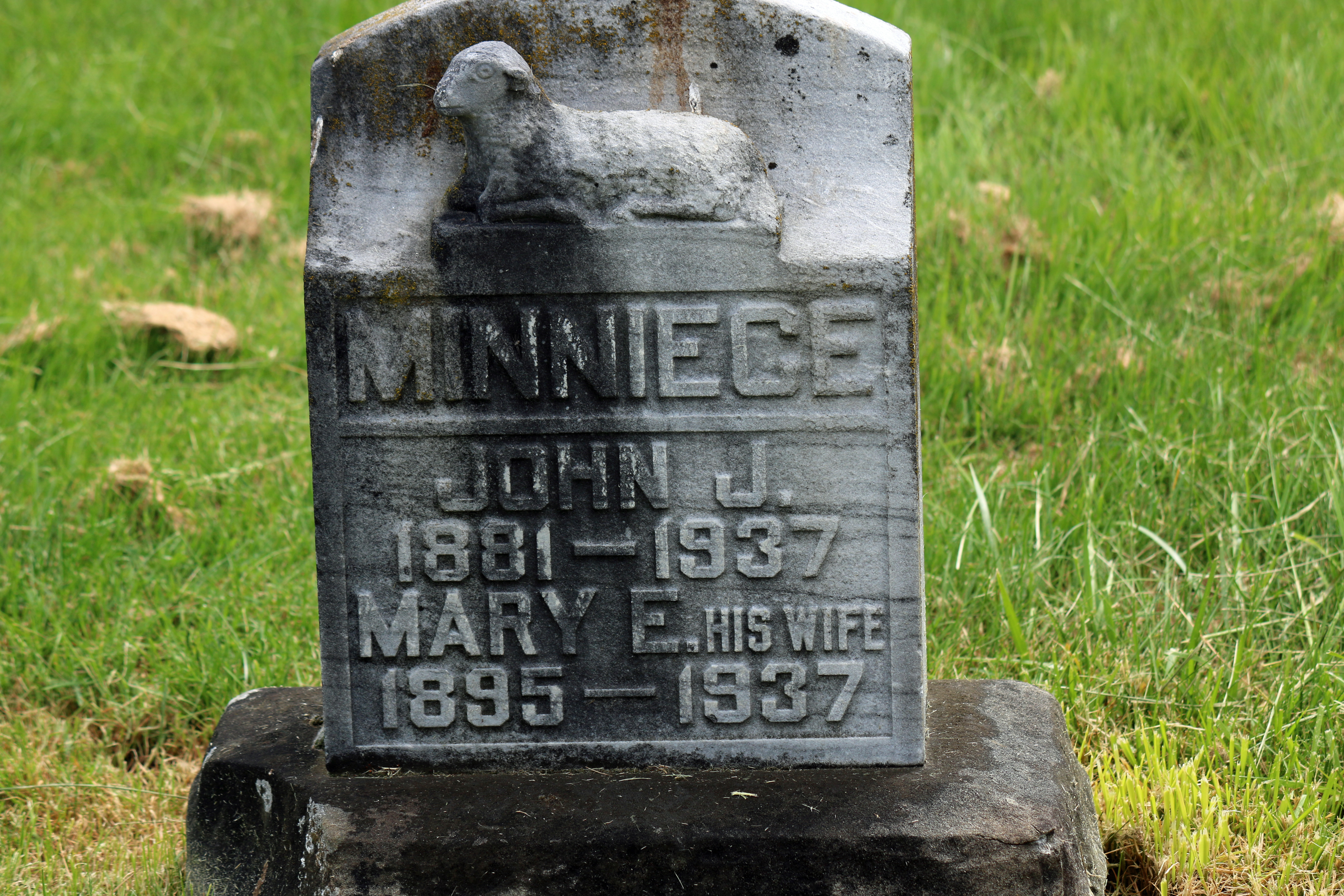
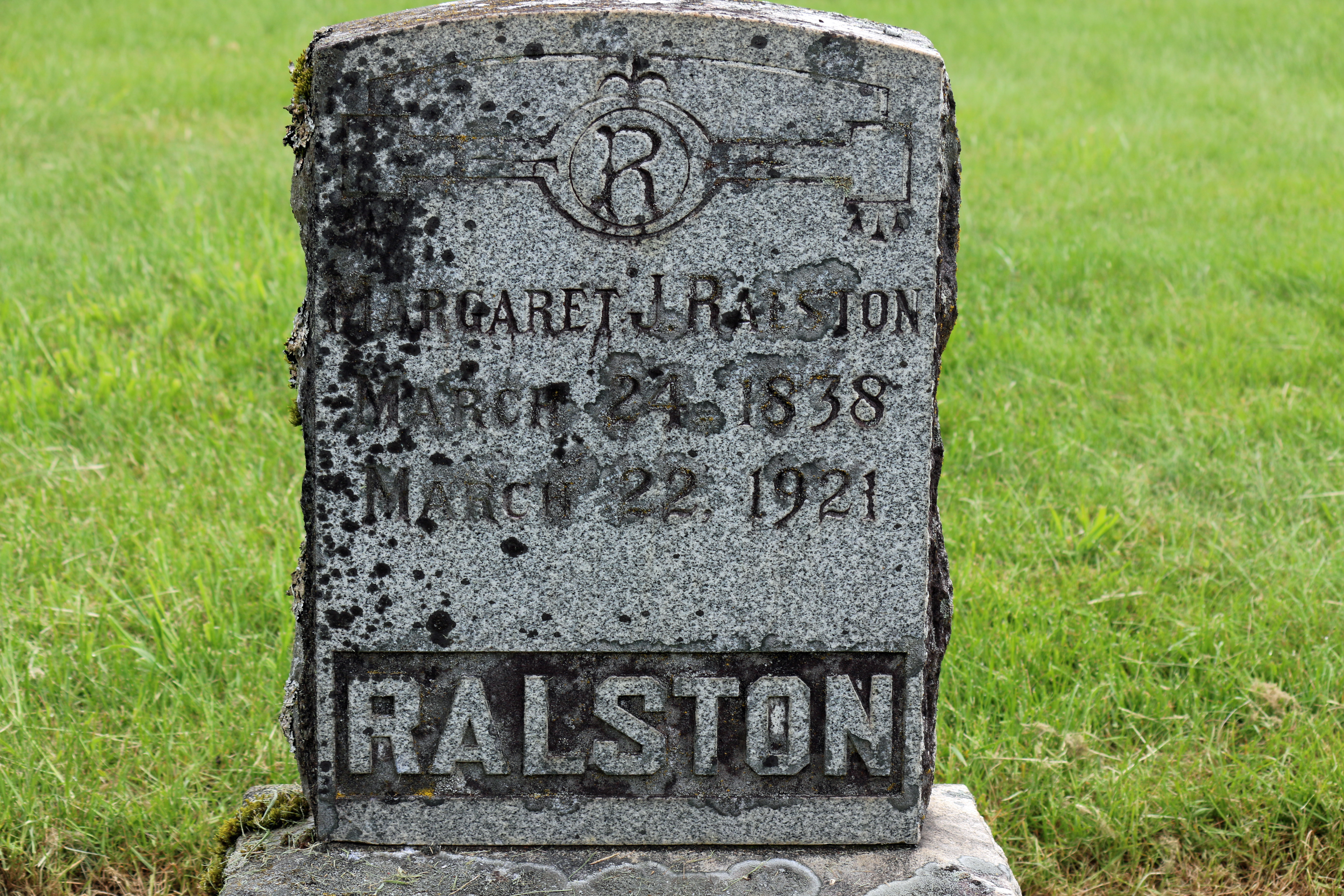
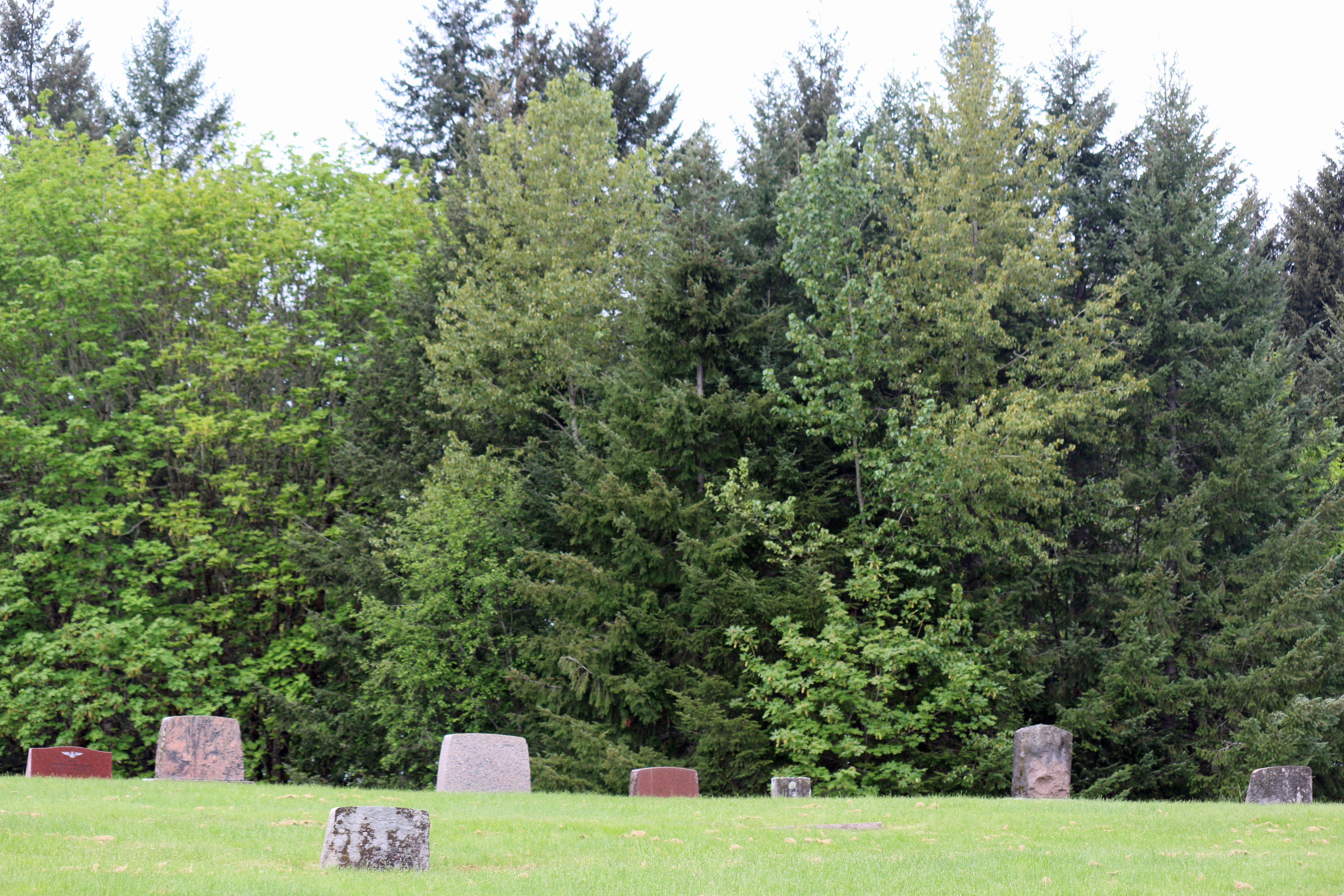
Once while passing through Sweet Home, I made a spontaneous side trip to one of its cemeteries hoping to find the grave of a pioneer who interested me. Located in the hills above Sweet Home, that graveyard environment is beautiful and peaceful. If one studies the gravestones, they form a not-so-peaceful picture of early pioneering struggles and conflicting social values.

The surrounding tranquility and peace counters the energy created by studying the gravestones.

I couldn’t find the gravestone that had enticed me to that country cemetery, but the section I searched revealed a progression of 19th Century pioneers. They traveled across the country in wagon trains to reach the west, homesteaders who founded Sweet Home.

B 182?, D 1902

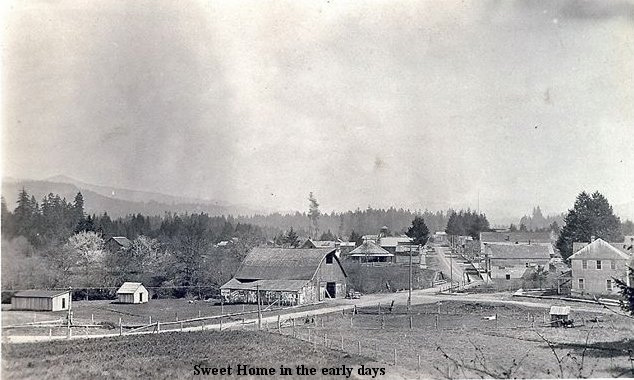
Sweet Home, began as and still is a logging town, located in a basin-shaped valley surrounded by mountains and timber. The town was established, in 1852, by the Lowell Ames family (mom, dad, and six sons). Those first permanent settlers were Mormans who fled Missouri and religious persecution. In Sweet Home, they built a water-powered saw mill and were the first to file for land claims. The town’s developing main street followed the irregular path of the Santiam River. By 1870, its population was 199, and by 1900, Sweet Home was known as the toughest little town in Oregon. On every block, there were hitching posts, spring wagons, saloons, and at least one church.

From the personal collection of Mona Hyer Waibel

In the 2010 census, Sweet Home’s population was 8,925. Walking through the cemetery stimulates a strong sense of the area’s history, speaks to the determination and grit of folks who were starting new lives, who had loaded belongings into wagons and headed across the country from the settled east to the unknown west. Today, a drive through Sweet Home’s main street and neighborhoods provides a picture of a small but strong community where many residents are relatives or co-worker acquaintances.

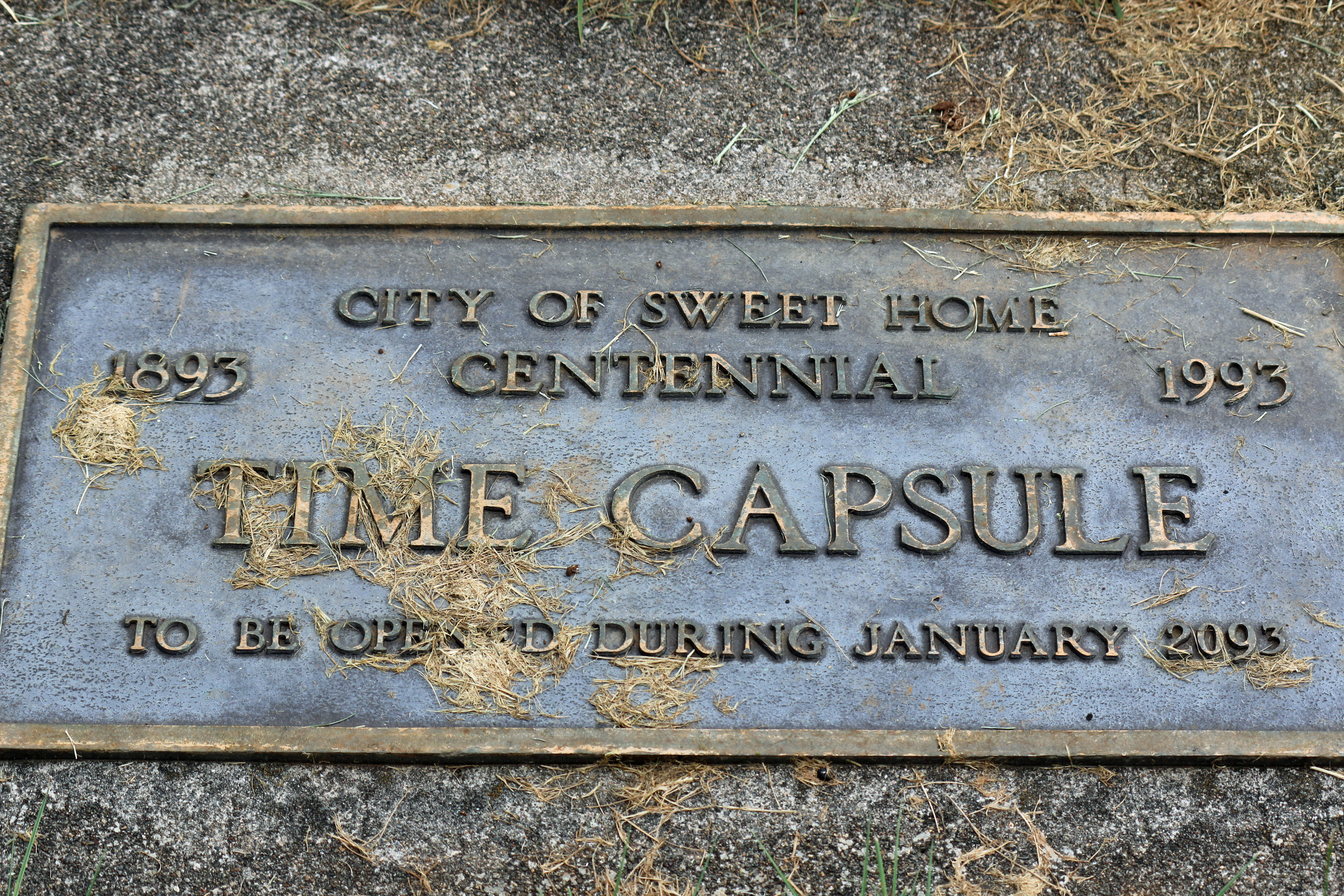
Proud descendants of Sweet Home’s pioneers have arranged to share the City’s history.

It’s important that a badly needed road between the Valley and Central Oregon opened between Sweet Home and Sisters–the original Santiam Wagon Trail–a rough, rocky, mountainous path that, at least partially, still exists and is accessible from the Sweet Home side. That original rugged trail through the mountains eventually was superseded by the paved McKinsey Highway.

My casual walk through Sweet Home’s graveyard suggested the grit and determination of early settlers, and also, led me to seek a knowledge of lesser-known Oregon.

Dear Readers: Gravestones stimulate a thirst to know history and progression. Diana

Spring Surprises

House Sparrows

Saturday, March 23, 2019

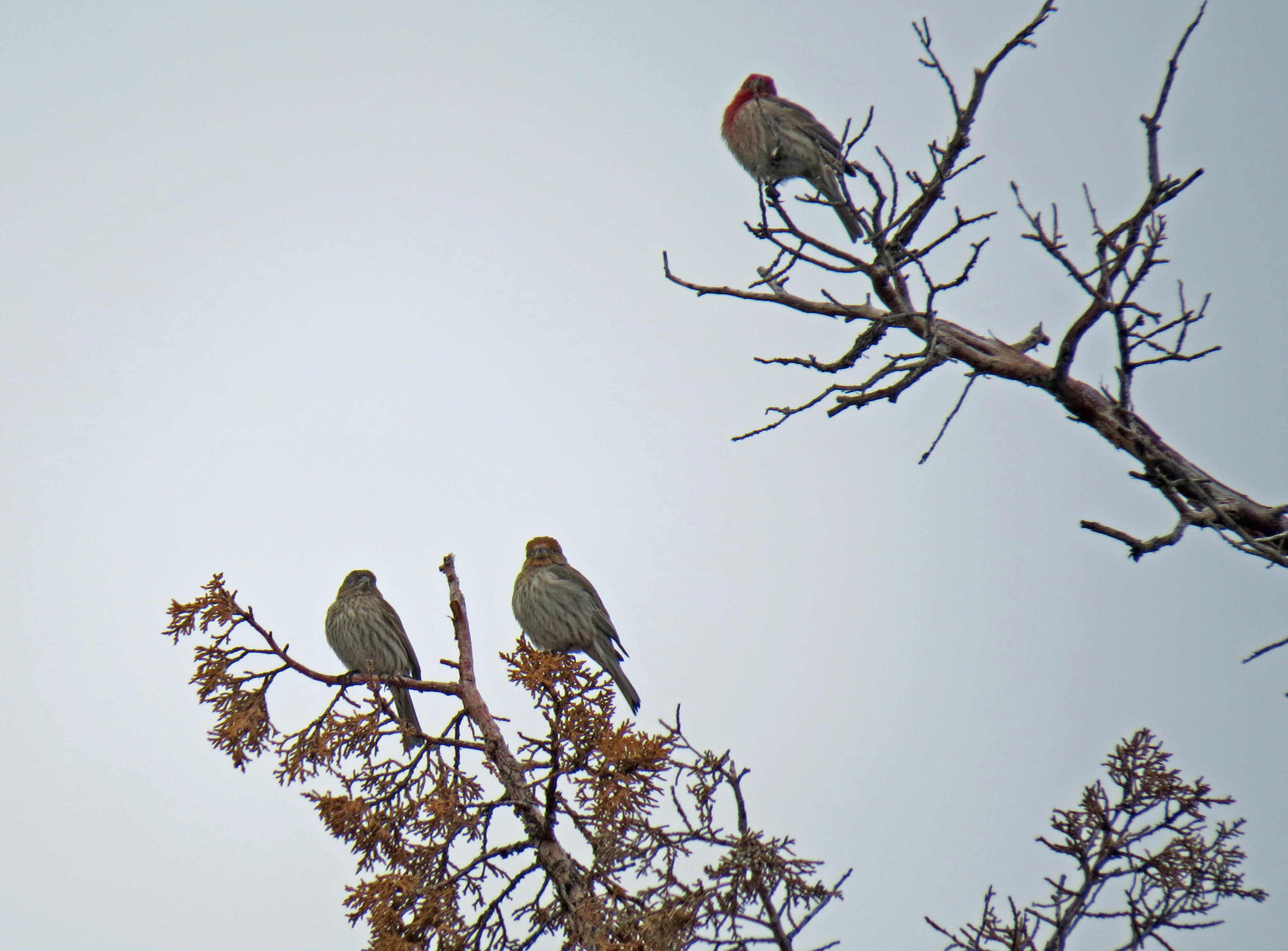
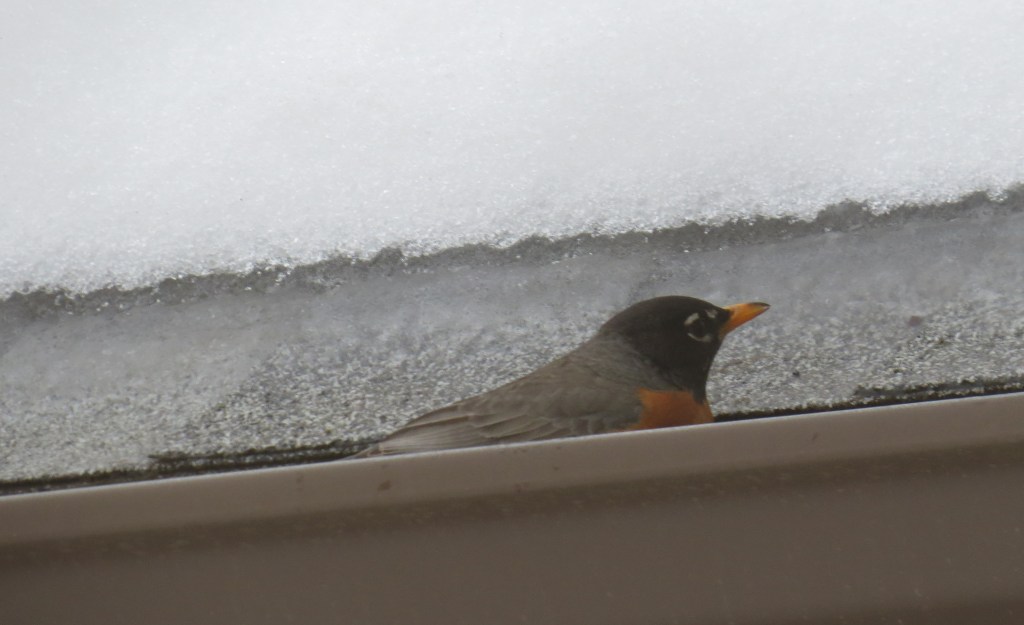
Many common small birds clustering at my feeders are House Sparrows, House Finches, and Dark-Eyed Juncos. Meanwhile, the warming earth and Junipers laden with berries invite larger common birds, Robins, Jays, Solitaires, and Starlings. Others that hang around are Mountain Bluebirds and Barn Swallows. I enjoy keeping an eye on the birds, often through a camera, and also, observing their behaviors.

I’ve no welcome feelings for a beautiful bird that taps-taps on my house. Until its noises begin, I conveniently forget that Flickers also return in spring, and right now, their unique sounds are invading my comfort. When their invasive noises alert, I hurry outside with a towel or similar “flappy item” to wave, hopefully diverting the bird and encouraging it’s departure. Like all birds, woodpeckers have memories and may return to selected spots. Oh dear!

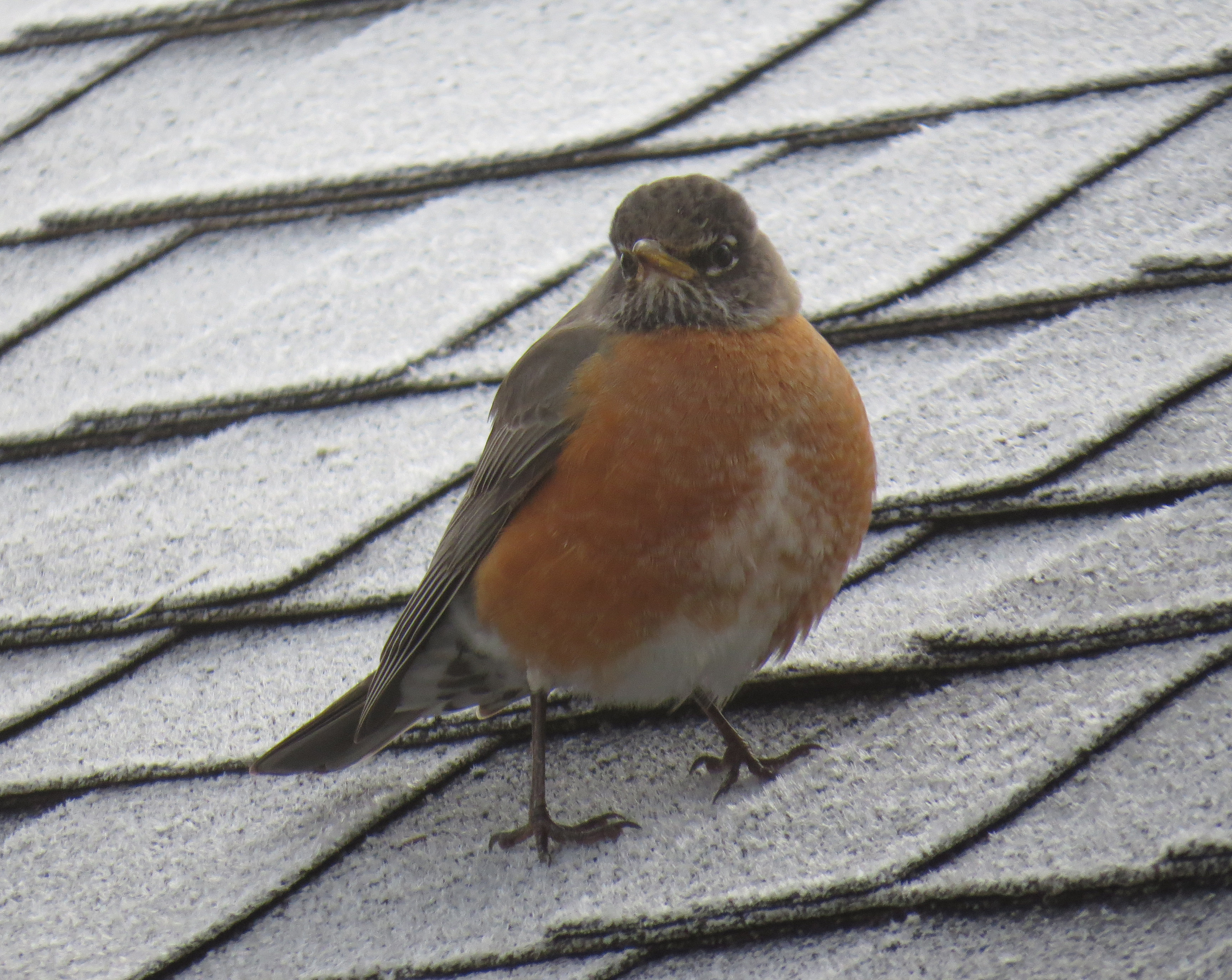
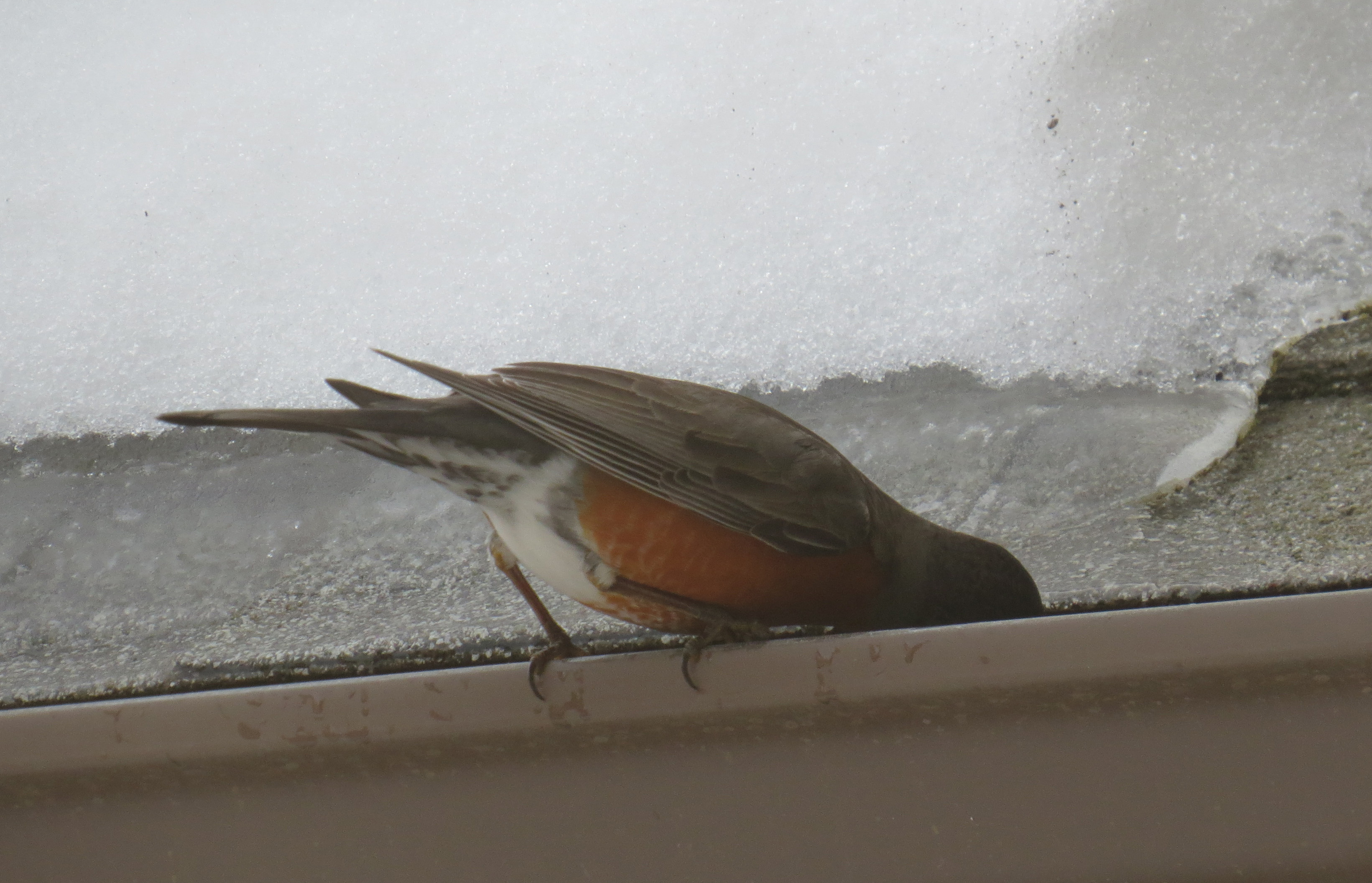
Setting that problem aside, the other day I found myself watching Robins fly to and from a house gutter where they were diving for trapped insects and berries. I saw all that, for I happened to be standing in an unusual spot, and thus, it was my first time observing the busy bird-and-gutter action. I went inside to fetch a camera and resumed my vantage point.

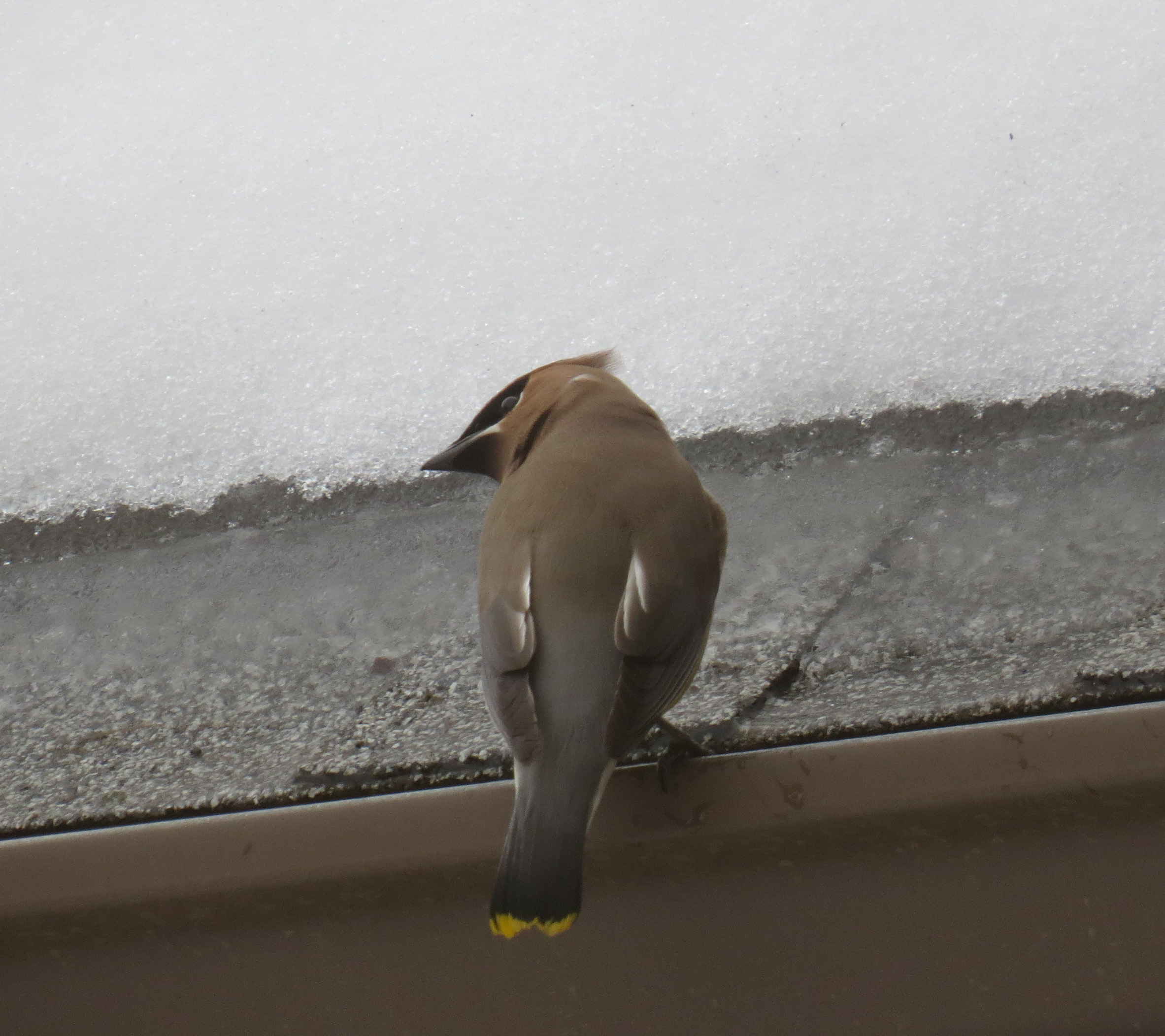
Suddenly, an eye-catching and new-to-me bird landed on the gutter. An area resident or a passerby? It neither disturbed nor was disturbed by the Robins. Like the other birds, it dove eagerly into the gutter, and soon, its mate joined and stood watch. I felt excited to capture those beautiful strangers.

Among pictures of Western Birds, this uniquely feathered pair is easy to spot. They’re Cedar Waxwings, and like the neighborhood Robins and Solitaires, are berry-eaters. If these two happen to be nesting nearby, maybe they’ll be visible this spring and beyond. Their visit to my roof gutter is a gift.

It’s always interesting, to perceive and try to capture, an “ah ha” or moment of learning. What strikes me is that this blogging format, where one works at marrying words to photos, has begun to sharpen my physical vision. And I like that.

Dear Friends, It’s an ever-evolving combination, body and mind. Diana