Writer’s Dilemma

Thursday, September 23, 2011— October’s fullest moon (“Hunter’s”) will rise on the 20th.

I’ve drafted some novel-length stories. None has seemed particularly impressive but all had grains of possibility. I’ve edited trying to improve each and always been unsuccessful. I become tangled among sections by changing enough action to alter an original story. I’ve failed as an editor of my longer creative efforts.

On short pieces, I’m successful. They’re quick to create. Although self-editing is labor-intensive, short articles allow my brain to keep squarely on stated themes and desired endings.

But longer writings have one or more key themes with multiple branching activities, requiring an editor to focus squarely on the critical trio of subject-action-resolution. While editing and wishing to improve the writing, I fiddle and lose focus by becoming tangled among conflicting possibilities and ideas. One must quit altering to wrap-up a story.

These days, I want to re-explore the old stories. Many passing years have distanced me from early ideas and themes. Maybe re-reading an old draft will renew its possibilities. Maybe finally, I can better edit multiple chapters and gain their relevant closure.

Dear Friends: The materials exist, and so, one should quit thinking, start doing. Diana
Wrap Summer

Wednesday, September 22, 2011— October’s fullest moon (“Hunter’s”) will rise on the 20th.

The weather is changing, daylights becoming shorter. We “moon chasers” were aware while preparing to chase the rise of September’s Harvest Moon. The designated day had been hot enough for t-shirts, but that early evening we took jackets and sweaters. Plus, we left earlier than usual to be in place to witness the full moon’s rise.

Today is the autumnal (fall) equinox, which lasts moments but represents an actual weather shift to winter of 2021. This usually occurs on September 22 or 23 and is a brief moment in time, during which the sun appears directly over the Earth’s equator before crossing into the Southern Hemisphere. At that moment across the globe, there are equal periods of daytime and nighttime.

Technically at this equinox, the Earth’s orbit is at a point where neither hemisphere tilts away from, or toward, the sun. That makes day and night nearly equal, and over most of the globe will be 12 hours of daylight and 12 hours of darkness.

To me, it’s significant that we’re about to enter the “dark season”. As our days become shorter so must our habits, and certainly mine. Folks who like me have equines will decide whether to shoe again or leave horses barefoot (shoes are negatives in snow). We will prepare for altering equine exercise routines through the months ahead with short light and much cold.

Already, my animals show signs of transiting to winter coats. Already, in mornings I am in a heavy jacket while out feeding them. Already, I’m thinking about having to cope with arriving cold weather in unusual patterns.

Dear Friends: Earth weather is less predictable, while solar activities are dependable. Diana

Harvest Moon Rising

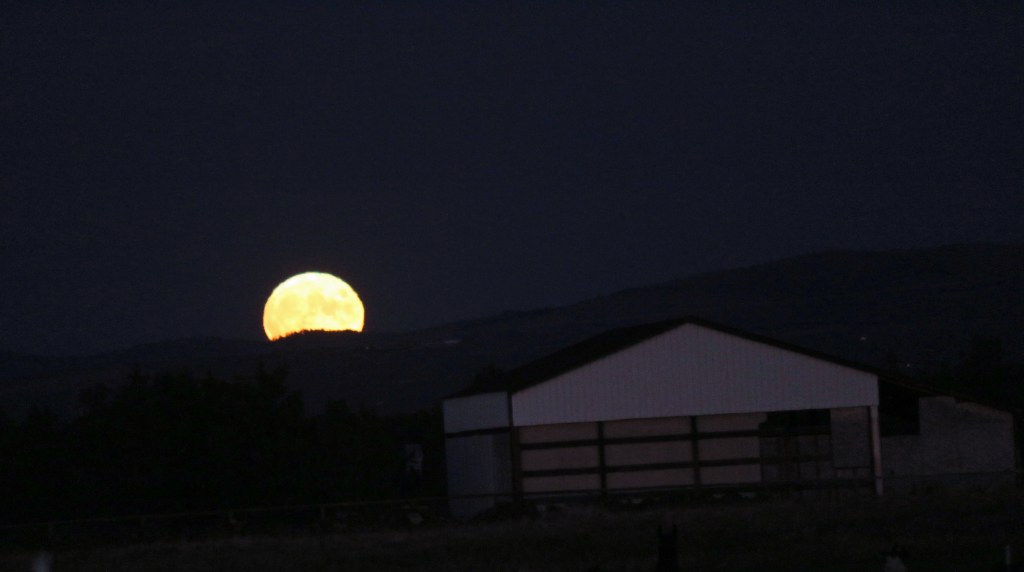
Almost clear of the horizon

Tuesday, September 21, 2011— (September’s full moon (“Harvest”) begins its waning phase. October’s full moon (“Hunter’s”) rises on the 20th.)

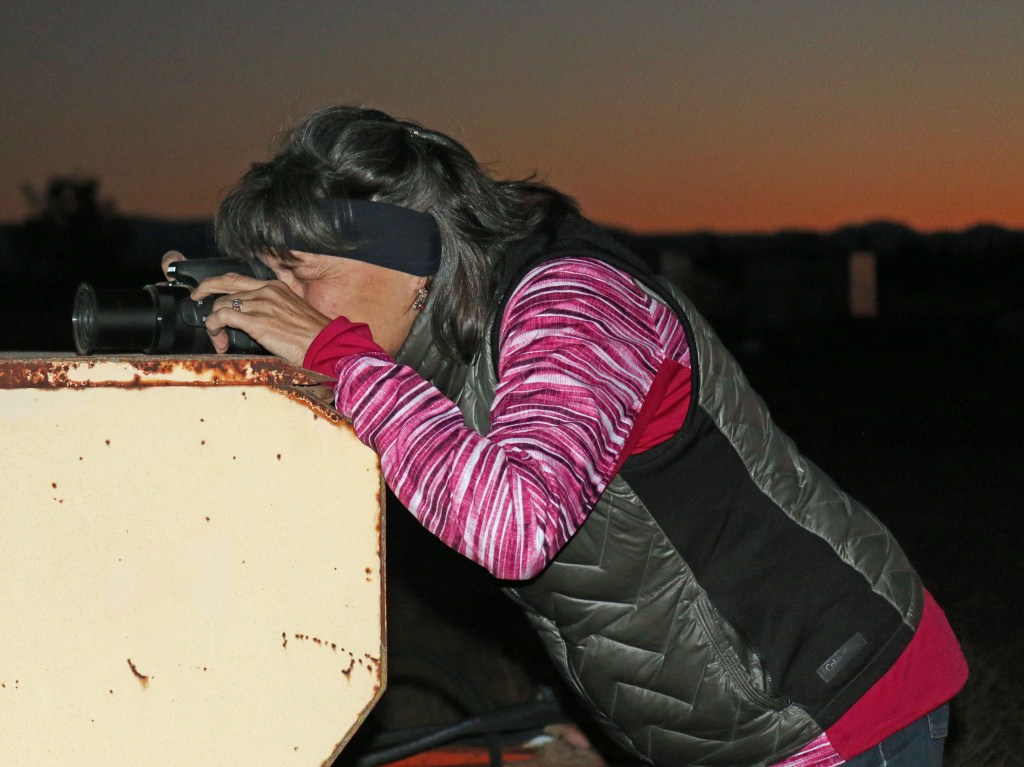
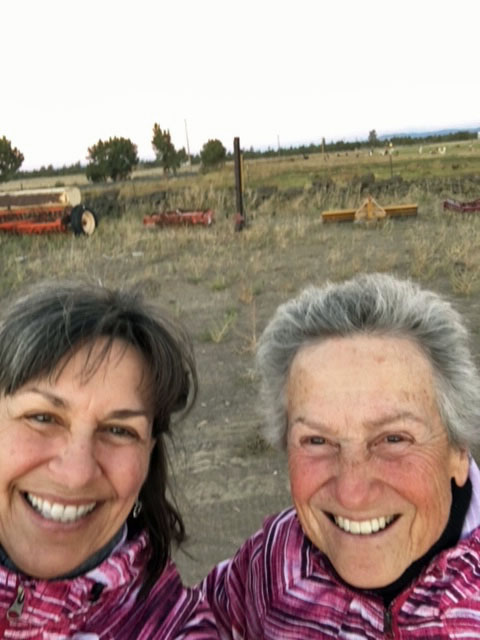
Yesterday evening, Susie and I headed east to a farmer’s field where we like to go and to await first glimpses of the month’s fullest moon, newly rising. At the destination, we unload cameras and (in the right weather) a cold couple beers, and unfold chairs. We wait for first moon light, share interests, activities, and plans.

That’s our “waiting part”, we’re in a perfect space to achieve our goal. We discovered this small offbeat spot by focusing on technical aspects of what we hoped to accomplish.

Where we sit gives a clear view across the farmer’s large flat acreage, surrounded by a string of bare buttes. From behind one of those buttes will emerge a uniquely bright light reflecting the now-setting sun.

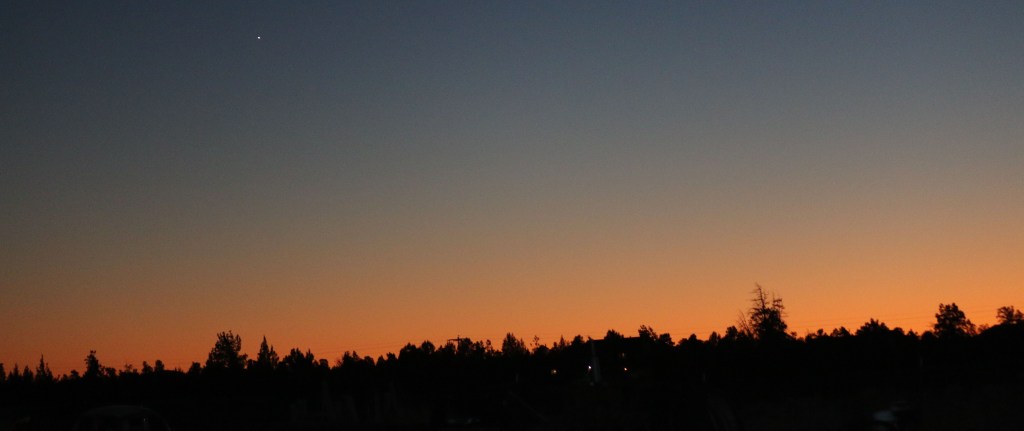
Sun’s last glowing from behind the Cascades
Last spot of sunlight

Susie does our research and determines which compass point will allow first-sighting of a perfectly round globe. We keep watching that point and on-time are rewarded.

A first glimpse of an appearing moon structure is awesome, magnificently and stunningly beautiful. The event gets more exciting as an emerging globe becomes more visible.

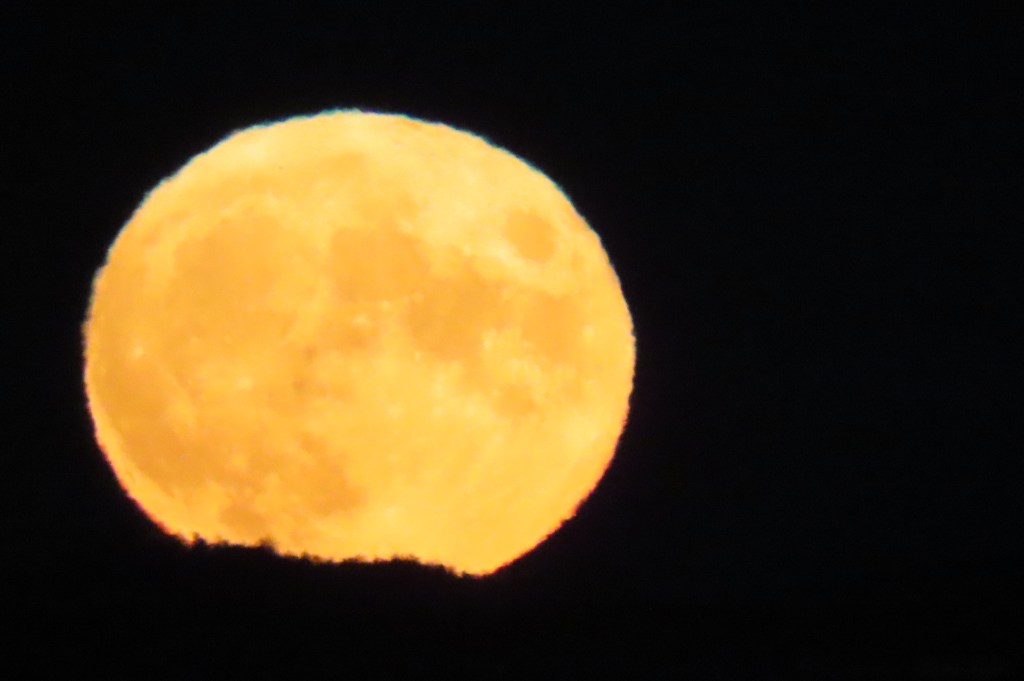
The Harvest Moon isn’t a Super Moon, but compared to bigger moons it emerges as equally thrilling or maybe better. Last evening while it was hanging low and most colorful, we tried for best sighted in various ways, through naked eyes, powerful binoculars, and using cameras.

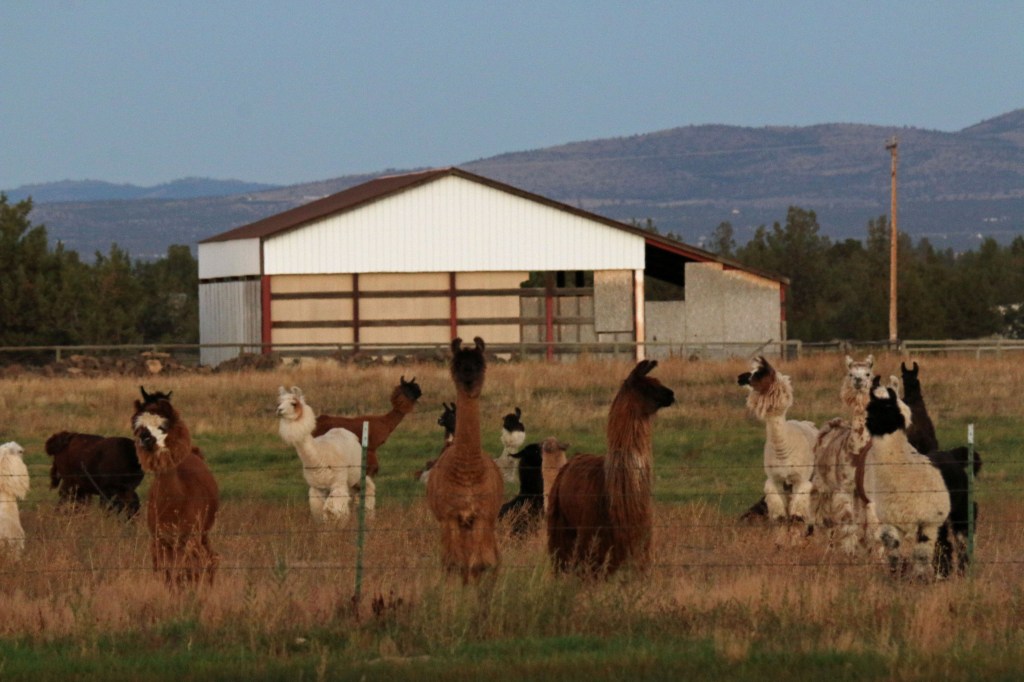
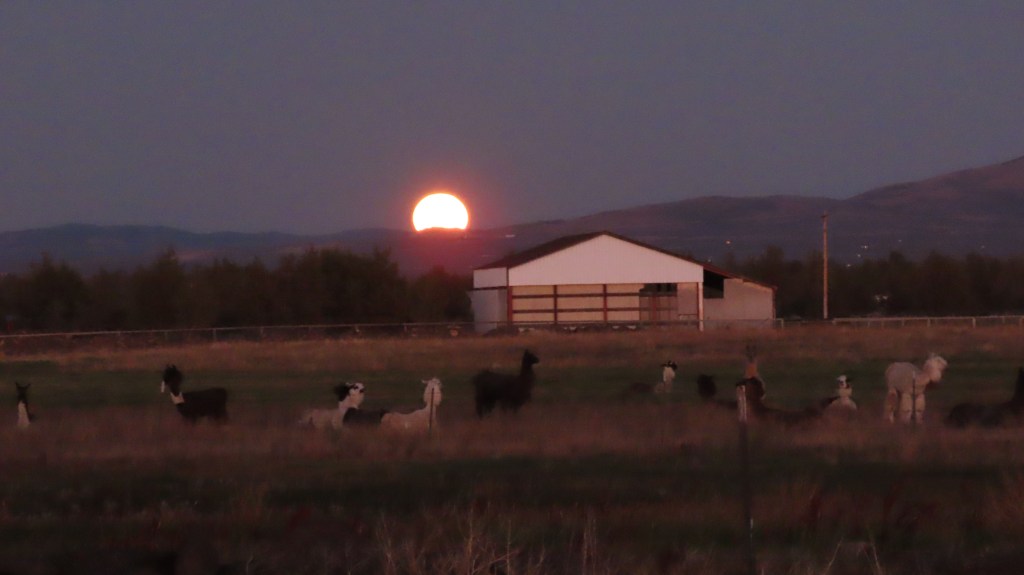
Earlier through our waiting, and now as we photographed, between ourselves and that horizon across the field, the farmer’s herd of alert llamas watched us intently. At a low spot among the buttes, just behind that barn, the moon would rise.

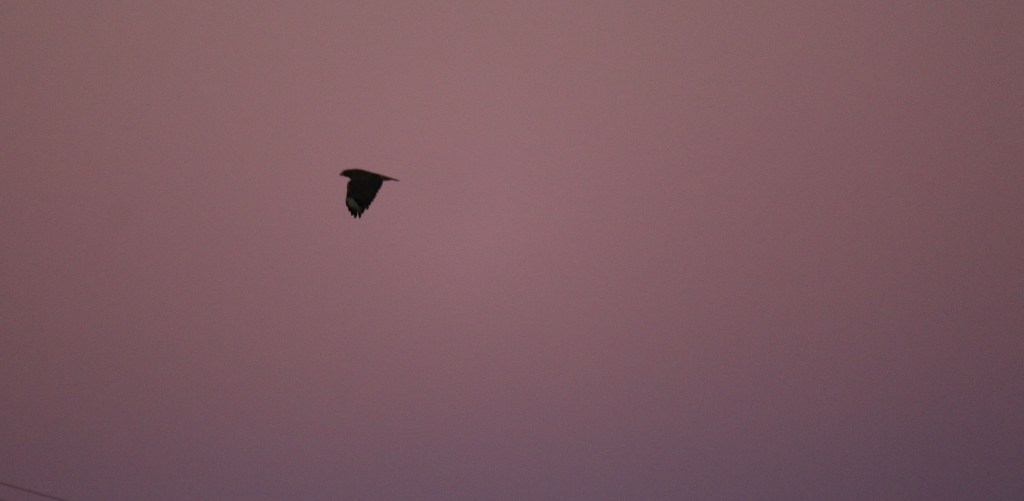
We were treated by natural sounds. There were owls in nearby trees teaching babies to hunt, coyotes yipping and hunting in the distance, and swooshing by a hawk circling the farmer’s field.

And otherwise only silence. And that moon!

Our “chasing team”, with way-in-the-background “vague bumps”, actually are about 50 llamas.

Our background, closer-up

Dear Friends: Susie can spot visible planets, point to their locations, is a wealth of sky knowledge. Diana

Time Passage

Monday, September 20, 2011— (Tonight’s “Harvest” moon will rise nearest to earth and in full phase.)

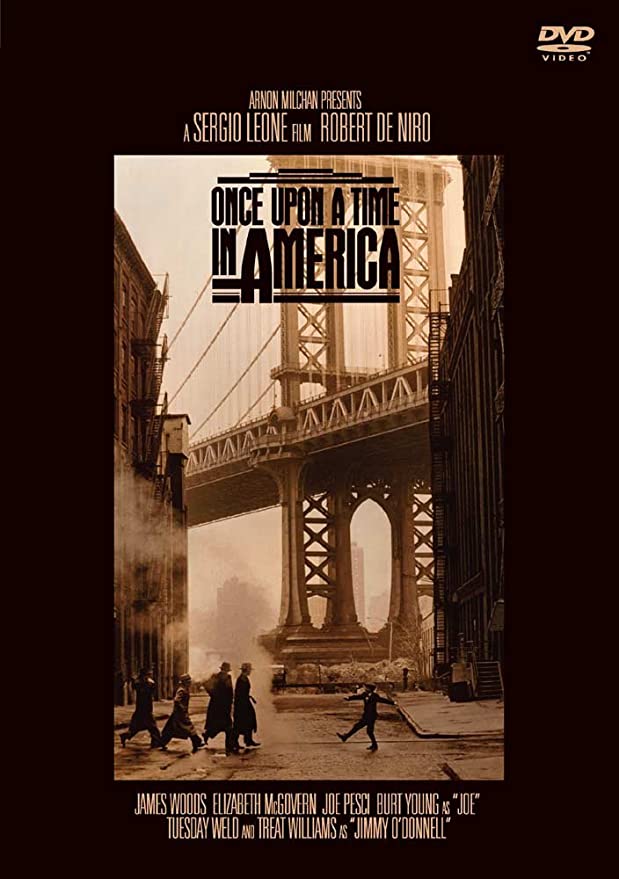
While checking what’s on Netflix, I found the 1984 film, “Once Upon a Time in America”, by Italian director Sergio Leone, with an outstanding cast. My feelings about watching were mixed, for in “those days” I rose from a theater seat and walked out on the film.

Leone could work in wonderful ways. He creatively used light and space, was fearless about timing action sequences in modes very slow or very fast. As a director, he could reveal much inside and outside to drive a character’s choices and behaviors.

Leone’s films for me have a disturbing quality. This film for example reminded me shortly after it started why I had walked out on it. It’s almost impossible for me to sit and witness ongoing sheer violence, despite a story’s potential for it. To me, great art delivers punches without visual bloodletting, without slicing and hammering.

Maybe Leone was ahead of his time, working on a curve between Old Hollywood fantasies and today’s bang-’em-up, kill ’em options. Current streaming services are filled with choices that rely on fright and violence. Perhaps they’re quickies, cheaper-to-film, and popular enough to justify existence.

By the way, this old movie introduces us to a very young and beautiful Elizabeth McGovern, then in her early twenties. Today we know her from the popular series, “Downton Abbey, in which she’s a mother of three and wife to His Lordship.

Netflix provides an Americanized version of “Once Upon a Time in America”, which prior to releasing Hollywood transformed by cutting and re-sequencing. Critics condem this version and instead applaud Leone’s original or “European Cut”. It’s true to the original film and long has been considered one of the greatest-ever gangster movies.

The original version might be available on the internet, and worth checking out.

Dear Friends: I loved Leone’s “Once Upon A Time In The West,” after many re-watchings. Diana

Hello Fall

Two terrariums (gettyimages ).

Sunday, September 19, 2011— (Tomorrow evening’s “Harvest” moon will rise nearest to earth full.)

Ahead is another rainy morning, and already outside, it’s overcast and blowy. From the barnyard are rooster’s day-opening call strings. Ah well, time to stand up, start moving.

These chillier and damper days encourage hiking. Already here are fall colors to enjoy and memorialize. One way is with a camera. Another is to collect visually attractive plants, leafs, and rocks. Collecting itself is cool, and equally so is finding ways to display items, so they’ll recreate the delight of being outside doing what feels good.

Lately, I’ve been making fun of myself, well sort-of, for staring at the ground. I’m spotting for colorful leaves and unique small stones, and doing so even while leading my trio of equines back and forth to and from John’s pasture.

The other day, I felt guilty as all heck for lifting and pocketing a stone from John’s gravel pathway. I’m no thief, or so I hope, but I’d eyed that stone for over a year.

It’s big as my palm, nearly round, somewhat like a river rock. On first seeing the stone, I picked it up but couldn’t bring myself to take it. Not wanting to lose sight of it, I set it on top of a pile of rocks surrounding John’s garden. That kept it visible through last year. But yesterday, it was among the ground mix.

Today, its atop rocks surrounding my garden. I know John won’t miss it, but, still it’s kind of his.

That’s one example from my ground searches. Right now, interesting are newly fallen leaves from deciduous trees, which locally are few as Central Oregon primarily supports conifers. But aspens and maples do grow and thrive here, becoming incredibly visible in fall, to we who stare at the ground and see dropped leaves.

Taking my “rock thievery” to heart, I’ll listen to an inner voice saying, “Best not to steal”. So, today I’ll pack a vehicle with dogs, take a collection bag, and head upward toward the mountains. While the dogs and I hike, I’ll take from nature’s big bounty whatever’s small, beautiful, and worth memorializing. Back home, I’ll think up ways to be creative and keep both that outing and haul memorable.

Dear Friends: A compliment confirming my vision would be thievery from me of John’s Rock. Diana

Her New Digs

Saturday, September 18, 2011— (In two days the full moon, “Harvest”, rises nearest-to-earth.)

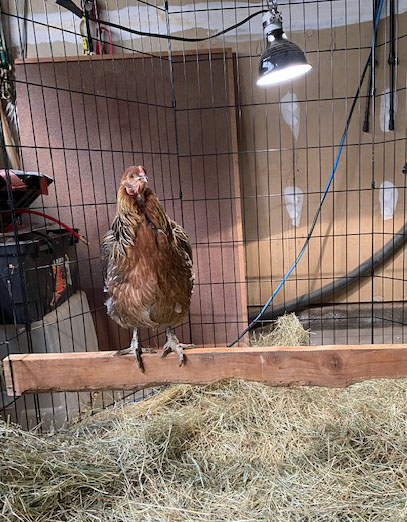
My eleven-year-old hen, Welsummer, is alive and living well in the garage.

She’s the last survivor from my 2010 baby chickens. She’s still healthy and alert although very old for a domestic hen. For most of this year and as a lone chicken, she shared space with my twin goats. This summer I acquired seven new baby chicks. For weeks they lived in my garage, and eventually, were moved into part of Welsummer’s space. A fence separated them and the old hen.

Welsummer considered the babies intruders and when at last they joined her, she ran them away. One new baby turned out to be a rooster. He didn’t forget and after maturing enough, he chased and threatened Welsummer mightily.

My old hen immediately hid and remained out of sight. I wondered whether, if isolated, she’d continue to eat and drink. My worries had been about wanting her to accept the babies, never expected anything like a rooster. Now, having witnessed and expecting more of the same, it was important to reconsider Welsummer’s future.

She had to be moved.

Hurriedly in my garage, I cobbled a temporary pen, layered its bottom with straw, added feeding and watering dishes, and constructed a roost of sorts. Then, I introduced the old hen. She appeared right at home, ate, drank, and that evening perched on her roost.

Since then she’s thrived, and yesterday, became introduced to new digs. She’s inside a large kennel with four-foot-high sides–and wonderful for me, a step-in entry door. There are feeding dishes, a strong roost, and in cold weather the arrangement will include heat lighting.

Everything looks good for Welsummer. I’ll not dismantle the vacated holding cage. Since it’s on a dolly, sometimes she’ll be in it outside and enjoying sunlight.

My Welsummer, viva!

Dear Friends: If it’s possible to work out details, she might gain inside-the-house time. Diana

Glow Lessons

Friday, September 17, 2011— (In three days, the full moon, “Harvest”, will rise nearest to earth.)

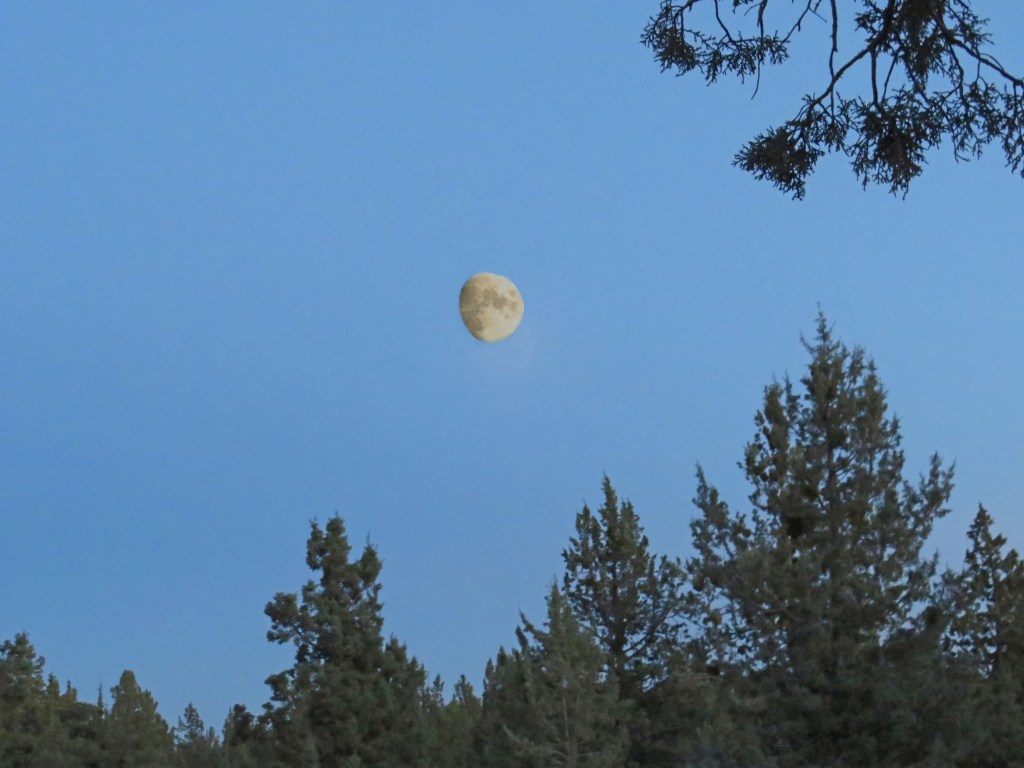
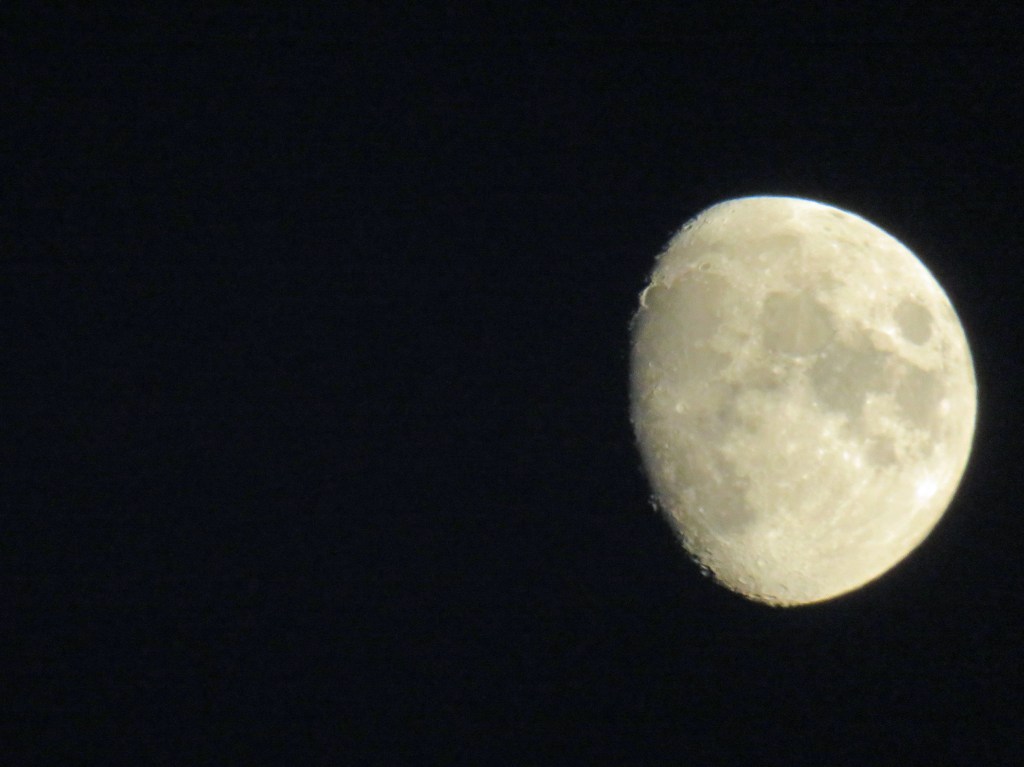
Yesterday evening, this eye-catcher above my Oregon ranch is the nearly-full Harvest Moon. Now, it’s three-quarters full, and technically, it’s in a waxing gibbous stage.

A little research helps us understand the variations in moon appearances. Waxing means a moon is receiving more sunlight and appearing fuller each passing day. Gibbous refers to a moon that appears lighted but is less than full. (What’s “Gibbous”? It refers to convexity or swelling, comes from a root word meaning “humped-back”.)

On the 20th, our September moon will be at the point nearest Earth to appear at its fullest. Beginning the very next day, it’ll become a waning moon. That’s because, immediately after a full moon appears nearest to the Earth, waning begins. The waning continues until a next new moon appears, and its changing positions relative to sun and light restart the waxing.

After all that, here’s a closer-up of last night’s huggable waxing three-quarters beauty.

Dear Friends: The solar system awes with unending provisions of motion, beauty, information. Diana

Western Skylights

Western sky

Thursday, September 16, 2011— (On September 20, the full moon, “Harvest”, will rise nearest to earth.)

This September’s sky is offering what seems another world full of entertainment and wonder. Raise your head and look around at incredible colors that highlight unique cloud shapes.

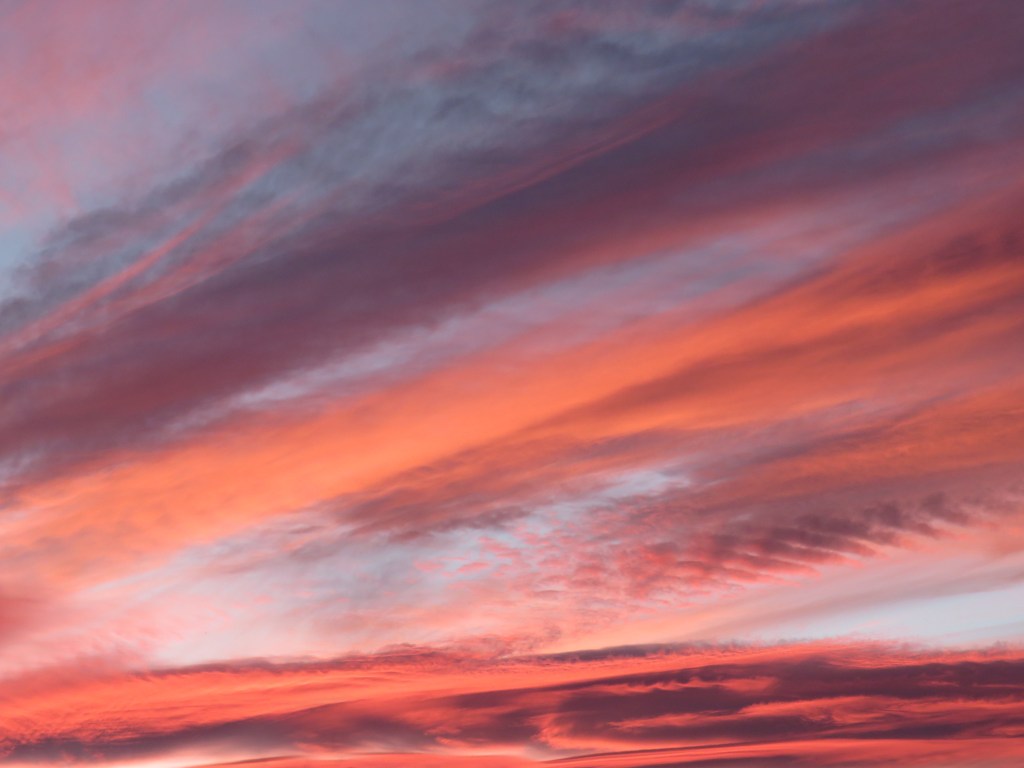
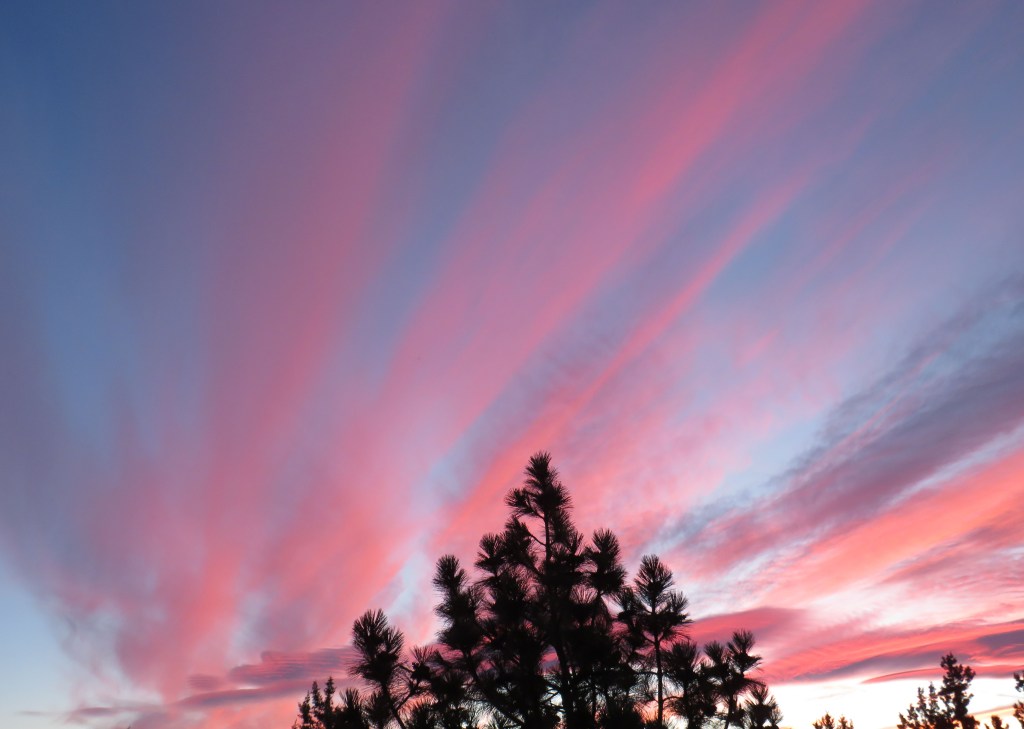
Yesterday’s late afternoon overhead simply amazed. At almost-evening, as the sun set behind the Oregon Cascades, it turned the sky into a total knockout.

From behind those western mountains and under massive clouds, the sun sent countless streaks. Some of the bright oranges were narrow, others wide. All seemed to stretch from south to north.

Streaks from south to north

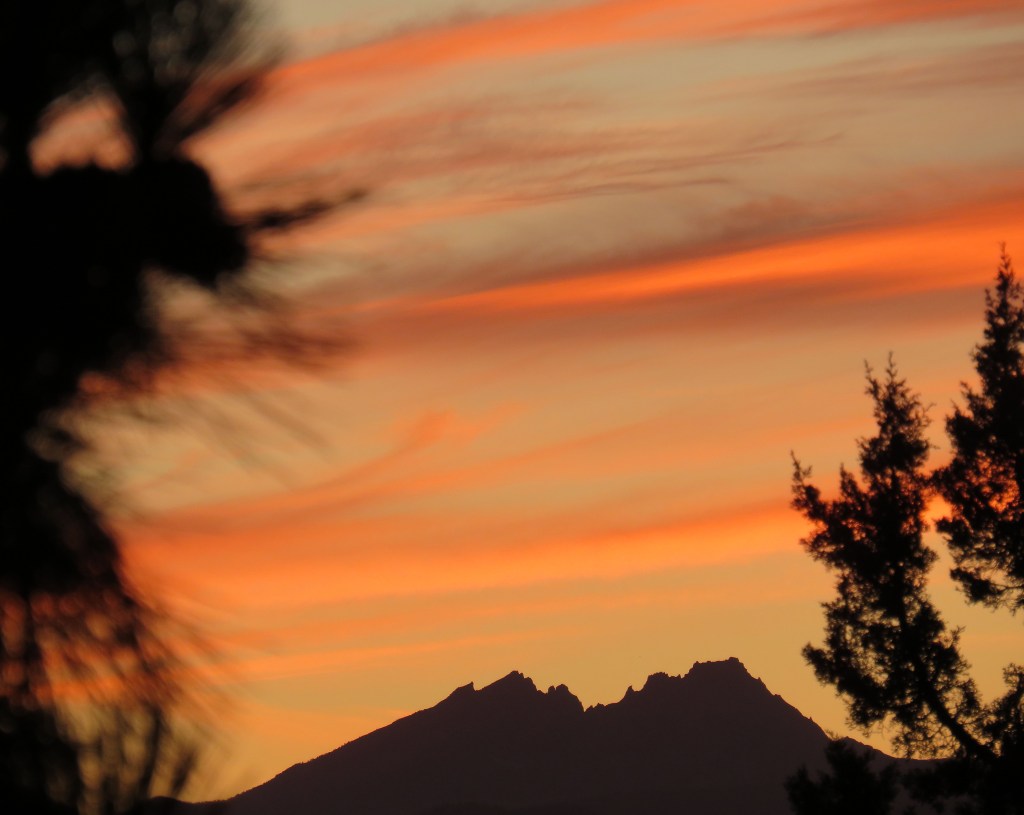
I ran to find a camera, happily managed to capture final gasps of those amazing colors.

From behind and over Broken Top

Dear Friends: In just a few days, September’s sky will offer a full, glorious Harvest Moon! Diana

Waxing Gibbous

Harvest “half-moon”, Getty Images

Wednesday, September 15, 2011— (On September 20, the full moon, “Harvest”, will rise nearest to earth.)

This month is slipping away. In a few days the full Harvest Moon will appear at its strongest, most beautiful. This moon is one that many love best.

It’s my favorite, maybe because I grew up in middle America and knew well all four seasons. It introduces my favorite months, September and October, season-changers, and when natural daylight and evening darkness appear and disappear in environmental changes indicating winter’s onset.

Here in Oregon we have seasons, but with murkier comings and goings. Annually, we might see indications for spring, but awaken one morning to deeply freezing temperatures. Looking outside we sense bitter cold and see new snow, conditions often continuing through weeks that ought to be introducing spring.

Maybe my childhood memories are wistful, and in contrast central states also experience murky seasonal changes. Childhood memories often confuse, some are better than reality and some worse. Anyway about the seasons, I believe that I knew them, felt each, and sensed delight on seeing a clear lovely moon lighting an evening as farmers finished harvesting.

Sure, my memories are from the old days. Then, a farmer stepped onto an open tractor (lacking a radio and computer), and helped by spouse and kids drove into fields. Manually, the family did much of the laboring. Modern technologies have changed harvesting, this might mean that modern kids are less in tune to Harvest Moons.

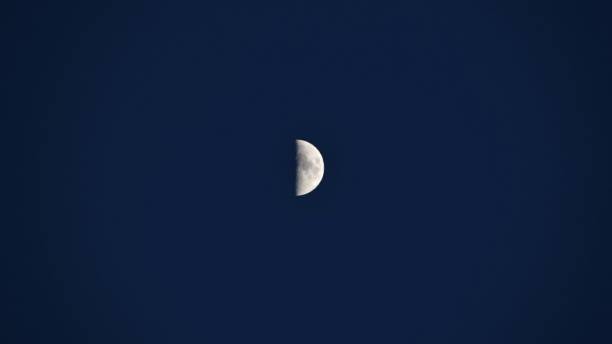
I wanted to photograph the current half-moon, that coming Harvest. It’s still very distant but clear. I couldn’t find a vantage point appropriately lit for my camera. The caption photo, borrowed from Getty, looks like the moon I’ve seen from the ground.

Dear Friends: Half moons, or “waxing gibbous”, are triggers–for redirection, adjustment, flexibility. Diana

Medium As The Message

Beauty and Courage add wings to intent, Internet photo

Tuesday, September 14, 2011— (On September 20, the full moon, “Harvest”, will rise nearest to earth.)

I can’t resist this photo, of AOC making a controversial political statement while attending one of NYC’s most richest glitziest events, the Annual Met Gala. Young, physically attractive, self-confident and intelligent, she’s gained political influence during a career still in its early stages.

Crossing the world and focusing on another highly-visible woman, nations soon will lose the influence and guidance of Angela Merkel, Germany’s leader since 2005. Merkel grew up in a divided East Germany and studied to become a scientist. After the Berlin Wall opened in 1989, she moved into the larger Germany and toward political leadership. Her years in office have shown her to be a stalwart among other leaders on their very complicated world stage.

One career is beginning as another moves toward closing. Between an auspicious beginning and a successful ending come years of practicing and learning. The most able politicians understand ways to navigate among complex ideas and individual passions. They gain success from learaned abilities to negotiate for what seems most right in current and potential circumstances.

Our world has changed so much and so soon, we’re bewildered about the future. Who’ll be in power? Who’ll make key decisions? Who’ll have a right to decide what can or will be shared?

Moreover, how much will individual beauty and brains count? How many decisions might be inspired by technology and algorithms?

I was planning to focus differently, but AOC’s dress-message reawakens a recognition of our shifting social behaviors. Such unexpected and well-planned public displays do impact our typical expectations and connections. AOC’s dress illustrates a rising readjustment of social tolerances.

Dear Friends: BTW, the little chipmunk recovered completely, runs again free and happy. Diana