Big Chill

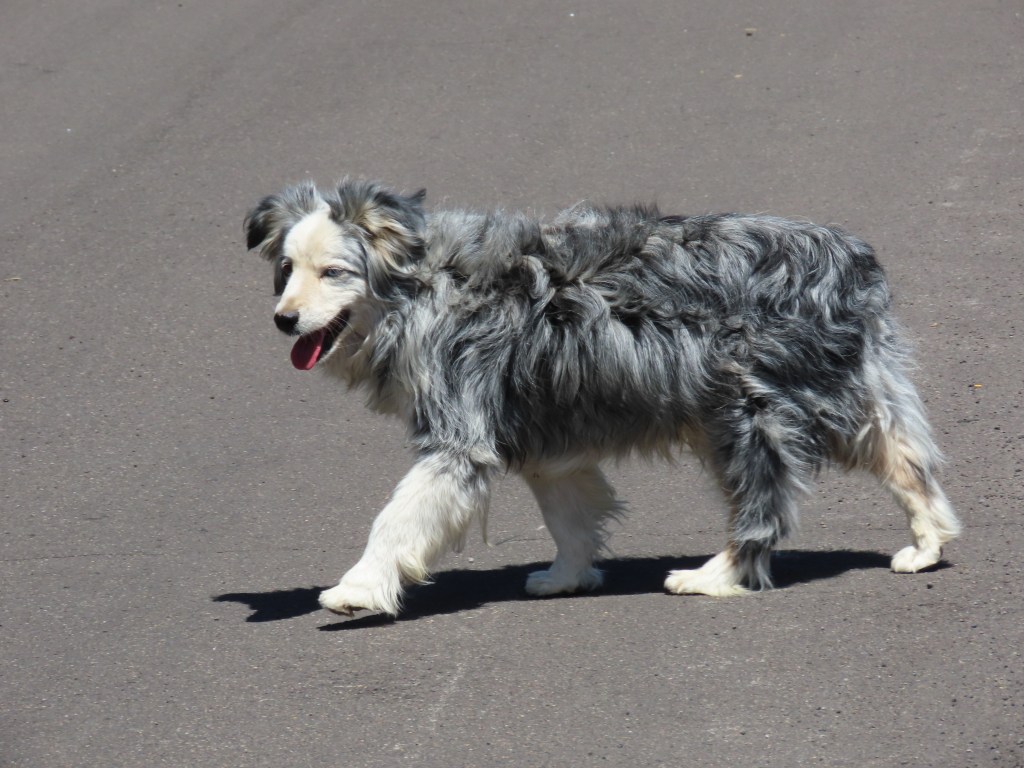
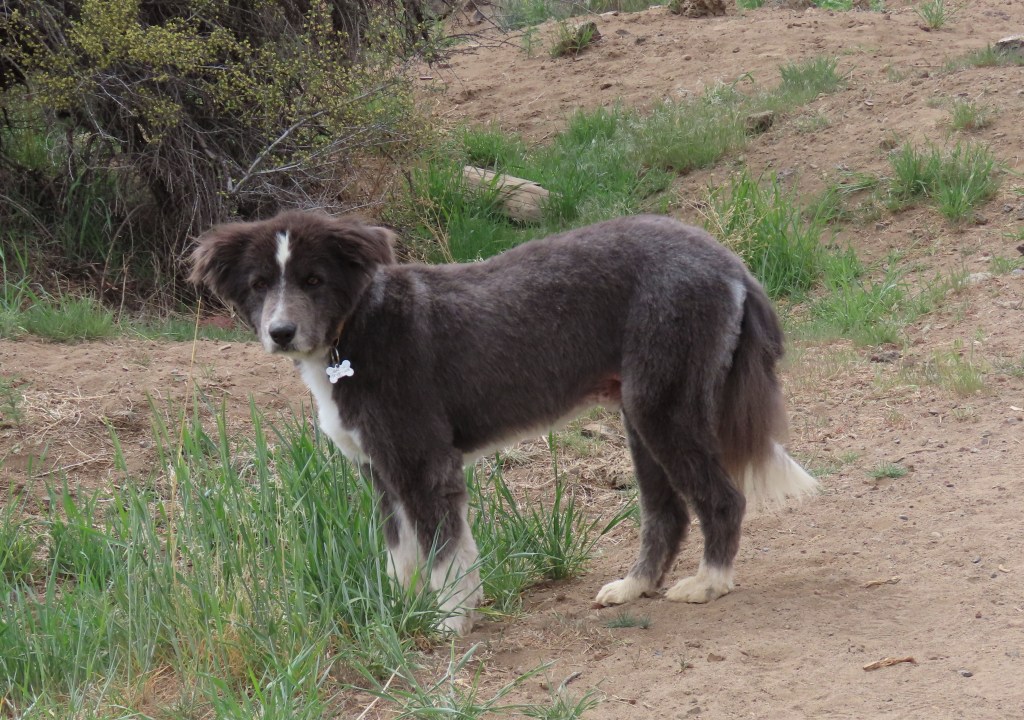
Miles, ready for summertime

Thursday, May 20, 2021  (6 days before May’s Super “Flower” Moon rises fullest to Earth + an eclipse!)

How can it be that after a string of 70+ degree days, this area sinks to 50 degrees? Now, where are all those winter jackets? Good grief, why this chill-out just when Miles visits the groomer for a summer coat-shaving?

Adding to misery are northern winds that increase the chill.

I hunkered in, didn’t lunge horses, nor take a thoughtful walk, nor scribble in a journal. Parked inside, I watched Disney Channel’s wonderful documentary, “Secrets of the Whales”.

Its credits are excellent: Executive producer, James Cameron; narrator, Sigourney Weaver; gorgeous photography by National Geographic’s, Brian Skerry.

The series’ four episodes feature five Whale and Dolphin species: Orca (killer whales), Humpback whales, Beluga whales, Sperm whales, and very rare Narwhals. Other species that also appear: Sea turtles, Polar bears, Southern elephant seals, Herring, and Gentoo penguins.

It’s about whale behaviors, and how very effectively the animals can communicate, raise offspring, maintain close families, hunt for food, and train young whales, preparing new generations for future leadership. Scientists consider whales among this planet’s most intelligent beings and equal to humans. The section on Belugas emphasizes the pod’s complex communications, they’re capable of giving individuals actual call names.

Whale species have intense rivalries, they’re mortal enemies–and that’s similar to human behavior. Each whale species fosters within its pods meaningful relationships, team planning, cooperation, and again that’s human-like. This series is “heady stuff”, and we learn, as the series’ creators explain they did in filming and editing.

It can reawaken an ugly painfulness of human history. We cringe remembering how hunters harpooned and destroyed fabulous sea creatures. We cringe at the rampant murders of elephants and hippos, just for ivory and tossed aside. Equally awful, that for hundreds of years one human race managed to dominate by enslaving other humans, and allowing certain religious beliefs to destroy any that differed.

The series reminds us that we humans also are the ocean’s whales and the land’s ants. We’re intelligent and capable like them. Humans need rebalancing, to regain the sense of all beings sharing alikeness. That would require rethinking, and perhaps redirecting current technologies, communications, and social processes.

We’ve grown accustomed to ongoing progress, to promises of more and better ahead, to make us smarter, more special. Meanwhile, eye-opening underwater world whales think and behave similar to ourselves–and effectively (gasp!) without technology. Whale success comes from understanding how to communicate and team superbly.

Some steps could assist reconsiderations and possibly renewals among on-land cultures. Take today’s governing bodies, arguing and in disarray. Congress could benefit by studying as a group the social and working behaviors of whales and ants, and then by applying learning to adjust its processes.

Dear Friends: Maybe somebody can explain, what the heck anyway is a bitcoin! Diana
Shoots!

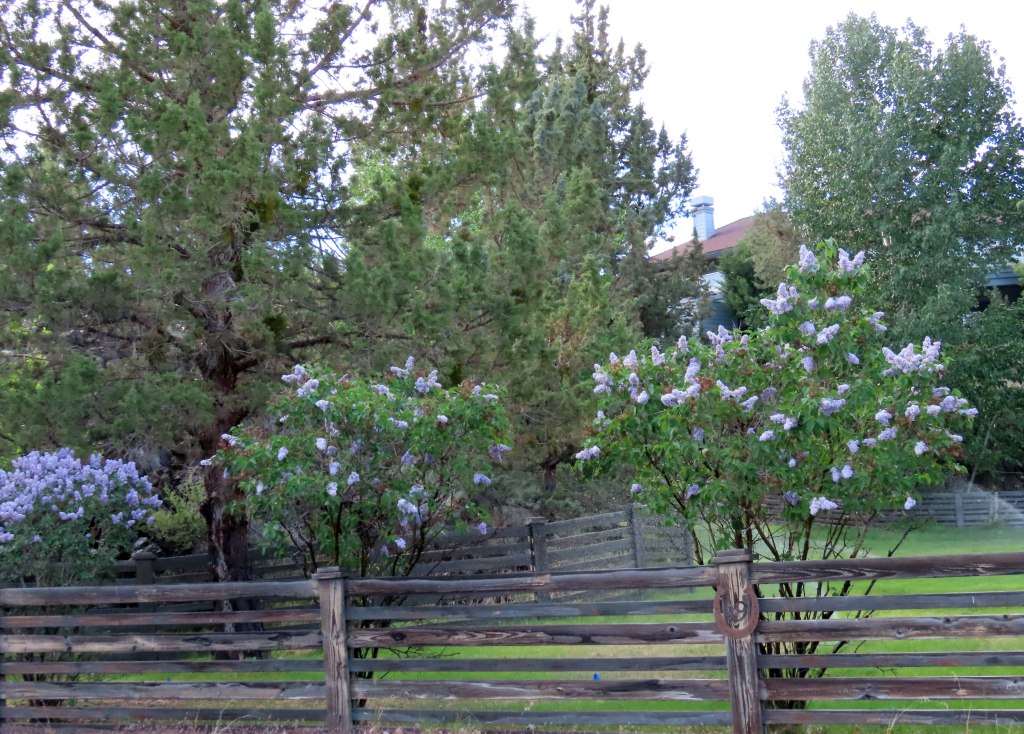
Lilacs in the ‘hood

Wednesday, May 18, 2021  (7 days before May’s Super “Flower” Moon rises fullest to Earth + an eclipse!)

Yesterday I took one my daily fifteen minute “thoughtful walks” and carried a camera. That turned into a half-hour stroll of soul-filling joy.

From starting that walk, I looked carefully around wanting to spot photograph-worthy details. And that has affected how in future I will seek photo ops. Today returns some of yesterday’s happiness upon reviewing memories recorded by my camera.

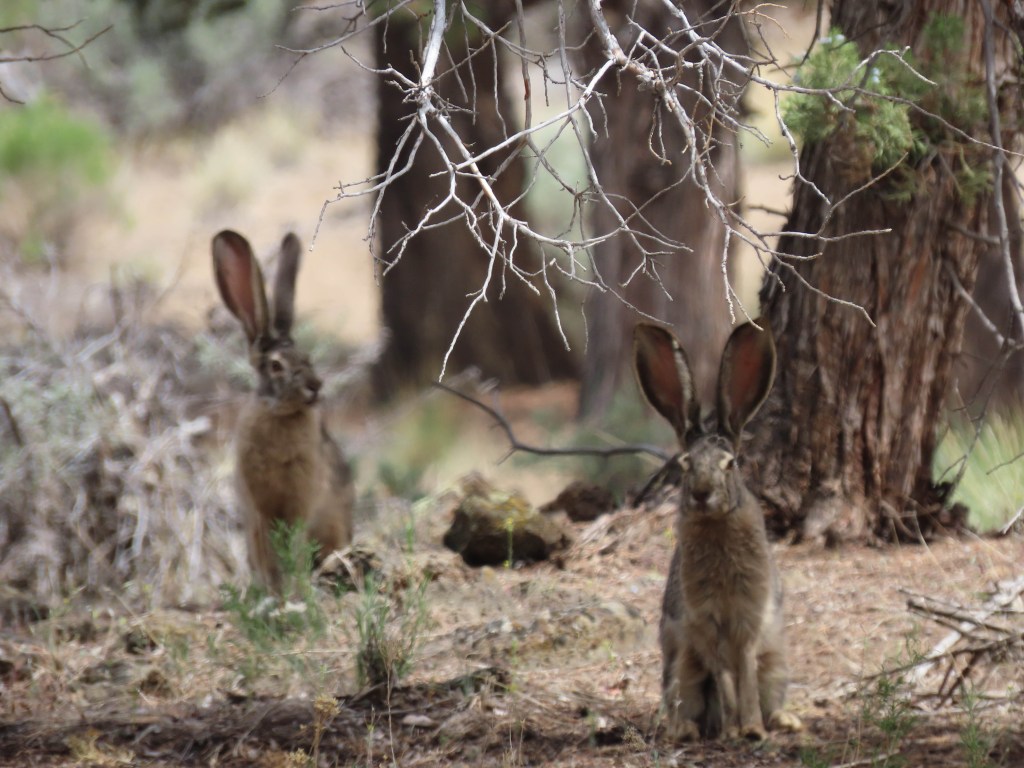
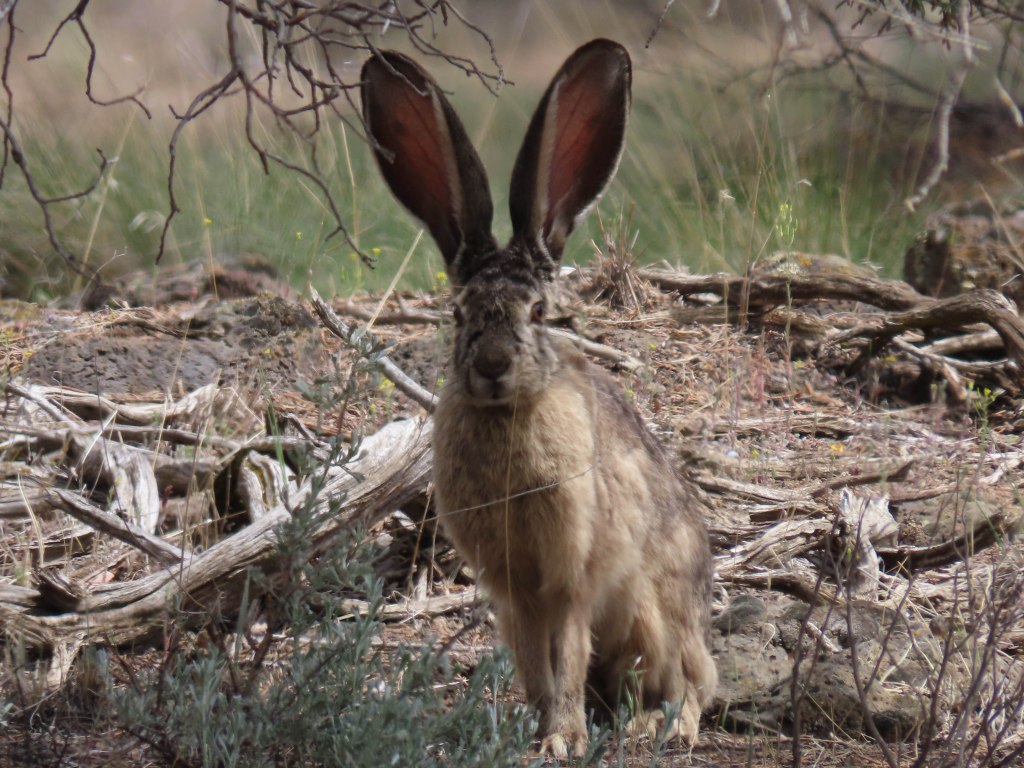
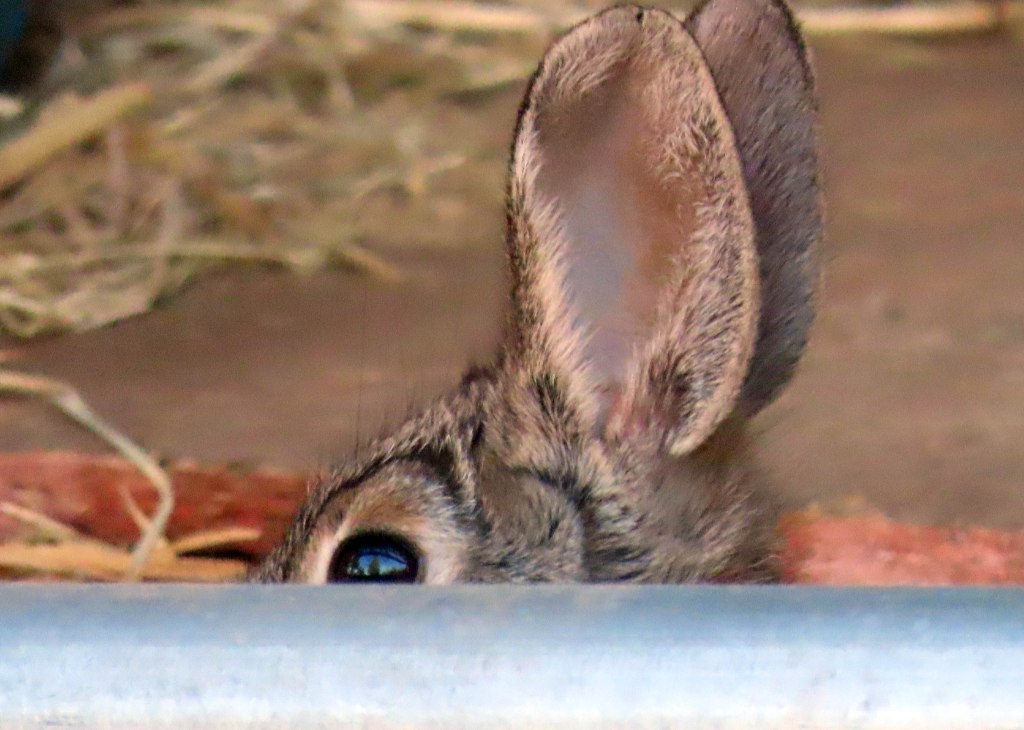
First there were wild hares. A couple of young ones live in the neighborhood and occasionally flash into sight. Alone or together becoming very frightened upon sighting a human, and immediately disappearing into heavy brush, not soon again to be spotted.

Yesterday, I happened to be standing absolutely still, to practice the required thoughtfulness, when I spotted two hares about thirty yards away. They were leaping, playing, and coming directly toward me. Upon suddenly recognizing a human, both froze to study the unmoving form before running to hide.

I ever so slowly lifted the camera and took a picture. Both noticed the shutter click but weren’t familiar with the noise so continued staring my way. I held the camera’s position for more pictures. Slowly, they began moving away, unafraid, in no hurry.

Those big-eared jacks, so unlike the soft-appearing wild cottontails, are stringy, muscular, very rapid-hoppers. After years of failing to capture photographically one or more of these guys, now just look.

What was next to catch my attention was an airplane leaf that seemed to be moving on its own down the street. I peered closely, seeing it clenched in the jaws of a tiny ant, determined to move it to a hive. My camera’s lens is designed for distant shots, not close-ups, and produced a too-fuzzy memory. I enjoy recalling that in the fuzziness. In fact, yesterday while walking home, the little ant still was working hard, but not gaining much in winds opposing its efforts.

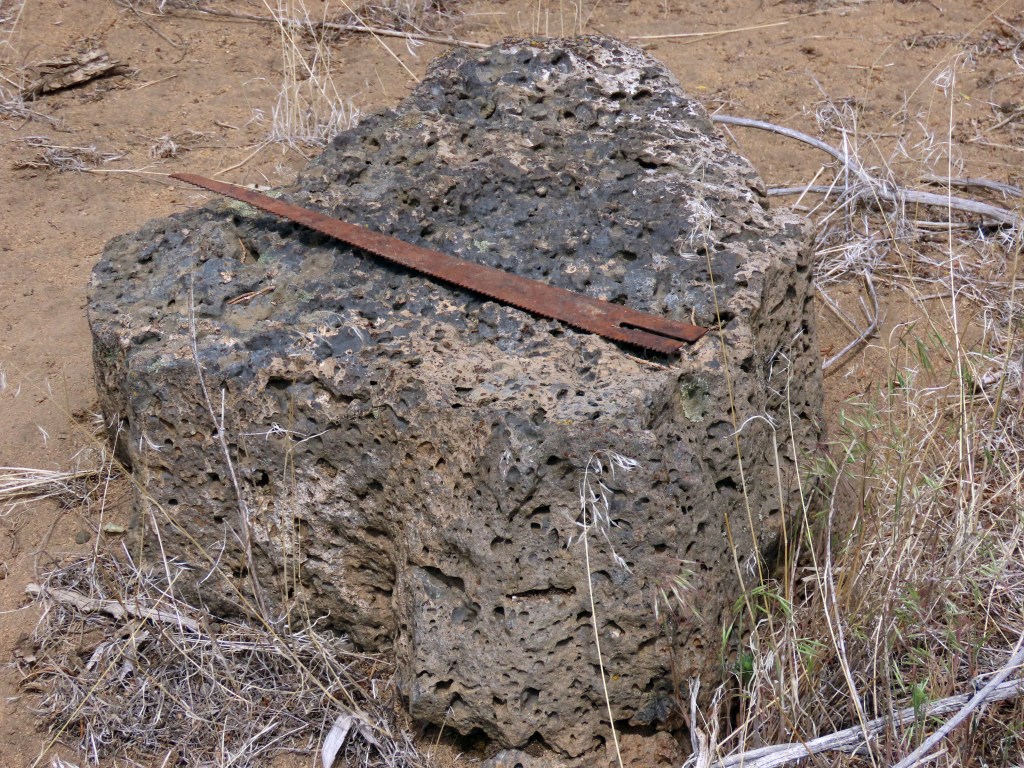
After walking far enough, I considered sitting and writing the requisite 150 words in my Journal. A flat rock would have provided a good seat, but I became distracted by a discarded rusty old sawblade. Instead of tossing the blade and looking closely at its colors, I wanted to try and duplicate its shades with oil paints. That idea surprised me, and I held onto the blade.

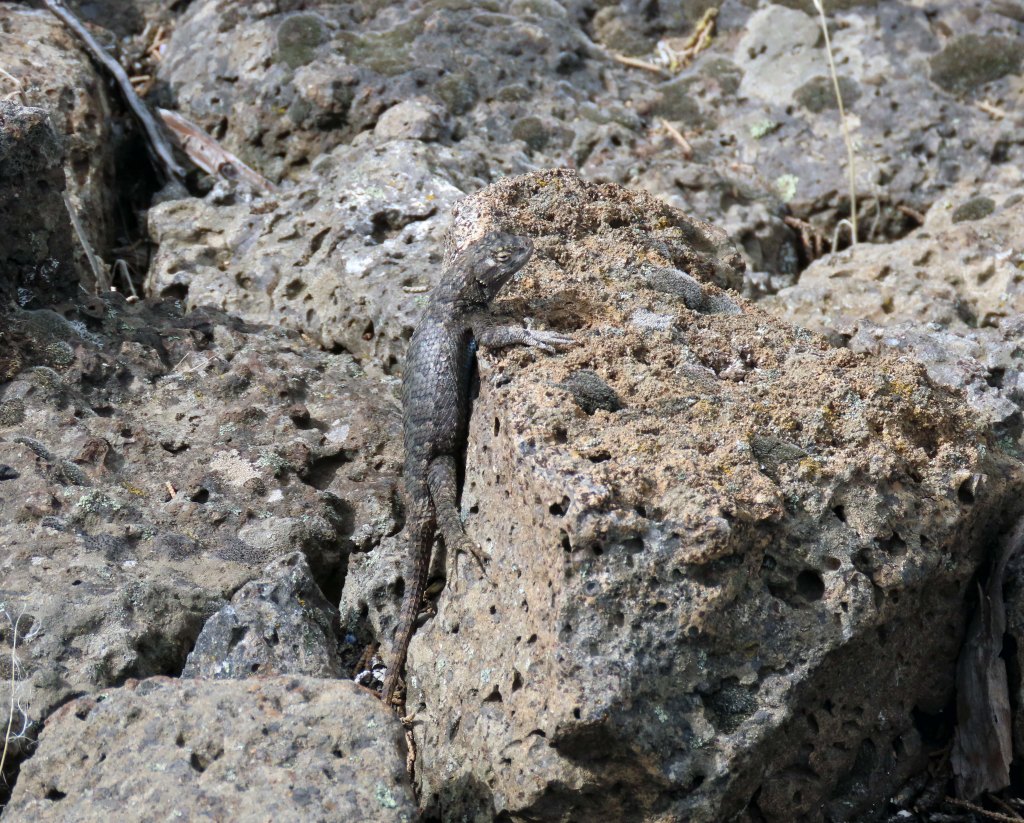
While considering the rocks, I noticed a favorite critter.

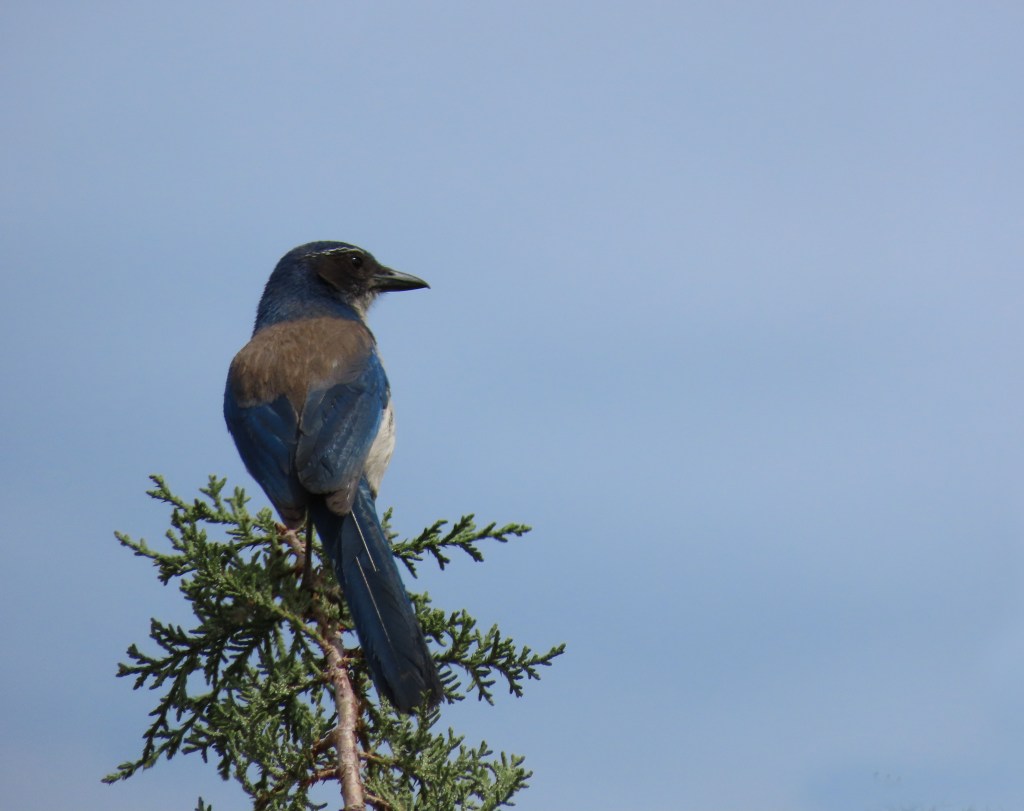
On my way back home, I happened to disturb a California Jay that nested near the street. As this one’s mate disappeared into bushes, it swooped to perch atop a nearby spike and keep its eyes on me.

Suddenly, hearing soft cackling from somewhere above, I watched skyward until a Raven came into view. It flew overhead and cackling, before circling and then returning. This time, it lowering in flight and took a very close look at me. I wondered, where’s its nest?, an instant before the Raven simply lifted and took off. For awhile, it remained visible in the distance circling and still cackling softly.

Jays and Ravens are highly intelligent birds. The Jay’s behavior seemed self-explanatory but the Raven’s left me wondering. I still am trying to figure out what might have been on its mind.

There’s so much right out there on the street, to see, experience, enjoy. Today after another thoughtful walk I’ll create 150 words more of Journal entry. The thing is, a walking-writing plan that began as a chore-assignment, daily is growing more into an adventure worth anticipating.

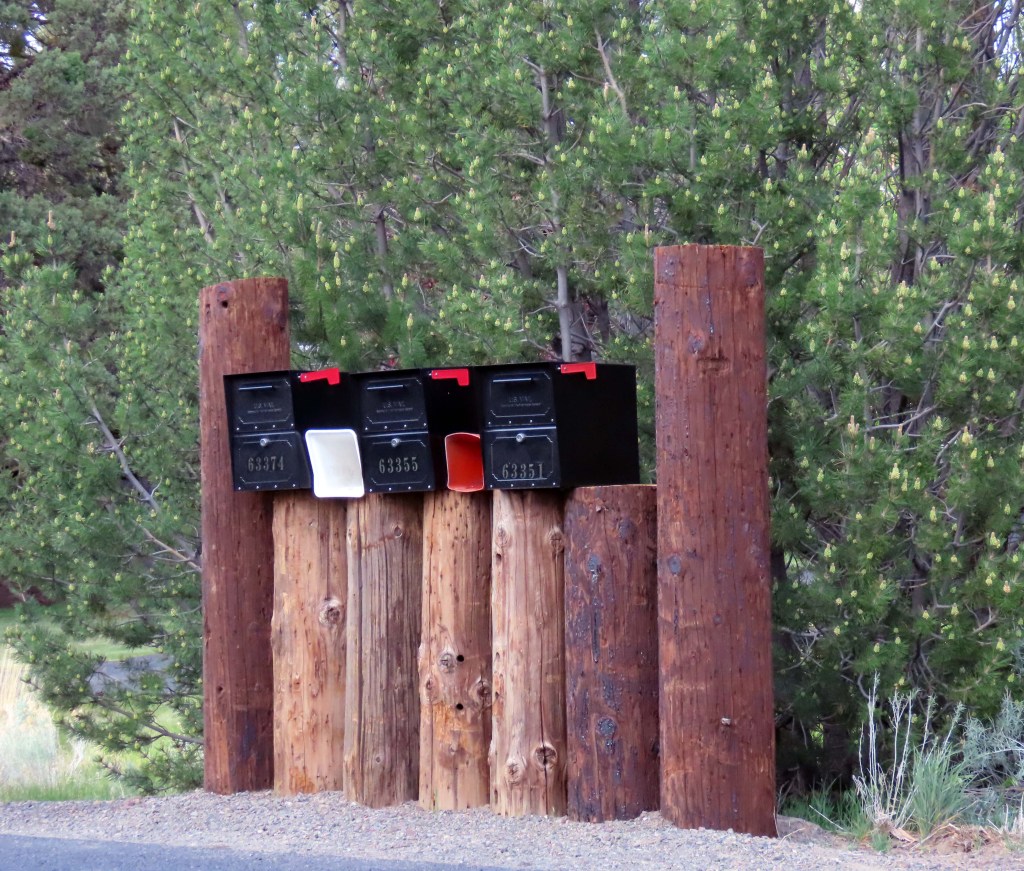
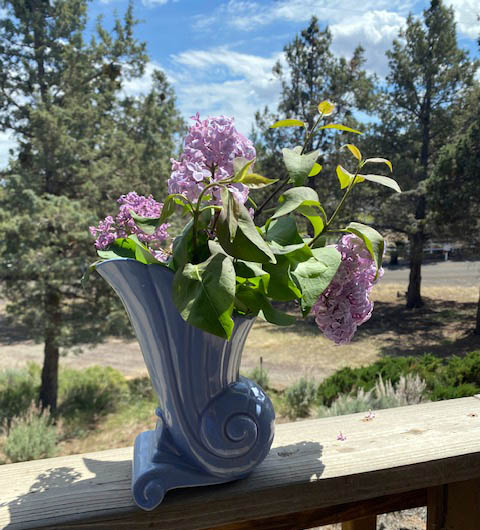
About today’s header photo, the lilacs, it’s a shot from inside my Jeep. Soon afterward, I added another neighborhood sight that has appeal.

Dear Friends: So much beauty and fun, all within so few minutes of a day. Diana

Lovely Visions

Tuesday, May 17, 2021  (8 days before May’s Super “Flower” Moon rises fullest to Earth + an eclipse!)

Today is all about cuteness. This idea hatched as I downloaded a camera and discovered forgotten but enjoyable snaps. Any of these eye-catchers could stimulate an entire essay. Today, all will go into the pot and we’ll sip from a fun stew.

My wild bunny, a resident, is fun to spot and photograph. She nests under my barn’s haystack where last year she was born and since has hung around. She’s a clever one, even escapes my hunter-kitty, Maxwell, who (when he’s allowed outside) works to find her. Recently, this bunny produced a first litter and keeps a diligent eye on its nesting spot.

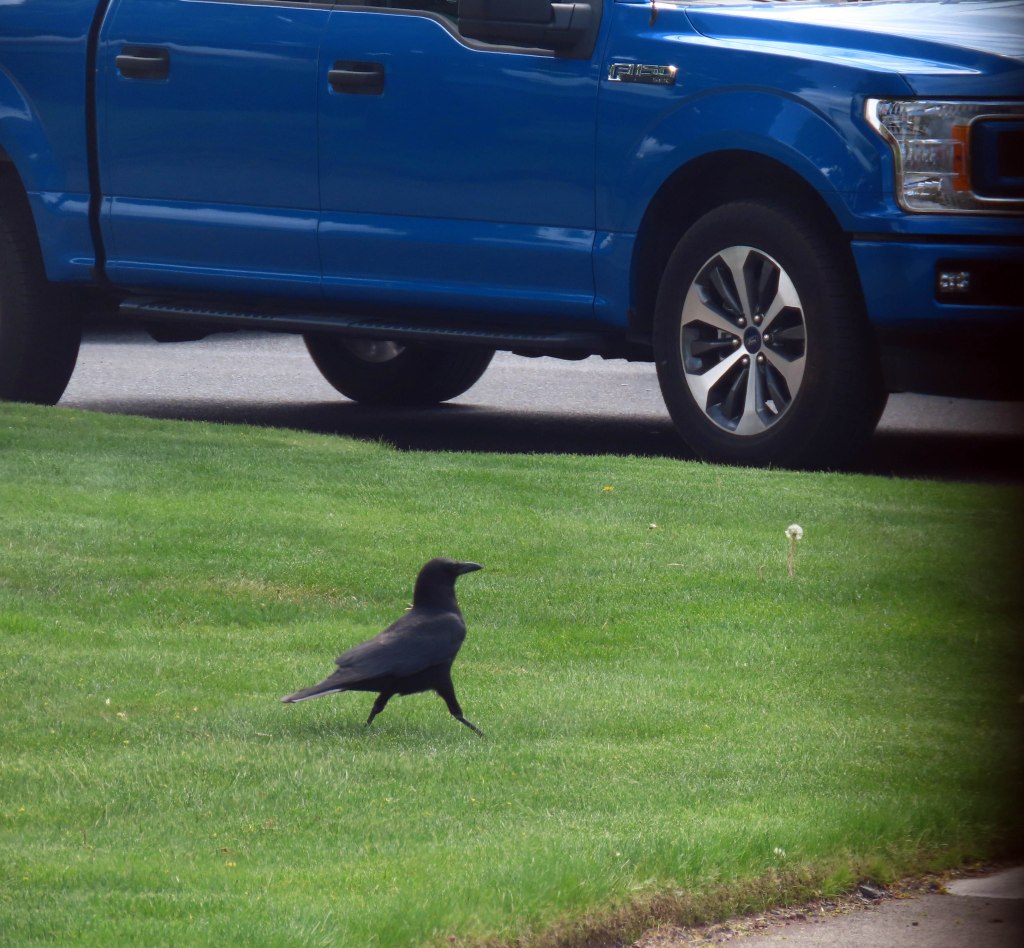
How about this bold Raven! It caught my eye by strutting across the lawn surrounding a cannabis shop, and way too near a busy intersection. From my car, while waiting for a light to change, I feared the bird might decide to try crossing traffic lanes. Watching turned into a good reminder that Ravens, not for no reasons, are known as “too smart birds”. This cool one lifted and flew instantly after my camera caught it.

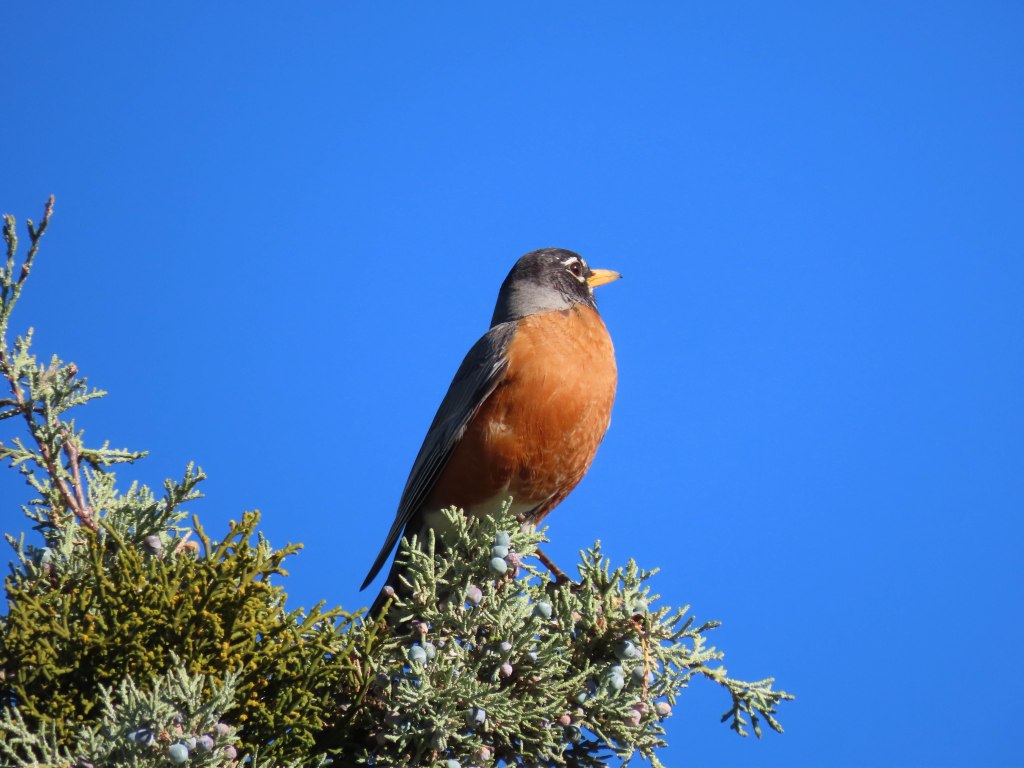
Do you recall my having noted this spring’s resident Robin? That one, protecting a nest just outside my house? The intent being that focuses on chasing away all others that happen to land nearby?

This photo is brand new from yesterday, although similar to others of this sturdily-posed and beautiful bird. This striking Robin frequently warbles a song, loud and very sweet, that I love hearing. Although maybe it’s the bird’s warning to others, “Stay the heck away!”

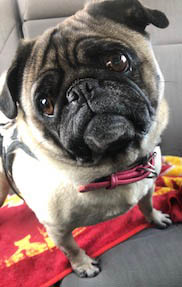
I can’t resist including the beautiful, huggable Jade. This photo, not one I took, was sent to me. Jade lives in California with my second cousin, Cathy, who’s family are Pug aficionados. Ask about pugs and they’ll explain that these dogs absolutely are great pets. I’ve never lived with a pug, but know others who do and they adore the breed. This photo captures Jade’s strikingly wistful gaze. A person can drown in her appeal!

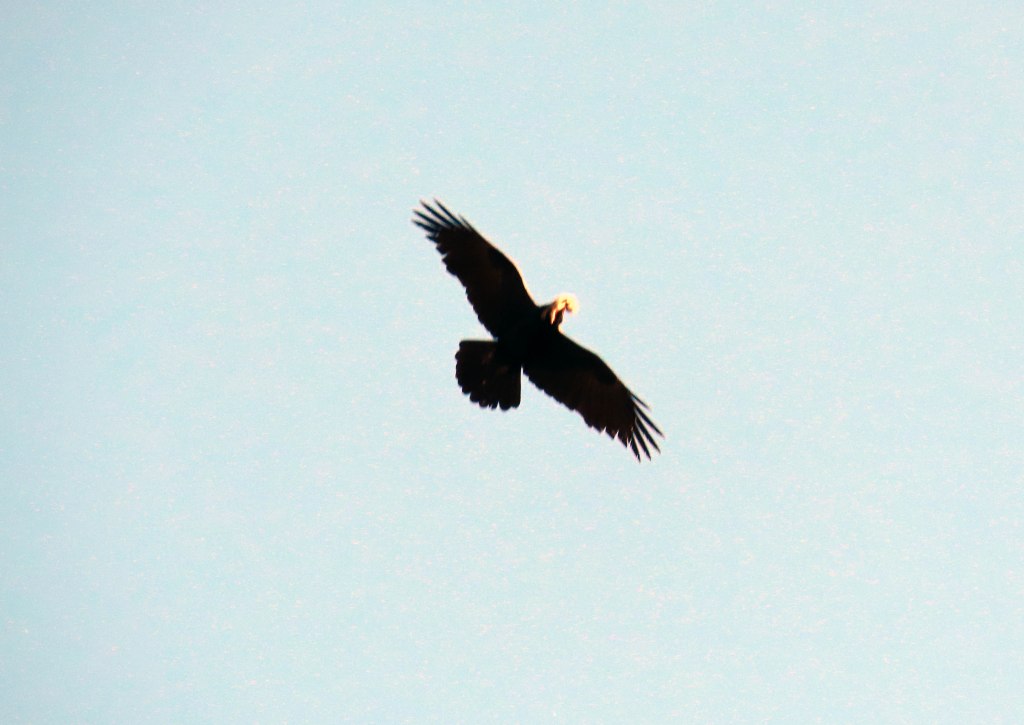
I’ll include this Turkey Buzzard in flight and hunting. It’s almost impossible for an autofocus setting to capture flying birds. Those hunting float on currents, moving faster than appears to the naked eye. Shifting breezes lift and lower birds, making autofocus nuts. (Full disclosure, I don’t know how manually to operate my zoom camera.) Anyway this bird circled repeatedly over my house, and yet, stayed in range. Finally, it lowered enough for an image–not great but one that thrills.

Yesterday, ah yes, I did as planned. Went out to take a daily fifteen minute “walk of thoughtfulness”. This time, with a camera and a companion. Of course, facing potential photo ops and managing a pooch, I couldn’t stay deeply in thought. Broke the rules and had fun.

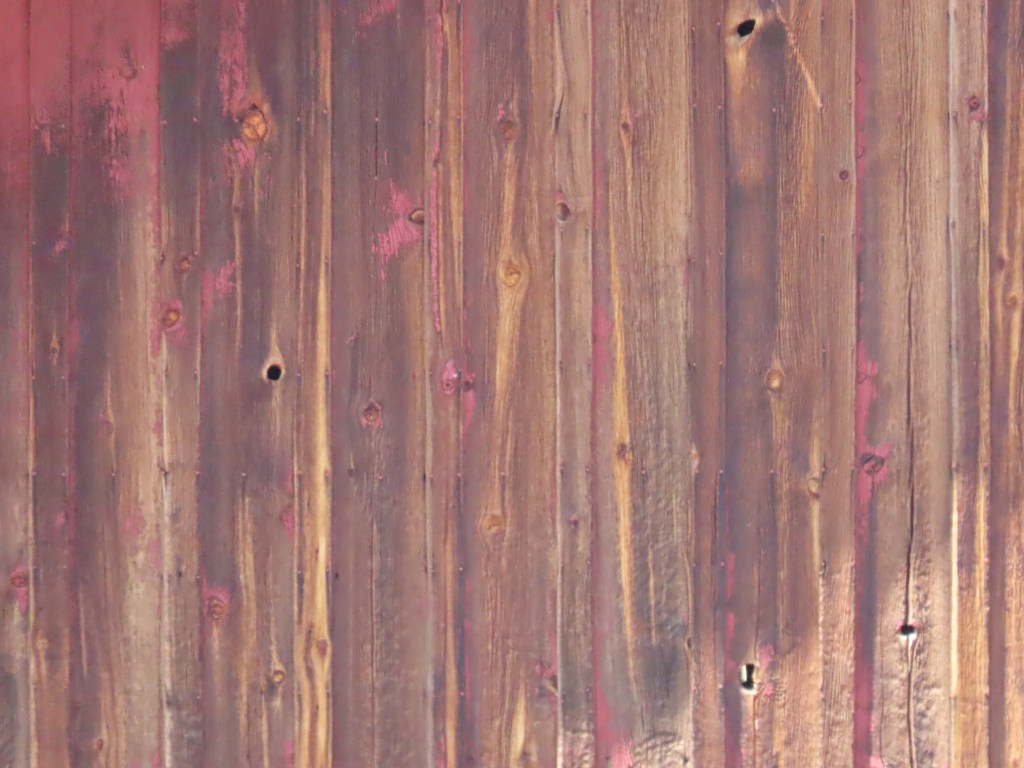
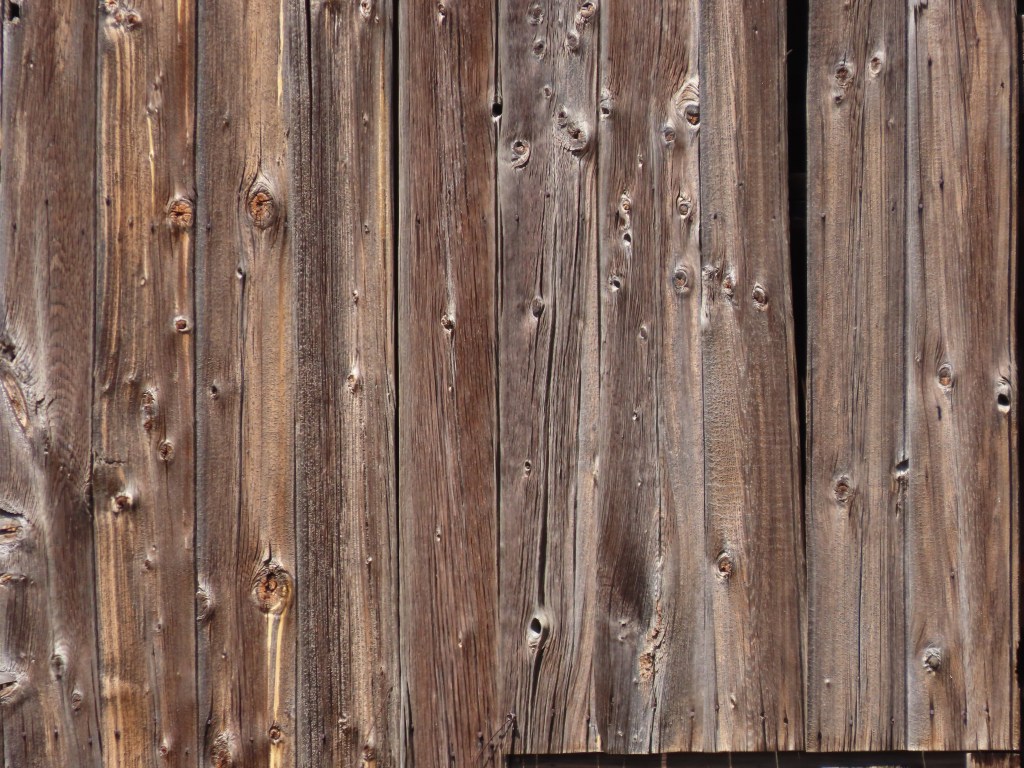
My neighbor and friend, Johnny, driving by stopped his truck. He reminded me to go down the road for taking close-up photos of Patterson’s old barn. “Just hold your camera right up and nearly against that aged wood”, he said, adding, “I’m seeing pictures for sale showing panels of wood without anything more in the frame.”

His contagious enthusiasm will interfere with today’s intended animal focus. Now, about that wood.

Louie and I continued on to Patterson’s old place. We crawled through a break in the ancient fencing, and yes were trespassing, which always I try to avoid. I wanted to offset an appearance of being there to vandalize, so held the camera very high and pointing toward the barns. I took lots of photos.

Johnny correctly has zeroed-in on those barn woods. They’re very pretty, here’s evidence.

BTW, after coming home, I did manage to scribble into my Journal another 150 words. Whew!

Speaking of words, today’s is “Ambiguity”. Does it mean (1) uncertainty, (2) dubiousness, (3) under-specification, (4) vagueness, (5) borderline?

Dear Friends: Embracing another dimension, the fun art of going out and just playing about! Diana

Day’s Highlights

Monday, May 16, 2021  (9 days before May’s Super “Flower” Moon rises fullest to Earth)

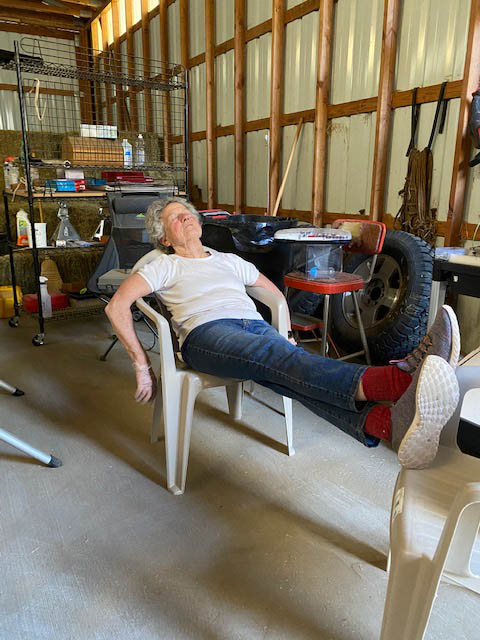
Yesterday a to-do list kept me accomplishing bunches, from pulling weeds and vacuuming to moving the lil’ chicks into larger quarters. The day ended with a few quiet moments in my recently created she-shed, which surprisingly is a pleasant retreat.

That huge space has stored hay, but I began rethinking that during Corvid-19’s home-staying months. A small acreage offers plenty for one to be outdoors safely from rampant germs. What got me rethinking was my house garage, crowded with tools and equipment and lacking space to move around and do work. If I wished to locate an item stored there, it meant beginning a tiresome search.

I opted to change things, and allowed the RV stack to dwindle before moving in items from the house garage. Eventually, the RV garage has wound up a workshop, housing assorted hand tools, studded tires, a variety of saws, winter-ready snow blowers, and lumber bits from past remodeling projects. Its tiny refrigerator keeps icy up to six cans of beer or soda.

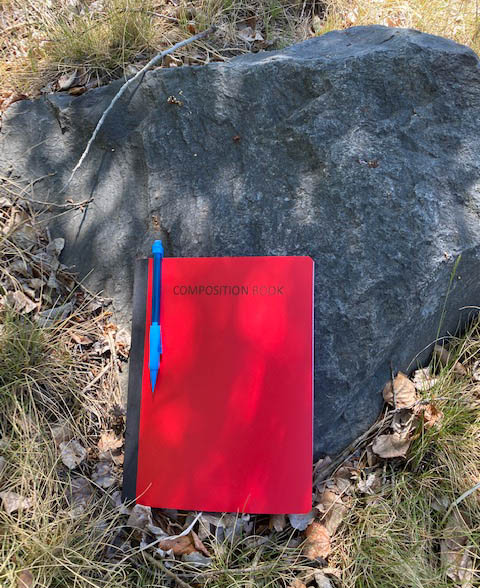
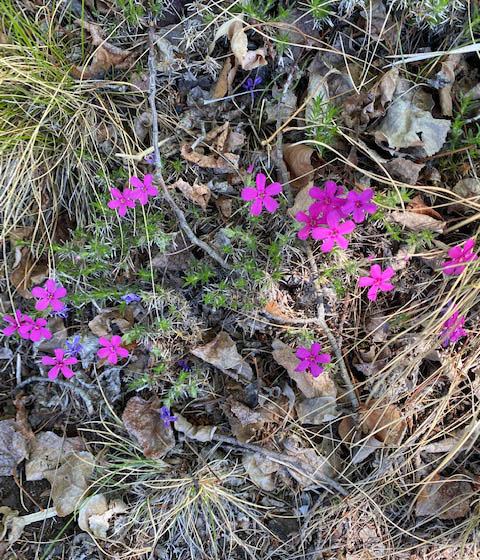
Yesterday afternoon, I embarked on the first of what will become daily “fifteen-minute thoughtful walks”. I left behind a camera, so as to remain thoughtful, missing a couple of great bird photo ops (next time I’ll take a camera). Upon reaching my friend, Bobby’s, and spotting a rock next to a patch of Moss Phlox, I sat and wrote 150 words into my brand new journal.

Daily, my baby chickens get bigger and become stronger. They’ve been trying and became nearly able to leap high enough to escape their small trough. Yesterday, I transferred them into a bigger trough that holds 100 gallons of water. Its high containment sides will keep the babies safe until they mature enough to transport to an outdoor coop.

Dear Friends: Retirement is like taking a long vacation without having any feelings of guilt. Diana

Doing

Sunday, May 15, 2021  (10 days before May’s “Flower Moon” rises fullest to Earth)

Today I’ll be checking-off items on my new list, a “Sunday To-Do”. It’s about cleaning–carpets, windows, aquariums–nothing interesting or motivating. I need to overcome a condition that “cleaning isn’t my thing”. Maybe adding a pleasure item to the list will boost willingness to perform housework. I’ll experiment by incorporating something from another list, my “Daily To-Do”, and sneak in creativity.

The easiest transfer is two new related self-assignments. Starting tomorrow (well actually, now today), for fifteen minutes I’ll go outside and walk while remaining very thoughtful. Immediately afterwards, I’ll pen 150 words (amounting to about a paragraph) into a brand new journal. This daily process needs about a half-hour and feels motivating. On Sundays, I can escape minutes of housework, and everyday will make entries. These might become a collection of interesting observations and ideas.

Eventually, hopefully, and at least a little escape from cleaning chores.

To be honest, for weeks I’ve waited with a brand new journal and a type of pencil I love to make first entries. It’s too challenging while staring at bound pages to come up with worthwhile ideas and observations. Committing to and beginning to write never is easy. Waiting space bugs writers. A simple solution might be several daily minutes of walking and writing.

Today, there’s a word, “Liberal”. Does it mean: openhanded, self-important, overbearing, or warmhearted?

Dear Friends: Left-brainers get things done, a right-leaning brain needs lots of boosting. Diana

Flowering

Saturday, May 15, 2021  (11 days before May’s “Flower Moon” will rise fullest to Earth)

My neighbor and moon-chasing buddy, Susie, dropped by to check on the new chicks. She brought lilacs, and I love lilacs! Their appearance and odor return my brain straight to Kansas City and my cousin Adeline’s backyard, where once a dominating lilac bush gloriously dizzied me during a light drizzle.

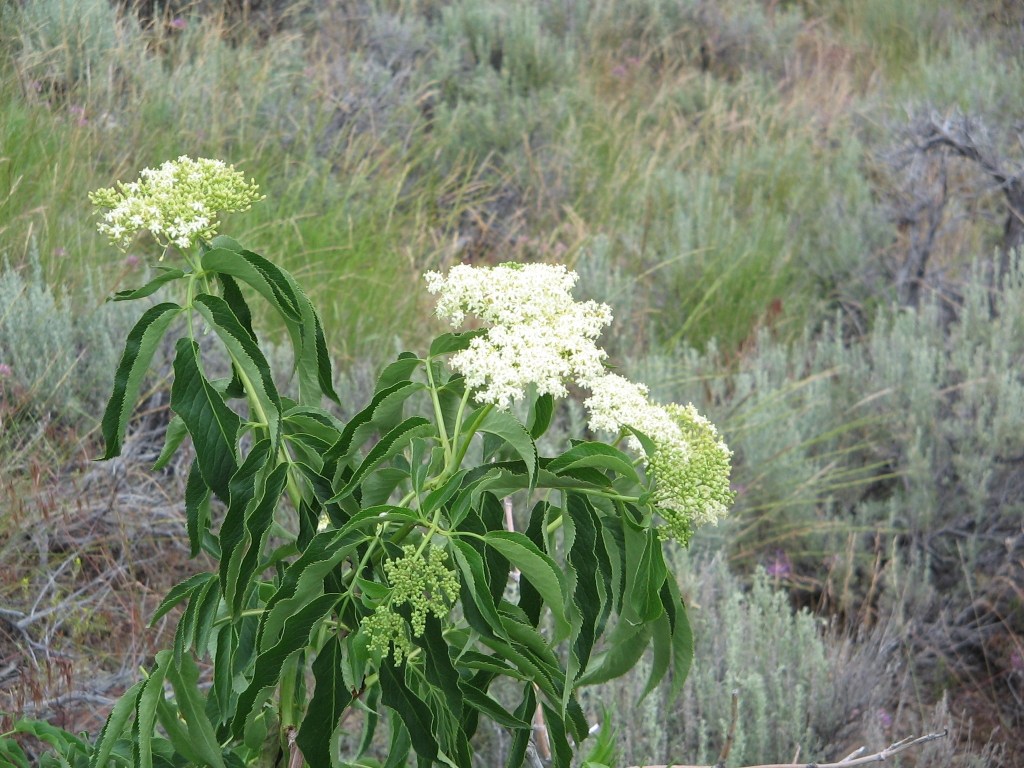
This spring I’ve been planting a few flowers and bushes. Now reminded, I’ll include a lilac. I’ll also begin searching for another must-have, a Blue Elderberry, native to Oregon. One grows wild in a forest where I often ride horseback and am captivated by the plant’s eye-strikingly beautiful white flowers.

Blue Elderberry

“Flower Power” isn’t just an old 1960s social concept or something our noises simply enjoy. Today’s scientists are studying the “prettiness of flowers”. Recent articles conclude that scientists prefer studying pretty plants over dull ones, and that flower color mostly captures their interests.

In a study, scientists searched a database for papers published since 1975, of studies on various named-plants. Then they did a statistical analysis of plants studied, finding certain ones more studied than others. Those most studied shared particular traits, beyond occurrences by chance. First, was flower color. Plants having blue flowers were heavily over-represented. The results showed white-flowered plants also doing well. So did plants that display their flowers prominently on long stems.

So, scientists are discovering that truths for the animal kingdom hold equally for the plant one. Like the insects flowers have evolved to attract, botanists are lured by plants that are most showy. In choosing the plants to study, botanists are highly susceptible to their aesthetics. 

We get it, and don’t need scientific studies. We can look around, at our own and neighboring gardens, and find everything important: big flowers, in blues and whites, with long stems and compelling perfumes.

Ah, spring!

A link to the background article: https://www.economist.com/science-and-technology/2021/05/13/scientists-prefer-studying-pretty-plants-to-dull-ones

Dear Friends: Our world has endless possibilities, to wide eyes and open imaginations. Diana

Chick Roster

Friday, May 14, 2021  (12 days before May’s “Flower Moon” rises fullest to Earth)

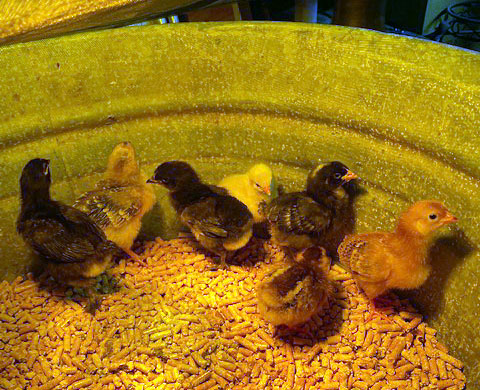
My new flock: back row from left to right, Black Jersey Giant, Color Pack, Cuckoo Maran, Amber Sex Link, Dominant Copper, Rhode Island Red; and front center, Welsummer. I think each is identified correctly, but who knows when they’re in a heap. I wanted a Welsummer, and in other choices considered diversity.

Some details:

The interesting Black Jersey Giant originally was bred in the 1880s, in New Jersey. My hen will mature to about 10-12 pounds, compared to average breeds weighing 6-7 pounds. As a fellow chick-looker was telling me how much she loved her gentle Black Jersey Giant, I became sold.

A Color Pack (also called an “Easter Egger”) is a cross of several breeds. She’ll annually lay about 280 predominantly blue and green colored eggs. These chicks are color sexable, so mine’s definitely a hen.

The Cuckoo Maran, from France, is a rare and popular breed. “Cuckoo” refers to her feathers, darker-colored and with lines not well-defined. Similar breeds have more clearly-defined colorations and lines.

Sex Links, Amber and Black alike, are my favorites, and they’re also color sexable. They’re gentle, friendly egg-layers, and essentially want to hop into their human’s lap. This time around, and “just because”, I chose an Amber.

The Dominant Copper is interesting, having emanated from the Chez Republic, it lays incredibly dark eggs, and gets along well in a mixed-breed flock. This little sweetie is my first Copper.

Rhode Island Reds are very popular. They’re reputed to be very predator-aware and lay bunches of eggs. This is my first experience with the breed.

Then, the Welsummer. Wanting this breed again is behind this new flock. My current Welsummer, the last survivor from my original flock, always was my favorite. She’s now eleven years old (ancient for a domestic chicken) and doing well. Thoughts of losing her made me re-think having or not-having more chickens.

Well, I’m a weak one. Although intending to select only three, I couldn’t resist the seduction of unending chicks, with cuteness, variety, and potential. After forcing myself to draw a hard line, I’m baby-sitting a lucky-seven number of chicks.

Dear Friends: Irresistible weaknesses: European chocolates, northern vodkas, baby anythings. Diana

Fluffy Future

This image has an empty alt attribute; its file name is trees.jpg

Thursday, May 13, 2021  (13 days before May’s “Flower Moon” rises fullest to Earth)

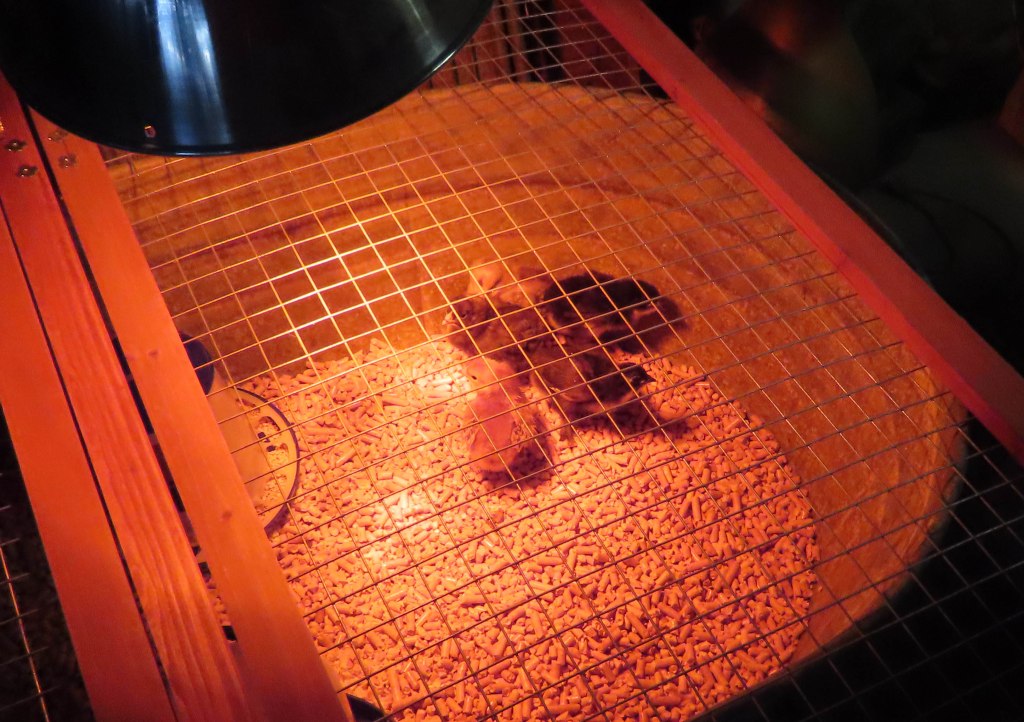
There’s no decent photo of my baby chicks in their brooder, a converted small watering trough, covered with an opaque screen. I brought home chicks without advance planning. Their trough became a quick, easy grab, and it’s turned out to have too-short sides. When I lift their covering screen, my bitty rascals become frightened, start leaping, and surprisingly high, potentially escaping the container.

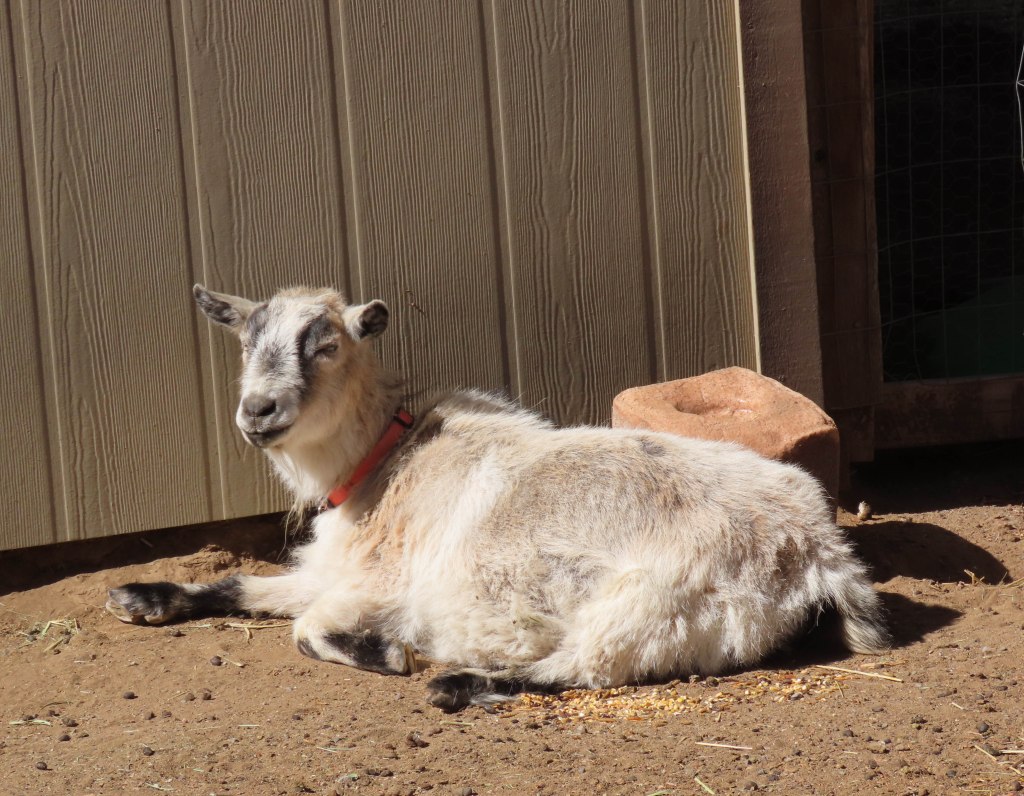
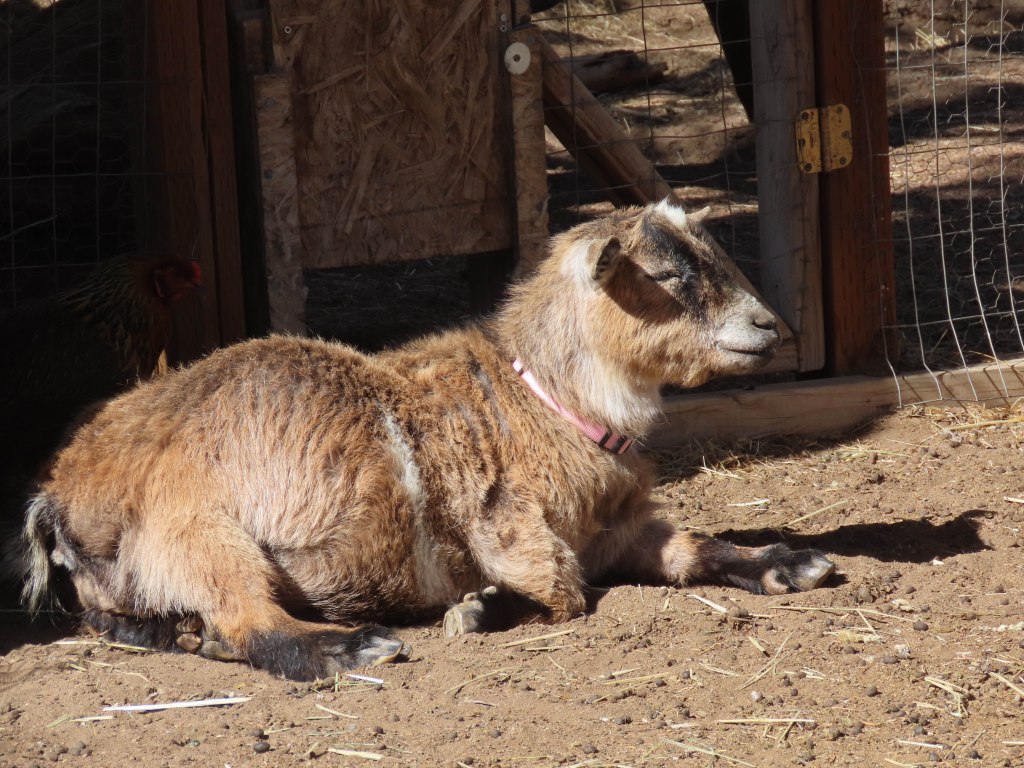
They’re a week old and for several more weeks will live in the brooder, its overhead heat light keeping them warm while their feathers grow. Once their feathers can warm independently, the chicks will go to reside in a chicken coop, sharing space with protective dwarf goat twins.

My previous chickens knew me, were comfortable walking at my feet and right over my shoes. They followed, while avoiding my reaching to stroke or pick up a chicken. To hold one, I first had to chase and corner it.

Less effort with these new babies. They should get to know me, be comfortable with human handling. Starting now and daily, I’ll spend time at the brooder, lifting and holding each chick. On beginning this and first attempting to remove their covering screen, their leaping to escape were worrisome.

I responded by laying new bedding at the bottom of a deep container. Into that I transferred the chicks one-by-one. Then by turns, I played with one with the others safely confined, easily available. Each fluff resisted being lifted, but once held became quiet and comfortable.

No telling if this “training” will evolve as hoped, but it can’t do harm.

There’s room for one more baby, a Welsummer. I’ve searched feed stores, local and beyond, for an available chick. People like Welsummers so none remained. Happily, yesterday, a supplier phoned saying Welsummers will arrive Friday. After a confirming call, I’ll go for a chick. My flock is young which makes introducing a new baby easy.

These are smart and wonderful chick protectors, the dwarf twins.

Dear Friends: I refused to have another chicken, “No, no, no!” Proof that certainty isn’t an absolute. Diana

Steps Ahead

Wednesday, May 12, 2021  (14 days before May’s “Flower Moon” rises fullest to Earth)

Peaches is my constant companion out in the RV garage. I’m transforming it into a shop of sorts, and actually more, a she-cave.

Long ago, I did a little carpentry and was hoping to play again with wood, my plan before venturing out and seeing current wood prices. A single sheet of good plywood costs nearly as much as a new table saw. A contractor busily loading two-by-fours onto a cart commented that he’s beginning to create wood slabs by connecting single boards.

My woodworking plans may be on hold but there’ll be a play space. By now, in my she-cave are a couple of chairs, a little refrigerator, some basic carpentry equipment, miscellaneous leftover boards, and a perch for Peaches. There are south and north sliding doors allowing air flow and pleasant views.

I’ve used this building to store hay, about once a month entering and transferring hay to a smaller storage space at the barn, nearer the horses. Now I’m trying to remove the last stored hay, have created enough space for tools, chairs, and such, but still hay remains to be moved.

Yesterday, Peaches watched me climb onto the stack, re-arrange bales, and one by one shove each down onto my Gater’s bed, which holds two bales. I drove to and from the barn multiple times to load and unload. That meant many climbs onto the hay stack, lots of bale-pushing, and multiple unloads at the barn. Once the stored hay is all gone, the entire RV space may be whatever I wish.

These are pandemic stay-at-home days. They’re also get-going days of action, forced by climate change, rampant wildfires, and retirees looking to move. Essentially, daily life “just happens”. For example, lumber prices raising because of destructive wildfires and current mega-construction, chokes a novice’s plans to saw, glue, and nail. That forces new planning.

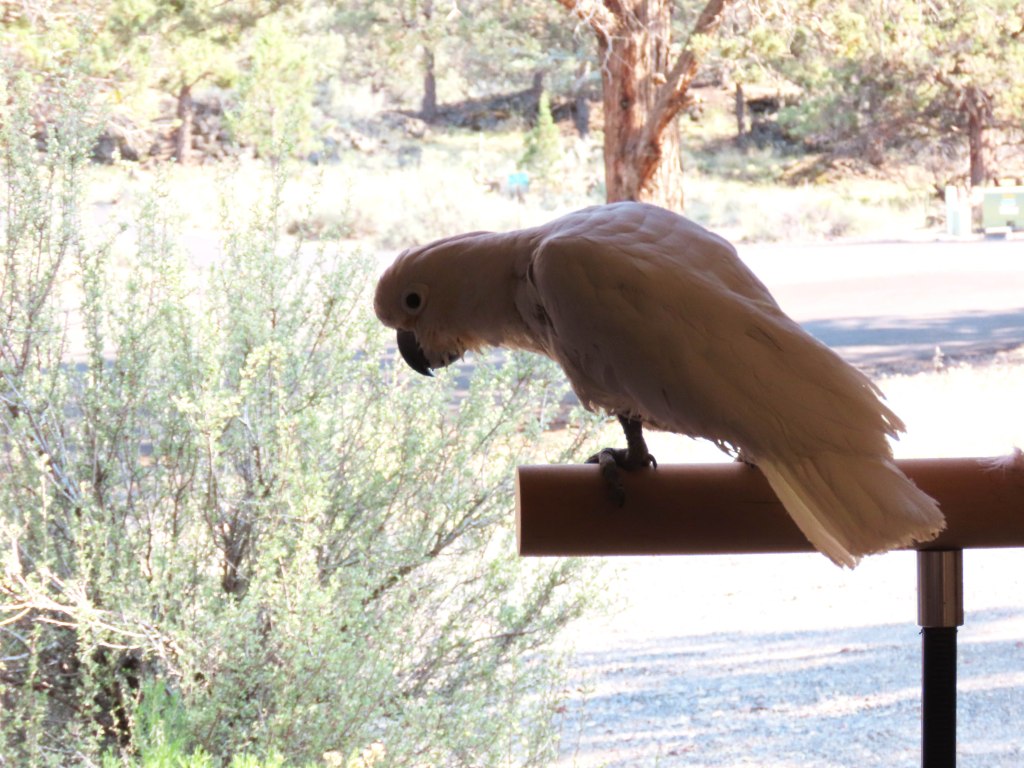
Regardless of how the RV garage space becomes used, it’ll be available for storage, or for just hanging out. I’d sit gazing out the door with my parrot, or set up a system so music may reverberate in the large space. Or rethink ways to woodwork. Those sticks of scrap wood could become framing for better photos.

Dear Friends: Time moves rapidly, situations change quickly, we move forward creatively. Diana

Flocking Up

Tuesday, May 11, 2021  (15 days before May’s “Flower Moon” rises fullest to Earth)

I brought home five chicks, days-old, each a different breed. Surprised myself, had sworn against doing that, but my last and most favorite hen, Welsummer, still is with me. Now eleven years old–ancient for a domestic chicken–and very much alive, she’s well-feathered, energetic and thriving. Recently, she even managed to produce an edible egg.

Welsummer and I are close. She rushes to greet when I enter her space and follows me around. Yesterday, something was a little off. She seemed less interested in her beloved morning treats. Maybe that old lady is losing appetite, hinting at decline. I’ll watch her closely.

Deep inside me, possibly losing Welsummer became an energizer. I always have enjoyed this hen and want another just like her. On checking, I learned the breed won’t be available locally for a couple of weeks. But while in the store, I made the mistake of peering into the brooders. Baby chicks, so tiny, bitty wings, chirping. Every one, cute, irresistible, needing a home.

Many tell me how much they dislike and consider chickens not smart. I’ve an opposite perception, finding them very likable, with personalities and smarts. The difference probably has to do with one’s experience with numbers of chickens and their purposes. For example, a commercial enterprise producing bulk eggs and meat would be the opposite of a homebody’s small pet flock of birds. I’ve appreciated chickens, enjoyed their presence.

That’s why here begins a new story. One not yet complete, it needs one more chick. Today, Maybe I’ll find in nearby Redmond, my waiting tiny Welsummer.

Dear Friends: Attitudes reveal limited learning or real knowledge, the sciences can alter perceptions. Diana