Nature’s Finite & Infinite

“Infinite Joy in this Finite Life” by Stephanie Noble

Monday, May 13, 2019

I’m a nearly lifelong city gal who never went camping, rarely hiked, didn’t much get into sports, and slightly feared the wild outdoors. This began to change after I retired to Central Oregon, and especially after acquiring a couple of horses. Horseback riding in the mountains offers great opportunities to see and focus on learning, real-time, about wild nature. Only recently though, have I begun pausing to look around even more closely at nearly invisible natural elements, and there’s quick and easy help to learn and in as much detail as desired.

Egged on by a plant identification app that I recently downloaded, I’ve obsessively been photographing little greens in my pathways, wanting to learn if they have true names and somehow are worthwhile. To my great surprise, my small acreage is host to many interesting sprouts, among which are Horseweed, Field marigold, Common sunflower, Burrobrushes, and Wild Spinach. Some of these are useful as animal fodder, some are medicinal. Who knew!

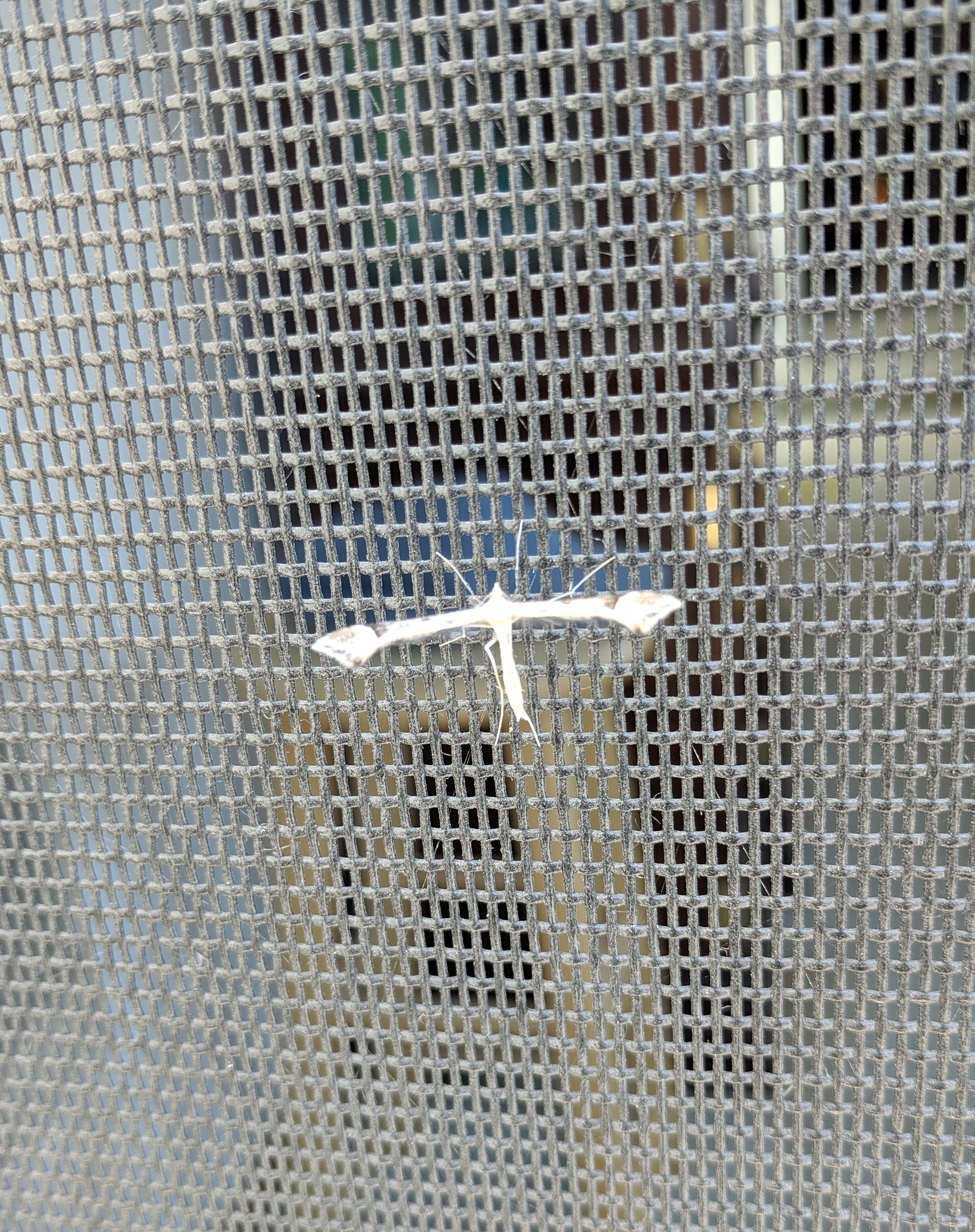
That began my growing involvement with available apps designed to identify and explain. I’m discovering myself more curious than I realized about elements of nature that I previously ignored. The other day, upon spotting an unusual critter solidly perched on the door screen, I searched for and found an app for identifying insects.

Plain Plume Moth
(subfamily Pterophorinae)

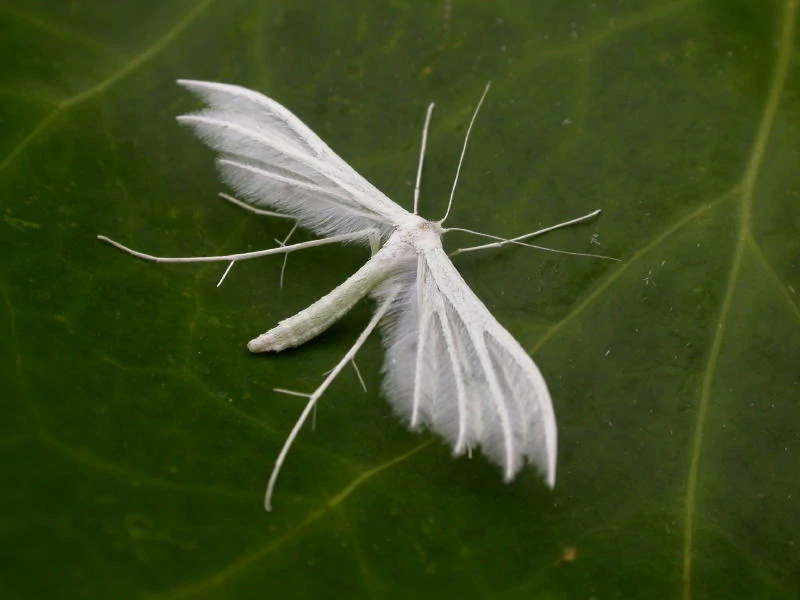
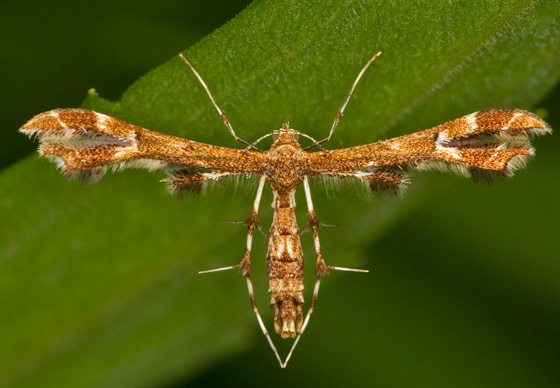
These identifier apps include photos of possible variations of whatever one sees and show geographically where species commonly abound. My app illustrated many variations of subfamily Plume Moths. A search of the internet revealed more variations, and related moths among the species much fancier than the one on my screen door.

Just so you’ll know, the Plume Moth has 162 known and described species in North America, north of the Mexican Border. From now on, upon spotting a little T-shaped resting insect with lobbed or divided wings, you might recognize the Plume Moth.

Another chapter is ahead on this journey taking me into a larger world. I’ve downloaded another app, designed to help explore the universe and capable of identifying stars and constellations. I’m eager to journey into the sky and play, but interacting with what’s overhead means being awake nights. I’ll have to await a restless night, which shouldn’t take long. Meanwhile, I have the option of listening to soft music and gazing at this app’s screen, and letting the Hubble Telescope transport me into a star-studded sky.

Dear Friends, the enormous universe offers much, beyond wildest imagination. Diana

Memories Of Mom

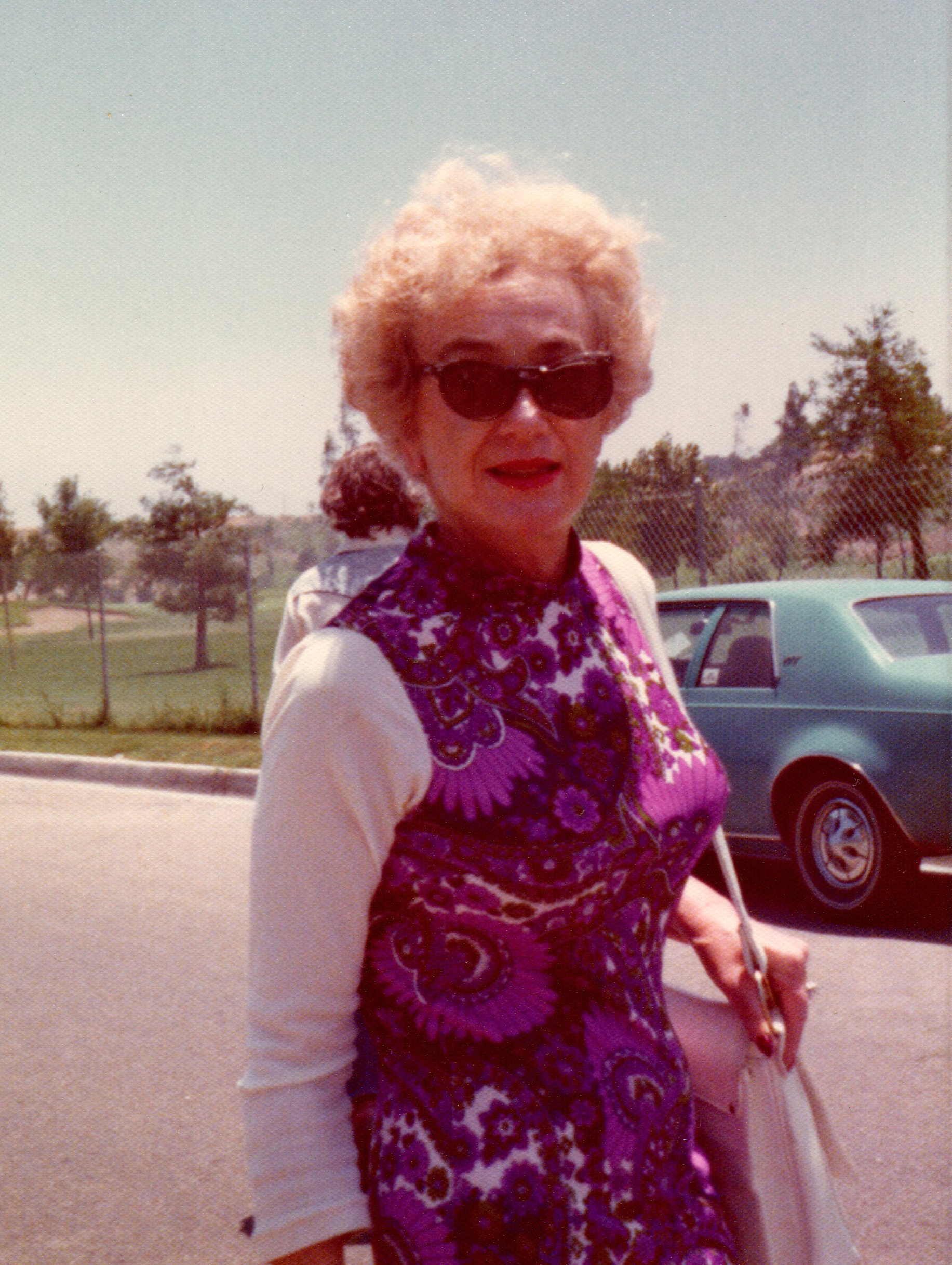
Age 69, in 1974

Sunday, May 12, 2019

It’s here again, Mother’s Day, and I thread back through the years to remember my mom as more than a series of shadowy vignettes. She was a pretty woman who matured during years that offered to the world movie stars that seemed beyond-gorgeous. She like many women in those days modeled herself after the most popular glamour looks. She grew up in the early and mid-parts of the 20th Century, when men were programmed to take care of “their women”, and my mom throughout her life expected no less.

I was her third daughter and the many years separating me from older siblings suggested that my birth was an accident. During my infancy, an automobile accident caused the death of our father. Growing up with two nearly adult sisters, I considered myself physically as too little, less beautiful, mentally lacking their smarts, and least likely to succeed in life. Except that my mom always believed in me and encouraged most of my aspirations.

Mom’s been gone nearly 20 years. I remember her as gentle, loving, and very headstrong. In those days, people tended to talk too little about themselves–really talk, I mean. What now are common discussions about ourselves, as youngsters and how we’ve evolved, only developed around mid-century when people began understanding psychology, after which “talking personal” gradually became a staple. Looking back, I wish I’d been more interested and able to press my mom for whatever more she might have remembered about her own early childhood, her immigrant parents, and for sure, lots about my dad. But kids tend to be in the present, and not until we ourselves get older do we start trying to make meaningful connections between what’s long past and its impact on the present.

Sometimes, looking into a mirror, I glimpse one of my mom’s expressions or maybe just the look of her eyes. For an instant that’s a jolting vision and I miss her terribly. After all, she’s the one person who tolerated all my ideas and moods, handed me a few dollars when needed, and firmly believed I’d accomplish anything to which I set my mind. None of that changed during her lifetime.

Nobody is perfect, and motherhood is a huge responsibility that some manage better than others. My long relationship with mom had lots of ups and downs, but on reflection it mostly was good–for if successful mothering relates highly to loving support, she offered lots of that.

I wish I could write about my mom from the perspective of my own motherhood, but I didn’t become a parent. Most of my understanding of the role, I learned from my mother. And to sum it up: even now, and long beyond her lifetime, the best takeaways from our relationship continue to support me.

Dear Friends, have a lovely day. Diana

The Desert Comes Alive

Random trail blossoms

Saturday, May 11, 2019

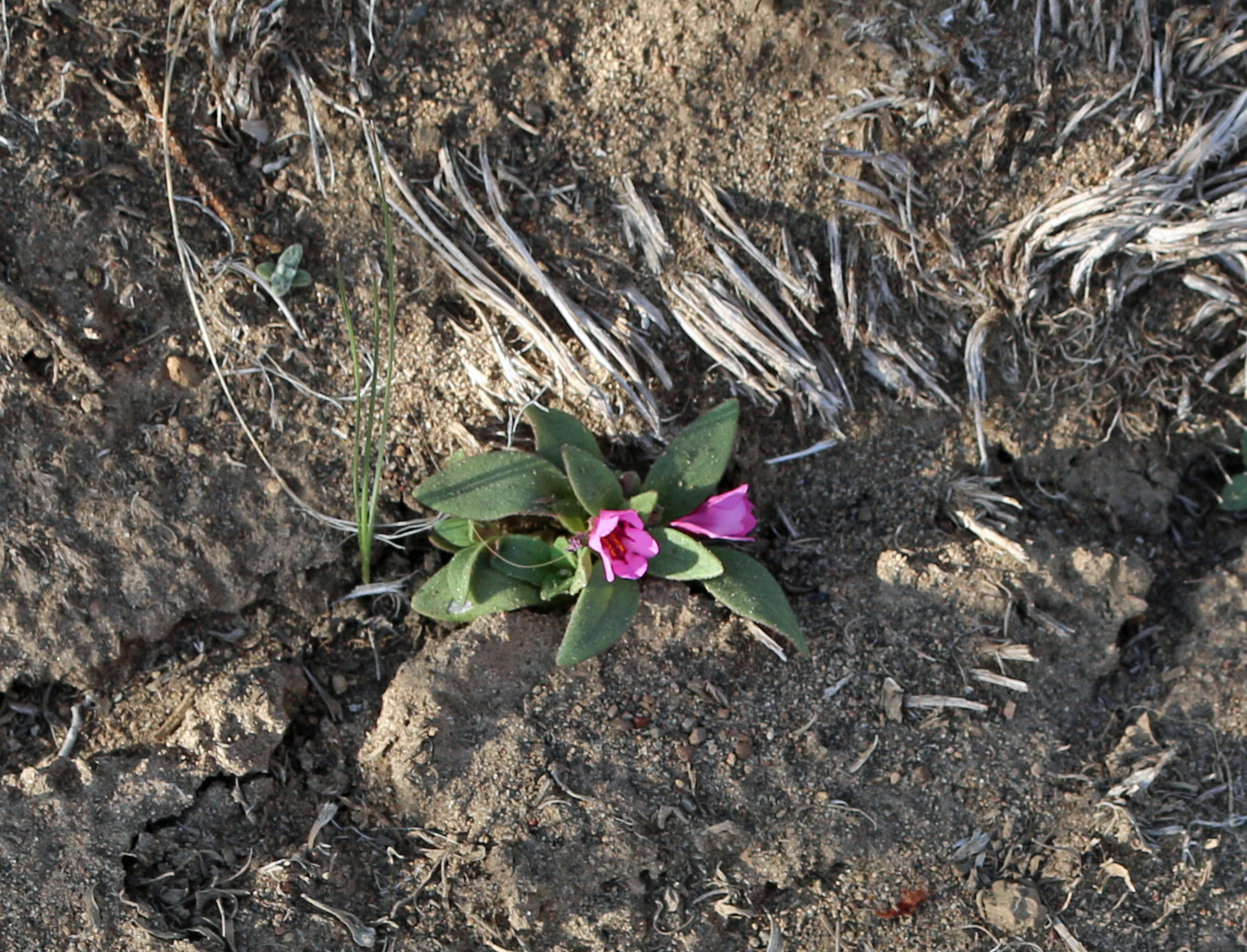
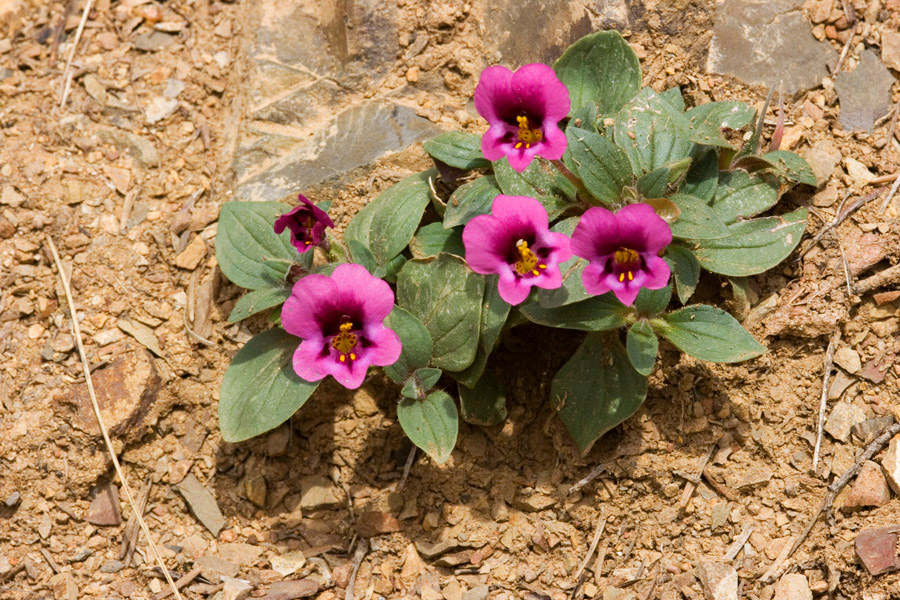
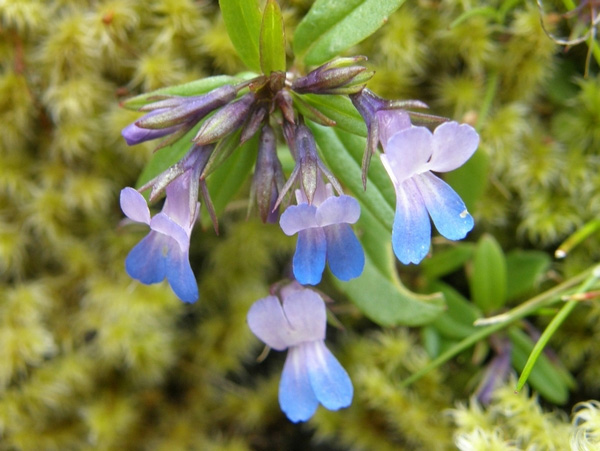
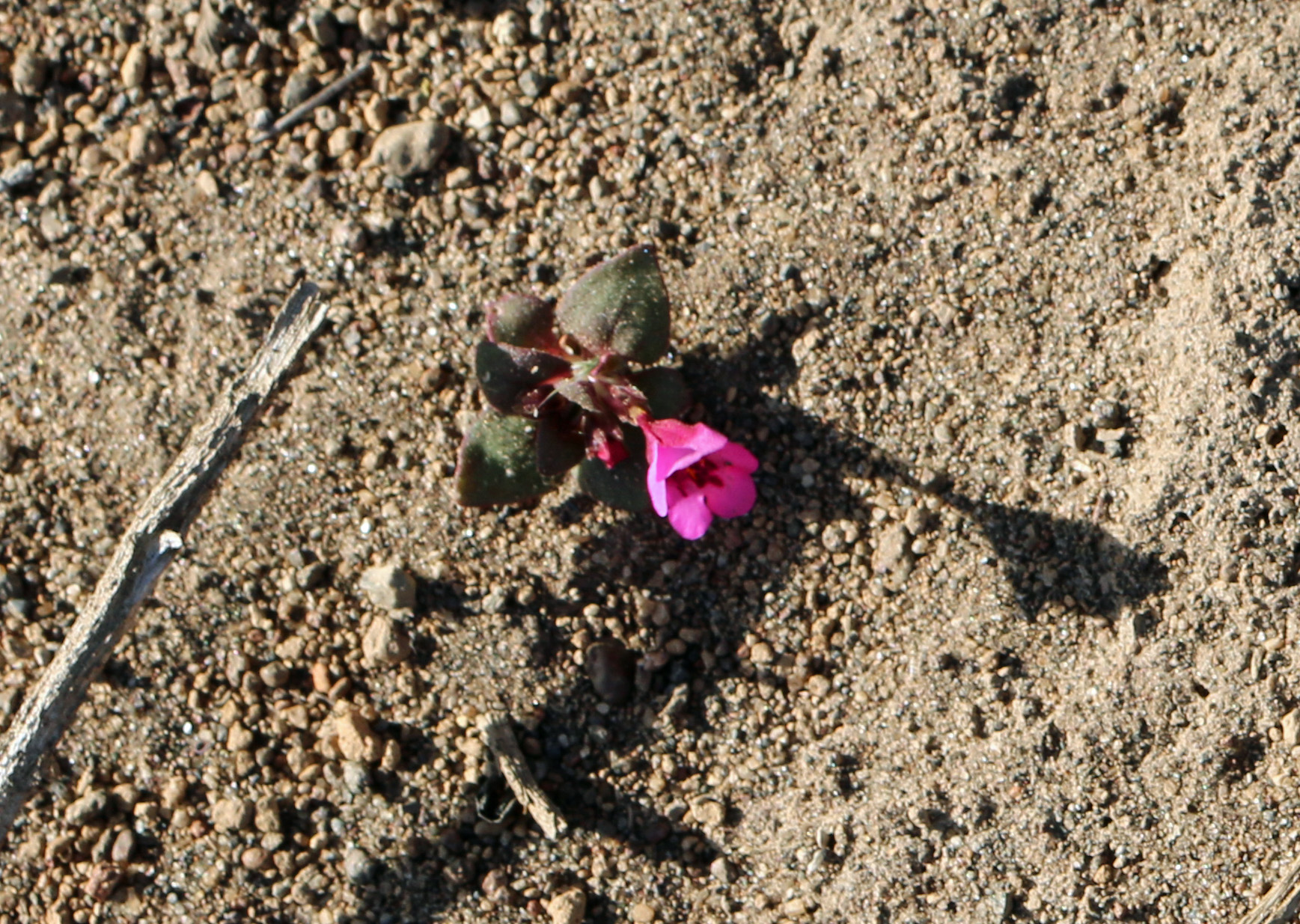
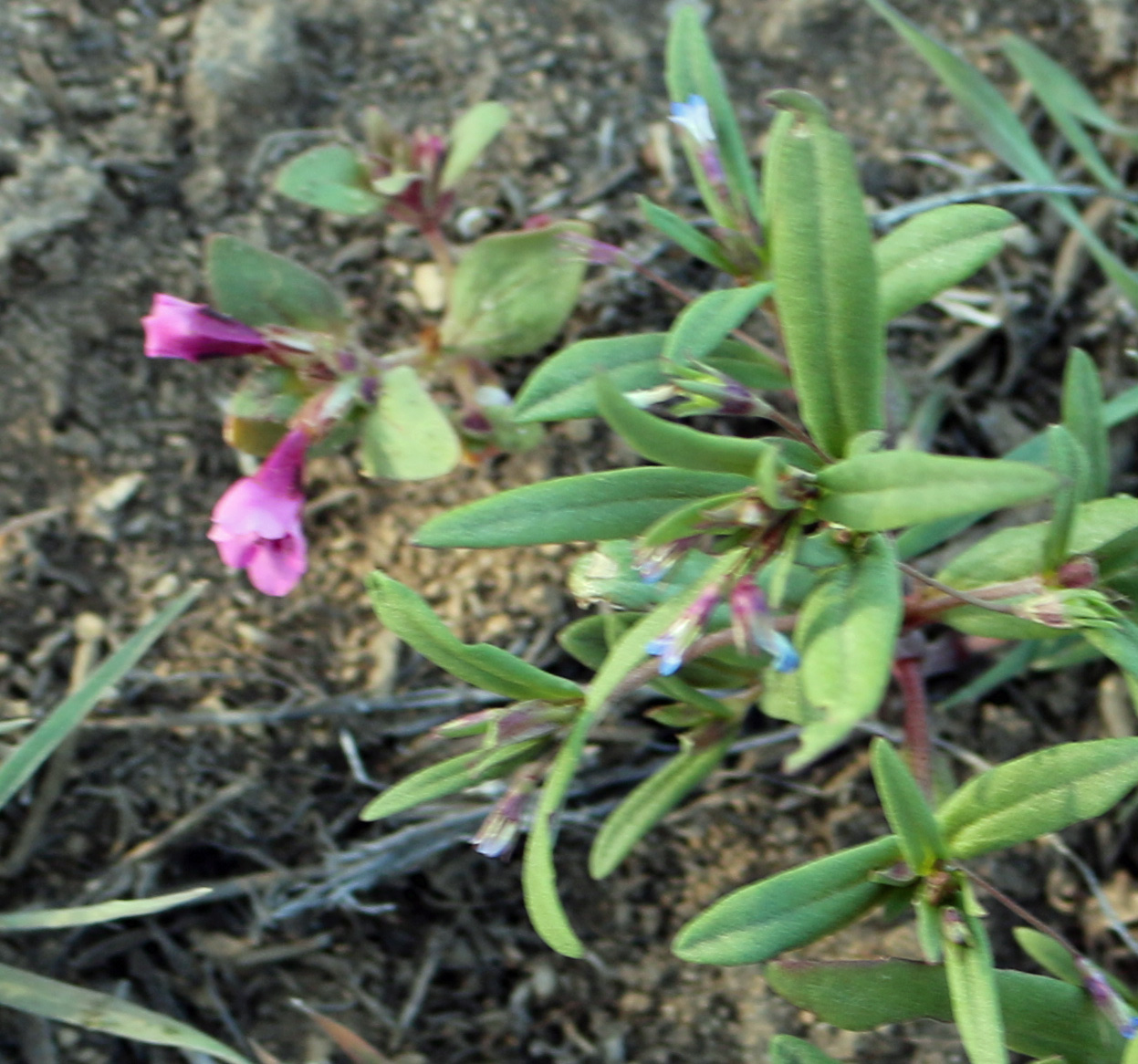
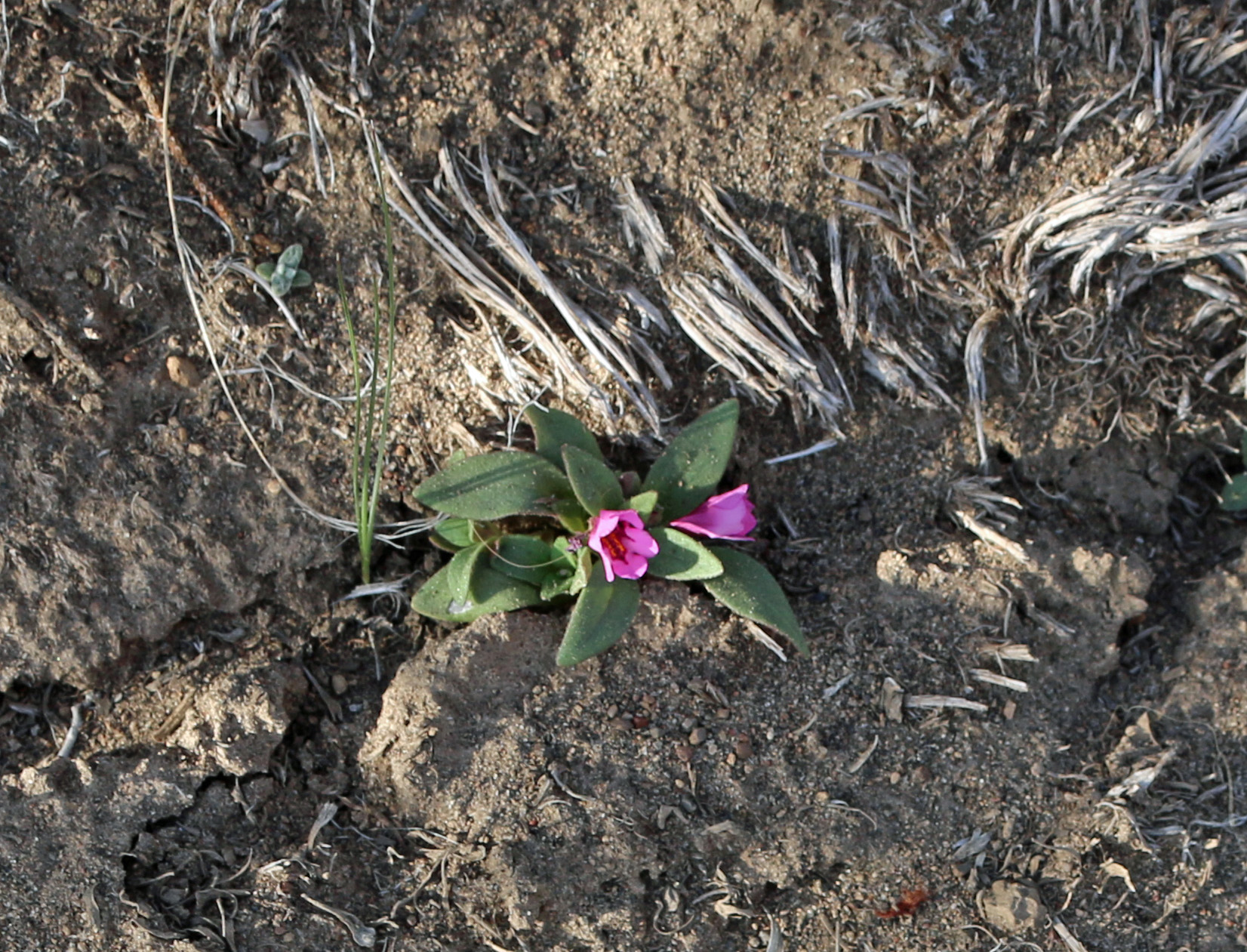
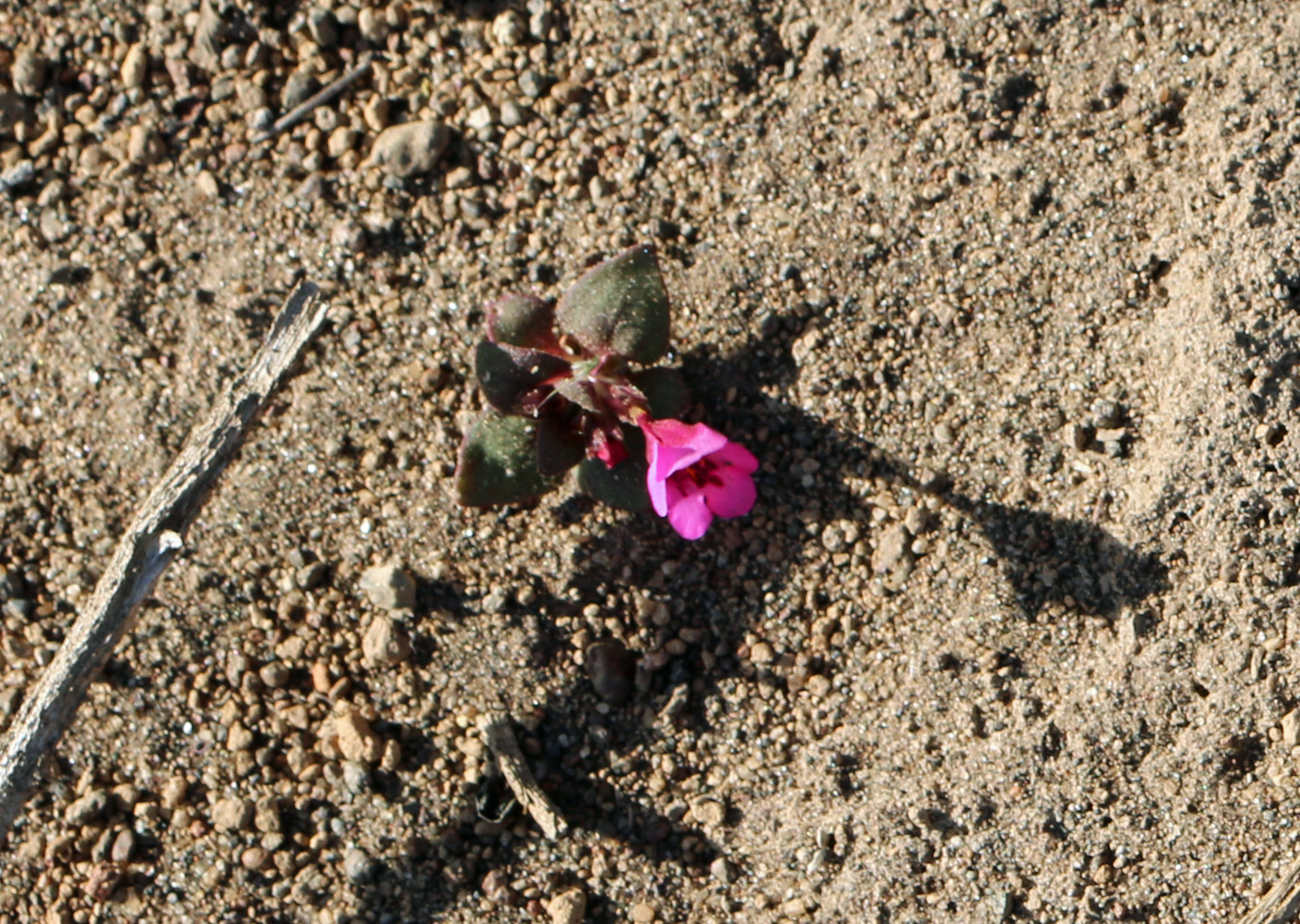
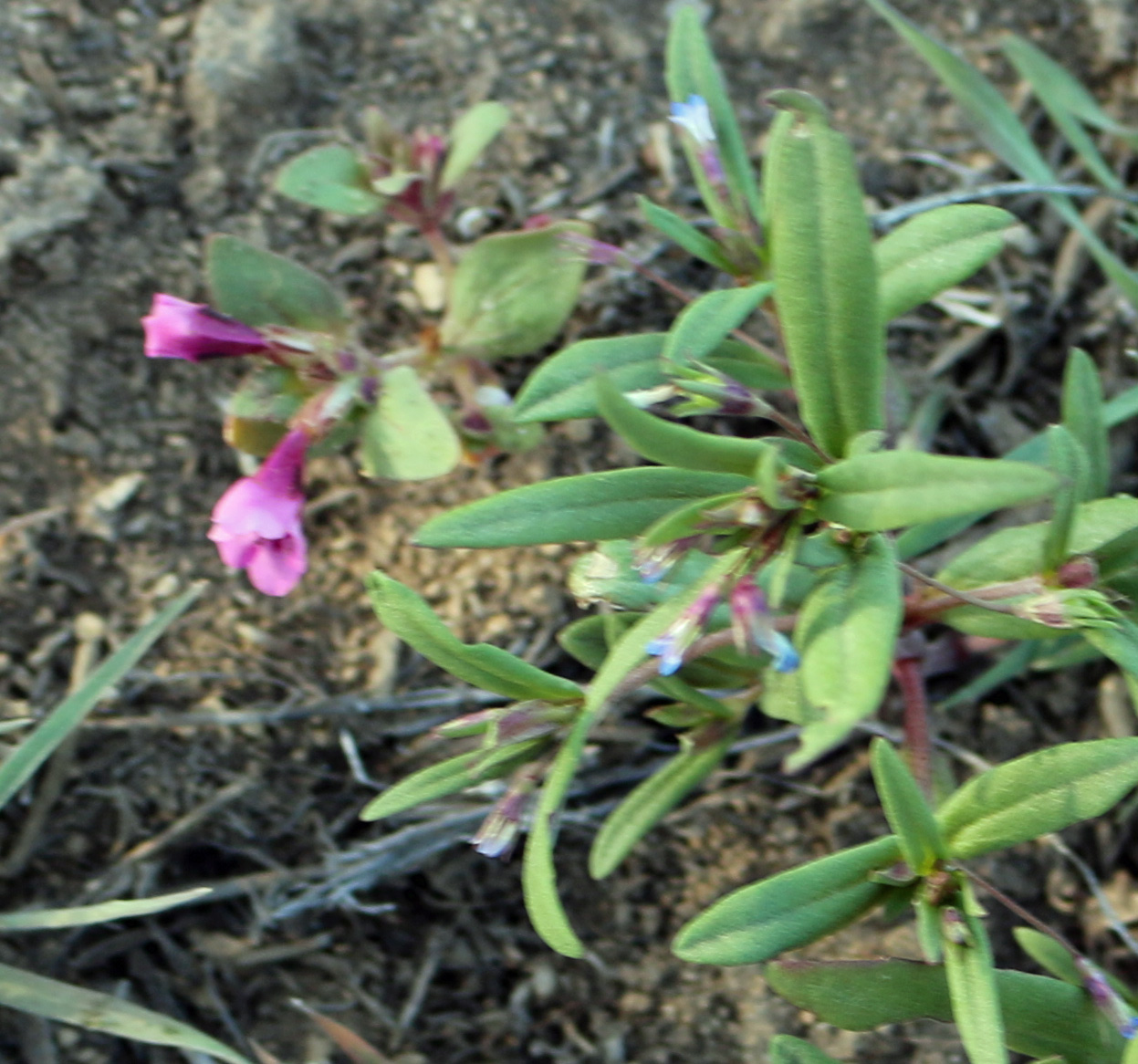
Who ever heard of a Monkey flower or a Blue-eyed Mary? Well, if you’re not already familiar with those tiny blossoms, they’re abounding in surrounding deserts and also taking root in sandy spots on our own properties.

I’m guilty countless times of passing by or stepping on such plants without noticing. Well, that’s not exactly true, because when a single little spot of color catches my eye, I often pause to look and wonder about it. The thing is, my mind usually is on my dogs, running loose, and I’m focusing on handling my stop-action camera to capture their activities. Also, my camera hasn’t a lens that effectively captures little bitty things close up, so I don’t look for tinys.

That is, until this week while hiking with Elaine (my visiting friend from Eastern Oregon) and our dogs. I noticed that Elaine often paused and used her cell phone to take close ups of miniscule objects. Wondering what she was seeing got me looking more closely at little things, and again noticing the intrigue of occasionally sighting a single, tiny and vivid red blossom on our trail or nearby.

Beside the path

For awhile, we’d been discussing the social impact of improved facial recognition software. That got us wondering if there exists an available plant recognition software. Back at home, I played around, downloaded an app, and went searching for tiny plants. I found a couple near my mailbox down by the street and rooted in sand. I had to bend very low to photograph them, and Voila! The app informed me that I’m host to a bitty bunch of Monkey flowers near an even-more bitty bunch of Blue-eyed Marys.

Monkey flower & Blue-eyed Marys

Suddenly, I realized that all those formerly stepped-on or ignored plants had names, were real things! “Yes,” said my friend while downloading the cool app, “the desert is more alive than many people realize.”

We visited a nearby, public mini-garden to photographed plants. Our app revealed each plant’s identity, its natural locations, the appropriate nurture and care for it, and included information about and pictures of its family relatives.

Dear Friends, this has changed my world, it’s bigger, more colorful, lots more fun. Diana

Adventures In The Elements

Checking a trail news source

Friday, May 10, 2019

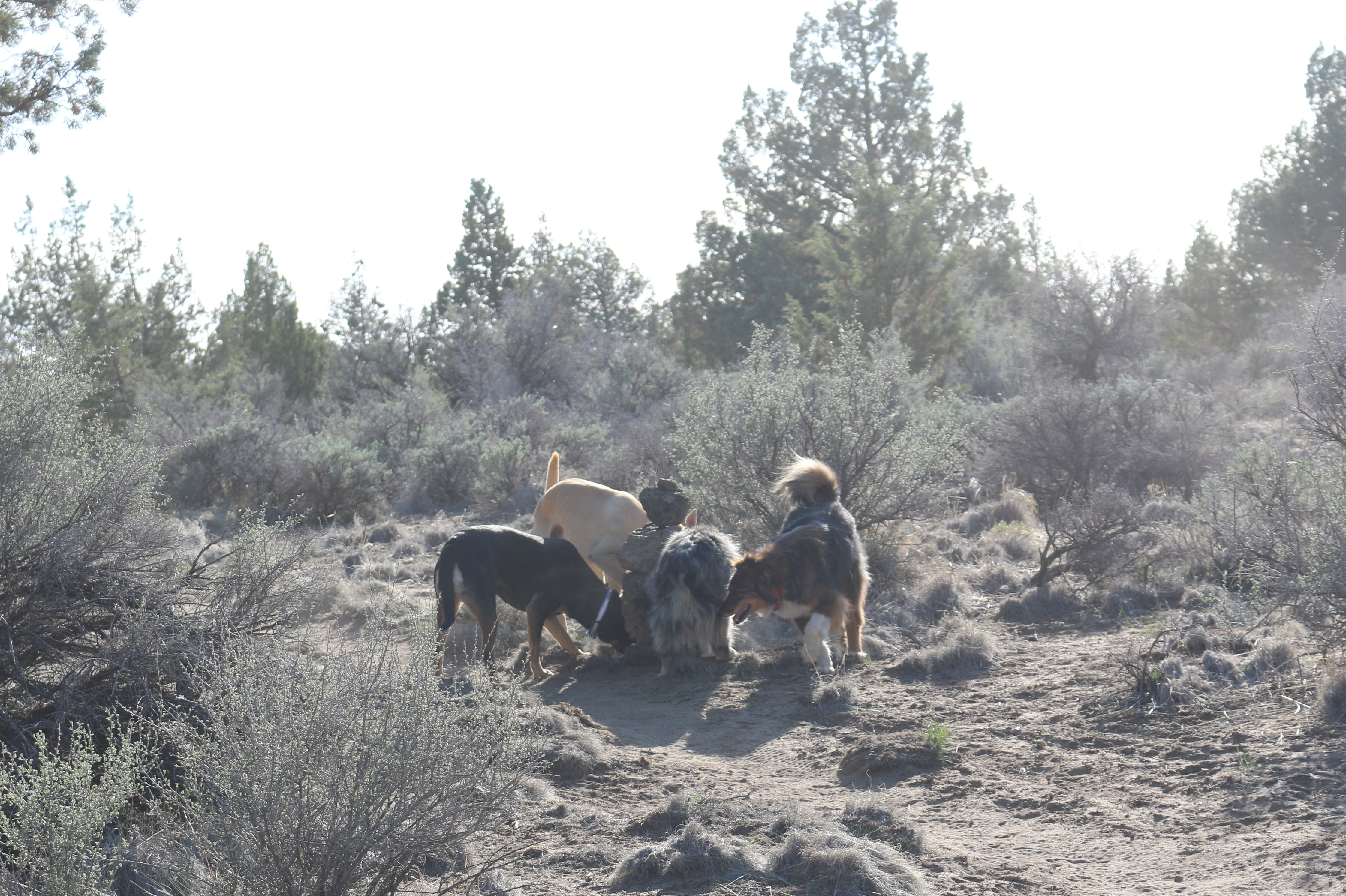
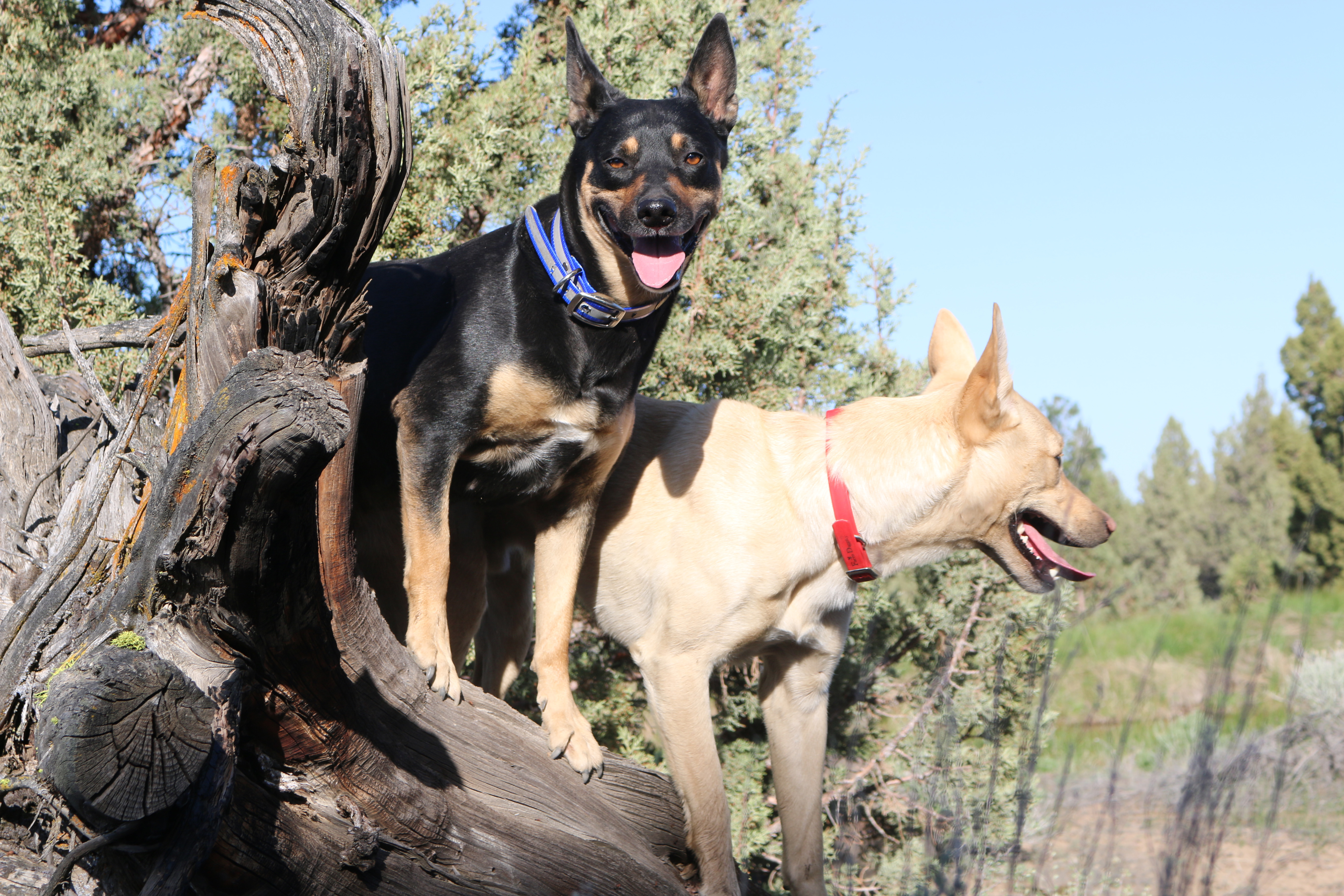
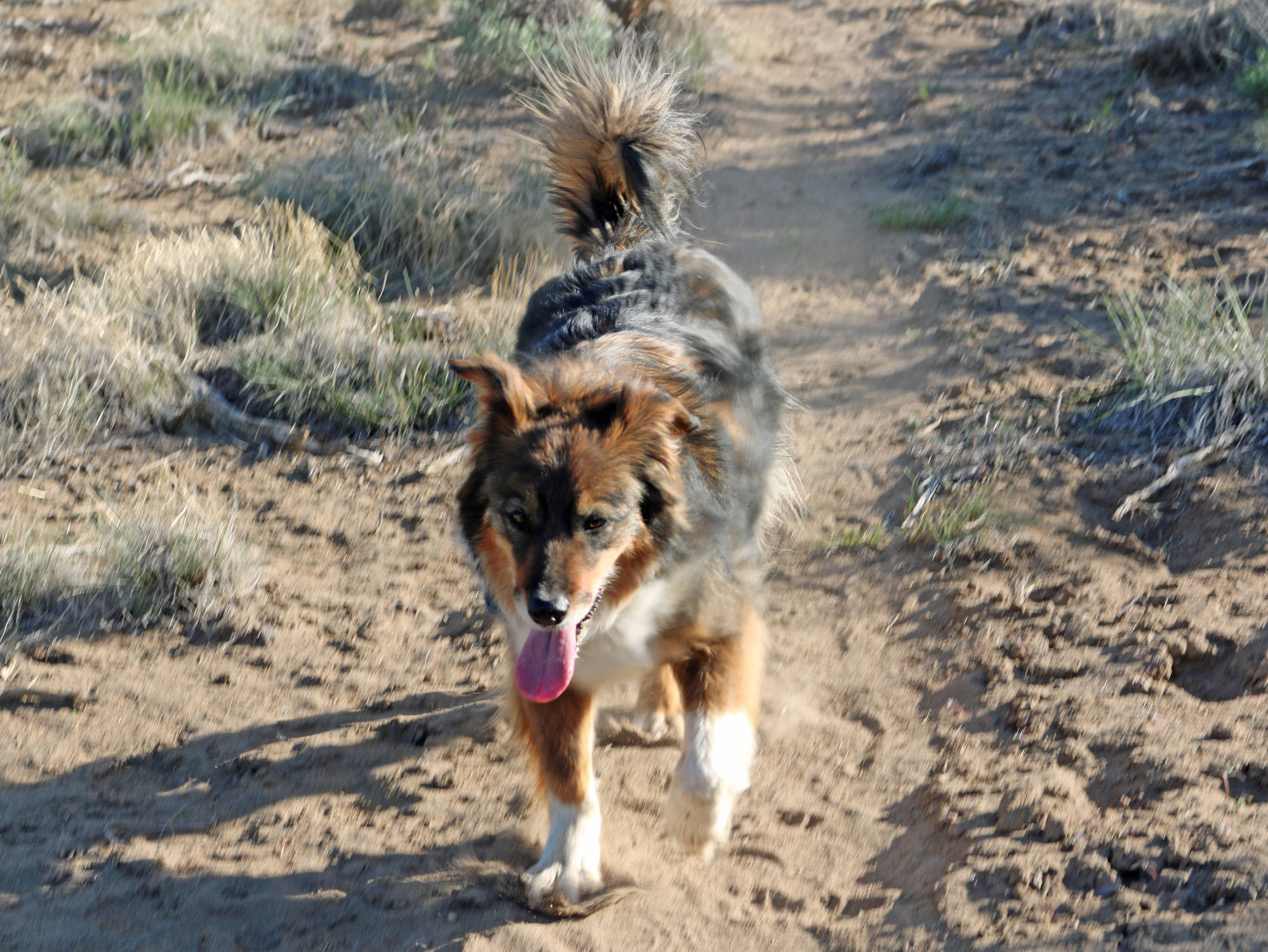
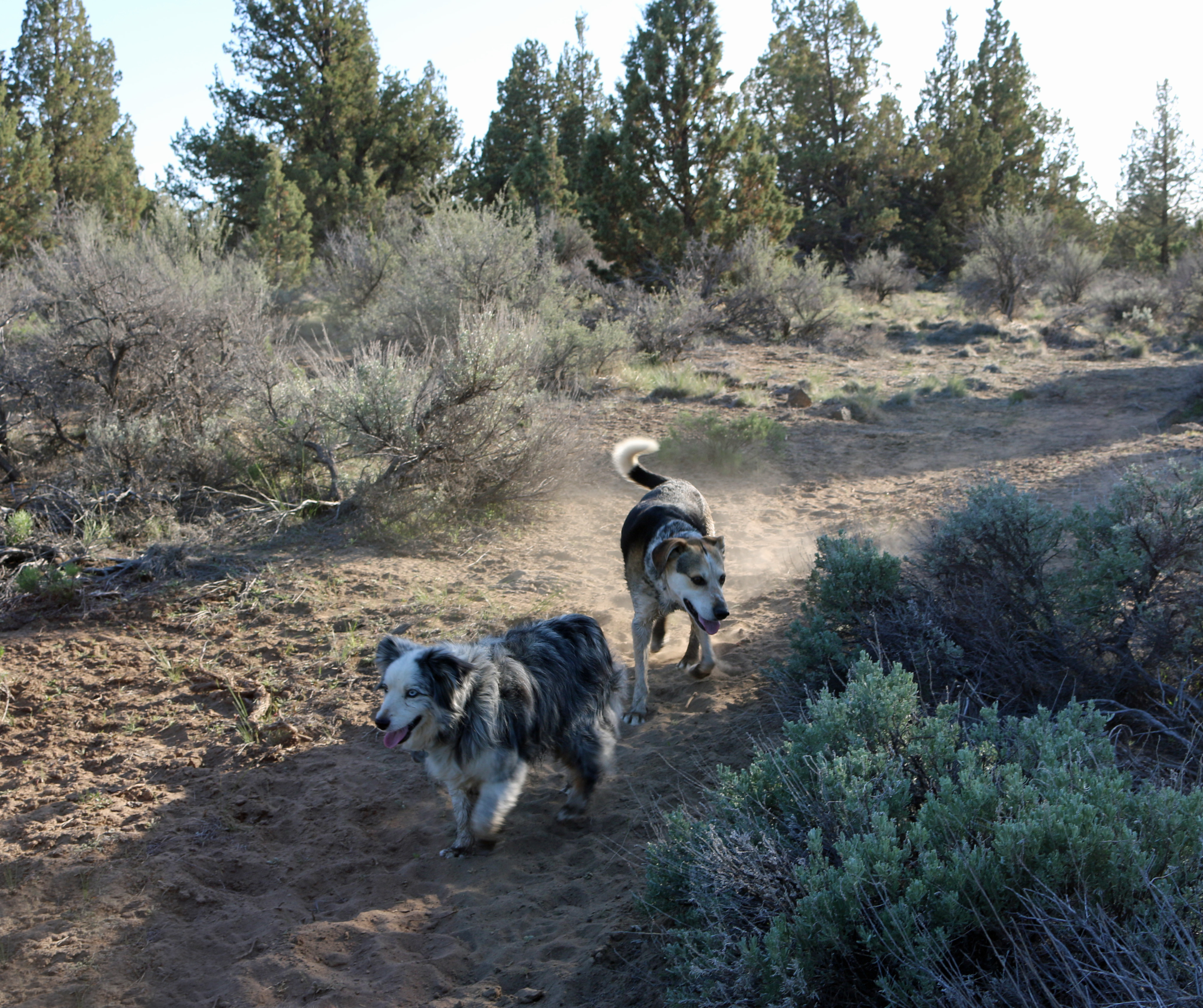
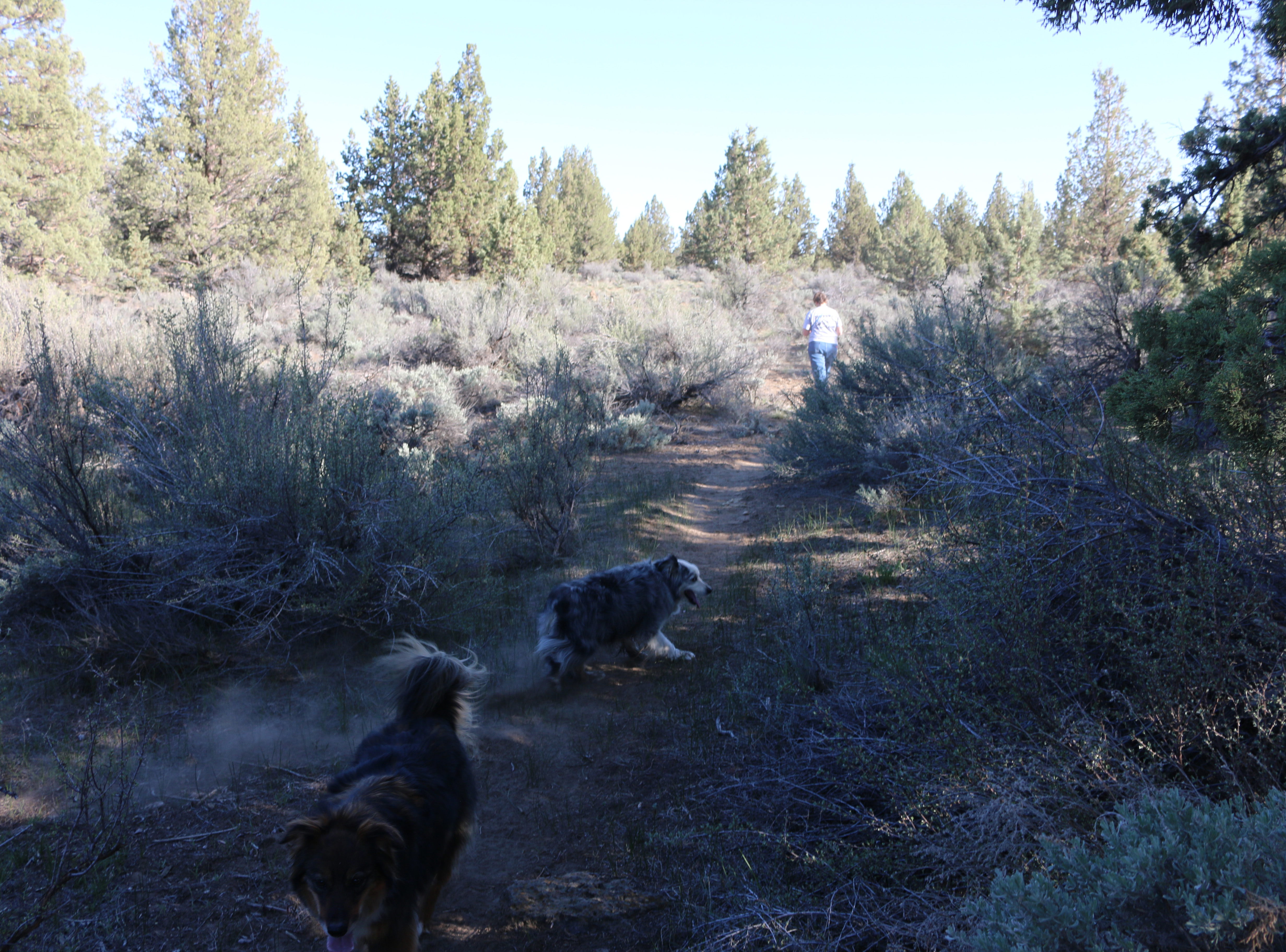
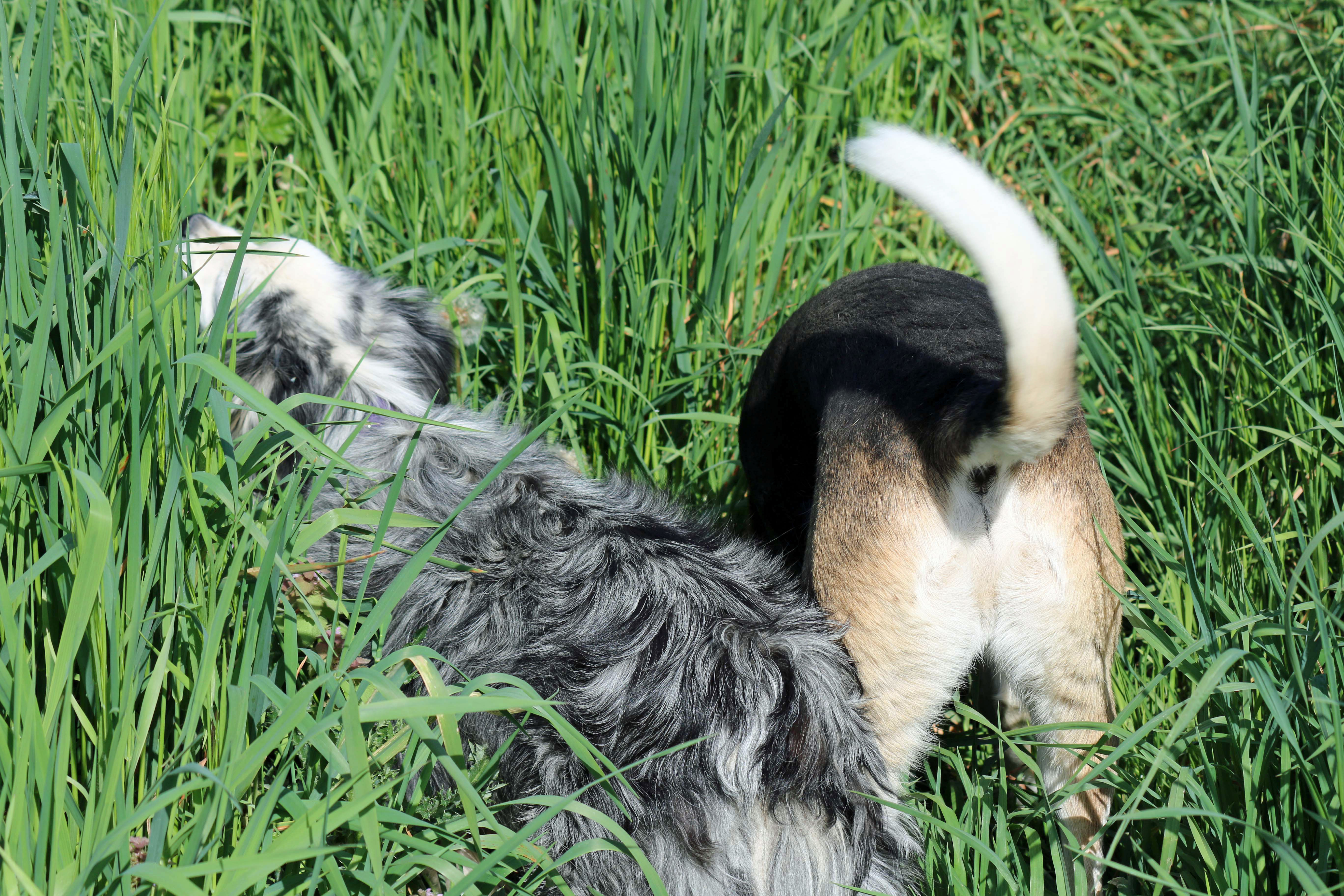
It’s an adventure tramping along in an open setting with a pack of dogs. My visitor, Elaine, and I were accompanied by six dogs–my four mostly Border Collie types, and her Kelpies, their new friends. We counted often to be sure all were staying with us.

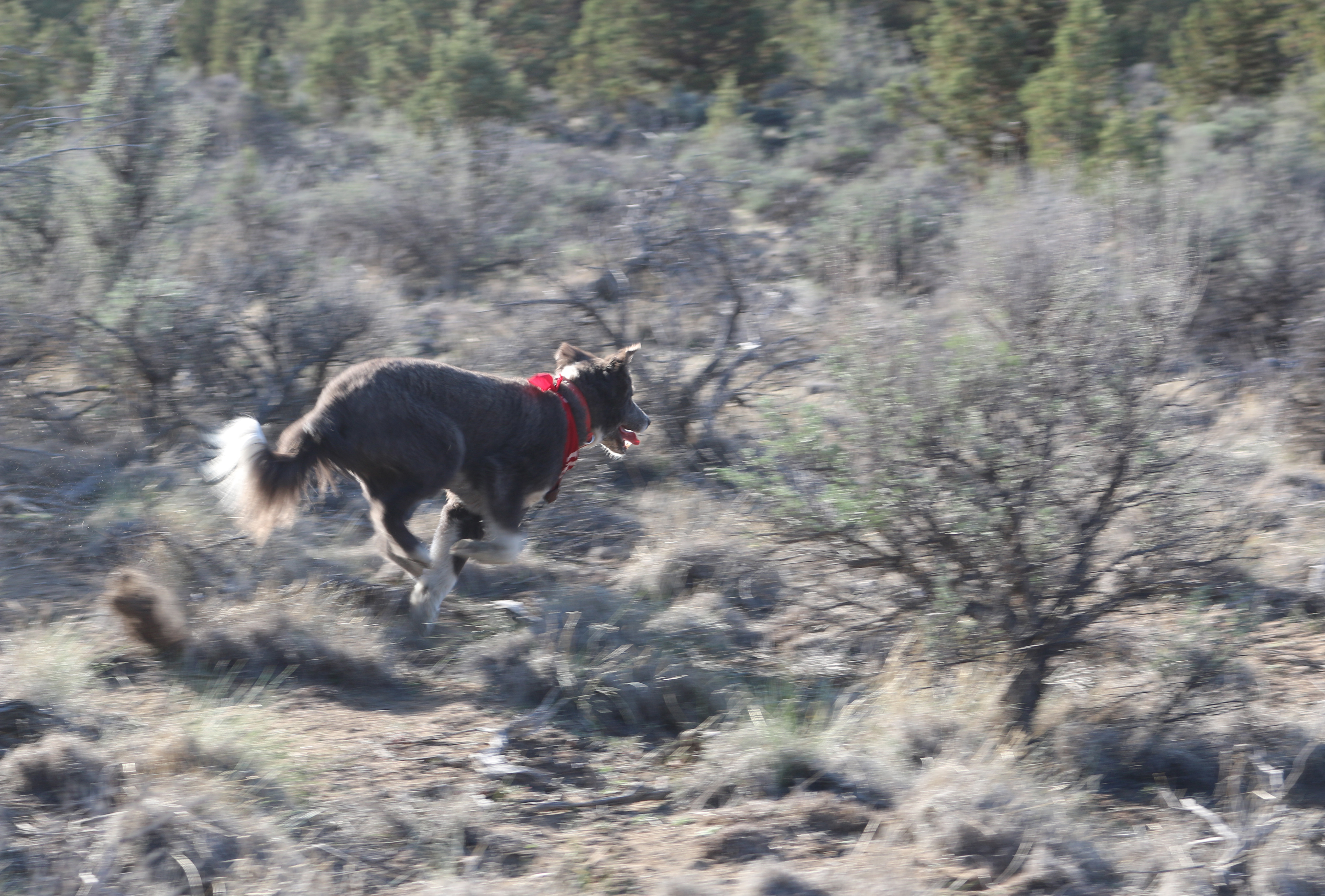
The dogs have such different personalities and styles. My Border Collie, Miles, could be anywhere, he streaks into and out of the area but always knows where his family is and tracks us. My hound dog, Ranger, and mini-Aussie, Louie, dependably stay nearby, as does the lovely Osix.

Elaine’s dogs are trained to a “T”. They’re experts as livestock herders, and as trail-trackers in search and rescue operations.

Belle and Dax

On this day, the dogs simply mixed it up and flew.

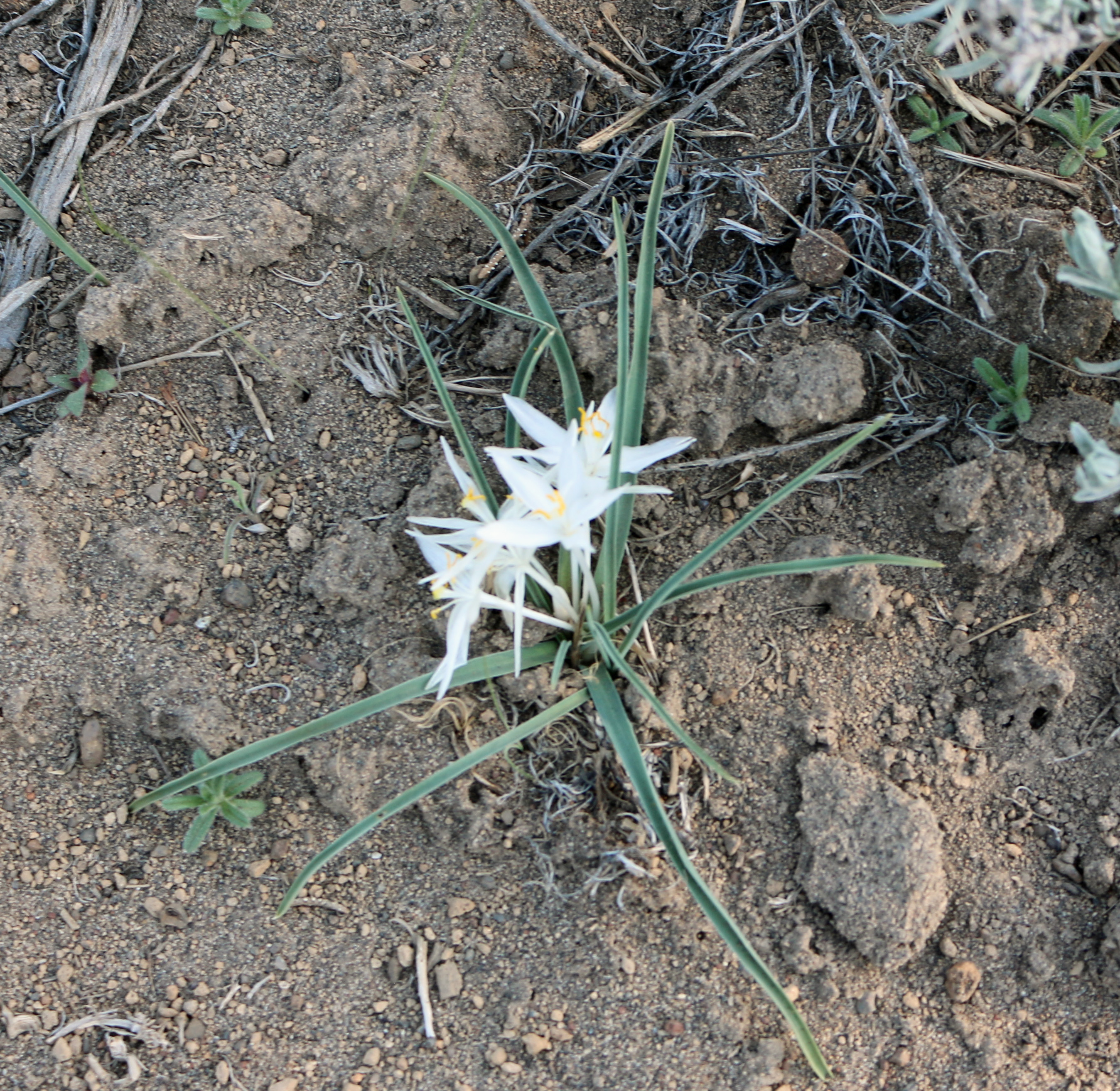
While the dogs ran circles around us, Elaine and I used our cameras to capture desert flora and fauna. As she says, and as we recorded, the desert is alive.

Elaine leading

An outing with dogs is more than an opportunity to walk, which alone is very healthy, but it’s also a chance to study the environment–colors of mixed shades, unusual tree and root shapes, natural rock structures, and of course, the teeny-tiny living and often overlooked little beauties.

Elaine earlier posted a photo on Facebook that included my picture, without tagging me. The site emailed me, that their facial recognition system had identified me in that photo, and requested my permission for its use. I’ll expand on this information to learn if Google’s recognition system is able to match these tiny flowers to their official names.

Dear Friends, have a lovely day. Diana

A Gold Star

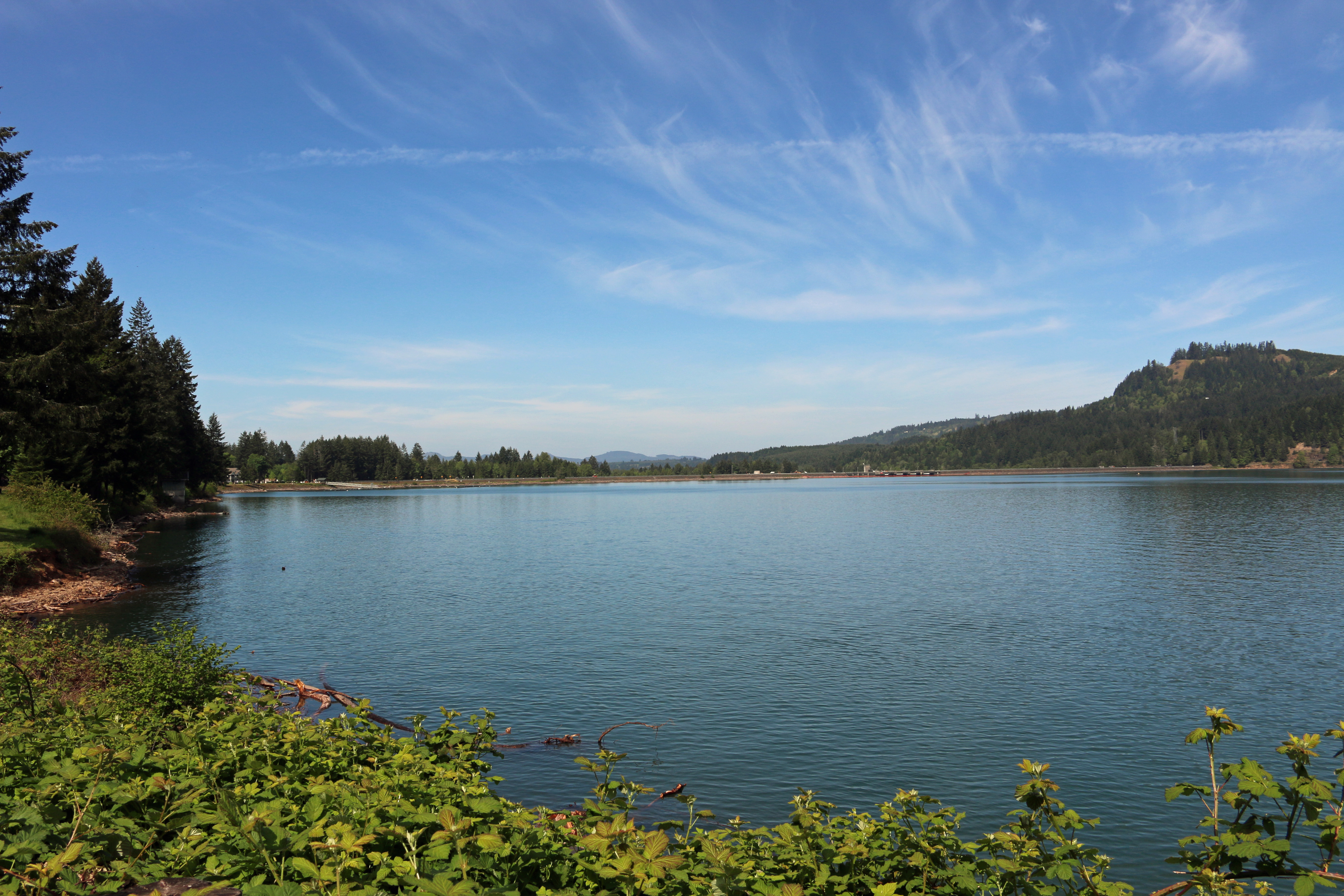
En Route to Lebanon, Foster Lake at Sweet Home

Thursday, May 09, 2019

I took the horses over the hill for training, to return us to a summer work routine and to tune up my handling skills. We worked hard during a couple hours of long-lining and driving practice, and now for sure, again are in action.

My friend, Elaine, an excellent horsewoman, visiting Bend for several days, accompanied me on the trip. She observed as Megan, our trainer, took the horses and me through steps associated to driving a horse.

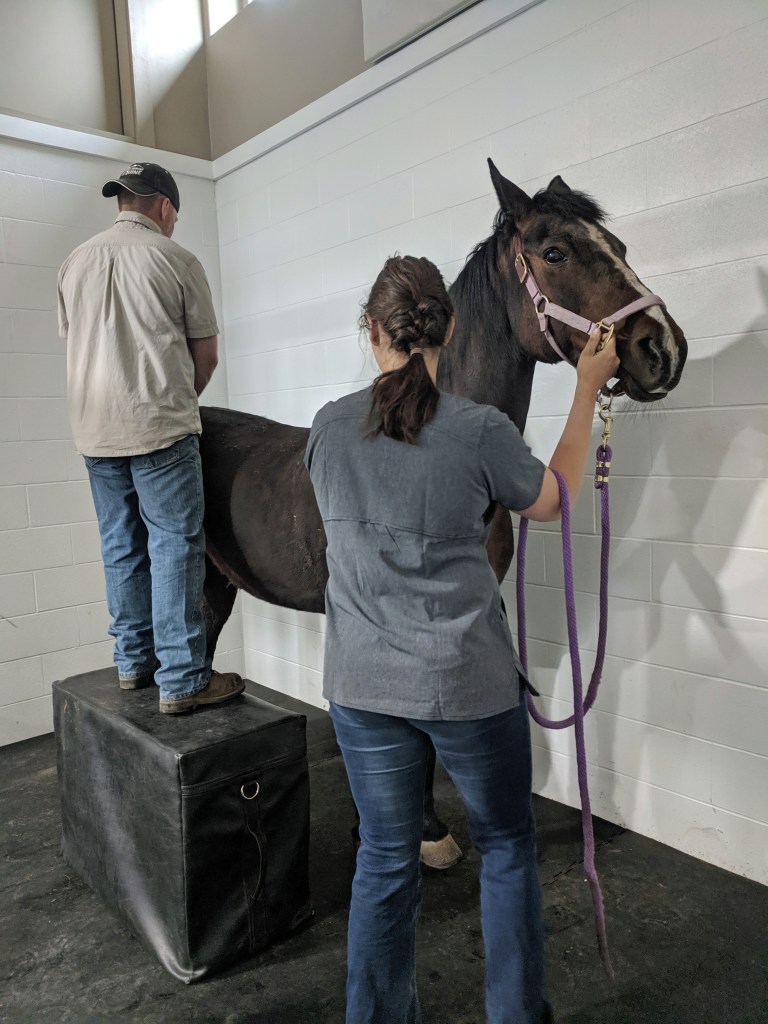
We began with me handling Rosie through long-line ropes. Almost daily, I’ve trotted Rosie in circles, using thirty-foot ropes to guide and control her movements. The goal is to strengthen her muscles after recent adjustments intended to improve her gaits. She had a full chiropractic work-over by our sport-horse veterinarian and corrective shoeing by our capable farrier.

I’m new to the process of long-lining a horse, and realized only yesterday, as Megan instructed me to handle Rosie differently, that there’s more to long-lining than I dreamed. She coached me to reduce vocal commands and instead communicate with Rosie using the ropes. To my surprise, each step Megan introduced resulted in the exact response she wanted from Rosie. I practiced controlling the horse’s gaits, speeds, directions, and learned that long-lining skills can initiate and reinforce many training goals.

In Sunni’s training session, she pulled a carriage with the three of us in it. Megan guided me to drive Sunni in turns and circles, and directed me to handle the reins correctly, to keep the horse moving at appropriate gaits while keeping her body balanced. Intellectually, I recalled these techniques, but over winter not having practiced, needed coaching to refresh my handling of a pulling horse.

I’ve decided to enter Sunni in a couple of competitions–one in Washington State in June, another in Oregon in July. This motivates me to keep raising our learning goals bar and to make sure Sunni stays in top physical condition. I want to drive Sunni in the dressage and obstacle courses, and want us capable of addressing those challenges with few or no errors.

I was hoping for Elaine’s approval of the horses’ progress and training regimes. She and her mom had raised and trained Sunni from filly-hood, and Elaine had a significant role in Rosie’s evolvement to maturity. Yesterday, Elaine expressed pleasure with the horses’ progress and our work with Megan.

Dear Friends, this will be a busy summer, thanks for riding along. Diana

Raising The Bar

Pit Stop, En Route to Lebanon, OR

Wednesday, May 08, 2019

This is a morning for loading the horses and heading over the mountains to Lebanon, located on Oregon’s west side, to begin this summer’s training. My horses are doing reasonably well and such a trip isn’t because they particularly need training. No, it’s for their mom, me, I need more training.

You’d think a left-handed person finally could get into her head which way to turn when someone says “go right” or ” turn left”. I become lost and fail such commands, unless clearly, someone also points me in the correct direction. You’d think a person who’s worked with horses for about 10 years, as I have, would have learned much about how to handle them for desired results. Well, maybe I get block-headed, for lots of situations become perplexing, and it’s upsetting when expert advice and assistance isn’t available.

For the next few days things will be different, for luckily, an animal training expert is close at hand. My friend Elaine, who hails from Eastern Oregon, is in town. She grew up with horses, and in fact, used to train my horses, knows them well, understands their quirks and can explain how to interact more effectively with them. I describe my mare Rosie as being a little on the “hot side”, sometimes challenging. In Elaine’s experience, the first and most important key to training an animal is to understand its basic nature, and then use that knowledge while working toward specific goals. She has practical tips for handling Rosie, also stressing the importance of correcting an animal firmly but with kindness. Our conversations have manage to relight my dimmed recognition that understanding an animal’s basic nature, and incorporating its natural ways of perceiving and reacting into a training plan, likely will achieve the most preferable outcomes.

Today, will initiate a higher baseline for this summer of working with my horses, as we benefit from the help and advice of two fine trainers.

As to my confused left-handedness, oh well.

Dear Friends, understanding an animal’s nature means understanding our own. Diana

A Cart In Her Future

Pimmy, at the Giddyup Trail Campsite, 2014

Tuesday, May 07, 2019

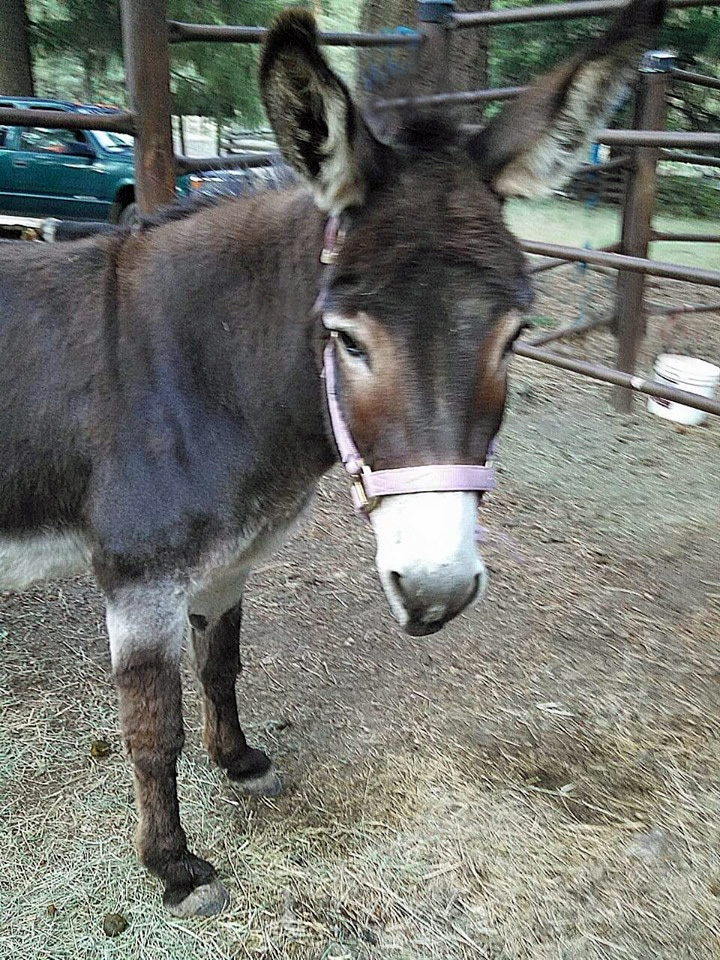
This surprise-to-me snapshot appeared recently on Facebook, posted by an on-line friend whom I met while horse-camping in 2014. This cute donkey had been shipped to me a year earlier from Eugene, Oregon. I had mixed feelings about taking her on, as I didn’t know one end of a donkey from another, and had inquired about her mostly from curiosity. But Pimmy needed a new home and that’s all a dedicated group of rescue folks needed to step up to the plate and simply transport her across the mountains to me. So, one fine day, there I stood beside a donkey, holding her lead rope and wondering what next to do with her.

Fortunately, a year later, by the time of this photo, Pimmy had become a keeper, and with me often seemed like a family dog. She had proved herself to be a completely sweet and so-smart animal, had bonded with my horses, imitated their actions (e.g., when a horse rolls in dirt, Pimmy rolls, too), and followed them everywhere. So, on a summer weekend, she came as part of the family to spend a couple of days at the Giddyup Trail Horse Camp.

I’ve written before about how cool an animal is Pimmy, but not about the general curiosity she attracts (e.g., this photo). Back here at home, sighting a donkey on my property causes some drivers to tap their brakes for a confirming look, occasionally one turns toward my barn to ask about her. She’s my first choice when deciding which animal will march with me in parades, for Pimmy generally is unflappable in a crowd, affable with curious folks wanting to touch her, and usually as the only donkey among various animals attracts extra attention.

All that said, training a donkey is different from training a horse. The burro is smart, knows what’s wanted, but doesn’t see any reason for doing. A horse on the other hand more quickly starts doing what’s asked. My dream for Pimmy is to give her a job by teaching her to pull a cart. I’m busy with horses and haven’t concentrated enough on her education. Even without formal education, she’s a kick, a pleasure to have around, and I wouldn’t trade her for anything.

Dear Friends, if you’re curious, a burro and a donkey are one and the same. Diana

The Guardian Goldfishes

Monday, May 06, 2019

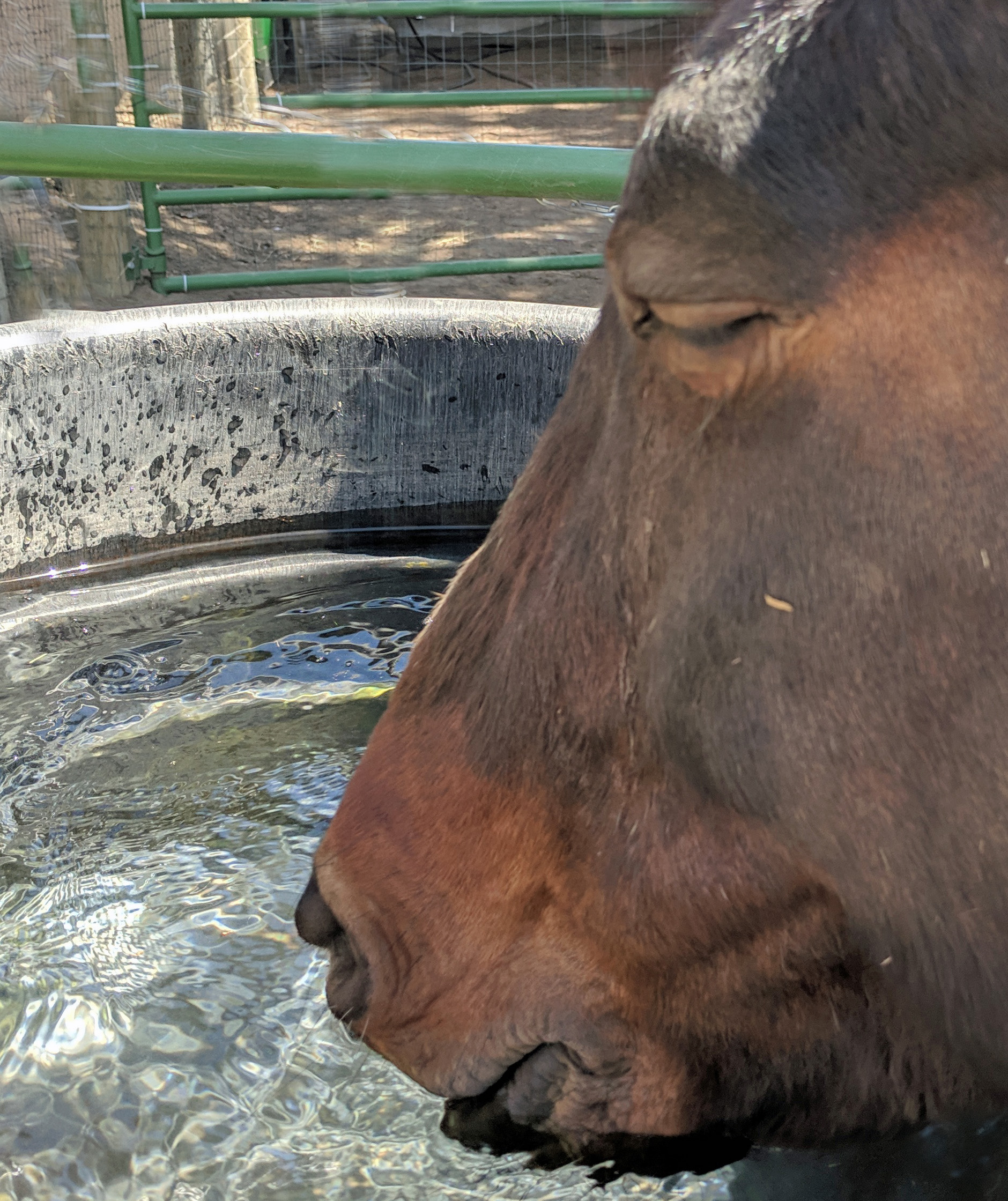
As much as I dislike having to face the periodic drudge of cleaning large water troughs, it’s lovely upon completion to see how much the fresh water “sparks joy” in the horses. They drink by dipping their noses way into the water, and they play by lifting their heads while holding mouthfuls of water, and turning to me so that their holdings stream directly onto my shoes. Ah, yes, joys of spring.

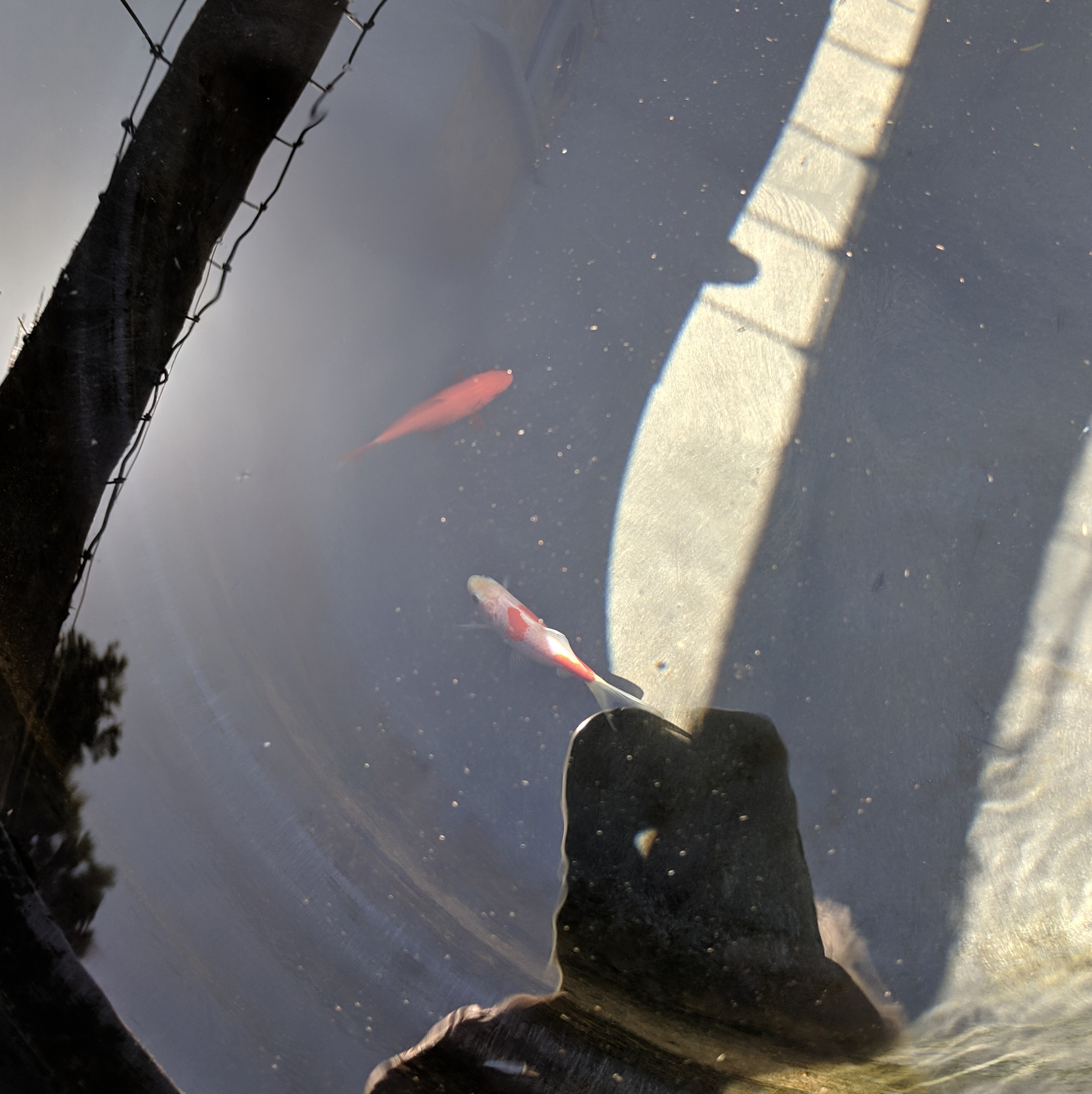
It’s mostly heavy winds blowing dust that fouls trough waters. In my horses’ dusty environment high winds often swirl strongly around their water sources. Another trough pollutant is algae which collects on the inside bottom and inner walls. Ours is a chilly environment that’s mostly mosquito free, except during occasional brief and very hot spells, when their larvae might be seen floating in the troughs. To combat some of these pollutants, my troughs house an effective weapon: goldfish!

Years ago, I added a few “feeder fish” to the troughs. To my surprise, not only did they thrive (they’re now six and seven years old), but they’ve performed the significant cleaning work of consuming algae and mosquito larvae. They’ve managed to dodge plunging horse muzzles, and birds that perch to refresh themselves, or simply to dunk and soften their catches. Some of my “throw-away” trough fishes have grown into real beauties with impressive colorations and large, flowing fins. As is my habit with pets, I’ve become fond of them.

So, when the trough waters are too fouled and cloudy to see through, for reassurance that the fish are alive and well, it’s time to do the deed. That is, if our weather is warm enough for me to stand out there slightly muddy and partly soaked. The job has rewards, first by revealing that all the fishes are alive and well, and next, by the pleasures of seeing the horses eagerly dip in and play with very fresh water.

Dear Friends, some elements of country-living are very cool. Diana

A Midday In Sunshine

Sunday, May 05, 2019

I went to Bend’s Old Mill District to meet a friend for lunch, and for some reason, arrived an hour too early. Fortunately, I was carrying a book and upon recognizing my mistake began wandering in the morning sunshine, among bunches of people out enjoying the day. Spotting an empty seat under an umbrella providing shade from a warm midday sunshine, I sat to read.

I sat beside a walking path that runs alongside the Deschutes River. While reading, I didn’t watch nearby action but heard the passing noises of bicycles, strollers, conversations, and of course, Canada Geese on the River, some noisily preparing to lift off in flight. Finally closing my book, I stood and looked toward the River, soon becoming drawn to an illustrated signboard describing the local history.

Old Mill’s Preserved Smokestacks

I stood beside the Deschutes River as it’s flowing westward, just before starting to curve north toward where Bend’s Old Mill once stood. The Mill’s original location is indicated by three still-standing preserved smokestacks. One can imagine the clouds of steam that early-on must have plummeted from those stacks 24-hours a day. Bend’s early lumber mills were erected soon after the completion of railroad tracks across miles of incredibly rugged country from Hood River to Bend. Once the railroad arrived in Bend, in 1910, the lumber industry followed and made local communities wealthy by creating lumber from trees in surrounding massive forests, and distributing the finished products by rail.

The spot where I stood looking over the River once was filled constantly with newly sawed and floating trees. The Mill took advantage of the natural resource to float raw materials from their upstream origins directly to the Mill. Some early Mill workers specialized in standing on the floating logs, riding along to ensure that the logs without jamming progressed to their final destination. My information source added that in winters, workers floating on the logs had to navigate, and also break up accumulating ice on the water, to keep log traffic moving.

Sudden bird action over the water caught my attention. Nearby sitting atop before taking off from an old staked bird house, a gorgeous blackbird swiftly flew over the water and circled widely before returning momentarily to perch on that bird house. Its long tail and gleaming feathers fabulously reflected the sun’s myriad colors, and its white underbelly, suggested a Violet Green Swallow.

Besides having the pleasure of visiting over lunch with a long-time friend, I was grateful for an opportunity to be on the other side of town, and although by accident early enough for time to learn more of Bend’s history and to witness a fabulous wild bird show.

Dear Friends, spring finally has arrived and it’s beyond welcome. Diana

Brave New World

Alternative Meats Lab, UC Berkeley (Internet Photo)

Saturday, May 04, 2019

Yesterday, I was watching stock market commentators point to a rapidly rising IPO called Alt-Meat and representing The Alternative Meat Company. Curious, I explored and learned something about laboratory raised meat–created by removing stem cells from meat muscle, and then, using them to grow laboratory meat. It’s considered an environmentally friendly method of satisfying folks who prefer eating the “real thing”. Plus, huge, long-time and familiar, meat producing companies are starting to draw on Alt-Meat technology to create their own brands of laboratory foods.

There are vegan alternatives, some arguably tasty, even going widespread and being featured by national food chains. I’ve worked part-time on and off for a dozen years at Costco as a food sample server, and witnessed the shift from meaty and fatty foods, and high-carb side dishes, to healthier alternatives. Over time, even male customers who primarily were meat eaters have shifted from high resistance, now settling somewhat into reluctant compliance.

Yesterday, demo folks pushed foods for the upcoming cinco de mayo and I worked as a breaker, rotating among tables to relieve personnel for breaks and lunches. A surprising number of the foods I served (labeled as healthy but still too salty and high on carbs) were meatless, made with alternative proteins like beans. The customers, from yuppies representing newer residents, to the entrenched farming types, who sampled foods complained little. Costco is selling lots of the new foods and the store continues to bring in updated varieties of such items.

I brought home some newer foods. They’re easy nutrition, taste good, are simple to fix, and save preparation and clean-up times. Fortunately, because of my pocketbook, over time I’ve lost an attraction to meats. And I suppose, because of my sensitivities, I’m turned off to thoughts of consuming alternate meats.

My underlying concerns are about environmental health with hopes that humans can find ways to preserve the best of it. I’m also worried about the future of genetics, and how the curiosity of researchers might expand manipulations in a field with the power to alter life as we’ve learned through experience to understand it.

Dear Friends, in these times of change and decisions and we’ve much to learn. Diana