Max & Manx

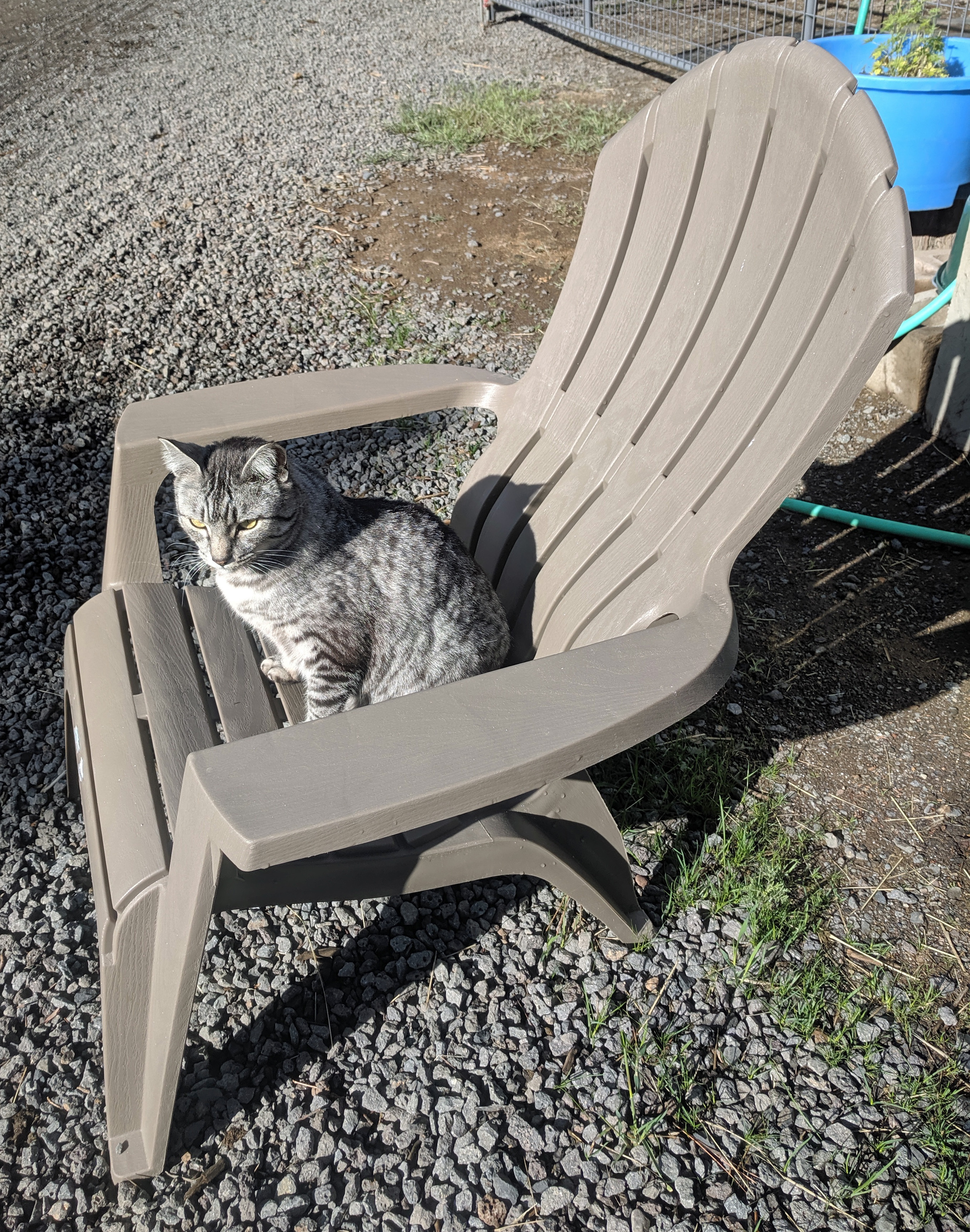
Max, surveying his territory

Saturday, May 25, 2019

Maxwell is a 12-year-old, grey striped tabby whose territories include my small acreage and the fields of several neighbors. He came to me about 10 years ago soon after showing up at a friend’s barn and deciding to stay there. She gave him to a couple who took him to their home as a barn cat. A couple of days later, Max showed up in my friend’s barn, and she thought the folks she’d given him to had decided to return him. But, nope, he’d done it on his own–covered a return distance of five miles. I liked this fellow and brought him home, sequestering him in my barn for weeks before allowing freedom. He’s been with me since.

For years, Max was outside-0nly. He looked for mice in the barn, played with and let them go–a so-so mouser, and much better at preying on critters I didn’t want him bothering. He’s a sweet guy, happy to see me, and often follows like a puppy. One evening, seeing his face swollen, I took him to a vet. “Looks like he’s had a cat bite,” he said, “he’ll need antibiotics, and in a couple of months testing for kitty aids.”

I didn’t known Max to be a fighter, but in case he was, it made sense to keep him inside until his face healed and he was retested; for if that bite did infect him with kitty aids, he could spread that disease. The eventual upshot was that Max retested clean. Also, he had become accustomed to “insider’s comforts”, with safety, warmth, and food-begging opportunities. He became an inside-outside cat.

Fast-forward, to a week ago, when I glanced outside at a small deck where Max hangs out, and saw a strange gray cat sneaking around, sniffing everything, and paying special attention to the dog house, inside which Max has a bed. That very beefy cat didn’t have a tail, a Manx! He looked over, spotted me and stared. His surprising face looked like one that had been dipped in milk. So much dark grey, with the sudden white, and such light eyes! In another moment, he slipped away.
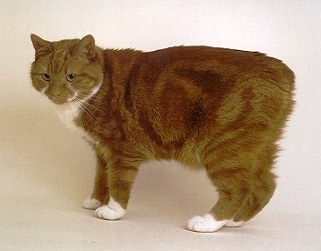
Manx (stock photo)

I texted a neighbor who’s a “cat person” asking if she knew that Manx, but she’d never seen him. I figured that was the end of it, until earlier this week when he again appeared on my small deck, sniffed around, hung out a few minutes exchanging looks through the glass door with Max, who was inside. And yesterday, there was the Manx, asleep on my small deck and for all the world looking as if he belonged there. Max wasn’t to be seen anywhere, and luckily so far, no squabbles.

In all Maxwell’s years here, it’s been his place. Now so interesting, this intruder. I’ll look for him hoping to get a photo of that beautiful kitty. If there’s such a thing as luck, Manx might find my barn, and those mice that Maxwell ignores. Word has it that Manx are great hunters.

Dear Friends, Have a lovely day. Diana
The Azure In Spring

Sunrise, from the east deck

Friday, May 24, 2019

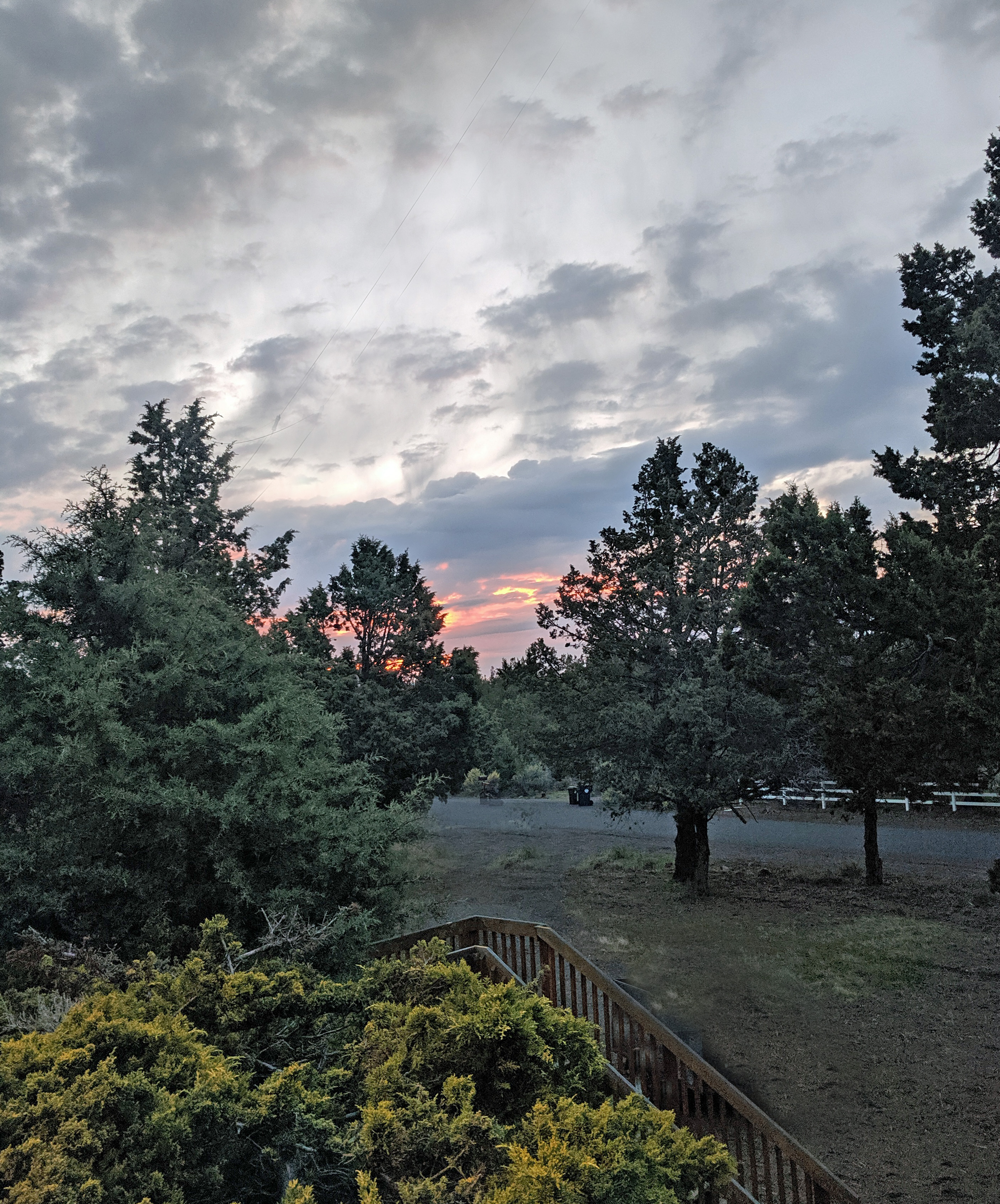
This beautiful morning has neither rain nor wind gusts. The lead photo, which I was outside early capturing, doesn’t show enough the beauty of those interesting clouds. It does reflect that rising of red in the east, which is what drew me outside and into the surprise of this really warm morning.

Even nearing the end of May we’re wearing sweaters, and sometimes winter jackets. Early this month, after a tiny bit of warm weather, a series of rains began with frequent high winds that created a downright-cold spring. This seems our wettest spring, for I recall annual rains that lasted a day, or two, or even three, but not weeks of daily rains ranging from sprinkles to downpours. Attesting to this onslaught, widespread grasses and about-to-flower plants have multiplied over my normally desert-like property.

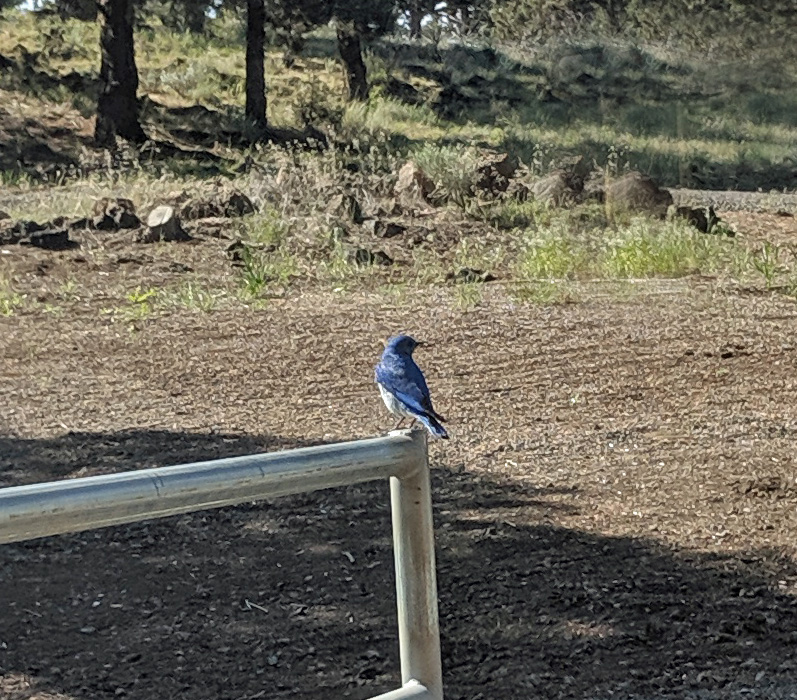
What’s reassuringly typical is sharing my barn with a family of Mountain Bluebirds. As cavity-nesters they build in a rafter’s tiny crevice. Right now, this pair might have hatchlings making lots of demands. Or this little fellow with a mouthful to deliver is feeding his still-incubating mate. He’s unafraid and waiting for me to get out of his way.

Daddy bird, waiting for me to leave the barn

For years, I’ve enjoyed those little birds. They’re either a returning pair or a now-mated offspring wanting to nest at the old home site. Mountain Bluebirds are related closely to robins, and like them love fruit; they’re also good at diving while in flight to capture prey. They’re devoted family members, and a pair’s mature offspring may stick around and help to feed their parents’ newest babies. The male bird’s feathers are a gorgeous blue, and those of the females duller, almost tan, until a good light reveals their true azure.

I work regularly in the barn near where they’re nesting, for that’s where my horse hay is stored. A caretaker bird on seeing me waits nearby, until I accommodate its need to fly past closely and feed. Other times, one of these birds is guarding the nest and watching from high in a tree. On spotting me, it sounds little warnings.

Soon, each in this pair will start busily flying and feeding, and I’ll try to stay out of their way. Their annual presence makes for lovely springs, despite rains and winds.

Dear Friends, have a lovely day. Diana
A Near-Perfect Day

Thursday, May 23, 2019

Yesterday, I hauled the horses to Oregon’s west side over the mountains to visit our trainer. From my perspective in Central Oregon, after days of rainy weather, there was a worrisome possibility of running into rain while traveling to Lebanon through the passes, but aside from a running into a few sprinkles, the drive as usual was uneventful, and of course, curvy and slow.

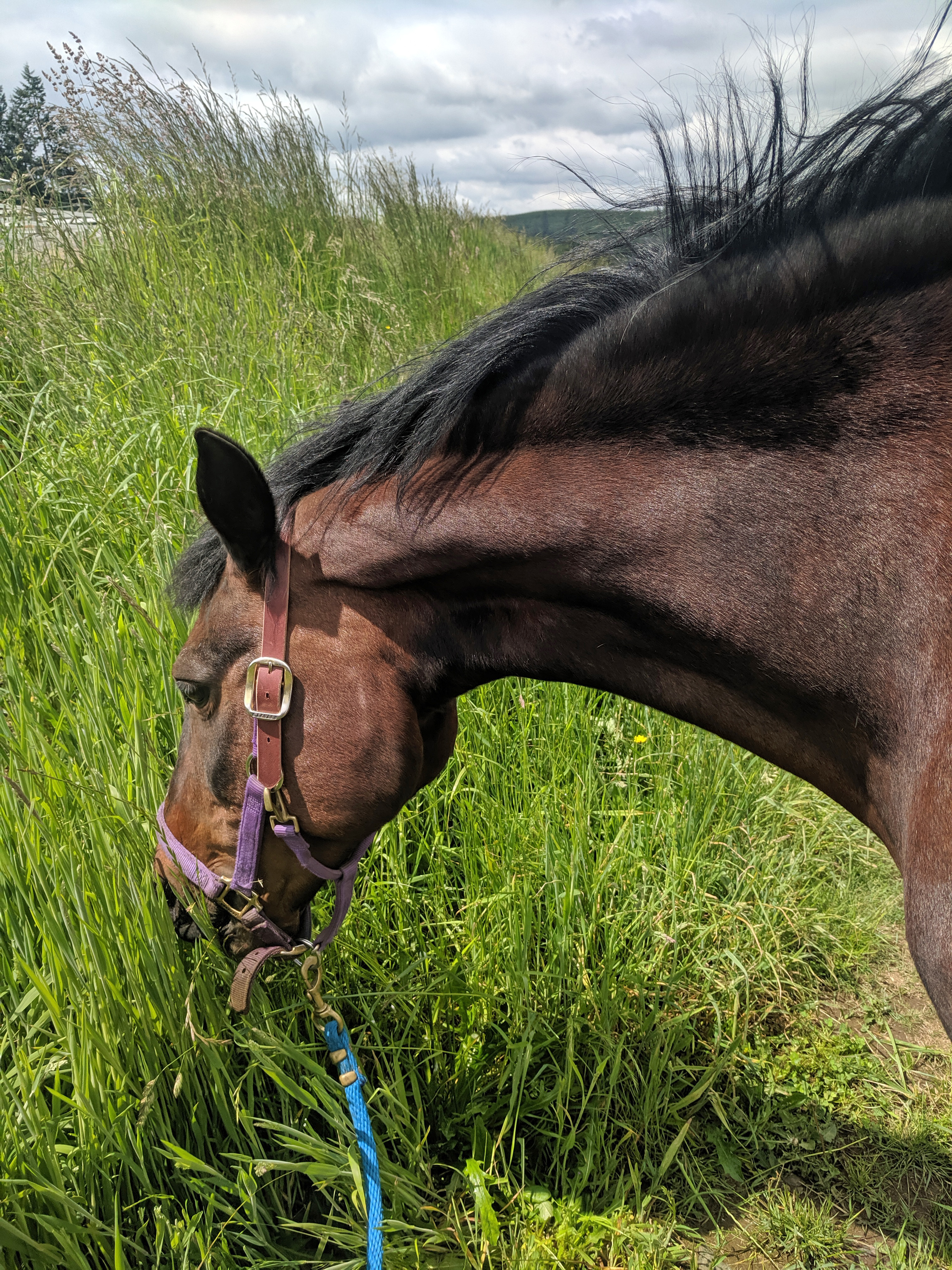
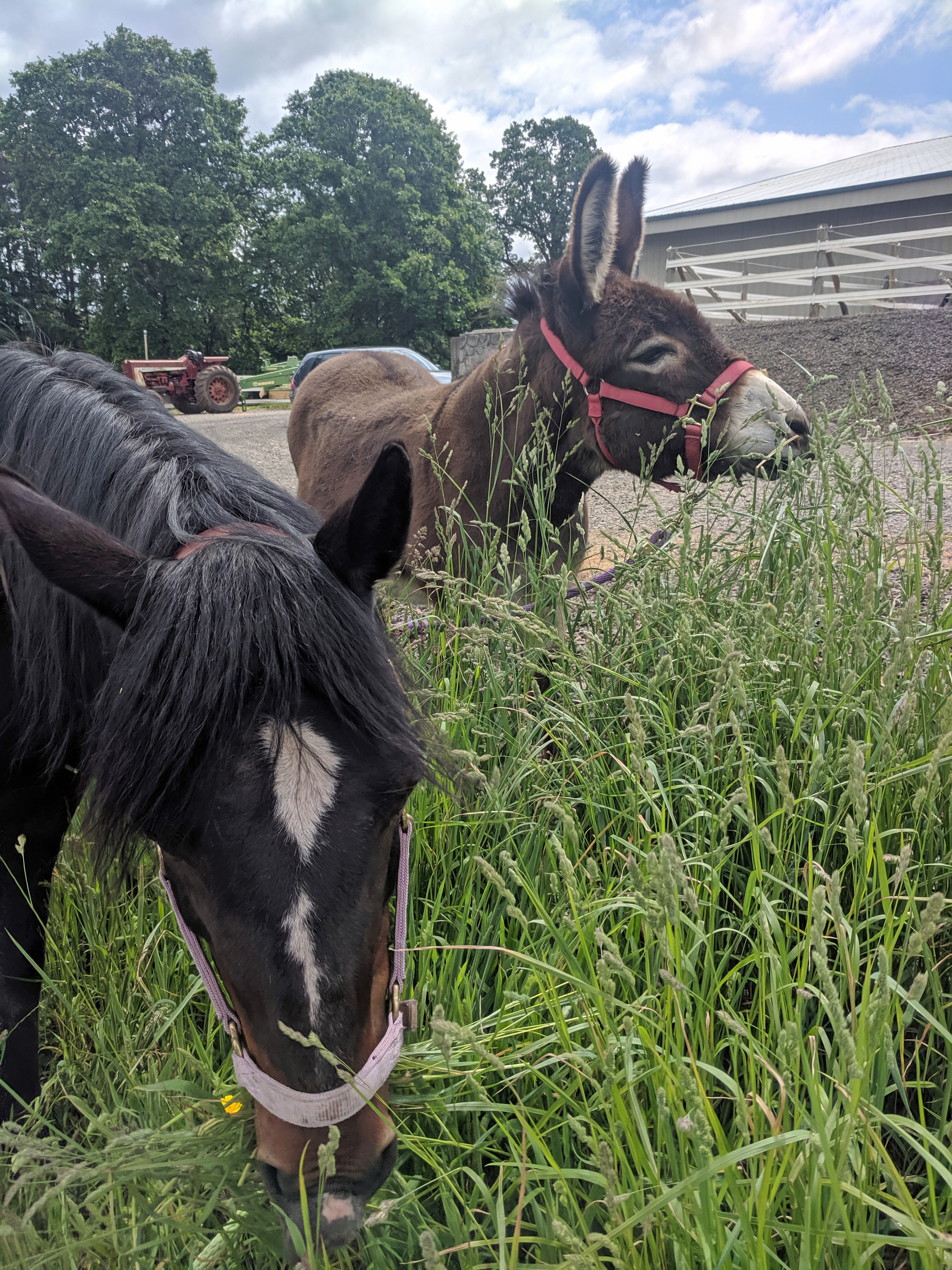
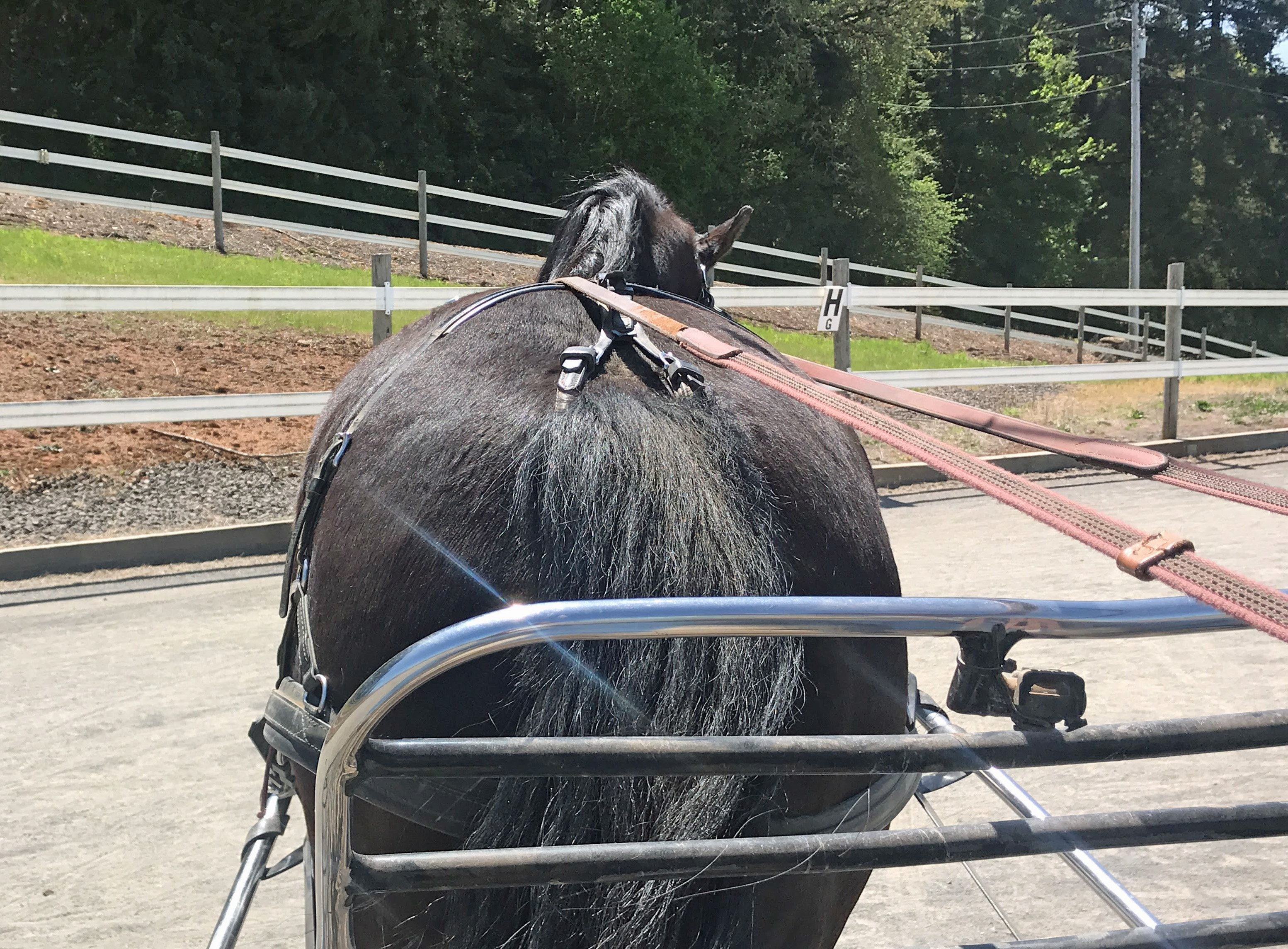
I always plan and try to arrive at the trainer’s before our lessons, early enough for the horses to enjoy a little grazing time after their long trip. The lead photo above shows Rosie as a happy pig in tall grass–and best of all she’s not alone. My friend, Elaine, while recently visiting Bend, suggested tying Pimmy to a breakable collar on Sunni’s neck in order to lead all three equines at once. Well yesterday, the sight of that tall grass motivated me to try Elaine’s suggestion. I rigged up a collar for Sunni, and to it, hitched Pimmy, and Presto! The three followed me quietly, without separation anxieties, and grazed peacefully.

Later, the work with our trainer became an enlightening experience. First with Rosie, I learned more about how to exercise her, using long ropes. The ropes, handled correctly, can control the speed and directions of her trotting. I learned about bringing her closer to apply more control, or closer to regain control when she does as she wishes, changing gaits so that the ropes become loose and sloppy. As she trotted, I practiced handling the lines, alternately bringing her closer and then sending her out farther. Our trainer had me practice having the horse reverse in direction, as I adjusted my hands on the ropes, in a way to control her action and speed.

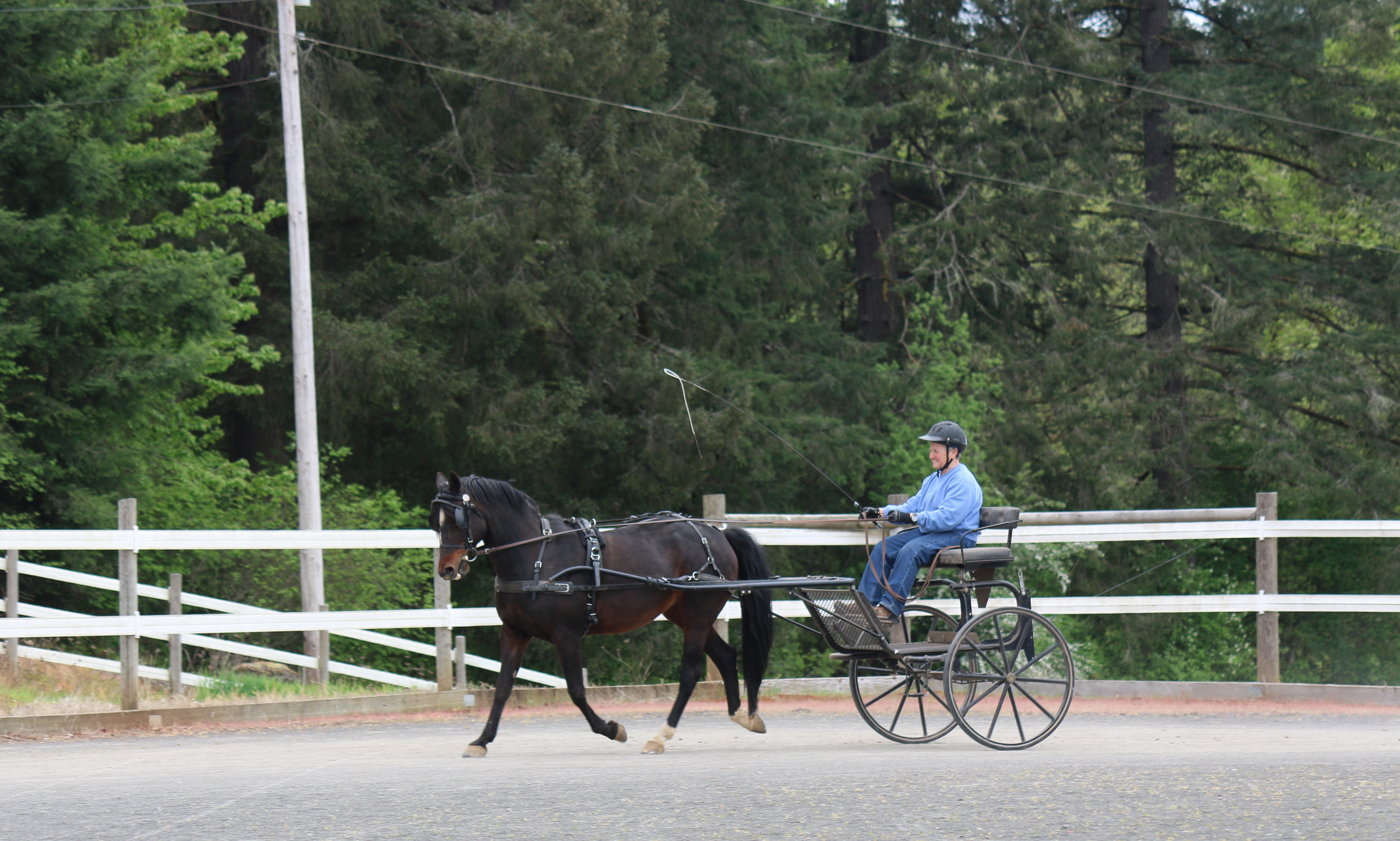
During Sunni’s session, we hitched this pony, a push-button, she has it together and is a dream to drive. Yesterday, I practiced handling the reins and turning her correctly while she’s trotting. The focus was to keep her body and head in balance while approaching and making a turn, and completing it still in balance. It’s striking how the action of driving a horse–applying the reins–is similar to the use of long lines in exercising a horse.

Later, driving home was challenging because we ran into rain, and in some places downright downpours. The windshield wipers swung to and fro at full-speed while we went through the highest reaches of Santiam Pass. A bit later again, the wipers returned to high action through the town of Sisters. Thankfully, beyond Sisters the rain eased, and prior to reaching Bend became a light sprinkle.

Dear Friends, it’s good to be home safely, and with elevated training goals. Diana

Over The Mountains

Wednesday, May 22, 2019

A short hello today, as I’m about to hit the road with horses and donkey, traveling over the mountains for sessions with our driving trainer. My truck has gasoline, is loaded with horse-related equipment, and all else is at-the-ready. My biggest concerns are possibilities of heavy rain in the mountains, or once over them in the Valley. I’ll give myself enough time to drive slowly, and if necessary, will take the “longer route” through Scio and avoid the narrow and curvy Tombstone Pass.

Today’s training goals are to strengthen and expand my skills with Rosie on long-lines. And then, seated in a carriage and driving Sunni, to practice the discipline of dressage.

Dear Friends, have a wonderful day. Diana
Rainy Day Hike

Tuesday, May 21, 2019

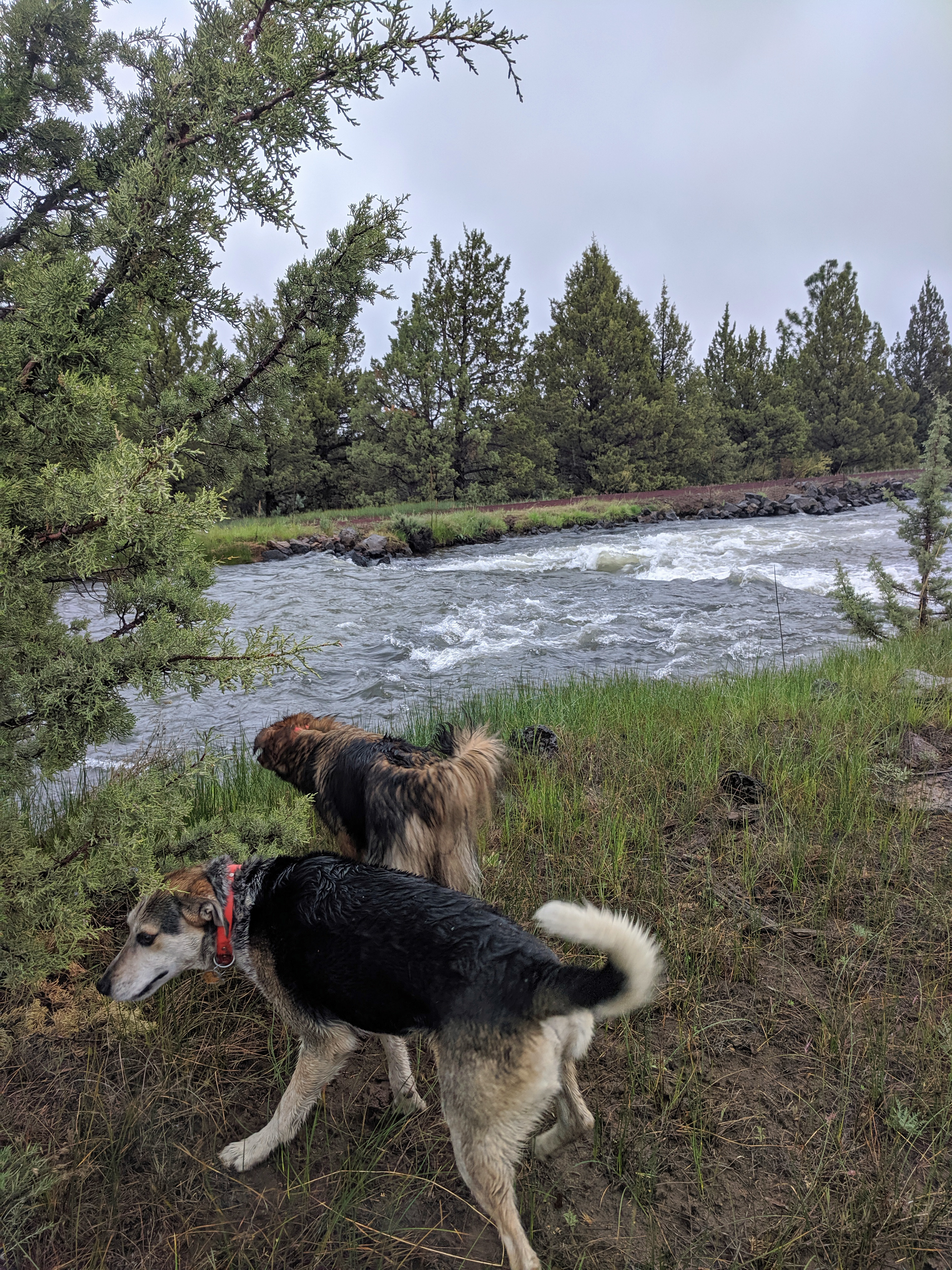
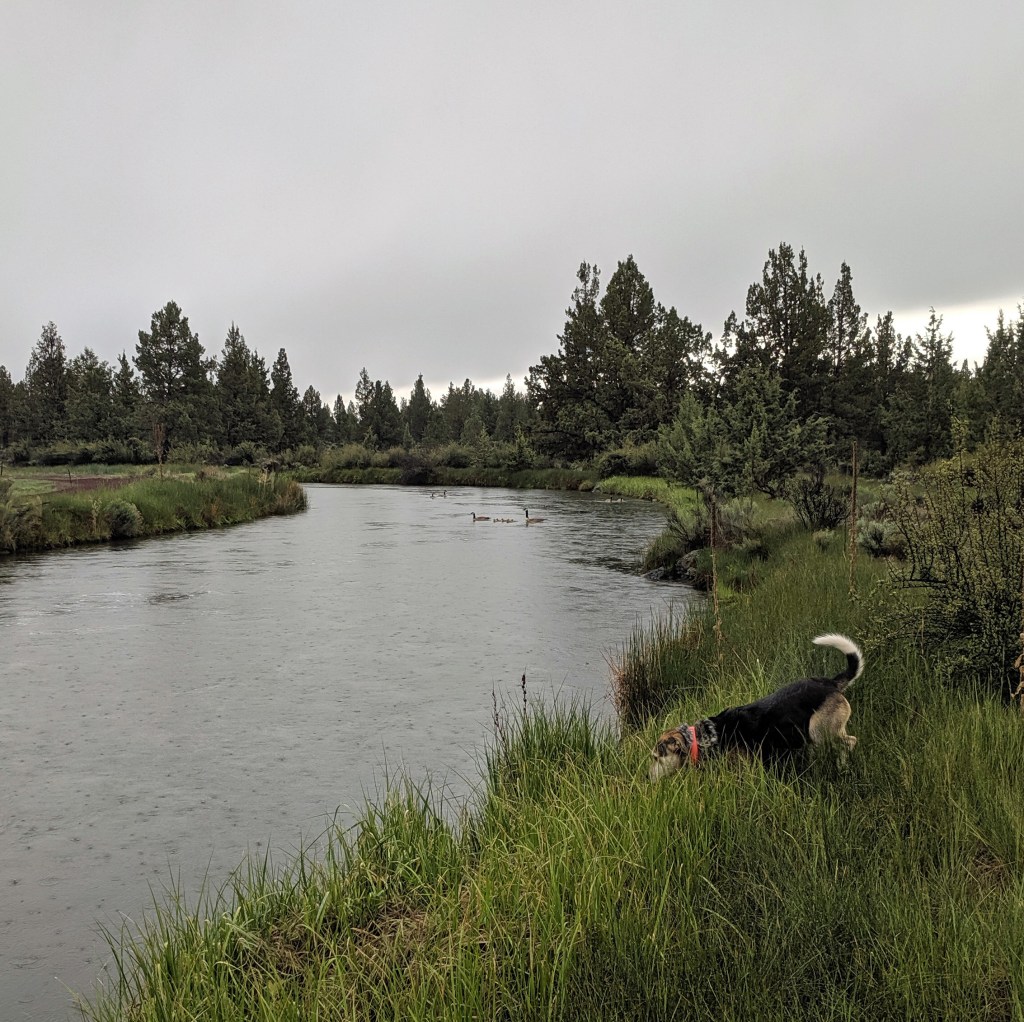
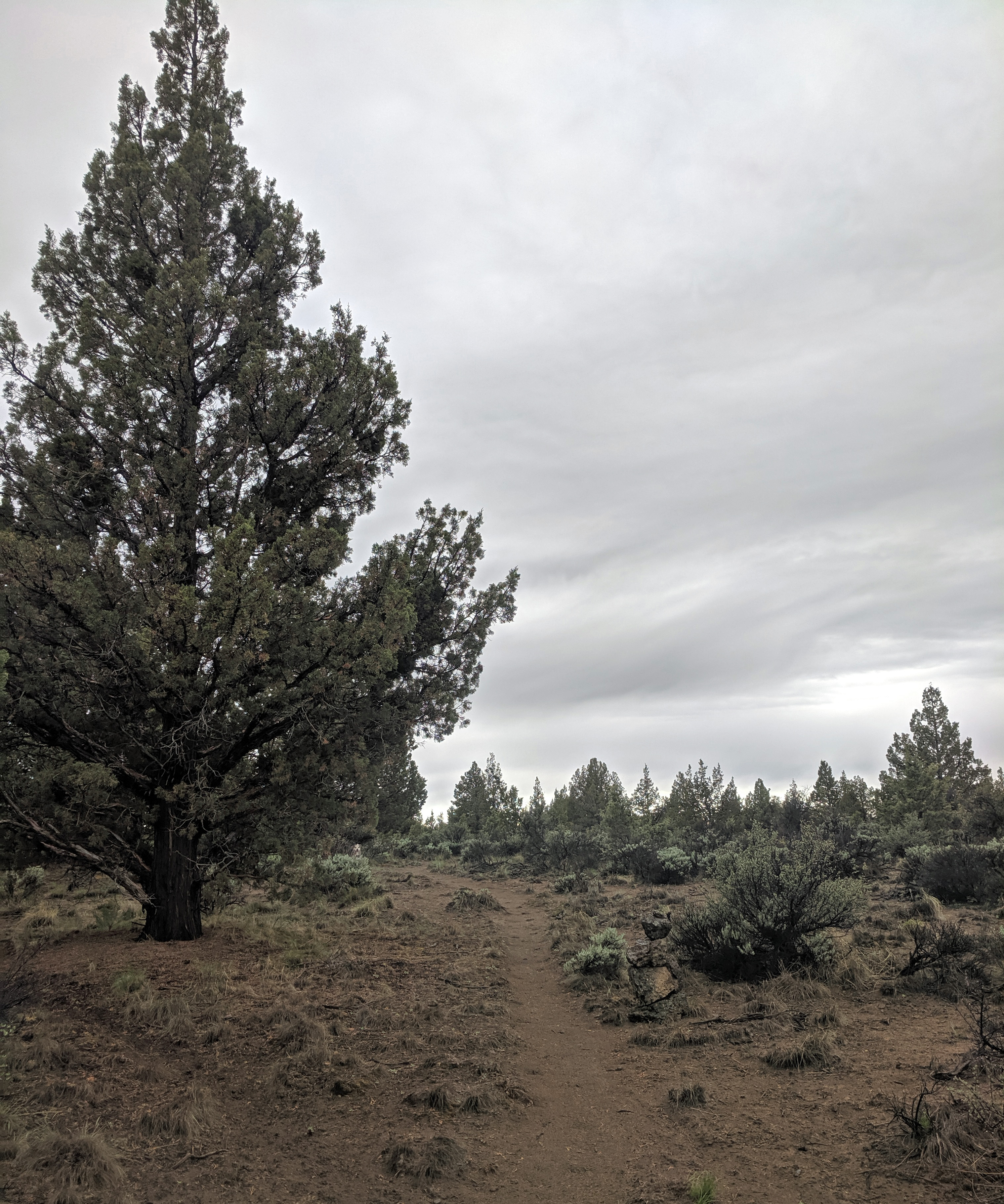
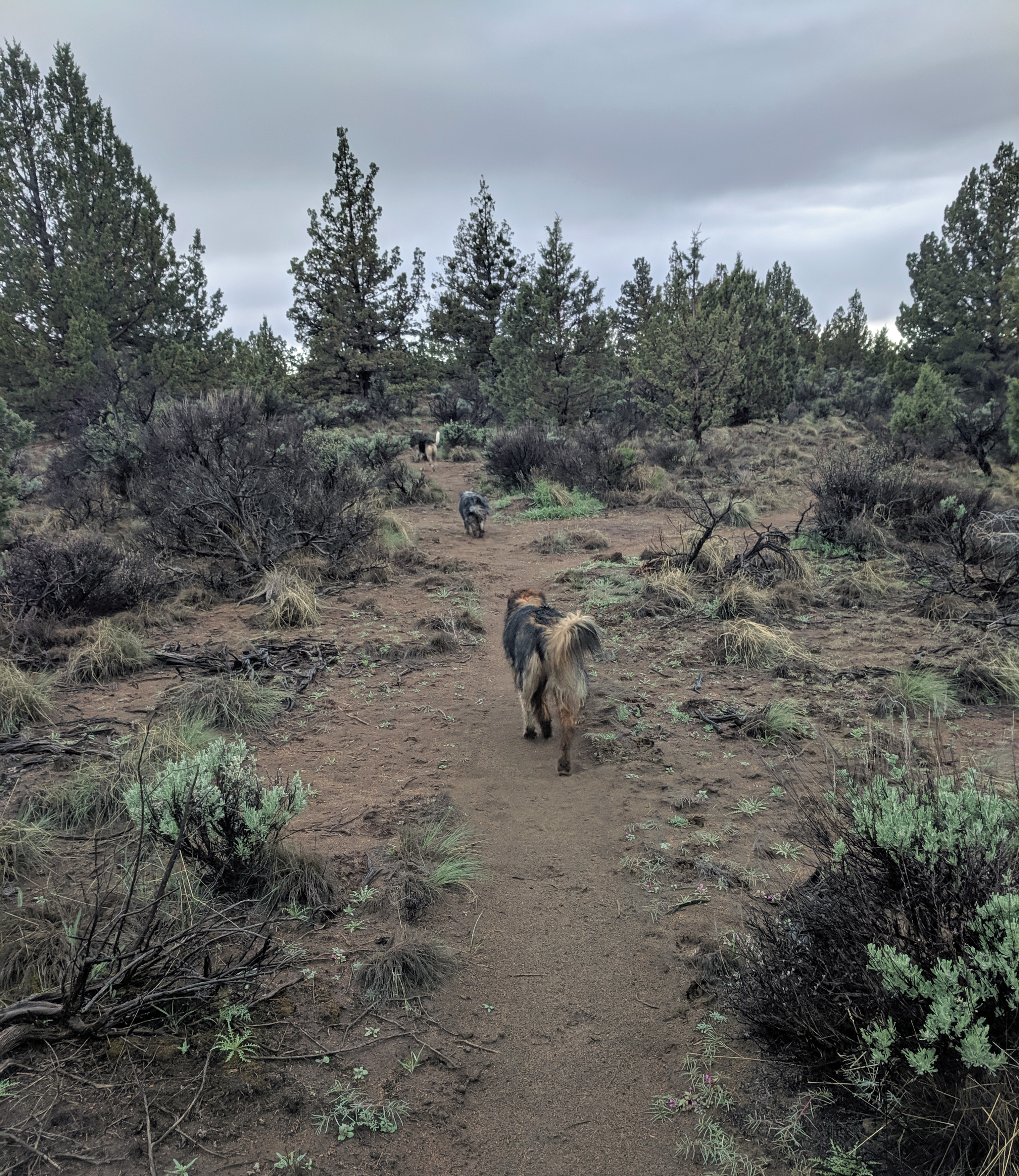
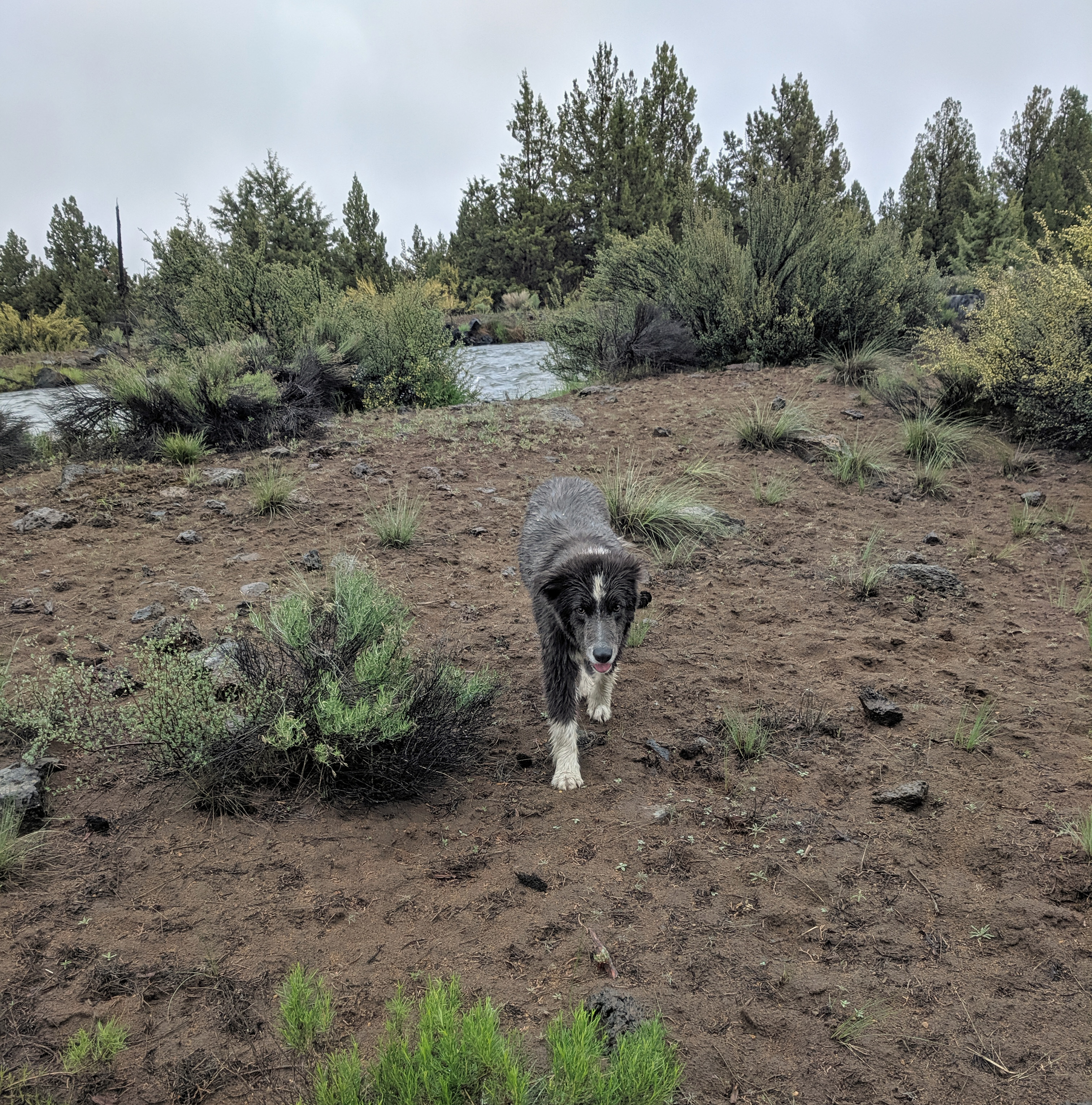
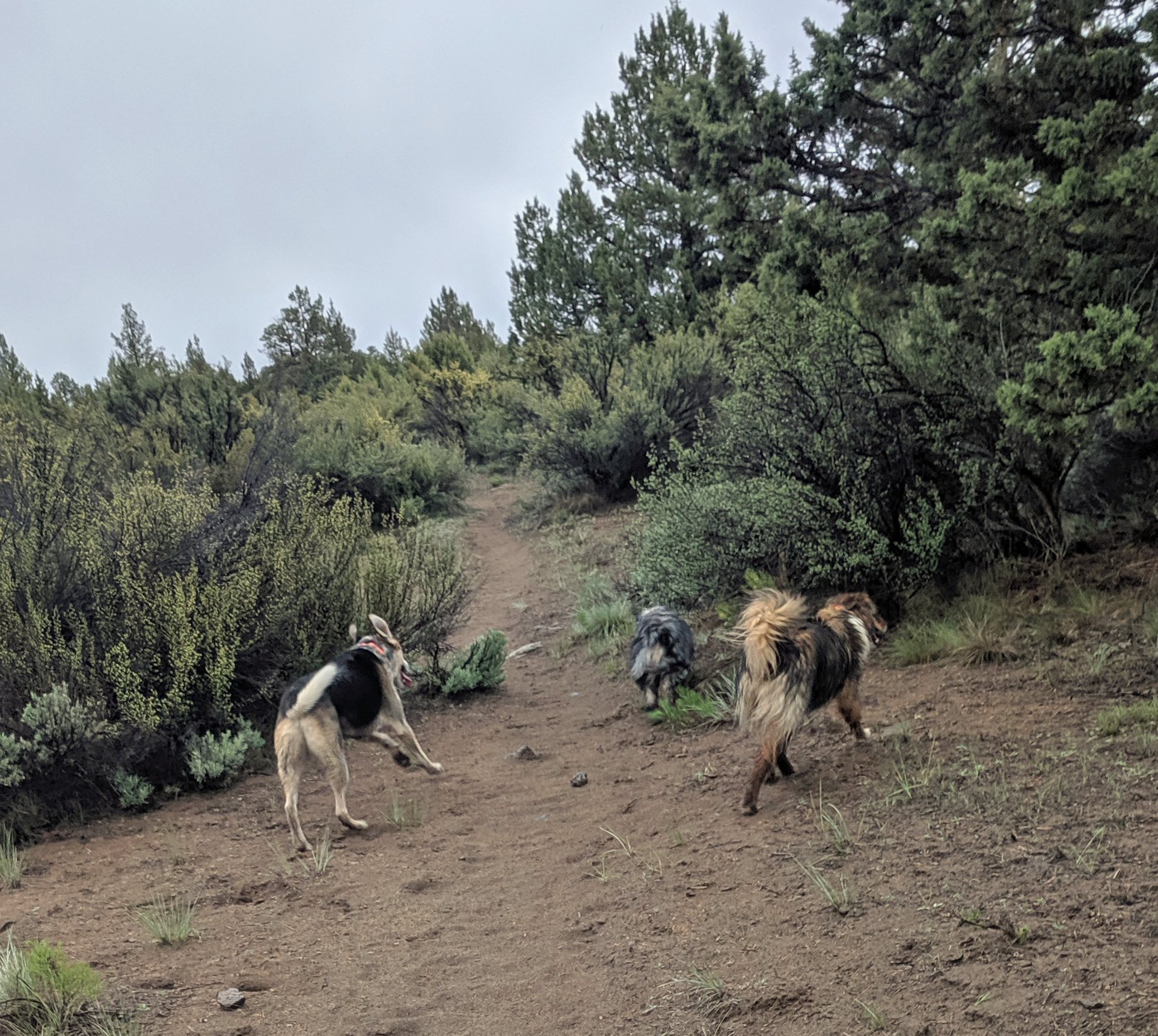
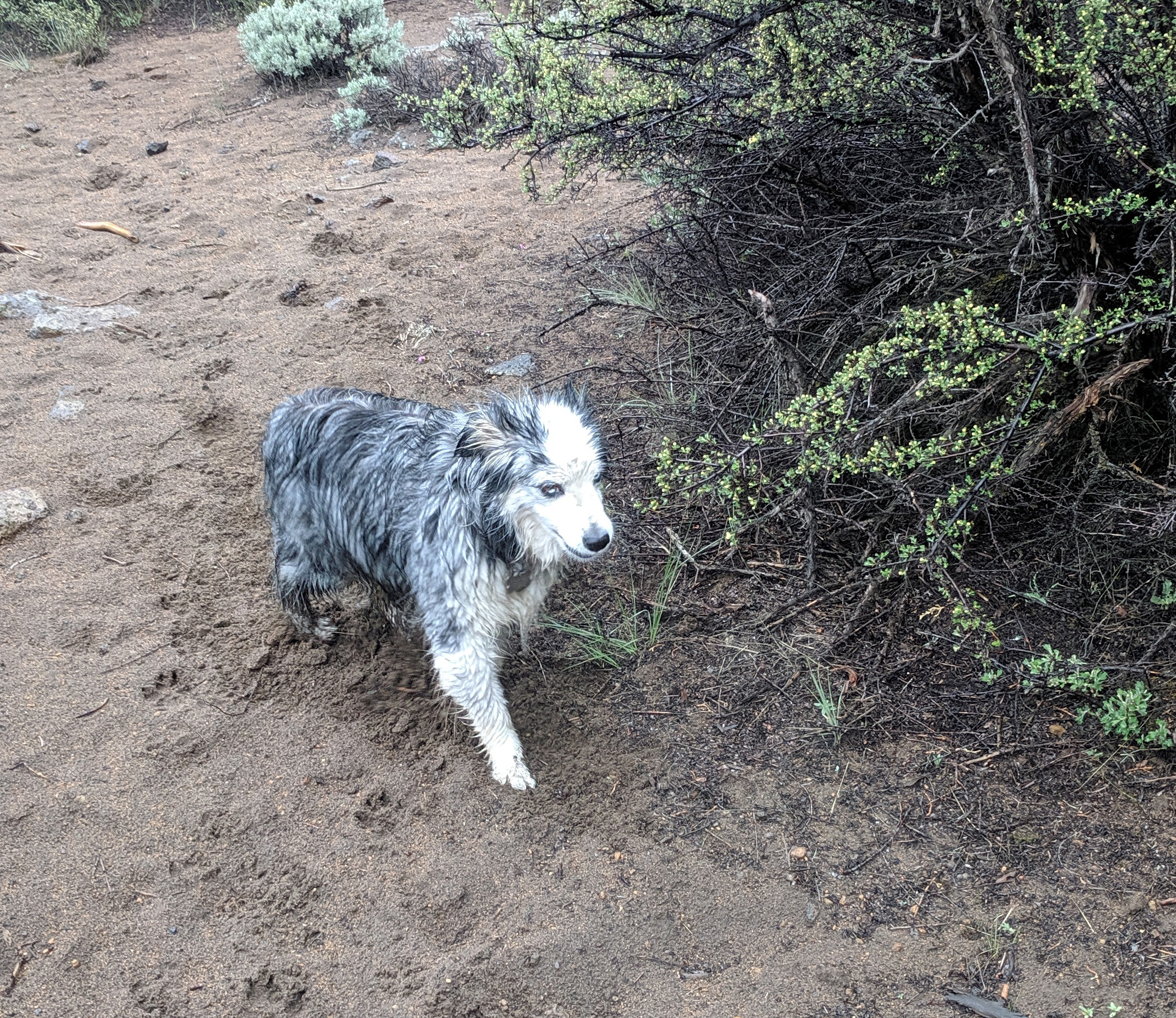
The rains continued, and once the horses were exercised, there were a couple of extra hours for an outing with the dogs. We piled into the Jeep to travel toward a desert-like area, it’s alongside a large canal that several years ago my friends, Julie and Dave, discovered and kindly shared with me. Floating on the canal, geese families with babies honked at my dogs. Plants on our path were moisture-covered and shiny. Before long the dogs were soaked, and before we finished walking, my wet camera failed.

That wet weather created an almost dim atmosphere, but close observations of landscape details revealed myriads of sparkles.

Drops of water and sparks of light dramatized all the plants, many of which were very tiny.

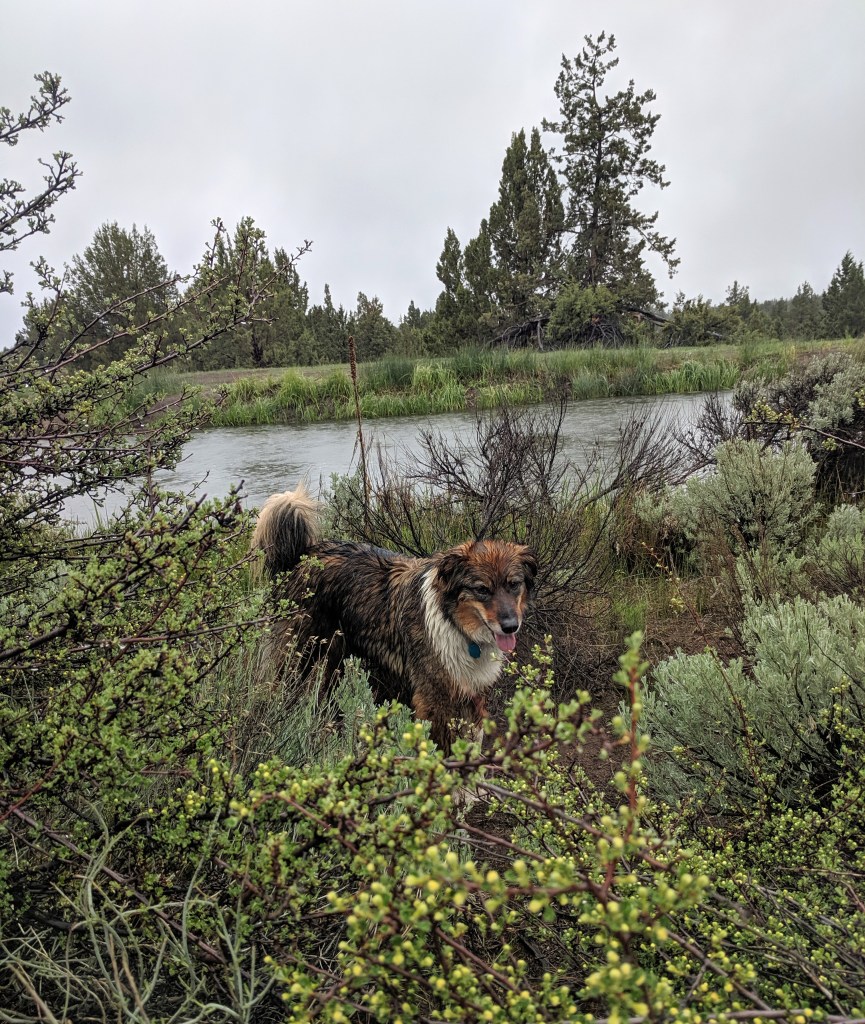
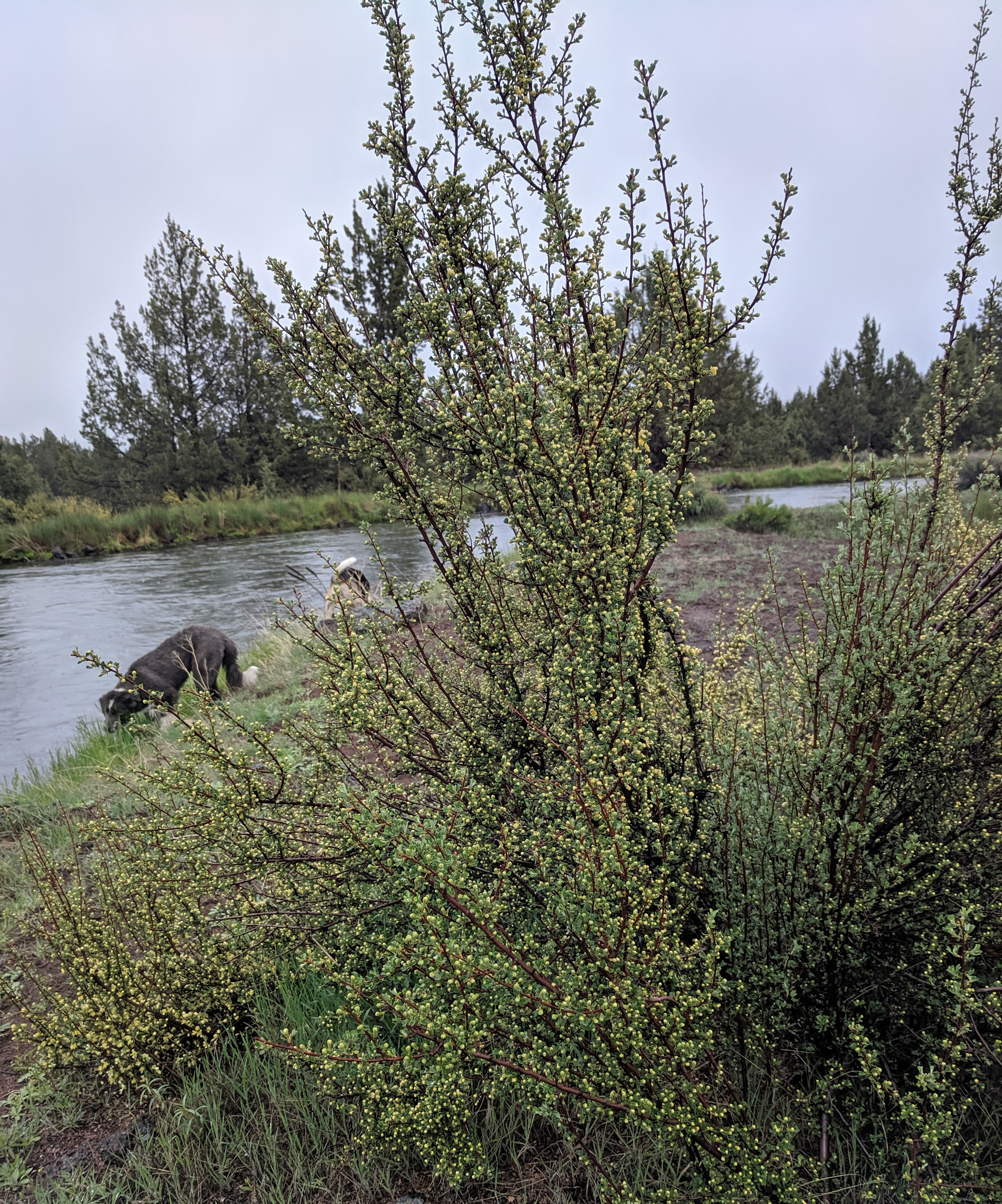
The plants largest, most common, and dramatic were the Antelope brush. It abundantly lined our path, helping to guide us in a direction that eventually looped to the car.

Miles & Ranger, with Antelope brush

There’s something wonderful about walking in the rain. It’s about not caring much if you’re wet, your shoes muddy, your cell phone struggling, and are with muddy dogs that will dirty the car. You feel in another time, gain a different perspective, and are freer from worries. Besides, a gentle rain makes a day more beautiful.

Dear Friends, thanks for joining us on a lovely, rainy afternoon. Diana

Earthworms & Global Warming

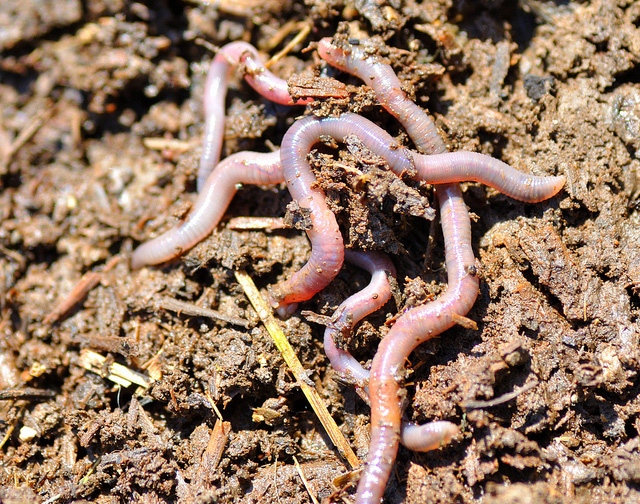
Invasive, non-native earthworms (public domain photo)

Monday, May 20, 2019

This week, here in Central Oregon, you wouldn’t know it’s summer. Instead, it’s been so windy, rainy, and chilly that I pulled from storage cold-weather clothing. These mornings, while going down to feed horses, I’m really silly-looking, in a winter jacket that covers the upper part of my flapping bathrobe.

We had a couple of warm weeks, and fortunately, one while my visitor was here. Earlier, as the summer approached, I watched Robins multiplying and scouting for worms, Blue birds building a nest in my barn, California Jays diving for tossed peanuts, and Starlings returning to their summer lodging among the barn’s roof supports.

In our earliest rain, a big earthworm that wiggled into my garage appeared half-dead when I spotted it. I rushed it to the garden, covered it with dirt, and hoped it might survive. That was the only attention to the species that I paid, before seeing a New York Times article about an “earthworm dilemma”: https://www.nytimes.com/2019/05/20/science/earthworms-soil-climate.html?action=click&module=Discovery&pgtype=Homepage

According to the article, Canadian scientists are seeing in the boreal forest, the world’s most northerly forest, much evidence of earthworm activity–highly unusual, because native earthworms disappeared from most of northern America, 10,000 years ago, during the ice age. The current earthworms are an invasive species from Southern Europe, brought to Northern America by settlers centuries ago. They survived the ice age and are thriving.

This got to me: “As the worms feed, they release into the atmosphere much of the carbon stored in the forest floor [and] climate scientists are worried.” Worms speed decomposition, which releases carbon dioxide. Scientists calculate that earthworms currently occupy 9% of the Northeastern Alberta forest, and will occupy 50% by 2049. Worm feasting reduces the depth of leaf litter and reduces the forest’s native plants, so nonnative plants can enter and force out endemic plants. Scientists predict that the worm activity could eventually turn forest into prairie.

There’s evidence of earthworms also having spread to parts of Alaska’s boreal forest, where their biomass (total mass) is 500 times greater than that area’s moose population. Those earthworms on the edge of the northern boreal permafrost, will increase the pace of melt and the release of carbon.

There are no known methods of eradicating earthworms from boreal forests. Scientists are cautioning people to avoid transporting worms to unaffected parts of the forest. They’re also watching Asian earthworms–a new invader–moving toward Southern Quebec and Ontario.

Dear Friends, elements that affect climate include critters beneath our feet. Diana

Sneaky Ads Sway Us

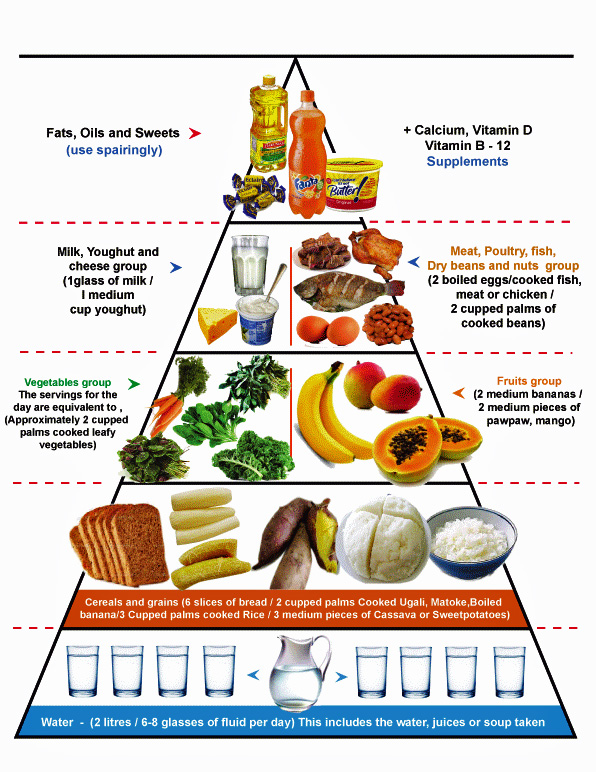
Healthy Foods Groups (Public Domain)

Sunday, May 19, 2019

Yesterday while working at Costco, I spent a couple of hours in the pharmacy section handing out samples of a protein drink. I was surrounded by many high protein choices, in powders and liquids, and nearby were shelves with boxes of protein bars. All products promised to supply about 20 grams of protein per drink or bar. Shoppers stopped at my demo table to sample powdered drinks, and many who simply passed pushed carts containing products that promised high protein consumption. I wondered what drives an increasingly high interest in consuming lots of protein.

I ask customers about this and a common response, especially from those who routinely exercise, is that protein builds muscle. Certainly, there are muscular types browsing through the protein section and selecting items. So do others, out of shape and often overweight. Other curious products are protein supplements directed at children. Many passing parents encourage their kids to sample protein drinks. I wonder why its good or necessary to supplement kids with high protein.

In the pharmacy, passers-by routinely swallow all kinds of high-interest samples, and often hand them to their children. The tables often offer samples of multi-vitamins, flu-preventions, digestive helpers, testesterone support, artery health, and just about anything thought to enhance bodily welfare, reinforced by package claims.

I asked a fellow worker, a slim, physically fit fellow who’s also a part-time food coach, why supplements and extra protein seem necessary. He said, they’re not, and that folks who eat routinely from the main food groups, avoiding most sugars and fats, don’t need “the extras”. His easy recipe for healthy eating is having a good salad daily, tossed with an appropriate variety of high-value foods. He says that such salads provide adequate nutrients for optimal health.

He explains that the high interest of shoppers in protein is because of money pumped into advertising by the meat industry. I understood, realizing that we’re impacted by advertising almost without noticing. We’re vulnerable to ads that pop-up on our social media for products we’ve explored, even with very casual interest. After time, numerous reminders can “get to us”.

I’m a victim, too, inundated by advertisers. And I’ll not take it any more! I’ll toss my aging stash of protein bars and powders, which anyway aren’t tasty, and resume eating from the basic food groups. I liked my co-worker’s description of fulfilling salads, that provide adequate nutrition.

Dear Friends, shopping in big box sores makes sticking to the basics difficult. Diana

Big Effort, Bigger Fun

Ready to rumble

Saturday, May 18, 2019

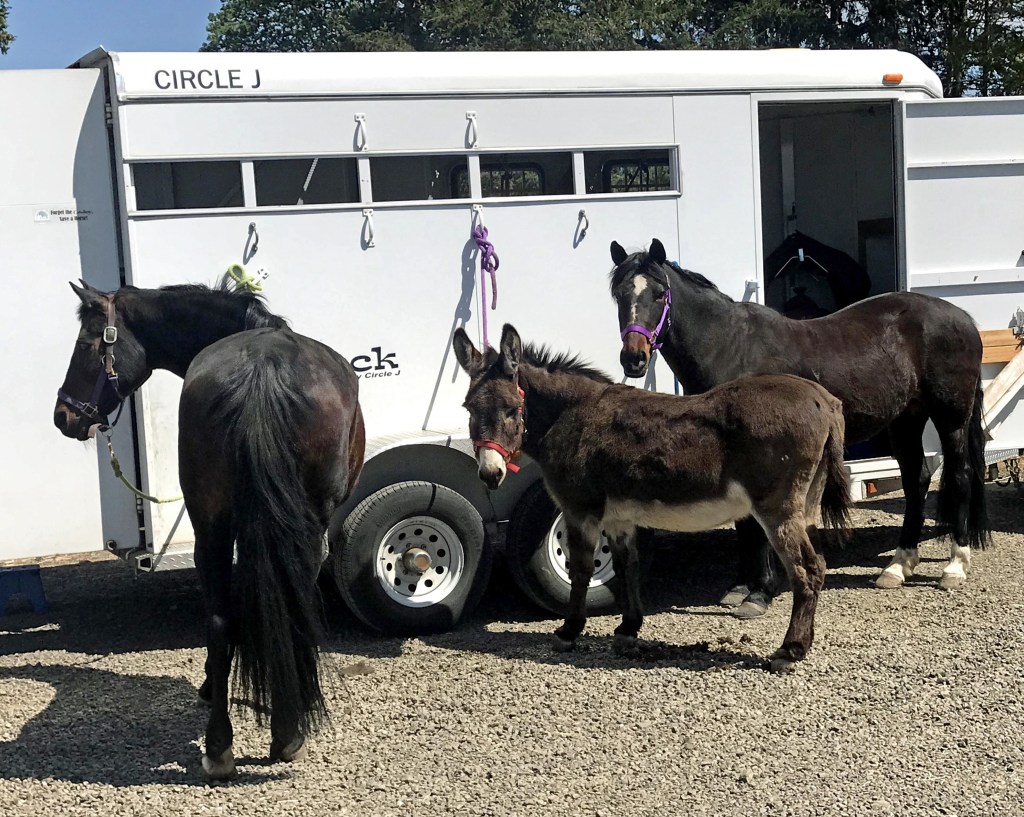
On an earlier and much warmer May day, my visiting friend, Elaine, accompanied the horses and me across the mountains for sessions with Megan, our driving trainer. Elaine has known and helped to train both my horses since they were fillies. I was happy she would see how they’re currently being worked with. Rosie is in rehab from an old injury, and Sunni recently has been trained for driving. We’re joined by my sweet donkey, Pimmy. She baby-sits whichever horse is left at the trailer to wait patiently while the other takes a turn with our trainer.

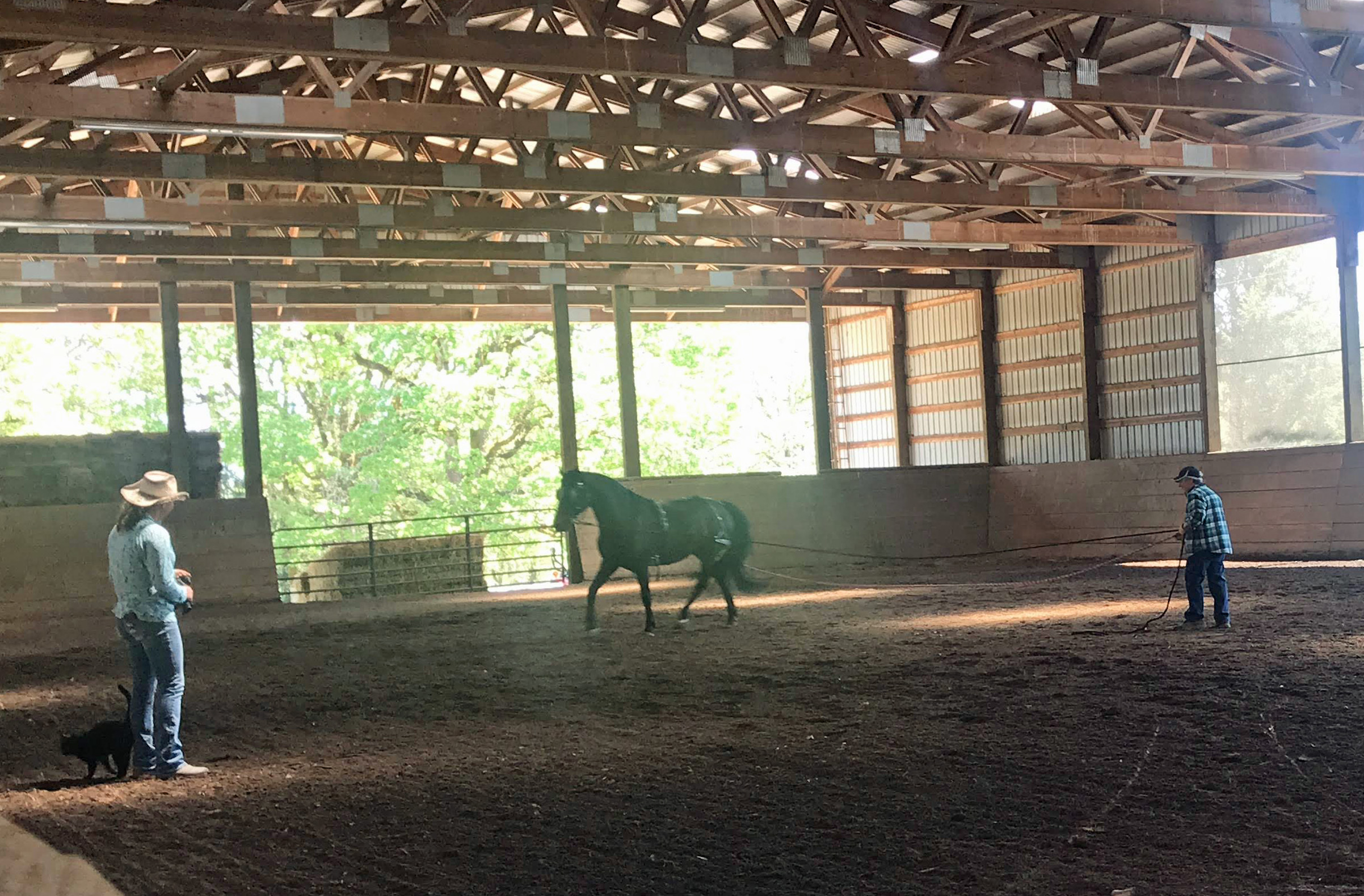
We first worked with Rosie, a highly trained and capable driving horse whose gaits are a little off from an old injury that has unbalanced her hips. We’re working to correct this with a veterinarian chiropractor who specializes in sport horses. He wants Rosie exercised regularly to strengthen and realign her hips. Our trainer has helped me learn to use long-lines to exercise the mare.

Megan (with her cat) observes Rosie’s strength in trotting, and directs my handling

Megan was pleased with Rosie’s progress and had me practice handling the ropes in ways more advanced than simply circling the horse. I learned that the ropes can substitute for verbal commands, and ahead, see more to accomplish with them. Although soon, we’ll probably start hitching Rosie, I’m hoping for more of Megan’s instruction with long-lines.

Next, we turned our attention to Sunni, which meant hitching and driving her. Elaine’s always handy camera captured nice in-action video of this pony–providing visuals that show how much routine driving has strengthened Sunni and improved her balance.

Sunni in action

Each time I drive her–Oh, what a wonderful pony!

Dear Friends, horses require so much work, and can be so much fun. Diana

The Art Of Talking

Worthy Brewery’s “Forget Me Nots”
(photo by Elaine La Rochelle)

Friday, May 17, 2019

A long-time friend and I met up at Worthy’s, for a beer and a burger, and to exchange perspectives on current politics. We’re of similar minds politically, which held true this time and gave us lots to talk about. I won’t bore anybody by trying to explain our politics, except to say that sometimes ya just gotta let it all hang out. And we did, our words tumbling rapidly.

There’s lots good about friendship. Years ago, we worked together as sample servers in Costco, before she decided to quit and enjoy more family time. What’s held, even from our Costco days and our briefest conversations, is that we see eye-to-eye on macro and political situations. In this country to my mind, particularly after 2001, citizens have witnessed increasing social and political havoc. Even living in a small community away from the biggest mainstreams, I feel impacted by the larger economy and try to follow the overarching politics.

Take 2008, when the housing market dropped more suddenly than one could blink. For many of us, the value of our homes fell to amounts far less than we were obligated to pay for them. Like others, I stayed low hoping for the best during the five years it took this nation to dig out of that failed-housing ditch. Take 2018, from October through December, when the American stock market lost a hugely significant portion of its wealth. My funds sunk along with those of others, as rapidly as our home values had sunk ten years earlier.

We’ve luckily experienced economic corrections while managing financially to hang on through the worst. In these days, my economic worries are renewing in light of loosening lending restrictions, for example, on banks for home buyer loans. Such emerging worries aren’t fodder for conversations, unless between friends sharing points of view.

My friend and I lunched and talked, without resolving concerns; but the activity of talking without much self-monitoring releases the pressures of internalized thoughts and feelings. This made discussing such fun that we’re planning another lunch soon.

Dear Friends, the “Forget Me Nots” suggest a past, maybe sweeter and slower. Diana

Under A Summer Sky

Thursday, May 16, 2019

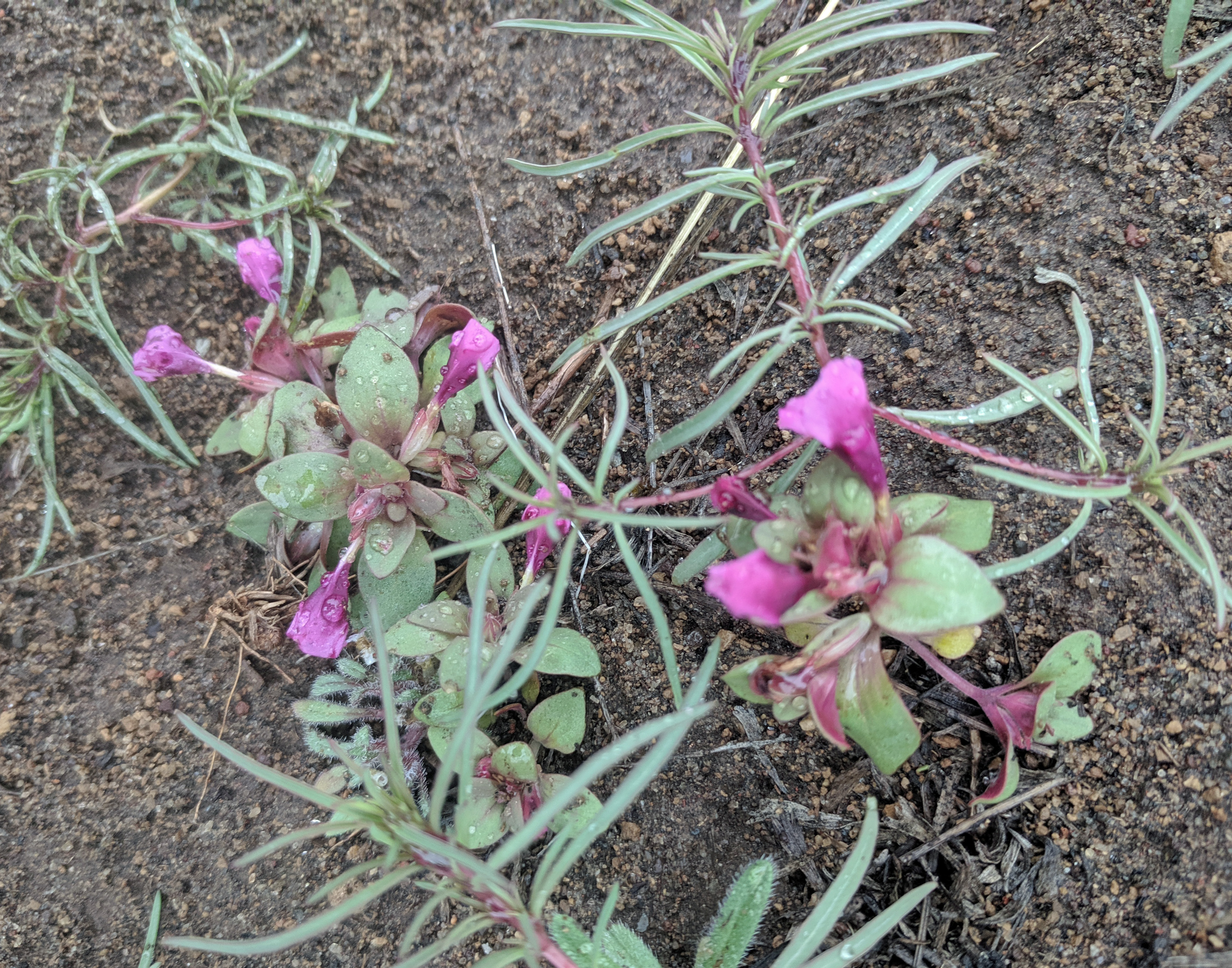
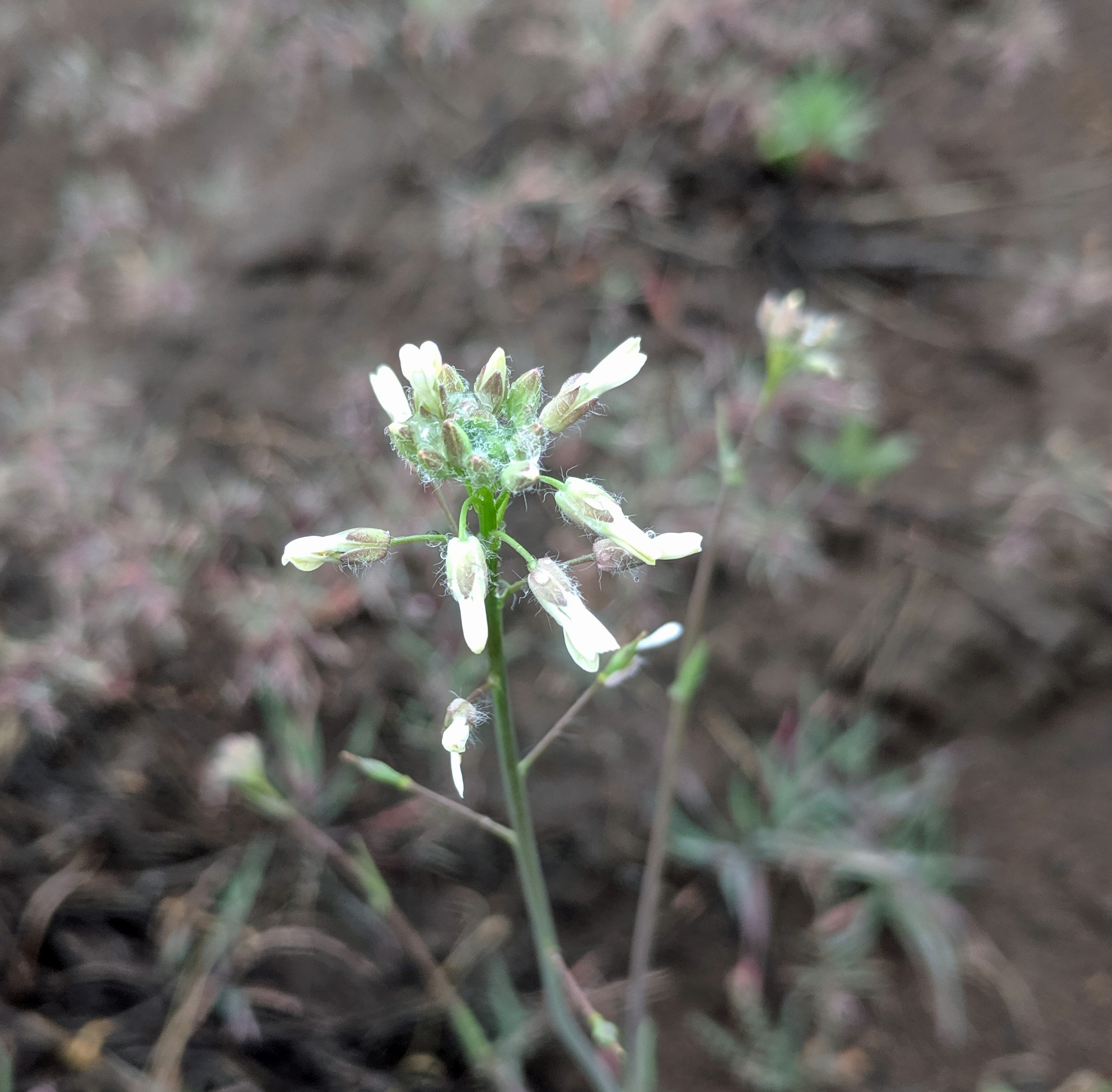
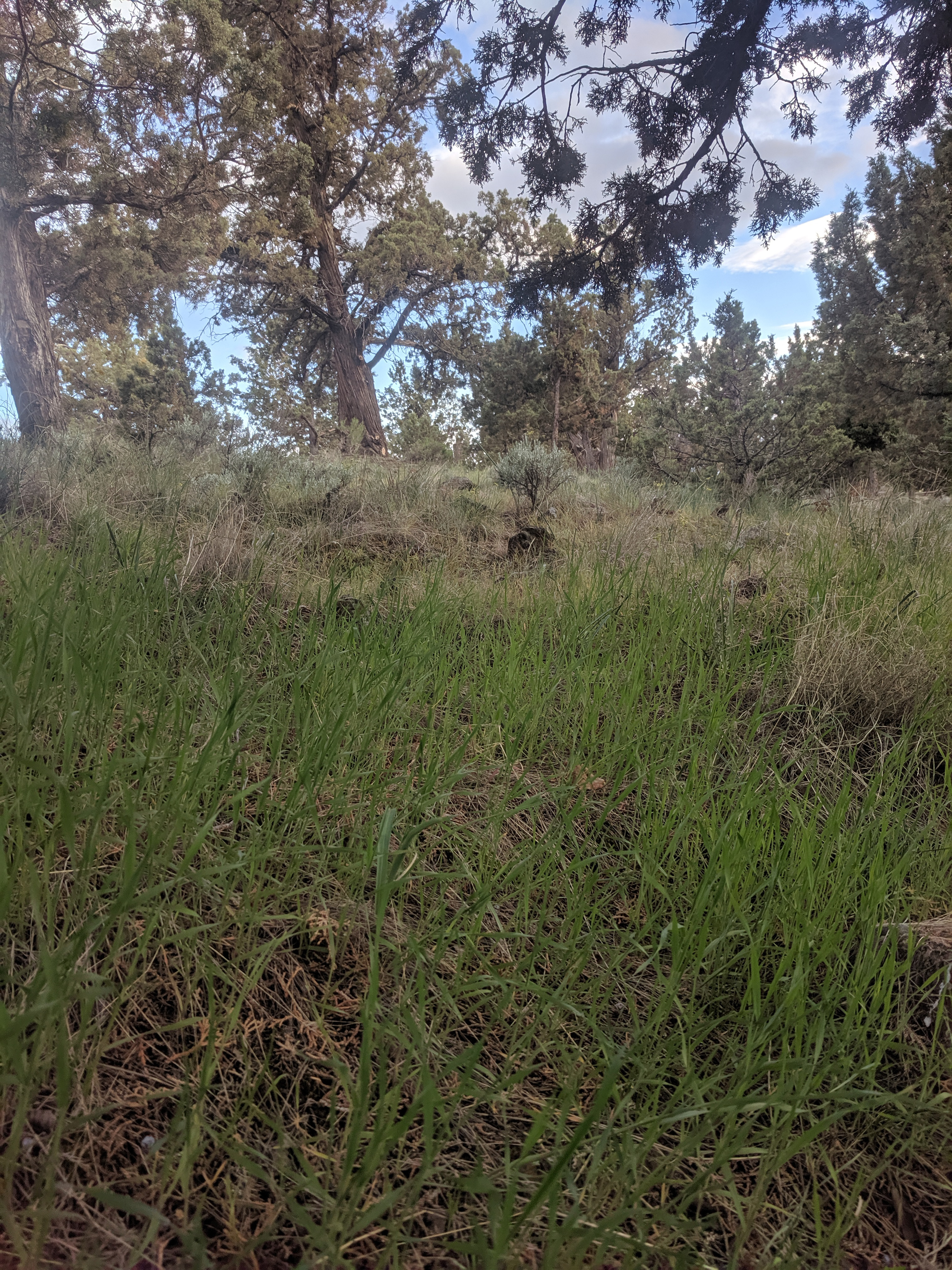
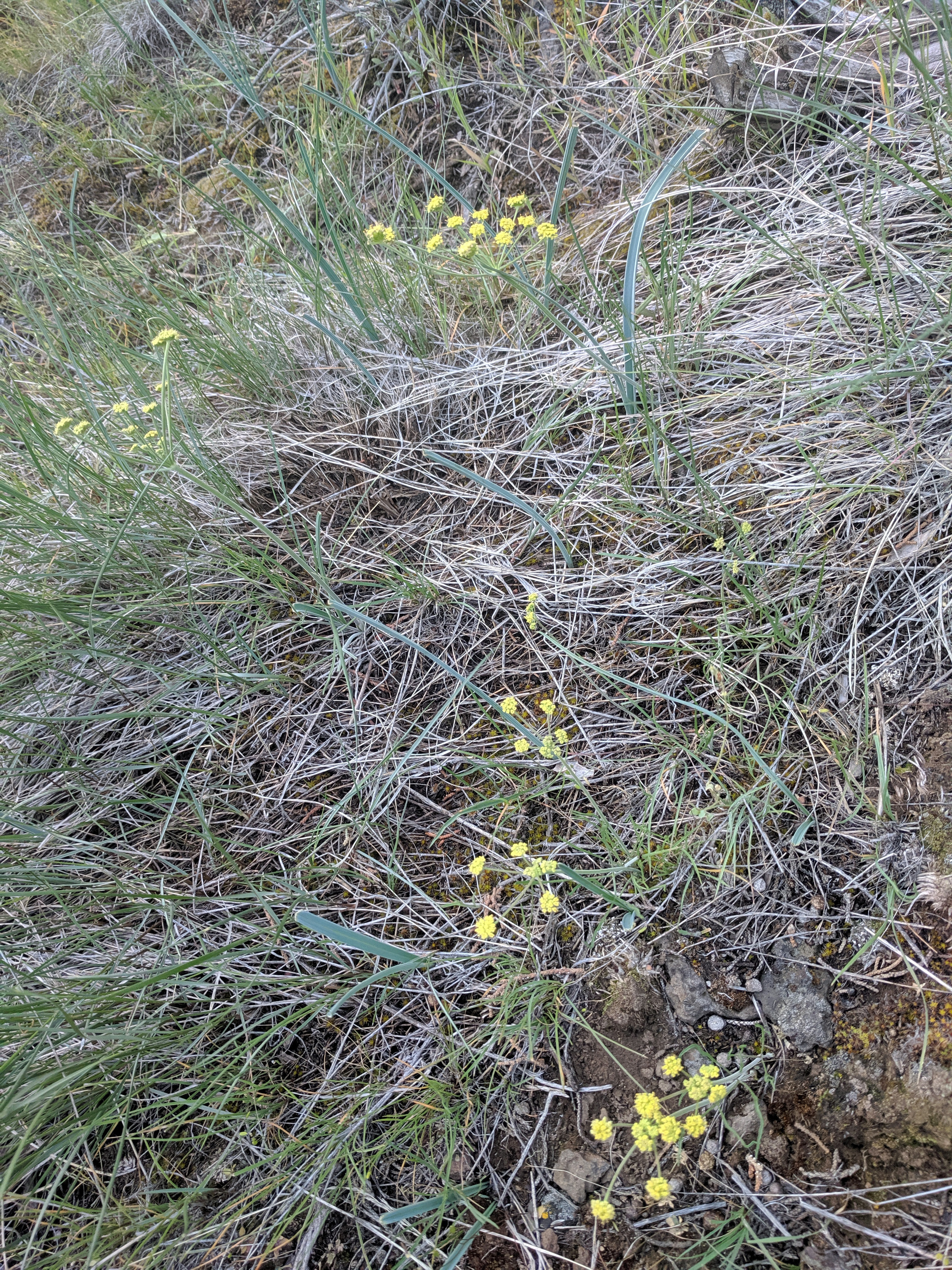
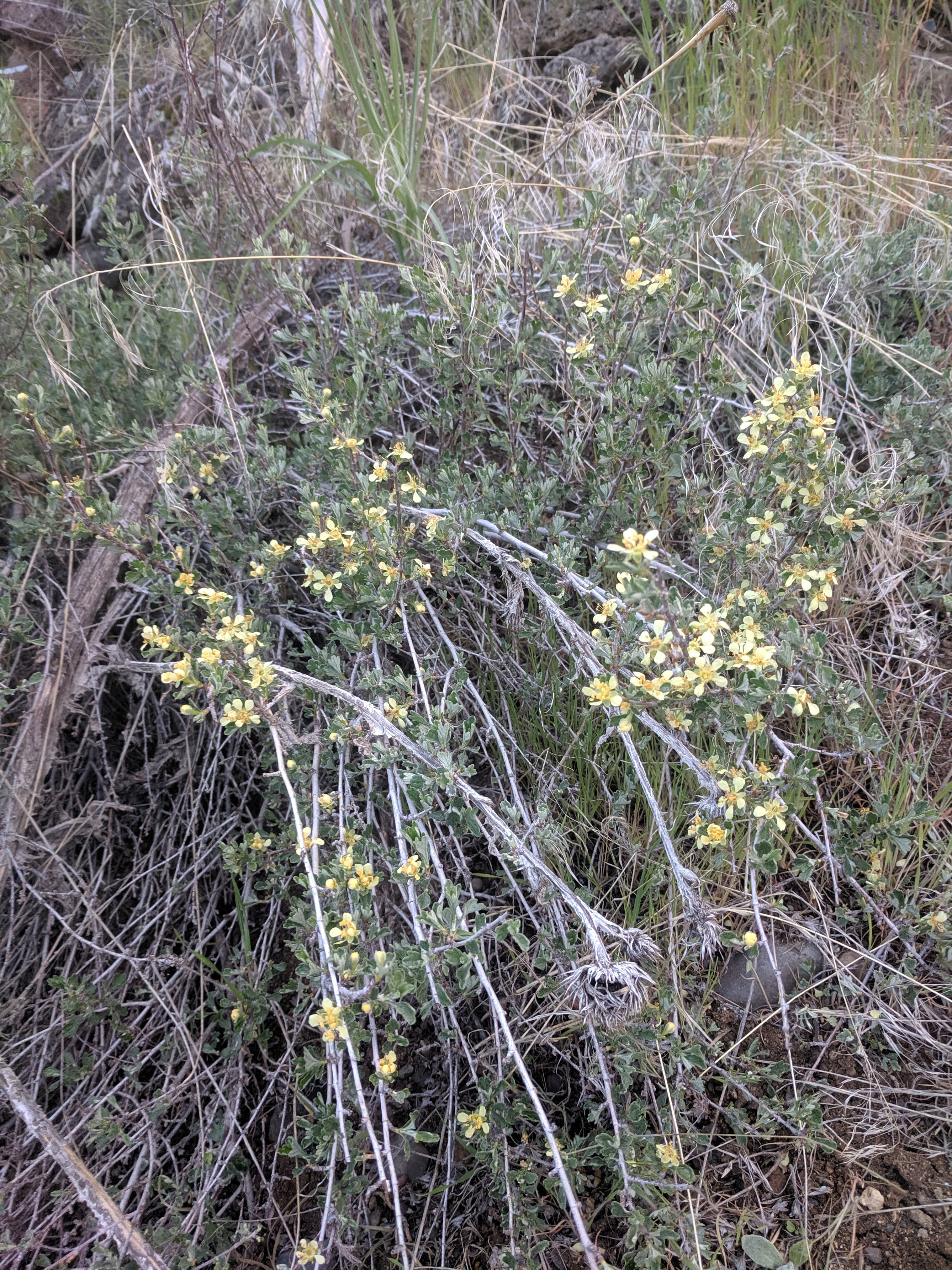
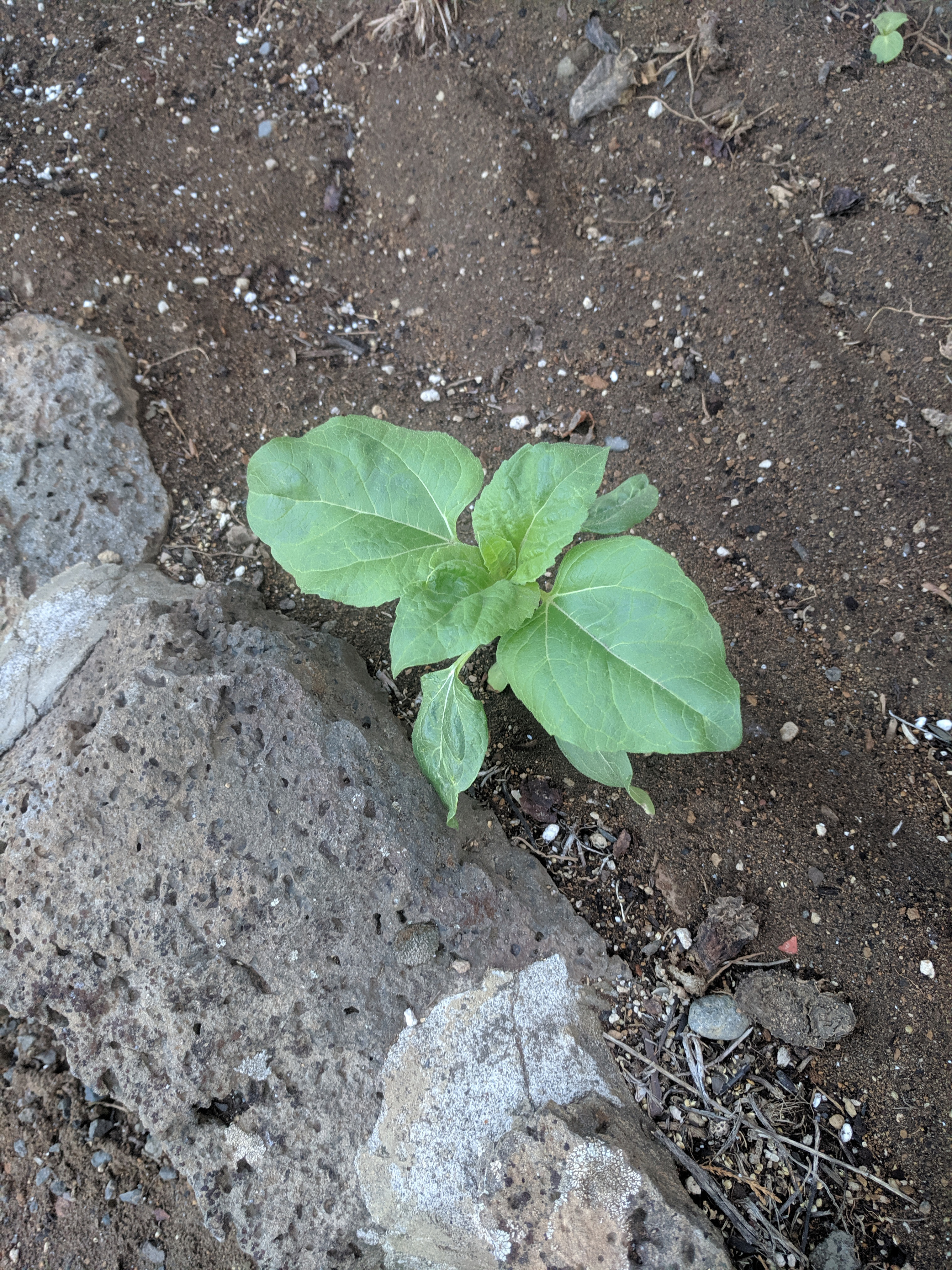
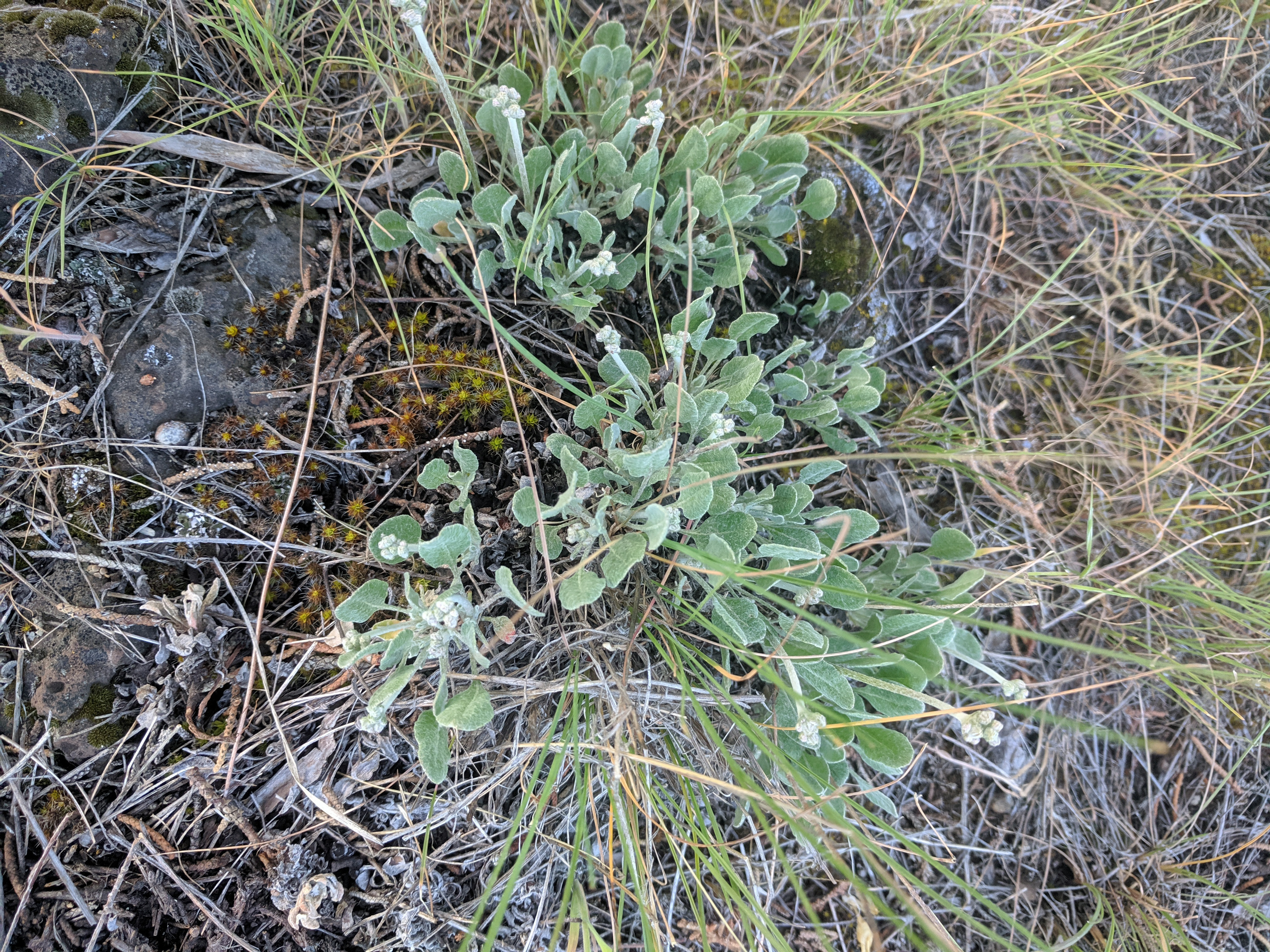
I usually study what’s overhead: the sky, birds, mountain tops; or at ground level, animals, buildings, fences. Since finding an app that identifies plants, I’ve been looking low and around my property, and usually where my feet are placed, for tiny sprouts. I’ve discovered more identifiable wildlife than my novice self ever could have imagined.

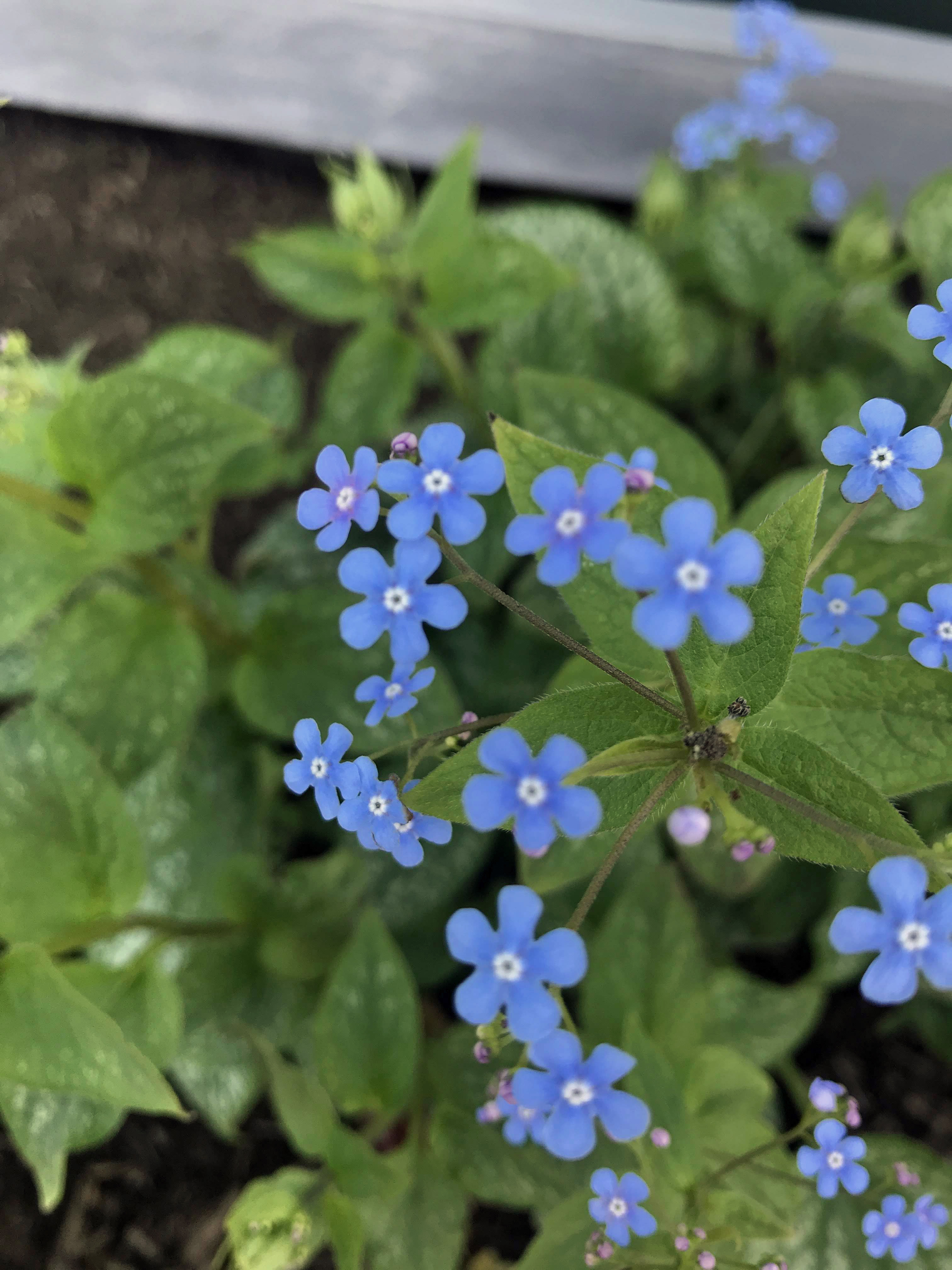
It’s evident from the above views that quick glances might not capture the jewels hidden among rocks and grasses. I went out and tiptoed, looked carefully, and found bunches of little lovelies that my app immediately identified. Once it was clear that these plants had names and histories, I couldn’t bear thoughts of trampling, mowing, or heaven forbid spraying.

Those above were in one general area. By walking around and looking carefully, I found many more types of plants. Some were on their way to blooming and others seemed rather spent.

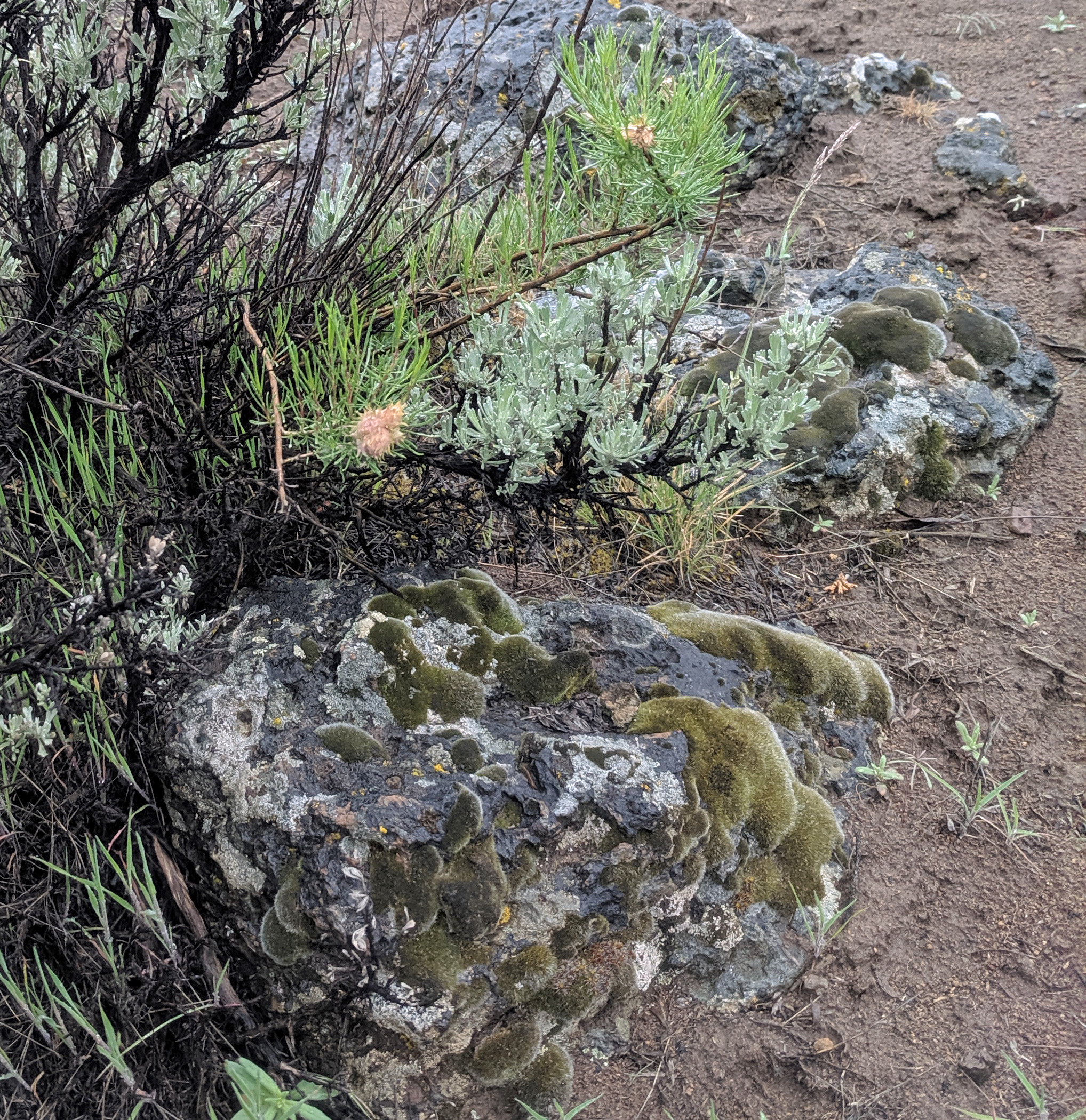
There were additional plants that I didn’t capture on a downloadable camera. Those were tiny growths on ancient lava rocks and lots of mosses. But I’ll go outside again with an appropriate camera and with my identifier app. Experience is the best teacher, and now, I know how to find, photograph, and identify these courageous, alive pop-ups.

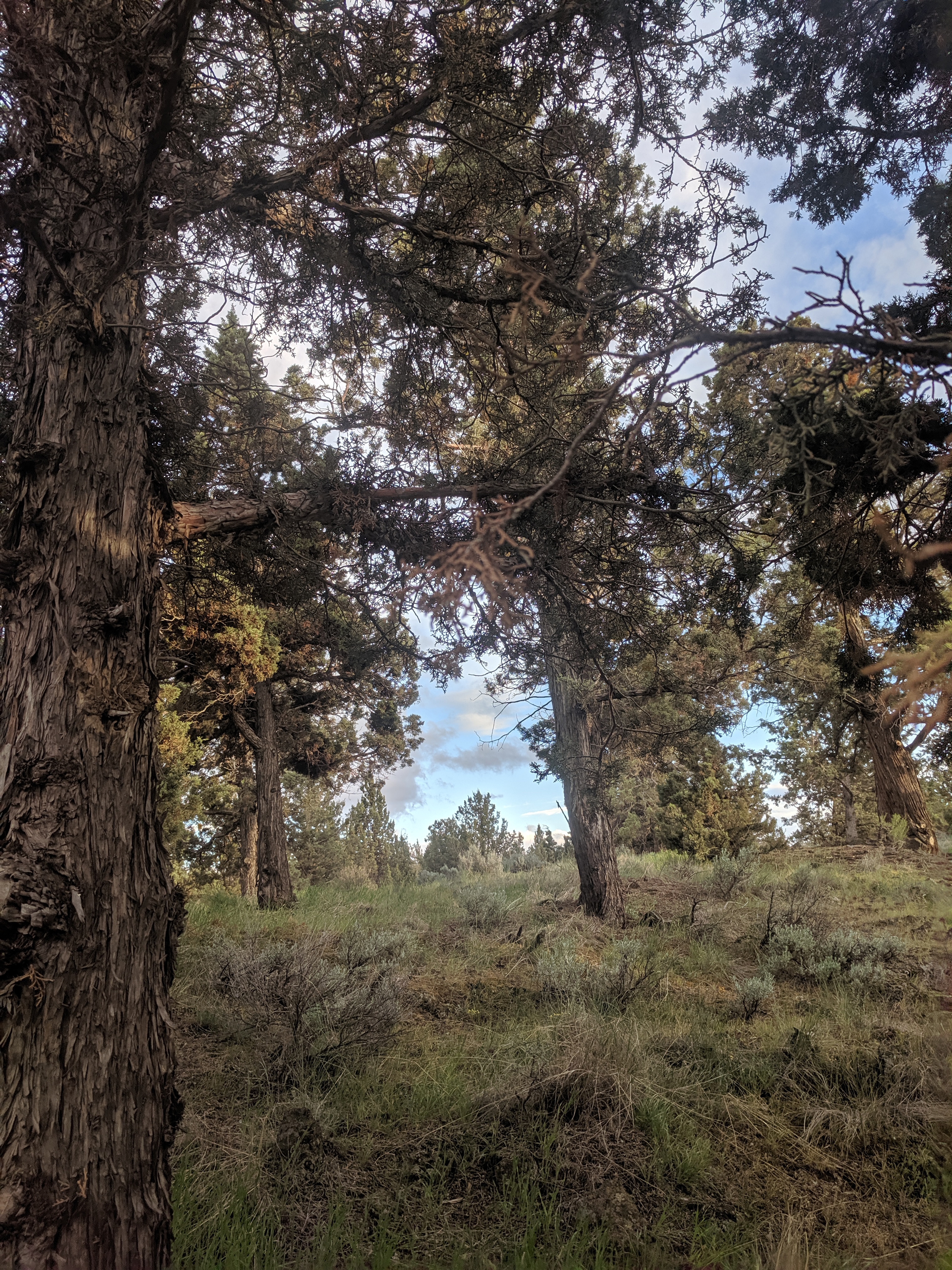
My neighbor, Frank, whose property is larger than mine, once explained that by using appropriate software, he had made an official count of his trees, finding some 400-plus. In those days, I couldn’t see much advantage in counting my trees, but maybe I’m moving in that direction.

Dear Readers, how these little discoveries can make my blood pulse! Diana