Catching Up Over Coffee

Thursday, April 11, 2019

A casual friend I’d not seen in a while came shopping at Costco on a day I worked there. She’s politically savvy, and I’d been thinking about her, wondering how she views our particularly dynamic environment. Besides, she’s a person kind and considerate whom I enjoy. We agreed to meet for coffee and catch up.

She’s a native of Salem, Oregon, went to college in California, became a social worker and spent most of her adult life in Alaska, while married to an attorney and raising children. Several years ago she and her husband retired to Bend. This is a sketch of her life–informed by education, geography, sociology, and experience–and the story of one who has gained wisdom and patience.

We shared political perspectives. Some of her observations felt surprising, but were thoughtful and current, informed by immense challenges in today’s public leadership. She’s open to learning more, assured that the future will expand her ideas. Where we didn’t see eye-to-eye, we listened and respected one another, and in political discussions that’s a win-win.

People who think in similar ways often are open to sharing some of their histories. My friend explained some of the sociological aspects of life in Alaska, and I associated her observations to my own past visits to a dear friend who for many years resided in Arizona’s Navajo Nation.

It’s refreshing how an hour or so over cups of coffee gives folks opportunities to learn more about each other. And it’s reassuring that no matter how many variances may exist among individual life stories, we all share similar desires, to strive, achieve, gain a philosophy, and cherish.

Dear Friends, have a wonderful day. Diana
Views From Sea Level

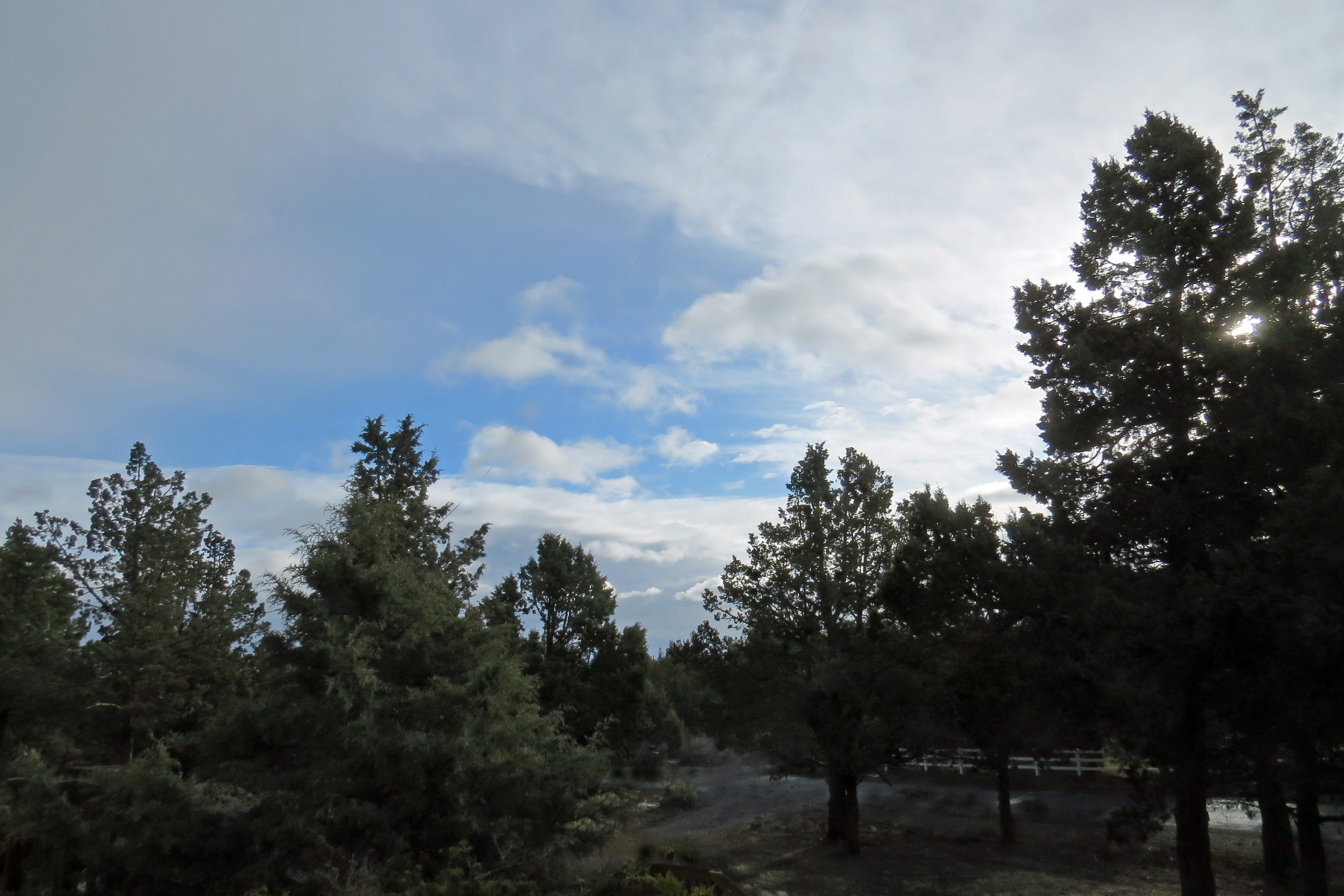
Roiling Overhead

Wednesday, April 10, 2019

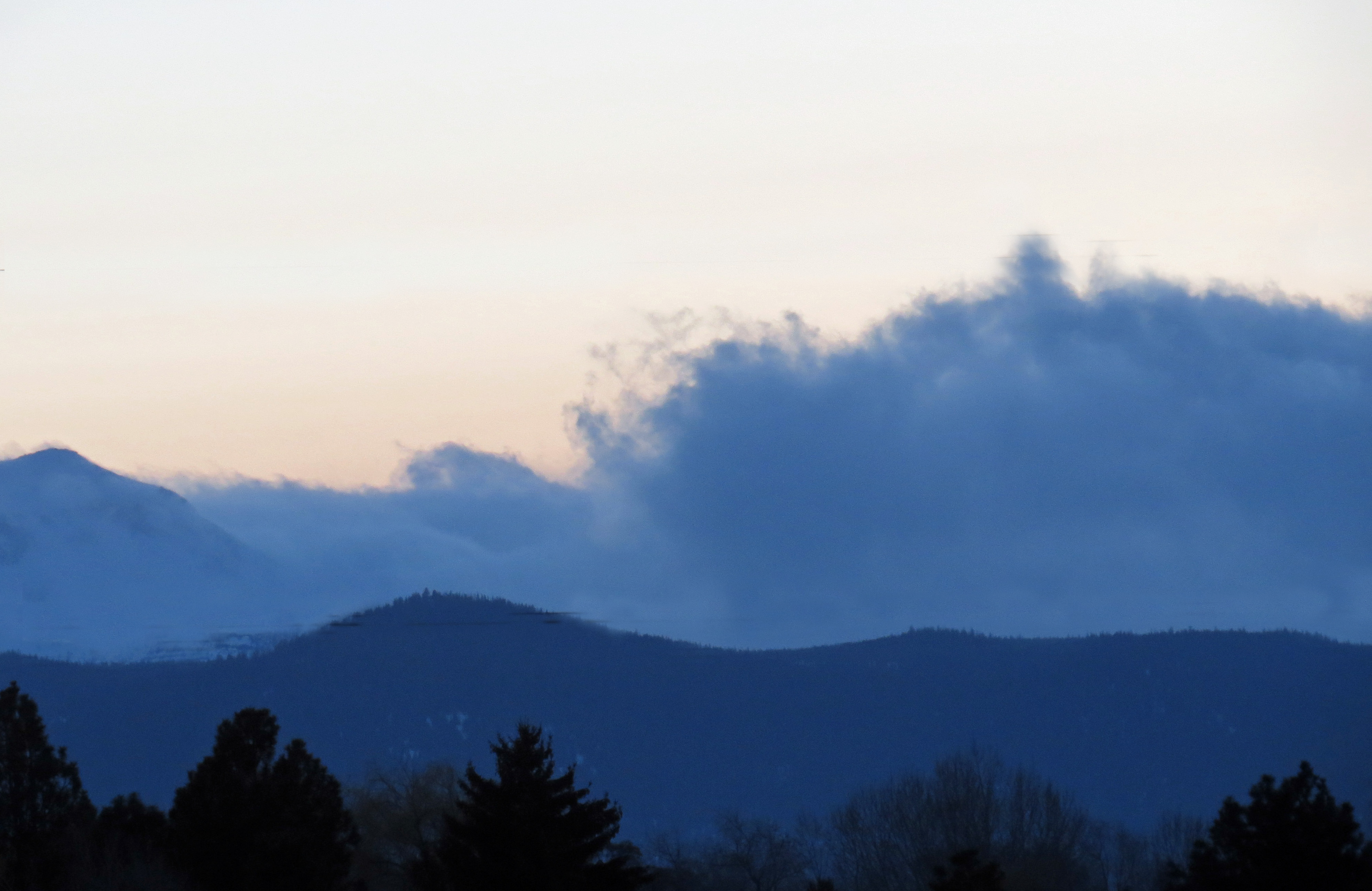
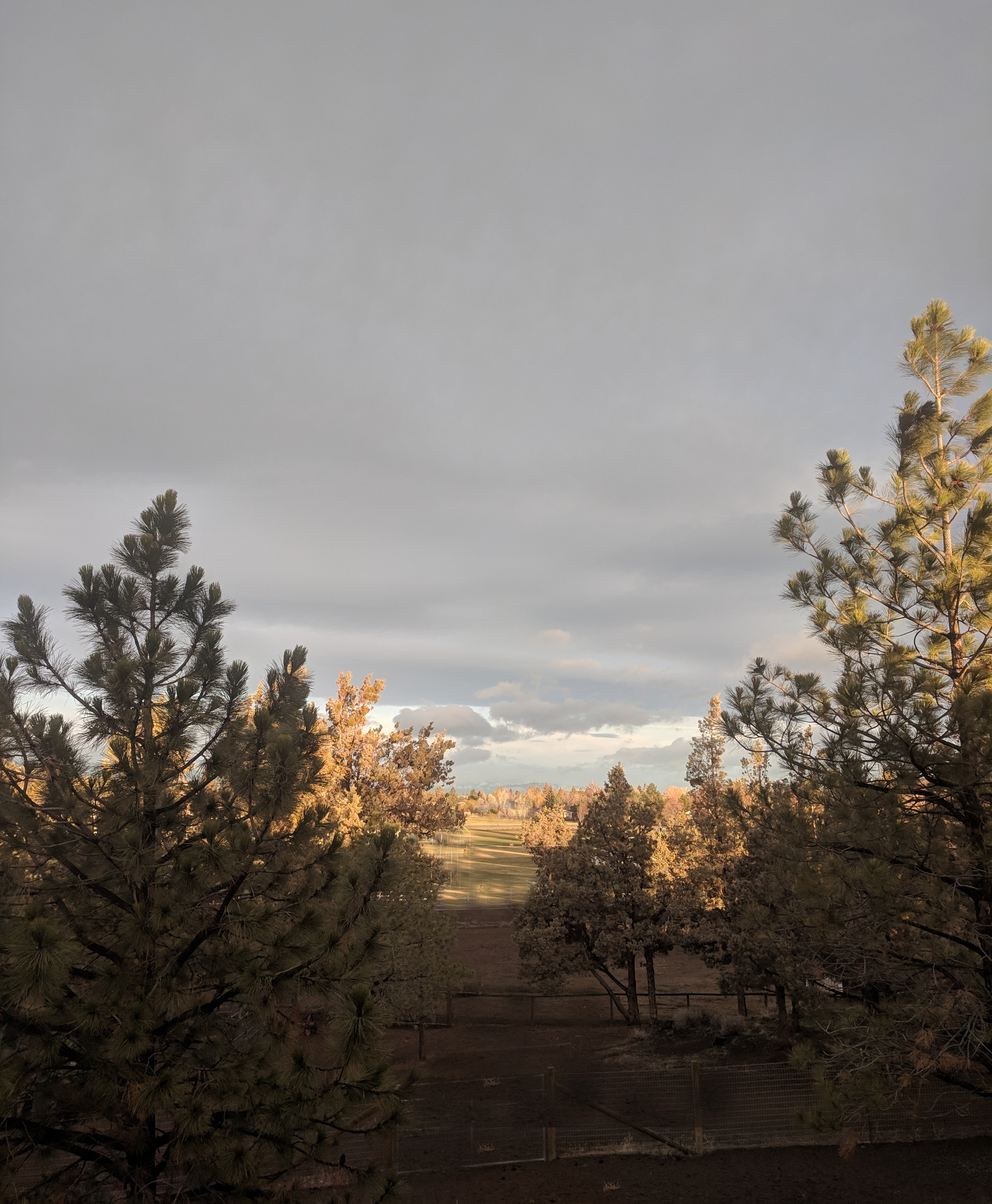
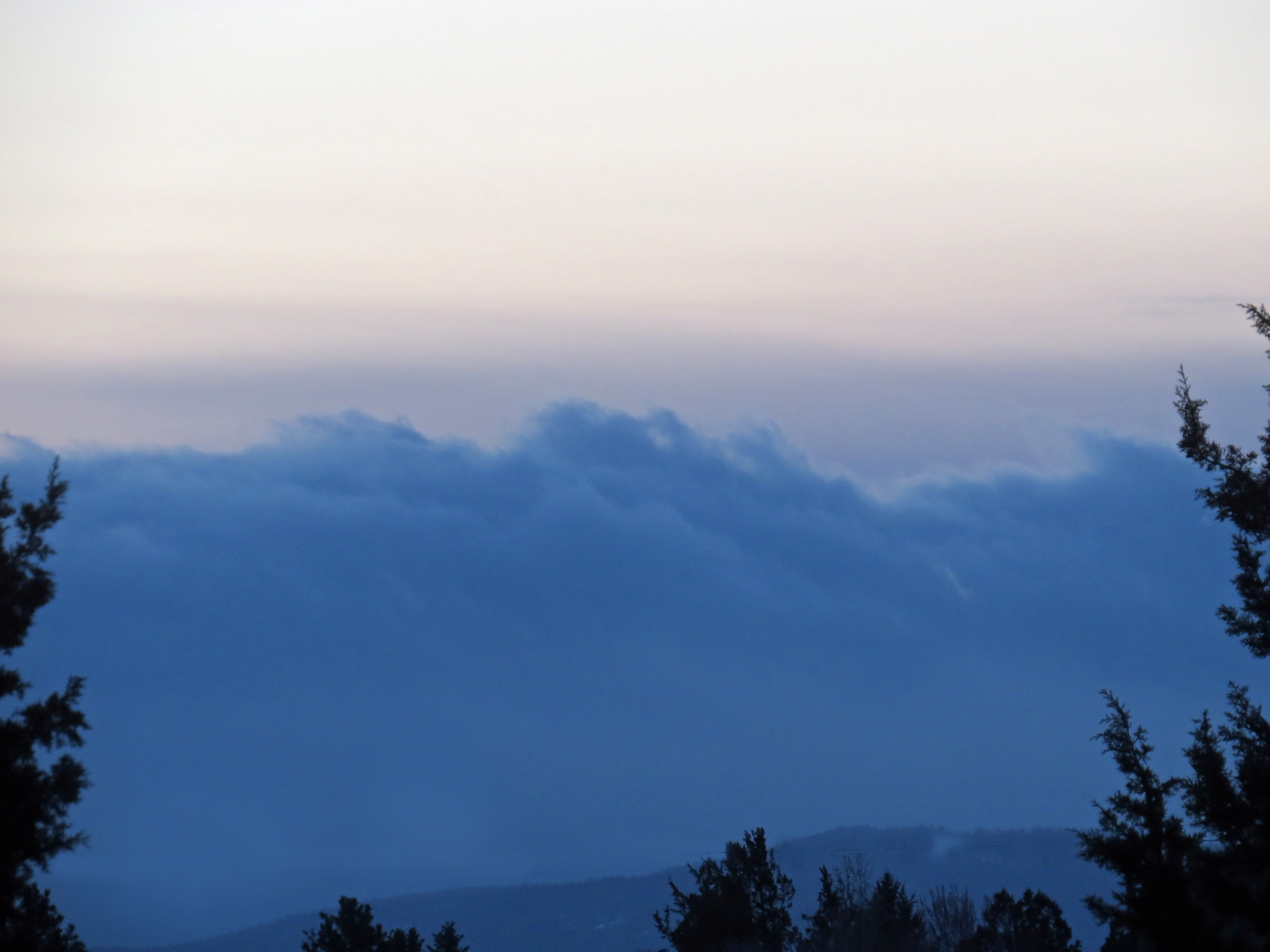
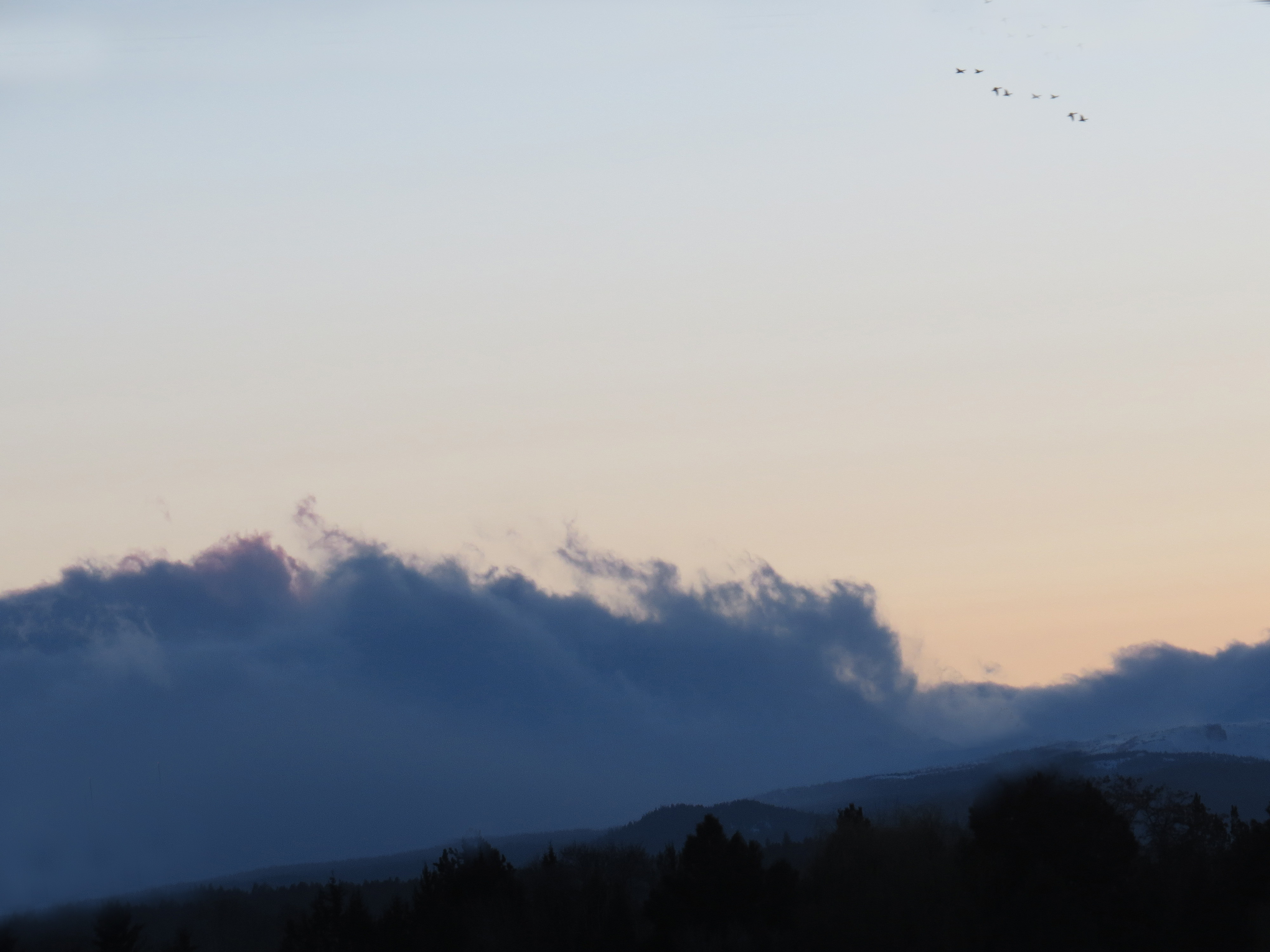
After our rains quit yesterday afternoon, the sun came out, and I went into the lovely late day to feed horses. But overhead, massive clouds that dramatically blocked out the mountain range made me feel like hurrying back inside, to grab brushes and watercolors and try capturing the sky’s intensity. Of course, not knowing a thing about using watercolors, I went to get a camera.

The sky’s intensity captivated, with clouds rolling in like a tsunami.

Tsunami, with peeping sunlight behind & Canada Geese in upper right

The covering clouds locked in cold weather below, and I wore a winter jacket.

From the highest spot on my property, like the view from an airplane at 50K feet

My camera managed to catch a sense of the great strength and drama, but unfortunately, not enough of the integrated subtle colors.

Drama

My sister who lived for many years in Nevada liked to say, “There’s no sky like a Nevada sky,” and I agree. That area’s clear desert sky can seem nearly like a second ceiling, it’s comforting and beautiful. Here in Oregon, the sky is an active storyteller, a spoiler for incoming weather, a spiller-of-the-beans, and also sometimes, a placid and enlightening extension of what’s over Nevada.

This overhead drama nudges me to set aside casual projects, and instead start playing with watercolors.

Dear Friends, have a wonderful day. Diana
Rainy Day Dreams

Knitted Dishrag

Tuesday, April 09, 2019

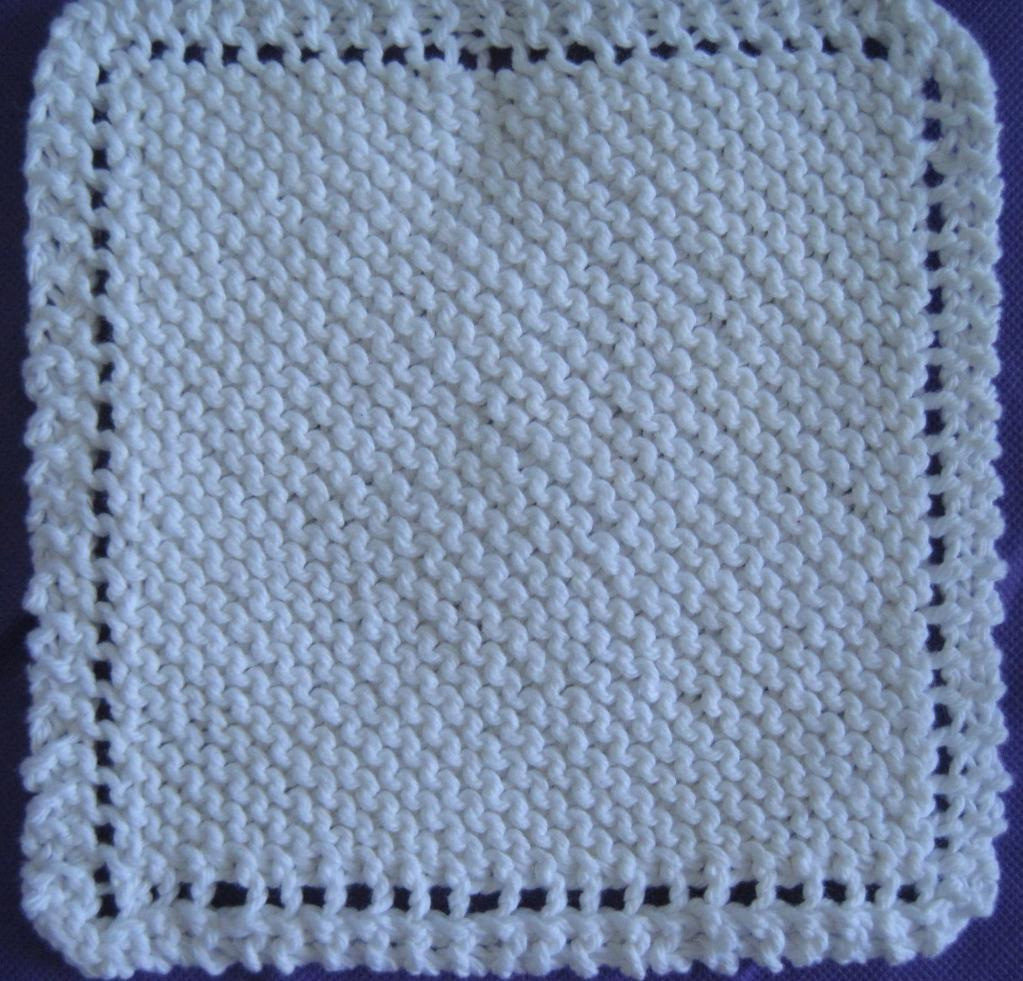
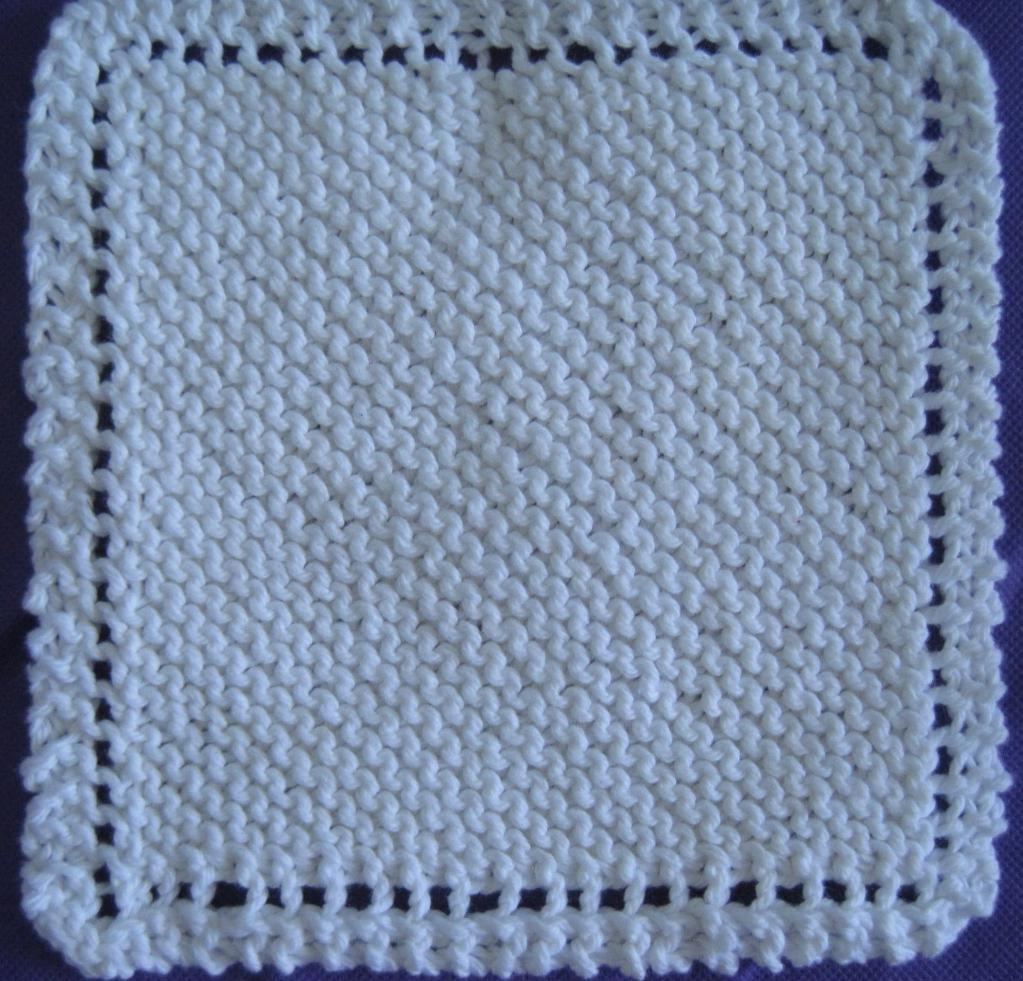
It’s not unusual to find myself slightly out of step with moments, and this again is true as I consider renewing my not-so-good knitting skills. After years of no-playing with knitting needles, these days of unusual rainy weather have me trying to conjure up constructive indoor activities. Oh sure, plenty of inside jobs need doing, but in these damp days I want to to sit in one place and maybe watch television while doing something that’s easy and keeps me from feeling like a lazy wastrel.

The other day while browsing in a hobby shop, I stumbled into its knitting section and felt inspired. Knitting isn’t rocket science, but it’s a constructive activity that can keep one busy as an excellent inside hobby. Nonetheless, unable to remember how to knit, I hesitated and picked up the shop’s illustrated how-to books, while trying to think far back and conjure-up dim memories. Finally, I decided just to go for it, selected a pattern for a simple dishrag, some needles, and a ball of purplish acrylic. Back home, I hunted out an old basic instruction book.

I sat down to practice casting on, easy enough, but had trouble following instructions for starting a first row of actual knit. The instructions looked easy, but I couldn’t correctly grasp illustrations for wrapping yarn around the right-hand needle. I gave up and went empty-handed to another chair in front of the television set. Something arose from deep inside and my hands started moving as if they held knitting needles. I sensed muscle memories kicking in. My hands moved and fingers behaved as if they were about to create an initial knit stitch. The imaginary left needle dove into the imaginary right needle’s topmost imaginary cast-on, and my left hand wrapped yarn around the intruding right needle. I correctly pulled through an actual knit!

Ah ha!

This idea of knitting may turn out as hoped for by making real my wish to become creative with yarn. Alth0ugh I’ll still mostly focus on dishrags–fairly brief, simple projects, for I like the idea of these squares. They’ll accept more complex stitches as my skills improve.

Fair warning to myself: don’t try to bite off too much. Today, the farrier will shoe my driving horse, and soon, the weather will improve, and once it’s dry outside, there’s lots more on the plate. I’ll take everything step by step while keeping in mind that there always are dirty dishes–and from time immemorial dedicated rags are indispensable.

Dear Friends: Have a terrific day, with constructive activities that you enjoy. Diana

Wet & Wonderful Outing

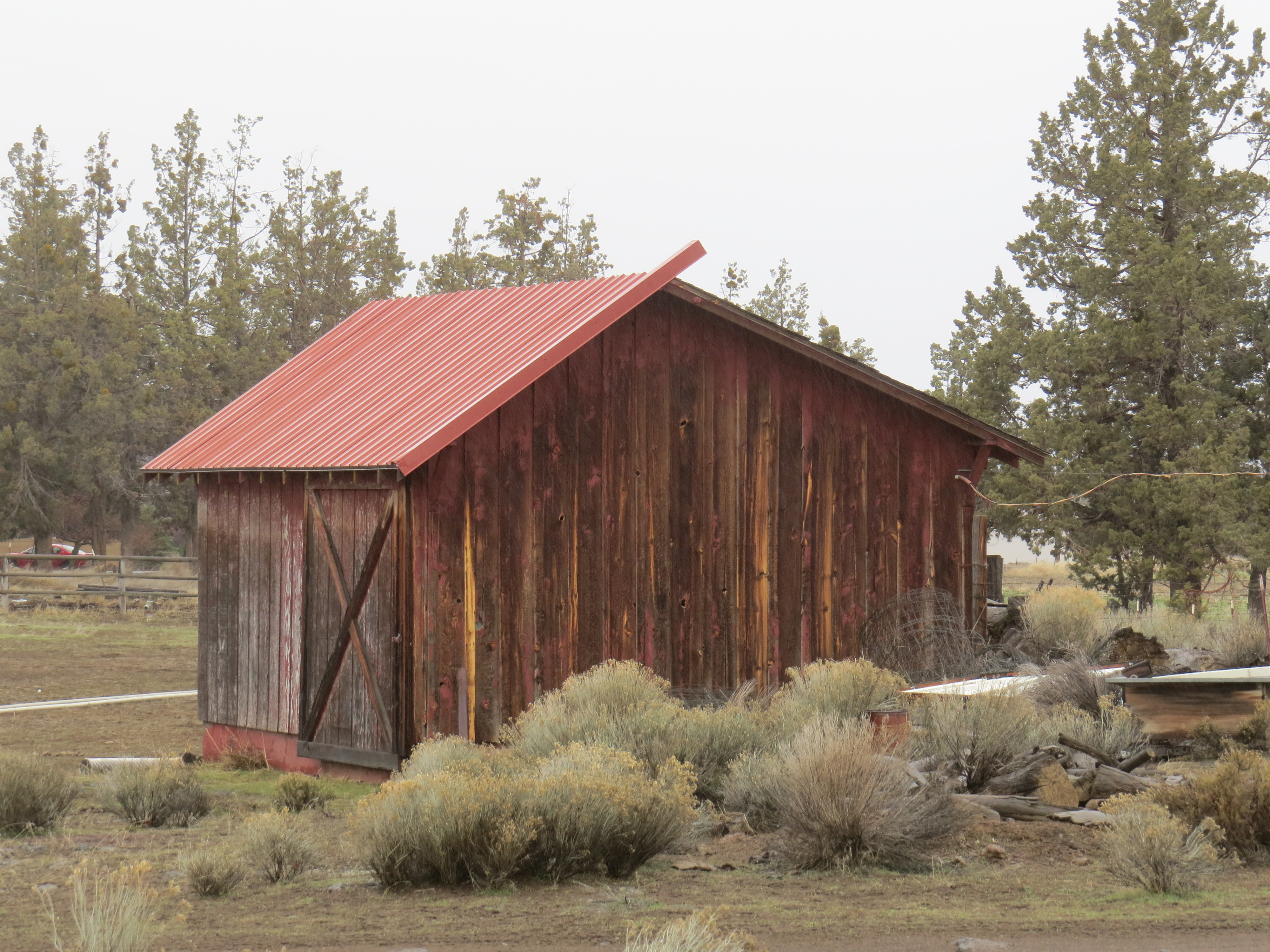
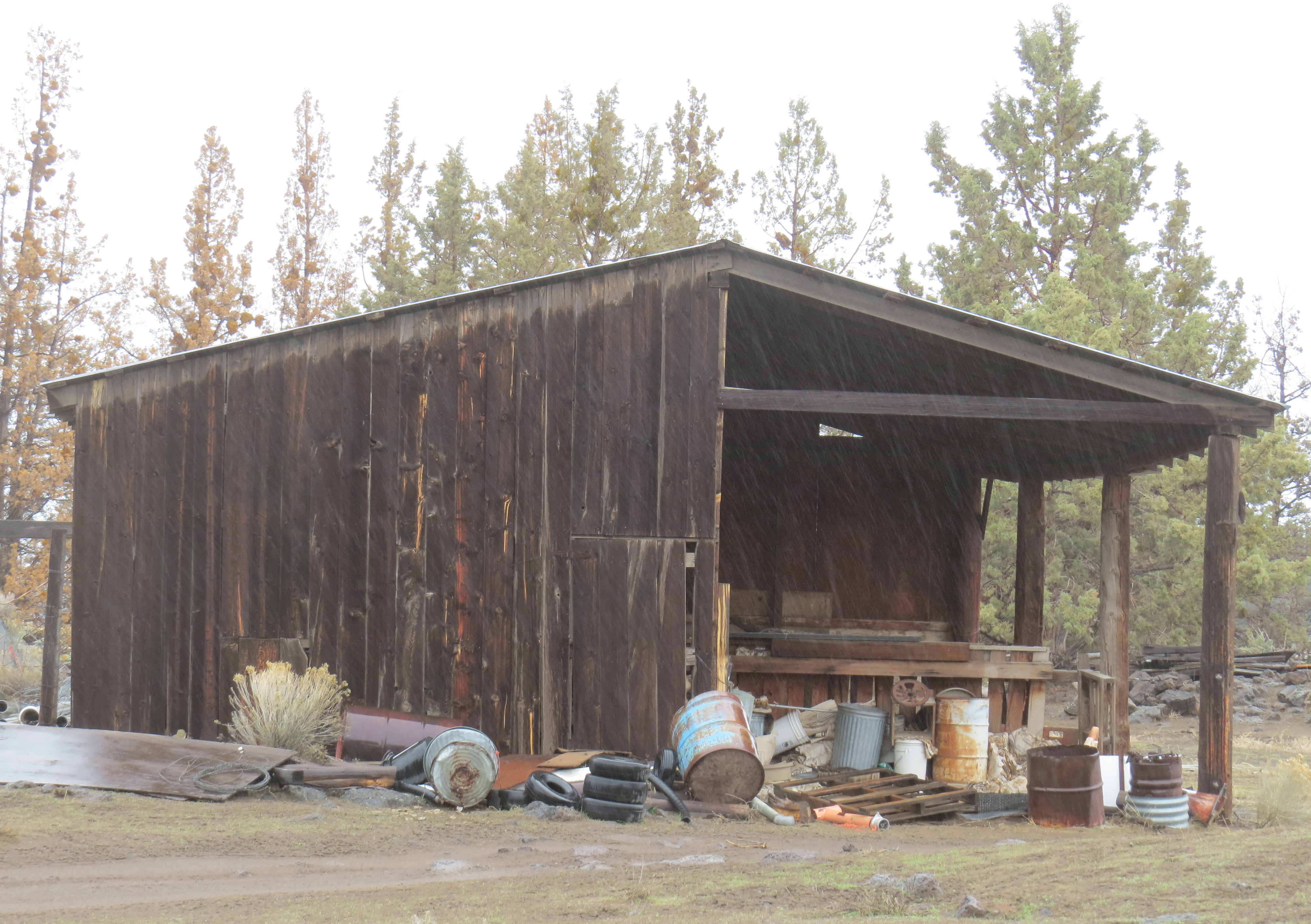
Barn One, wet with popping colors

Monday, April 08, 2019

Another rainy day, one of slow, steady drops, and I grasped the opportunity to go outside and capture how dampness changes the looks of things. The “things” in my mind were structures–old neighborhood sheds. Their ancient woods, long dried bare, change during actively wet weather by assuming color variations. These changes from past coatings that arise draw new attention to buildings otherwise generally ignored.

I intended to photograph several structures that I thought might be on the verge of destruction, but managed to capture only two. While standing in rain near each, I noticed that their surrounding terrains seemed less weedy and unkempt. The land surrounding of old Barn One, just up the road on a property that until recently supported some cattle, partially has been cleared and might soon be for sale.

Run-in Shed, located near Barn One

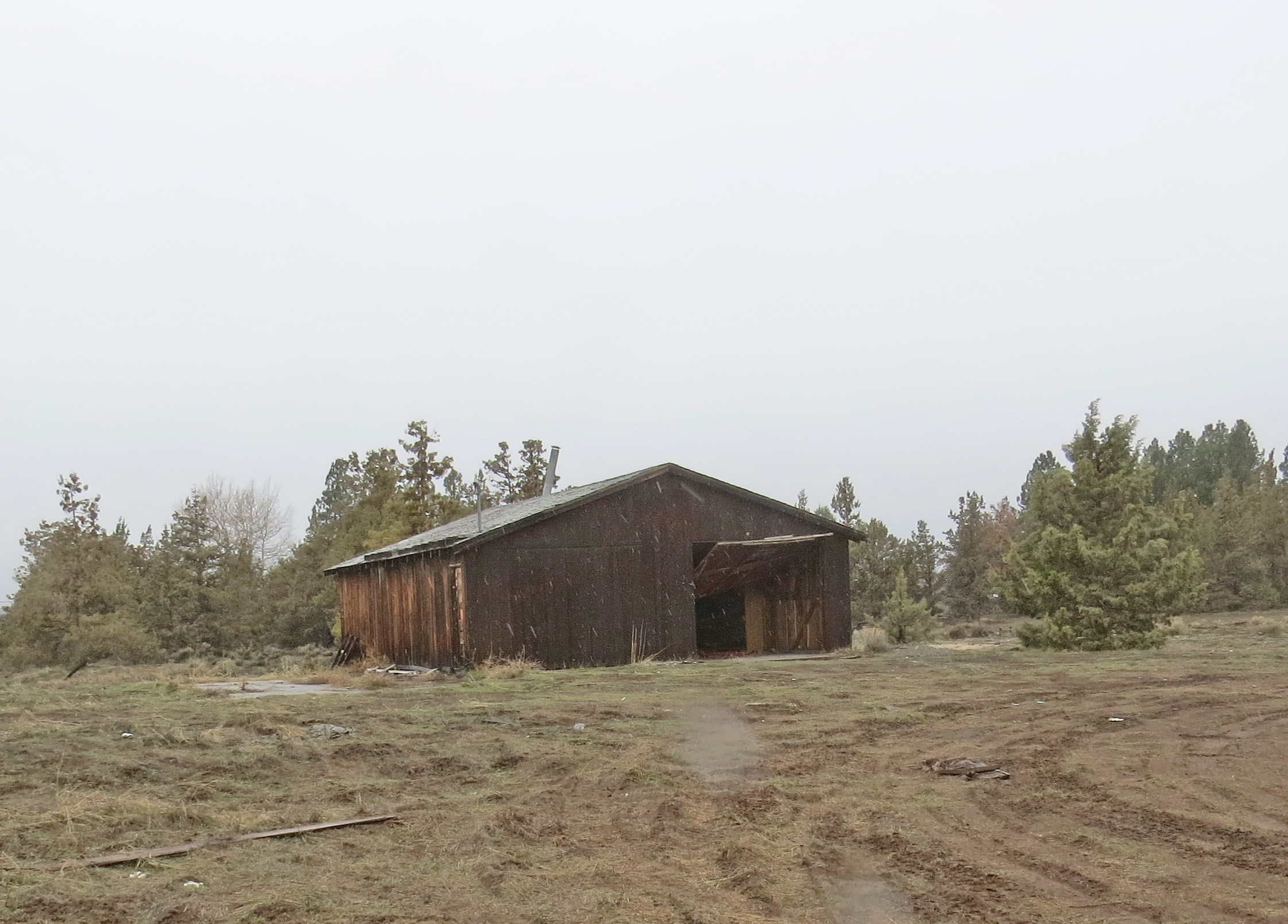
Barn Two, on a long-deserted farm further away has for many years stood untouched. Now, its land, partially cleared, perhaps is in a situation similar to Barn One. This small city greatly needs space available for building new homes (often referred to as “affordable housing”–whatever that means vis a vis high purchase prices). Barns One and Two each stand on ten acres or more. Today’s legal small lot sizes would allow for building hundreds of new homes, complete with teeny-tiny yards, where each now-lonely barn stands.

Barn Two on recently-cleared land

Besides hoping to capture color variations, I wanted pictures of the buildings themselves as relics of this area’s rural history. Through my relatively few years here, this once sleepy community has grown and changed dramatically. Yesterday, my sense of urgency seemed driven by the larger alterations of status quo as much as by weather and colors.

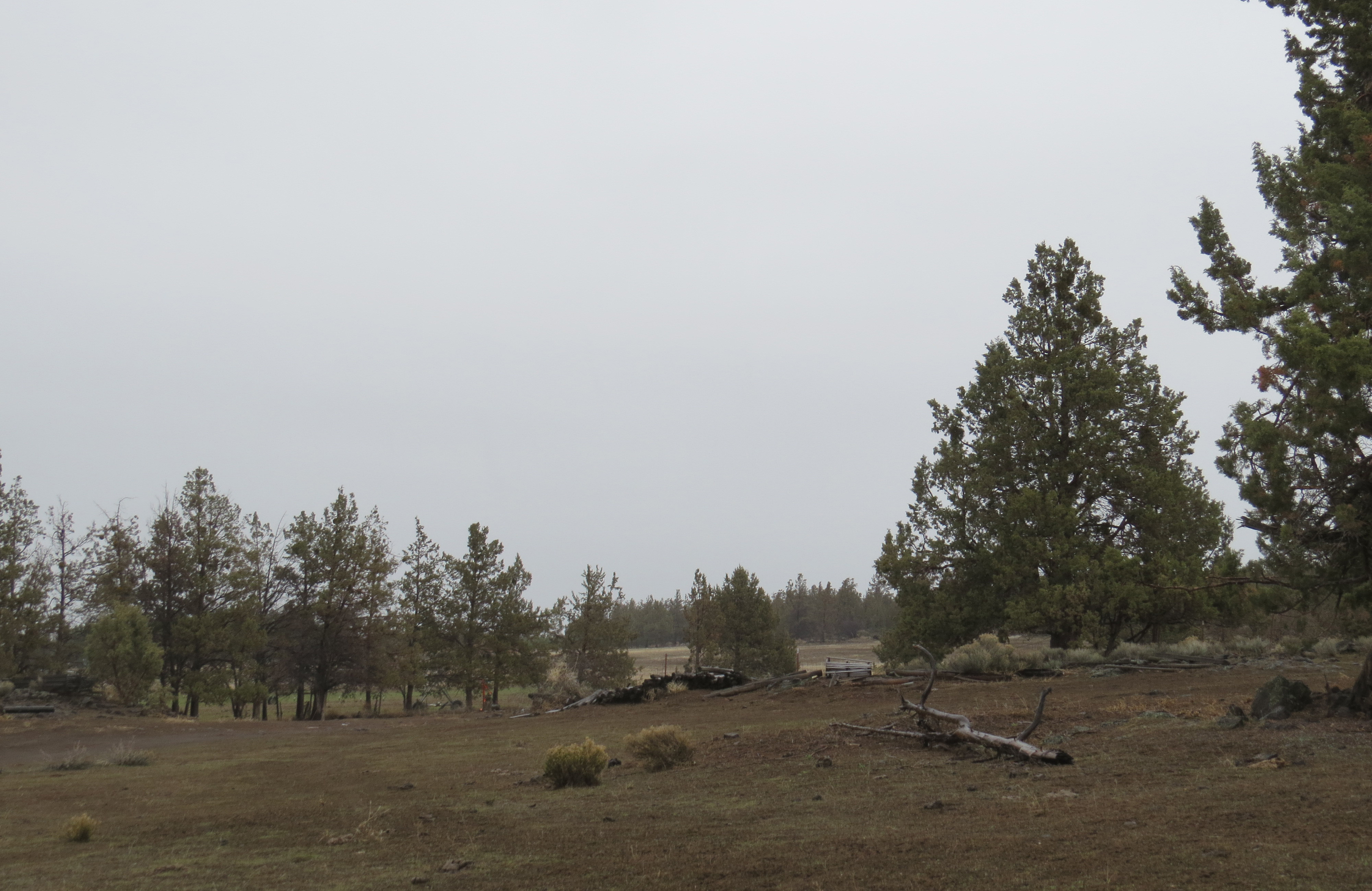
The rain proved too much for my unprotected camera which became argumentative while adjusting to distances. I managed to finagle a long shot for “a look of the day”, and it turned out to be right on. The weather that was too dreary to capture all my planned visions yielded cherished memorabilia.

Cloudless, damp north view, from slightly east of Barn One

Dear Readers, thanks for coming along and enjoying yesterday with me. Diana

Hello Spring

Ready to Climb

Sunday, April 07, 2019

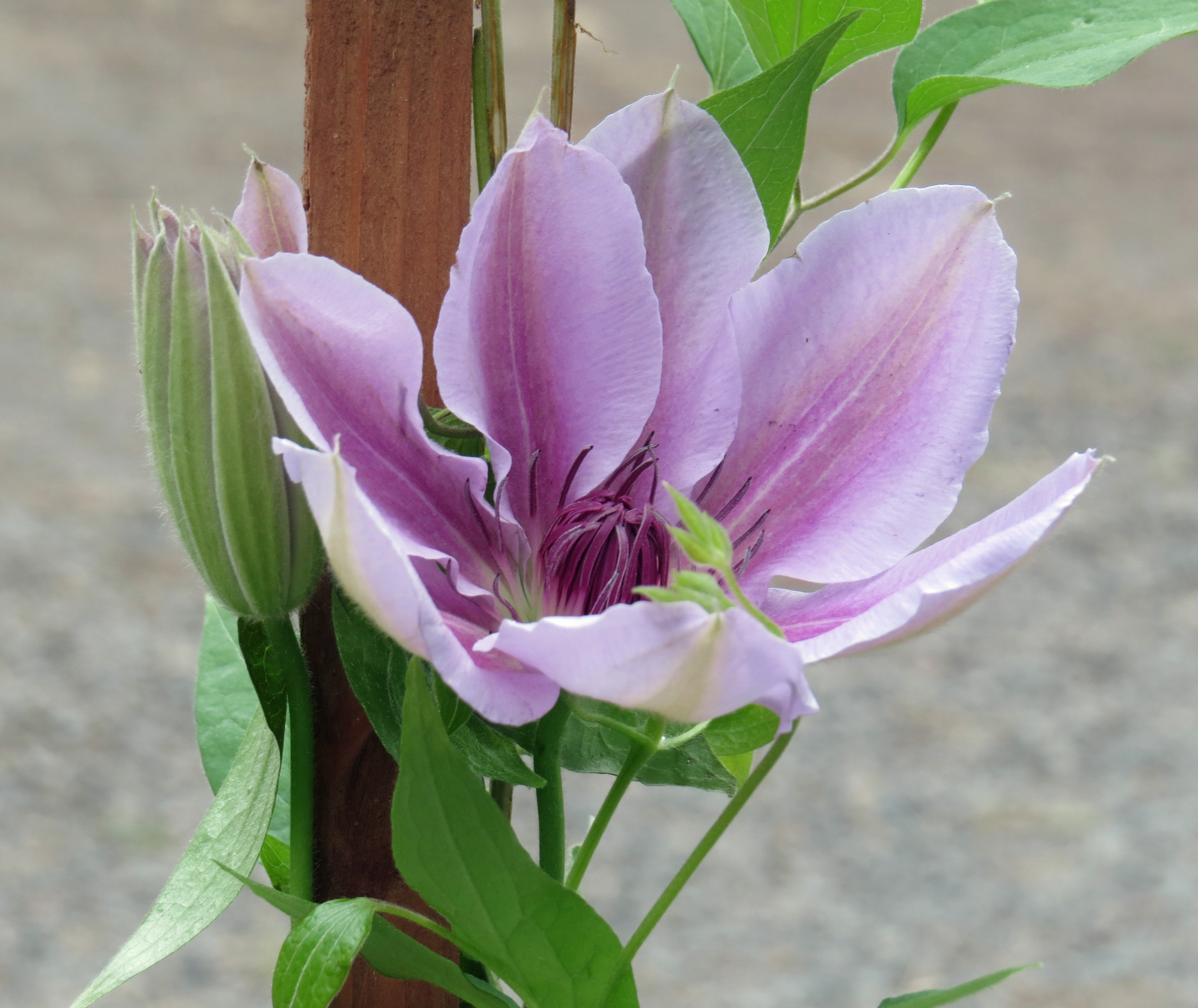
The flowers have arrived in stores and perfect timing for starter plants, appealingly fresh and beckoning. These days with slow rains have made our soils perfect for digging and planting. Unable to resist, I have several pots of young plants set out and soaking-in the overcast damp environment. My problem with putting them into the ground is figuring out where to plant in this rocky landscape. Some plants could continue in pots, living on the deck, but others like Clematis have special needs.

Unable to resist, I’m again carried away. Several years ago, I brought home several starter fruit trees–young, beautiful plants–and worked hard to dig spots, set trees into the ground, and top their newly covered roots with moisture-preserving hay. The healthy trees grew strong. On their outstretched limbs beautiful leaves waved, encouraging my fantasies of a future with homegrown pears, apples, and peaches. That is, until the morning I ambled outside and with sleepy eyes found, that in the night, passing deer had stripped bare those young, unfenced trees. Right then, decision time: No more baby plants!

So, here we go again. A spring habit of purchasing plants is an offshoot of life in a high dry rocky environment where spring arrives slowly and in patches. Folks around here looking for typical signs of spring, like sprouting flowers and re-leafing deciduous trees, buy plantings to speed things up–but we co-exist with wildlife, a serious consideration. In my local area, it’s migrating deer that mostly keep folks on their toes about what to plant and where.

Too little color

I’ll figure out how best to preserve and enjoy these new plants. They appear beautifully fresh and alive against our still-drab backdrop. Right here, it’s all lava rock and wet juniper bark. Okay, maybe these will be short lived sparks of light, but meanwhile color, and hallelujah!

Dear Friends, have a wonderful day. Diana

Tiny Life Pallets

Lichens & Moss

Saturday, April 06, 2019

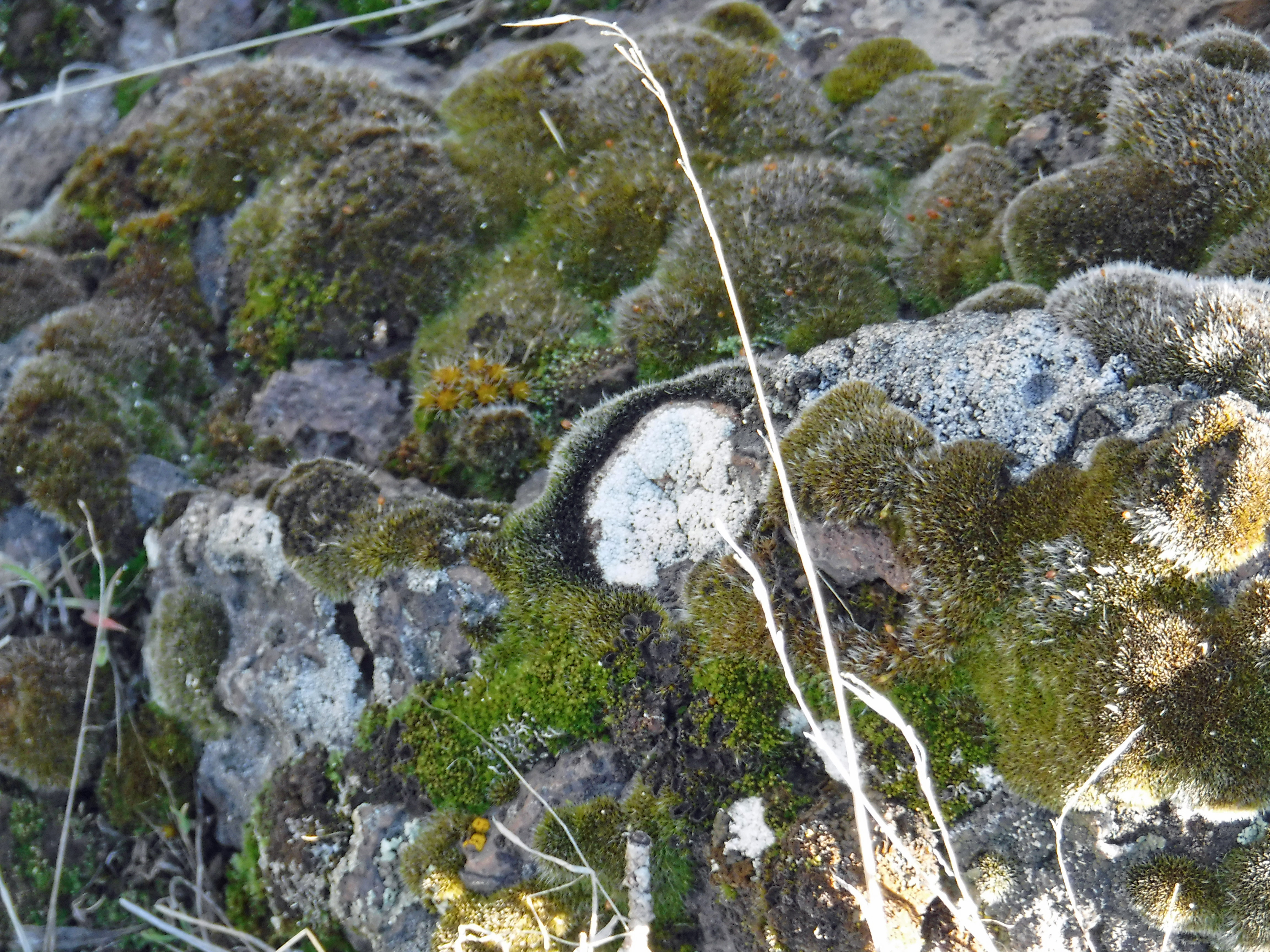
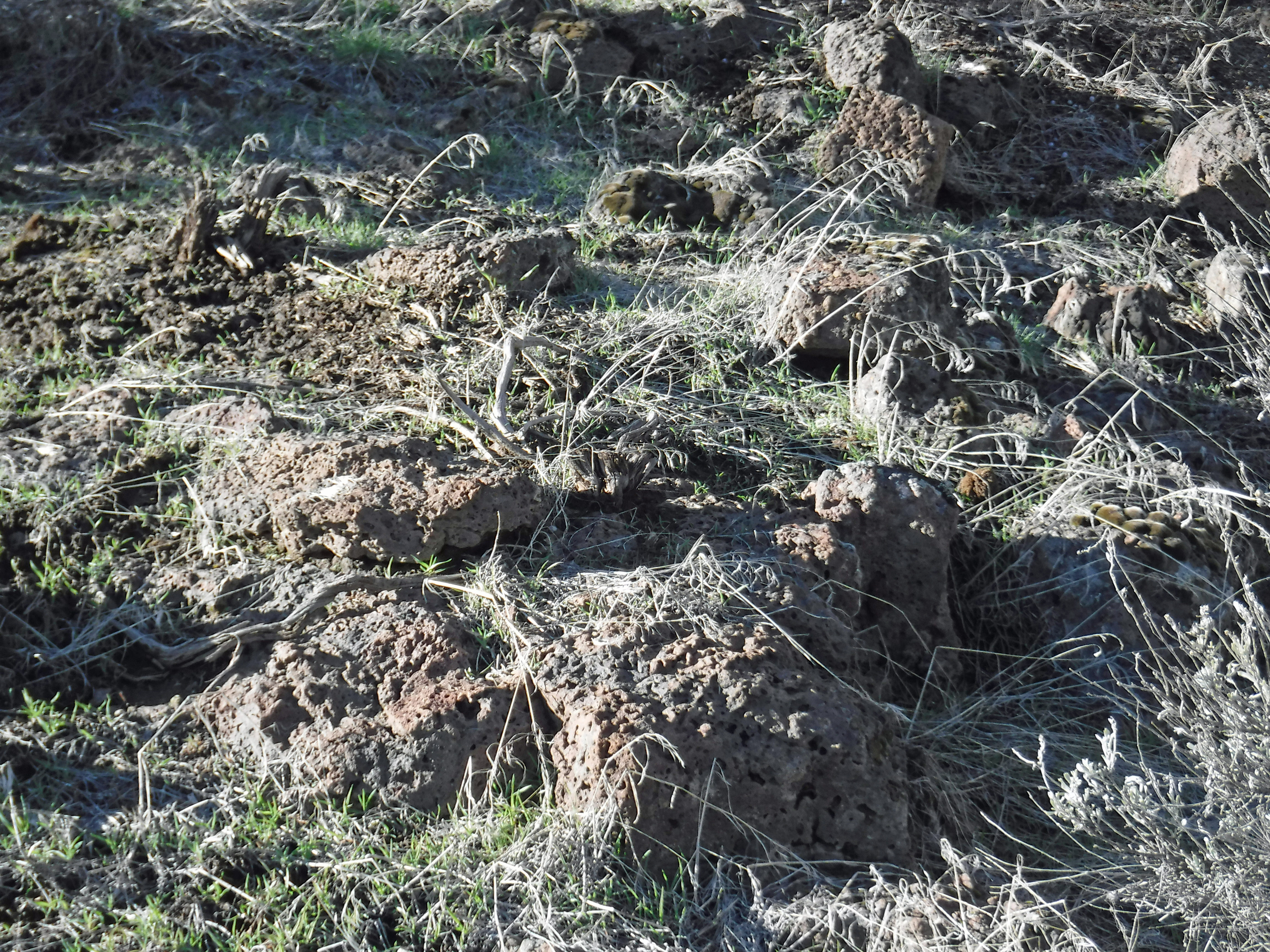
Of unending interest to me are lichens and mosses, alive and thriving without human help or intervention, on ancient volcanic lava rocks covering much of my small acreage. The photo above shows two common fungi. The white patch is crustose–a crust on rock or other surface. Of course, the green spread is moss. Lichens are a combination of algae and fungus. The algae make energy through a process of photosynthesis and fungi provide protection from the elements.

Mosses are small flowerless plants that grow seedless and with very shallow roots. They attach themselves to rock surfaces or tree bark. The roots are too shallow to absorb water so mosses collect rain and water that runs over their tops. Since moss mostly thrives in shady areas, I’m not certain those inhabiting my desert rocks are true mosses and not another form of lichen.

Moss and grass

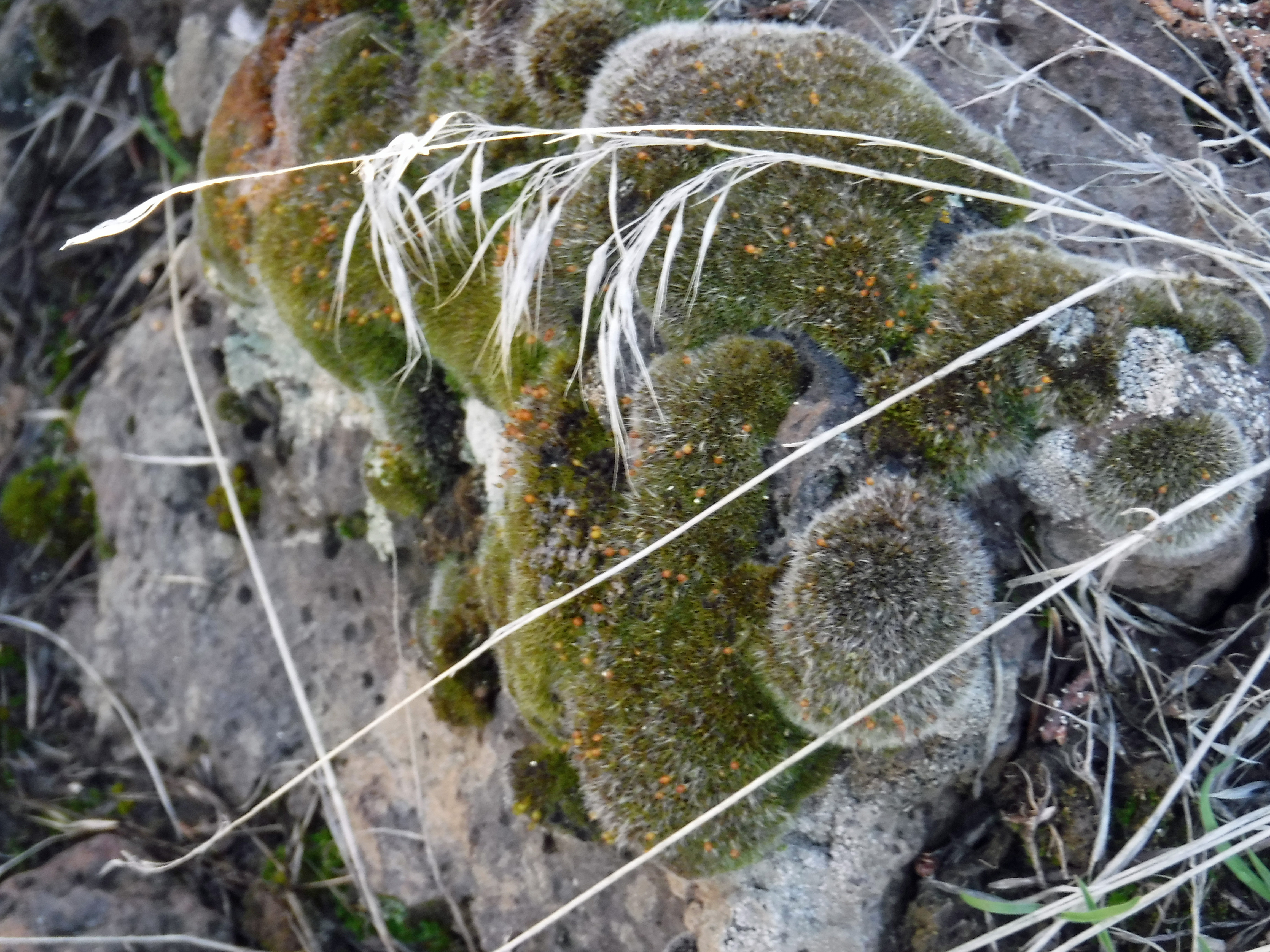
Lava rocks are full of holes that originally were formed by hot gasses that burst out during the ancient volcanic explosions that created this Pacific Northwest high desert and flooded it with rocks. Rock holes provide “footholds” for the tiny, sometimes microscopic, plants thriving on them. My general geographic area has over 1,000 species of lichen. On a single rock, several species may be living together, forming a tiny ecosystem, with various species performing different functions.

Pretty pie-shaped ecosystem

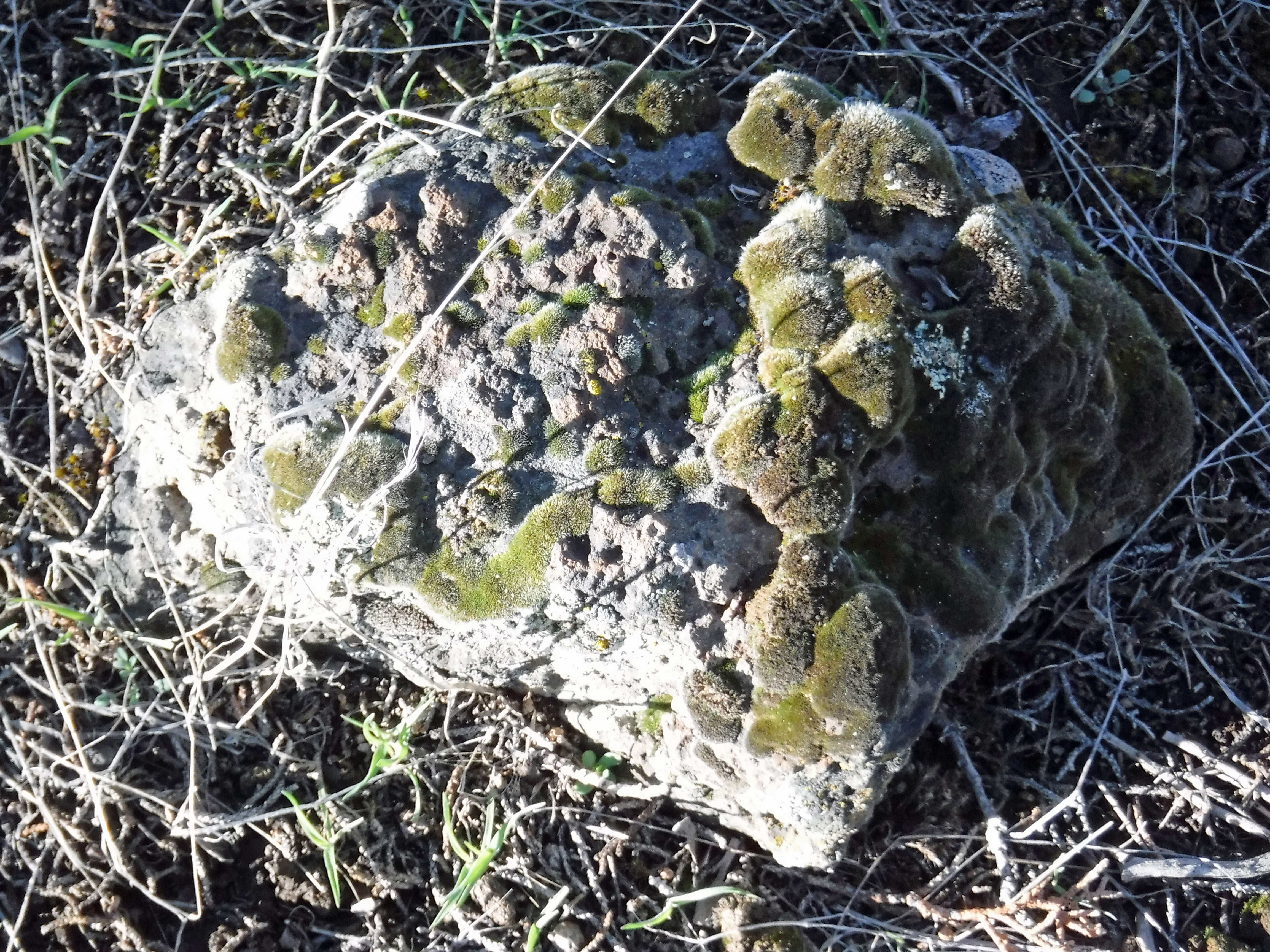
It’s daunting for a novice like me to identify various species and comprehend specific architectures and functions. I’m learning to grasp the strength, beauty, and importance of these tiny under-the-foot plants. To me, these rocky pallets increasingly look like art.

Rocky patch with a multitude of hidden life

There’s an amazing variety of life on this planet. These tiny plants thrive from nutrients in air and moisture, and signal the general environmental health of their locations.

Dear Friends, It pays to be sensitive to all that’s below, above, and around us. Diana

A Transfiguration

Diana Lane

Friday, April 05, 2019

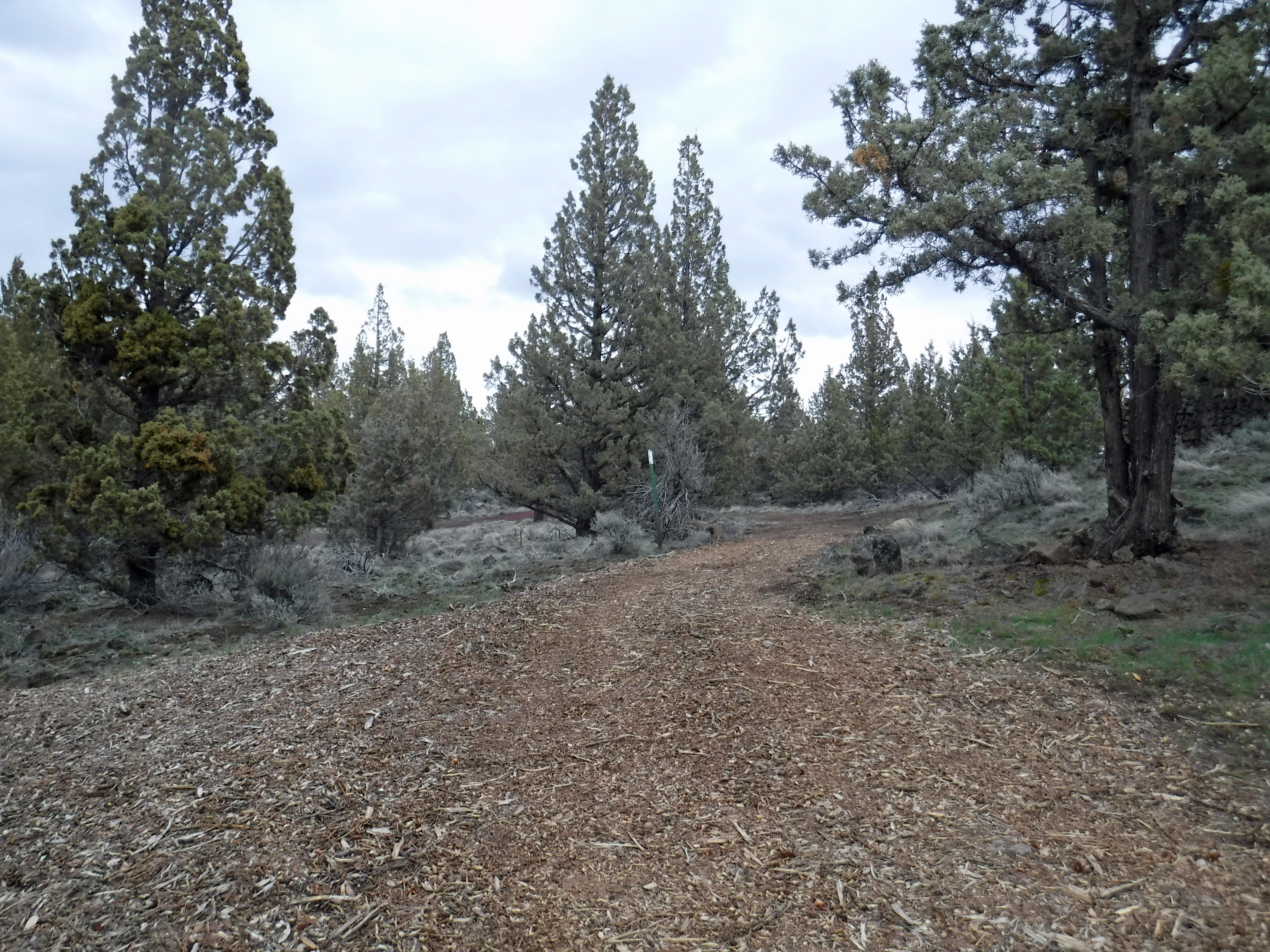
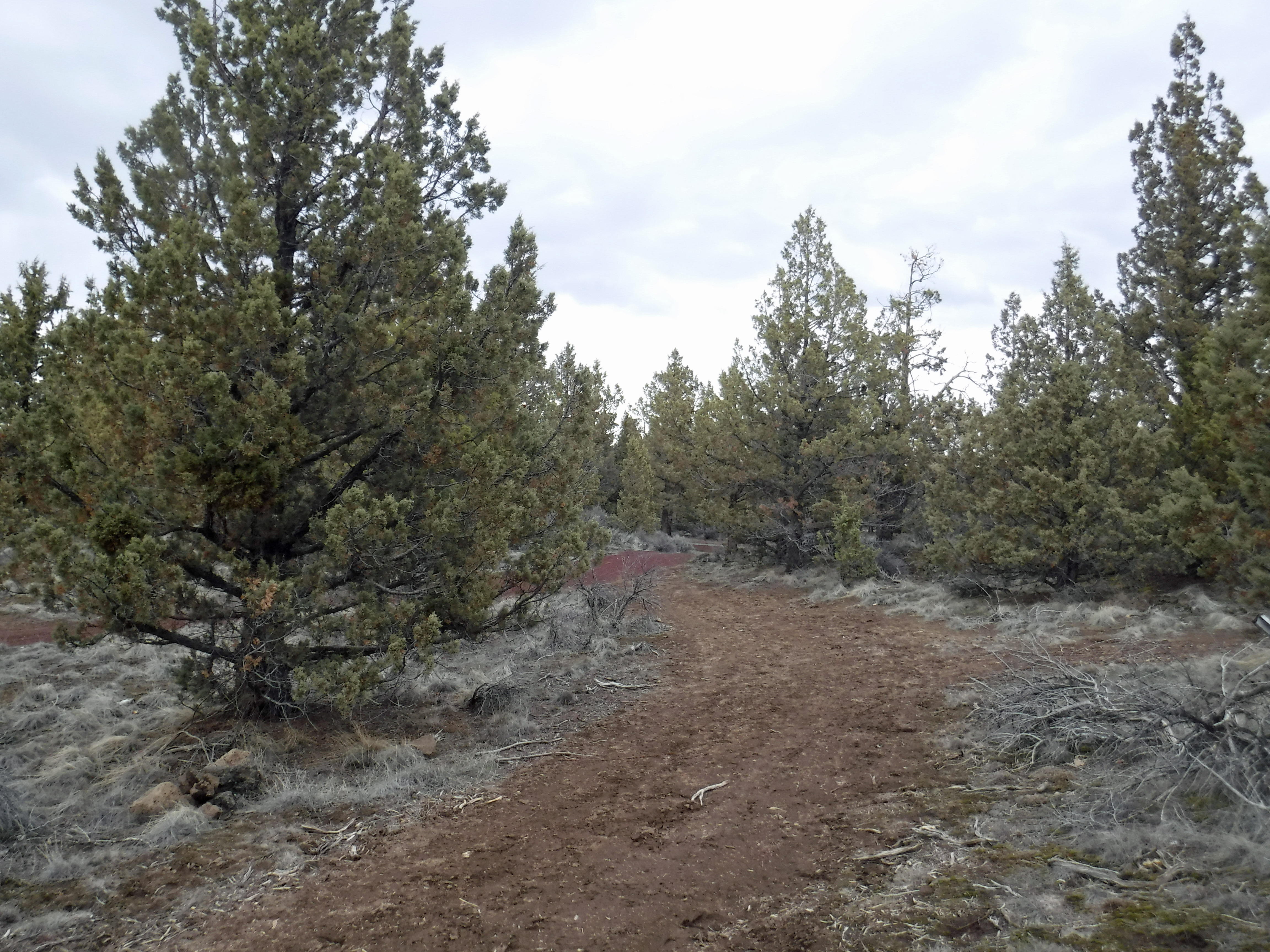
Diana Lane is not a person, but a pathway through a natural rocky area. Creating it required several years of diligent labor. The photo above shows the part covered in wood chips that begins on my property. Up ahead and around a slight curve, it connects with Starkey Lane, on my neighbor’s property.

Starkey Lane, up ahead

The entire Diana Lane soon will receive a cover of identifying red cinder rock to match Starkey Lane. The red cinder rock will unify lane sections and make everything pretty.

Creating Diana Lane has required digging and moving numerous lava rocks, those that could be dug from the ground. The remaining rocks are solid bedrock, unalterable without dynamite but level-enough to ground, and not particularly bothersome.

In previous springs when wet weather made this hard high desert ground more easily dig-able, I worked with shovels, crowbars, and used a tow strap attached to my Gater to budge huge rocks. By rolling massive rocks onto a sled, I found the Gater could tow away the biggest.

I didn’t undertake this project because I’m crazy, oh no, unless owning horses is crazy (well, maybe so). A need arose from wanting to lead my three equines by foot from my property to a neighbor’s pasture. Avoiding a possibility of meeting vehicles in the neighborhood meant having an off-road path to Starkey Lane. The rest is history.

This spring, with the lanes finally covered in red cinder rock, this project will be a wrap. I won’t again need to hand-lead horses until next winter, as this spring’s new grass is too sugary for pasture hours. But this safe pathway is handy for a horse-pulled cart, leaving the property and then returning, once we’re again driving.

Friends, have a wonderful day, Diana.

Water Worlds

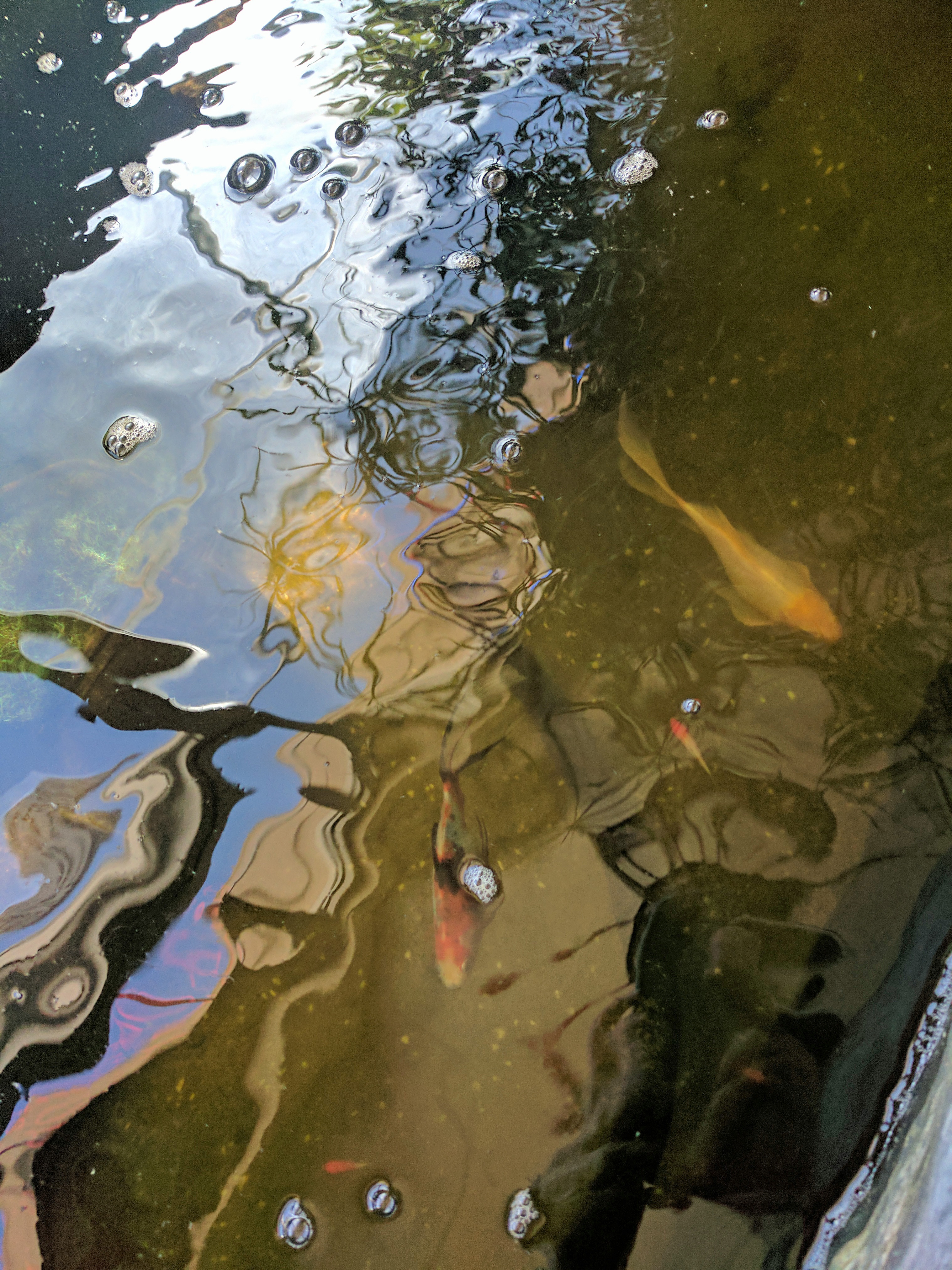
Goldfish in water trough

Thursday, April 04, 2019

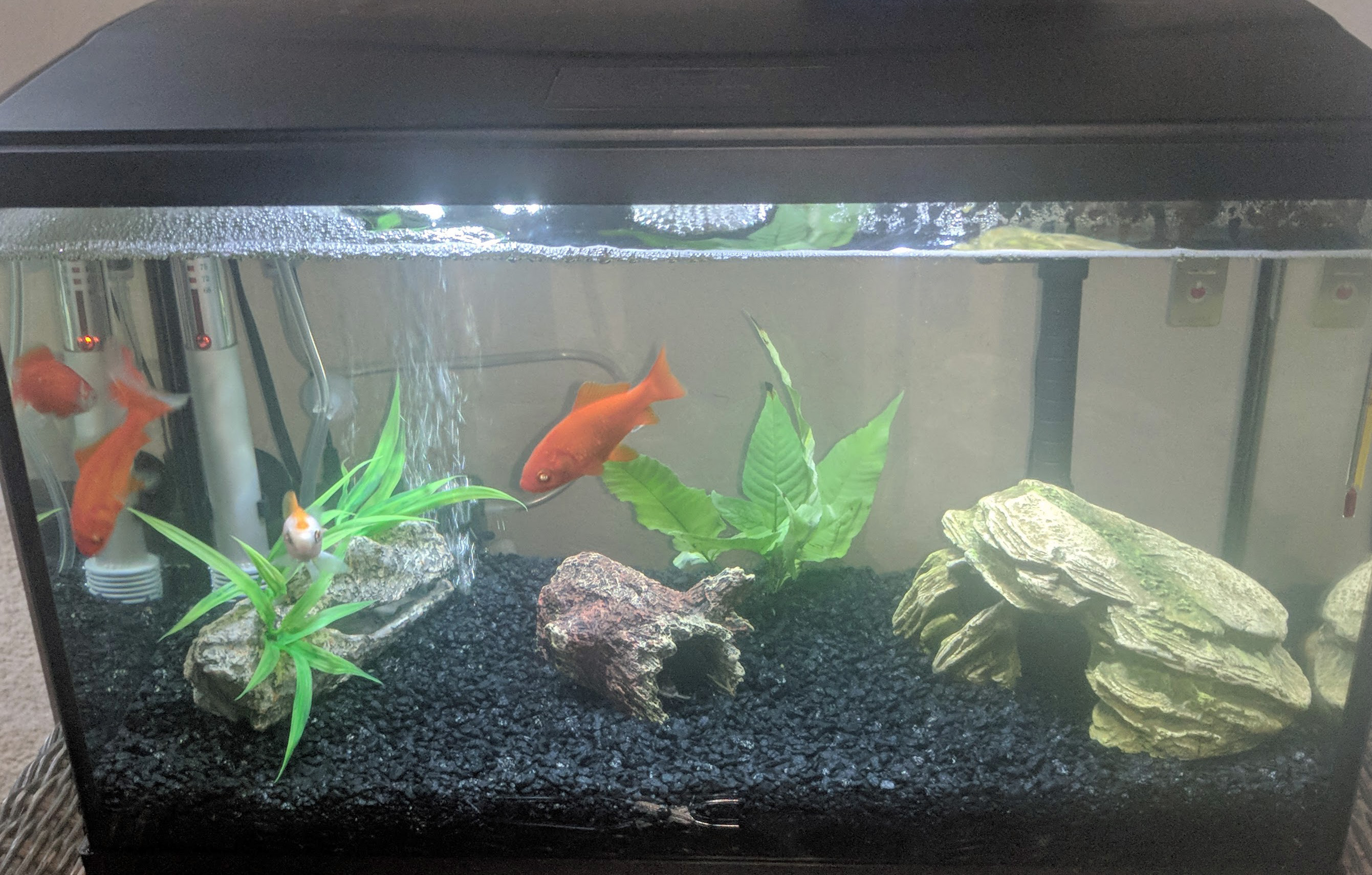
While out running around looking for signs of spring, I paused to fill the horses’ watering troughs and spotted goldfish for the first time this year. Until now, it’s been so cold they’ve mostly stayed below under the heating mechanism and out of sight. But they’re still alive, healthy and thriving.

These fish, some now as much as five or six years old, began their lives in my troughs as former “feeder fish”–small mixed goldfish types that pet stores sell for feeding larger predatory species. Early on, it was a surprise to find they could live long and well in the troughs. They stay warm in winters by hanging out near the heaters, dive low when the horses dip in to drink, and come up for sunshine and float near the top when its safe.

I feed the fish during brief periods when their trough newly is cleaned and its water changed. A couple or three times annually, a trough’s insides are scrubbed clean of algae, which is the fishes’ main food, and so, I supplement. The fishes also get treats from birds perched on a trough edge to dip and soften their catches, sometimes dropping in a little protein.

When a fish looks unwell but saveable, I take it into the house awhile to keep and observe in a little aquarium. As last winter began getting cold, one trough heater failed and I became concerned for its fish. So, through this winter they’ve been insiders.

Before long, it’ll be trough cleaning time and these will go home again.

Aside from the surprise of learning that these little throw-away fish can live for a long time in a confined, relatively unattended environment, another has been discovering that one can become attached to the critters. They grow in varying shades of red, some solid, others splotched, some have long, flowing fins. All are beautiful and they get along well together.

Once these insiders go back home, I’ll add a couple of underwater frogs to the aquarium. I’ve become very interested in frogs.

Readers, thanks for joining me this morning, have a great day. Diana

Desert Oasis

Lichen and soaked barks

Wednesday, April 03, 2019

Another day of drizzle, as background to my sad mood from suffering a shingles shot that turned my entire body into a massive ache, that felt like the beforehand of a whale of a cold. By late afternoon and feeling more like myself, I ventured outside to see how these several days of rare, slow rain might have altered appearances. Of course, our rain coming on the heels of three weeks of deep standing snow, recently melted, has transformed the high desert into an environment that seemed to my thirsty soul nearly oasis-like.

Variation with snow

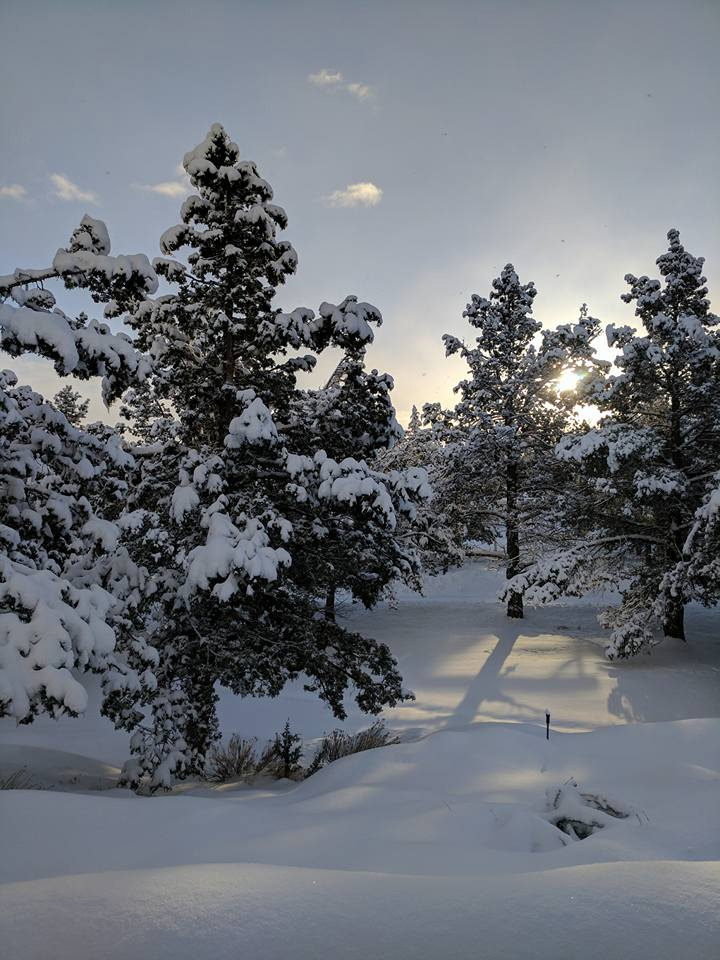
Here’s a close-by of that view taken only a month ago, when to reach this spot near the barn required snowblowing a path downward some one hundred feet from my house. Happily, this spring has provided our desert-like environment with nearly adequate moisture reserves.

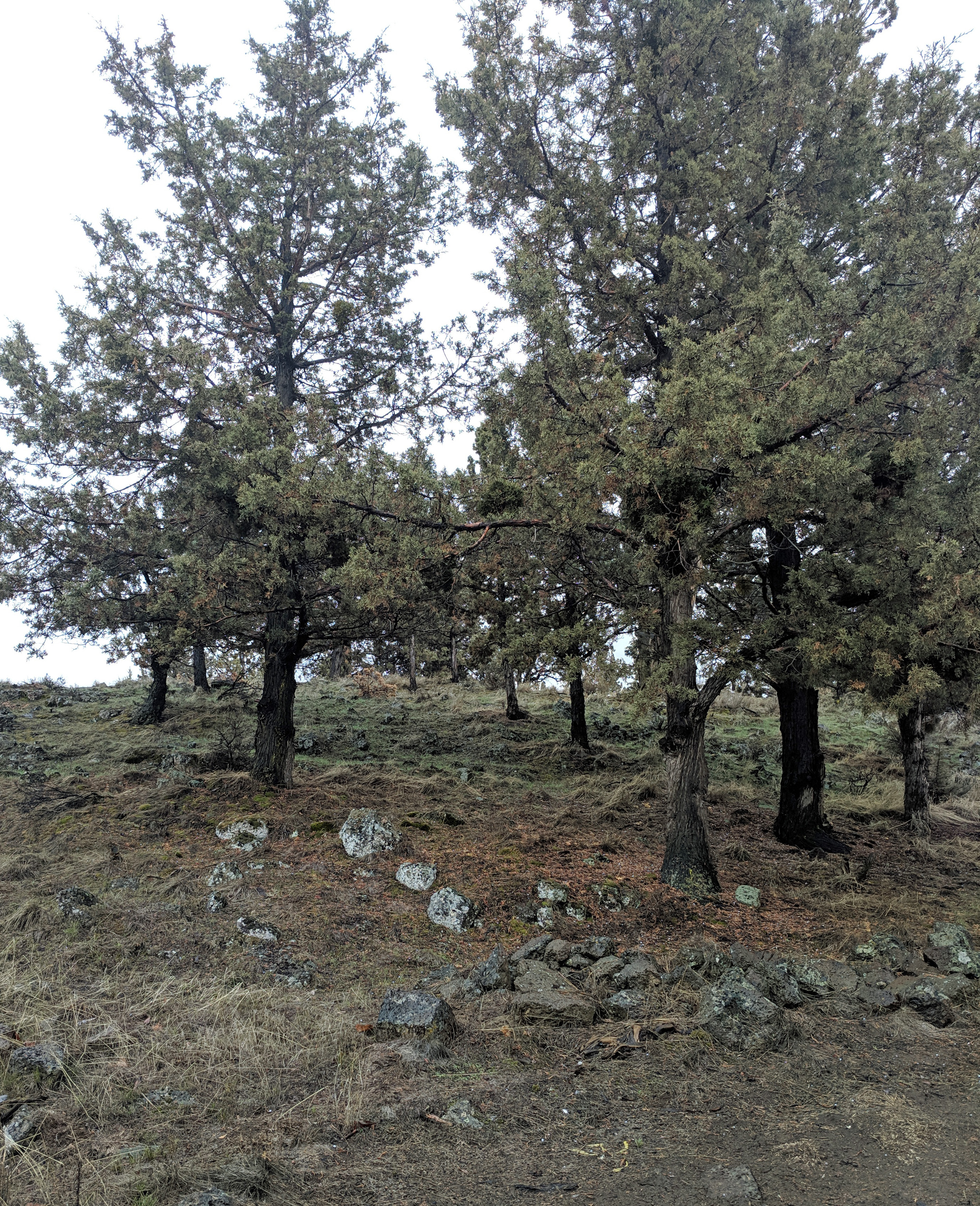
A natural element here of great interest to me are lichens that are abundant in this rocky area, the aftermath of ancient volcanic explosions. I’ve learned that, similar to our understanding of frog populations in watery environments, lichens are early indicators to an ecosystem’s overall health. They’re very sensitive to pollutants and changes in air quality, and whether the growths flourish or disappear is an important indicator.

In this unusually wet weather, our locals express a mix of complaints and appreciations. Late yesterday, while out on a couple of errands, I listened to a fellow at the feed store speaking of his love for and dislike of this spring’s onslaught of moisture. When a lady at the grocery questioned my feelings about the rain, my response was mixed, sort of like the feed store guy’s.

Finally coming home, I glimpsed gorgeous sights: swollen tree trunk barks with outstretched dripping limbs, distinctive rocks surrounded by hints of greenery, reflected lights in moisture everywhere. This is a brief respite, it’ll soon end and we’ll head into the dry summer heat that’s not intolerable in the high desert.

Clean morning sky, blue & nearly cloudless

Friends, today will be lovely, for being outside, looking around, and enjoying. Diana

Shimmy-On, Like Kate

In Klondike Kate’s Hayday (Bend Historical Society)

Tuesday, April 2, 2019

The rain fell all day and night, it continues this morning. For a change, that’s okay, for I feel under the weather, and blame my stiff, sore body on the shingles vaccine that I received yesterday. That was a second dose and much worse than the first. The rain will be an appropriate background for me staying inside and dozing in front of the telly.

When I feel blah, I think about one of my favorite people, Kate Rockwell, who incidentally lived in Central Oregon. A brave go-getter, she made a fortune entertaining gold miners in Alaska’s early days–and her own early days (she was about 18). A love affair went wrong, and after losing lost all her savings to the charlatan, she drifted south to Oregon. Someday, I’ll write about Kate; meanwhile, on this, my down day, she’s a powerful role model.

Her courage will help me suffer through that annoying vaccine. Maybe the shot makes others feel poorly, too, and it’s expensive, not covered by insurance–maybe because it’s a prevention and not a cure. Developed in 2017, it replaces an earlier vaccine which many (including me) already had received. This new version is touted to be something like 65-percent more effective, and doctors recommend that we go for it.

The two required injections of the new shingles vaccine must be administered at least six months apart. I don’t recall even noticing the first dose, but could feel the second shot in about six hours from unexpected pain at my shoulder’s injection site. This morning, all my joints ache while I’m moving stiffly.

I tell myself that this bit of misery beats an attack of shingles, a painful blistering disease that often recurs. So, bring on the rain! I’ll be snuggling with a dog under a heated blanket, catching up with Netflix, and making plans to blog about Klondike Kate.

Dear Friends: This new vaccine isn’t as bad as coping with the disease. Diana