Images, Sounds & Colors

Lei Jia

Sunday, July 05, 2020

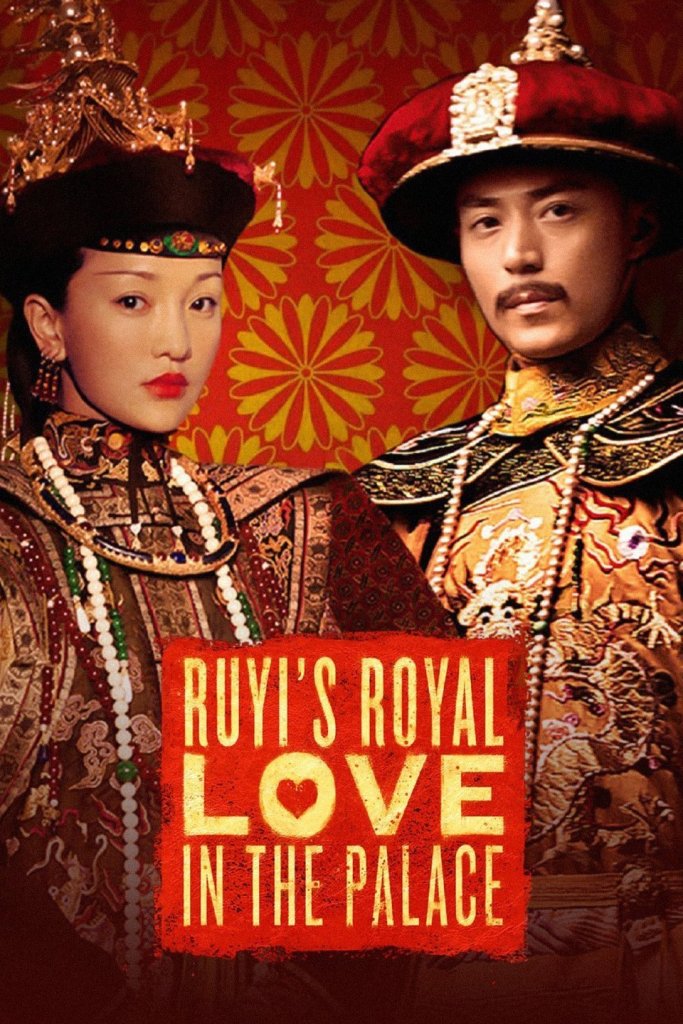
I’ve been hooked on the Chinese drama series, “Ruyi’s Royal Love in the Palace”, a sumptuous watching experience, it’s visually glorious with lovely soundtrack themes. It’s long, Season One is endless with 87 episodes, its cast seemingly consists of thousands. To my Western eye, it’s often hard to distinguish who’s who, except for an individual’s makeup or perhaps for her style of eye-rolling.

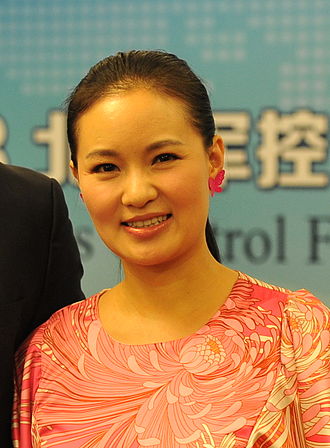
What got my interest aside from the acting talent in key lead roles has been the series’ overall beauty and its musical soundtrack. I’ve needed some time to discover who’s singing on the soundtrack. The search has me discovering some of China’s popular crossover artists. For example, a stunning vocalist is the coloratura soprano, Lei Jia. She performs on “Ruyi’s” soundtrack, her available recordings in Chinese are captivating, and she’s also a key soprano with the Metropolitan Opera.

I’ve long been out of touch with a modern world of classical music. My preference has been for the classics, mostly listening to well-known singers and musicians who perform spotlessly. Recently, it’s captured me to discover that there are young and incredibly talented artists who demand attention. For example, there’s the crossover pianist, Juji Wong, who in action is pure dynamite.

The new blends of world music make listening fun, interesting, and has fostered artistic creativity in all aspects of musical production and performance. This has carried into the visual arts–like the “Ruya’s” series–eighty-seven episodes, about competition and misbehavior in a harem! Occasionally the script seems a bit boring, but certainly never its blend of social history and crossover artistry.

Dear Friends: These weeks have encouraged online searching and yielded worthy outcomes. Diana
Quiet Nod To History

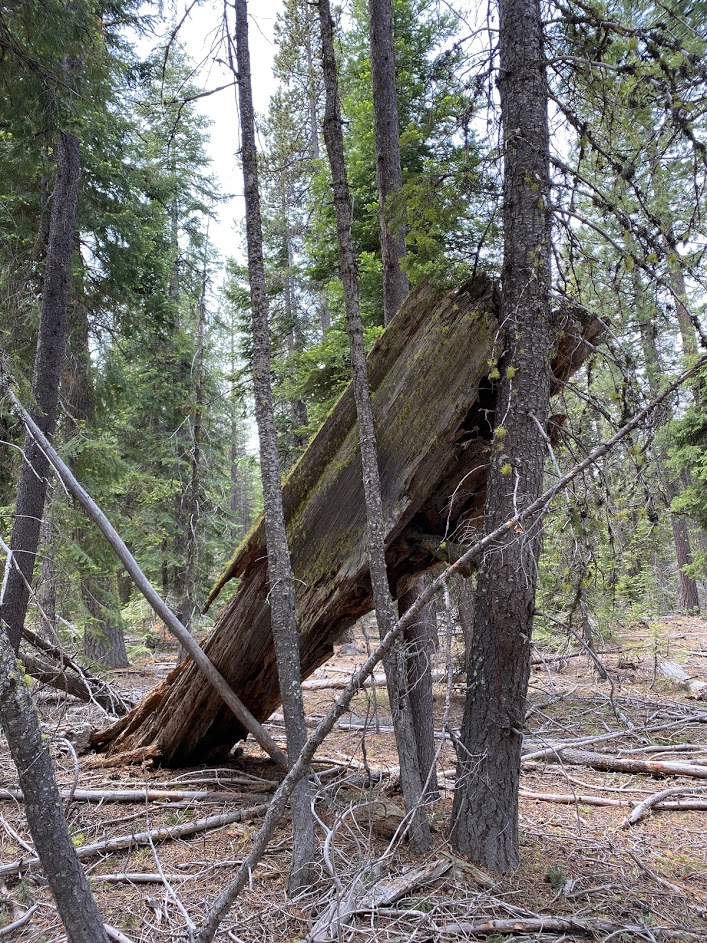
“If a tree falls in the forest….”

Saturday, July 04, 2020 Independence Day

This year’s holiday is short on firework supplies and so far the environment has been less noisy, and many annual typically big and colorful celebrations are cancelled. In my neighborhood, after hearing only one brief round of poppings, I’m relieved, for tonight might remain quiet and the dogs may rest well.

July 4th is a very strange holiday anyway. Fireworks do more than disturb peach, quiet, and rest. They’re especially awful as easy sources of injuries for kids. I’m thinking back a million years to when we kids annually played with firecrackers, little explosive devices that caused many injuries and eventually became illegal. Their replacement, fireworks, are less noisy, more colorful, but also do cause injuries. These days, fireworks mostly are left to the hands of professionals for displaying.

It’s reasonable that nations have historical events taught to children, remembered when those kids become adults, and passed along to a newer generation. Many people’s historical references are from annual celebrations, of national events, significant lives, and technological spectacles (for example, the early moon shots–flyovers, landings, and tragic misses).

A common sense of major events bind a nation’s residents. It’s no accident that a video production of “Hamilton” has begun streaming for free over this July holiday. If there’s too little of lights and noise to remind us of our nation’s beginnings, we’ll experience the early politics in costume and music.

Maybe we’ll learn that this holiday can be great without lots of racketing and skylighting.

Dear Friends: Have a wonderful weekend and be safe. Diana

Riding High

Friday, July 03, 2020

Wow, I’ve been listening to Nina Simone and Janis Joplin. What a way to begin a morning, trying to wake up while listening to these artists. They transform ordinary feelings into a sort of emotional rollercoaster, from which one not wanting to escape wants more. But reality prevails and outside are waiting hungry horses.

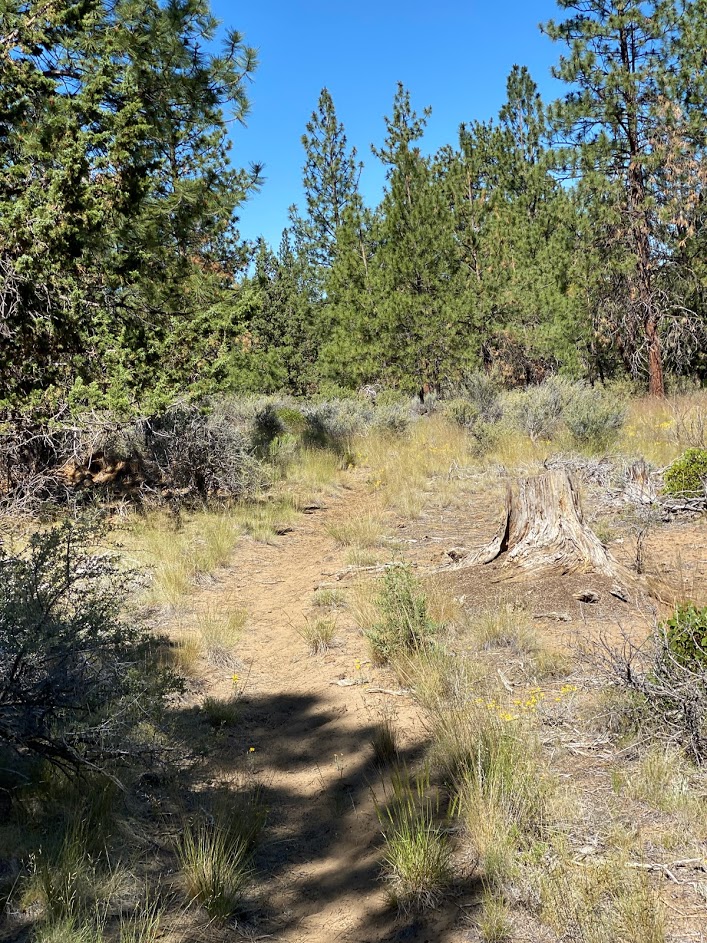
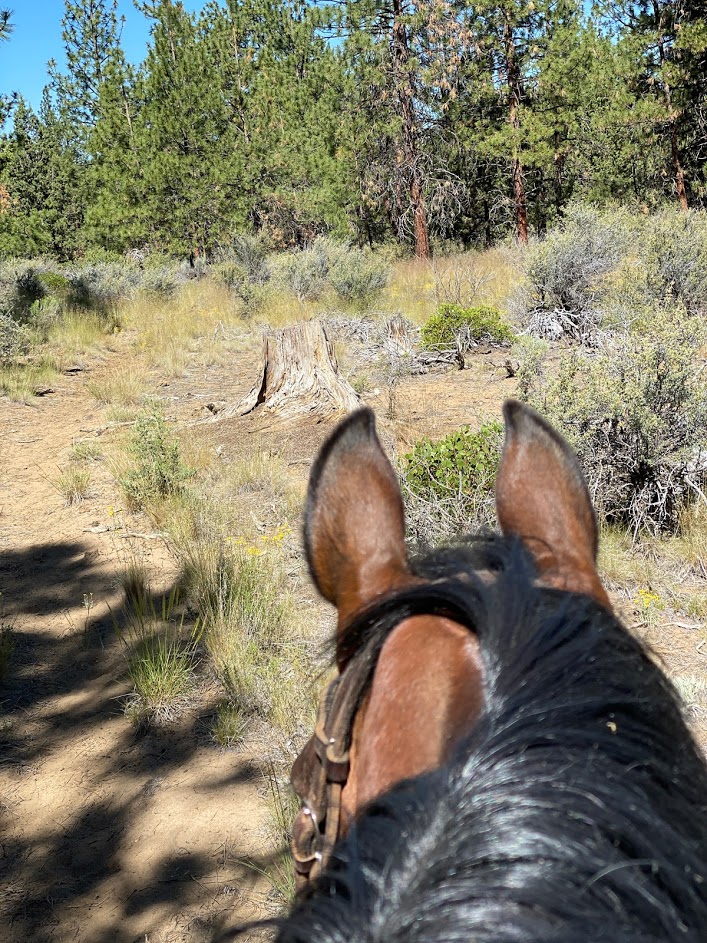
Yesterday, I rode in a small relatively unknown area. Years ago my explorer, horseback loving friends, Julie and Dave, introduced me to this area, where often my dogs and I might go to amble around. Our little hour-long hike consists of a loop, about a mile and a half that I’ve considered the territory’s extent. Not long ago, Dave disagreed, saying “You can ride out there as far as you want.” I began to wonder and so decided to go there with my horses as well as the dogs.

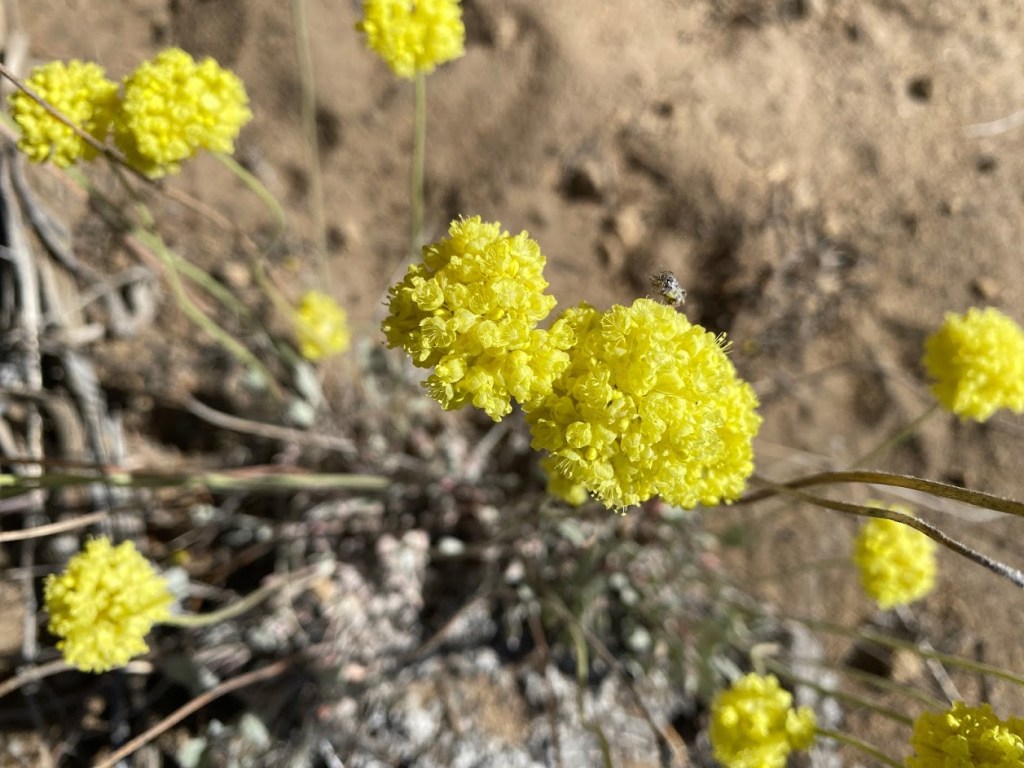
As usual, I rode one horse, ponied another with Pimmy following and the dogs running alongside. Instead of turning as usual to start my familiar circle, I kept the horses moving straight ahead. We followed a little trail that soon moved us into desert lands. We walked surrounded by sage, bitterbrush, and wildflowers. We trod alongside large rocky formations and near old dry stream cavities. It was a beautiful place.

The event was awesome. Instead of limiting the outing, I decided to trust my friends, and as they promised that territory seemed to expand. The area isn’t huge but its network of trails make it seem so. My horseback ride was fine. The running dogs wore themselves out. Topping all were my senses of pleasure, freedom, and comfort. Those good feelings remained with me on the way home and lasted through the afternoon.

Dear Friends: Once open to possibilities of discovering beauty, we find it all around us. Diana

Action-Ready

Butterball Blooms

Thursday, July 02, 2020

It appears that Costco’s food demo program will return to life in a month or two. I received a notice from my former employer inquiring about my interest in working again. Well, yes, extra money would be welcome in these tight times.

By the time of demo restarts, it might be unsafe relative to distancing and germ-spreading to hand out food samples. The notice to assess my interest also asked about my willingness to “dry sell”. That means talking about a product instead of providing samples. We experienced sample servers always find it more difficult to dry sell because customers love receiving free samples. Most folks rarely are interested in pausing just to listen. After these months of hiatus and no income, most experienced sample servers willingly will do the required talking.

It’s been lovely, having many weeks without paid-work obligations, but I’ve missed my fellow employees and also casual acquaintances among the Costco workers and shoppers. This small city has only one Costco, so one becomes acquainted with many who regularly are there. Last week, I shopped at Costco and noticed that the food court has reopened–a signal of the store’s re-expanding offerings.

Following my former employer’s inquiry and my affirmative response, I’ll await what develops. In case all goes smoothly toward my rehiring, I must start to wrap my head around the idea of returning to work. That does sound okay, but will mean less time with my horses and other critters, less time to work on improving my property, and less time to do the reading that feeds my brain. It will interfere, too, with with my forest-trekking, with dogs, to hunt mushrooms.

This long non-working period (and my first-ever) has been wonderful.

Dear Friends: On the verge of discovering, experiencing the long-anticipated new normal. Diana

Musical Memories

Wednesday, July 01, 2020

While punching buttons on my newly installed powerful car radio, I found jazz coming from a station in the Portland area. Cool sounds from a trumpet, Miles! My searching finger paused.

Caught in surprise, I wondered where I’ve been? What have I chosen to listen to after those old days of innovative new jazz? Why haven’t I continued following sounds from such as Brubeck, Coltrane, Monk, and Hancock? What about the talented ladies I loved, like Holiday, Fitzgerald, and Vaughn?

My radio listening in Central Oregon, and through an average component, has limited my choices. Easily accessible stations provide sounds that most current listeners enjoy. The best receptions come from stations providing country-western, rock ‘n roll, rap, pop, religious, and acid rock. Sometimes I tune into one of those, but my dial most often sets on NPR.

Thinking about my musical past, maybe I began to drift from listening to music when CDs started making way for online streaming. There had been problems with CDs. Players sensitive to dust often failed. The disks needed care and cleaning. Streaming seemed easier, but somehow not to me.

Don’t misunderstand, I like many modern artists and can listen with joy. NPR usually finds my music, and I’m attentive but don’t purchase recordings. These modern times offer a variety of streaming venues that capably fill many visual and sound needs. A streaming retrospective of something like Nina Simone’s work is to experience wonderful music from the past.

Finding the Portland jazz station reawakened me to artists and sounds from which today’s best music evolves. I’m not necessarily in tune with all that’s currently popular, but easily do appreciate the musical beginnings. The jazz station reminds that everything today stems from the swing era, the big bands and their singers. Then came the innovators who creatively improvised on earlier swing sounds.

I’m going modern, am streaming the Portland jazz station while writing. It’s making me remember, is refreshing, but also distresses. I’ve bypassed music and removed elements that touch my soul. These days of social and political stress make it feel extra-good to immerse my head in the old days of swing and jazz standards.

Dear Friends: The college station, KMHD Jazz Radio, is worthwhile listening. Diana

Lush-Gorgeous

Tuesday, June 30 2020

Casting my gimlet eye through Hulu’s Asian offerings, I stumbled across “Ruyi”, a one-season series with 87 episodes. I’m interested in Asian filmwork, particularly from China. Unfortunately, many Chinese (and other Asian) offerings are too light, silly, generally uninteresting, but the best simply are unbeatable.

My love for Chinese film started in 1993 with the historical drama, “Farewell My Concubine,” a two-and-one-half hour movie. It’s visually lovely with a riveting story revolving around two performers in the Beijing Opera and a woman who comes between them. It’s segments include bits of classical Chinese opera, strains alien to Western ears. The combination of lush beauty, fine story, and excellent performances made it easy to absorb that music at a deep level.

In comparison, the series “Ruyi” is lightweight in storytelling terms. Its action occurs in the 1730s and deals with widespread manipulation and conspiracy within a young, inexperienced Emperor’s domain. A couple of superb elements hold me to the series. My eyes cannot move from the film’s astonishing beauty and color in period settings and traditional apparel. Another glorious feature is a soundtrack combining Western style and Asian musical components, it’s beautiful and captivating.

While observing that film’s 1730s Chinese society, my thoughts move ahead to 1775’s bloody battles between America’s newly-arrived Puritans and its Native Indians. “Ruyi’s” well-honed Chinese social order is a stark contrast to the recently-arrived Puritan religiosity against already-established social orders. Our commonly-understood world history teaches that initial conflicts eventually bring social restructurings. Today’s technology has us experiencing and observing firsthand that societal conflicts just continue, hopefully to evolve as improved restructurings.

If you love sounds, colors, and beauty overall, check out “Ruyi”, it’s streaming on Hulu.

Dear Readers: In styles of human thinking and comportment, changes are slow. Diana

Pocket Thoughts

Monday, June 29, 2020

Here’s one of my top feminist issues: There’s a continuous lack of decently-deep pockets in ladies wear, specifically in slacks, jeans, sweats, and just about all clothing designed to cover legs.

It’s no joking matter for one who routinely carries several items in pockets hopefully deep enough to hold their contents securely. I usually take along my cell phone, wallet, keys, a small notebook and writing instrument, and a little auxiliary camera. A ladies wear with too-shallow pockets forces me to strap on a fanny pack. It soon starts hanging heavily from my waist, and is heavy even if I pare the contents to three essentials, my cell phone, wallet, and keys.

This always has bugged me. I usually wear men’s jeans because of their nice deep pockets that hold items securely. Last year I lost weight and the smallest men’s sizes were too big. That forced me into ladies jeans. I’m happy enough with their fit, but unhappily, I now need that fanny pack or other unwanted external carrier.

It’s puzzling how in these days of slacks and jeans women don’t gather and demand deeper pockets. I’ve been one also who’s not spoken of this. But recently while listening to an interview with a woman film-maker, I heard her complain about women’s shallow pockets. She commented that it’s because there’s a long-time convention of preventing women from keeping secrets.

That caught my attention. It was time for a little research.

Why do designers put shallow, fake, or non-existent pockets in women’s jeans? A woman designer says that making garments without pockets is cheaper, plus items carried in pockets interfere with a woman’s all-important slender silhouette, and eventually, fabrics will stretch, so oft-used pockets become wrinkly and unsightly. What!

According to some, pocket-size may equate to power. Women are less powerful than men so have pockets for decoration only. There also are the huge fashion industry’s goals, its serious business of designing and successfully marketing auxiliary accessories, like handbags, belts, briefcases, and backpacks.

Okay, there are many explanations for tradition, but usually there are underlying attitudes also that harken back through time. Always the historical status of women has been secondary to men. Perhaps there’s a deep truth in the female movie-maker’s comment that, “shallow pockets prevent us from keeping secrets”.

By the way, I discovered online at least one women’s jeans maker that builds-in deep pockets. Unfortunately, those pockets make that brand of jeans way too pricey for my casual wear budget.

Dear Friends: Like many women, I’ve tended to pocket this major personal issue. Diana

Going Western

Sunday, June 28, 2020

I’m staring at YouTube videos, to learn how to cinch a Western saddle. You’re familiar with Western saddles, they’re large, have a horn, and a hanging latigo (strap that buckles to a girth). I’ve not ridden Western for years, I prefer lightweight English saddles. Western saddles typically are heavy, somewhere in the neighborhood of thirty pounds, lots to heft up and onto a horse.

My interest in being reacquainted with heavy saddles is driven by Sunni, the horse I often “pony” (leading her alongside or slightly behind my riding horse). Sunni dips her head to grab grass and makes it seem she could pull me out of my English saddle. The horn of a Western saddle could help me hold her rope more effectively.

My long unused Western saddle built on a fiberglass tree is slightly lighter than if it had a wooden tree. I managed to toss it onto Rosie who immediately knew it was “the wrong saddle”. “Too bad, Rosie, you’re returning to your roots,” I muttered. Cinching took awhile but my effort resulted in a hold decent enough to keep the saddle in place for mounting.

After years of not sitting Western, now I seemed way too high on Rosie. The seat felt weird, uncomfortable, and hard. I missed my English saddle (and good to know for I’ll love it more in the future). Long story short, a saddle horn did help to control Sunni, not enough to keep her from figuring out anyway how to grab grass, but enough to keep me feeling secure in the saddle.

All was well until Rosie’s onset of bad behavior when she spotted a helium balloon waving about ten feet above a log that captured its string. Getting Rosie past that awful object while I held Sunni’s rope was a feat needing a more competent rider. Although Rosie may get prancie, threatening to bolt, she’s well trained and doesn’t, but as she intends is a little scary. My choices were to slip to the ground and lead Rosie, or just ride it out. Somehow I rode through her resistance, one hand working Rosie’s reins and the other hanging onto Sunni’s lead rope.

I rescued and brought home that balloon, tied it to a gate and watched Rosie run from it. “Get used to this, Rosie, it’ll become your best friend!” The afternoon was very windy and shortly afterward a great object casting a huge shadow flew high overhead and sailing away into the eastern sky. There went Rosie’s balloon!

Dear Friends: Horses are enormous work, but a joyous experience of time-warp and freedom. Diana

Veep!

Rosie, on the trail

Saturday, June 27, 2020

Joe Biden is keeping hanging all of America, and the world, as everybody anticipates who might become his vice-president. For sure, we can bet that the savvy politician who’s held that VP job has settled on his choice. Thanks to among other things the #metoo movement, he’s promised to choose a woman and won’t likely depart from that decision. Meanwhile, another swelling movement, Black Lives Matter, has the watching world betting that Biden’s female choice will be an African American.

It’s all effective, the anticipation, lists of probable candidates, and a mystery that has maintained as newsworthy Biden’s campaign. The furor also keeps us aware of several capable, prominent women.

We’re being taught that the founding fathers, while writing the Constitution in 1877, were wary of anything resembling a monarchy. They worried that a president may become too powerful if a vice president had any Senate role greater than serving as tiebreaker. Until 1940, vice presidents weren’t chosen by presidential candidates, but instead by Electoral College voting. This changed in 1940 when President Roosevelt agreed to run again only if he pre-selected the vice president, wanting as his running mate Henry Wallace.

Now we’re hearing how greatly Mrs. Trump influenced her husband’s decision to select as his VP Mike Pence. She recognized that Pence, the controlled opposite of President Trump, has a tight hold on the very conservative religious base that supports Trump’s Presidency. About Melania Trump, there more to learn and maybe admire. She hesitated to step into the First Lady’s role unless her prenuptial agreement with Trump were renegotiated to provide more advantage to herself.

Another event that forever altered the choosing of vice presidents was McCain’s quick and unfortunate decision to select Sarah Palin. He’d met with her only briefly before deciding she’d energize his campaign, and so she did. But her political inexperience and childlike answers to tough questions turned her into a laughingstock. The negative national response to Palin brought failure to McCain’s campaign. That experience altered the care in which potential vice presidents since have been vetted.

While we wait, anticipate, and perhaps root for our favs while Biden’s campaign takes slowly and carefully every step before announcing his choice. Concurrently, we’re identifying much more about politics, watching close-up the astonishing power-jostlings and largely inadequate leaders. Worst, all this is playing out during a time of great need nationally and internationally for leadership that’s educated, capable, and seriously able to earn public appreciation.

Dear Friends: In this horse race we place our bets, hoping for best-able winners. Diana

On-The-Trail Reflections

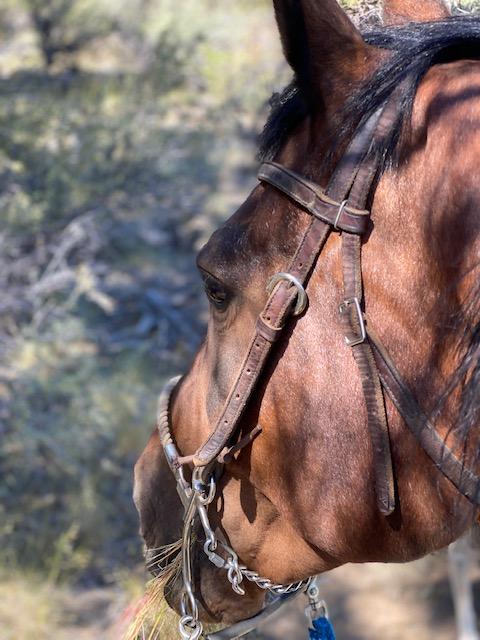
Rosie

Friday, June 26, 2020

While thumbing through the June 29 “New Yorker Magazine”, I ran across a retro-fiction short piece written by Franz Kafka. Remember him? His story, “The Rescue Will Begin In Its Own Time, written sometime between 1917 and 1924 (previously unpublished), feels strikingly-current. Even in today’s very complex terms it’s compelling and thought provoking.

There’s also an essay by a 70-something-year-old journalist who describes offsetting his “self-isolation blahs” by enrolling in a Zoom-based literature course. That required re-reading and discussing “Crime and Punishment”, which re-awakening him to that great work. What a timely and interesting course during these long months of indoors–time to focus on interpreting Dostoevsky’s character, Raskolnikov, one of the most brilliant mental-sufferers in literary history.

As a young reader, I frightened easily. Kafka’s reputation for fusing realism and the fantastic made me avoid his work. An example, this quote from his story “Metamorphosis” scared me terribly: As Gregor Samsa awoke one morning from uneasy dreams he found himself transformed in his bed into a gigantic insect. I couldn’t handle it. In fact, the common literary term, Kafkaesque, was inspired by his nightmarishly complex, bizarre, absurd, and impersonal stories. For me now, after reading his “New Yorker” story is intrigue and a desire for more. A new book about to become available, The Lost Writings,will carry some of Kafka’s previously unpublished fragments and stories.

As for Raskolnikov, I could never get enough, and in fact, the entire of Crime and Punishment enthralled me for years. It does even today. I’d love to participate in a course that re-reads and weighs the elements in this huge, complex philosophical-psychological novel. Thinking through this has me thinking that attempts to interpret elements of sociology-politics-cultures is easier with ideas set against historical settings rather than our contemporary world.

All this is to say, thank you, “New Yorker Magazine”, for reawakening me. I’ll get my hands on some Kafka and will search for a reading group that’ll work on Dostoevsky.

Dear Friends: More of how we evolve, finally and full-circle, toward our beginnings. Diana